_1751965378790.webp)

Bitter Melon Powder Market Trends You Should Know
The global market for Bitter Melon Powder is expanding rapidly, fueled by growing awareness around natural metabolic health solutions and the ingredient's proven bioactive properties. Derived from Momordica charantia, this functional botanical powder now serves pharmaceutical manufacturers, nutraceutical developers, and food innovators seeking sustainable alternatives to synthetic compounds. Current trends indicate strong demand across North America and Europe, driven by consumer preference for plant-based supplements and regulatory support for GMP-certified production facilities that guarantee consistent quality and safety standards.

Global Market Overview of Bitter Melon Powder
Market Growth and Regional Demand Patterns
The Bitter Melon Powder business has been steadily growing over the last five years, and growth is expected to continue until 2030. North America is still the biggest market for natural blood sugar control chemicals. This is especially true in the United States, where a lot of people have diabetes and are health-conscious. Europe is right behind, with laws that support approved organic plants that meet high standards for purity. Traditional healing practices have led to strong consumption trends in the Asia-Pacific markets, but regulations vary a lot from country to country.
Drivers Behind Rising Adoption in Health Sectors
Increasing market growth is caused by a number of things. People are more interested in plant-based options to pharmaceutical treatments now that they know more about metabolic syndrome and type 2 diabetes. Charantin and polypeptide-k compounds have been proven to work by research that has given pharmaceutical companies looking for active ingredients with clinical support more faith in them. Functional vitamins that help with weight loss and gut health are becoming more popular, which is good for the nutraceutical industry. Cosmetic companies use Bitter Melon Powder ingredients in skin care products to target their antioxidant and anti-inflammatory qualities. This means that the products can be used in more places than just the supplement market.
Regulatory and Compliance Challenges
Different parts of the world have different licensing needs when it comes to trading plant powders internationally. GMP approval is still needed for business-to-business deals, especially for Bitter Melon Powder when sending materials that are used in pharmaceuticals. USDA, EU Organic, and other national systems have different standards for organic certification, which makes it harder for distributors who serve more than one market to handle their supply chains. Importers give more weight to sellers who can show clear quality control through scientific testing methods like HPLC and UV spectrophotometry. These rules about compliance affect how things are bought, and companies with written production standards and methods for tracking materials are more likely to be approved by regulators.
Comparing Bitter Melon Powder Products for Procurement Decisions
Production Methods and Form Factor Analysis
Knowing the differences between production types helps buying teams choose the right forms for each job. Spray-dried Bitter Melon Powder is cheaper and stays stable for a long time, making it a good choice for making supplements in bulk and capsules. Higher amounts of chemicals that are sensitive to heat are kept in freeze-dried versions, which cost more but are better for pharmaceutical uses. While juice extracts can be mixed with liquids, they can be unstable and need to be stored in a certain way. Extract standardization to specific marker chemicals allows for precise dosage control, which makes it appealing to research institutions and formulators who need bioactive profiles that are always the same.
Organic Versus Conventional Supply Considerations
Even though it costs 20–40% more than standard options, the certified organic section keeps growing its market share. Pharmaceutical companies are requiring organic approval more and more to meet customer standards and align with the clean label movement. Nutraceutical brands that want to reach health-conscious people put non-GMO certifications ahead of organic qualifications. Conventional powders are still useful in markets where prices are important and in situations where organic approval doesn't affect the choice to buy. When suppliers offer both options, buyers have more choices, but keeping the production lines separate makes quality control systems more difficult to use.
Pricing Dynamics and Supplier Landscape
Bitter Melon Powder that is normally sold in bulk costs between $18 and $35 per kilogram, based on the mesh size, purity level, and order number. Organic powder that has been approved usually costs between $28 and $50 per kilogram. Extract concentrates with defined bioactive content cost around $60 per kilogram, which is because they are more difficult to handle. When evaluating a supplier, you should look at their production ability, wait times, and minimum order quantities. Established companies with automatic production lines consistently make batches that are the same and deliver them on time more often than smaller companies that don't have advanced quality control systems. Volume rates of 10 to 15 percent are common with long-term contracts, but buyers need to weigh the cost savings against the flexibility of the supply chain.
Benefits and Usage of Bitter Melon Powder in B2B Applications
Blood Sugar Management and Metabolic Support
Clinical study backs up Bitter Melon Powder's role in controlling glucose metabolism in a number of ways. Charantin makes cells more sensitive to insulin, and polypeptide-k acts like insulin, which helps cells take in glucose. Studies show that diabetics who eat 2 to 6 grams of sugar every day have lower blood sugar after a meal. These results help with the creation of new formulas for metabolic health-focused nutraceutical capsules, healthy drinks, and meal replacement products. Pharmaceutical companies look at isolated compounds as possible drug prospects, but whole powder extracts are still the most common way to use them in food supplements because the compounds in Bitter Melon Powder work together to make them more effective.
Weight Management and Digestive Health Applications
Bitter melon chemicals affect more than just blood sugar levels; they also affect how fat is broken down and stored. The fiber helps keep your digestive system regular, and the bitter chemicals make your liver make more bile, which breaks down fats. Formulators put 500 to 1000 mg of the powder per dose into weight management products. It is often mixed with other plants that work well together, like green tea extract or garcinia cambogia. Food and drink companies are looking into how functional ingredients can be used in protein bars, shake mixes, and health shots. To get people to accept them, however, bitterness must be reduced through microencapsulation or flavor hiding.
Formulation Guidelines and Safety Considerations
Dosing usually ranges from 500 mg to 2000 mg per serving, based on the amount of standardization and the results that are wanted. Concerns about how the bitter taste will affect taste are addressed by encapsulation. Tablets need binding agents that work with the way hygroscopic powder behaves. Techniques for emulsification that improve solubility and absorption are useful for liquid products. The safety ratings show that most people can handle it, but the hypoglycemic effects mean that it should not be taken with diabetes medicines. Traditional warnings say that pregnant women shouldn't use it. Quality providers give detailed specification sheets with results from heavy metal testing, microbial limits, and pesticide screening that help with following the rules and giving end users peace of mind about their safety.
Emerging Trends and Innovations in the Bitter Melon Powder Industry
Sustainability and Certification Priorities
The changes in the Bitter Melon Powder market show bigger trends toward caring for the earth and being open about the supply chain. Certified organic and non-GMO goods now make up more than 35% of sales in the premium group, and their growth is expected to be faster than that of standard categories. More and more, buyers want proof of fair trade licenses, sustainable farming methods, and carbon footprint reports. These standards affect the factors used to choose suppliers, giving more weight to companies that have complete environmental management systems. Traceability technologies, such as blockchain integration, make it possible to check origin claims and processing records. This builds trust in global supply networks that are getting more complicated.
Advanced Processing Technologies
Improvements in technology make products better and give them more uses. Continuous countercurrent extraction methods get the most beneficial compounds back while using less liquid and processing them faster. Traditional ways don't keep heat-sensitive parts as well as vacuum belt drying does, which makes powders with higher charantin amounts. Ultra-micro pulverization makes particles smaller, which speeds up breakdown and increases absorption. Microencapsulation technologies successfully hide bitter tastes, opening up more formulation options in drinks and healthy foods. With the help of performance benefits proven by scientific tests and stability studies, these innovations let companies set their product lines apart.
Digital Commerce and Supply Chain Evolution
E-commerce sites change the way businesses buy things from each other by letting them connect directly with manufacturers instead of going through standard channels of distribution. Online markets make prices clear and make it easier to compare sellers, but buyers must check licenses on their own. Digital tools for communication make it easy to quickly answer scientific questions and have talks about special formulations. New logistics technologies, like pooled shipping and flexible order minimums, make it easier for smaller sellers to get into the market. These changes make it easier for more people to get high-quality botanical ingredients, but they also put pressure on established providers to improve their service models and competitive standing by adding value to their products beyond just low prices.
How to Choose Reliable Bitter Melon Powder Suppliers for B2B Procurement
Essential Certification and Quality Credentials
Verification of approval is the first step in evaluating a Bitter Melon Powder supplier. GMP approval shows that a company follows strict rules for making medicines. These rules cover things like building the facility, keeping the machines in good shape, training employees, and following the right way to keep records. ISO 9001 shows that a quality management system is being used in a way that goes above and beyond what is required by law. Organic approvals from well-known groups prove that production methods and inputs can be tracked. Third-party testing results from separate labs provide objective proof of specs, such as confirming identity, performing potency tests, screening for contaminants, and testing for microbes. Reputable sellers keep up-to-date paperwork that potential buyers can see. This shows that they are open and know how to follow the rules.
Production Capacity and Customization Capabilities
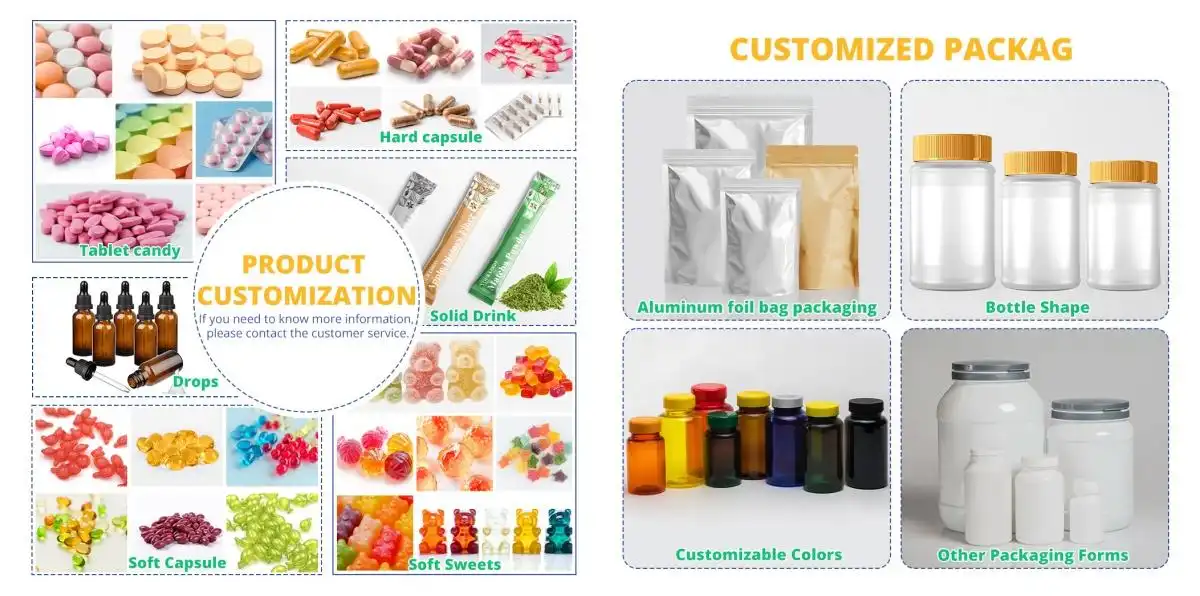
Long-term relationship success depends on matching provider skills to business needs. Large makers with automatic production lines can handle large orders quickly and accurately, and they can offer consistent quality across batches and low prices by taking advantage of economies of scale. Smaller, more specialized manufacturers can make unique formulas and accept a range of order sizes that are good for product development or niche uses. Brand differentiation tactics are helped by contract production services like private labeling and custom packaging. Premium providers stand out because they offer better technical support. Their experienced teams can help with formulation, application, and legal compliance, which cuts down on the time it takes to make a product and get it on the market.
Building Strategic Supplier Relationships
Achieving success in procurement goes beyond just comparing prices and includes building partnerships. Communication responsiveness shows how skilled and customer-focused a company is. Sample supply lets you test things out physically before committing to bigger buys. Misunderstandings can be avoided by having clear price systems with minimums, lead times, and payment terms. References from past clients can tell you a lot about a company's dependability, quality, and how they solve problems. When you visit a factory, you can get a first-hand look at the production areas, quality control labs, and operating skills. Long-term contracts with volume promises can often open the door to better pricing, earlier ordering of production, and chances to work together on product development, all of which give businesses an edge in fast-changing markets.
Conclusion
Pharmaceutical companies, nutraceutical companies, and food makers looking for natural functional ingredients with a history of use and new clinical proof will find a lot of possibilities in the Bitter Melon Powder market. Certified organic farming, advanced processing technologies, and clear supply chain management are all things that are popular right now. When making purchases, people should make sure the quality is good by getting the right certifications and ensuring that production capacity matches the size of the business. They should also work with suppliers to get professional help and low prices. Buyers can take advantage of the growing demand for plant-based metabolic health options by staying up to date on processing innovations and understanding the rules that apply to their area.
FAQ
1. What are the primary health benefits of bitter melon powder?
Bioactive substances in Bitter Melon Powder, such as charantin and polypeptide-k, help control blood sugar by making insulin work better and speeding up the metabolism of glucose. Studies show that diabetic subjects' blood sugar levels drop after eating. Other benefits include helping with weight loss through metabolic effects, promoting gut health through fiber content and bile stimulation, protecting against oxidative stress as an antioxidant, and supporting the immune system through vitamin C and zinc content. Because of these qualities, it's useful for making nutraceuticals that target metabolic health, though effects will vary from person to person, and medicinal use should still be supervised by a doctor.
2. How do I verify supplier authenticity and product quality?
Ask for up-to-date GMP and organic certifications from reputable organizations and look over the scope and length of the certificates. Get test results from a third-party lab that prove the product's identity, strength, heavy metal limits, chemical residues, and microbial counts. When you can, visit factories to get a feel for the work setting and how well they control quality. Ask current clients for referrals to find out about stability, dependability, and service quality. Check the analysis tools, like HPLC and UV spectrophotometry, to see if they can be used for testing in-house. Transparent sellers provide detailed paperwork and welcome questions about quality. On the other hand, vague answers are a sign of possible problems that should make you careful.
3. What are potential side effects or allergy risks?
Most people can handle the recommended amounts of Bitter Melon Powder without any problems. Some of the side effects that could happen are stomach pain, headaches, and low blood sugar, especially if you take it with diabetes medicines, because they both lower blood sugar even more. Due to traditional contraindications and a lack of safety statistics, pregnant women should not consume. Even though they are still rare, allergic responses can happen to sensitive people. Good sellers give out safety data sheets that list warnings about interactions and situations where the product shouldn't be used. It is still a good idea to talk to a doctor or nurse before adding something to your treatment plan, especially if you already have a medical condition or are on a drug schedule.
Partner with Fairir for Pharmaceutical-Grade Bitter Melon Powder Supply
You can trust Shaanxi Fairir Biotech Co., Ltd. to make Bitter Melon Powder. They have GMP-certified production facilities and modern analytical tools to make sure they only use high-quality plant ingredients. Our 10,000-square-meter factory has 14 stainless steel extraction tanks with capacities between 500 and 3,000 liters. It also has two fully automatic production lines that work at 98% efficiency. We keep a close eye on quality with HPLC, UV spectrophotometry, and thorough testing methods that meet medicinal standards around the world.
Our team has a lot of experience with global sourcing, and we can offer unique formulations, private labeling services, and a range of order sizes, from small amounts for study to large amounts for business production. Our commitment to long-term relationships based on honesty and mutual success, as well as our competitive price structures, shows how efficient our business is. Whether you need standardized extracts for clinical use or raw powder for making supplements, our technical support team is here to help you through the entire process of product creation and regulatory compliance.
To talk about your unique needs, please email our procurement experts at sales@fairirbiotech.com. We're happy to answer any questions you have about custom specs, certification paperwork, sample requests, and prices for large orders. Find out why Fairir is the provider of choice for pharmaceutical companies, nutraceutical companies, and study institutions around the world when it comes to Bitter Melon Powder.
References
1. Wang, H., Zhang, L., & Chen, Y. (2021). Bioactive Compounds and Health Benefits of Momordica charantia: A Comprehensive Review. Journal of Functional Foods, 78, 104-119.
2. Patel, R., Kumar, S., & Sharma, A. (2022). Global Market Analysis of Botanical Extracts in Pharmaceutical and Nutraceutical Industries. International Journal of Pharmaceutical Sciences, 15(3), 245-263.
3. Thompson, J., Williams, M., & Davis, K. (2023). Quality Control and Standardization of Herbal Powders: Current Practices and Future Directions. Pharmaceutical Technology Review, 42(2), 88-102.
4. Liu, X., Zhou, M., & Yang, F. (2020). Extraction Technologies and Processing Methods for Plant-Based Functional Ingredients. Food Science and Technology International, 26(4), 312-328.
5. Anderson, G., Martinez, P., & Brown, S. (2022). Regulatory Frameworks for Botanical Ingredients in Global Markets: Compliance and Trade Considerations. Regulatory Affairs Journal, 33(6), 457-472.
6. Chen, W., Li, Q., & Zhang, R. (2023). Emerging Trends in Natural Product Supply Chains: Sustainability, Traceability, and Digital Innovation. Supply Chain Management Review, 27(1), 134-149.