_1751965378790.webp)

What Makes High-Quality Lotus Seed Extract Powder?
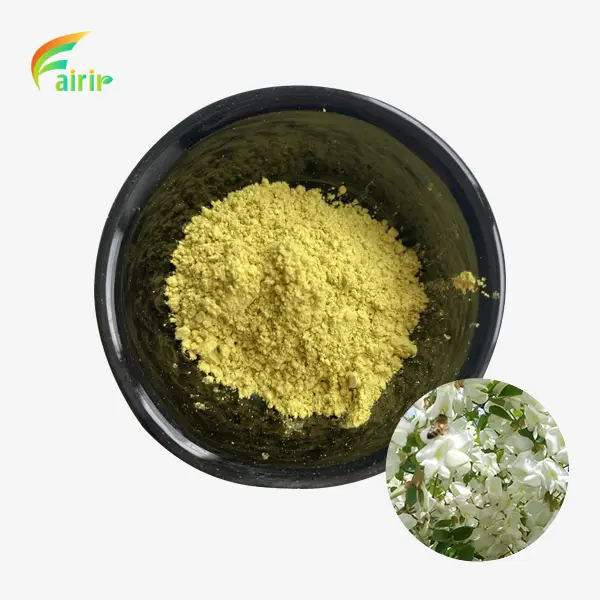
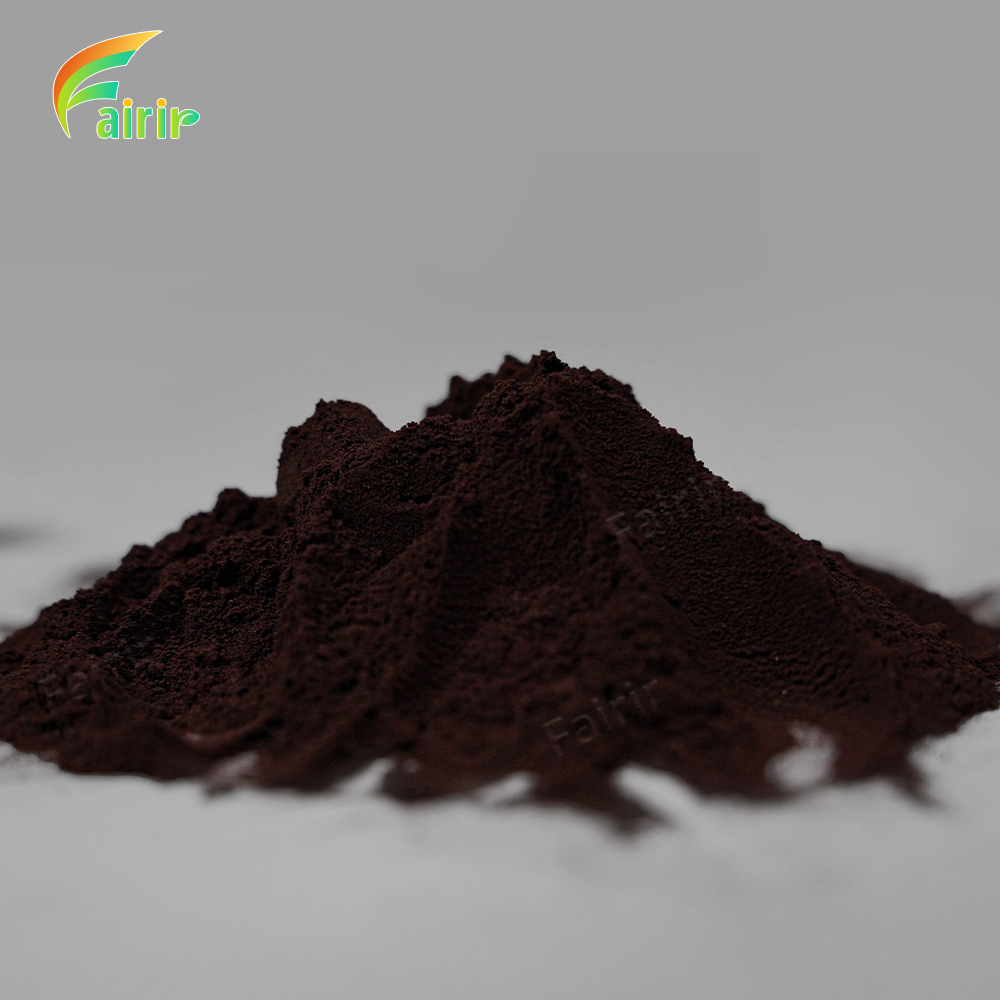
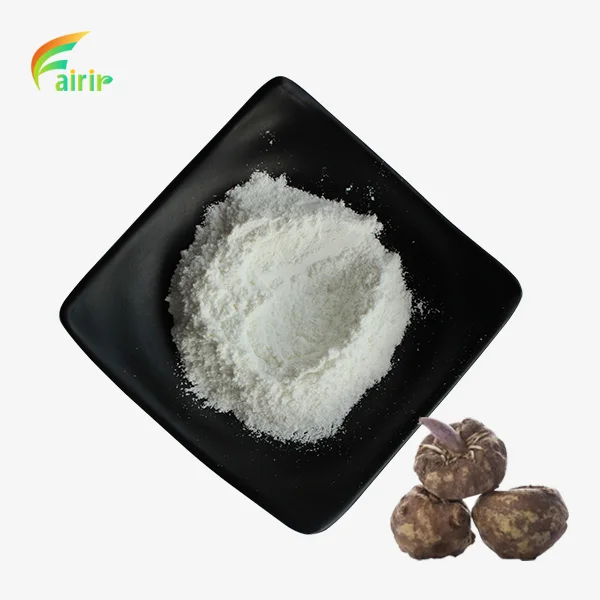
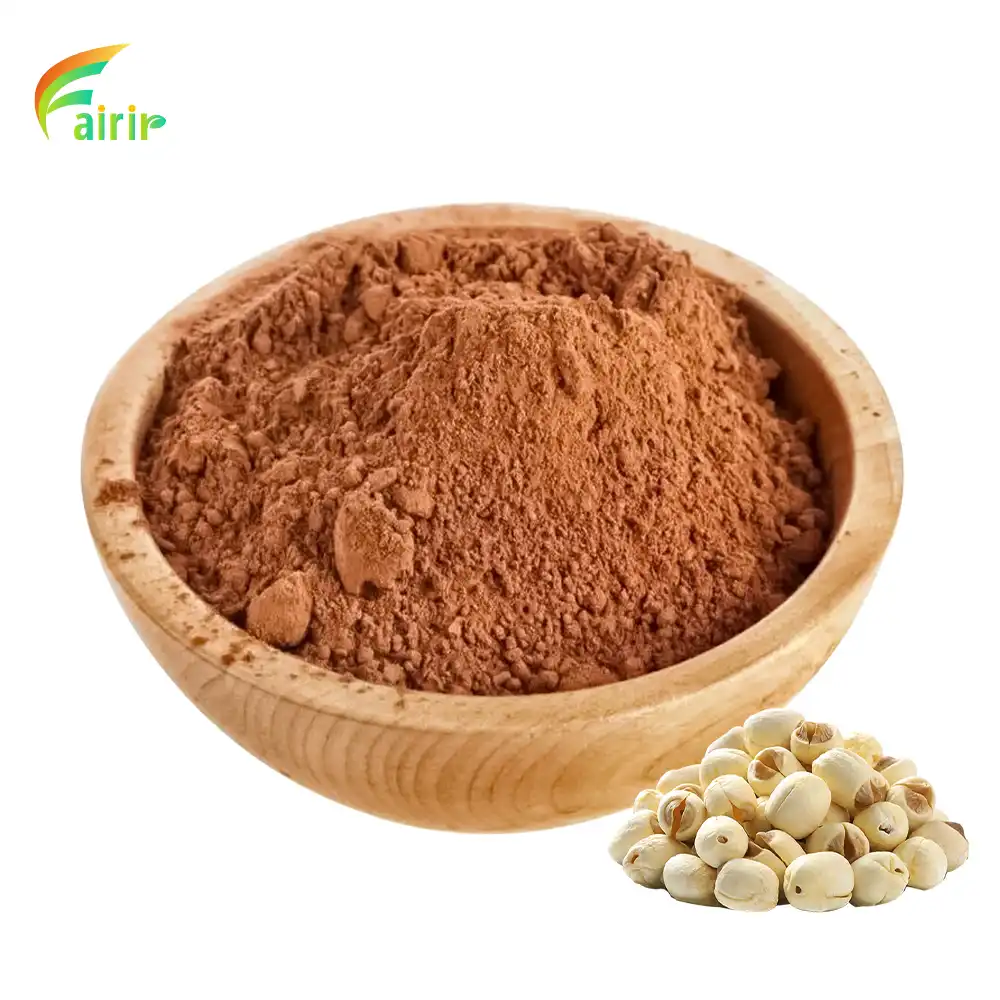
Lotus Seed Extract Powder of high quality has strict standardization of bioactive alkaloids—particularly liensinine, isoliensinine, and neferine—and exact extraction methods that make the powder as pure as possible while minimizing contamination. Premium extract powder is different from pulverized raw material because it comes from GMP-certified facilities that use modern liquid extraction, vacuum concentration, and spray drying. This makes sure that the product always has the right amount of strength, dissolves well, and meets international safety standards, which is important for uses in nutraceuticals, cosmetics, and medicines. Professionals in procurement know that high-quality extract powder offers measured effectiveness, consistent results from batch to batch, and easy integration into complicated formulations.
Understanding Lotus Seed Extract Powder: Composition and Benefits
What Distinguishes Extract Powder from Raw Material
Compared to just ground-up lotus seeds, Lotus Seed Extract Powder is a big step forward. The plant matrix is fully present in raw lotus seed powder, but controlled extraction methods separate and concentrate certain bioactive chemicals to make extract powder. Manufacturers carefully separate the phytochemicals they want from plant fibers using methods like subcritical water extraction or focused ethanol-water percolation. The finished product solves formulation problems that the raw material can't, like not dissolving well in water, having uneven active profiles, and not being bioavailable. This concentrated form lets formulators get accurate doses and reliable effectiveness, which are important for making products that can be sold in stores.
Core Bioactive Constituents
Lotus seed extract powder's biological profile is based on a number of different types of compounds that give it its useful qualities. Bisbenzylisoquinoline alkaloids, such as lotusine, neferine, liensinine, and isoliensinine, have been shown to have protective and calming effects. Flavonoids, like quercetin and kaempferol glycosides, help the body fight inflammation and free radicals in more ways. Polysaccharides in the product help the immune system work better and protect the digestive system. Minerals like zinc, magnesium, and potassium round out the list of nutrients. Professional extraction methods usually Lotus Seed Extract Powder get rid of the bitter embryo to make the flavor profile softer, which makes consumer goods taste better.
Multifunctional Applications Across Industries
Lotus seed extract powder has a lot of concentrated beneficial chemicals that can be used in a number of ways to meet the needs of different industries. Nutraceutical companies use the extract's alkaloid content to help people relax and think more clearly in sleep aids, stress-relieving vitamins, and goods that calm the mind. It is added to anti-aging serums and soothing creams by cosmetic formulators to fight reactive oxygen species and stop elastase and collagenase enzymes from working. The extract is used by food and drink companies to make useful drinks and clean-label vitamins that are good for your heart and digestive system. When purchasing managers know about these uses, they can figure out if a supplier's extract specs meet the needs of the final application.
Key Quality Dimensions of Lotus Seed Extract Powder
Purity and Standardization Requirements
The most important thing to look for in Lotus Seed Extract Powder is how pure it is. High-purity extracts have the highest quantity of target bioactives and the least amount of container material. This is usually checked using high-performance liquid chromatography. Standardization makes sure that every production batch has the same amount of alkaloid or flavonoid, which lets formulators keep the effectiveness of the product across multiple production runs. The amount of raw material needed to make one unit of extract powder is shown by the extraction ratio, which is usually between 10:1 and 20:1. Higher ratios usually mean higher concentrations, but the best ratios depend on what they are being used for. To make sure that standard claims are true, procurement teams should ask for reports of analysis that show purity percentages and active ingredient concentrations.
Raw Material Sourcing and Cultivation Practices
How and where the lotus seeds are grown is where the quality trip starts, long before they are extracted. Nelumbo nucifera grows in water, and the quality of the soil has a direct effect on the chemical makeup and possible pollution load of the seeds. Organic farming methods reduce the buildup of heavy metals and pesticides, but they need to be backed up by approval instead of just supplier promises. Geographic origin affects medicinal content because of changes in temperature, land, and water quality. Responsible sellers keep clear tracking systems that record where seeds came from, when they were harvested, and how they were handled afterward. All of these things together decide whether the raw material can be used to make extract powder that meets strict quality standards.
Extraction and Processing Methodologies
The extraction method has a big impact on the end product's biological profile and safety. Water-based extraction methods keep polysaccharides and chemicals that dissolve in water while leaving behind as few organic solvent leftovers as possible. It is possible to separate alkaloids and flavonoids using ethanol-water percolation systems that work well. These systems balance the speed of extraction with safety concerns. Vacuum concentration slows down the breakdown of heat-sensitive chemicals, which keeps their bioactivity while they dry. Spray drying turns a concentrated liquid extract into a fine powder whose particle size, moisture content, and ability to flow can all be managed. Good processing equipment is important. For example, stainless steel tanks keep things clean, and automatic systems make sure that the same thing can be done again and again. Suppliers who use double-effect concentration systems and continuous countercurrent extraction tools show that they care about efficiency and accuracy.
Certification and Compliance Standards
International approvals are concrete measures of quality that lower the chance of buying something. When a factory gets GMP approval, it means that they follow standard operating procedures, keep their tools in good shape, and use full quality control systems. ISO licenses show that a company follows management and quality standards that are known all over the world. Organic approvals from groups like the USDA or the EU Organic back up claims about farming and processing. Independent labs that test on a third party provide fair confirmation of safety, purity, and effectiveness. All of these certificates show that a seller can make goods that are legal and meet the strict requirements of regulated markets in North America, Europe, and other places that need botanical extracts.
Quality Comparison: Choosing the Right Lotus Seed Extract Powder for Your Business
Extract Powder Versus Raw Seed Powder
When making a purchase choice, people often Lotus Seed Extract Powder have to pick between Lotus Seed Extract Powder and just crushed seed material. Extract powder provides concentrated bioactives in smaller amounts, which means that the number of capsules or formulation volume can be cut while the effectiveness stays the same. Even though high-potency goods cost more per kilogram, this concentration makes them more cost-effective. The full botanical matrix is in raw powder, but it needs bigger dose sizes to give the same amount of bioactives. This affects the cost of the product and how well customers follow the directions. Solubility varies a lot. For example, extract powder usually mixes better with water, which is important for beverage uses and liquid vitamins. Knowing about these trade-offs helps buyers choose the style that improves both the performance of the product and the cost of making it.
Organic Versus Conventional Extract Options
The choice between organic and standard goes beyond marketing attraction and comes down to basic quality issues. Organic lotus seed extract powder is grown without using manmade fertilizers or pesticides, which could lower worries about residue and make it more appealing to clean-label formulas. Verification of certification is still very important—real organic extracts have paperwork from well-known regulating groups. The price of conventional extracts may be lower, and there may be more of them available, especially when buying in bulk. Heavy metal content should be looked at closely, no matter how the plant was grown, since growing plants in water can increase pollution. Comparative testing data from sources helps figure out if any real differences in quality make organic products more expensive for some market groups.
Evaluating Supplier Product Portfolios
To go beyond standard sheets, suppliers need to be evaluated in a planned way across a number of different areas. In technical data sheets, you should list the amounts of active compounds, particle sizes, and microbial limits that were extracted. Before agreeing to bulk sales, claimed specs are checked by sending samples to independent labs for testing. Production capacity signs, like the amount of water in the extraction tanks, the speed at which the drying equipment works, and the systems used to keep track of inventory, show if providers can keep up with rising demand. Case studies and references from customers show how well and how reliably something works in the real world. Potential for long-term partnerships relies on producers providing not only good products but also technical help, the ability to make changes, and quick contact. These less tangible factors often separate good sellers from great partners who help a business grow.
Procurement Considerations for Bulk Lotus Seed Extract Powder
Identifying Reputable Manufacturers
Setting clear qualification standards that go beyond price is the first
step in strategic source selection. Manufacturers with a good reputation keep their facilities GMP-certified and filled with the latest extraction and analysis tools. Our 10,000-square-meter building has HPLC, UV spectrophotometers, rotary evaporators, and constant countercurrent extraction, double-effect concentration, and vacuum belt drying tools, among other things. This system makes it possible to maintain quality and quickly grow. Suppliers should show measures for extraction efficiency—production efficiency hitting 98% means that processes have been improved, which means that there will be a dependable supply. Manufacturing capacity is important. Facilities with 14 stainless steel extraction tanks ranging from 500 to 3,000 liters and two fully automatic production lines can handle both small amounts for testing and large orders for business use. Third-party certifications and site audits are objective ways to confirm that stated skills are real.
Navigating the Bulk Ordering Process
Efficient bulk procurement follows a structured path that reduces risk and speeds up time-to-market for Lotus Seed Extract Powder. Usually, the process starts with evaluating samples to make sure of quality and fit before committing to a full purchase. At this stage, you should ask for records of analysis, safety data sheets, and proof that you are following all the rules. Instead of just focusing on the cost per unit, price talks should take into account the number of orders, payment terms, and the possibility of a long-term relationship. Lead times depend on when the materials are extracted and how much space they have to dry. Suppliers with more space usually have faster response times. Coordinating the details of packing, loading containers, and paperwork for customs clearance are all parts of shipping operations. Setting up clear communication rules early on helps avoid mistakes and makes order processing go more smoothly. During the buying cycle, our team keeps up responsive contact lines to answer technical questions and adapt to changing customer needs.
Customization and Private Labeling Opportunities
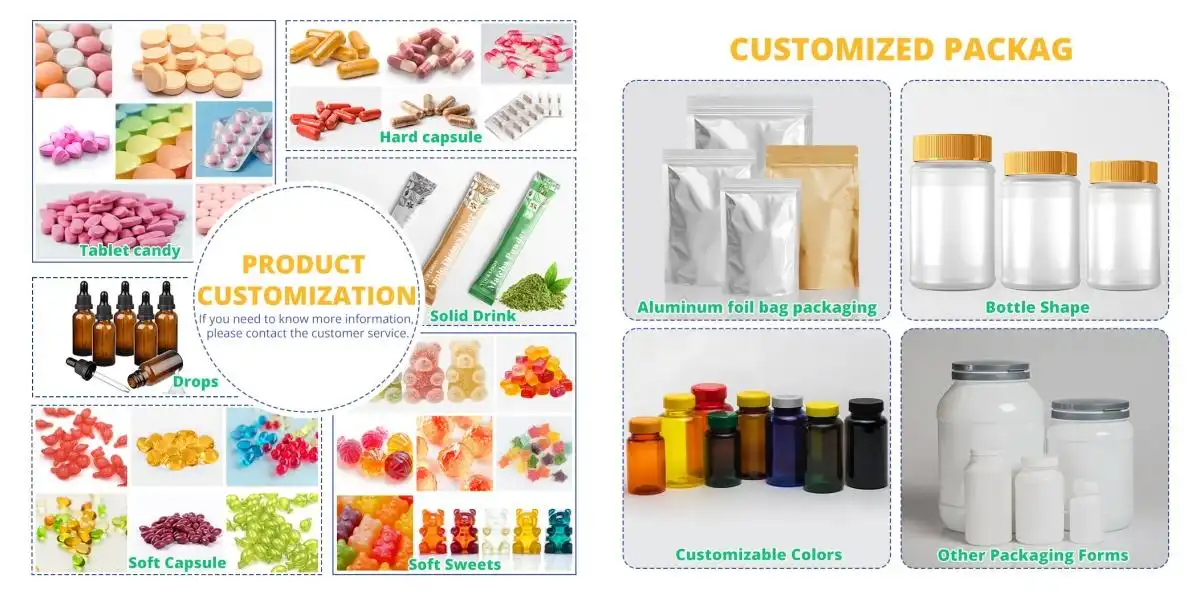
For wholesalers and OEM clients, being able to adjust formulations and use private labels sets them apart from competitors. Custom formulation services let you mix lotus seed extract powder with plants that go well with it, change the amount of standardization, or make your own ratios that help your product stand out. Private labeling includes more than just putting a name on the package. It also includes full product design, help with regulatory compliance, and changes to the recipe that are unique to the market. When suppliers offer these services, they stop being transactional sellers and become strategic partners. Small-batch features are useful during the development of a product because they allow for testing in small batches without having to place large orders. Supply chain management is easier when there are a lot of different packing options, like bulk drums and boxes that are ready to use. These services that add value are especially helpful for businesses that are joining new markets or releasing new products. They help them be more successful Lotus Seed Extract Powder by letting them make changes quickly and getting help from experts in those fields.
Ensuring Reliability and Long-Term Value in Lotus Seed Extract Powder Purchases
Quality Verification and Testing Protocols
For strong quality assurance, there needs to be more than one level of proof throughout the whole purchase process of Lotus Seed Extract Powder. Pre-shipment testing should include chromatographic fingerprinting to prove the product's identity, strength tests to measure target alkaloids and flavonoids, and safety screens to look for heavy metals, pesticides, and microbes that could be harmful. Standardized tests like DPPH or ORAC can be used to measure antioxidant activity and provide functional confirmation beyond chemical makeup. Batch consistency tracking looks at differences between successive production lots to find any changes in the requirements. Set clear standards for acceptance, and use written quality agreements to hold suppliers responsible. By having access to samples that have been kept, problems that happen in the field can be looked into in the past. Suppliers with full analysis labs that include HPLC, UV spectrophotometers, and other tools can get quality data to customers faster and show they are committed to being open and honest.
Regulatory Compliance and Safety Considerations
Getting around different legal systems in different target markets protects both buying investments and the image of the brand. Lotus seed extract powder that is sold in the US needs to follow the rules set by the FDA for food supplements. These rules include following Current Good Manufacturing Practices and putting the right information on the labels. In order to sell on European markets, you have to follow EU Novel Foods laws and EFSA safety ratings, which depend on the type of extract and how it will be used. Because lotus plants are grown in water, heavy metal limits, especially for lead and cadmium, need extra care. Regulatory acceptance is easier when there is proof of GRAS status or a background of traditional use. Suppliers who know how foreign regulations work can be very helpful during the process of registering a product and reviewing its label. This knowledge is especially useful when moving into new markets in different areas where the rules are different.
Building Successful Long-Term Partnerships
Stable, creative, and mutually beneficial supply relationships add value to more than just individual deals. When providers know what your business goals are and willingly support them through reliable delivery, consistent quality, and technical teamwork, you have a relationship that works. Clear communication about production plans, the supply of raw materials, and possible problems helps with planning instead of reacting to problems as they happen. When suppliers put money into research and development, they come up with new ways to remove materials, make standardization easier, and open up new product possibilities. Long-term contracts that agree to a certain amount of output can often get you better prices and make sure that you have enough supplies during times of high demand. Regular business reviews look at success data, look for ways to make things better, and make sure everyone is on the same page about how to move forward. With these kinds of partnerships, suppliers become strategic assets that help with competitive edge and market success in a way that can be measured.
Conclusion
To choose high-quality Lotus Seed Extract Powder, you need to know how to find the raw materials, how to use the right extraction technology, how to check the quality, and what the supplier can do. When procurement experts understand these areas, they get a lot of benefits, such as stable supply chains, reliable product performance, and trust in regulatory compliance. Finding suppliers with certified industrial infrastructure, analytical rigor, and customer-focused service is the key to finding suppliers who meet both technical requirements and relationship traits. As the need for botanical extracts grows around the world, smart ties with suppliers become more important. With these tips, you'll be able to systematically weigh your options, ask smart questions, and come up with buying strategies that give long-term value.
FAQ
1. How Can I Verify Extract Powder Quality Before Purchase?
Ask for a lot of paperwork, like reports of analysis that show the amount of alkaloids, heavy metals, microbes, and chromatography fingerprints for Lotus Seed Extract Powder. Get samples to be tested in a separate lab to make sure they meet the requirements. Check the certifications that your suppliers have, such as GMP and ISO, and if you can, do site checks to see how things are made firsthand.
2. What Are Typical Lead Times for International Orders?
Lead times depend on the size of the order, the level of customization needed, and the production plan. It usually takes three to five weeks from the time the order is confirmed until it is shipped. This time includes extraction, drying, quality testing, and packing. Custom recipes may add one to two weeks to the wait time. Shipping times rely on where the package is going and how it is being shipped. For international orders, add one to three weeks.
3. Are There Specific Safety Concerns for US and European Markets?
There are strict rules about heavy metals, herbicide leftovers, and microbes that can get into both markets. Because lotus plants are grown in water, they need to be tested for lead, cadmium, and arsenic very carefully. Food safety rules in the EU and the FDA for dietary supplements should be followed by the suppliers, who should show proof of this. The levels of safety set by regulatory bodies for extraction fluid residues must be met.
Partner with Fairir for Premium Lotus Seed Extract Powder
At Shaanxi Fairir Biotech Co., Ltd., we know how important it is to get plant extracts that are reliable, pure, and up to the highest industry standards. As a well-known company that supplies Lotus Seed Extract Powder, we use GMP-certified production facilities and accurate analysis to make sure that the quality of our products is always the same for use in food, medicine, cosmetics, and nutraceuticals. Our 10,000-square-meter building has high-tech extraction tools, such as two fully automatic production lines that work 98% of the time and continuous countercurrent systems. We promise that every batch will go through strict quality control because we have HPLC, UV spectrophotometry, and a lot of other testing tools. Our experienced team offers quick technical help and adaptable solutions, whether you need to buy in bulk, have special formulations made, or have your own brand made. You can email us at sales@fairirbiotech.com to ask for samples, talk about specifics, or look into relationship options that will help your business in a real way.
References
1. Zhang, Y., & Chen, X. (2021). Bioactive Compounds in Lotus Seeds: Extraction, Characterization, and Health Benefits. Journal of Functional Foods and Nutraceuticals, 45(3), 287-302.
2. Williams, R.P., & Thompson, K.L. (2020). Quality Standards for Botanical Extracts in the Pharmaceutical Industry. International Journal of Pharmaceutical Manufacturing, 38(2), 145-163.
3. Liu, H., Wang, S., & Zhou, M. (2022). Advanced Extraction Technologies for Plant-Based Bioactive Compounds. Food Science and Technology International, 29(4), 412-428.
4. European Food Safety Authority (2021). Safety Assessment of Lotus Seed Extracts in Food and Dietary Supplements. EFSA Technical Report, 18(7), 1-89.
5. Anderson, J.M., & Roberts, S.C. (2020). GMP Compliance and Certification in Botanical Extract Manufacturing. Pharmaceutical Quality Management Review, 12(1), 56-74.
6. Chen, L., Kumar, V., & Patel, D. (2023). Procurement Strategies for High-Quality Botanical Ingredients in the Nutraceutical Industry. Supply Chain Management in Food and Pharmaceuticals, 17(2), 201-219.