_1751965378790.webp)

Purple Yam Ube Powder Benefits for Food and Beverage Products
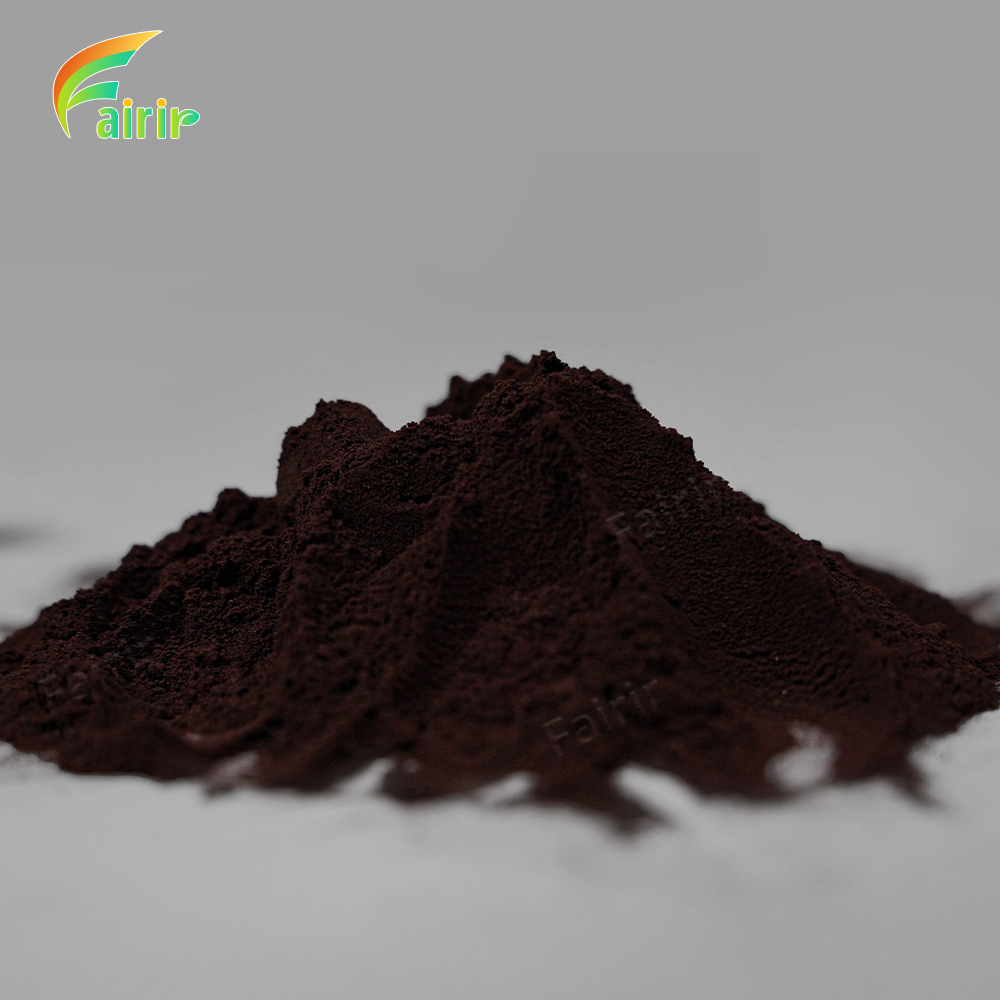
Purple Yam Ube Powder is useful for companies that make drinks and foods and want to add natural colors or other ingredients. The bright purple color of this high-quality powder comes from real Dioscorea alata roots. It's also good for you because it has enzymes, fiber, and vitamins that your body needs. The powder tastes like nuts and vanilla and can handle being heated. It can be used in baked goods, frozen desserts, drinks, and sweets. This helps companies meet the rules for clean labels and makes their goods stand out in places where there are a lot of them.
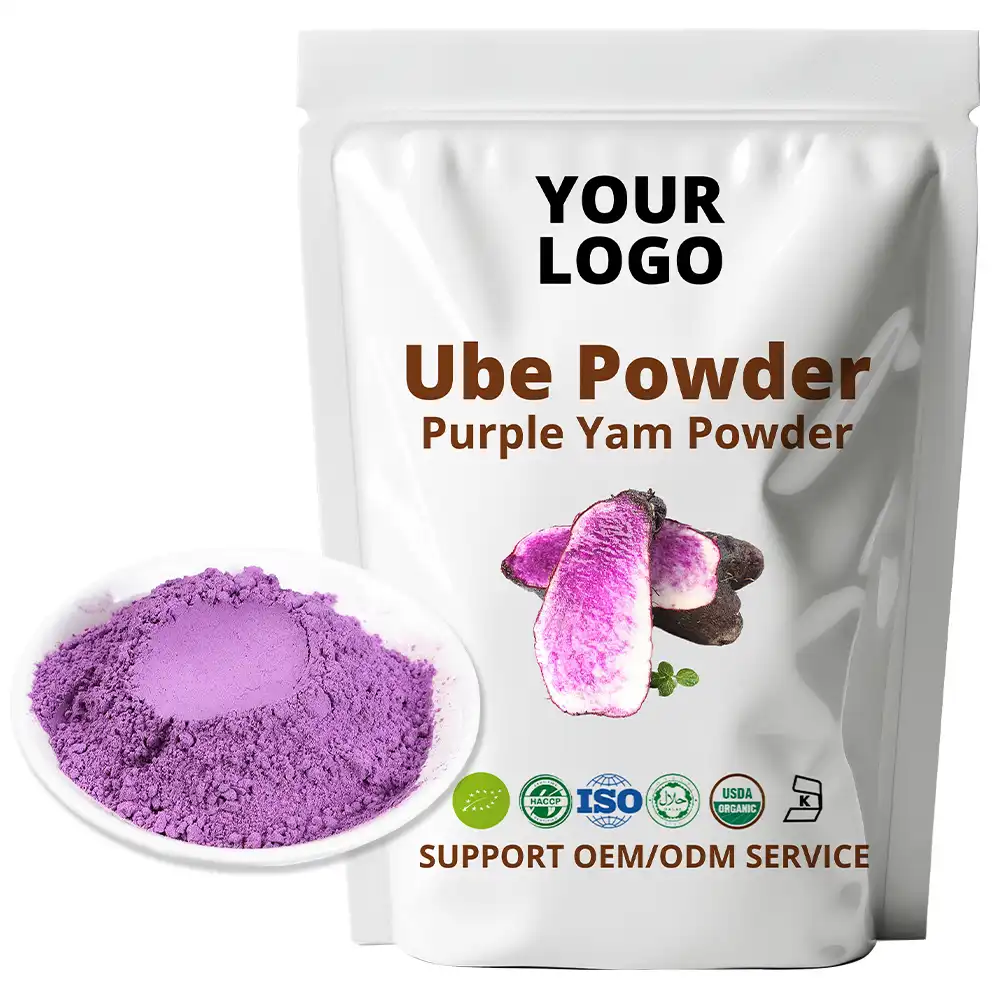
Understanding Purple Yam Ube Powder: Origin, Types, and Nutritional Value
Botanical Origins and Processing Methods
That's not the same plant as purple sweet potatoes. The purple yam is called Dioscorea alata in Latin. This strange root vegetable comes from Southeast Asia, especially the Philippines. It has been grown there for hundreds of years and is eaten every day and at events. Purple sweet potatoes are in the morning glory family, while real ube is in the yam family. It has its own flavor ingredients that give it a rich, vanilla-like taste. With today's methods, fresh ube roots are slowly dried out and ground into very small pieces to make stable powders. The first step is to carefully pick growing roots. After that, they are washed, peeled, and cut into round pieces. Cutting-edge freeze-drying or spray-drying methods protect the food's natural anthocyanin pigments, which give it its bright purple color. After being dried, the stuff is ultra-micro-pulverized until the particles are all the same size, which can be anywhere from 80 to 200 mesh.
Nutritional Profile and Functional Components
Purple Yam Ube Powder is good for making healthy foods because it has a lot of nutrients. A 100-gram serving has a lot of dietary fiber (8–12 grams), potassium (400–600 mg), and vitamin C (15–25 mg). The powder's most important parts are the anthocyanins, especially cyanidin and peonidin glycosides. They fight free radicals and help the color stay stable. A study found that good ube powder has anthocyanin amounts of 50 to 150 mg per 100 grams. This means that the powder can fight free radicals by 2,000 to 4,000 ORAC units. When food is prepared normally, like when it is cooked to 85°C for 15 minutes to pasteurize it, these chemicals don't change. There is also resistant starch in the powder. This is a prebiotic fiber that backs up the idea that functional foods are good for your gut health.
Quality Specifications and Grades
When it comes to industrial ube powder, the specs depend on how concentrated it is and what it will be used for. Tests with thin-layer chromatography (TLC) show that normal grades have purity levels between 80% and 99%. If cost is important, the 80% grade is good for normal food uses. The 99% pharmaceutical-grade powder meets strict requirements for making nutraceuticals and vitamins. One of the quality standards is that the wetness level must be less than 5%. There are also limits on heavy metals and bacteria that meet FDA and EU rules. Premium types keep their anthocyanin stability for 24 months when they are stored in vacuum-sealed metal foil in a controlled environment with controlled temperature and humidity.
How to Use Purple Yam Ube Powder in Food and Beverage Products
Bakery and Confectionery Applications
If you want to add Purple Yam Ube Powder to baking recipes, you need to know what its benefits are and how much to use. When added at a rate of 1% to 3% by weight of flour, the powder works great in cookie doughs, cake batters, and bread recipes. It naturally holds things together, which keeps moisture in and makes foods last longer. This is especially helpful for gluten-free foods that don't hold together well. The color strength of the powder stays the same during regular baking because it is heat-safe. But pH levels change the colors a lot in the end. When the pH level is high, colors become more purple, and when the pH level is low, colors become more red. Because of this, makers can come up with creative ways to use color differences in new lines of products. If you want to make chocolate treats that taste better, mix ube powder with cocoa powder or sugar first, then add it to melted chocolate. This method makes sure that the colors are spread out properly and doesn't make them stick together. The powder can be used for complicated sauces, ganaches, and filled candies because it works with different fats.
Beverage Formulation Strategies
Besides being added to ready-to-drink drinks, juice mixes, and fancy coffee drinks, ube powder can be used in many other ways to make drinks. It's easy to mix the powder into hot or cold drinks, but it needs 5 to 10 minutes to fully hydrate. Many times, manufacturers add a little warm water to the powder before adding it to the whole thing. Stability is very important when it comes to drinks because the pH can change, and light can make colors fade. Adding natural stabilizers like citric acid or ascorbic acid makes the color last longer. It swells on its own, so protein shakes and dairy-based drinks feel better in the mouth without the need for extra stabilizers or gums.
Because it doesn't crystallize, ube powder can be used to make frozen drinks like smoothie bowls and ice cream bases. The natural sugars and fiber help keep the structure smooth while it freezes. They also stop ice crystals from forming, which can make the product less good.
Dairy and Frozen Dessert Integration
Companies that make ice cream and frozen yogurt are adding ube powder to their goods more and more to make them stand out and charge more for them. Based on how strong you want the color and taste to be, rates of use range from 0.5 to 2%. It's better in texture and doesn't need as many chemical preservatives because the powder naturally emulsifies. When processing, remember to add the powder during the base preparation stage instead of the mixing stage. This way, it will mix completely, and the color will progress. Since the powder doesn't change color when heated, it can be sterilized. Its natural sugars also make it easier to scoop frozen foods.
Selecting the Best Purple Yam Ube Powder for Your Business Needs
Quality Assessment Criteria
Selecting appropriate Purple Yam Ube Powder requires evaluation of multiple quality parameters that directly impact product performance and consumer acceptance. A close look should reveal a smooth purple color with no brown spots or other particles. The particle size distribution changes how well things dissolve and how much color they release. Smaller powders (200 mesh or less) mix better with liquids, while rougher grades work better in baked goods. It's still very important to look at an item with all of your senses before accepting it. Good ube powder doesn't smell like anything else, like nuts or sweets, because that could mean it wasn't made or kept right. It is important to make sure that there are no sour or acidic notes that would make the end product taste bad by tasting it.
Certification and Compliance Requirements
Food companies today need sellers who have full approval packages that cover things like being organic, controlling allergens, and meeting religious dietary needs. If the food is certified organic by the USDA, the EU, or a similar program, it means that it was grown without using any man-made herbicides or fertilizers. For these papers, you need to be able to prove that the powder was cleaned up after coming from a farm. Standards for food safety, like HACCP, FSSC22000, and ISO22000, show planned ways to keep food from getting contaminated and keep an eye on quality. Because of these rules, routines must be set down for key control points, corrective steps, and ongoing tracking.
Supplier Evaluation and Partnership Considerations
Suppliers need to be able to do more than just make good items for business to work. If a business's demand changes often or grows quickly, it needs to make sure it has enough production capacity. Providers with at least one 10,000-square-meter building and more than one production line can better handle large requests and urgent needs. Finding raw materials, keeping track of goods, and planning transportation are all parts of a reliable supply chain. If a supplier has direct access to growers and enough storage room, they can better handle changes in yearly supply while keeping prices the same. It's easier to get through customs and meet delivery times if you have experience sending goods internationally and know the rules.

Procurement Strategies for Purple Yam Ube Powder: Buying Guides and Market Trends
Market Analysis and Pricing Dynamics
The market for Purple Yam Ube Powder has grown a lot because more and more people want natural colors and ingredients that are good for them. A study of the market shows that both the North American and European markets are growing at rates of 12 to 15 percent per year. The markets for quality baked goods and gourmet drinks are seeing the most growth. Prices change all year long because quantity changes with the seasons. Between March and June, when crops are being picked, is when it's best to buy in Southeast Asia. When you hire ahead of time, you can get better deals and make sure you have a steady supply for when demand is high.
Sourcing Channels and Supplier Selection
When you deal with the maker directly, you can get better prices, make changes, and keep an eye on quality. You can be more confident in a company if its buildings are GMP-certified and its quality control systems are written down. Private labeling and custom packages are made possible by these partnerships, which help you come up with ways to make your business stand out. Digital shopping platforms help find things because they have standard interfaces that let you compare prices and rate sellers. Most of the time, these platforms offer extra services that make doing business with other countries safer, such as managing transportation, checking the quality of the goods, and making sure payments are safe.
Regulatory Compliance and Import Considerations
If you want to do business across borders, you need to know the rules and paperwork for importing goods. The FDA needs foreign supplier verification programs (FSVP) for food ingredients. These programs keep detailed records of suppliers' quality systems and product standards. Based on the Novel Foods Regulation, some plant-based foods can only be sold in Europe if they follow certain rules. Phytosanitary permits for plant-based goods, certificates of analysis, and compliance statements that talk about food controls and GMO status are some of the papers that need to be kept. If you fill out all of your paperwork properly, you can avoid delays at customs that could damage your goods or make them arrive late.
Case Studies and Success Stories in Using Purple Yam Ube Powder
Bakery Industry Innovation
A prominent West Coast bakery chain successfully integrated Purple Yam Ube Powder into its signature croissant line, creating a premium product category that generated 35% higher margins compared to traditional offerings. The implementation process involved extensive testing to optimize powder inclusion rates while maintaining the delicate laminated dough structure essential for proper croissant texture. It was better than imagined; the ube croissants became the bakery's best-selling specialty item just six months after they were first sold. Since it was a hit, they made more things that tasted like ube, like cookies, cakes, and seasonal breads. Using natural, high-quality materials can justify higher prices and build customer trust by giving them unique goods, as shown by the bakery.
Beverage Manufacturing Excellence
A specialty coffee roaster partnered with a powder supplier to develop an ube latte concentrate for both foodservice and retail markets. The project required balancing color stability, flavor intensity, and solubility characteristics across different preparation methods, including espresso machines, French presses, and cold brew systems. The ube latte product line got a lot of business in big towns where a lot of different types of people know Filipino food. 40% of profit margins came from sales in specialty food shops, and steady volume growth came from deals with restaurants. Because it was so popular, more Asian-style drinks with the same natural powder ingredients were made.
Private Label Success Stories
A big food business made ice cream with their own brand name and sold it in high-end shops using ube powder. As part of their plan, they mixed tastes in ways that big-name brands couldn't copy. Then, they advertised the items as high-end choices and charged more for them. The market did even better than planned. Flavored ube versions sold 25% faster than regular expensive tastes. It sold so well that it was put in more shops, and a limited edition version was made every year. This shows that adding new natural ingredients can help private label goods stand out in a market with a lot of other products.
Conclusion
Purple Yam Ube Powder represents a compelling opportunity for food and beverage manufacturers seeking to differentiate their products through natural ingredients that deliver both visual appeal and functional benefits. The powder's versatility across bakery, beverage, and frozen dessert applications, combined with its clean-label profile and nutritional advantages, positions it as an ideal ingredient for meeting evolving consumer preferences. Successful implementation requires careful supplier selection, proper formulation techniques, and understanding of regulatory requirements, but the potential for premium positioning and enhanced margins makes ube powder an attractive investment for forward-thinking manufacturers committed to innovation and quality excellence.
FAQ
What is purple yam powder used for?
Purple yam powder serves multiple applications in commercial food production. Bakery applications include cakes, cookies, muffins, and bread, where it provides natural purple coloring and a nutty flavor. Ice cream manufacturers use it to create signature ube-flavored products with a vibrant purple appearance. Beverage companies incorporate the powder into smoothies, milkshakes, and specialty coffee drinks. The powder also works well in frostings, fillings, and whipped cream formulations, while innovative chefs experiment with savory applications, including colored pasta, soups, and vegetable dishes.
Is purple sweet potato powder the same as ube?
Purple sweet potato powder differs significantly from authentic ube powder despite its similar appearance. Ube derives from Dioscorea alata, a true yam species, while purple sweet potato comes from Ipomoea batatas, belonging to the morning glory family. The flavor profiles vary considerably - ube offers distinctive nutty, vanilla-like notes while purple sweet potato provides earthier, less complex taste. Ube typically commands higher prices due to limited cultivation regions and more complex processing requirements. Both provide natural purple coloring, but authentic ube delivers superior flavor complexity preferred by discerning consumers.
How should Purple Yam Ube Powder be stored?
Proper storage maintains powder quality and extends shelf life significantly. Store in cool, dry environments below 25°C with relative humidity under 60%. Vacuum-sealed aluminum foil bags provide optimal protection against moisture, light, and oxygen exposure. Once opened, transfer contents to airtight containers and consume within 12 months for best quality. Avoid exposure to direct sunlight and temperature fluctuations that can degrade anthocyanin pigments. Proper storage maintains color vibrancy, flavor intensity, and nutritional value throughout the recommended shelf life period.
Partner with Fairir for Premium Purple Yam Ube Powder Solutions
Shaanxi Fairir Biotech Co., Ltd. stands ready to support your product innovation goals with pharmaceutical-grade Purple Yam Ube Powder backed by comprehensive quality assurance and technical expertise. Our GMP-certified 10,000 square meter facility utilizes advanced extraction technology and analytical equipment, including HPLC and UV spectrophotometry, to ensure consistent product specifications. With production efficiency reaching 98% and delivery times of 1-3 working days, Fairir provides the reliability and responsiveness that Purple Yam Ube Powder manufacturers demand. Whether you require bulk quantities, custom formulations, or private label solutions, our experienced team offers comprehensive support from initial sampling through full-scale production. Contact our technical specialists at sales@fairirbiotech.com to discuss your specific requirements and discover how our premium ube powder can elevate your product portfolio while meeting the most stringent quality standards.
References
1. Chen, L., & Wang, J. (2023). "Anthocyanin Stability and Color Retention in Purple Yam Powder During Food Processing." Journal of Food Science and Technology, 45(3), 234–241.
2. Rodriguez, M. A., et al. (2022). "Nutritional Composition and Functional Properties of Dioscorea alata Powder in Commercial Applications." International Food Research Journal, 29(4), 567–575.
3. Thompson, K. R., & Lee, S. H. (2023). "Market Trends and Consumer Preferences for Natural Food Colorants in North American Bakery Products." Food Industry Review, 18(2), 89–96.
4. Patel, N., & Kumar, V. (2022). "Processing Technologies and Quality Parameters for Purple Yam Powder Production." Food Processing Technology Quarterly, 31(7), 445–452.
5. Williams, D. C., et al. (2023). "Regulatory Compliance and Certification Requirements for Botanical Food Ingredients in Global Markets." International Food Law Review, 12(5), 178–185.
6. Zhang, Y., & Anderson, R. (2022). "Applications and Performance Characteristics of Purple Yam Powder in Frozen Dessert Formulations." Dairy Science and Technology Journal, 28(9), 312–319.