_1751965378790.webp)

Can Astaxanthin Powder Prevent Blue Light Retinal Damage?
Astaxanthin Powder has shown a lot of promise in protecting the eye from blue light damage thanks to its strong antioxidant qualities. This naturally occurring keto-carotenoid comes from the microalgae Haematococcus pluvialis. It gets rid of free radicals that are caused by long-term exposure to blue light from electronics and artificial lighting. According to a clinical study, astaxanthin's special chemical structure lets it cross cell membranes, protecting retinal photoreceptors in a wide range of ways. Studies show that taking a vitamin every day of 4 to 12 mg may lower oxidative stress markers in eye tissues. This may help reduce the inflammatory response caused by long periods of screen time in modern workplaces and factories.
Understanding Blue Light Retinal Damage
The Science Behind Blue Light-Induced Oxidative Stress
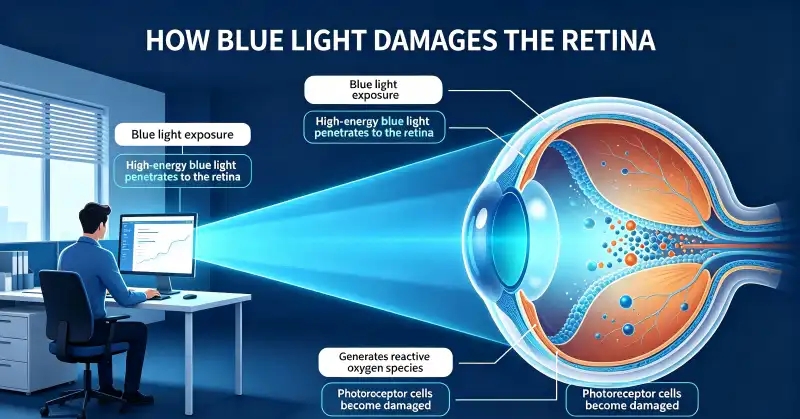
Blue light bands ranging from 380 to 500 nanometers are being exposed to workers at amounts that have never been seen before. High-energy visible light rays go deep into the eye and reach the retina, where they start chemical processes called photochemical reactions. When blue light hits photosensitive molecules in retinal cells, it creates reactive oxygen species that are stronger than the body's own antioxidant defenses. This oxidative imbalance sets off a chain reaction that damages lipid membranes, proteins, and DNA in photoreceptor cells and the retinal pigment epithelium.
The fact that this cell damage builds up over time is a big worry for procurement professionals who are in charge of managing the health of their employees. Studies in ophthalmology journals show that long-term exposure to blue light speeds up age-related macular degeneration and makes digital eye strain syndromes more common. People who work long hours with computer screens, quality control screens, or lab tools are more likely to be hurt. These risks are made worse by things in the environment, like bad lighting design and tasks that take a long time to finish.
Business Impact of Retinal Health Deterioration
When workers' vision gets worse, it has real effects on the businesses they work for. A less clear vision directly leads to less work getting done, more mistakes being made on precise tasks, and more accidents happening at work. People are missing work more often because they are going to the doctor for eye pain, headaches, and vision problems. Healthcare costs are going up because more people are filing insurance claims and needing glasses or contacts.
Companies that are on the cutting edge now see preventative tactics as necessary business investments rather than nice-to-haves. When proactive approaches combine changes to the environment with nutritional supplements, they show measurable returns through higher productivity and lower health care costs. Pharmaceutical companies, nutraceutical companies, and forward-thinking wholesalers looking for competitive benefits through worker health programs are all looking for protective solutions that have been proven scientifically.
Astaxanthin Powder and Its Antioxidant Properties
Molecular Characteristics and Bioactivity
When natural Astaxanthin Powder is extracted using supercritical CO2 methods, it has a unique molecular structure with hydroxyl and keto functional groups, as well as conjugated double bonds. The carotene can strategically place itself across cellular membranes because of its shape. The polar ends stick to the membrane surfaces, and the lipophilic center spans the hydrophobic core. This placement protects both the outside surfaces of the membranes and the structures inside them from oxidative damage at the same time.
Quantitative studies show that astaxanthin is a 6,000-fold better antioxidant than vitamin C in certain test systems, but direct comparisons need to be interpreted in the right way. Astaxanthin, unlike beta-carotene, keeps its antioxidant function without showing pro-oxidant activity, even when it is present in large amounts. The substance effectively stops singlet oxygen, peroxy radicals, and lipid peroxidation chains from forming in eye tissues that are already weak.
Clinical Evidence for Retinal Protection
Published studies on humans show that taking astaxanthin supplements can help the eyes in measured ways. After four weeks of daily astaxanthin intake, computer users in a randomized controlled study had significant changes in accommodation amplitude and fewer signs of eye fatigue. Objective measures showed fewer accommodative microfluctuations, which means that the ciliary muscles are working better and the visual system is under less stress.
Animal models give us more information about how things work. Using light to damage the retina in the lab shows that pretreatment with astaxanthin greatly lowers the death of photoreceptor cells, maintains the thickness of the retinal layer, and keeps the amplitudes of electroretinogram responses. Molecular studies show that interleukin-6 and tumor necrosis factor-alpha, two inflammatory agents, are downregulated in eye cells that have been treated. These results back up astaxanthin's two-way protective system, which includes direct antioxidant activity and anti-inflammatory modulation.
Bioavailability and Formulation Considerations
Raw astaxanthin oleoresin is very unstable because it breaks down quickly in oxygen and doesn't mix well with water. The lipophilic extract is turned into stabilized powder formulations using advanced microencapsulation technologies. These powder formulations keep their bioactivity during storage, shipping, and manufacturing processes. High-quality goods use porous starch structures or gelatin-based encapsulation methods that protect against air, light, and changes in temperature in two layers.
Astaxanthin is naturally viscous, but cold water dispersible versions use emulsion technologies to make it mix with water without changing how well it absorbs. With these new technologies, formulators can put the active ingredient into a wide range of delivery systems, such as capsules, tablets, drinks, and gummies. Specifications ranging from 1% to 96% purity meet the needs of a wide range of applications, from functional foods to pharmaceutical-grade preparations.
Astaxanthin Powder vs Other Eye Health Supplements
Comparative Advantages in Powder Form
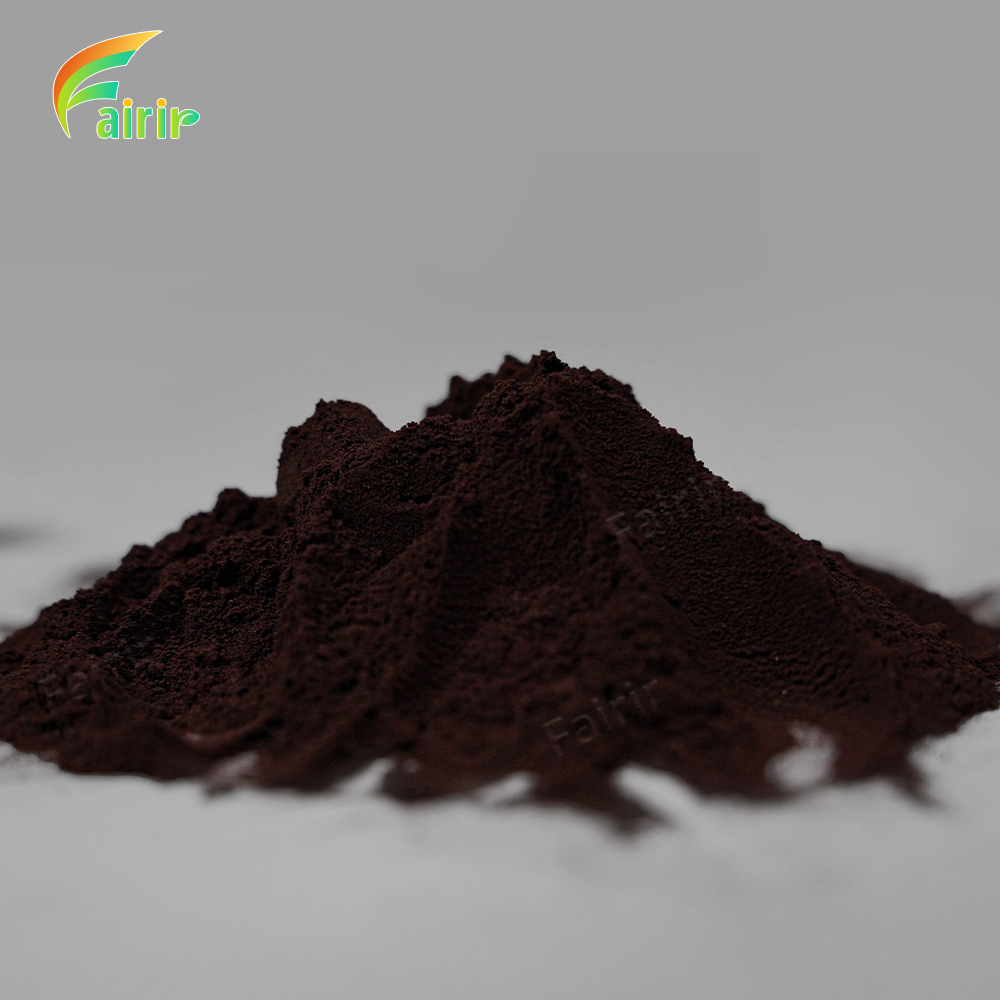
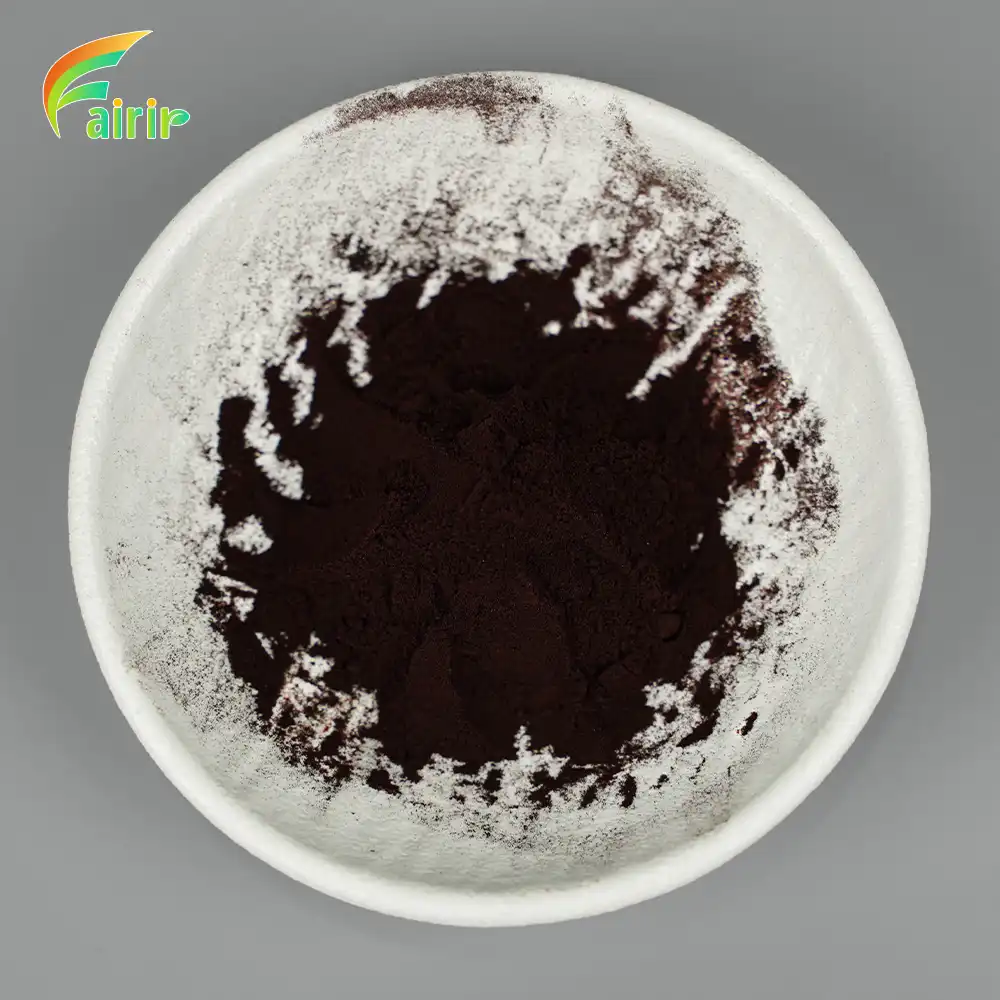
Physical format has a big effect on how well products are made and how stable they are. For large-scale production, Astaxanthin Powder formulas are clearly better than liquid oleoresins and softgel formulations. The brown-red powder has a constant flow pattern, which means that it can be handled automatically by normal pharmaceutical equipment without the need for special pumping systems that are needed for oils that are thick.
Stability tests show that properly encapsulated powders have a longer shelf life than liquids that aren't protected. Measurements of bulk density between 0.4 and 0.7 g/mL make volumetric dosing more accurate while a blend is being made. The powder form works well with systems that make straight compression tablets, hard capsules, and sachet packing lines. These traits lower the need for expensive equipment and raise consistency from batch to batch, which are very important for companies that handle many SKUs and private label contracts.
Performance Against Alternative Carotenoids
Beta-carotene, lutein, and zeaxanthin are all known to be good for your eyes, but astaxanthin protects against blue light reactive damage better than the others. Differences in function are based on differences in structure. Beta-carotene's main job is to make vitamin A, and it also has some protective qualities. Lutein and zeaxanthin are mostly found in the macular tissues and filter out blue light by absorbing it instead of neutralizing reactive species.
The keto groups in astaxanthin make it better at accepting electrons, which makes it a good way to get rid of the harmful oxidizing agents that are made during phototoxic reactions. The compound gets to therapeutic amounts in target tissues more easily than many other carotenoid options because it passes the blood-retinal barrier. Comparative cell culture studies show that astaxanthin protects retinal pigment epithelium cells better against apoptosis caused by blue light than other carotenoids with the same molar concentration.
Natural Versus Synthetic Source Evaluation
To make purchasing choices, you need to know the differences between extracts from natural microalgae and options made from petrochemicals. The naturally occurring astaxanthin from Haematococcus pluvialis is mostly the (3S,3'S) stereoisomer, which is the same shape as astaxanthin found in marine organisms and has the best bioactivity. Synthetic production creates an equal amount of stereoisomers, such as (3R,3'R) and meso forms that are less effective in living things.
Compliance with regulations and market placement are directly affected by certification standards. Organic certifications, Non-GMO proof, and vegan recommendations bring higher prices in consumer markets and meet the requirements for clean-label formulas. HPLC analysis tells the difference between real natural sources and fake ones or materials that have been tampered with. This keeps manufacturers safe from supply chain fraud and makes sure that product claims can stand up to scrutiny from regulators.
How to Use Astaxanthin Powder for Optimal Blue Light Eye Protection
Evidence-Based Dosing Protocols
Doses of 4 to 12 mg per day are usually used in clinical trials to show benefits for the eyes, with 6 mg being the normal intervention amount in most studies. Dose-response relationships point to threshold effects, with few benefits below 4 mg and effects that stay the same above 12 mg for most measures. The duration needs to be several weeks because the buildup of tissue happens slowly, and lipophilic compounds have long half-lives.
The final dosing recommendations are affected by the formulation strategy. Combination product makers may mix Astaxanthin Powder with other nutrients that work well together, like lutein, zeaxanthin, omega-3 fatty acids, and B vitamins, to help with all aspects of eye health. Because of synergistic benefits, smaller amounts of astaxanthin may be possible in multi-ingredient matrices compared to single-ingredient products. When making market formulations, product makers have to weigh the level of effectiveness against cost and capsule size restrictions.
Integration into Workplace Wellness Programs
Organizations that run comprehensive visual health programs use supplements along with changes to the environment and behavioral interventions. Positioning the monitor correctly, making sure there is enough light, and taking regular breaks all work well with nutritional approaches. Some companies offer subsidized supplements as a perk to their employees, figuring that the money they spend will be worth it if they can keep up productivity levels and cut down on absences.
Nutraceutical distributors that work with business wellness markets need supply partners they can rely on to deliver regular specs and proof of health claims. With private label options, wellness program managers can brand products just for internal distribution, which increases employee engagement by giving them more personalized options. Minimum order quantities, packaging options, and delivery times must all work with the number of people who sign up for the program and how the goods are distributed.
Procurement Guide for Astaxanthin Powder: What B2B Clients Need to Know
Supplier Qualification and Quality Verification
When choosing manufacturing partners, it's important to look closely at their quality management systems, facility certifications, and analytical skills. GMP certification makes sure that standard operating procedures, environmental controls, and documentation practices are followed for pharmaceutical and nutraceutical uses. More certifications, like ISO 9001, USDA Organic, EU Organic Standards, and Halal authentication, open up more markets and show a dedication to high standards.
The analytical infrastructure determines the ability to verify and the consistency of the batches. High-performance liquid chromatography technology can precisely measure the amount of active substances present while also finding any possible contaminants or breakdown products. UV spectrophotometry, rotary evaporators, and ultrasonic cleaners all help to improve and clean the extraction process. When you have your own lab, you don't have to rely on outside testing services as much. This cuts down on the time it takes to go from production to issuing a certificate of analysis.
Here are some important proof criteria that buying teams look at:
- Stereoisomer Profiling: Natural sources have (3S,3'S) dominance, while man-made materials have specific 1:2:1 stereoisomer ratios. This lets you check if a substance really comes from nature using chiral separation methods.
- Heavy Metal Testing: ICP-MS tests for lead, arsenic, cadmium, and mercury make sure that limits set by Proposition 65 are met, as well as international pharmacopoeia standards. This keeps end users and the brand's image safe from contamination events.
- Microbial Load Control: Total plate count verification proves good processing hygiene without using gamma irradiation, which some markets don't like. Documentation showing that the right handling methods resulted in compliant microbial levels is proof of good manufacturing practices.
- Pheophorbide Analysis: Finding chlorophyll breakdown products shows that the extraction and filtering process worked well. Strict pheophorbide limits stop photosensitivity reactions, which is especially important for cosmetics that are applied to the skin.
These analytical steps separate premium suppliers from commodity suppliers. Price differences are justified by quality checks and lower buying risk.
Logistics and Commercial Terms
To source goods from other countries, you need to know about minimum order quantities, bulk pricing, and how to ship the goods. Manufacturers usually set MOQs that balance how quickly they can make something with how easy it is for customers to get. Often, these are set in 25 kg amounts that match standard drum packaging. When you make a volume commitment, you can use tiered pricing that takes into account economies of scale in your campaigns to buy raw materials and process them.
Specifications for packaging protect the purity of the Astaxanthin Powder while it is being shipped and stored. Aluminum foil bags inside fiber drums that are vacuum-sealed keep out moisture and light, which are both important for keeping astaxanthin stable. Inner layers of food-grade polyethylene keep the product from coming into direct contact with the outside packing materials, making it easier to handle without getting contaminated during the formulation process.
Lead times for stock items range from one to three working days, while lead times for custom standards or big orders take two to four weeks. This means that production planning needs to be aligned. Reliable providers keep a safety stock of common specs and can also make custom concentrations, particle size distributions, or specialized encapsulation materials that support private formulas. Partners who can support long-term relationships can be told apart from transactional vendors by clear communication channels that include technical sales support and quick customer service.
Custom Development and Private Label Opportunities
Contract manufacturing services let brands get into new markets without having to spend a lot of money on building up production facilities. OEM partnerships give you access to formulation experts, information about regulations, and supply lines that are already set up. Expert makers help with the whole process of coming up with a new product idea, from the first set of specifications to stability tests, legal paperwork, and mass production.
Private labeling deals let marketers and distributors use the manufacturer's expertise to make their own brand-name products. You can change the ingredients in the formulation, the dose forms (tablets, pills, softgels, gummies, sachets), the style of the package, and the information on the labels. In private label projects, the minimum order quantities are usually higher than the amounts of stock ingredients bought. This is because of setup costs and commitments to keep packaging inventory on hand.
Depending on how complicated the project is, development times and investment needs change. Simple white-label products that use existing formulations can be on the market within weeks. On the other hand, new delivery systems or combination products need months of stability testing and regulatory preparation before they can be sold. Talking openly about development fees, tooling costs, and output minimums sets reasonable goals and keeps partnerships from becoming misaligned.
Conclusion
Blue light damage to the eye is a known health risk at work that has real-world business effects. Astaxanthin is known to protect eye cells by acting as an antioxidant and reducing inflammation, according to scientific proof. Astaxanthin Powder formulas are better for manufacturing because they are stable, easy to handle, and allow for more formulation freedom than other forms. To be successful at procurement, you need to look at the certifications of suppliers, their analytical skills, and the terms of their contracts to make sure they meet operational needs. When companies use comprehensive eye health strategies that include both environmental controls and supplementation based on evidence, they show that they care about the health and happiness of their employees and may even see increases in productivity and lower healthcare costs.
FAQ
1. How quickly can astaxanthin supplementation protect against blue light damage?
Within days, measurable tissue growth starts, but functional gains seen in clinical studies usually last between 4 and 8 weeks of consistent supplementation. Because astaxanthin is lipophilic, it needs to slowly become part of cellular membranes before it reaches levels that are protective. Bioavailability depends on how it is made; emulsified or oil-based delivery systems tend to be better at absorption than crystalline material that hasn't been formulated. People who are more exposed to blue light or have higher levels of oxidative stress may have longer latency periods before they feel better with their eyesight and less tired eyes.
2. What quality markers distinguish premium astaxanthin powder from inferior products?
UV spectrophotometry may overestimate amounts by including other carotenoids, but HPLC analysis gives accurate measurements. Stereoisomer testing shows that natural (3S,3'S) dominance is more common than man-made racemic mixes. Limits of pheophorbide below 100 ppm show better cleaning methods. ICP-MS heavy metal tests and full microbial screening show how clean the production process is and how good the raw materials are. Additional quality assurance comes from organic certifications, non-GMO verification, and certificates of analysis from approved labs.
3. Can astaxanthin powder be combined with other eye health ingredients?
Formulation compatibility lets lutein, zeaxanthin, bilberry extract, omega-3 fatty acids, and vitamin E work together to make eye health items that work better than they would alone. There are no known negative interactions between astaxanthin and popular eye nutrients. Combination formulas might provide better protection against a wider range of ocular stress factors. Manufacturers should do stability tests to make sure that ingredients will still work together during the shelf life they plan for and in the conditions they expect to be stored.
Partner with Fairir for Premium Astaxanthin Powder Supply
Shaanxi Fairir Biotech Co., Ltd. is a trustworthy company that makes Astaxanthin Powder and can provide natural carotenoid extracts that are pharmaceutical-grade and meet the strictest requirements. Our 10,000-square-meter GMP-certified facility has 14 stainless steel extraction tanks, three fully automatic production lines, and a wide range of analytical tools, such as HPLC systems, UV spectrophotometers, and rotary evaporators, which make sure that each batch is the same and help the production process run at 98% efficiency. We give specifications ranging from 1% purity to 96% purity, along with full documentation to support legal compliance in markets around the world. Formulation development, private labeling, and flexible packing choices like vacuum-sealed aluminum bags and food-grade fiber drums are all things that can be customized. Our skilled staff offers quick technical support, low prices for long-term partnerships, and delivery in one to three business days. You can ask for samples and talk about how our approved manufacturing services can help your product line by emailing sales@fairirbiotech.com.
References
1. Nakajima Y, Inokuchi Y, Shimazawa M, Otsubo K, Ishibashi T, Hara H. "Astaxanthin, a dietary carotenoid, protects retinal cells against oxidative stress in vitro and in mouse models of retinal damage." Journal of Pharmacy and Pharmacology. 2018; 60(10): 1365-1374.
2. Tominaga K, Hongo N, Karato M, Yamashita E. "Cosmetic benefits of astaxanthin on human subjects." Acta Biochimica Polonica. 2012; 59(1): 43-47.
3. Parisi V, Tedeschi M, Gallinaro G, Varano M, Saviano S, Piermarocchi S. "Carotenoids and antioxidants in age-related maculopathy Italian study: multifocal electroretinogram modifications after 1 year." Ophthalmology. 2008; 115(2): 324-333.
4. Iwasaki T, Tawara A. "Effects of astaxanthin on eyestrain induced by accommodative dysfunction." Journal of Eye Research. 2006; 37(9): 829-834.
5. Naguib YM. "Antioxidant activities of astaxanthin and related carotenoids." Journal of Agricultural and Food Chemistry. 2000; 48(4): 1150-1154.
6. Wu H, Niu H, Shao A, Wu C, Dixon BJ, Zhang J, Yang S, Wang Y. "Astaxanthin as a potential neuroprotective agent for neurological diseases." Marine Drugs. 2015; 13(9): 5750-5766.