_1751965378790.webp)

Matcha Powder in Smoothies: Best Fruit Pairings for Green Glow
Matcha Powder adds colour and health benefits to smoothies while also making them more nutrient-dense. Green tea leaves that were grown in the shade were used to make this finely ground powder. The quality of this bioactive ingredient is always high, and it has useful properties. When carefully mixed with vegetables that go well with matcha, smoothies can be made that are good for health-conscious customers, cheap, and easy to make more of. Finding the best ways to mix veggies can lead to new drink ideas in the already competitive market.
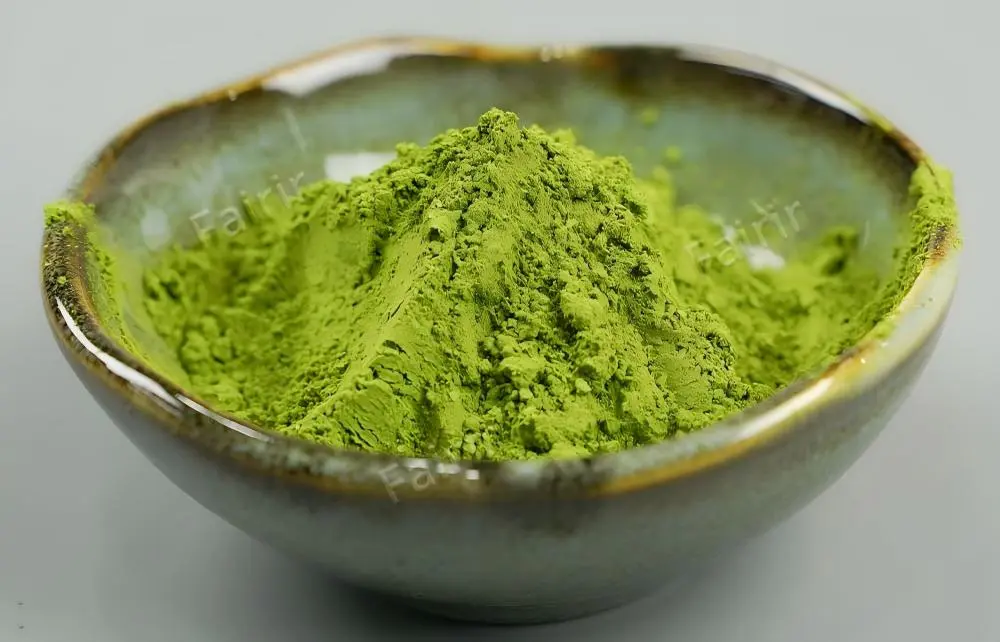
Understanding Matcha Powder and Its Benefits in Smoothies
This green tea is made in a way that makes it different from other green teas. During the 20–30 day shade process, plants make too much chlorophyll and L-theanine, an amino acid that gives you energy without the jitters. The powder that is made with this farming method is bright green and has more nutrients.
What Makes Premium Matcha Powder Unique
The tiny particles in high-quality matcha are between 1,000 and 2,000 mesh, which are 5 to 15 microns across. This makes sure that the powder and liquids mix well. This fine smoothness takes away the grit and gives the drink the smooth, high-end feel that people expect from high-end drinks. Low-temperature granite stone milling protects volatile chemicals, which helps the powder keep its shape while it's being shipped and stored.
Functional Advantages for Beverage Formulations
There should be at least 5% total catechins and more than 2% L-theanine in good matcha for the health benefits to be true. These beneficial molecules are antioxidants, which is good for people who care about their health. Microbes and enzymes can't break down food if the moisture level stays below 4%. This is very important for food safety concerns for manufacturers. A high negative a number on the CIELAB colour space shows that the emerald green colour that happens naturally means that the molecules are still whole and there isn't much heat loss.
Market Positioning Through Quality Ingredients
Businesses that have to buy things have problems that can be solved by finding organic, high-quality matcha. For example, organic matcha helps keep flavour profiles consistent and keeps complex formulations from going bad quickly. Each dose has the same amount of functional antioxidants, especially catechins like EGCG, so they all have the same health benefits. This makes the brand more reliable and cuts down on the cost of making recipes from scratch when products change.
Best Fruit Pairings for Matcha Smoothies: Flavour and Functional Synergy
By picking the right fruits, you can tone down the green notes in Matcha Powder and make it healthier at the same time. Everyone in your target market will want to buy from you again and leave good reviews if you mix the right things together.
Tropical Fruits: Mango and Pineapple
The smooth sweetness of the mango balances out the bitterness of the plants in the matcha. The mango also adds vitamin C and beta-carotene. Because the fruit already has carbs in it, no extra sweeteners are needed. This makes it a good choice for products with clean labels. It is said that the bright acidity and bromelain enzymes in pineapple are good for your digestive health. You can mix foreign flavours with it because it has a tropical taste. This makes it stand out from other items already on store shelves. Both fruits blend well together and don't add any fibre, so the smoothie stays smooth and silky, as good smoothies should be.
Bananas: Texture and Natural Sweetness
Matcha is bitter, but bananas add body and sweetness that balance it out. People who are into exercise like that they have extra health benefits from the potassium they contain. The creamy texture makes the taste enjoyable without using dairy, which helps market the plant-based product. Since frozen bananas add thickness without watering down the taste, the recipe costs less because it doesn't need as many expensive thickening agents.
Berries: Antioxidant Amplification
Adding polyphenols that work well with matcha, blueberries, strawberries, and raspberries makes it even better for you as an antioxidant. They have a lot of different tastes that people with adult tastes like because they are sour. Berries have bright pigments that can turn green matcha into teal or purple, which can be used to make a unique brand. It's said that the fibre amount is good for your gut system, and this food meets a lot of different health needs.
Avocado: Creaminess Without Dairy
There are healthy fats in avocado that make matcha taste great and help the body absorb the nutrients from the chemicals in matcha that dissolve in fat. Green tea tastes great in this drink because it's not too strong in taste. You can eat it instead of a meal. Because they are good for heart health, monounsaturated fatty acids make a product more appealing to the market. As stabilisers and emulsifiers are not needed as much in avocado because it is naturally thick. This makes ingredient lists easier to read.
Understanding these pairings empowers product developers to craft smoothie formulations that balance taste, nutrition, and production economics. Using carefully picked fruits with matcha makes drinks that are good for a lot of different tastes and can be made quickly.
How to Make the Perfect Matcha Smoothie: Step-by-Step Guide
To always make good matcha smoothies, you need to be careful about the grades you use, how much of each item you use, and how you blend the smoothies. These things directly impact how stable the item is on the shelf, how good it tastes, and how pleased the customers are.
Selecting the Appropriate Matcha Grade
The best value for money is cooking-grade Matcha Powder, which has the best mix of tastes for smoothies. The strong green tea taste in this grade doesn't change when other things are added. You can still taste matcha in drinks with a lot of fruit because it has a stronger flavour. The special grade is the best, but it's usually too expensive, and mixed drinks cover up its details.
Optimal Ingredient Ratios and Liquid Bases
It's enough to start with one to two grams of matcha per serve to get the health benefits and taste. The sweetness is just right with 150 to 200 grams of fruit, so it doesn't drown out the green tea notes. You can use almond, oat, or coconut milk instead of dairy milk to make things creamier while still claiming to be dairy-free. Adding bacteria to foods other than yoghurt might be helpful, but they might need extra stabilisers to keep them from splitting while they're being kept.
Blending Techniques for Quality Consistency
Adding a little liquid to the matcha before adding it to the drink keeps it from sticking and makes sure that it's spread out evenly. The ingredients are mixed without adding too much air when you blend at medium speed for 30 to 45 seconds. This speeds up the browning process. Temperatures below 25°C protect catechins that are sensitive to heat and keep the colour from running while the food is being processed. Flash pasteurisation at certain temperatures and times makes food last longer while saving all of its nutrients.
Storage Practices for Extended Freshness
It stays fresh for 48 to 72 hours in covered cases kept in the fridge at 2 to 4°C. After being processed with high pressure (HPP), food stays fresh for 30 to 45 days longer on the shelf. When you close the door, nitrogen cleaning gets rid of the oxygen. This stops the reactive browning that makes things look bad. All along the supply chain, these steps help with the mechanics of distribution and cut down on waste.
Procurement Insights for B2B Buyers: Sourcing Matcha Powder for Smoothie Production
To find reliable matcha providers, you should look at a number of quality factors as well as the skills of the supply chain. The stability of the products and the long-term profits are directly linked to the strategic choices made about what to buy.
Verifying Quality Certifications and Origin
Some parts of Japan are where you can find real matcha, but China also makes good alternatives at prices that are pretty good. Rules set by JAS make sure that farming and handling meet standards that protect the brand's image. Organic approvals meet the needs of customers who want foods that don't have chemicals. Quality assurance that lowers the risk of buying comes from records of analyses that show catechin content, heavy metal levels, and microbial safety for each batch.
Understanding Grade Distinctions and Pricing Models
The ceremonial grade costs more than the other grades, but it isn't very useful for many things. When it comes to value for money, culinary grade is the best choice because it keeps the useful properties and tasty features. When the antioxidant content is more important than how it looks, ingredient-grade matcha is a good choice. Price levels that are based on volume reward customers who make bigger promises, but the minimum order amounts need to work with production plans and storage space.
Evaluating Supply Chain Transparency
Suppliers who let you follow the food from the farm to the grinder show that they care about quality control and being honest in business. Having clear prices with no extra charges helps you make a budget and figure out what things will cost. Delivery partners you can trust, make sure packages get there on time, which keeps production moving along. You can keep your promises if you work with manufacturers who keep extra stock on hand. Issues with supply could make that impossible.
Partnering with GMP-Certified Manufacturers
When factories follow the rules for Good Manufacturing Practice, they can be sure they are following the rules, which is needed to get into the market. The claims are backed up by High Performance Liquid Chromatography and UV spectrophotometers, which are two types of high-tech tools used for separation and quality control. With a lot of production lines and high extraction efficiency, a company can handle more orders in less time to deliver. Technical support teams do more than just provide raw materials; they also help make things better and fix problems.
Case Studies and Success Stories: Matcha Smoothies in Global B2B Markets
By looking at Matcha Powder smoothie launches that did well, we can learn what makes people want the product and how to make it stand out from others on the market. If a business wants to get into or grow in the useful beverage area, these examples can help.
Innovation Through Superfood Combinations
Some of the best brands make formulas that do more than one thing by mixing matcha with spirulina, chia seeds, or collagen peptides. Because they treat more than one health problem in a single serving, these combinations are worth the extra money. It's people who care about their health and are ready to pay more for something they think is worth it. People will try to buy again if you add new products to the line that mix different superfoods together.
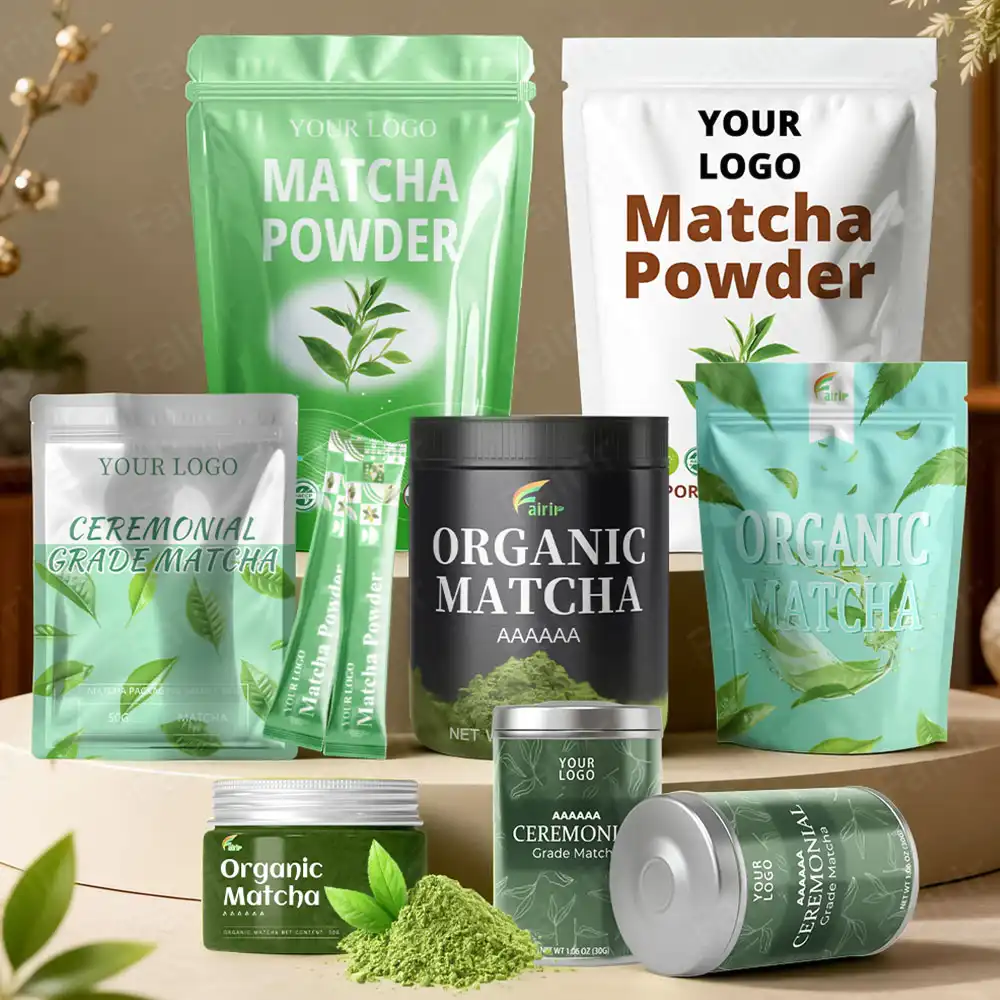
OEM and Private Label Opportunities
When brands use contract makers that offer customisation services, they can make matcha drinks without having to spend a lot of money on setup. You can get into a market with less risk through private label deals and see how customers react before you go big. When proprietary ingredient blends are used in custom formulations, intellectual property is created that makes the products stand out from others on the market. Minimum order numbers that are easy to change can be used to try things out and slowly increase the volume.
Navigating Supply Chain Complexities
It's important to be able to get steady amounts of ingredients at prices that can be planned for releases that go well. Companies with suppliers in more than one place are less likely to be hurt by problems in other parts of the world or with the climate. Forward leasing locks in prices when the market is doing well. This keeps earnings safe from changes in the commodities. Having extra stock on hand can help balance out the costs of carrying it and the risk of running out, which can hurt customer trust and business relationships.
Leveraging Health Trends for Market Expansion
Because more people are interested in functional drinks, there are more chances for matcha-based products to be made. Vitamin support, long-lasting energy, and mental focus are just a few of the benefits that products that are sold around are meant to provide. Promoting bright green looks on social media can help you get more direct reach and form partnerships with influential people. High-value groups become more aware when fitness centres and wellness stores offer free samples.
The case studies show that to be successful, you need to coordinate how you place your business in the market, how you make products, and how you handle your supply chain. Companies that pay attention to all three can grow over the long term in the tough beverage market.
Conclusion
For business-to-business buyers, matcha shakes are a great way to cash in on the healthy drink trend. If you choose the right fruits to go together, you can make foods that are good for you, look good, and taste good. Consistency is guaranteed when you buy high-quality matcha from approved sellers. This builds trust with customers and helps the brand's long-term value. You can get the most for your money when you buy things when you know the changes between grades, how they are made, and quality standards. Matcha drinks are becoming more and more popular, and new recipes are possible. Because of this, the area is likely to grow over time in uses like medicine, nutrition, food, and beauty products.
FAQ
1. What grade of matcha works best for smoothie production?
For smoothies, matcha that is made for cooking is the best choice because it has a strong flavour and is cheap. As long as this grade is watered down a lot, you can still taste the green tea flavour. It's stronger than more delicate ritual grades, so it can handle being watered down better. The price point lets stores offer competitive prices on the product without lowering its quality or value.
2. How should you store a lot of matcha so that it stays good?
Keep loose matcha in sealed containers that are kept in cool, dark places that don't get above 15°C. It turns from a bright green colour to a yellowish brown colour when light, heat, and air hit it. Food stays fresh while it's being stored and shipped in vacuum-sealed containers that have been washed with nitrogen. Food stays fresh longer in the fridge, but containers must be at room temperature before they can be opened to avoid condensation.
3. Can matcha be combined with all fruit types?
Matcha goes well with most fruits, but the effects depend on how acidic, sweet, and structured the fruit is. Most of the time, tropical fruits, berries, and stone fruits taste great together. Some fruits, like grapefruit, are very acidic and may drown out the weak notes in matcha. Melons, which are high in water, can also make the taste less strong. Before making more, test small batches to find the best amounts for the taste combinations you want.
Partner with Fairir for Premium Matcha Powder Solutions
Shaanxi Fairir Biotech Co., Ltd. is a trustworthy business that makes Matcha Powder and encourages new drink ideas all over the world. High-performance liquid chromatography and UV spectrophotometers are just two of the high-tech quality control and extraction tools in our 10,000-square-meter GMP-certified centre. These tools make sure that every batch meets strict standards. With three fully automatic lines, 98% of the oil can be taken out of the ground. This means that big orders can get consistent quality at a price that is competitive. We make sure that the moisture level is below 4% and that the product has a minimum amount of catechins that keeps it useful. Our expert team is here to help clients make the best recipes for taste, security, and cost-effectiveness while they are formulating. Fairir has reliable supply lines and quick contact, so you can get the matcha you need to make drinks or the extracts you need for a specific purpose. Shoot our sales team an email at sales@fairirbiotech.com to get samples, talk about what you want to buy, or learn how our premium Matcha Powder can improve your goods.
References
1. Kochman, J., Jakubczyk, K., Antoniewicz, J., Mruk, H., & Janda, K. (2021). Health Benefits and Chemical Composition of Matcha Green Tea: A Review. Molecules, 26(1), 85.
2. Weiss, D. J., & Anderton, C. R. (2003). Determination of catechins in matcha green tea by micellar electrokinetic chromatography. Journal of Chromatography A, 1011(1-2), 173-180.
3. Yamabe, N., Kang, K. S., Hur, J. M., & Yokozawa, T. (2009). Matcha, a powdered green tea, ameliorates the progression of renal and hepatic damage in type 2 diabetic rats. Journal of Medicinal Food, 12(4), 714-721.
4. Jakubczyk, K., Drużga, A., Katarzyna, J., & Skonieczna-Żydecka, K. (2020). Antioxidant potential of curcumin—A meta-analysis of randomised clinical trials. Antioxidants, 9(11), 1092.
5. Cao, S. Y., Zhao, C. N., Xu, X. Y., Tang, G. Y., Corke, H., Gan, R. Y., & Li, H. B. (2019). Dietary plants, gut microbiota, and obesity: Effects and mechanisms. Trends in Food Science & Technology, 92, 194-204.
6. Unno, K., Furushima, D., Hamamoto, S., Iguchi, K., Yamada, H., Morita, A., Horie, H., & Nakamura, Y. (2018). Stress-reducing function of matcha green tea in animal experiments and clinical trials. Nutrients, 10(10), 1468.