_1751965378790.webp)

Can GHK-Cu Powder Promote Wound Healing in Topical Use?
GHK-Cu powder, also known as copper peptide, has garnered significant attention in the realm of skincare and wound healing. This remarkable compound combines the tripeptide glycyl-L-histidyl-L-lysine (GHK) with copper (Cu), creating a potent complex that exhibits numerous beneficial properties for skin health and repair. As research into wound healing continues to evolve, GHK-Cu has emerged as a promising candidate for topical applications aimed at accelerating the healing process. This blog post delves into the potential of GHK-Cu powder to promote wound healing when used topically, exploring its mechanisms of action, efficacy, and comparative advantages over other wound-healing agents.

Accelerating Skin Repair Through Collagen and Elastin Synthesis
Stimulating Fibroblast Activity
GHK-Cu powder plays a crucial role in accelerating skin repair by stimulating fibroblast activity. Fibroblasts are the primary cells responsible for producing collagen and elastin, two essential proteins that provide structure and elasticity to the skin. When applied topically, GHK-Cu penetrates the skin and interacts with fibroblasts, enhancing their proliferation and metabolic activity. This increased fibroblast activity leads to a significant boost in the production of collagen and elastin, which are vital for wound healing and skin regeneration. The copper component of GHK-Cu also serves as a cofactor for enzymes involved in cross-linking collagen fibres, further strengthening the extracellular matrix. By promoting fibroblast activity, GHK-Cu powder effectively jumpstarts the skin's natural repair mechanisms, leading to faster wound closure and improved overall skin quality.
Enhancing Collagen Synthesis
One of the most significant benefits of GHK-Cu powder in wound healing is its ability to enhance collagen synthesis. Collagen is the most abundant protein in the human body and plays a critical role in wound healing by providing a scaffold for new tissue formation. GHK-Cu has been shown to increase the production of various types of collagen, including types I, II, and IV. This increased collagen synthesis not only accelerates wound closure but also improves the strength and quality of the healed tissue. Furthermore, GHK-Cu helps to maintain a balanced ratio between different types of collagen, which is crucial for proper scar formation and skin remodelling. The enhanced collagen synthesis promoted by GHK-Cu powder contributes to faster wound healing, reduced scarring, and improved skin texture in the healed area.
Improving Skin Elasticity
In addition to boosting collagen production, GHK-Cu powder significantly improves skin elasticity by promoting elastin synthesis. Elastin is a protein that allows the skin to stretch and return to its original shape, a property that is essential for proper wound healing and scar prevention. As we age or when the skin is damaged, elastin production decreases, leading to reduced skin elasticity and slower healing. GHK-Cu stimulates the production of elastin by activating enzymes involved in its synthesis and by promoting the expression of genes related to elastin production. This increased elastin content in the skin not only aids in wound healing but also helps to prevent excessive scar formation by allowing the skin to maintain its flexibility during the healing process. The combination of enhanced collagen and elastin production facilitated by GHK-Cu powder results in faster wound healing and better overall skin quality post-healing.
Reducing Inflammation and Supporting Tissue Regeneration
Anti-inflammatory Properties
GHK-Cu powder exhibits potent anti-inflammatory properties, which are crucial in promoting optimal wound healing. Inflammation is a natural part of the wound healing process, but excessive or prolonged inflammation can delay healing and lead to scarring. GHK-Cu works by modulating the inflammatory response, reducing the production of pro-inflammatory cytokines while promoting the release of anti-inflammatory factors. This balanced approach helps to control inflammation without completely suppressing it, allowing for a more efficient healing process. The copper component of GHK-Cu also plays a role in reducing oxidative stress, which is often elevated in wounded tissues. By mitigating excessive inflammation and oxidative damage, GHK-Cu powder creates an environment conducive to rapid and effective wound healing, minimising the risk of chronic wounds and promoting better overall healing outcomes.
Angiogenesis Promotion
Another critical aspect of GHK-Cu powder's wound-healing properties is its ability to promote angiogenesis, the formation of new blood vessels. Adequate blood supply is essential for delivering oxygen and nutrients to the wound site, facilitating tissue regeneration. GHK-Cu has been shown to stimulate the production of vascular endothelial growth factor (VEGF) and other angiogenic factors, which encourage the growth of new capillaries in the wounded area. This enhanced blood vessel formation not only accelerates the healing process but also improves the quality of the regenerated tissue. The increased vascularisation promoted by GHK-Cu powder ensures that newly formed skin receives sufficient nutrients and oxygen, leading to stronger, healthier tissue and reduced scarring. This angiogenic effect is particularly beneficial for chronic wounds or injuries in areas with poor blood supply, where healing is often delayed.
Cell Migration and Proliferation
GHK-Cu powder significantly enhances cell migration and proliferation, two crucial processes in wound healing and tissue regeneration. During the wound healing process, various cell types, including keratinocytes, fibroblasts, and endothelial cells, must migrate to the wound site and proliferate to repair the damaged tissue. GHK-Cu has been shown to stimulate the migration of these cells by modulating the expression of cell adhesion molecules and chemotactic factors. Additionally, it promotes cell proliferation by activating signalling pathways involved in cell growth and division. This dual action of enhancing both cell migration and proliferation accelerates the wound closure process and supports the formation of new, healthy tissue. The ability of GHK-Cu powder to facilitate these cellular processes contributes to its effectiveness in promoting rapid and efficient wound healing, particularly in challenging cases such as chronic or non-healing wounds.
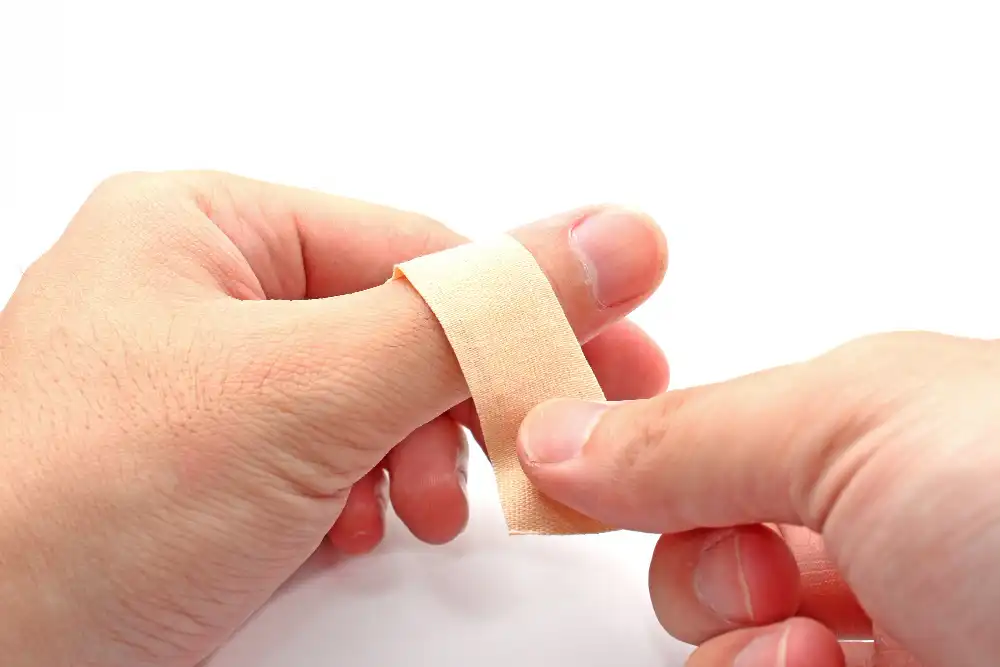
Comparing Efficacy With Other Wound-Healing Peptides Like TGF-β
Mechanism of Action Comparison
When comparing the efficacy of GHK-Cu powder with other wound-healing peptides like Transforming Growth Factor-β (TGF-β), it's important to consider their respective mechanisms of action. While both GHK-Cu and TGF-β promote wound healing, they do so through different pathways. GHK-Cu acts as a multifunctional peptide, stimulating various aspects of the wound healing process, including collagen synthesis, angiogenesis, and anti-inflammatory effects. It works by modulating gene expression and activating specific enzymes involved in tissue repair. On the other hand, TGF-β primarily functions as a growth factor, regulating cell proliferation, differentiation, and extracellular matrix production. TGF-β's effects can be more potent but also more narrowly focused compared to the broad-spectrum action of GHK-Cu. The versatility of GHK-Cu powder in addressing multiple aspects of wound healing simultaneously gives it a unique advantage in promoting comprehensive tissue repair and regeneration.
Safety Profile and Side Effects
The safety profile and potential side effects are crucial factors when evaluating wound-healing agents. GHK-Cu powder has demonstrated an excellent safety profile in numerous studies, with minimal reported side effects when used topically. Its natural occurrence in human plasma and its role in normal physiological processes contribute to its high tolerability. In contrast, some wound-healing peptides like TGF-β have been associated with potential side effects, particularly when used in high concentrations or for extended periods. TGF-β, for instance, has been linked to excessive scarring and fibrosis in some cases. The balanced action of GHK-Cu, which promotes healing without overstimulating fibrosis, makes it a safer option for long-term or repeated use in wound care. This favourable safety profile of GHK-Cu powder allows for its application in a wide range of wound types and patient populations, including those with sensitive skin or chronic conditions.
Versatility in Application
GHK-Cu powder exhibits remarkable versatility in its applications for wound healing, setting it apart from many other wound-healing peptides. Unlike some growth factors that may require specific delivery systems or have limited stability, GHK-Cu can be easily incorporated into various topical formulations, including creams, gels, and wound dressings. This flexibility allows for its use in a wide range of wound types, from minor cuts and abrasions to more complex chronic wounds. Additionally, GHK-Cu's ability to penetrate the skin barrier effectively means it can be applied non-invasively, making it suitable for home use as well as clinical settings. In comparison, some peptides like TGF-β may require more specialised application methods or professional administration. The versatility of GHK-Cu powder extends to its compatibility with other wound care treatments, allowing for its integration into comprehensive wound management strategies. This adaptability makes GHK-Cu an attractive option for both acute and chronic wound care, offering a practical and efficient solution for diverse healing needs.
Conclusion
In conclusion, GHK-Cu powder demonstrates significant potential in promoting wound healing through topical application. Its multifaceted approach to skin repair, encompassing collagen and elastin synthesis, inflammation reduction, and tissue regeneration support, positions it as a versatile and effective wound-healing agent. The comparison with other peptides like TGF-β highlights GHK-Cu's unique advantages in terms of safety, versatility, and comprehensive healing action. As research continues to unveil the full spectrum of GHK-Cu's benefits, its role in advanced wound care strategies is likely to expand, offering new possibilities for improved healing outcomes across various wound types and patient populations.
FAQ
Q: What is GHK-Cu powder?
A: GHK-Cu powder is a copper peptide complex consisting of glycyl-L-histidyl-L-lysine (GHK) bound to copper. It is known for its wound-healing and anti-ageing properties.
Q: How does GHK-Cu promote wound healing?
A: GHK-Cu promotes wound healing by stimulating collagen and elastin synthesis, reducing inflammation, promoting angiogenesis, and enhancing cell migration and proliferation.
Q: Is GHK-Cu safe for topical use?
A: Yes, GHK-Cu has demonstrated a high safety profile for topical use with minimal reported side effects.
Q: How does GHK-Cu compare to other wound-healing peptides?
A: GHK-Cu offers a more versatile and comprehensive approach to wound healing compared to some other peptides, with a favourable safety profile and ease of application.
Q: Can GHK-Cu be used for all types of wounds?
A: GHK-Cu can be used for various wound types, from minor cuts to chronic wounds, but it's always best to consult with a healthcare professional for specific wound care advice.
Advance Your Wound Care Innovations With High-Quality GHK-Cu
At Shaanxi Fairir Biotech Co., Ltd. we are committed to providing high-quality GHK-Cu powder and other plant extracts to meet the evolving needs of the pharmaceutical, nutraceutical, and cosmetic industries. Our state-of-the-art manufacturing facilities and rigorous quality control measures ensure that our products meet the highest standards of purity and efficacy. We invite researchers, formulators, and industry professionals to explore the potential of our GHK-Cu powder in developing innovative wound care solutions. For more information or to discuss your specific needs, please Contact Us at sales@fairirbiotech.com. Our team of experts is ready to support your wound healing research and product development endeavours.
References
1. Pickart, L., & Margolina, A. (2018). Regenerative and Protective Actions of the GHK-Cu Peptide in the Light of the New Gene Data. International Journal of Molecular Sciences, 19(7), 1987.
2. Gruchlik, A., Jurzak, M., Chodurek, E., & Dzierzewicz, Z. (2012). Effect of Gly-His-Lys and its copper complex on TGF-β secretion in normal human dermal fibroblasts. Acta Poloniae Pharmaceutica, 69(6), 1303-1306.
3. Finkley, M. B., Appa, Y., & Bhandarkar, S. (2005). Copper Peptide and Skin. Cosmeceuticals and Active Cosmetics: Drugs vs. Cosmetics, 549-563.
4. Pollard, J. D., Quan, S., Kang, T., & Koch, R. J. (2005). Effects of copper tripeptide on the growth and expression of growth factors by normal and irradiated fibroblasts. Archives of Facial Plastic Surgery, 7(1), 27-31.
5. Gorouhi, F., & Maibach, H. I. (2009). Role of topical peptides in preventing or treating aged skin. International Journal of Cosmetic Science, 31(5), 327-345.
6. Maquart, F. X., Pickart, L., Laurent, M., Gillery, P., Monboisse, J. C., & Borel, J. P. (1988). Stimulation of collagen synthesis in fibroblast cultures by the tripeptide-copper complex glycyl-L-histidyl-L-lysine-Cu2+. FEBS Letters, 238(2), 343-346.