_1751965378790.webp)

Can Matcha Powder Replace Espresso in a Morning Pick-Me-Up?
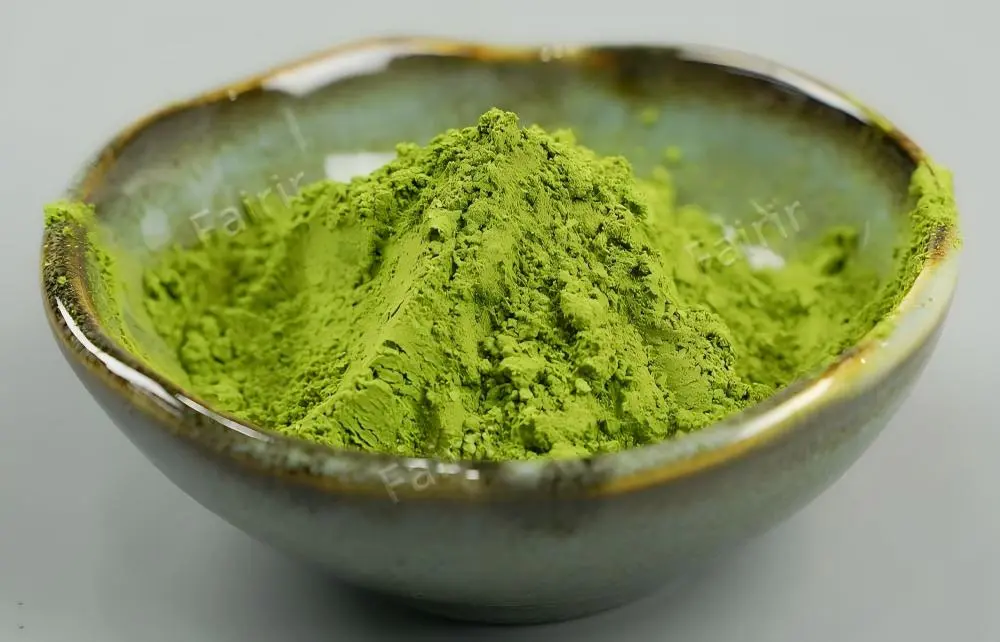
Matcha Powder can be used instead of espresso to wake you up in the morning. It gives you long-lasting energy without the crash that coffee usually causes. This finely ground green tea powder has about 70 mg of caffeine per serving. It also has L-theanine, an amino acid that helps you stay calm and focused and stops the jittery effects that come with drinking espresso. The special way these chemicals work together gives you long-lasting mental clarity that lasts for four to six hours. This is especially helpful at work, where steady productivity is important. Unlike espresso, which gives you a quick caffeine boost and then makes you tired, Matcha Powder gives you a steady boost of energy that helps your brain work well during morning work sessions, making it a great choice for office health programs.
Understanding the Morning Pick-Me-Up: Matcha Powder vs. Espresso
What Defines an Effective Morning Energizer
A good morning pick-me-up should have three main effects: it should quickly improve your brainpower, give you energy that lasts without crashing, and work with your daily schedule. In business and manufacturing settings, workers need to be reliably alert for longer than the initial consumption period. The best energizer keeps your mind sharp while you're solving difficult problems, with as few side effects as possible, like a racing heartbeat or stomach pain. When purchasing managers look at different drink options, they should think about how these options affect overall workplace productivity and employee satisfaction.
Chemical and Nutritional Profiles Compared
The chemicals in Matcha Powder and espresso are very different from each other. Camellia sinensis plants make more chlorophyll and L-theanine by going through a special 20–30 day shading process before they are picked. This amino acid content hits at least 2% in premium types, which has an effect on the brain that changes how caffeine is absorbed. The result is a slow-release system that keeps you alert for several hours instead of just a few hours like an espresso's 120–150 mg of caffeine per double shot would.
Premium Matcha Powder is milled on a low-temperature granite stone to get particles that are between 1,000 and 2,000 mesh (5 to 15 microns) in size. This keeps the beneficial catechins and volatile aromatic chemicals. In quality-controlled production, these catechins, especially EGCG (epigallocatechin gallate), make up at least 5% of the whole thing. The moisture level stays below 4% to stop the growth of microbes and the breakdown of food by enzymes. This keeps the product stable while it is being stored and shipped.
Sustained Alertness Versus Rapid Caffeine Surge
Physiological response patterns to these two drinks show big differences that could affect how well you do at work. Espresso immediately activates the sympathetic nervous system, and within 30 to 45 minutes, blood caffeine levels reach their highest point. This quick effect can help you focus in the short term, but as the caffeine breaks down in the middle of the morning, you usually feel tired.
The caffeine and L-theanine in Matcha Powder cause alpha brain wave action, which is linked to feeling relaxed and sharp. This chemical state in the brain helps you stay focused for long periods of time without raising cortisol levels, which can make you feel stressed when you drink coffee. Researchers who looked at different trends of consumption found that people who drink Matcha Powder feel less tired in the afternoon, which is important for jobs that need steady output throughout full shifts.
Health and Wellness Implications: Benefits and Side Effects for Professionals
Antioxidant Richness and Metabolic Support
The amount of antioxidants in Matcha Powder is much higher than in regular green tea or coffee. Oxygen Radical Absorbance Capacity (ORAC) values as high as 1,300 units per gram have been found through standardized testing. This is because the catechin content has been concentrated and kept safe through special processing methods. These polyphenolic chemicals protect cell health by getting rid of free radicals that are made when the body's metabolism works normally.
In addition to being an antioxidant, Matcha Powder affects biochemical processes that are important for making energy over time. Clinical studies show that regular consumption speeds up the burning of fat during moderate physical activity. This helps the body's natural energy stores without causing blood sugar levels to change. This metabolic benefit means that your brain works more efficiently during morning work hours, which is different from how sugary coffee drinks can sometimes mess up your glucose-insulin balance.
Comparing Side Effect Profiles
When you drink a lot of espresso, your body reacts in ways that might make your job less comfortable. Because it has a lot of caffeine, it makes your stomach make more acid, which could make people who already have digestive problems more sensitive. Rapid metabolism of caffeine can cause rebound tiredness within three to four hours, leading to repeated rounds of consumption that may make it hard to sleep if they last into the afternoon.
These bad effects are lessened by Matcha Powder's balanced stimulation profile. The L-theanine content actively moderates caffeine's stimulating effect on the cardiovascular system. This means that people are less likely to get handshakes or a racing heart rate. When employees switch from espresso to Matcha Powder, they usually say they have more consistent energy in the afternoon and don't need as many caffeine shots during the workday.
Evidence-Based Wellness Considerations
Comparative nutritional research shows that Matcha Powder has a lot of micronutrients that are useful for more than just getting you caffeine. When you consume the whole leaf, you get fiber, vitamin K, and trace minerals that you don't get from filtered coffee. Overall wellness goals are becoming more and more important in corporate health initiatives, and these nutritional components help reach those goals.
Long-term studies in the scientific literature show that people who drink Matcha Powder have better circulatory signs than people who drink a lot of coffee. The catechin content helps keep cholesterol levels and vascular function healthy, which is in line with the organization's goals of lowering healthcare costs through preventive wellness programs. When procurement teams look at drinking programs, they should weigh these long-term health effects against instant cost concerns.
Practical Usage in B2B Settings: Incorporating Matcha Powder into Daily Operations
Preparation Methods and Grade Selection
Knowing the differences between grades helps you choose the right product for different tasks at work. High negative a values on the CIELAB color space measures show that ceremonial grade Matcha Powder has the best particle distribution and the brightest green color. This top level is good for executive settings or places with a lot of clients, where presentation quality is important.
Even though the flavor of culinary-grade matcha powder is a little less refined, it still has the same health benefits thanks to its caffeine and catechin content. This grade is great for blended drinks or recipe uses in employee cafeterias because the particle size range is wider (still within the 1,000 to 2,000 mesh range). The difference in cost between grades lets you make the most of your budget without losing health results.
For the basic preparation, water that has been heated to 175°F (80°C) is needed to protect the delicate catechin structures and make sure that the powder is completely mixed. While traditional whisking methods produce the best texture, ultrasonic dispersion tools may be used in business settings to prepare big amounts of food. The low moisture level requirement (under 4%) ensures that the ingredients dissolve quickly and that the flavors are spread out evenly across all batch preparations.
Diverse Recipe Applications
Matcha Powder's flavor and functional properties allow for a variety of drink formats that can be used in the workplace, in addition to traditional tea preparation. When you mix in plant-based milk replacements, you get creamy lattes that workers who are used to espresso-based drinks like. Microparticle engineering gives the powder better suspension properties that keep it from settling during long hold times in commercial dispensers.
Cold cooking methods keep nutrients that are sensitive to heat safe and offer cool options during the warmer months. The naturally occurring chlorophyll in Matcha Powder keeps the color bright when it's frozen without the need for any added chemicals. Adding smoothies hides the vegetal notes that might be too strong for some people to handle at first, which makes it easier for traditional coffee users to build their own taste preferences over time.
When office chefs are making new recipes, they should think about how calm and earthy good Matcha Powder tastes. This taste trait lets you pair it with ingredients that go well together, like citrus, vanilla, or light sweeteners, without worrying about flavor clashes. Standardized recipes make sure that food is prepared the same way at all service points, which helps with quality control goals in large organizations.

Quality Criteria and Bulk Purchasing
When choosing suppliers, you need to look at more than just price to find the best ones. Certification standards, especially JAS (Japanese Agricultural Standards) guidelines, make sure that limits on moisture content, particle size, and phytochemical minimums are met. To make sure the supplements work, suppliers should show proof that the catechin levels are above 5% and the L-theanine levels are above 2%.
When buying in bulk, the total cost is affected by how much space is needed for storage. Because finely ground tea powder absorbs water easily, it needs to be stored in climate-controlled conditions and packaged in a way that keeps the moisture level below 4%. Suppliers who offer nitrogen-flushed packaging or vacuum-sealed containers keep the integrity of the product safe during shipping and storage on-site for several months.
When planning to buy in bulk, you should think about how fast you'll use the goods and how long they will last. While Matcha Powder stays stable when stored properly, the bright green color, which means it still has antioxidant power, fades over time when it is exposed to light and air. Setting up relationships with suppliers that allow for flexible buying plans lets you optimize your inventory, which cuts down on waste and makes sure that you always have access to your products.
Market Insights: Procurement Strategies and Supplier Evaluation
Sourcing from Certified Suppliers
To find trusted suppliers, you need to look at their production skills and quality control methods. Manufacturers with GMP-certified facilities show they are dedicated to pharmaceutical-level quality control that is suitable for nutraceutical uses. Using HPLC (High Performance Liquid Chromatography) and UV spectrophotometry in production environments allows for accurate phytochemical testing, which is necessary for large-scale deployment because it ensures consistency from batch to batch.
Supply chain transparency gives people faith that the products they buy are real and safe. Suppliers who have direct ties with tea farmers can check the length of shade, the time of harvest, and the methods used for preparing the tea after it has been picked. This vertical merger lowers the risk of adulteration that often happens in markets for commodity plants, where economic factors can make quality standards less strict.
Indicators of production ability that are important for long-term supply agreements should be part of the evaluation criteria. Facilities with more than one extraction line and monthly processing amounts of more than several tonnes show the scalability needed to meet the needs of growing organizations. Technical abilities, such as continuous countercurrent extraction equipment and vacuum belt drying systems, show a complex manufacturing infrastructure that can keep up high quality on a large scale.
Cost Analysis and Logistics Considerations
A full cost comparison between Matcha Powder and espresso programs takes into account more than just unit prices. It also takes into account things like tools, labor, and waste. Premium Matcha Powder has more expensive ingredients per dose than coffee beans, but because it doesn't need complicated brewing tools, it costs less to buy and less to keep up. Using simple preparation methods that only need hot water and basic mixing tools makes running multiple service sites easier.
The concentrated powder form of Matcha Powder is easier to store than coffee beans, which need to be ground and brewed at each service point. The small packaging and stability at room temperature (when properly sealed) make managing inventory easier and reduce the space needed for storage. These logistical benefits lead to operational savings that are especially useful for companies that manage beverage programs across multiple locations.
Getting rid of waste is also good for the economy. Individual serve preparation gets rid of the need to throw away half-full pots that are common with batch coffee making. When employees make personal plates, they only eat the amount that is needed, which cuts down on waste and the costs of getting rid of it. This efficiency fits with corporate sustainability efforts that are becoming more and more important in the decision-making process for buying things.
Implementation Case Studies
Companies that are testing Matcha Powder programs say that they are adopted successfully when they back them with education programs for employees. A tech company with more than 500 workers started serving Matcha Powder along with their regular coffee service. To help their staff get used to the different flavors and brewing methods, they held tasting events and showed them how to make the Matcha Powder. Within six months, 40% of workers made Matcha Powder a normal part of their morning routines. Surveys showed that they had more energy in the afternoon and drank less coffee.
Companies that use tea programs stress how easy it is to handle logistics during shift changes. When making coffee, the equipment needs to be warmed up and cleaned several times. But when making Matcha Powder, the preparation can adapt to different consumption patterns without losing quality. Workers on the night shift especially liked how the sustained alertness helped them stay focused during the challenges of the circadian rhythm that come with working overnight.
Healthcare companies use Matcha Powder as part of their overall wellness programs to help their employees deal with stress. The L-theanine content helps with calm alertness, which is helpful in high-stress clinical settings where both mental clarity and emotional control are important. Adding Matcha Powder to the current wellness perks increased the number of people who participated in the program as a whole, showing that Matcha Powder can help start bigger health projects.
Making the Decision: Can Matcha Powder Replace Espresso for Your Business?
Decision Framework for Procurement Managers
To evaluate the uptake of Matcha Powder, you need to use structured research to balance a number of organizational factors. Total program costs must be included in the budget, which includes buying products, setting up equipment for preparation, figuring out how much space is needed for storage, and training employees. Even though the price per serving might be higher than that of coffee, the health benefits and easier operations make it worth more than just the price of the ingredients.
Researching what employees want is an important part of making implementation work. Pilot programs that offer Matcha Powder along with other drinks collect information on how people use the drinks and get feedback that helps shape plans for wider use. Demographic analysis may show patterns of preference. For example, younger employees are often more open to alternative energy sources than coffee addicts who have been working for a long time.
The business case for Matcha Powder programs is stronger when they are in line with the company's health goals. Companies that keep track of healthcare costs, employee absences, and productivity can set baseline measurements before implementing Matcha Powder and then watch for changes that happen as a result of adopting it. With these result measures, beverage programs go from being nice extras to smart investments in health that pay off in a clear way.
Addressing Implementation Challenges
Traditional coffee drinkers' inability to adapt their tastes is the main thing stopping them from accepting Matcha Powder on a large scale. The umami-rich, vegetable flavor profile is very different from the bitter, roasted coffee notes, so the tongue needs to be gradually trained. Staged introduction strategies that start with sweetened or blended preparations help bridge this sensory gap. This way, employees can get functional benefits while also learning to appreciate good taste.
In some work settings, people still think of tea as less important than coffee because of cultural differences. Misconceptions that tea is less good than coffee can be dispelled by educational programs that stress Matcha Powder's caffeine content and ability to improve performance. When you think of Matcha Powder as a performance-boosting tool instead of just a drink, it is seen as more valuable in workplaces that value productivity.
Standardized procedures and good products are needed to make sure that preparations are the same at all service sites. Setting up approved supplier lists and written preparation processes makes sure that employees have the same experience no matter which area of the building they use. This standardization of operations stops differences in quality that could hurt adoption during the early stages of implementation, which are very important.
Future Trends in Workplace Wellness Beverages
The trend in the beverage business shows that there is a growing need for functional ingredients that provide health benefits beyond simple excitement. Matcha Powder's complete nutritional profile makes it a good choice for this changing market, as it appeals to health-conscious professionals looking for cleaner energy sources that don't have any added sugar or artificial ingredients.
As more people value pesticide-free products and environmentally friendly farming methods, organic certification has a bigger impact on what people buy. Traditional ways of growing Matcha Powder are naturally in line with organic principles. This gives companies buying power as they improve their environmental commitments. Focusing on organic certification and regenerative farming practices in supplier partnerships improves the sustainability stories of companies while meeting employees' expectations for responsible sourcing.
New trends in workplace health programs that focus on personalization make it possible for Matcha Powder to be a part of larger food plans. Because it comes in powder form, Matcha Powder can be mixed with useful ingredients that work well together to help with health goals like boosting the immune system, improving brain function, or reducing stress. This formulation's adaptability helps create customized wellness programs that meet the needs of a wide range of employees in a variety of workplaces.
Conclusion
Matcha Powder is a good option to coffee for businesses that want to keep their employees' energy up, offer a wide range of health benefits, and run their business efficiently. The unique synergy between caffeine and L-theanine gives you a balanced sense of energy without the crashes that come with coffee. The high antioxidant content also helps your health in the long run. Structured evaluation of organizational needs, employee preferences, and supplier capabilities is needed for implementation to go well. Aside from the price of the ingredients, procurement managers should look at the total costs of the program, taking into account logistical benefits and the possible return on investment (ROI) in wellness. Pilot programs let you make decisions based on data and make it easier for coffee-loving workers to slowly switch to new systems. As functional nutrition and clean ingredients become more popular in the workplace, Matcha Powder's high price and proven health benefits make it a smart choice for forward-thinking health programs at work.
FAQ
1. What caffeine level does Matcha Powder contain compared to espresso?
Premium Matcha Powder has about 70 mg of caffeine per normal 2-gram dose, which is about half of the 120–150 mg that is in a double espresso shot. The important difference is not in the amount but in how it is delivered. The L-theanine in Matcha Powder changes how caffeine is absorbed, giving you benefits that last for four to six hours instead of the quick rise and fall of espresso, which only lasts two to three hours.
2. How should organizations store bulk matcha to maintain quality?
For proper storage, items need to be kept in climate-controlled spaces below 68°F with little light exposure in packaging that keeps moisture out. Containers that have been filled with nitrogen or that are vacuum-sealed protect the sub-4% moisture content that is needed to stop microbes from growing and keep the catechin's integrity. Once opened, putting the contents in airtight, opaque containers and consuming within three months keeps the flavors and nutrients at their best.
3. Can Matcha Powder accommodate various dietary restrictions in workplace settings?
Matcha Powder naturally fits into many diet plans, such as the paleo, keto, vegan, and gluten-free ones. There are no common allergens, fake ingredients, or ingredients that come from animals in the pure tea leaf makeup. This universal compatibility makes purchasing easier by giving companies a single solution that can meet the dietary needs of all their employees without having to buy different product lines.
Partner with Fairir for Premium Matcha Powder Supply
We know that getting high-quality plant ingredients needs a manufacturing partner with both technical know-how and trustworthy supply chain management. Our 10,000-square-meter GMP-certified facility at Fairir has 14 stainless steel extraction tanks with capacities ranging from 500 to 3,000 litres. Three fully automatic production lines run the facility at 98% efficiency. We use HPLC, UV spectrophotometry, and rotary evaporators for analysis to make sure that every batch of Matcha Powder meets strict phytochemical requirements and has the right amount of catechin and L-theanine. Whether you need ceremonial grade for high-end uses or culinary grade for large-scale beverage programs, our quick team can help. We offer private labeling, custom formulas, and reasonable price structures that support long-term partnerships. Get in touch with our purchasing agents at sales@fairirbiotech.com to talk about your company's needs with a reliable Matcha Powder provider that is dedicated to quality excellence and openness in operations.
References
1. Dietz, C., Dekker, M., & Piqueras-Fiszman, B. (2017). An intervention study on the effect of matcha tea, in drink and snack bar formats, on mood and cognitive performance. Food Research International, 99, 72-83.
2. Kochman, J., Jakubczyk, K., Antoniewicz, J., Mruk, H., & Janda, K. (2021). Health benefits and chemical composition of matcha green tea: A review. Molecules, 26(1), 85.
3. Weiss, D. J., & Anderton, C. R. (2003). Determination of catechins in matcha green tea by micellar electrokinetic chromatography. Journal of Chromatography A, 1011(1-2), 173-180.
4. Unno, K., Furushima, D., Hamamoto, S., Iguchi, K., Yamada, H., Morita, A., Horie, H., & Nakamura, Y. (2018). Stress-reducing function of matcha green tea in animal experiments and clinical trials. Nutrients, 10(10), 1468.
5. Jakubczyk, K., Drużga, A., Katarzyna, J., & Skonieczna-Żydecka, K. (2020). Antioxidant potential of curcumin—A meta-analysis of randomized clinical trials. Antioxidants, 9(11), 1092.
6. Vuong, Q. V., Bowyer, M. C., & Roach, P. D. (2011). L-Theanine: properties, synthesis and isolation from tea. Journal of the Science of Food and Agriculture, 91(11), 1931-1939.