_1751965378790.webp)

Shiitake Mushroom Extract for High-Polysaccharide Extract Development
Shiitake mushroom extract, which comes from the fruiting bodies of Lentinula edodes, represents a significant advancement in high-polysaccharide formulation. Standardised strength, uniform bioavailability, and reliable polysaccharide content are some of the most important problems that need to be solved in the pharmaceutical and nutraceutical industries by this concentrated bioactive element. Unlike raw mushroom powders, our improved process frees beta-glucans from chitin structures that are not digestible, resulting in a 30–50% polysaccharide concentration. We make high-quality shiitake extracts that meet strict GMP standards at Shaanxi Fairir Biotech Co., Ltd. We help businesses buy shiitake extracts for use in cosmetics, functional foods, and dietary supplements, and we guarantee quality and fast delivery.
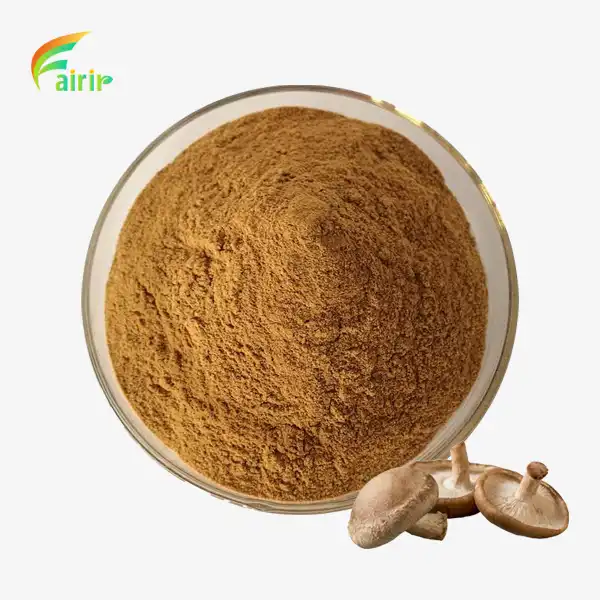
Understanding Shiitake Mushroom Extract and Its Polysaccharide Content
What Makes Shiitake Extract a Superior Functional Ingredient?
Shiitake mushroom extract is very different from whole mushroom powder because it selectively separates medicinal chemicals. Fairir's manufacturing process uses two different types of extraction—hot water and ethanol—to get both water-soluble polysaccharides and lipophilic parts like ergosterol. The bioavailability problem in raw materials is fixed by this pharmaceutical-grade method, which gets rid of the chitinous cell walls that trap up to 90% of the good molecules.
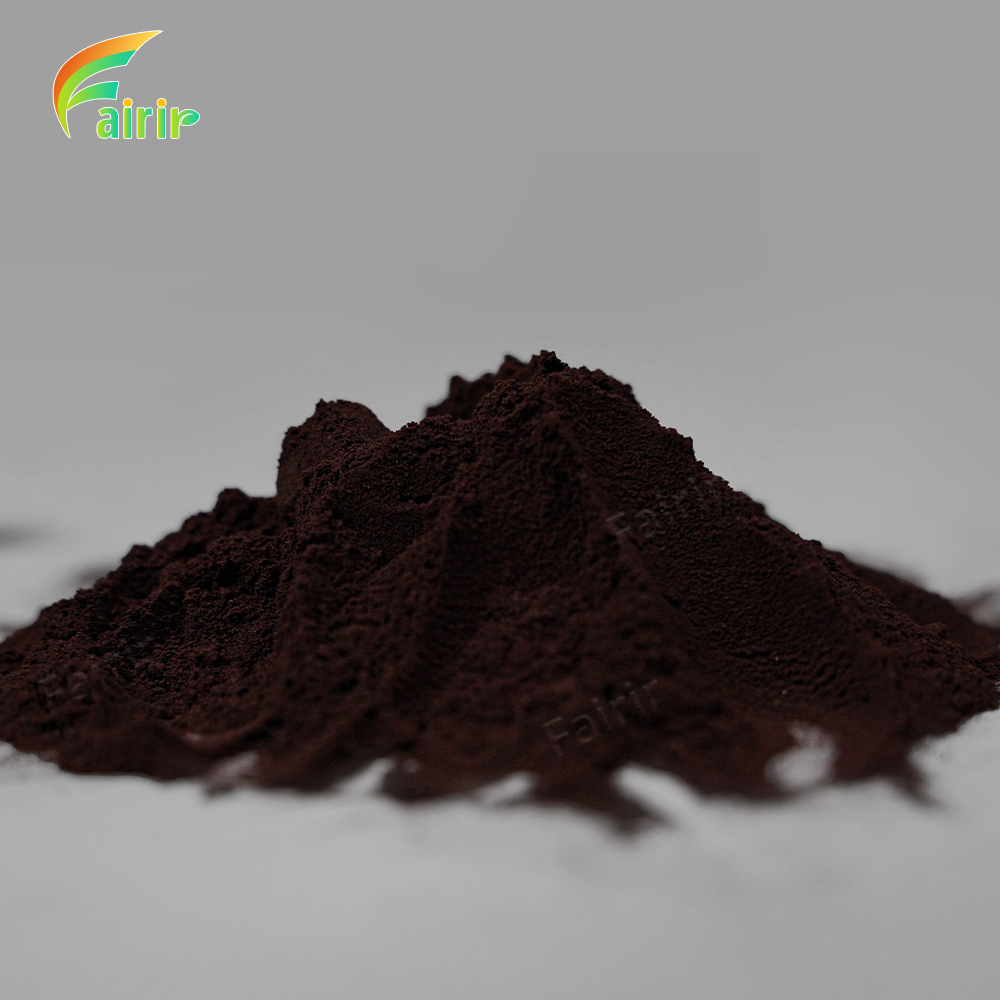
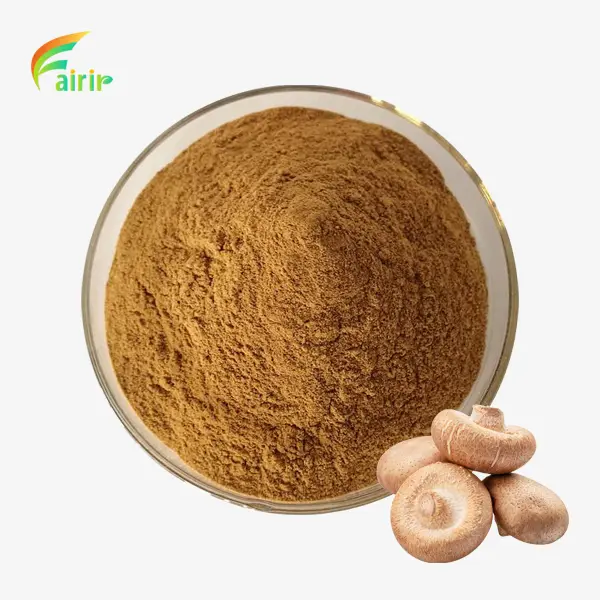
The extract looks like a fine brown powder and is hygroscopic, which means it dissolves in water more than 95% of the time. We offer standard specifications at 10:1 and 20:1 concentration ratios, which have been checked by HPLC, UV spectrophotometry, and GC testing. Each batch is carefully checked to make sure it has the right amount of polysaccharides, moisture, and ash. These are important factors that affect how long the product will last on the shelf and how well it works with other ingredients.
Polysaccharide Profile and Health Benefits
Our shiitake extract's carbohydrate fraction is mostly made up of 1,3-1,6 beta-D-glucans, which include the well-known substance lentinan. Researchers have found that these molecular polysaccharides can change the immune system by turning on macrophages and natural killer cells. In addition to helping the immune system, the extract is good for your heart because it contains eritadenine, which helps keep your cholesterol metabolism healthy.
Studies that were studied by experts show that this extract has antioxidant qualities that protect cell structures from oxidative stress. This makes it a good choice for anti-ageing products. These bioactive compounds help control the stress reaction and improve digestive health, which means they can be used in a lot of different product categories.
Product Forms and Industrial Applications
Our extract comes ready to be used in a variety of formulations. The spray-dried powder mixes easily into tablets, softgels, and chews, and it doesn't get gritty or settle to the bottom like some raw materials do. Pharmaceutical companies like how accurate the dosing is, and cosmetic companies use the powder in serums and creams because it is an antioxidant.
We also work with companies that make liquid supplements and useful drinks, and need products that can dissolve in water. The neutral-to-savoury umami profile keeps the flavour even at therapeutic concentrations. This makes it different from bitter herbal extracts that are hard to mask in terms of flavour.
Advances in High-Polysaccharide Extract Development from Shiitake Mushrooms
Evolution Beyond Traditional Extraction Limitations
In the past, standard hot water extraction methods produced polysaccharide amounts ranging from 15 to 20 percent, with big differences between batches. The old ways of doing things had long working times, heat broke down chemicals that were sensitive to it, and a lot of wasteful raw materials. When procurement managers had to deal with these old goods, their strength was hard to predict, which made standardising formulations and writing up regulatory paperwork harder.
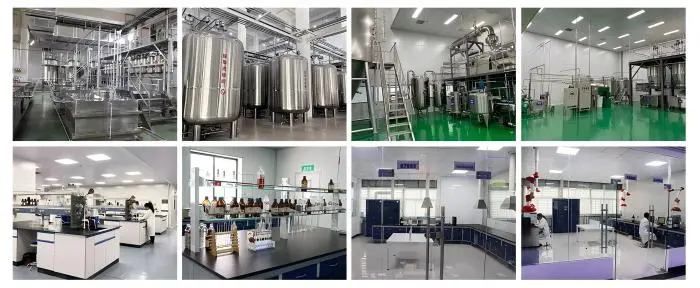
At Fairir, we saw these problems in the business and spent money on new technology to fix shiitake mushroom extract development. Continuous countercurrent extraction equipment and specialised concentration systems are housed in our 10,000-square-meter GMP-certified facility. With this infrastructure, we can get around typical yield barriers, and our three fully automated production lines have extraction efficiency rates that are close to 98%.
Innovative Extraction Technologies Enhancing Bioactivity
Modern methods of separation greatly enhance the quality and return of polysaccharides. Our method, supercritical CO₂ extraction, keeps thermolabile compounds while getting higher purity and doesn't use any solvents. This technology works at controlled temperature and pressure, and it selectively extracts target molecules without leaving behind any chemical residues. This is a key benefit of getting organic and pharmaceutical-grade certifications.
Ultrasonic-assisted extraction is another cutting-edge technology that we carefully use. Ultrasonic waves make tiny cavitation bubbles that break down cell walls physically. This makes it easier for polysaccharides to be released while cutting the time needed for extraction by 60% compared to traditional boiling methods. The result has higher amounts of soluble beta-glucans while keeping the structure of the original material.
Using cellulase and pectinase for pre-treatment with enzymes lets you precisely target polysaccharide chains. This biological method works in mild conditions, which stops depolymerisation and raises the amount of extraction. We carefully use enzymatic methods for batches that are going to be used in high-purity applications where keeping the molecular weight distribution is important for therapeutic activity.
Quality Control and Testing Standards
There are several analytical checkpoints in our quality assurance workflow. When we get raw materials, we check the species' validity by looking at them under a microscope and using DNA barcoding. This keeps the base from getting contaminated, which could change the character and effectiveness of the extract.
We use UV spectrophotometry at 490 nm wavelength to keep an eye on the polysaccharide concentration in real time during the extraction process. This is done after the phenol-sulphuric acid reaction. HPLC analysis confirms the amount of lentinan present and how its molecular weight is distributed, making sure that all production batches are the same. Gas chromatography checks for any leftover liquids while following USP and EP rules.
Each finished batch goes through a lot of tests, including an ICP-MS analysis for heavy metals, a USP-approved microbe count, an EU-compliant pesticide residue screening, and an allergen verification. We keep records that show how finished extracts were linked to lots of mushrooms that were grown, which helps meet the reporting requirements of foreign buyers.
Comparative Insights: Shiitake Mushroom Extract vs. Other Mushroom Extracts
Evaluating Shiitake Against Reishi and Lion's Mane
When making a purchase choice, people often have to choose between medical mushroom extracts. Compared to Reishi, which is mostly made up of triterpenoids, Shiitake Mushroom Extract has a balanced carbohydrate amount (30–50%). Shiitake mushrooms help the immune system without being very bitter, which makes them easier to use in functional foods and drinks. Reishi extracts focus on bitter ganoderic acids for their adaptogenic effects.
The herb lion's mane (Hericium erinaceus) helps the brain by producing hericenones and erinacines, which boost the production of nerve growth factors. This focus on the nervous system is different from shiitake's more general uses in the immune system and cardiovascular system. Shiitake extract has a bigger range of potential customers and is accepted by regulators around the world, making it a good choice for companies making wellness items.
A cost-efficiency study shows that shiitake mushrooms are better for growing on a larger scale. Agricultural methods that have been around for a while and shorter growing cycles make the supply stable, which helps keep prices low without lowering quality. Because of this, shiitake extract is a great choice for medium- to large-scale production runs where using rare, specialised mushrooms would make the cost of preparation go up.
Organic versus Conventional: Quality and Compliance Considerations
Our shiitake extract, which is certified organic, is grown on certified organic substrates that don't use any synthetic fertilisers or pesticides. This certification meets the needs of consumers in high-end supplement markets, especially in the US and EU, where certifications of organic origin earn high prices.
For organic production, you need to show more proof of the substrate's make-up, the rules for the growing climate, and how the crops were handled after they were picked. We can keep making both organic and standard extracts at the same time, so bulk buyers can choose based on the needs of their target market and the price they can afford. The extraction and testing methods for both variants are the same, which means that their polysaccharide potency is the same.
Powder versus Liquid: Formulation Flexibility
Powder extracts are more stable on the shelf and usually stay effective for 24 months if they are kept in fibre drums with double-layer food-grade poly bags or vacuum-sealed aluminium foil bags. This style works well for makers who need to keep an inventory of ingredients and have flexible production schedules. The powder's low wetness level (below 5%) stops microbes from growing and enzymes from breaking it down.
While liquid concentrates are useful for making drinks and tinctures, they need to be shipped and stored in a cold chain in order to have the same shelf life. When shipping internationally, we suggest powder forms, especially for business-to-business clients who are in charge of long supply lines and find it hard to keep temperatures stable. Once makers get powder extracts, they can use normal industrial mixing tools to bring them back to the concentrations they want.
Procurement Guide for Bulk Shiitake Mushroom Extract
Defining Quality Standards and Specifications
Clear definition documents are the first step to a successful purchase. The concentration of polysaccharides is the best way to tell if something is of good quality. Ask for certificates of analysis that confirm a minimum of 30% content using a validated HPLC method. Make sure that the sellers give the beta-glucan structure (1,3-1,6 linkages) instead of the total amount of polysaccharides, because bioactivity is linked to structural specificity.
The parameters of purity are all important. Make sure that the levels of heavy metals are less than the FDA and EU limits for lead (less than 3 ppm), arsenic (less than 2 ppm), mercury (less than 0.1 ppm), and cadmium (less than 1 ppm). The microbial requirements should meet the standards for dietary supplements, with a total plate count of less than 10,000 cfu/g, yeast and mould counts of less than 1,000 cfu/g, and no pathogens, such as Salmonella, E. coli, and Staphylococcus aureus.
Our brown powder extract is shipped in formats that are best for large-scale production. For R&D samples, we have 1 kg aluminium foil bags, 5 kg packages, and shiitake mushroom extract in 25 kg fibre drums with double-layer food-grade poly bag covers for full-scale production. This packaging hierarchy strikes a good balance between keeping moisture out, making it easy to handle, and keeping costs low across all order sizes.
Evaluating Suppliers: Certifications and Manufacturing Capabilities
GMP approval is the most important badge for companies that supply ingredients for medicines and supplements. At Fairir, our 10,000-square-metre building has current GMP certification, and a third-party audits it every year. This certification backs up our methods for preventing contamination, maintaining equipment, and keeping track of batches, all of which are necessary to follow the rules set by the government.
Getting more licenses shows that you are committed to specific market groups. We keep our organic certification from recognised organisations, our Non-GMO Project verification, and our kosher and halal certifications for markets that need to meet certain dietary needs. Our gluten-free and allergen-free validation saves producers from cross-contamination risk, which is important for groups of people who are sensitive to food.
How reliable a supply is directly affected by how much can be made. With 14 stainless steel extraction tanks with capacities ranging from 500L to 3000L and three fully automated production lines, we can quickly fill orders. We usually process orders within one to three business days, which keeps your just-in-time production flexible while lowering the costs of keeping supplies. This infrastructure sets specialised manufacturers apart from trade companies that rely on other companies to schedule their production.
Before working with a supplier, procurement managers should ask for facility audits or inspection reports from a third party. Look at the repair logs for extraction equipment, the calibration records for analysis instruments, and the training records for staff. When you buy from a seller for more than one year, these operating details show if they can keep up quality standards.
Negotiating Pricing and Minimum Order Quantities
Shiitake polysaccharide extract prices depend on how complicated the specifications are, how many orders are placed, and the certificates requirements. You can expect to pay more for organic certification (15–25% more than regular), pharmaceutical-grade purity (which needs more testing), and small batch sizes of less than 100 kg. We set up our MOQ so that it can be flexible for new brands, and we offer volume discounts to established manufacturers who sign quarterly or yearly purchase agreements.
When comparing quotes, you should find out the total landed cost, which includes shipping insurance, customs taxes, packaging, and testing fees to make sure the goods are in line with import laws. We give you all the paperwork you need to get through customs: certificates of analysis, phytosanitary certificates, organic certifications, and allergen declarations. This paperwork cuts down on waits at the border, which raises the amount of working capital needed.
When you negotiate payment terms, you should weigh your need for cash flow against the risk that the supplier poses. We accept different ways to pay, including letters of credit for first orders to build trust, net-30 terms for approved accounts with confirmed credit, and lower prices for early payment. For private label and custom formulation services, you may need to set up a deposit to cover the costs of development.
Ensuring Quality and Safety: Side Effects and Regulatory Compliance
Understanding Safety Profile and Contraindications
Shiitake mushroom extract has a great safety record based on both written studies and data collected after the product was sold. For polysaccharide intake between 300 and 1,500 mg per day, the usual dose ranges from 1,000 mg to 3,000 mg, depending on the concentration ratios. At these levels, side effects are still rare and mild, usually just minor changes in digestion during the first few weeks of supplementation while the gut microbiota gets used to it.
People who are allergic to mushrooms should stay away from shiitake goods. However, true fungus allergies are still not very common compared to other food allergens. We suggest that formulators put clear allergy warnings on the labels of finished products. People who are pregnant or nursing should talk to their doctors before taking supplements. This is normal precautionary advice for plant ingredients that haven't been studied extensively in pregnancy.
Shiitake extract doesn't seem to interact much with common medicines. The immunomodulating properties should make people who are taking immunosuppressant therapy after a transplant more careful, but their clinical significance has not yet been proven. Formulators that are aimed at medical groups should suggest that people get professional help. This will protect both the customers and the brands from potential damage.
Compliance with International Standards
Global markets have very different regulatory environments, which means that documents need to be flexible. For sale in the United States, shiitake extract is considered a dietary ingredient under the DSHEA system. This means that producers must prove safety through written research and tracking of adverse events. We offer support documents for GRAS notifications and NDI letters when they are needed for new formulation methods.
The Novel Foods Framework and Traditional Herbal Medicinal Products directives set up different ways for people to follow the rules in the European Union. Shiitake mushrooms have been used in cooking for a long time, which helps our extract get into new markets more easily than with unusual fungal species. We offer export certificates and certificates of free sale that are specific to each country to help with registration applications.
For American markets, organic approval follows USDA NOP rules, and for European markets, it follows EU Regulation 2018/848 rules. These separate licensing programs need to check farms and processing plants once a year, and they need to handle organic and standard materials separately to keep them from getting contaminated. We keep both types of certifications up to date so that we can easily sell to major foreign markets.
Our manufacturing documentation supports pharmaceutical-grade uses that need to follow ICH rules and state pharmacopoeia standards. The extract meets the USP standards for botanical ingredients in terms of its composition, purity, and identity. This pharmaceutical-grade standing is very important for companies that want to make clinical trial materials or named generic formulations.
Supply Chain Risk Management
We work with approved mushroom farms that follow GAP guidelines to make sure that contamination doesn't happen during growing. These rules for farming manage the types of substrates used, the quality of the water, and how the crops are handled after they are picked. This lowers the risks of mycotoxin buildup and heavy metal buildup from environmental sources. We do annual audits of our suppliers to make sure they are still following our specifications for raw materials.
The layout of our building includes HVAC systems that keep the positive pressure differences between work areas, which stops the movement of airborne contaminants. Validated cleaning of the equipment is done between batches, and surface swab testing shows that the cleaning is effective at getting rid of residue. These controls keep conventional and organic production runs from getting contaminated with each other, as well as plant products made on the same equipment.
We use statistical process control to keep an eye on important factors such as the temperature of extraction, the concentration goals, and the drying conditions. This real-time data collection lets you make changes right away when trends get close to the limits set by specifications. This keeps batch rejects from messing up customer supply lines. The concepts of ISO 9001 guide our quality management system, which makes sure that processes are always getting better.
Traceability systems connect the lot numbers of finished extracts to the dates of extraction, the harvesting of the mushrooms, and the results of analytical tests. This record of paperwork makes it easy to act quickly during supplier audits or government inspections, showing that you have control over the whole supply chain. We give you batch-specific proof of analysis within 24 hours of your request, which makes the quality release process easier.
Conclusion
When looking for high-polysaccharide shiitake mushroom extract, you need to pay attention to the technology used for extraction, the accuracy of the analysis, and the manufacturing skills of the provider. The switch from old techniques to advanced ultrasonic, enzymatic, and supercritical techniques has greatly improved potency and consistency, removing the problems that used to come up with buying things because of differences between batches. For business-to-business (B2B) partnerships to work, the target markets must agree on the same requirements, certifications, and paperwork to support regulatory compliance. Our GMP-certified infrastructure, thorough testing protocols, and fast fulfilment systems at Fairir make it possible for us to build reliable long-term supply relationships with you that help you reach your goals for product development and market expansion.
FAQ
What polysaccharide concentration should I specify for optimal efficacy?
For therapeutic purposes, a polysaccharide content of 30 to 50 per cent is considered standard. Higher concentrations make finished products cheaper because they need smaller serving sizes. Our 10:1 and 20:1 standards give you steady amounts of polysaccharides that can be checked with HPLC. When making immune-supporting goods, companies usually aim for 500 to 1,000 mg of polysaccharides per dose, which is equal to 1,500 to 3,000 mg of 30% extract or 1,000 to 2,000 mg of 50% extract.
How do polysaccharide levels influence pricing and quality?
As the target concentration goes up, the extraction yield goes down, which has a direct effect on manufacturing costs. About twice as much raw material is needed for a 50% polysaccharide extract as for a 25% standard. The higher price is because more steps are needed to prepare the product, such as shiitake mushroom extract rounds of extraction, concentration, and purification. In addition to concentration, chemical structure proof through beta-glucan analysis costs more because it requires more complex analysis. Quality is related to the method used for extraction. For example, ultrasonic and enzyme extraction keep molecular weight better than hard chemical extraction, even though the analytical specs may look the same.
Which certifications prove essential when vetting suppliers?
GMP certification proves that the manufacturing controls are right for making food. Organic approval shows that farming methods meet the needs of consumers and government rules in high-end markets. ISO 9001 shows that quality management is done in a planned way, while kosher and halal standards reach certain groups of people. For pharmaceutical uses, ask for proof that the product meets the requirements of the pharmacopoeia. When you buy from Fairir, you can be sure that our shiitake extract is organic, non-GMO, gluten-free, vegan, and free of BSE and TSE. This means that it can be used in pharmaceutical, nutraceutical, cosmetic, and food products all over the world.
Partner with Fairir for Premium Shiitake Mushroom Extract Supply
Shaanxi Fairir Biotech Co., Ltd. can meet your needs for high-polysaccharide extract by making pharmaceutical-grade shiitake materials in our advanced GMP-certified facility. Our technology for extracting, analysing, and maintaining quality ensures that the 30–50% carbohydrate content is always the same. This is proven by HPLC, UV spectrophotometry, and GC tests. We offer a range of order sizes, from free samples to buying in bulk, and our processing times of 1 to 3 days will help you stick to your production schedules. We do more than just give raw ingredients. We also create unique formulations, offer private label services, and help with packing for capsules, tablets, softgels, and gummies. Our team has decades of experience extracting plants that help cosmetic formulators, pharmaceutical companies, and nutraceutical brands sell their products all over the world. You can talk to our B2B procurement experts at sales@fairirbiotech.com about your shiitake mushroom extract needs, ask for certificates of analysis, or set up facility audits. We are a reliable manufacturer and seller, and we give your product creation the quality consistency, regulatory paperwork, and expert help it needs.
References
1. Bisen PS, Baghel RK, Sanodiya BS, Thakur GS, Prasad GB. Lentinus edodes: A Macrofungus with Pharmacological Activities. Current Medicinal Chemistry, 2010; 17(22): 2419-2430.
2. Finimundy TC, Dillon AJP, Henriques JAP, Ely MR. A Review on General Nutritional Compounds and Pharmacological Properties of the Lentinula edodes Mushroom. Food and Nutrition Sciences, 2014; 5: 1095-1105.
3. Dai X, Stanilka JM, Rowe CA, et al. Consuming Lentinula edodes (Shiitake) Mushrooms Daily Improves Human Immunity: A Randomized Dietary Intervention in Healthy Young Adults. Journal of the American College of Nutrition, 2015; 34(6): 478-487.
4. Zhang Y, Li S, Wang X, Zhang L, Cheung PCK. Advances in Lentinan: Isolation, Structure, Chain Conformation and Bioactivities. Food Hydrocolloids, 2011; 25(2): 196-206.
5. Ina K, Kataoka T, Ando T. The Use of Lentinan for Treating Gastric Cancer. Anti-Cancer Agents in Medicinal Chemistry, 2013; 13(5): 681-688.
6. Morales D, Smiderle FR, Piris AJ, Soler-Rivas C, Prodanov M. Production of a Beta-D-Glucan-Rich Extract from Shiitake Mushrooms (Lentinula edodes) by Enzymatic Modification of Cell Wall Polysaccharides. Food Chemistry, 2019; 289: 506-514.