_1751965378790.webp)

Can Pure Bovine Colostrum Powder Enhance Gut Barrier Health?
Pure bovine colostrum powder can improve the health of the gut barrier by a large amount because it contains many immunoglobulins, growth factors, and bioactive peptides. This nutrient-dense ingredient improves the stability of tight junctions, speeds up the repair of mucosa, and changes how the immune system reacts in the lining of the gut. Researchers have found that the special mix of IgG, lactoferrin, and proline-rich polypeptides in bovine colostrum helps intestinal cells grow back and reduces gut permeability, which is also known as "leaky gut." Adding this powerful ingredient to digestive health and immune-supporting products can make a real difference for pharmaceutical, nutraceutical, and dietary supplement brands.
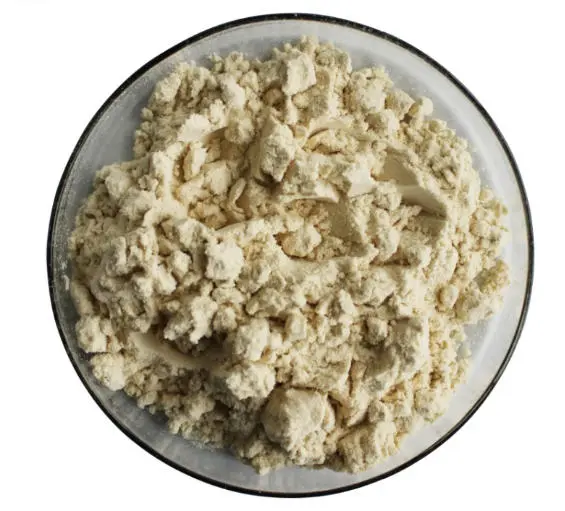
Understanding Pure Bovine Colostrum Powder and Its Nutritional Profile
Bovine colostrum powder is the concentrated, dried form of the first milk that cows give to their calves within 24 to 72 hours of giving birth. This biological gem is very different from regular dairy products because it has a very high concentration of compounds that boost growth and affect the immune system. Spray-drying or lyophilisation are carefully controlled processes that turn liquids into powders. These processes keep the delicate bioactive structures while increasing shelf life and making operations easier for business-to-business uses.
Core Bioactive Components and Their Functions
The nutritional structure of cow colostrum powder is based on a few key groups of ingredients. Immunoglobulins, especially IgG, IgA, and IgM, are the main molecules that protect the immune system. In high-quality formulations, they usually make up 15% to 40% of the total substance. In the digestive system, these antibodies help neutralise pathogens and provide passive immunity. Growth factors, such as insulin-like growth factor-I (IGF-I) and transforming growth factor-beta (TGF-beta), help cells divide and heal in the lining of the gut. Lactoferrin is an iron-binding glycoprotein that kills microbes and controls iron metabolism. Proline-rich polypeptides change how the immune system reacts. The powder also has cytokines, enzymes like lactoperoxidase, and important amino acids that work together to support the body's metabolic and structural processes. This complicated mix of more than 250 bioactive substances works together to make an effect that can't be made by synthetic alternatives or separate protein parts.
Manufacturing Standards and Quality Specifications
We make bovine colostrum powder at Shaanxi Fairir Biotech in a 10,000-square-meter GMP-certified factory that has advanced spray-drying technology and tools for continuous countercurrent extraction. The IgG levels in our product are kept between 10% and 20%, and it comes as a pale yellow powder that is certified as food-grade. We get fresh colostrum from carefully chosen dairy farms within six hours of collection to make sure that all of the nutrients are still there before it is processed. The process of making it uses gentle pasteurisation to get rid of harmful bacteria while keeping heat-sensitive bioactive compounds. Our vacuum belt drying systems and double-effect concentration tools turn liquid colostrum into a stable powder while keeping all of its nutrients. At several stages during production, we use HPLC, UV spectrophotometry, and GC to do thorough quality tests. The finished item is put into vacuum aluminium foil bags or fibre drums with two layers of food-grade plastic bags inside to keep it safe from moisture and oxidation while it is being stored and shipped.
Physical and Chemical Characteristics for Industrial Application
Our bovine colostrum powder has certain physical qualities that make it ideal for a wide range of formulation needs. It is very easy to mix and dissolve the powder, which makes it useful for making pills, tablets, softgels, gummies, pure bovine colostrum powder and ready-to-mix drinks. With a moisture level kept below 5%, the product doesn't allow microbes to grow and stays stable for long periods of time. The particle size distribution meets standard mesh specifications, which makes sure that the mixture is mixed evenly during bulk blending. Chemical stability parameters include a controlled fat content and a protein concentration of more than 60%, which meets the needs of manufacturers of pharmaceuticals and nutraceuticals. Having certifications like Kosher, ISO22000, HALAL, USDA, FSSC22000, HACCP, EU Organic, EcoCert, and cGMP shows that we follow world quality standards. The product is organic, gluten-free, non-GMO, allergen-free, paraben-free, colourant-free, BSE/TSE-free, and can be used in vegan goods as long as the right information is given. This meets the needs of different regulatory and market positioning systems around the world.
The Role of Bovine Colostrum in Enhancing Gut Barrier Function
The intestinal barrier represents a sophisticated biological interface that regulates selective permeability while preventing harmful substances from entering systemic circulation. This barrier comprises epithelial cells connected by tight junction proteins, supported by mucus layers and immune surveillance systems. When gut barrier integrity becomes compromised—a condition associated with inflammatory disorders, stress, poor nutrition, or medication side effects—increased intestinal permeability allows bacterial endotoxins and undigested food particles to trigger immune responses and systemic inflammation.
Mechanisms of Gut Barrier Enhancement
Bovine colostrum powder fixes problems with the gut barrier in a number of ways that work together. Growth factors, especially IGF-I and TGF-beta, help enterocytes multiply and speed up the healing of mucosal surfaces after they have been damaged or inflamed. These chemicals help damaged epithelial surfaces heal and improve the growth of intestinal villi, which are necessary for absorbing nutrients. Colostrum supplementation has been shown in clinical studies to raise the height and depth of the villi. These structural changes are linked to better barrier function. The immunoglobulin fraction offers immediate immune defence at the mucosal surface. IgG antibodies link to harmful bacteria, viruses, and toxins, stopping them from sticking to the walls of the intestines and making it easier for the body to get rid of them. This passive immunity works especially well when the immune system is being pushed to its limits or when the body isn't making enough antibodies on its own. Lactoferrin helps fight gram-negative and gram-positive bacteria and controls the production of inflammatory cytokines. This creates a balanced immune environment that helps healing without too much inflammation. Proline-rich polypeptides change the immune system by controlling T-cell function and cytokine networks. These peptides help normalise immune reactions that are either too weak or too strong. This means that bovine colostrum can be used in a wide range of gut health situations. Researchers have found that these chemicals make the physical seals between epithelial cells stronger. These proteins include occludin, claudin, and zonula occludens. Improving the strength of these protein complexes immediately lowers the intestinal permeability and stops harmful substances from moving through.
Clinical Evidence and Application Guidelines
A lot of controlled studies have looked at how bovine colostrum affects the health of the gut barrier. Researchers who wrote papers in clinical nutrition journals found that taking supplements lowers signs of intestinal permeability like the lactulose-mannitol ratios, in athletes who are working out and are exposed to heat stress. In other studies, people who have inflammatory bowel diseases got better, with lower disease activity rates and higher quality of life measures. The evidence base supports dosing protocols that range from 20 to 60 grams per day for therapeutic purposes and smaller maintenance doses of 10 to 20 grams per day for preventative use. When developing B2B formulations, procurement and R&D teams should think about a number of application parameters. Immunoglobulins work best when they are protected from breaking down in the stomach, which means enteric-coated delivery methods or eating them with buffering agents could be helpful. For the best mucosal touch and the least digestive enzyme exposure, it is best to give the medicine on an empty stomach. Combination formulas with prebiotics, probiotics, or botanicals that work well with each other may improve gut health generally through synergistic mechanisms. IgG standardisation should be a top priority in manufacturing specifications to make sure that finished goods are consistent from batch to batch. Stability testing in both accelerated and real-time settings shows that colostrum powder that has been properly processed and packaged will keep its bioactivity for as long as it is supposed to. Our shipping timeframe of one to three business days works with flexible production schedules and just-in-time inventory management. This cuts down on the cost of warehousing and makes sure that fresh ingredients are available for product launches that need to happen quickly.
Comparing Bovine Colostrum Powder with Alternative Gut Health Solutions
Procurement decision-makers frequently evaluate bovine colostrum powder against alternative ingredients and delivery formats. Understanding the comparative advantages and limitations across options enables informed sourcing strategies aligned with product positioning and target market requirements.
Liquid Versus Powder Colostrum Formats
Liquid cow colostrum has some benefits, like being bioavailable right away and not needing to be reconstituted before use. But from the point of view of B2B buying, the powder format offers strong economic and logistical advantages. Liquids have a much shorter shelf life when kept in the fridge, but powder has a much longer shelf life and can usually keep its bioactivity for 24 months with the right storage conditions. Transportation costs go down a lot because powders are lighter and don't need to be kept cold, which lowers the total cost of delivery and makes foreign shipping easier. Powder specifications also benefit from being easy to handle and formulate. The concentrated form lets you precisely control the dose and easily incorporate it into a range of delivery methods, such as capsules, tablets, and sachets. When powder ingredients are mixed evenly in dry mixing processes, production efficiency goes up because there are no worries about stability issues related to moisture. Standardised moisture content and particle size standards make quality pure bovine colostrum powder control easier by making sure that all production batches have the same flow and dissolution properties.
Bovine Colostrum Versus Whey Protein and Other Protein Sources
Whey protein isolates and concentrates have good amino acid profiles for building muscle and staying healthy in general, but they don't have the bioactive substances found in bovine colostrum that help the immune system and the gut. Standard methods for making cheese split these parts into different fractions, so whey products don't have many immunoglobulins. In conventional whey formulations, the growth factor level is also very low. Because of this difference in composition, colostrum has unique health benefits for the immune system and digestive system that protein supplements alone can't match. Colostrum is also different from hydrolysed proteins or amino acid blends because its bioactive factors stay whole and functional. In order for these complex molecules to bind receptors, change signalling pathways, and have biological impacts, they need to stay in their original shapes. When companies make goods that say they can improve the gut barrier, they should know that only colostrum has all the immunoglobulins, growth factors, and antimicrobial peptides that are needed for full intestinal support.
Organic Versus Conventional Colostrum Sourcing
The choice between organic and standard affects both the cost of buying and how the product is marketed. Due to certification requirements, limited farming methods, and usually smaller production volumes, organic bovine colostrum powder costs more. But this format works well for brands that want to reach natural goods stores, health-conscious customers, and markets that really like organic products. Certification groups make sure that organic livestock management standards are followed. These standards include limits on synthetic pesticides, antibiotics, and growth hormones. Conventional colostrum powder is cheaper and still has all of its bioactive benefits when it comes from reputable suppliers who follow quality standards. Shaanxi Fairir Biotech has internal quality standards for IgG content, microbial limits, and heavy metal testing that are the same for both organic and conventional choices. Organic products are guaranteed by our certifications, such as USDA organic, EU organic, and EcoCert. On the other hand, our thorough testing methods make sure that conventional products meet or beat industry safety standards. When choosing between these two choices, buyers should think about how the market is positioned, how sensitive they are to price, and how competitive the market is. It's important to remember that both formats offer the same functional benefits when manufactured correctly.
Procuring High-Quality Bovine Colostrum Powder: Strategic Considerations for B2B Buyers
Successful procurement of bovine colostrum powder requires careful evaluation of supplier capabilities, quality assurance systems, and commercial terms. The ingredient's sensitivity to processing conditions and the critical importance of bioactivity retention make supplier selection particularly consequential.
Essential Supplier Qualification Criteria
Quality management certificates are the basis for judging a supplier. GMP certification shows that a company follows good manufacturing practices for things like building layout, keeping equipment in good shape, training employees, and keeping records. Other standards, like ISO22000, HACCP, and FSSC22000, make sure that food safety management systems that include risk analysis and preventative controls are being used correctly. These credentials make sure that suppliers follow the same production standards and traceability methods that are needed to follow the rules in different countries. Another important qualification factor is the ability to do analytical work. Suppliers should have their own testing facilities, such as HPLC for measuring immunoglobulins, UV spectrophotometers for protein analysis, and microbe testing facilities. Quality control is ensured without having to rely on outside laboratories when raw materials are received, during production, and when the finished product is released. Along with standard microbiological testing equipment, our facility has high-performance liquid chromatography systems, rotary evaporators, and thermostat water baths. This allows for full quality control during all stages of production. Production capacity and scalability should be carefully evaluated. Suppliers with a range of extraction tanks, like our 14 stainless steel tanks with capacities from 500 to 3,000 litres, can handle both small test batches and big commercial volumes. With two fully automatic production lines and an extraction efficiency of 98%, the company has the technical ability to keep up with rising demand while keeping quality standards high. These infrastructure issues have a direct effect on wait times, batch availability, and the reliability of the supply chain over the long term.

Procurement Models and Commercial Terms
Businesses have different needs and levels of danger, so they need different ways to buy things. The best unit prices are usually found when you order in bulk, which makes this method appealing for well-known goods that are used in regular ways. Container-load amounts save money on both the cost of the goods and the cost of shipping. Having enough space to store things and spending money on inventory are needed for this method, though. Sample programs let you try products and formulations before committing to large quantities. We give away free samples so that research and development teams can check the powder's properties, see how stable it is, and see if it works with other formulation platforms. This step helps reduce risk and is useful when switching providers or coming up with new product ideas that need to have their ingredients tested. Private labelling and custom formulation services are useful for brands that want to make their products stand out. Being able to make finished capsules, tablets, softgels, and gummies allows for one-stop sourcing, which makes supply lines easier to manage and coordination less difficult. Custom specification development meets the special needs of each market positioning, whether those needs are for a certain amount of IgG, organic certification, or a certain distribution of particle sizes.
Logistics and Delivery Performance
Transportation schedules have a big effect on managing supplies and planning when to make things. Our promise of delivery within one to three working days for standard specifications helps with keeping inventory low and planning output in a way that responds to needs. When procurement professionals know about minimum order amounts, variable lead times, and shipping options, they can find the best balance between carrying costs and stockout risks when it comes to stock levels. Packaging specifications affect both how well products are protected and how efficiently they can be handled. For smaller amounts, vacuum aluminium foil bags work great to keep out moisture and oxygen. For larger amounts, 25-kilogram fibre drums with double-layer food-grade poly bag covers work well. The packaging should meet the import rules of the target country and make it easy to move things around in the warehouse. Labels that are easy to read and include lot numbers, manufacturing dates, and expiration dates help keep track of supplies and provide the proof needed for quality checks and regulatory inspections.
Addressing Safety, Tolerability, and Storage Requirements
Product safety represents a non-negotiable priority for manufacturers developing consumable products. Understanding potential contraindications, adverse reactions, and proper handling procedures, pure bovine colostrum powder protects both end-users and brand reputation.
Safety Profile and Contraindications
Bovine colostrum powder has a great safety rating based on clinical studies and a lot of market experience. When used according to the rules given, the ingredient has been given GRAS (Generally Recognised As Safe) status in several places. Most people can take supplements without any problems as long as they follow the dosing instructions. But knowing about possible sensitivities helps with labelling and talking about risks. For example, people who are allergic to dairy should be careful with bovine colostrum because it includes milk proteins that can cause allergic reactions in people who are already sensitive. Labels must make it clear that a product comes from dairy and warn people who are known to be allergic to milk. Some lactose is left over after processing, even though the amount of lactose is usually reduced. This could cause digestive problems in people who are highly lactose intolerant. Brands that want to reach this group of people might think about adding enzymes or giving clearer information on tolerance levels. Women who are pregnant or nursing should talk to their doctors before taking colostrum supplements, not because there are known risks, but because of a general desire to be safe, since there hasn't been much research done on these groups specifically. In the same way, people with immune system disorders or who are taking immunosuppressant drugs need to talk to a professional to make sure that their treatment plans will work with the supplements.
Storage Conditions and Shelf Life Optimisation
If you store something properly, the bioactivity will stay the same, and it won't break down over time. Colostrum powder needs to be kept somewhere cool, dry, and out of the sun. Between 15°C and 25°C is the best temperature range for storing things. It's important to keep an eye on humidity because absorbing water can make things clump together, let germs grow, and damage proteins. Our vacuum-sealed packaging keeps the product safe while it's being shipped and stored. However, once the package is opened, it needs to be resealed right away and kept somewhere dry. If you store it the right way, bovine colostrum powder will work for 24 months from the date it was made. The stability tests show that the levels of immunoglobulin, microbiological factors, and organoleptic qualities are all fine at this point. "First-in, first-out" should be used to arrange inventory, and quality inspection teams should keep an eye on storage conditions to make sure they meet the needs for preservation. Companies that make finished goods should look at how colostrum powder works in different delivery methods as part of formulation stability studies. pH, moisture level, processing temperature, and reactions with other active ingredients or excipients are some of the things that can change how well bioactivity is retained. They help customers make strong products that will last a long time by telling them how to test for stability and improve formulas.
Conclusion
The special mix of immunoglobulins, growth factors, and bioactive peptides in pure bovine colostrum powder helps the gut barrier in many ways. In a variety of settings, research shows that intestinal permeability, mucosal repair, and immune function all get better in important ways. Pharmaceutical companies, nutraceutical companies, and supplement brands can use this ingredient to make products that meet the rising demand for digestive health products. For procurement to go well, you need to work with certified suppliers who can show they can guarantee quality, do analysis, and produce on time. Shaanxi Fairir Biotech can help you reach your product development goals by providing GMP-certified manufacturing, thorough testing, and open business terms.
FAQ
1. What IgG concentration should I specify for gut health formulations?
IgG concentrations between 15% and 25% provide an optimal balance between cost-effectiveness and therapeutic efficacy for most gut barrier support applications. Higher concentrations deliver greater antibody content per serving but command premium pricing. Our standard specifications offer 10% and 20% IgG options, with custom concentrations available for specific formulation requirements.
2. How does processing temperature affect colostrum bioactivity?
Processing temperatures exceeding 72°C risk denaturing immunoglobulins and growth factors, reducing biological activity. Our gentle pasteurisation protocol operates below protein denaturation thresholds while eliminating pathogens. Spray-drying technology maintains outlet temperatures under 60°C, preserving the tertiary protein structure essential for bioactivity.
3. Can bovine colostrum powder be combined with probiotics?
Combining colostrum with probiotics creates synergistic benefits. Colostrum's prebiotic components support probiotic survival and colonisation, while probiotics enhance colostrum's gut barrier effects. Formulation considerations include separate encapsulation to prevent moisture cross-contamination and compatibility testing to verify strain viability throughout shelf life.
Partner with Fairir for Premium Bovine Colostrum Powder Manufacturing
Shaanxi Fairir Biotech stands ready to support your bovine colostrum powder sourcing needs with GMP-certified manufacturing, rigorous quality control, and responsive technical support. Our 10,000 square meter facility produces high-purity colostrum powder meeting international quality standards through advanced extraction technology, pure bovine colostrum powder, and comprehensive testing protocols. With specifications ranging from 10% to 20% IgG, organic and conventional options, and delivery within one to three working days, we provide the flexibility and reliability your product development demands. As a trusted pure bovine colostrum powder supplier, we offer free samples, private labelling capabilities, and custom formulation services tailored to pharmaceutical, nutraceutical, and functional food applications. Contact our experienced team at sales@fairirbiotech.com to discuss your specific requirements and discover how our expertise in animal and plant extracts can elevate your product portfolio with consistent quality and competitive pricing.
References
1. Playford, R.J., Macdonald, C.E., & Johnson, W.S. (2000). "Colostrum and milk-derived peptide growth factors for the treatment of gastrointestinal disorders." American Journal of Clinical Nutrition, 72(1), 5-14.
2. Marchbank, T., Davison, G., Oakes, J.R., Ghatei, M.A., Patterson, M., Moyer, M.P., & Playford, R.J. (2011). "The nutriceutical bovine colostrum truncates the increase in gut permeability caused by heavy exercise in athletes." American Journal of Physiology-Gastrointestinal and Liver Physiology, 300(3), G477-G484.
3. Kim, J.H., Jung, W.S., Choi, N.J., Kim, D.O., Shin, D.H., & Kim, Y.J. (2009). "Health-promoting effects of bovine colostrum in neonatal calves and adult humans." Korean Journal for Food Science of Animal Resources, 29(6), 651-658.
4. Rathe, M., Müller, K., Sangild, P.T., & Husby, S. (2014). "Clinical applications of bovine colostrum therapy: a systematic review." Nutrition Reviews, 72(4), 237-254.
5. Bagwe, S., Tharappel, L.J.P., Kaur, G., & Buttar, H.S. (2015). "Bovine colostrum: an emerging nutraceutical." Journal of Complementary and Integrative Medicine, 12(3), 175-185.
6. Menchetti, L., Traina, G., Tomasello, G., Casagrande-Proietti, P., Leonardi, L., Barbato, O., & Brecchia, G. (2016). "Potential benefits of colostrum in gastrointestinal diseases." Frontiers in Bioscience, Scholar Edition, 8, 331-351.