_1751965378790.webp)

How to Choose High-Quality Hydrolyzed Pearl Powder?
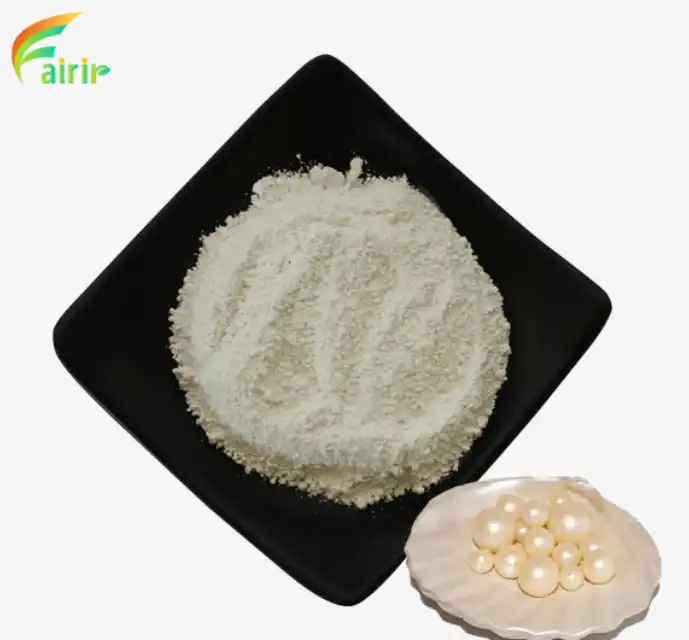
To pick the best hydrolysed pearl powder, you need to carefully consider several technical and business factors that have a direct effect on how well your product works and how well it does in the market. The selection process is based on checking the purity requirements (ideally 99% or higher), making sure the product dissolves completely in water, making sure the manufacturing plant is GMP certified, and making sure analytical test methods like HPLC and UV spectrophotometry work. In addition to these basic needs, business-to-business buyers should check the supplier's ability to offer steady supply volumes, batch consistency across production runs, and how well they extract the material. Knowing the difference between acid-base processing and enzymatic hydrolysis helps you fit the molecular weight profile of the ingredient to the needs of your formulation, whether it's for cosmetics, nutraceuticals, or drugs.
Understanding Hydrolysed Pearl Powder: What Makes Quality?
The Fundamental Difference Between Hydrolysed and Traditional Pearl Powder
Pearl powder's chemical makeup and ability to do its job are completely changed by the hydrolysis process. Traditional ground pearl powder is mostly calcium carbonate, which means it doesn't dissolve easily (less than 3%). This makes it hard to formulate because it settles as sediment in water-based solutions and has a rough feel when applied topically. Hydrolysed pearl powder dissolves completely in water because it breaks down the conchiolin protein matrix into free amino acids like glycine, alanine, and aspartic acid. These acids are needed for cell regeneration and skin barrier repair, and their improved bioavailability directly affects how well the product works. The lower molecular weight (usually less than 1000 Daltons) makes it possible for transepidermal absorption, which means that active chemicals can reach target cells instead of staying on the skin's surface. Because the hydrolysed form changes into calcium lactate or gluconate during digestion, it makes the calcium more bioavailable for nutraceutical products. This is because standard calcium carbonate supplements don't absorb well.
Industrial Applications Across Multiple Sectors
Different types of pearl extract derivatives are used in cosmetics, nutraceuticals, and pharmaceutical businesses for different reasons. In skin care products, hydrolysed pearl powder stops melanogenesis by blocking tyrosinase. This makes it useful for whitening serums and anti-ageing treatments that target hyperpigmentation. The ingredient's antioxidant properties neutralise reactive oxygen species from UV exposure, providing better protection than many synthetic alternatives. Nutraceutical companies use this material in functional beverages and dietary supplements, using its amino acid profile to help regulate sleep through taurine and glycine content. Pharmaceutical companies use high-purity grades in healing formulas after surgery, where biocompatibility and fast epithelialisation are very important. When procurement teams know how particle size distribution and purity levels affect these uses, they can choose the right grades for the goods they want to buy.
Key Quality Attributes That Define Premium Grades
There are a number of measurable differences between high-quality hydrolysed pearl powder and cheaper options. Purity standards of 99% mean that there is little to no contamination and full hydrolysis. Lower percentages, on the other hand, mean that there is still calcium carbonate or that the processing wasn't done well. When it comes to cosmetics, particle consistency is important because different particle sizes can make emulsion systems feel different or clear serums become cloudy. Compositional standards give buyers a way to compare products. There are known amounts of 18 important amino acids in premium grades, and their profiles can be found through amino acid analysis. Trace mineral content, which includes magnesium, copper, and zinc, should be measured and the same from batch to batch. Regulatory compliance needs are met in many markets by organic certifications, non-GMO verification, and allergen-free declarations. This is especially true in the US, where clean label trends shape customer tastes.
Core Criteria to Evaluate When Choosing Hydrolysed Pearl Powder
Source Material and Manufacturing Process Integrity
The choice of source material and processing method affects the quality of hydrolysed pearl powder. Natural pearls from either freshwater or sea are better as raw materials than synthetic ones because synthetic ones don't have the complex protein structures and trace mineral profiles that make natural pearls therapeutic. Manufacturers with a good reputation tell buyers where their products come from and keep track of them all the way through the supply chain. This way, buyers can be sure that the company is environmentally friendly and consistently high-quality. The manufacturing process has a big effect on how the finished product works. Enzymatic hydrolysis makes the amino acid profile cleaner and leaves behind fewer waste products, but it needs more complex process control and takes longer to make. Acid-base hydrolysis works faster, but it can introduce small amounts of contaminants if it's not handled properly. People who are buying should ask about the extraction efficiency rates. The best providers can get up to 98% efficiency hydrolysed pearl powder by optimising process parameters and setting up advanced equipment.
Certifications and Compliance Standards
International certificates provide objective proof of the quality of the product and compliance with regulations. GMP approval makes sure that factories follow cleanliness, equipment upkeep, and quality control rules that are strong enough for pharmaceuticals. This certification is very important for ingredients that will be used in pharmaceuticals or in regulated markets with strict documentation rules. ISO certifications go along with GMP standards because they cover more than just quality management systems. They also cover environmental controls and processes for continuous improvement. Suppliers with ISO 9001 show organised ways of making sure quality, which lowers differences between batches. Extra certifications like Organic, Non-GMO, Kosher, or Halal make finished goods easier to get on the market. This lets OEM clients serve a wider range of customers without having to change the recipe.
Amino Acid and Mineral Quantification as Performance Indicators
The main way to tell how good a hydrolysed pearl powder is is by looking at its amino acid makeup. It is known that premium grades have higher amounts of all 18 necessary amino acids, especially glycine, alanine, and aspartic acid, which help make collagen and keep the skin barrier healthy. Suppliers should give buyers certificates of analysis that show amino acid profiles obtained using approved analytical methods like HPLC. This way, buyers can compare goods in an unbiased way. Mineral content verification goes along with amino acid analysis. Besides calcium, which is usually the main nutrient, skin cells also need trace elements like zinc, copper, and magnesium to do things like work as enzymes and antioxidants. Quantified mineral profiles help formulators figure out how much of a nutrient an ingredient will add to a nutraceutical product and how an ingredient will behave in a complex cosmetic formulation where metal ions may combine with other active ingredients.
Batch Consistency and Stability Considerations
Ingredients that work the same way in every production run are needed for large-scale manufacturing processes. Changes in particle size, amino acid composition, or mineral content from one batch to the next can make formulations less stable and make quality control harder for finished goods. Premium suppliers use statistical process controls and keep detailed batch records that show consistency over long periods of time, usually giving comparative data across multiple production lots. Testing the stability of hydrolysed pearl powder under accelerated conditions shows how it works while being stored and shipped. Ingredients that aren't stable well may lose their effectiveness when they change colour, develop an unpleasant smell, or break down chemically. Suppliers should give stability data that shows how well their goods keep performing at different temperatures and levels of humidity. This is especially important for products that are going to markets with tough weather conditions or long delivery times.
Comparing Hydrolysed Pearl Powder Options in the Market
Vetting Supplier Reputation and Manufacturing Capabilities
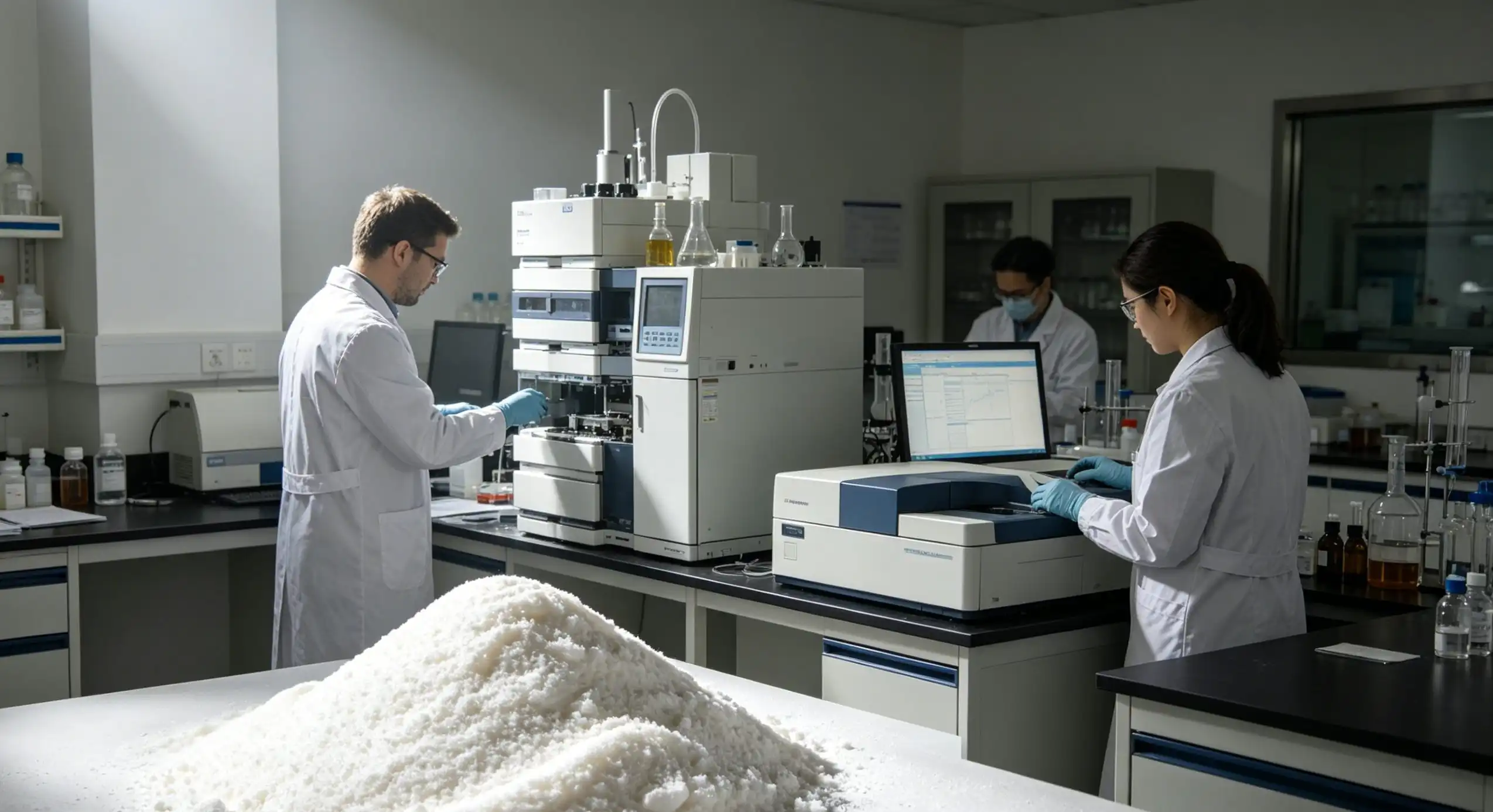
The first step in evaluating a supplier is to look at their manufacturing facilities and operational scale. Having constant countercurrent extraction equipment, vacuum belt drying systems, and ultra-micro pulverisers in a facility shows that it has invested in advanced processing technology that helps it produce consistently high-quality results. For buyers who want to work with a supplier for a long time, production capacity is important. Suppliers with multiple extraction tanks (ranging from 500 to 3000 litres) and fully automatic production lines can handle growing order volumes without affecting delivery schedules. Technical capabilities include more than just equipment; they also include analytical instruments and quality control protocols. Suppliers who have their own HPLC, UV spectrophotometry, and rotary evaporator systems can check the quality of their products in real time and quickly address worries about their specifications. This ability to analyse lowers the need for outside labs and speeds up the process of fixing problems when there are differences between batches. Companies that put out technical documents, research partnerships, or industry presentations show that they are more knowledgeable and dedicated to coming up with new ingredients.
Interpreting Certification Credibility and Documentation
Verification of the authenticity of a certificate saves buyers from false claims and low-quality materials. Real GMP licenses have audit dates, information about the certifying body, and facility-specific information that can be checked by anyone. Buyers should ask for full certificates instead of accepting claims that are only a summary, and they should check the credentials of certifying organisations with those of well-known standards groups. Quality management holes are often shown by expired certifications or unclear language in documents. Third-party testing reports, in addition to certificates of analysis made by the supplier, provide extra proof. Key parameters, such as purity specifications, amino acid profiles, and microbial contamination levels, can be checked by a separate laboratory. This provides objective proof of the quality of the product. Suppliers with a good reputation are happy to give third-party test reports and keep working relationships with approved testing labs. This shows that they are honest and confident in their products.
Market-Driven Price-Quality Analysis
In the market for hydrolysed pearl powder, prices are set based on real changes in quality and the cost of production. The higher prices of premium grades are usually justified by better purity levels, particle uniformity, or certification files that can be checked. When the price is very low, it usually means that the quality has been compromised in some way, like through insufficient hydrolysis, synthetic adulterants, or bad source material choice. Buyers should set price standards across a number of suppliers and look into the specific reasons that cause price differences. Volume-based pricing structures allow buyers to save money on hydrolysed pearl powder without sacrificing quality. Growing businesses can get high-quality ingredients while still handling their cash flow problems if their suppliers offer different price levels based on the amount of goods they order. Businesses of all sizes can use flexible minimum order quantities, from R&D centres that need small amounts for study to big manufacturers that plan to buy in bulk for continuous production runs.
Packaging and Logistics Considerations
Integrity of the packaging has a direct effect on the quality of the ingredients throughout the delivery networks. For smaller amounts, vacuum-sealed aluminium foil bags work great as moisture and air barriers, keeping amino acids stable and stopping them from oxidising. Fibre drums with food-grade poly bag inserts that are double-layered are good for bigger amounts (usually 25 kg units) and provide strong protection during shipping across borders. The right choice of packaging keeps products from getting contaminated, absorbing water, or getting damaged in ways that make them not meet specs. Logistics skills affect the reliability of the supply chain and the total cost of delivery. Suppliers with shipping times of one to three business days show that they are responsive and good at managing their inventory, which lowers the risk of production interruptions caused by a lack of ingredients. Customs documentation knowledge, knowledge of foreign shipping rules, and established connections with goods forwarders help keep delays and unexpected costs to a minimum, which can affect project schedules and budget estimates.
Practical Steps for Sourcing and Procurement
Identifying Reliable Wholesale Suppliers Through Certification Appraisal
Systematic supplier identification starts with checking the seller's certifications and seeing how well they can make things. Buyers should make scoring systems that rate possible suppliers on a number of factors, such as their GMP certification, the analytical equipment they have on hand, their production capacity, and their ability to provide customer references. This organised method keeps people from making hasty decisions and makes sure that all rival suppliers are judged by the same standards. Geography affects the resilience of the supply chain and the compliance with regulations. Suppliers in places where botanical extract industries are well-established often benefit from having access to close-by raw materials, skilled workers, and regulatory settings that are friendly to business. This kind of cluster can be seen in Xi'an City in Shaanxi Province, where good transport and a mass of industries make operations run smoothly. Knowing the benefits of the area helps buyers figure out how stable a seller is and how likely they are to be a long-term partner.
OEM Partnership Benefits for Custom Formulation Needs
OEM partnerships make it possible to customise goods in ways that standard catalogue products can't. Custom formulation service providers can change the distribution of particle sizes, selectively hydrolyse amino acids to change their profiles, or make unique mixes of ingredients that work well together. This gives brands a way to stand out and solves the unique formulation problems that come up when making competitive products. Private labelling lets you customise packing and branding elements as well. OEM partners can package hydrolysed pearl powder in capsules, tablets, softgels, gummies, or small sachets, and the buyer's name can be printed on the labels. This "turnkey" method cuts down on the number of supply chain partners needed to get goods to market. This makes it easier to coordinate logistics and hold people accountable for quality.
Quality Assurance Protocols Before Bulk Commitment
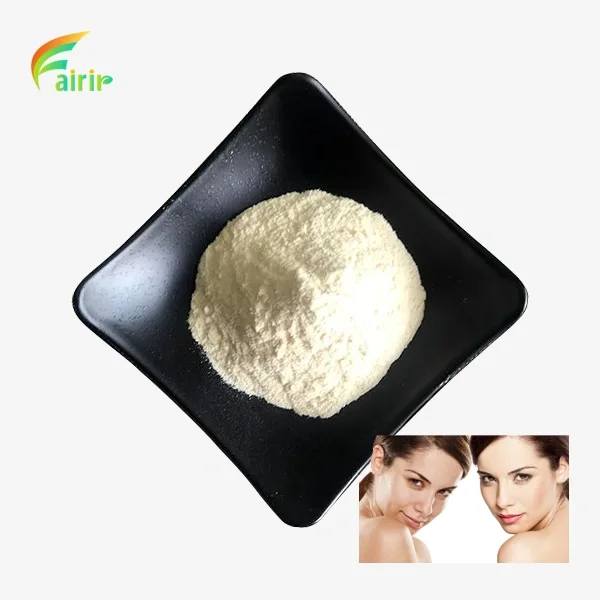
Evaluation of samples is the first and most important step in qualifying a seller. Buyers should ask for samples that come with full certificates of analysis that list the test methods (HPLC, UV, GC), purity requirements, and batch numbers. Physical testing checks for things like uniform white powder appearance, solubility behaviour (complete dissolution in water without sediment), and the lack of bad smells or changes in colour that could mean degradation. Third-party laboratory validation gives you peace of mind before you spend a lot of money. Accredited labs should be hired by buyers to do full testing, such as heavy metal testing, microbial contamination screening, amino acid analysis, and mineral profile. When you compare independent test results with certificates given by the supplier, you can see if they are the same or if there are any problems that need to be looked into further, or if the supplier should be disqualified.
Negotiation and Long-Term Relationship Management
Cost optimisation, quality preservation, and supply security must all be balanced in a good agreement. When negotiating, buyers should have clear specifications, volume estimates, and quality standards that they will not compromise on. On the other hand, they should be open to changing secondary factors like payment terms or delivery schedules. Setting up open communication about a business's plans to grow lets suppliers plan how to allocate capacity and maybe even offer better prices for committed long-term volumes. Good relationship management practices make sure that partnerships last beyond the original transactions. Suppliers can predict needs and deal with possible problems before they happen by talking to customers on a regular basis about quality performance, market feedback, and new needs. Reviewing delivery performance, quality measures, and market changes on a regular basis is a good way to keep partnerships strong and find ways to keep getting better that are good for both sides.
Case Studies and Best Practices from Industry Leaders
Successful Integration Strategies in Cosmetic Applications
Leading cosmetics companies have set themselves apart in the market by adding hydrolysed pearl powder to their high-end lines in a smart way. One European skin care company changed the recipe of its best-selling brightening serum by swapping out synthetic tyrosinase inhibitors for high-purity pearl peptides. This made the product work just as well, but was better for your health and appearance. To make the switch, we had to work closely with our suppliers to find the best particle size for better transdermal absorption and make sure that batch consistency was maintained across large-scale production. The project's success depended on careful seller screening and testing on a small scale. The company did fast stability tests on several different formulations, checking how well the colour stayed the same, the scent stayed the same, hydrolysed pearl powder and the active ingredients broke down in different storage conditions. Parallel customer perception testing confirmed that the reformulated product brightened things up within 28 days, which supported the strategy of switching out ingredients and putting the product at a higher price point.
Nutraceutical Product Differentiation Through Quality Sourcing
A North American nutraceutical business made its calcium supplement line stand out by adding hydrolysed pearl powder instead of regular calcium carbonate, which makes it more bioavailable. The strategy addressed consumer complaints about gastrointestinal discomfort associated with conventional supplements while leveraging the amino acid content for additional sleep support claims. To make a new product, the company had to find suppliers that could provide kosher certification and make sure that all of the production batches had the same amino acid profiles. To make sure that manufacturing standards were being met, the company put in place strict quality protocols, such as third-party testing every three months and unannounced facility audits. This investment in making the supply chain more open made it possible for marketing messages to focus on quality assurance and production excellence. This spoke to health-conscious customers who were willing to pay more for ingredients that they knew were real. Sales data showed that these calcium supplements had 34% better conversion rates than regular ones, even though they cost 25% more at retail.
Common Pitfalls and Risk Mitigation Strategies
Industry knowledge shows that buying things often leads to mistakes that hurt the standard of the goods and the reputation of the brand. It's very risky to use synthetic additives that haven't been tested. For example, some sellers add cheaper proteins or amino acid blends to hydrolysed pearl powder that don't have the full nutritional profile and functional properties. Buyers can lower this risk by doing a full amino acid analysis and comparing the results to established reference standards for real pearl-derived ingredients. Another common problem is unstable supplies, especially when suppliers don't have the right relationships with raw materials or production capacity. Companies that are growing quickly have had problems where their first suppliers couldn't increase their volumes to keep up with rising demand. This meant that they had to switch suppliers quickly, which messed up production schedules and needed expensive revalidation. Checking supplier capacity by inspecting facilities and looking at stocks of production equipment can help you spot scalability problems early on, before they become major problems.
Conclusion
To choose high-quality hydrolysed pearl powder, you need to carefully look at the product details, the factory's production skills, and the dependability of the provider in a number of different areas. A good procurement process combines technical needs, like purity levels, amino acid profiles, and batch consistency, with business needs, like pricing, shipping options, and the ability to be flexible with partners. Putting money into thorough supplier due diligence and quality verification processes pays off by making products work better, following the rules, and setting your brand apart in crowded markets. As the ingredient continues to become more well-known for its bioavailability benefits and wide range of functions, businesses can position themselves for long-term growth and product innovation by forming partnerships with certified manufacturers who offer clear documentation and quick technical support.
FAQ
1. What differentiates hydrolysed pearl powder from regular pearl powder in functional performance?
Hydrolysed pearl powder undergoes enzymatic or acid-base processing that transforms insoluble calcium carbonate and complex proteins into water-soluble amino acids and peptides. This structural modification increases bioavailability from less than 3% to 100%, enabling transdermal absorption in topical applications and improved digestive uptake in oral supplements. The hydrolysis process produces molecular weights typically below 1000 Daltons, allowing active compounds to penetrate skin barriers and reach target cells rather than remaining on surfaces.
2. How can buyers verify authenticity before committing to bulk purchases?
Authenticity verification requires multiple validation steps, including certificate of analysis review, third-party laboratory testing, and physical sample evaluation. Buyers should request complete amino acid profiles obtained through HPLC analysis, confirming the presence of all 18 essential amino acids characteristic of pearl-derived proteins. Independent testing through accredited laboratories provides objective confirmation of purity specifications, mineral content, and absence of synthetic adulterants. Physical assessment should confirm complete water solubility, uniform white appearance, and absence of sediment or discolouration.
3. What are optimal dosage forms for cosmetic versus nutritional applications?
Cosmetic applications typically utilise hydrolysed pearl powder in concentrations ranging from 1% to 5% in serums, creams, and lotions, where the ingredient functions primarily as a tyrosinase inhibitor and collagen synthesis stimulator. Nutritional applications employ higher concentrations, often 500mg to 1000mg per serving in capsule or tablet formats, targeting calcium supplementation and sleep support through amino acid content. Beverage applications require exceptional solubility and particle size control to prevent sedimentation, typically using grades specifically processed for liquid formulations.
Partner with Fairir for Premium Hydrolysed Pearl Powder Supply
Shaanxi Fairir Biotech Co., Ltd. operates a 10,000-square-meter GMP-certified facility equipped with advanced continuous countercurrent extraction systems, vacuum belt drying equipment, and comprehensive analytical instrumentation, including HPLC and UV spectrophotometry. Our production infrastructure features 14 stainless steel extraction tanks ranging from 500 to 3000 litres, supporting extraction efficiency up to 98% across two fully automatic production lines. We deliver hydrolysed pearl powder meeting 99% purity specifications, complete water solubility, and comprehensive amino acid profiles verified through rigorous quality control protocols. Our capabilities extend beyond standard supply to encompass custom formulation development, private labelling across multiple formats (capsules, tablets, softgels, gummies), and responsive technical support backed by experienced teams. As a hydrolysed pearl powder manufacturer committed to transparent communication and reliable delivery timelines of 1-3 working days, we invite procurement professionals to request sample evaluations and explore OEM customisation opportunities. Contact our team at sales@fairirbiotech.com to discuss your specific requirements and access premium ingredients that elevate product quality and strengthen competitive positioning.
References
1. Chen, L., & Wang, H. (2021). Bioactive Components and Pharmacological Properties of Hydrolysed Pearl Powder: A Comprehensive Review. Journal of Functional Foods, 78, 104-116.
2. International Organisation for Standardisation. (2020). Quality Management Systems for Botanical Extract Manufacturing: Standards and Implementation Guidelines. Geneva: ISO Publications.
3. Martinez, R., & Thompson, K. (2022). Comparative Analysis of Protein Hydrolysates in Cosmeceutical Applications: Bioavailability and Efficacy Considerations. International Journal of Cosmetic Science, 44(3), 287-301.
4. United States Food and Drug Administration. (2021). Current Good Manufacturing Practice Guidelines for Dietary Supplements and Nutraceutical Ingredients. Washington: FDA Centre for Food Safety and Applied Nutrition.
5. Zhang, Y., Liu, Q., & Sun, M. (2020). Advanced Extraction Technologies for Marine-Derived Bioactive Compounds: Process Optimization and Quality Control. Marine Drugs, 18(5), 245-263.
6. Zhou, X., & Anderson, P. (2022). Supply Chain Management Best Practices in Botanical Extract Procurement for Pharmaceutical and Nutraceutical Industries. Journal of Business Logistics, 43(2), 156-174.