_1751965378790.webp)

Purple Yam Ube Powder in Desserts: Why Is It So Popular?
Purple Yam Ube Powder has caught the attention of food companies all over the world. Its beautiful natural violet color and unique taste have changed the way desserts are made. This ingredient, which comes from Dioscorea alata, gives B2B customers a clean-label answer to several production problems, such as replacing fake dyes and making sure that batch quality stays the same. The powder is popular because it can meet the strict quality standards needed by the food, vitamin, and pharmaceutical industries while also having a noticeable effect on the eyes and being good for you. As people's tastes change toward natural, useful ingredients, makers who want to get ahead in the dessert product development game need to know how to strategically source and use this plant extract.
What Is Purple Yam Ube Powder and Why Is It So Popular in Desserts?
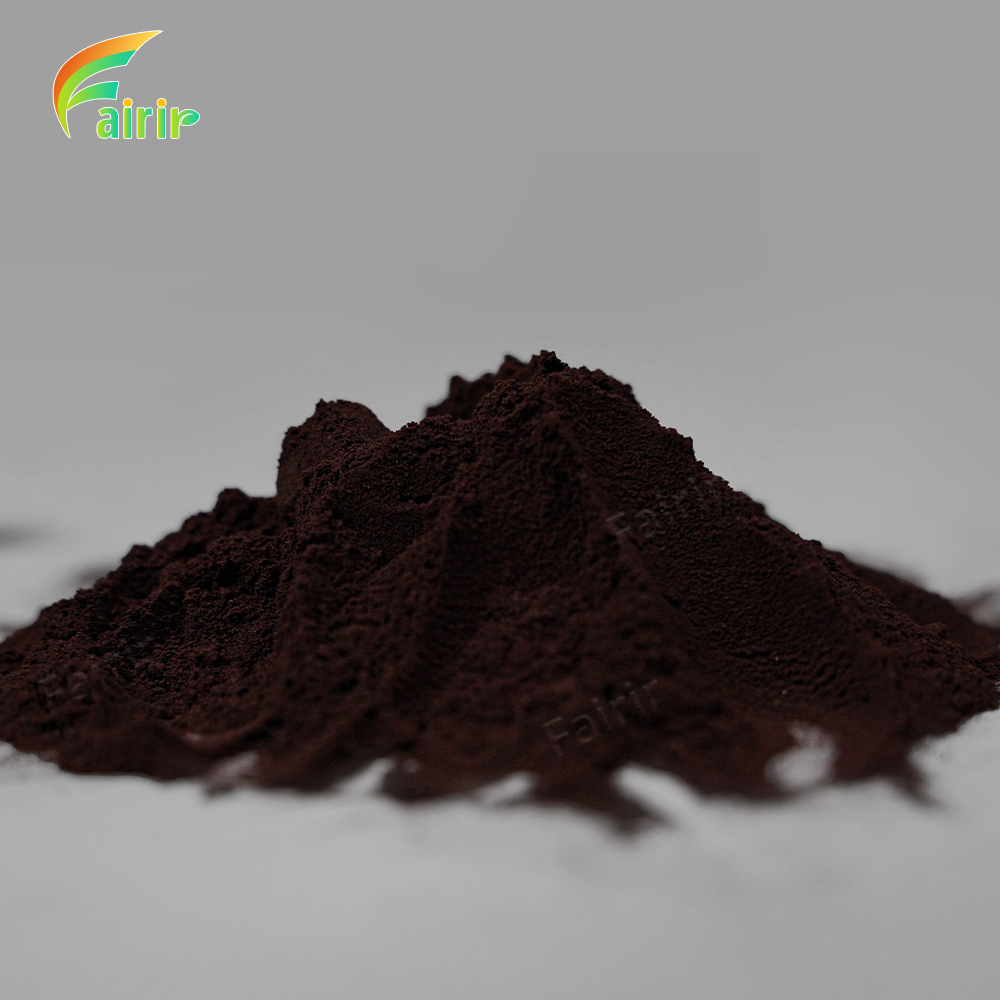
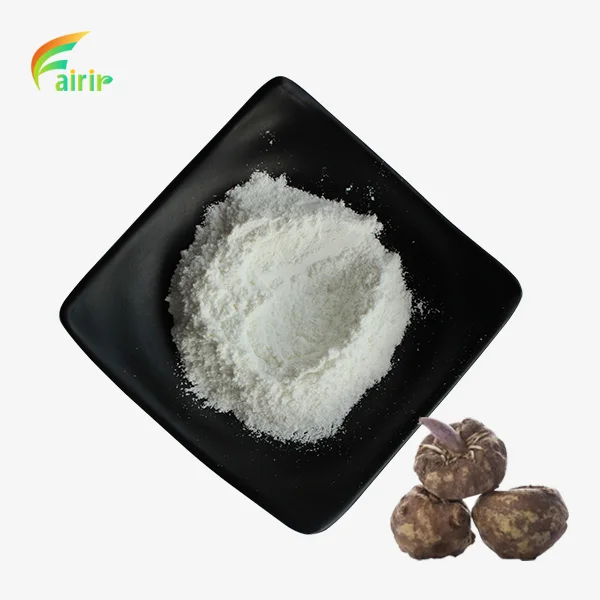
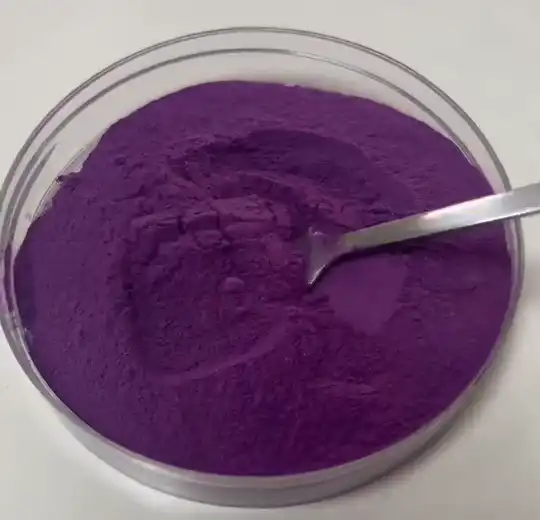
Purple Yam Ube Powder is a concentrated form of the Philippine purple yam. It is unique because it has naturally occurring anthocyanin pigments that give it an eye-catching purple color without any added chemicals. The first step in our manufacturing process is carefully choosing which yam roots to use. Then, we use gentle freeze-drying technology to keep their nutritional value and taste.
Origins and Botanical Characteristics
It tastes different because ube is made from a true yam species instead of a sweet potato type. There are naturally a lot of anthocyanins, flavonoids, and dietary fiber in the root. Our extraction process keeps these good chemicals while making an ingredient that can be stored for a long time and is good for large-scale production. The powder has a taste that is nutty with light vanilla notes that go well with sweet recipes without being too strong for other ingredients.
Nutritional Profile and Clean-Label Appeal
The nutritional makeup of the powder is great for the clean-label trends that are currently sweeping the food business. It is both a natural colorant and a useful ingredient, and it is full of enzymes, vitamins, and minerals. Manufacturers like that it meets the needs of consumers who want clarity while getting rid of fake colors from recipe lists. Our product specs include choices for 80% and 99% purity, so formulators can choose the concentration amounts that work best for their needs and the color strength they want.
Versatility Across Production Systems
Fresh yams are hard to work with because it only comes in certain seasons and go bad quickly. But yam powder makes the output more stable. It melts easily in both water-based and fat-based systems, Purple Yam Ube Powder, which means it can be used in a wide range of desserts. The heat-stable pigments can handle normal baking temps without losing much of their color, so the effects will be the same from batch to batch. This dependability is especially helpful for companies that use ongoing production lines and need to know how ingredients will work every time.
How to Use Purple Yam Ube Powder in Various Dessert Applications
To add Purple Yam Ube Powder to a wide range of products, you need to know the right dose, how to mix it, and if it will work with other ingredients. After a lot of tests in a variety of manufacturing settings, our technical team has come up with application standards.
Baking Applications and Dosage Guidelines
Depending on how intense you want the color to be, the recommended usage rates for cakes and desserts are usually between 2 and 5 percent by weight of the dry ingredients. The powder mixes easily into recipes and doesn't need to be changed in any way. It helps gluten-free recipes stay together, which keeps the food fresh and extends its shelf life. To keep things from sticking, we suggest mixing the powder with the dry ingredients first, then adding the liquids. Our ultra-micro pulverizers reduce the powder's grain size so that it blends smoothly without being gritty.
Frozen Dessert Integration
Ube powder can stop water from moving around in frozen materials, which is useful for companies that make ice cream and frozen toys. Use levels between 3 and 7 percent improve color and taste slightly while also stopping ice crystals from forming when temperatures change. The powder works well with both dairy bases and different milk systems. We've seen examples of makers replacing some manufactured stabilizers with ube powder, which worked well and met clean-label requirements without changing the texture. The natural viscosity helps give the smooth mouthfeel that people expect from high-quality frozen treats.
Beverage and RTD Systems
When it comes to steadiness and color retention, ready-to-drink products have their own problems. Our micronized powder stays mixed with liquids longer than regular grades, which means there are fewer problems with settling. Manufacturers usually add 1-3% powder content to ube lattes and shakes. Because the powder works with protein systems, it is very useful for making healthy drinks that stay the same look throughout their shelf life, which is important for customers to like. Powder should be stored in vacuum-sealed metal foil bags in temperature-controlled areas, according to the instructions. Under the right conditions, the product stays in line with specifications for 24 months, which helps big buyers keep track of their goods more efficiently.
Comparing Purple Yam Ube Powder to Other Ingredients for Procurement Decisions
When procurement teams look at Purple Yam Ube Powder, they need to look at more than just the cost. They also need to look at how well the ingredients work. Figuring out the relative benefits of different ingredients helps match the choice of ingredients with the marketing strategies for each product.
Ube Powder versus Taro Powder
Both materials give purple tones, but the result is different in important ways. Compared to Ube Powder, which is bright violet and tastes sweeter, Taro Powder has a more dull gray-purple color and an earthier flavor. The anthocyanin content of our ube powder makes the color stronger at lower usage rates. This could mean better cost-effectiveness in situations where bright color is what makes people decide to buy. The way they go with different flavors is also different. For example, ube goes better with vanilla, coconut, and chocolate notes, while taro goes better with spicy or less sweet recipes.
Organic versus Conventional Options
When deciding on organic certification, you have to weigh Purple Yam Ube Powder the benefits of higher prices against the needs of your target market. The price of our organic ube powder is about 30–40% higher than regular grades because it has USDA, EU Organic, and EcoCert certifications. Consumer study shows that organic approval has a big effect on buying choices for high-end desserts, but not so much for value-level goods. When figuring out what specifications are needed, procurement experts should think about how their brand is positioned and who their target audience is. In our GMP-certified plant, both versions are processed to the same standards; the only thing that is different is how the crops are sourced.
Bulk Pricing Structures and Volume Considerations
There are different levels of wholesale prices based on commitment numbers and shipping operations. Container-load amounts offer the best unit economy, especially for companies that have more than one production facility. Our 25 kg fiber drum packaging with two layers of food-grade poly bags can be used for both small-batch tests and large-scale production. Standard orders can be delivered in one to three working days, which supports just-in-time stocking tactics and lowers the need for working capital while keeping production going. Ube powder is becoming more popular in general product lines, not just in specialty or ethnic food segments, as seen by the fact that more bakery shops and frozen dessert brands are using it.
How to Choose the Right Supplier for Purple Yam Ube Powder
Choosing the right Purple Yam Ube Powder seller has a direct effect on the stability of product quality, compliance with regulations, and reliability of the supply chain. These are all very important issues for companies that have strict quality management systems.
Essential Certification and Quality Standards
Checking thorough certification portfolios is the first step in evaluating possible sellers. Our building has Kosher, ISO22000, HALAL, FSSC22000, HACCP, and cGMP approvals, which show that it follows world standards for food safety management. These qualifications are especially important for pharmaceutical and nutraceutical clients who need work environments that have been checked out. Transparency in the testing process is just as important. Our TLC testing methods and analytical tools, such as HPLC and UV spectrophotometry, provide batch evidence that meets customer quality assurance needs. In addition to licenses, assessing a supplier's production potential shows how well they can support growth. Our 10,000-square-meter building has 14 stainless steel extraction tanks with capacities between 500 and 3,000 liters, as well as two fully automatic production lines that are 98% effective at extraction. This system supports a steady supply even when demand changes, which protects customers from having to deal with distribution problems.

Supply Chain Transparency and Technical Support
Transparent conversation about where to get raw materials builds trust in the supply chain. We keep close ties with farmer networks, which lets us track products from where they were grown to where they are sold. When compared to traders who don't own production assets, this vertical merger makes the supply chain less vulnerable. Manufacturers are also different from commodity traders because they offer expert help. During the product creation process, our team helps customers with design, helping them get the most out of their usage rates and solve application problems. When buying something, it's important to know things like minimum order amounts and how to ship things. Our MOQ designs can handle both small samples for research purposes and large amounts for business production. Over 50 countries of international shipping knowledge make sure that customs clearance goes smoothly and that paperwork is correct, which cuts down on delays that throw off production plans.
Future Trends and Market Insights for Purple Yam Ube Powder in the Global Dessert Industry
The market for natural ingredients is always changing because of changes in regulations, customer tastes, and new product possibilities. Figuring out these paths helps companies carefully Purple Yam Ube Powder place their product lines using Purple Yam Ube Powder.
Consumer Demand Patterns and Market Growth
The market for natural food colorants is expected to grow quickly, with plant extracts taking market share away from manufactured options. Regulatory scrutiny of fake colors in several places speeds up efforts by big food companies to change their recipes. This big trend is good for ube powder, and its Filipino origin story makes it stand out. This is something that people are increasingly looking for as they look for real, culturally-rooted ingredients. The compound yearly growth rate for unusual flavor ingredients is higher than the rates for vanilla and chocolate, which suggests that the market will continue to grow.
Innovation Opportunities in Functional Formulations
New uses go beyond standard sweets and into the realm of functional foods. Manufacturers are looking into using ube powder in protein bars, meal replacements, and healthy snacks where natural ingredients and high nutrient density fit with their marketing strategies. The powder works well with plant-based ingredients, which makes it a good choice in the quickly growing veggie product market. Our non-GMO, gluten-free, and allergen-free standards allow a wide range of diets to be met without the need for different production runs or complicated inventory.
Regulatory and Sustainability Considerations
As business responsibility promises get stronger, sustainability practices become more important in deciding what to buy. Consumers and business buyers are both very interested in how food is grown, how much energy is used in processing, and what materials are used for packing. Our manufacturing process focuses on freeze-drying technology that uses less energy and packing materials that can be recycled. This addresses these issues while keeping the purity of the product. For sellers who work with global delivery networks, it's important to know how the rules for food-contact materials and import standards change from one market to another.
Conclusion
Purple Yam Ube Powder is more than just a trendy ingredient; it's an example of how modern treat innovation combines clean-label requirements, visual appeal, and useful performance. When B2B procurement professionals have to make tough choices about ingredients, they need to know about quality standards, application rules, and what suppliers can do. The powder's natural origin and nutritional profile, along with the fact that it can be used in baking, frozen treats, and beverage systems, make it a good choice for product lines aimed at health-conscious customers. It is important to choose production partners that have strong certifications, technical know-how, and reliable supply chains to make sure that the project goes well and supports long-term market competitiveness in the global treat industry, which is always changing.
FAQ
1. What distinguishes Purple Yam Ube Powder from taro powder?
Purple Yam Ube Powder comes from the real yam species Dioscorea alata, while taro comes from the plant family Colocasia esculenta. Both the taste and the way the fruit looks are different. Ube is a bright purple fruit with nutty-sweet vanilla notes, while taro is a more muted gray-purple fruit with an earthier taste. In terms of nutrition, ube has higher amounts of anthocyanin, which makes it a stronger antioxidant. These differences help makers decide what applications to use based on the features they want their products to have and the tastes of the people they want to sell them to.
2. What are optimal storage conditions for maintaining powder quality?
For proper keeping, vacuum-sealed aluminum foil packaging needs to be kept in cool, dry places that are out of direct sunlight. The best powder properties are kept at temperatures between 15°C and 25°C and relative humidity below 60%. Under these conditions, our product stays in line with the specifications for 24 months after it was made. For best quality retention, containers should be quickly resealed after being opened and used within six months. FIFO inventory movement should be used by procurement managers to make sure that products stay fresh throughout the supply chain.
3. Can ube powder function effectively in gluten-free baking applications?
When used in gluten-free recipes, the powder works really well and has useful benefits beyond coloring. Its natural binding properties help make up for the lack of gluten, which makes baked goods keep their wetness and crumb structure better. When used at rates of 3–5%, color intensity and textural gains usually happen without having to make any other changes to the recipe. Because the powder works with popular gluten-free flour blends like rice, almond, and coconut, it's easy for product developers to switch current recipes to gluten-free versions.
Partner with Fairir for Premium Purple Yam Ube Powder Supply
Reliable relationships with material suppliers are the first step to making great products. Shaanxi Fairir Biotech Co., Ltd. is a specialized company that makes Purple Yam Ube Powder. They have a wide range of services to offer customers in the food, cosmetics, nutritional, and pharmaceutical industries. Our Xi'an plant is GMP-certified and uses cutting-edge extraction technology and strict quality control standards to provide uniform, high-purity botanical extracts. We have standard grades of 80% and 99%, along with full certification paperwork for USDA Organic, Kosher, HALAL, and ISO22000 compliance. In addition to supplying products, our technical team also helps customers with formulations, which helps them get the most out of their uses and shorten the time it takes to create new products. Our competitive pricing systems represent the fact that we are a direct manufacturer and don't add markups for middlemen. Our responsive team makes sure that the buying process goes smoothly, whether you need small batches of samples for R&D testing or full containers for business production. Get in touch with our experts at sales@fairirbiotech.com to talk about your unique needs and find out how our Purple Yam Ube Powder seller services can help your product line.
References
1. Chen, M., & Zhang, H. (2021). Natural Food Colorants: Chemistry, Functionality and Applications in the Food Industry. Journal of Food Science and Technology, 58(4), 1245-1260.
2. Philippine Council for Agriculture, Forestry and Natural Resources Research and Development. (2019). Ube (Purple Yam): Production and Processing Technologies. PCARRD Technical Bulletin Series.
3. Rodriguez-Amaya, D.B. (2019). Natural Food Pigments and Colorants. Current Opinion in Food Science, 26, 71-78.
4. Smith, J.L., & Thompson, R.K. (2022). Clean Label Ingredients in Bakery Applications: Consumer Preferences and Technical Performance. Food Technology Magazine, 76(3), 42-51.
5. Williams, C.A., & Patel, S. (2020). Anthocyanins in Food Production: Stability, Bioavailability and Processing Effects. International Journal of Food Science and Nutrition, 71(8), 923-938.
6. World Food Innovation Network. (2023). Exotic Flavors Market Analysis: Trends, Applications and Growth Projections in Global Food Manufacturing. WFIN Industry Report.