_1751965378790.webp)

Can Pure Glucomannan Powder Help Reduce Cholesterol Naturally?
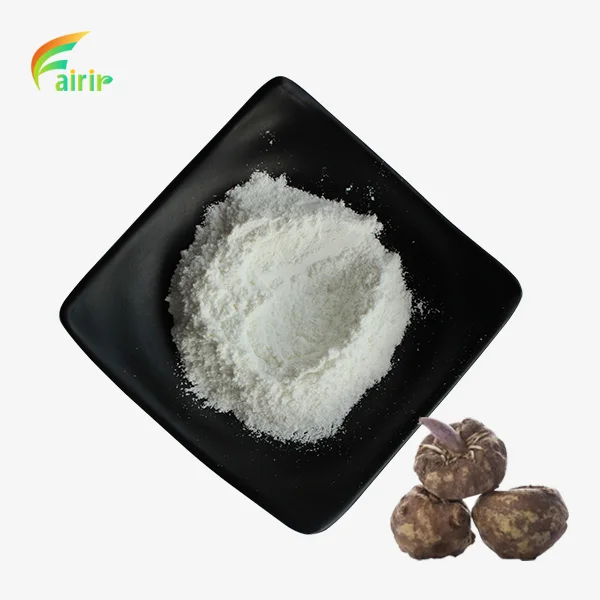
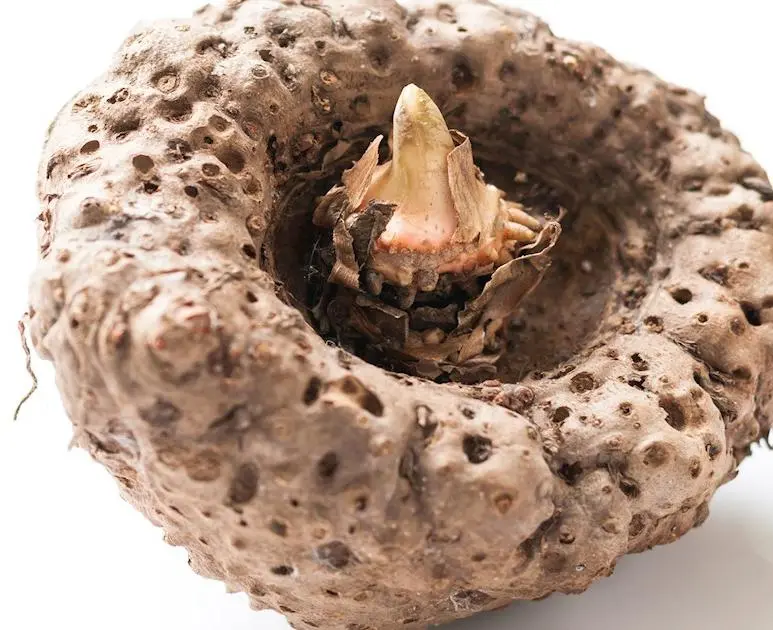
In the quest for natural solutions to manage cholesterol levels, pure glucomannan powder has emerged as a promising contender. Derived from the root of the konjac plant (Amorphophallus konjac), this soluble dietary fiber has garnered attention for its potential to support heart health and aid in cholesterol management. As concerns about cardiovascular health continue to rise globally, many individuals are seeking alternatives to traditional medications. Pure glucomannan powder offers a natural approach that aligns with the growing trend towards holistic wellness. This article delves into the science behind glucomannan's cholesterol-lowering properties, explores its effectiveness compared to conventional treatments, and examines how this versatile supplement can be incorporated into a heart-healthy lifestyle.
How Soluble Fiber Binds to Bile Acids for Heart Health
The Mechanism of Soluble Fiber in Cholesterol Reduction
Pure glucomannan powder, as a soluble fiber, plays a crucial role in cholesterol management through its interaction with bile acids. When consumed, glucomannan forms a viscous gel in the digestive tract, which binds to bile acids produced by the liver. These bile acids are normally reabsorbed in the intestines, but when bound to glucomannan, they are excreted from the body. To compensate for this loss, the liver must produce more bile acids, a process that requires cholesterol. By utilizing cholesterol for bile acid production, the liver reduces the amount of cholesterol circulating in the bloodstream, effectively lowering overall cholesterol levels. This natural process highlights the potential of pure glucomannan powder as a dietary supplement for those seeking to manage their cholesterol through non-pharmaceutical means.
Enhancing Lipid Profiles Through Dietary Intervention
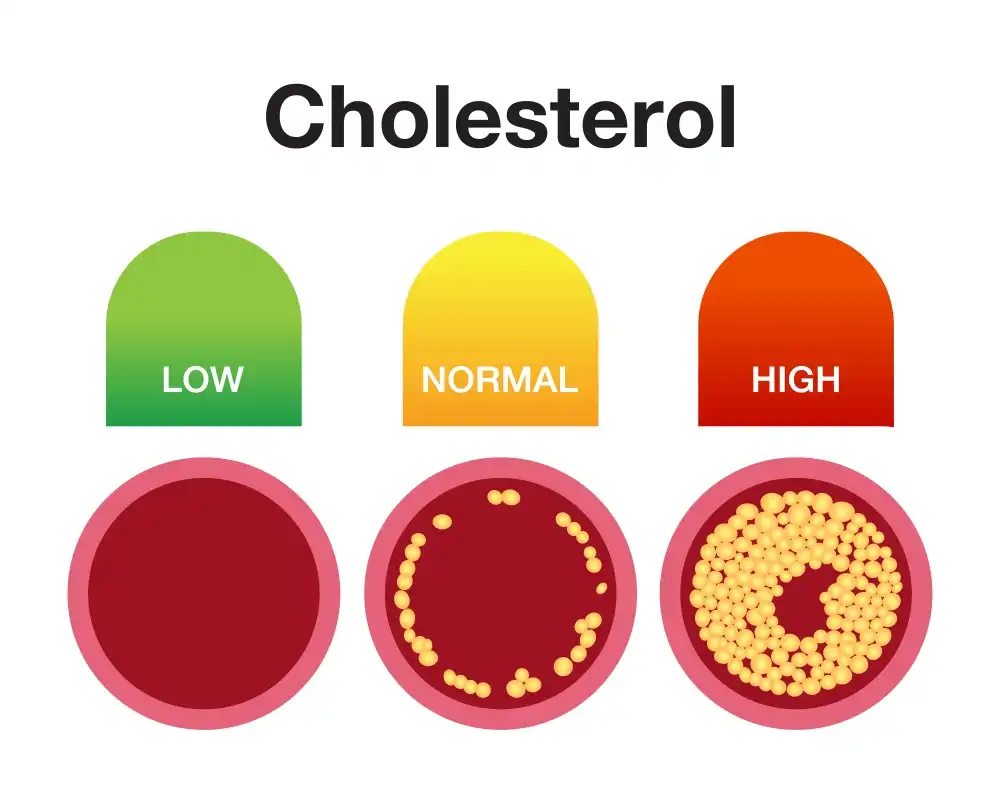
The consumption of pure glucomannan powder has been shown to have a positive impact on lipid profiles, particularly in reducing LDL (low-density lipoprotein) cholesterol, often referred to as "bad" cholesterol. By incorporating glucomannan into one's diet, individuals may see improvements in their total cholesterol to HDL (high-density lipoprotein) ratio, a key indicator of cardiovascular health. Studies have demonstrated that regular intake of glucomannan can lead to significant reductions in LDL cholesterol levels, with some research indicating decreases of up to 10%. This natural approach to cholesterol management aligns with dietary guidelines that emphasize the importance of fiber intake for heart health, making pure glucomannan powder an attractive option for those looking to improve their cardiovascular risk profile through dietary means.
Long-term Benefits of Consistent Glucomannan Supplementation
The long-term benefits of incorporating pure glucomannan powder into one's daily routine extend beyond immediate cholesterol reduction. Consistent supplementation may contribute to sustained improvements in cardiovascular health markers over time. As glucomannan helps to stabilize blood sugar levels and promote feelings of fullness, it can also support weight management efforts, which in turn can have positive effects on cholesterol levels. Additionally, the prebiotic properties of glucomannan may foster a healthier gut microbiome, which is increasingly recognized as a factor in overall cardiovascular health. By addressing multiple aspects of health simultaneously, pure glucomannan powder offers a holistic approach to cholesterol management that may yield cumulative benefits when used as part of a comprehensive heart-healthy lifestyle.
Supporting Healthy LDL Levels with Clinically Studied Dosage
Optimal Dosage for Cholesterol Management
Determining the optimal dosage of pure glucomannan powder for cholesterol management is crucial for achieving desired results. Clinical studies have explored various dosages to identify the most effective amount for supporting healthy LDL levels. Research suggests that a daily intake of 3 to 4 grams of glucomannan, divided into multiple doses, may be optimal for cholesterol reduction. This dosage has been associated with significant decreases in LDL cholesterol without notable side effects. It's important to note that the effectiveness of glucomannan can vary depending on individual factors such as initial cholesterol levels, diet, and overall health status. Therefore, while this dosage range serves as a general guideline, consultation with a healthcare provider is recommended to determine the most appropriate amount for personal use. Pure glucomannan powder's flexibility in dosing allows for personalized approaches to cholesterol management, catering to individual needs and health goals.
Timing and Administration for Maximum Efficacy
The timing and method of administration play crucial roles in maximizing the cholesterol-lowering effects of pure glucomannan powder. For optimal results, it is typically recommended to take glucomannan 15 to 30 minutes before meals with a full glass of water. This timing allows the fiber to form a gel in the stomach before food intake, enhancing its ability to bind to cholesterol and bile acids. Dividing the daily dose into smaller portions taken before each meal can help maintain consistent levels of glucomannan in the digestive system throughout the day. Some studies have shown that taking glucomannan with meals may also be effective, though the pre-meal approach is often preferred for its potential to reduce calorie intake by promoting satiety. When incorporating pure glucomannan powder into one's routine, it's essential to start with a lower dose and gradually increase to the recommended amount to allow the body to adjust and minimize any potential digestive discomfort.
Monitoring Progress and Adjusting Supplementation
Regular monitoring of cholesterol levels is essential when using pure glucomannan powder as part of a cholesterol management strategy. Lipid profile tests, typically conducted every 3 to 6 months, can provide valuable insights into the effectiveness of glucomannan supplementation. These tests measure total cholesterol, LDL cholesterol, HDL cholesterol, and triglycerides, offering a comprehensive view of cardiovascular health markers. Based on these results, individuals can work with their healthcare providers to adjust their glucomannan dosage or overall treatment plan. It's important to note that while glucomannan can be effective in supporting healthy LDL levels, its impact may vary among individuals. Some may see significant improvements within a few months, while others may require longer periods of consistent use to achieve desired results. Regular monitoring allows for personalized adjustments to ensure that the supplementation strategy remains aligned with individual health goals and responds to changing needs over time.
A Natural Alternative to Statins for Cholesterol Management
Comparing Efficacy and Safety Profiles
As interest in natural alternatives to conventional medications grows, pure glucomannan powder has emerged as a potential option for those seeking to manage their cholesterol levels without resorting to statins. While statins are highly effective in reducing cholesterol, they can come with side effects that some individuals find challenging to manage. Glucomannan offers a gentler approach, with a favorable safety profile and minimal side effects when used as directed. Studies comparing the efficacy of glucomannan to statins have shown promising results, with some research indicating that glucomannan can achieve modest but significant reductions in LDL cholesterol levels. Although the cholesterol-lowering effect of glucomannan may not be as pronounced as that of statins, its natural origin and additional health benefits make it an attractive option for those with mild to moderate cholesterol concerns or those looking to complement existing treatments. The ability of pure glucomannan powder to support heart health without the risk of muscle pain, liver damage, or other side effects associated with statins positions it as a viable natural alternative for cholesterol management.
Integrating Glucomannan into a Comprehensive Heart Health Plan
Incorporating pure glucomannan powder into a comprehensive heart health plan can provide a synergistic approach to cholesterol management. While glucomannan alone can offer benefits, its effectiveness is amplified when combined with other heart-healthy lifestyle choices. A diet rich in fruits, vegetables, whole grains, and lean proteins complements the cholesterol-lowering effects of glucomannan. Regular physical activity, which independently supports cardiovascular health, can work in tandem with glucomannan supplementation to improve lipid profiles. Stress management techniques and adequate sleep also play crucial roles in maintaining heart health and can enhance the overall effectiveness of a cholesterol management strategy. By integrating pure glucomannan powder into a holistic approach that addresses multiple aspects of cardiovascular wellness, individuals can create a robust defense against heart disease and related conditions. This comprehensive strategy not only targets cholesterol levels but also promotes overall health and well-being, offering a sustainable and natural path to long-term cardiovascular health.
Personalized Approaches for Diverse Health Needs
The versatility of pure glucomannan powder allows for personalized approaches to cholesterol management, catering to diverse health needs and preferences. For individuals with a genetic predisposition to high cholesterol, glucomannan can serve as a complementary therapy alongside prescribed medications, potentially allowing for lower doses of statins or other drugs. Those with mild elevations in cholesterol may find that glucomannan, combined with lifestyle modifications, is sufficient to achieve their health goals without pharmaceutical intervention. Pregnant women or individuals with certain medical conditions who may not be able to take statins can explore glucomannan as a safe alternative under medical supervision. The adaptability of glucomannan supplementation extends to various dietary preferences, as it can be easily incorporated into vegan, vegetarian, or omnivorous diets. This flexibility makes pure glucomannan powder a valuable tool in creating tailored cholesterol management plans that respect individual health histories, lifestyle choices, and treatment preferences, ultimately leading to better adherence and outcomes in cardiovascular health initiatives.
Conclusion
Pure glucomannan powder offers a promising natural approach to cholesterol management, supported by scientific research and clinical studies. Its ability to bind bile acids, reduce LDL cholesterol levels, and provide additional health benefits makes it an attractive option for those seeking alternatives to traditional medications. While not a replacement for professional medical advice, glucomannan can be a valuable component of a comprehensive heart health strategy. As with any supplement, it's crucial to consult with healthcare providers to determine the most appropriate use and dosage for individual needs. With its versatility and favorable safety profile, pure glucomannan powder represents a significant advancement in natural cholesterol management solutions.
FAQ
Q: How long does it take to see results from taking pure glucomannan powder for cholesterol?
A: Results can vary, but some individuals may see improvements in cholesterol levels within 4-8 weeks of consistent use at the recommended dosage.
Q: Can pure glucomannan powder be taken alongside cholesterol medications?
A: While generally safe, it's important to consult with a healthcare provider before combining glucomannan with cholesterol medications to avoid potential interactions.
Q: Are there any side effects associated with taking pure glucomannan powder?
A: Most people tolerate glucomannan well, but some may experience mild digestive discomfort initially. Staying well-hydrated can help minimize potential side effects.
Q: How should pure glucomannan powder be stored?
A: Store in a cool, dry place away from direct sunlight. Ensure the container is tightly sealed to prevent moisture absorption.
Q: Is pure glucomannan powder suitable for vegetarians and vegans?
A: Yes, glucomannan is derived from plant sources and is suitable for both vegetarian and vegan diets.
Take the Next Step Toward Natural Cholesterol Support
At Shaanxi Fairir Biotech Co., Ltd. we are committed to providing high-quality pure glucomannan powder to support your heart health goals. Our state-of-the-art manufacturing facilities and rigorous quality control processes ensure that you receive a premium product that meets international standards. We offer customizable solutions to meet your specific needs, whether you're a manufacturer, retailer, or healthcare provider. Our team of experts is available to provide guidance on formulation and application, ensuring that you can make the most of this versatile ingredient. For more information on our pure glucomannan powder and how it can benefit your cholesterol management efforts, please Contact Us at sales@fairirbiotech.com. Let us help you take the next step towards better heart health naturally.
References
1. Anderson, J. W., et al. (2000). "Cholesterol-lowering effects of psyllium intake adjunctive to diet therapy in men and women with hypercholesterolemia: meta-analysis of 8 controlled trials." American Journal of Clinical Nutrition, 71(2), 472-479.
2. Keithley, J., & Swanson, B. (2005). "Glucomannan and obesity: a critical review." Alternative Therapies in Health and Medicine, 11(6), 30-34.
3. Sood, N., et al. (2008). "Effect of glucomannan on plasma lipid and glucose concentrations, body weight, and blood pressure: systematic review and meta-analysis." American Journal of Clinical Nutrition, 88(4), 1167-1175.
4. Vuksan, V., et al. (1999). "Konjac-mannan (glucomannan) improves glycemia and other associated risk factors for coronary heart disease in type 2 diabetes. A randomized controlled metabolic trial." Diabetes Care, 22(6), 913-919.
5. Chen, H. L., et al. (2003). "Konjac supplement alleviated hypercholesterolemia and hyperglycemia in type 2 diabetic subjects—a randomized double-blind trial." Journal of the American College of Nutrition, 22(1), 36-42.
6. Guardamagna, O., et al. (2013). "The role of dietary supplements in lowering low-density lipoprotein cholesterol: a review." Journal of Clinical Lipidology, 7(2), 121-130.