_1751965378790.webp)

Can Pure Glucomannan Powder Promote Better Metabolic Health?
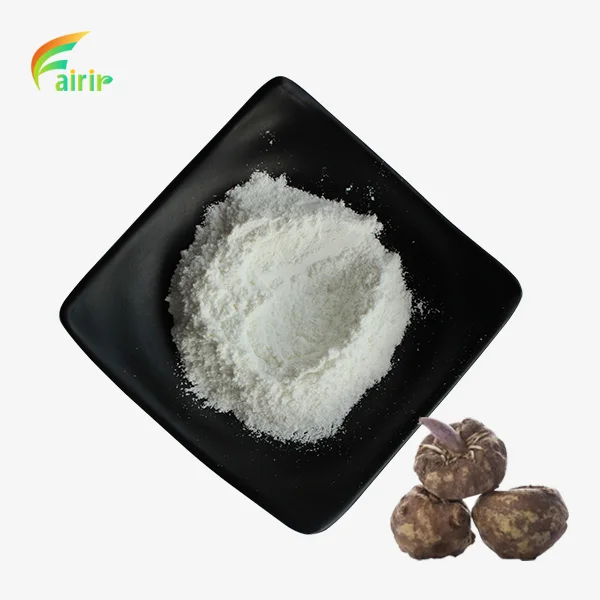
Pure Glucomannan Powder has become a strong partner in promoting better metabolic health. Studies have shown that it has the amazing ability to help control blood sugar, make weight loss easier, and improve metabolic function overall. This water-soluble fiber comes from the konjac root (Amorphophallus konjac). It slows down the intake of glucose, makes you feel full, and helps keep your cholesterol levels healthy. This makes it an important ingredient for companies making metabolic health goods. Studies show over and over that glucomannan's unique ability to form a gel in the digestive system has big benefits for controlling hunger and glucose levels.
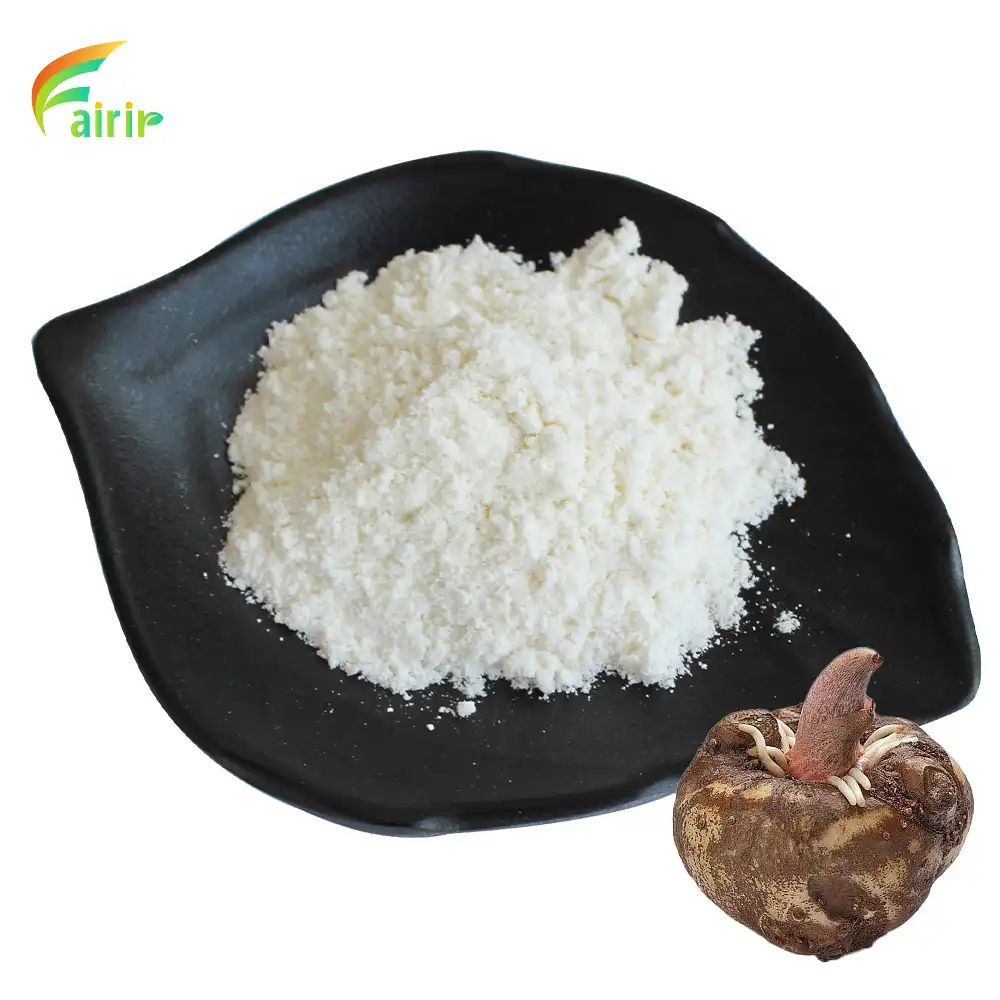
Understanding Pure Glucomannan Powder and Its Role in Metabolic Health
One of nature's best water-soluble food carbohydrates is pure glucomannan powder, which is distinguished by its unusual stickiness and unique chemical structure. When this amazing fiber comes into contact with water in the digestive system, it turns into a gel-like material that changes the way nutrients, especially glucose and cholesterol, are absorbed.
The Science Behind Metabolic Benefits
There are metabolic benefits to konjac glucomannan powder because it can act as a buffer in the intestinal system. This barrier slows down the intake of carbs, which keeps blood sugar levels steady and lowers insulin spikes. Several clinical studies have shown that regular drinking can lower hemoglobin A1C levels. This makes it especially helpful for people who are handling type 2 diabetes.
In addition to controlling glucose, fiber has a big effect on how fats are used in the body. Glucomannan can lower overall cholesterol by attaching to bile acids in the stomach and making the liver use cholesterol to make new bile acids, according to research. This process automatically drops the amount of cholesterol in the blood, which is good for heart health.
Gut Microbiome and Metabolic Function
New studies have shown that glucomannan works as a prebiotic fiber, helping good bacteria in the gut that are very important for metabolic health. When good bacteria break down glucomannan, they make short-chain fatty acids. These acids help the body be more sensitive to insulin and lower inflammation all over.
Comprehensive Analysis: Benefits, Dosage, and Safety for B2B Clients
When buying, workers know all of glucomannan's useful benefits, and they can make smart choices about how to formulate products and place them in the market. It's good for your health in many ways, which makes it a useful ingredient for many situations.
Key Functional Advantages
The fact that glucomannan powder can make you feel full makes it very useful in weight control products. When eaten before a meal, fiber makes the stomach grow, which makes you feel full and naturally lowers your calorie intake. Several clinical studies have shown that this process works and helps people lose a lot of weight when mixed with low-calorie meals.
Digestive health benefits include better consistency and better uptake of nutrients. The gentle thickening effect of glucomannan helps keep your bowel movements regular without the rough effects that some other fiber sources can have. This means it can be used with sensitive groups of people and for long periods of time.
Industrial Dosage Guidelines and Formulation Considerations
According to medical studies and government rules, the right amount to take in one meal is usually between 1 and 3 grams when mixed with enough water. These doses work well in pill, tablet, or powder forms for B2B clients who are making vitamin formulas. When consumed compared to meals has a big effect on how well it works, with pre-meal intake giving the best metabolic benefits.
When used in business, quality standards become very important. High-purity glucomannan (85–95% purity) makes sure that results are uniform and that batch differences are kept to a minimum. This level of uniformity is necessary to keep product claims true and meet legal standards in different areas.
Safety Profile and Regulatory Compliance
The safety of pure glucomannan powder has been proven through a lot of studies and practical use. The most important thing to think about is making sure you drink enough water to avoid a possible stomach blockage. When made correctly and with clear guidelines on how to use it, side effects are rare and usually just mild changes in digestion during the first few uses.
Different areas have different rules about what is allowed, but glucomannan is usually considered safe (GRS) in the US and other big markets, the same way. This government approval makes it easier for businesses that want to add glucomannan to their formulas to make new products.
Market Comparison and Quality Evaluation for Procurement Managers
There are a lot of different kinds of dietary fiber on the market, but glucomannan stands out because of the way it affects metabolism, how it dissolves, and how thick it is. When procurement workers know these differences, they can make smart buying choices that help them reach their product goals and place themselves in the market.
Comparative Analysis with Alternative Fibers
When comparing glucomannan to psyllium husk, it can absorb more water and form a more stable gel structure. This means that you will feel fuller faster and have better control over your blood sugar. While some fiber sources can make digestion uncomfortable, glucomannan's gentle action makes it safe for sensitive individuals and everyday use.
Pure glucomannan powder and konjac powder are both made from the same source, but they are refined in different ways. While konjac powder has other plant parts in it, pure glucomannan only has the active fiber component. This makes the effects more reliable and makes it easier to incorporate into a product. This cleaning is worth the extra cost and makes doses in finished goods more accurate.
Organic Versus Conventional Sourcing Considerations
The market for organic glucomannan powder shows that people want cleaner goods more and more. Organic certification is useful, but it needs to be carefully checked with the seller to make sure the certification is real and the supply is consistent. Organic versions usually cost 20 to 40 percent more than regular ones, but a market study shows that people are willing to pay more for metabolic health goods that say they are organic.
When judging quality, you should look at things like the amount of wetness, the regularity of the mesh size, and the results of bacterial tests. Leading sellers give thorough certificates of analysis that include all of these factors. This lets buying teams check that the products meet the standards and that they are consistent from batch to batch.
Strategic Procurement Guide for Pure Glucomannan Powder
To successfully buy glucomannan, you need to know both the quality standards and the supplier's skills. Asian makers make up most of the world supply chain, and the quality and dependability of sellers vary a lot.
Supplier Selection and Authentication
To find trustworthy glucomannan makers, you need to look at how they remove the substance, how they control quality, and how long they've been in compliance with regulations. Using modern tools and advanced extraction methods, you can get particles that are purer and more uniform in size. Modern facilities use multiple-step cleaning methods that get rid of impurities while keeping the fiber's useful qualities.
Because handling glucomannan is so specialized, it's especially important that the production method is clear. Leading sellers give a lot of information about how they remove, dry, and check the quality of their products. This openness lets buying teams check the skills of suppliers and make sure they meet their quality standards.
Logistics and Packaging Considerations
Proper packing protects glucomannan's ability to absorb water and keeps the product stable while it's being shipped. Aluminum foil bags that are vacuum-sealed are the best way to keep wetness out, and fiber drums with food-grade inner covers are a good way to store bigger amounts. Knowing these standards for packing helps buying pros make correct budgets and make sure the quality of the product when it arrives.
For international shipping, it's important to know how to classify dietary fiber ingredients in customs and what paperwork is needed. Experienced sellers offer full shipping support and paperwork to make customs clearance go smoothly and keep delays to a minimum.
Shaanxi Fairir Biotech Co., Ltd. is a great example of how to make glucomannan because it uses cutting-edge extraction technology and rigorous quality control. Our company has a 10,000-square-meter GMP-certified factory in Xi'an City, Shaanxi Province. The factory is equipped with cutting-edge extraction and cleaning tools.
We can make 14 stainless steel extraction tanks that are between 500 and 3,000 liters in size. These are backed up by two fully automatic production lines that can remove up to 98% of the material. With this infrastructure, we can consistently supply high-quality Pure Glucomannan Powder that is between 85% and 95% pure and comes as an off-white to white powder with the CAS number 37200-17-2.
Advanced Quality Control and Testing
High Performance Liquid Chromatography (HPLC), UV spectrophotometry, and gas chromatography (GC) testing are used in our quality assurance processes to make sure that the products are consistent and pure. At several stages of production, our glucomannan powder is tested thoroughly on each batch to make sure it meets the best international standards.
As part of the thorough testing process, the active chemical content, moisture levels, bacterial safety, and heavy metal screens are all checked. Our B2B clients can trust this thorough quality control process to help them with their own product creation and meeting legal standards.
Customization and Private Label Services
Because we know that different markets and uses need different solutions, we offer a wide range of customization choices, such as custom purity levels, particle size requirements, and package forms. With our private label services, clients can make their own glucomannan products under their own brands, and our production know-how can help them get into new markets.
For smaller orders, vacuum metal foil bags are an option. For large orders up to 25 kg, fiber drums with double-layer food-grade poly bag covers are the best choice. Our fast transportation network makes sure that deliveries happen within one to three business days, which helps our clients handle their goods just-in-time.
Conclusion
Pure Glucomannan Powder represents a scientifically validated solution for promoting better metabolic health through its unique mechanisms of glucose regulation, appetite control, and cholesterol management. The evidence consistently demonstrates its effectiveness in supporting weight management, improving blood sugar stability, and enhancing overall metabolic function. For B2B procurement professionals, understanding glucomannan's quality parameters, sourcing considerations, and application potential enables strategic decision-making that aligns with market demands for effective metabolic health ingredients. The combination of proven efficacy, regulatory acceptance, and versatile formulation options positions pure glucomannan powder as an essential component in developing competitive metabolic health products for today's health-conscious consumers.
FAQ
What is the safest and most effective daily dosage of glucomannan for broad consumer use?
The recommended dosage for glucomannan typically ranges from 1-3 grams per day, taken with 8-16 ounces of water approximately 30 minutes before meals. This dosing schedule maximizes the metabolic benefits while ensuring safety. Clinical studies have demonstrated effectiveness at these levels without significant adverse effects when proper hydration guidelines are followed.
How does pure glucomannan powder differ from regular konjac powder in metabolic health applications?
Pure glucomannan powder contains 85-95% concentrated fiber content, while regular konjac powder includes additional plant components and typically contains 60-70% glucomannan. This concentration difference means pure glucomannan provides more predictable and potent metabolic effects, making it preferable for therapeutic applications and precise formulation requirements.
What certifications and quality verifications are essential for international procurement compliance?
Essential certifications include GMP (Good Manufacturing Practice), ISO quality standards, HACCP food safety protocols, and organic certification when applicable. Additionally, comprehensive Certificates of Analysis should include HPLC testing results, microbiological testing, heavy metal screening, and pesticide residue testing. These certifications ensure regulatory compliance across major international markets.
Partner with Fairir for Premium Glucomannan Solutions
Shaanxi Fairir Biotech stands ready to support your glucomannan procurement needs with our comprehensive range of high-quality Pure Glucomannan Powder products and services. Our GMP-certified manufacturing facility, advanced extraction technology, and rigorous quality control systems ensure a consistent, reliable supply of premium glucomannan powder meeting 85-95% purity specifications. As a trusted pure glucomannan powder manufacturer, we offer competitive pricing, customizable formulations, private labeling services, and technical support to help you develop successful metabolic health products. Contact our procurement specialists at sales@fairirbiotech.com to discuss your specific requirements, request product samples, and explore how our expertise can enhance your product portfolio.
References
1. Chen, H.L., Sheu, W.H., Tai, T.S., Liaw, Y.P., Chen, Y.C. (2003). Konjac supplement alleviated hypercholesterolemia and hyperglycemia in type 2 diabetic subjects. Journal of the American College of Nutrition, 22(1), 36-42.
2. Sood, N., Baker, W.L., Coleman, C.I. (2008). Effect of glucomannan on plasma lipid and glucose concentrations, body weight, and blood pressure: systematic review and meta-analysis. American Journal of Clinical Nutrition, 88(4), 1167-1175.
3. Keithley, J., Swanson, B. (2005). Glucomannan and obesity: a critical review. Alternative Therapies in Health and Medicine, 11(6), 30-34.
4. Yoshida, M., Vanstone, C.A., Parsons, W.D., Zawistowski, J., Jones, P.J. (2006). Effect of plant sterols and glucomannan on lipids in individuals with and without type II diabetes. European Journal of Clinical Nutrition, 60(4), 529-537.
5. Walsh, D.E., Yaghoubian, V., Behforooz, A. (1984). Effect of glucomannan on obese patients: a clinical study. International Journal of Obesity, 8(4), 289-293.
6. Arvill, A., Bodin, L. (1995). Effect of short-term ingestion of konjac glucomannan on serum cholesterol in healthy men. American Journal of Clinical Nutrition, 61(3), 585-589.