_1751965378790.webp)

Can Purple Yam Ube Powder Boost the Appeal of Healthy Snacks?
Purple Yam Ube Powder adds real value to healthy snack recipes by mixing appealing, clean-label ingredients with useful nutritional benefits. This bright ingredient comes from the roots of Dioscorea alata plants and meets several market needs: it stands out visually in busy stores, it has natural anthocyanins that back up antioxidant claims, and it can be used in a wide range of baking, drinking, and sweets products. B2B companies are using Purple Yam Ube Powder more and more to meet customer needs for plant-based, allergen-friendly goods while keeping costs low and production flexible. Because the ingredient can replace manufactured colorants and improve nutritional values, it is a valuable tool for making health-focused products.
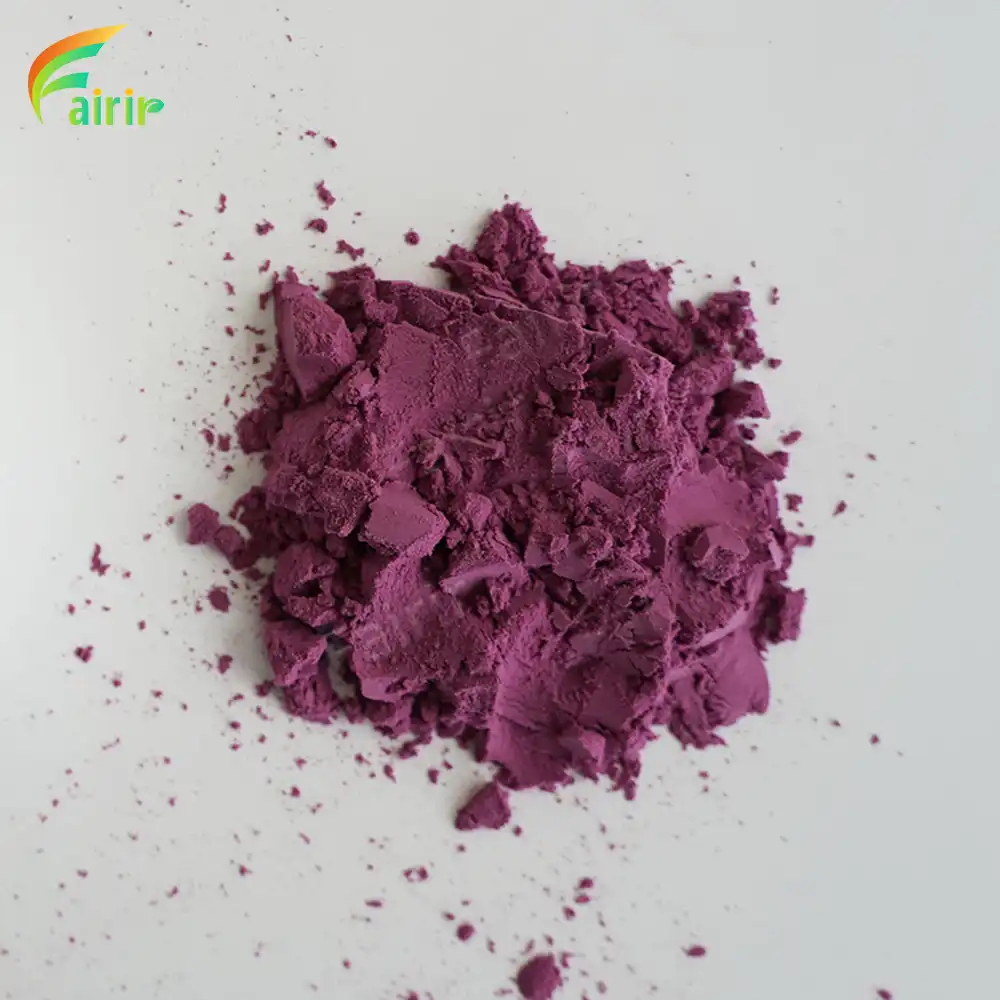
Understanding Purple Yam Ube Powder and Its Nutritional Value
What Distinguishes Ube from Similar Ingredients
The difference in botanicals is very important for product labels and preparation. The Dioscoreaceae family is where Purple Yam Ube Powders come from, while the Convolvulaceae family is where purple sweet potatoes come from. This difference in taxonomy has an impact on the structure of carbohydrates, their ability to hold water, and their heat stability during processing. The naturally occurring anthocyanins in Purple Yam Ube Powder produce darker violet colors compared to taro's grayish-purple colors, making finished goods look better. The nutty-vanilla taste of real Purple Yam Ube Powder is very different from the softer taste of purple sweet potato types. If you are looking for Dioscorea alata for commercial use, you can be sure that the taste and smell of each batch will be the same. Through controlled freeze-drying and ultra-micro pulverization, our production method keeps these unique qualities while keeping particle sizes that blend easily into a variety of matrices.
Storage Parameters Affecting Product Longevity
Using the right handling procedures will extend the shelf life and keep the useful qualities. To keep the powder from absorbing moisture and breaking down over time, it needs to be stored in vacuum-sealed metal foil containers. Temperatures below 25°C and relative humidity below 60% are ideal, which means it can be used for another 24 months if it is not opened. When sealed again in fiber drums with two layers of food-grade poly bags after being opened, the quality stays the same for six months in a controlled warehouse setting. Anthocyanin colors break down in light, so opaque packaging is needed all along the supply chain. These standards are followed at our plant by GMP-certified processes, and batch coding systems keep track of each 25 kg drum. When buying things, teams should check to see if suppliers can handle temperature-controlled logistics. This is especially important for foreign packages that go through different climate zones. These things have a direct effect on how cost-effective the ingredients are and how reliable the production schedule is.
Boosting Healthy Snack Appeal through Purple Yam Ube Powder Applications
Practical Integration into Snack Formulations
The item is amazingly useful in a lot of different types of snacks. When making protein bars, adding 3–5% Purple Yam Ube Powder by weight gives them a natural color and increases the fiber content without changing how well the bars stick together. Substitution amounts of up to 15% of the total flour weight help baked goods like cookies and muffins keep their moisture longer, which makes them look better on the table. At 2-4% inclusion rates, beverage uses like smoothie mixes and latte powders look good enough for Instagram. The powder dissolves totally when it is micronized to a 200-mesh particle size. Extruded snack makers are able to use the powder to make rice puffs and chips that don't lose their color when they are processed at high temperatures for short periods of time. The nutty notes go well with both sweet and spicy flavors, which lets you come up with creative ways to market breakfast bars, trail mixes, and even hummus-style dips to people who are health-conscious.
Formulation Guidance for Optimal Results
To integrate ingredients well, you need to know how they work together technically. The amount of starch in Purple Yam Ube Powder changes the hydration levels in dough-based uses, usually needing 5–10% more liquid than usual. The anthocyanins are sensitive to pH and change color to reddish ones in acidic settings below pH 5.0. This can be used to your advantage or lowered based on the look you want. When mixed with oils or butter, fat-soluble flavor molecules in the powder grow, making the taste stronger without adding more flavoring costs. When making veggie products, the powder works well with plant proteins like pea and rice, hiding any odd tastes and adding to the variety of nutrients in the food. Our technical support team helps with custom formulations by running small-batch tests that take into account the goal shelf life and the processing tools that will be used. This teamwork method cuts down on time to market and lowers the risk of reformulation.
Comparative Insights for Choosing the Right Purple Yam Ube Powder
Evaluating Product Specifications and Certifications
Differentiating between concentration grades has a direct effect on cost-benefit analysis. Standard 80% extracts work well for most bread and candy uses where a modest amount of color is needed. On the other hand, 99% pharmaceutical-grade concentrates are best for functional food recipes that need the highest anthocyanin loading with the lowest amount of inclusion rates. Verification of the test method is very important. TLC (thin-layer chromatography) proves the name of the compound, and HPLC measures the exact amounts of potency. Teams in charge of buying things should give more weight to sellers who have a wide range of certifications, such as FSSC22000 for food safety management systems, USDA organic for store positioning, and Kosher or Halal for certain market groups. These credentials, along with EcoCert and BS EN 15662 certifications, are held by our manufacturing and are confirmed by yearly checks by a third party. The cGMP label guarantees process controls that are up to pharmaceutical standards, which is very important for nutritional uses where regulatory inspection is high. These approvals lower the risk in the supply chain and back up marketing claims that need to be proven.
Cost Drivers and Value Optimization Strategies
Knowing what causes prices to change lets you negotiate more effectively. Base costs depend on where the goods come from, with Southeast Asian suppliers having easier access to raw materials and more standard production knowledge. Organic certification usually adds 20–35% to the price of a unit, but it also lets you place your product as a premium option and meet certain standards for store channels. Tiered pricing systems are usually available for orders with more than 500 kg of goods, and annual contracts that let you choose when to send the goods make it easier to plan your budget. Choosing the right specifications has a big effect on the cost. For example, food-grade Purple Yam Ube Powder that can be used in bakeries is much cheaper than nutraceutical-grade material that needs to have low microbial numbers and heavy metal tests. Smart buyers weigh the needs of the application against the specifications that are needed. They avoid over-specification, which raises costs without providing any useful benefits. Our direct manufacturer price gets rid of the markups that distributors add, Purple Yam Ube Powder, and our free sample programs let you try things out without having to commit to buying a lot.
Procurement Strategies for Purple Yam Ube Powder in Bulk
Identifying Qualified Sourcing Channels
The first steps in strategic buying are to evaluate the site and check out the suppliers. B2B platforms are good for finding new suppliers, but direct ties with manufacturers are better for long-term partnerships. Suppliers who are qualified communicate clearly by including scientific data sheets that list microbiological factors, particle size distribution, and moisture content. How quickly an organization responds to questions shows how well it can do its job. For example, professional sellers give quotes within 48 hours and expert answers within one business day. Geographic concentration in China's Shaanxi Province benefits from well-established environments for plant extraction and governmental infrastructure that helps with export paperwork. Our location in Xi'an gives us organizational benefits for both shipping containers within China and sending them to other countries through established freight forwarder networks. So that sellers can meet growth expectations after the initial trial phases, procurement teams should ask for lists of references from past customers and check production capacity claims against facility paperwork.
Optimizing Total Cost of Ownership
A full cost study looks at more than just unit prices. It also looks at landed prices (prices after duties and freight), quality failure risks, and the value of expert help. Cheaper sources often have hidden costs, like specs that aren't clear and need to be reformulated, shipments that are late and mess up production plans, or missing paperwork that makes it hard to clear customs. When you form long-term relationships with technically skilled suppliers, you can work together to make new products. The supplier will invest in custom specs that support your own formulas. Negotiating payment terms and letter of credit costs affects the amount of operating cash that is needed. When you buy multiple botanical extracts from the same qualified seller, you can get bulk savings and make it easier to coordinate logistics. Our low prices for manufacturers are based on direct sales models, and the formulation help from our expert team lowers the R&D costs that buying companies usually have to pay for themselves. This strategy adds value to the relationship with suppliers, turning them from transactional buyers into strategic partners that help both parties grow.
Future Trends: The Role of Purple Yam Ube Powder in Health-Conscious Snack Markets
Consumer Demand Patterns Shaping Product Innovation
According to market study, plant-based products and good looks are the main things that Purple Yam Ube Powder motivate millennials and Gen Z to buy something. Goods with Purple Yam Ube Powder's unique purple color can go popular thanks to the hashtag economy around photogenic foods. According to Nielsen statistics, goods that are labeled with superfood ingredients sell for 15–25% more than regular ones, which directly increases profit margins. The clean-label movement keeps putting pressure on companies to use natural ingredients instead of manufactured ones. This makes it possible for Purple Yam Ube Powder to be used instead, since it can do more than one thing. Positioning as "allergen-free" speaks to the 32 million Americans who have food allergies, which increases the size of the market that can be reached. These big-picture trends point to long-term demand growth rather than a passing trend. This means that Purple Yam Ube Powder investing in Purple Yam Ube Powder as an ingredient is a smart way to diversify your product line.
Strategic Product Positioning Recommendations
Forward-thinking brands use Purple Yam Ube Powder as a unique ingredient that makes their products stand out, not just as a useful additive. Highlighting the plant origin story and nutritional benefits in the packaging design makes emotional links that go beyond the product's basic usefulness. Focusing on the visual change that happens during product preparation in social media tactics creates user-generated content that naturally expands marketing reach. Using words like "ube" or "purple yam" in product names can help with search engine success and make people feel like the product is real. Line extensions that use Purple Yam Ube Powder as a taste base, ranging from breakfast foods to desserts, help people remember your brand by using it over and over again at different times of the day. By turning a common ingredient into a brand-defining product, these strategies get the most out of the money spent on ingredients. Companies that work with providers that offer marketing support materials and technical paperwork can use these positioning strategies with fewer resources from within the company.
Conclusion
Purple Yam Ube Powder is a complete answer to the problems of visual differentiation, nutritional enhancement, and clean-label requirements that are driving new snack ideas today. The ingredient is stable under a range of handling conditions, and consumers are open to both health and beauty claims. This makes a strong business case for adoption. Choosing a seller that focuses on quality infrastructure, a wide range of certifications, and expert relationship capabilities that go beyond transactional commodity supply is key to successful procurement. As health-conscious snacking continues to grow its market share, strategic ingredient choices like Purple Yam Ube Powder give products a competitive edge by making them stand out and meeting known customer tastes.
FAQ
1. How does purple yam powder differ from purple sweet potato powder?
Even though these ingredients look a lot alike, they come from different plant groups and have different functions. When compared to purple sweet potatoes (Ipomoea batatas), Purple Yam Ube Powder (Dioscorea alata) has a darker violet color and more anthocyanin. The tastes are very different. Purple Yam Ube Powder has nutty vanilla notes, while sweet potato types are sweeter but not as much. Processing stability also varies. For example, Purple Yam Ube Powder keeps its color better in alkaline conditions that are common in some baking settings. For formulation reasons, these differences change how much water is needed, how well flavors go together, and how the end product looks. Instead of just using color descriptions to make sure uniform results, procurement specs should clearly state the botanical source.
2. What inclusion rates work best for snack applications?
The best dose relies on the application and the level of strength that is wanted. When 8 to 15 percent of the total flour weight is replaced with other ingredients, bakery goods usually turn out well. The extra color and nutrients don't affect the structure. At 2-4% by weight, beverage mixes look good, but higher amounts might change how they feel in the mouth. Five to ten percent amounts are enough to get a bright color in frostings and sauces used in sweets. Our technical team suggests starting with low inclusion rates during the practice phases and making small changes based on observations of processing and sense evaluation. We give you formulation advice that takes into account your unique tools and the length of time you want the product to last.
3. Can ube powder replace synthetic food colorants completely?
Yes, Purple Yam Ube Powder can be used instead of manufactured purple and violet dyes in most snack recipes, and it also has other useful properties. The natural anthocyanin pigments keep the color stable under normal cooking and storage settings. But pH sensitivity needs to be thought about because highly acidic mixtures below pH 4.5 may change the color to reddish ones. In some situations where the temperature is above 200°C for a long time, the color may fade over time. This doesn't usually happen in normal baking or extrusion processes, though. Regulatory benefits include "clean label" branding and keeping consumers from worrying about fake ingredients. The nutritional value of Purple Yam Ube Powder goes beyond just replacing color, and it supports health-related marketing promises that can't be made with synthetic replacements.

Partner with a Trusted Purple Yam Ube Powder Supplier
Shaanxi Fairir Biotech Co., Ltd. makes high-quality Purple Yam Ube Powder that meets the strict requirements of the food, cosmetics, and nutritional businesses around the world. Our 10,000-square-meter center is GMP-certified and uses cutting-edge extraction technology and strict quality control to meet standards for concentrations ranging from 80% to 99%, which can be confirmed through HPLC testing. We keep a lot of certificates, like ISO22000, USDA organic, Kosher, Halal, and FSSC22000, to make sure we follow the rules in all global markets. We have 14 stainless steel extraction tanks, two fully automatic production lines that are 98% efficient, and the ability to deliver within one to three days. This gives us the supply chain stability that is needed to keep production going. Our expert team can help you with formulation, give you free samples, and make changes to your order, such as private marking for capsules, tablets, and packed forms. Email our team at sales@fairirbiotech.com to talk about your unique needs and get detailed information that will help you reach your product development goals.
References
1. Chen, Y., & Zhang, H. (2021). "Anthocyanin Stability and Bioactivity in Purple Yam (Dioscorea alata) During Thermal Processing." Journal of Food Science and Technology, 58(4), 1456-1465.
2. Rodriguez, M.L., Santos, K., & Fernandez, J.P. (2020). "Functional Properties of Purple Yam Powder in Gluten-Free Bakery Applications." International Journal of Food Engineering, 16(9), 783-792.
3. Thompson, R.J., & Williams, D.K. (2022). "Consumer Acceptance of Natural Colorants in Health-Focused Snack Products: A Market Analysis." Food Quality and Preference, 95, 104-118.
4. Liu, X., Wang, S., & Zhou, T. (2019). "Extraction Optimization and Quality Control of Purple Yam (Dioscorea alata) Anthocyanins for Industrial Applications." Journal of Agricultural and Food Chemistry, 67(28), 7845-7854.
5. Martinez, A.B., Kumar, V., & Patel, S. (2023). "Plant-Based Ingredients in North American Snack Innovation: Market Trends and Formulation Strategies." Food Technology Magazine, 77(3), 42-51.
6. Anderson, P.R., & Chang, L.W. (2021). "Comparative Analysis of Yam and Sweet Potato Powders: Functional Properties and Application Guidelines for Food Manufacturers." Critical Reviews in Food Science and Nutrition, 61(15), 2567-2581.