_1751965378790.webp)

Can Purple Yam Ube Powder Enhance Satiety Naturally?
Purple Yam Ube Powder has become a popular addition to useful foods, especially because it can naturally make you feel fuller. This bright purple powder comes from the root of Dioscorea alata. It has a special mix of dietary fiber, resistant starch, and anthocyanin chemicals that work together to make you feel full. According to a scientific study, the complex carbohydrate structure and fiber content of Purple Yam Ube Powder help to keep your stomach from emptying too quickly and release energy slowly over time. This can help you control your hunger. Purple Yam Ube Powder is a Clean-label option for B2B workers looking for natural ingredients that make you feel full. It also meets customers' desire for functional nutrition without artificial ingredients.
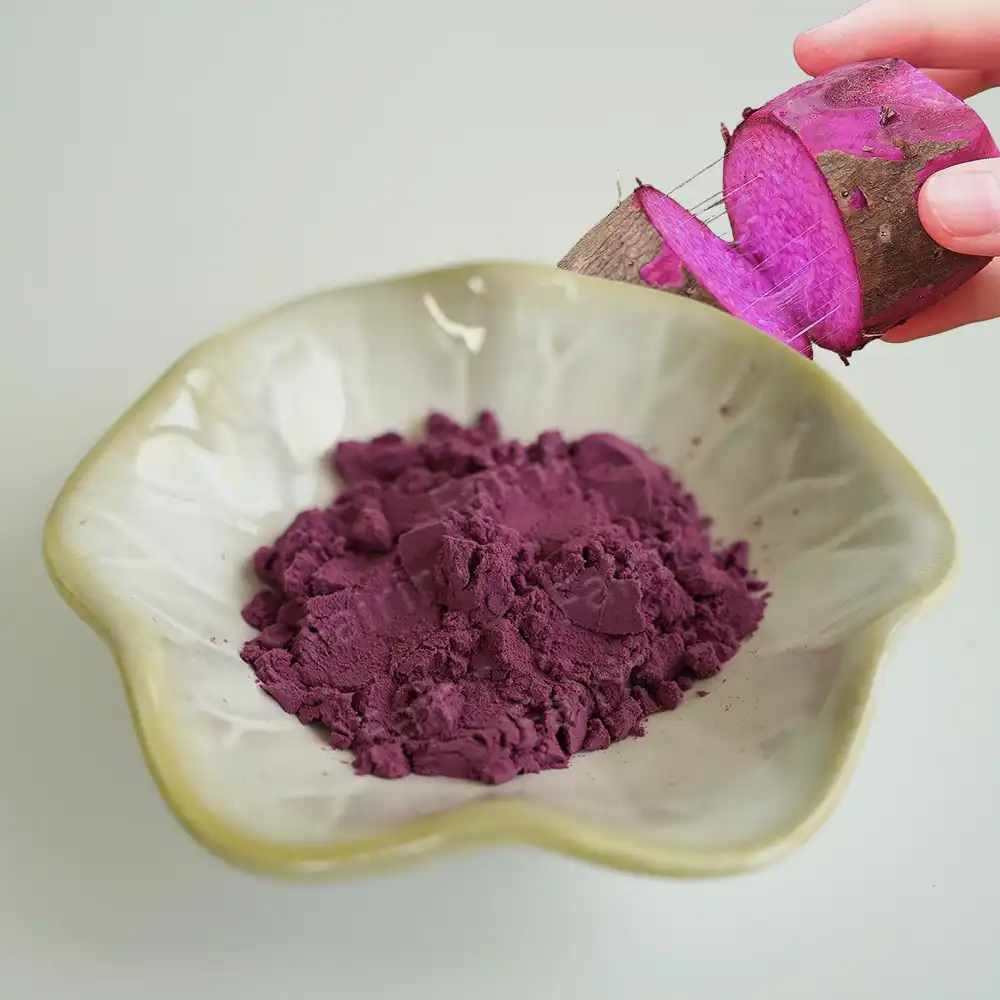
Understanding Purple Yam Ube Powder and Its Role in Satiety
Because of its nutritional makeup, Purple Yam Ube Powder is more than just a natural way to add color or taste. This ingredient comes from roots and has a unique makeup that affects the body's satisfaction systems directly. To figure out how this tropical superfood affects controlling your hunger, you need to look at its nutritional profile and compare it to other ingredients.
Nutritional Composition and Satiety Mechanisms
Each dose of Purple Yam Ube Powder has about 15 to 20 percent dietary fiber, which is a lot more than many traditional flour options. The fiber structure has both soluble fiber and insoluble fiber parts, which makes it work in two ways to make you feel full. In the digestive system, soluble fiber turns into a gel-like material that slows the absorption of nutrients and makes you feel full for longer. Insoluble fiber gives food more bulk, which makes the body's cues for fullness stronger. In addition to fiber, Purple Yam Ube Powder contains resistant starch, a type of carbohydrate that doesn't break down in the small intestine but ferments in the colon, making short-chain fatty acids that tell the body to feel full. These fatty acids include glucagon-like peptide-1 and peptide YY. The anthocyanin content gives it its purple color and also helps your metabolism by speeding up glucose metabolism and lowering oxidative stress. This indirectly supports healthy weight management.
How Ube Powder Compares to Alternative Root Vegetable Powders
Procurement professionals often compare Purple Yam Ube Powder to taro powder, regular yam extracts, and purple sweet potato powder when they are looking at ingredients that make you feel full. On the surface, these options look a lot alike, but when you look more closely, you can see important differences. The amount of fiber in taro powder is usually smaller, and it doesn't have the unique anthocyanin makeup that real ube does. Some regular yam extract products contain carbohydrates, but they often lack the tough starch that makes ube so good for controlling hunger. Even though it looks the same, purple sweet potato powder comes from Ipomoea batatas instead of Dioscorea alata, which means that the starch structures and insulin reactions are different. The special mix of resistant starch, dietary fiber, and bioactive substances in Purple Yam Ube Powder makes it a great ingredient for formulations that focus on fullness. Differentiation like this is important when making goods for weight loss or long-lasting energy.
Scientific Evidence Supporting Satiety Benefits
Researchers have shown over and over that root veggie powders help control hunger. Studies that look at high-fiber, low-glycemic foods show that they make you feel full in a number of ways, such as by making your stomach expand, delaying the absorption of nutrients, and sending signals to your hormones. The resistant starch in Purple Yam Ube Powder has a big effect on ghrelin suppression, which is the hormone that makes you feel hungry. At the same time, it also makes fullness hormones come out. Researchers have found that adding resistant starch and fiber-rich foods to meals can lower the number of calories people eat by 10-15% in controlled settings. The antioxidants in Purple Yam Ube Powder also help keep your metabolism healthy, which works with the feeling of fullness to make the best use of energy instead of storing it.
Evaluating Purple Yam Ube Powder for Product Innovation and Procurement
When choosing botanical ingredients, product makers Purple Yam Ube Powder and buying managers have to make important choices. Product effectiveness and legal compliance are directly affected by quality assessment, the reliability of the supplier, and certification requirements. By understanding these evaluation factors, you can make better choices about where to source Purple Yam Ube Powder.
Quality Markers and Certification Standards
Premium Purple Yam Ube Powder has certain traits that show it has been processed and handled correctly. The consistency should be a fine purple powder with particles of the same size. This is usually done with ultra-micro pulverization technology. Specifications of 80% to 99% purity mean that the extraction process was done in a normal way. Higher amounts are good for nutraceutical uses that need precise doses. Test methods like TLC can confirm the name and purity of a plant. Organic approval means that the crops were grown without using synthetic fertilizers or pesticides, which is becoming more important to health-conscious customers and brands that want to sell high-end goods. Other certificates, like Kosher, HALAL, USDA Organic, and FSSC22000, show that the quality management system is complete. Being gluten-free, Non-GMO, and allergen-free opens up more formulation options, especially for goods aimed at people who have to follow certain food restrictions. The supplier's level of sophistication is also shown by the way the food is packed: vacuum metal foil bags with double-layer food-grade poly covers keep food fresh during storage and transport by blocking moisture, light, and oxidation.
Comparing Sourcing Options and Supplier Capabilities
There are trade-offs between price, consistency, and expert help when you choose between straight makers, wholesalers, and importers. Direct producers with GMP-certified facilities give you more control over the variables that affect production and can respond faster to requests for custom formulas. Facilities that have continuous countercurrent extraction equipment, double-effect concentration systems, and vacuum belt drying technology show that they have put money into improving the process. The fact that HPLC, UV spectrophotometers, and rotary evaporators are present shows that the company has strong quality control systems that are needed to make sure that each batch is the same. When scaling up formulations, production capacity is important. Suppliers with fully automatic production lines and various extraction tanks ranging from 500 to 3000 liters can handle both trial runs and large-scale orders. Extraction rates that are close to 98% show improved process engineering that increases output while keeping bioactive chemicals safe. Delivery times of one to three business days show good inventory management and efficient transportation, which lowers wait time risks in just-in-time manufacturing settings.
Cost-Benefit Analysis for B2B Applications
Price factors include more than just the cost per kilogram. They also include the total cost of ownership. Alternatives that are less expensive might not be as pure, effective, or consistent, which could lead to problems with manufacturing and quality issues. Most of the time, premium sellers offer free samples so that you can try out different formulations before you commit to large orders. Being able to offer different forms, like capsules, tablets, softgels, gummies, small bags, or private label choices, increases value by cutting down on the number of providers that need to be used. Custom formulation support and quick expert help help solve processing problems, which cuts down on development time and the chance of a bad batch. Long-term relationships with makers that offer stable prices and guaranteed supplies lower the risks of buying things that aren't available all the time or when the market changes. Competitive prices from direct makers get rid of markups for distributors, which increases profits without lowering quality.
Practical Applications of Purple Yam Ube Powder in Food Products
Purple Yam Ube Powder can be used in a lot of different types of products, each of which benefits from its unique qualities. Understanding application-specific factors helps improve the success of formulations and their ability to make money.
Bakery and Snack Applications
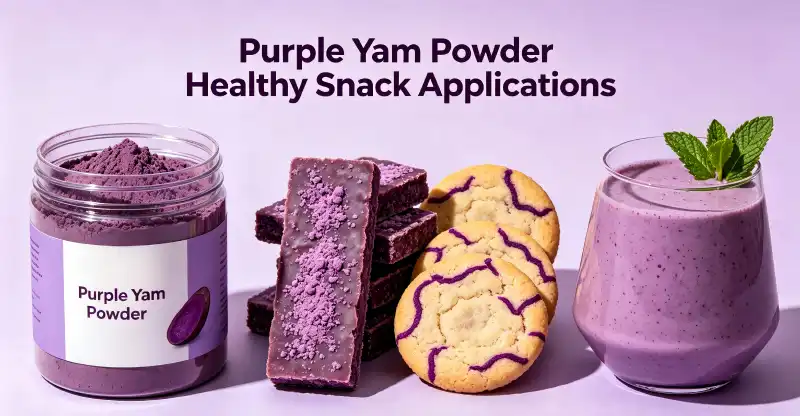
Putting Purple Yam Ube Powder into baked things makes them look better and work better. The natural purple color helps stand out in stores that are getting busier and busier, which is especially important for people who find products through social media. When used in place of 10 to 15 percent of the flour in cakes, muffins, and cookies, Purple Yam Ube Powder helps keep the moisture retention in the food, which makes it last longer, which is very important for business bakeries. The nutty, vanilla-like taste goes well with both sweet and spicy foods without the need for extra flavors to cover them up. The fiber in Purple Yam Ube Powder makes protein bars and energy bites more cohesive and supports claims of fullness. The natural binding qualities mean that you don't have to use as many artificial gums or sweets. The structure-building properties of Purple Yam Ube Powder work especially well in gluten-free recipes, helping to solve the texture problems that come up a lot with gluten-free baking.
Functional Beverage and Supplement Integration
More and more, the beverage industry wants products that are healthy Purple Yam Ube Powder without changing the way the drink tastes. Because the particles in Purple Yam Ube Powder are small and thick naturally, it can be used in ready-to-drink smoothies, protein drinks, and gourmet lattes. When micronized correctly, it stays floating in liquids without settling or becoming gritty or sedimenting, which are common problems with lower-quality plant powders. The naturally sweet and savory powder goes well with both dairy and plant-based milk choices, so you don't need to add as much sugar. In supplement uses, Purple Yam Ube Powder is both an active ingredient and a natural filler that is used in capsules and tablets. The specification grades of 80% and 99% let formulators find the right mix of potency with other actives while keeping dose sizes fair. The satiety-boosting qualities of Purple Yam Ube Powder help weight control without relying only on protein or synthetic fiber sources in meal replacement products.
Clean-Label Product Development Strategies
The need for easily recognizable ingredients is still changing the goals for product creation. Purple Yam Ube Powder is completely Clean-label—it's written on ingredient panels as "purple yam powder" or "Dioscorea alata root powder," which is easy for customers to understand. This openness helps people trust the brand and makes following the rules easier than with fake options that need a lot of safety paperwork. Products aimed at specific food groups, like vegan, paleo, and allergen-free, can use Purple Yam Ube Powder with more than one marketing strategy at the same time. With just one ingredient swap, the lack of common allergens, artificial colors, and Non-GMO materials handles several customer concerns. Marketing stories about the history of traditional Filipino superfoods add real story elements that connect with people who want to experience different cultures and foods. Because the ingredient does more than one thing—it adds color, taste, nutrition, and satiety—it speeds up recipes by lowering the number of ingredients needed, which supports Clean-label goals even more.
Procurement Strategies for Bulk Purple Yam Ube Powder
To do effective sourcing, you need to find a balance between quality standards and business facts. Strategic methods for buying Purple Yam Ube Powder reduce risk while improving cost structures and the stability of supplies.
Identifying and Vetting Reliable Manufacturers
As a first step in due research, check the facility's qualifications and see what it can produce. Additional certificates like ISO22000, HACCP, and cGMP show complete quality management systems that meet pharmaceutical-grade standards. GMP certification sets the bar for what is expected. When possible, site audits give you a first-hand look at how well cleaning is handled, how well equipment is maintained, and how well process controls work. By asking for proof of seller qualification programs, you can see how companies check out the sources of their raw materials, which is important for food safety and tracking. Being clear about a supplier's production ability helps you figure out if they can grow with your business. Manufacturers with facilities that are 10,000 square meters or more and have more than one extraction line show that they have invested in the infrastructure that supports a steady supply. The ability to provide technical help sets strategic partners apart from commodity providers. Having access to formulation scientists who understand the problems that come up in a particular application is more useful than just providing ingredients. References from current customers who have bought similar products before give you real-world information about how well the product works that marketing materials can't.
Logistics and Quality Preservation Considerations
Conditions of transportation and keeping have a big effect on the quality of plant ingredients. The amount of anthocyanin in Purple Yam Ube Powder stays the same under normal circumstances, but it decreases when exposed to too much heat, light, or moisture. Suppliers who use vacuum-sealed packages and materials that keep wetness out show that they know about these weaknesses. Transit time and temperature changes should be kept to a minimum by using temperature-controlled ocean freight for large packages and air freight for orders that need to be delivered quickly. Customs paperwork knowledge keeps delays from happening that could affect the health of ingredients, which is especially important when getting them from other countries. Setting minimum order amounts that balance the cost of inventory with the need for freshness keeps you from having too many items that might go bad before you can use them. Warehouse storage rules should say that things should be kept cool and dry, out of direct sunlight, and that items should be rotated regularly based on the first-in-first-out rule. Protocols for testing upon receiving, such as checking for moisture levels, color values, and microbial limits, make sure that the material came in good shape and hold suppliers responsible for meeting requirements.
Building Long-Term Supplier Partnerships
Transactional relationships make it harder to keep getting better and give special care when there are supply problems. Strategic relationships have benefits, such as giving priority during shortages, letting people know about price changes ahead of time, and working together to create new products. Sharing demand predictions with providers helps them plan production schedules and buy raw materials, which makes it more likely that they can meet your needs. Keeping in touch after placing an order helps people get to know each other and understand each other better. Every year, business reviews give people an organized way to talk about performance data, quality trends, and new ideas. When you promise a certain amount of goods in exchange for a stable price, you protect both sides from market instability. Being willing to give testimonials or take part in case studies improves the relationship by helping the seller market their products. Multi-year contracts that allow for changes in volume are a good way to balance commitment with what the business needs. Ultimately, the supply chain will be more resilient, and the standard of the products will be more consistent if sellers are seen as strategic partners instead of interchangeable vendors.
Addressing Common Questions and Concerns When Working with Purple Yam Ube Powder
When adding new plant ingredients, procurement and product development teams often have questions about how to run their businesses. Considering these worries ahead of time makes decisions and Purple Yam Ube Powder actions easier for Purple Yam Ube Powder.
Allergen Status and Dietary Compatibility
Because it doesn't contain many allergens, Purple Yam Ube Powder is great for making products that everyone can use. Since the ingredient is gluten-free, it can be used in gluten-free goods without the need for separate production lines. Unlike nuts or some seeds, ube doesn't pose a big risk to people who are allergic, so it usually doesn't need allergen labels on the package. Because the ingredient comes from plants, it fits perfectly with vegan and vegetarian diets. Whether a product is compatible with the paleo diet depends on how it handles root veggies, but ube is usually a good choice because it is a traditional food that hasn't been processed much. Kosher and Halal certifications from trustworthy sources make sure that religious diets are followed without having to make any extra changes to the processes. The lack of popular sensitizers like dairy, soy, eggs, and shellfish makes it easier to make goods that can help people with various nutritional restrictions at the same time.
Storage Requirements and Shelf Life Optimization
Purple Yam Ube Powder stays good for 24 months when stored properly in a controlled environment. The powder should be kept in its original vacuum-sealed packaging until it is needed. Once the right amount is measured, the package should be resealed right away. Keeping things in low-humidity places (15–25°C) during storage stops them from absorbing water, which could lead to clumping or the growth of microbes. Protecting anthocyanins from light keeps them stable, so the color stays bright throughout the shelf life. Once opened, putting unused parts in clear, airtight cases makes them last longer. When weather controls are in place, storing things in bulk in fiber drums with double-layer food-grade poly covers is a good way to keep them safe. Using first-in-first-out rotation to keep an eye on goods on a regular basis keeps things from being stored for too long, which could ruin their freshness. Quality proof tests done at set times throughout the shelf life of the material make sure that it stays within the specifications.
Regulatory Considerations for Commercial Use
Botanical ingredients have to deal with complicated rules that change from place to place and from product to product. In the US, Purple Yam Ube Powder is usually thought to be GRAS for use in food as long as it comes from a reliable source. Depending on what the label says, dietary supplement applications may need more proof. European markets require that Novel Food rules be followed if the item hasn't been used traditionally in EU member states. However, ube's long past in cooking may support its standing as a traditional food. For customs processing and regulatory checks, you need proof that your Certificate of Analysis meets the requirements for heavy metals, microbes, and pesticide leftovers. Compliance is easier when suppliers offer full regulatory support, such as standard sheets, allergen statements, and GMO-free claims. Claims about satiety effects need to be carefully checked against regulatory limits. For example, structure-function claims are allowed in vitamins, but disease claims are still not allowed without drug approval.
Conclusion
Purple Yam Ube Powder is an important ingredient for companies that want to make goods that meet customer needs for natural ways to feel full, Clean-label ingredients, and functional nutrition. The unique mix of dietary fiber, resistant starch, and anthocyanin chemicals in the food has benefits that go beyond its looks. For execution to go well, suppliers must be carefully chosen, with a focus on GMP certification, analytical skills, and output consistency that has been shown. Because it can be used in baking, drinks, and supplements, it can be sold in several different ways. Its Clean-label and allergen-free status also fits with current market trends. When it comes to strategic buying, long-term ties are better than transactional relationships because they lead to more reliable supplies and higher-quality products. If you work in B2B and are looking for unique ingredients that are both useful and appealing to consumers, Purple Yam Ube Powder is something you should really think about.
FAQ
1. Does Purple Yam Ube Powder Actually Support Appetite Control?
According to research, the fiber and resistant starch in Purple Yam Ube Powder help you feel full by delaying the emptying of your stomach and sending signals to your hormones. Formulations with 5 to 10 grams of fiber per dose can have a real effect on how full you feel when paired with enough protein and water. The result varies depending on the type of food and how your body uses energy.
2. What Certifications Should I Prioritize When Sourcing Ube Powder?
As a starting point, focus on GMP approval. Then, look at organic status based on how you want to place your business in the market. FSSC22000 and HACCP standards show that food safety management is strong. For exports, make sure that the licenses meet the standards of the country where the goods are going—USDA Organic for US markets and EU Organic for sale in Europe. With Kosher and Halal certificates, you can reach more people.
3. What's the Difference Between Purple Sweet Potato Powder and Ube Powder?
Even though they look alike, ube comes from Dioscorea alata, which is also known as the true yam, and purple sweet potato comes from Ipomoea batatas. The different starch structures change how the body reacts to sugar and how full you feel. Purple Yam Ube Powder usually has more resistant starch and a more unique taste with vanilla notes, while purple sweet potato is usually sweeter with earthy undertones.
4. Can Ube Powder Cause Allergic Reactions?
There isn't much of an allergy risk with Purple Yam Ube Powder because it doesn't have any typical allergens in it, like gluten, dairy, nuts, or soy. A very small number of cases of sensitivity have been reported, but the ingredient is usually very safe for a wide range of people. Always check sellers' allergen-free certifications to make sure there isn't any cross-contamination while the food is being processed.
Partner With Fairir for Premium Purple Yam Ube Powder Supply
Shaanxi Fairir Biotech Co., Ltd. specializes in manufacturing high-quality Purple Yam Ube Powder botanical extracts for pharmaceutical, nutraceutical, cosmetic, and food applications. As a trusted Purple Yam Ube Powder supplier, we operate a 10,000-square-meter GMP-certified facility equipped with advanced continuous countercurrent extraction equipment, ultra-micro pulverizers, and comprehensive analytical instruments, including HPLC and UV spectrophotometers. Our Purple Yam Ube Powder is available in 80% and 99% specifications, sourced from carefully selected Dioscorea alata roots and processed using gentle freeze-drying technology that preserves nutritional integrity. We maintain rigorous quality control with certifications including ISO22000, USDA Organic, FSSC22000, HACCP, and cGMP. With delivery timelines of 1-3 working days and extraction efficiency reaching 98%, we support both pilot projects and commercial-scale production. Contact our team at sales@fairirbiotech.com to request samples, discuss custom formulations, or explore how our Purple Yam Ube Powder can enhance your product portfolio.
References
1. Anderson, J. W., & Bridges, S. R. (2018). Dietary Fiber Content of Selected Foods and Their Roles in Satiety Regulation. Journal of Nutritional Science, 7, e42-e58.
2. Brighenti, F., Benini, L., & Del Rio, D. (2006). Colonic Fermentation of Indigestible Carbohydrates Contributes to the Second-Meal Effect. American Journal of Clinical Nutrition, 83(4), 817-822.
3. Esfahani, A., Wong, J. M., Mirrahimi, A., Srichaikul, K., Jenkins, D. J., & Kendall, C. W. (2009). The Glycemic Index: Physiological Significance and Clinical Application. Journal of the American College of Nutrition, 28(4), 439S-445S.
4. Ketnawa, S., Chaiwut, P., & Rawdkuen, S. (2012). Pasting Properties and Nutritional Composition of Dioscorea Alata Flour and Its Selected Food Applications. International Food Research Journal, 19(1), 271-276.
5. Slavin, J., & Green, H. (2007). Dietary Fiber and Satiety. Nutrition Bulletin, 32(Suppl 1), 32-42.
6. Teow, C. C., Truong, V. D., McFeeters, R. F., Thompson, R. L., Pecota, K. V., & Yencho, G. C. (2007). Antioxidant Activities, Phenolic and Beta-Carotene Contents of Sweet Potato Genotypes with Varying Flesh Colours. Food Chemistry, 103(3), 829-838.