_1751965378790.webp)

How Stable Is Coenzyme Q10 Powder in Manufacturing?
Under controlled production settings, Coenzyme Q10 Powder has a reasonable intrinsic stability, but how long it lasts varies a lot on processing and environmental factors. The ubiquinone form stays pretty stable as long as it is kept away from heat, light, and oxygen during production processes. When kept below 25°C in covered, light-resistant cases with low humidity, CoQ10 powder that has been properly made and is 98% pure has a good shelf life. Manufacturing stability can be reached by using microbial fermentation methods that guarantee an all-trans isomeric configuration, along with fast drying technologies and inert atmosphere packing techniques that keep oxidative breakdown to a minimum throughout the supply chain.
Understanding the Stability Challenges of Coenzyme Q10 Powder
Chemical Structure and Forms
The molecule is mostly in two redox states: ubiquinone, which is oxidized, and ubiquinol, which is reduced. Due to its oxidized state, ubiquinone powder is more stable on the shelf than ubiquinol. This is because it is less likely to further oxidize. The biologically active form is the all-trans isomer configuration, while cis-isomers are not useful for therapy. When making something, the stereochemical integrity must be kept because heat stress during extraction or drying can cause isomerization. Because Coenzyme Q10 Powder is lipophilic, it makes formulations more complicated because they need oil-based carriers or special dispersion methods for water-based uses.
Environmental Degradation Factors
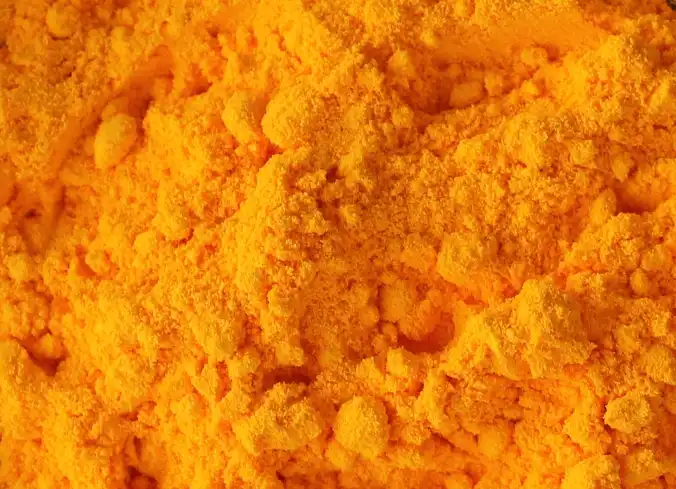
When processed at temperatures above 50°C, thermal breakdown speeds up. This makes the typical yellow-orange powder darker and less effective. Photodegradation, which breaks down the quinone ring structure, is sped up by light, especially UV bands. Oxygen exposure starts chains of autoxidation that make bioactivity go down over time. When moisture levels rise above 5% relative humidity, hydrolytic processes and bacterial contamination are more likely to happen. Because of these weaknesses, extra care needs to be taken during the extraction, concentration, drying, grinding, and packing steps. When goods are made in places that don't control the temperature or use clear packaging, they often have shorter shelf lives and less therapeutic value.
Physical Characteristics Affecting Stability
The way particles are spread out affects both their stability and their absorption. Ultra-fine cutting below 10 microns increases the surface area, which speeds up the breakdown process but also exposes more of the material to oxidative stress. Crystalline powders have different stability patterns than powders that are amorphous. There is a direct link between purity levels and stability. Grades with a purity of 98% or higher have fewer impurities that could speed up breakdown processes. Changes in bulk density can affect how powder flows during automatic encapsulation. Also, static charge builds up in low-humidity settings, which can make handling difficult and could break sterility rules.
Stability Optimization Techniques in Coenzyme Q10 Powder Manufacturing
Quality manufacturing starts with choosing the right raw materials and keeping an eye on the brewing process. Using Rhodobacter sphaeroides or Agrobacterium tumefaciens for microbial fermentation makes bio-identical trans-isomers that are purer than those made through manufactured methods. These biological production methods naturally create the desired stereochemistry without using hard chemical changes that add impurities, which make the product less stable.
Advanced Processing Technologies
The new method of microencapsulation is a development in which Coenzyme Q10 Powder is trapped inside protected layers of cyclodextrin, gum arabic, or modified starches. This method protects the active ingredient from air and water while allowing it to dissolve in cold water, which is necessary for use in drinks. Nano-emulsion products chop down particle sizes to submicron levels, which greatly increases absorption rates while keeping it stable due to less oxidative surface area. Spray-drying in a nitrogen atmosphere keeps the powder's structure while the liquid is being removed, which stops the thermal breakdown that could happen with other drying methods.
Adding antioxidant co-factors like ascorbyl palmitate or Vitamin E (tocopherols) makes defense against oxidative stress work better. These stabilizers choose to die rather than stay active, which protects CoQ10 activity. Long-term safety depends on carefully choosing excipients that work with the next steps in the process, like lipid layers for softgels or hydrophilic carriers for tablets. Controlled atmosphere packaging that uses nitrogen flushing and oxygen scavengers to get rid of leftover oxygen in sealed packages makes food last longer on the shelf. Relative humidity stays below vital levels in aluminum-laminated bags that act as moisture barriers.
Our GMP-certified plant at Fairir uses vacuum belt drying technology that works below critical temperature limits. This keeps the integrity of the molecules during the concentration process. Our 14 stainless steel extraction tanks, with capacities ranging from 500 to 3000 liters, make sure that each batch is the same. Our constant countercurrent extraction equipment increases yield without affecting stability. By combining rotary evaporators and scraper concentration equipment, the length of thermal contact can be precisely controlled, which lowers the risk of degradation during the liquid removal stages.
How to Evaluate Coenzyme Q10 Powder Stability When Choosing Suppliers
Critical Certification and Documentation
Certificates of Analysis should include HPLC test results that show the content is between 98.0 and 101.0% when dry, along with chromatographic purity data that shows the total amount of impurities is less than 1.0%. Real-time stability tests done according to ICH standards at 25°C/60% RH and accelerated conditions at 40°C/75% RH give information about how long something will last. There are higher buying risks with suppliers who only offer batch release testing and not ongoing stability tracking. Internal quality claims are more likely to be true when they are checked by third parties from accredited laboratories.
Analytical Capabilities and Quality Systems
High Performance Liquid Chromatography is still the best way to measure the amount of Coenzyme Q10 Powder in a substance and find breakdown products. UV spectrophotometry is quick for screening, but it's not accurate enough for impurity analysis. Gas chromatography checks the levels of any remaining solvents. According to ICH Class 2 solvent standards, hexane levels should stay below 290 ppm, and ethanol levels should stay below 5000 ppm. ICP-MS testing shows that heavy metal compliance is met, with mercury below 0.1 ppm, arsenic below 1 ppm, and lead below 0.5 ppm. Testing for microbes must show that the total plate counts are less than 1000 cfu/g and that there are no diseases present.
Supplier Transparency and Communication
During the procurement process, specifics about the production process should be brought up, such as the fermentation strains used, the extraction solvent systems, the drying methods, and the packaging rules. Suppliers who give virtual tours or site checks show that they are open and honest. Responding to detailed questions about storage suggestions, retest dating, and formulation matching shows that you are interested in your job. Those that help with formulation for difficult tasks, like making stable emulsions for beauty serums or stopping settling in oil-filled softgels, add strategic value above and beyond the supply of commodities.
Implications of Coenzyme Q10 Powder Stability on B2B Procurement Decisions
Product Development Flexibility
Stable raw materials let formulators try out a wide range of delivery methods, from the classic softgels floating in vegetable oils to new sachets that can be mixed with cold water and added to drinks for health benefits. Having the power to stay effective for 24 months on the shelf helps longer supply chains and export markets. When adding new products to an existing line or changing to fit new legal markets, a stability guarantee lowers the costs of reformulating. Companies that are making goods that combine CoQ10 with other active ingredients need powders that don't react chemically with the other ingredients. This is so that incompatibility reactions don't happen, which would ruin multi-nutrient formulas.
Financial Risk Mitigation
When ingredients aren't stable, they cause direct costs like product returns, batch rejects, and waste costs. Damage to the brand's image, fines for not following the rules, and missed market chances are all examples of indirect costs. Buying high-quality Coenzyme Q10 Powder that is stable may cost more per unit, but it has a lower total cost of ownership. Volume deals with dependable suppliers lock in prices, and make sure supplies don't stop when the market changes. Historically, the global CoQ10 market has seen price changes due to the cost of fermentation fuel and limited production capacity.
Logistics and Storage Optimization
During international shipping, climate-controlled transportation keeps the temperature below 25°C. This keeps the luggage hold from getting too hot, which could damage the goods before they arrive. During inventory holding times, warehouse rules that define light-resistant storage areas and humidity monitoring keep the environment from getting worse. Just-in-time purchasing methods cut down on storage time, but they need sellers who can quickly complete orders. Our two fully automatic production lines make our production 98% more efficient. This means that we can handle large orders quickly without sacrificing quality.
Future Trends in Coenzyme Q10 Powder Stability and Manufacturing
Emerging Technologies
Formulations for water-soluble Coenzyme Q10 Powder that use cyclodextrin inclusion complexes or nano-carrier systems are becoming more popular. These get around the problems that lipophilic powders have with absorption. These new developments keep the materials stable in wet settings and let them be used in clear drinks without getting oil rings or cloudiness. Smart packaging with time-temperature sensors or oxygen monitors lets everyone in the supply chain see that the goods are stored correctly. Blockchain integration makes it possible to track the product from the fermentation batch to the finished product. This gives customers more trust in the accuracy of the ingredients and the honesty of the handling.

Market-Driven Quality Evolution
Organic-certified and non-GMO-confirmed CoQ10 sources are in high demand because people want to buy goods with clean labels. Because of this change, sellers must show that they use safe fermentation methods and clear documents about where their products come from. The rules for businesses in the US and EU are getting stricter. For example, the FDA recently gave makers of dietary supplements new advice on how to follow CGMP, which stresses the importance of qualifying suppliers and following strict testing methods for ingredients. Proactive suppliers engage in better analytical tools and recording systems that look ahead to how regulations will change instead of just responding to police actions. The pharmaceutical industry is becoming more and more aware of CoQ10's ability to treat mitochondrial disorders and handle myopathy caused by statins. This use of pharmaceuticals requires stricter compliance with USP and EP monographs than with nutritional grades. Suppliers who can make pharmaceutical-grade materials position themselves for high-end customers who are willing to pay for confirmed stability and cleanliness.
Conclusion
Controlling temperature, light, air, and moisture during production and distribution is important for keeping Coenzyme Q10 Powder stable in industrial settings. Procurement workers need to judge sellers on more than just price. They should also look at their analysis skills, process controls, and how clear their paperwork is. Using advanced technologies like microencapsulation and controlled atmosphere packing together makes powders much more stable, which opens up more uses for them. As rules get stricter and people expect higher quality, working together with stable manufacturers becomes more than just a supply relationship. It turns into a smart competitive benefit.
FAQ
What is the typical shelf life of Coenzyme Q10 Powder under proper storage?
High-purity Coenzyme Q10 Powder that is kept below 25°C in light-resistant, sealed cases with desiccants usually keeps 95% of its effectiveness for 24 to 36 months. Keeping things in the fridge at 2–8°C can make them stable for longer than three years. If you leave food out in the open air without protecting it, the shelf life may drop to 12 to 18 months.
How can I verify stability claims from potential suppliers?
Ask for increased stability data that was collected at 40°C/75% RH and shows rates of breakdown over 6 months. Check the results of the first test against those from tests done 3 and 6 months later. When degradation goes over 5% during rapid testing, it could mean that the product might not be stable under normal storage conditions.
What risks do degraded CoQ10 powders present in formulations?
Degraded material has less cellular activity, which makes it less effective as a medicine and less likely that the label claim is true. Oxidation byproducts can change the color of produced goods, making clear liquids or white creams brown or green. Higher amounts of impurities could cause bad reactions in sensitive groups of people or fail regulatory tests during product audits.
Partner with Fairir for Superior Coenzyme Q10 Powder Supply
Shaanxi Fairir Biotech Co., Ltd. combines GMP-certified production quality with quick technical support to provide pharmaceutical and nutraceutical companies around the world with high-purity Coenzyme Q10 Powder that meets their strict stability requirements. Our 10,000-square-meter building has controlled extraction methods, HPLC, and UV spectrophotometry to make sure that each batch is the same. With 14 stainless steel tanks that can hold a lot of output and an extraction efficiency of 98%, we can offer a steady supply at a reasonable price. Contact our team at sales@fairirbiotech.com to talk about your product needs, ask for certificates of analysis, or set up a sample review that shows how committed we are to quality and stability.
References
1. Bhagavan HN, Chopra RK. Coenzyme Q10: Absorption, Tissue Uptake, Metabolism and Pharmacokinetics. Free Radical Research. 2006;40(5):445-453.
2. López-Lluch G, Del Pozo-Cruz J, Sánchez-Cuesta A, Cortés-Rodríguez AB, Navas P. Bioavailability of Coenzyme Q10 Supplements Depends on Carrier Lipids and Solubilization. Nutrition. 2019;57:133-140.
3. Pravst I, Žmitek K, Žmitek J. Coenzyme Q10 Contents in Foods and Fortification Strategies. Critical Reviews in Food Science and Nutrition. 2010;50(4):269-280.
4. Weber C, Bysted A, Hølmer G. Intestinal Absorption of Coenzyme Q10 Administered in a Meal or as Capsules to Healthy Subjects. Nutrition Research. 1997;17(6):941-945.
5. Crane FL. Biochemical Functions of Coenzyme Q10. Journal of the American College of Nutrition. 2001;20(6):591-598.
6. Molyneux SL, Florkowski CM, George PM, Pilbrow AP, Frampton CM, Lever M, Richards AM. Coenzyme Q10: An Independent Predictor of Mortality in Chronic Heart Failure. Journal of the American College of Cardiology. 2008;52(18):1435-1441.