_1751965378790.webp)

Can Purple Yam Ube Powder Transform Premium Dessert Products?
Without the hassle of finding fresh yams, Purple Yam Ube Powder can definitely make high-end desserts better by adding natural color, taste, Purple Yam Ube Powder and nutrition without any problems. This finely ground plant extract from Dioscorea alata roots gives food companies a reliable, clean-label ingredient that meets the growing demand from customers for healthy treats that look great. Our GMP-certified factory makes uniform Purple Yam Ube Powder that doesn't vary from batch to batch. This way, you can be sure that your high-end products will keep their bright purple color and subtle sweet and nutty notes that set them apart in a market full of other products.
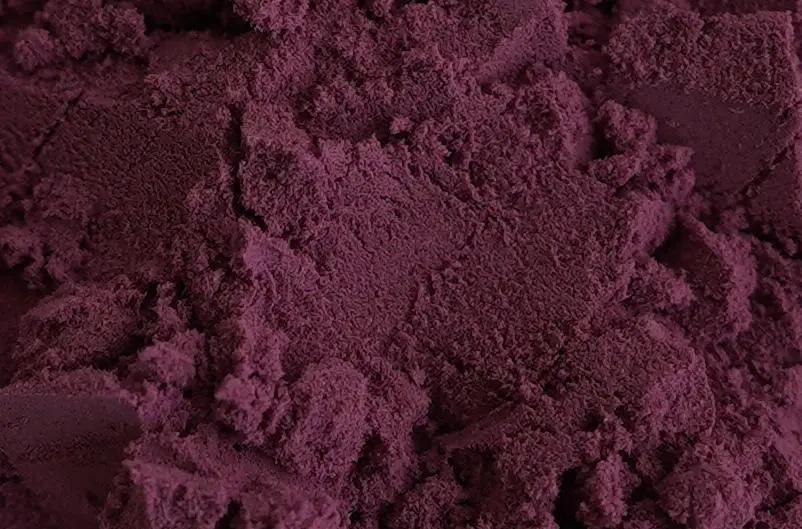
Understanding Purple Yam Ube Powder: Definition and Core Benefits
What Makes Purple Yam Extract Unique?
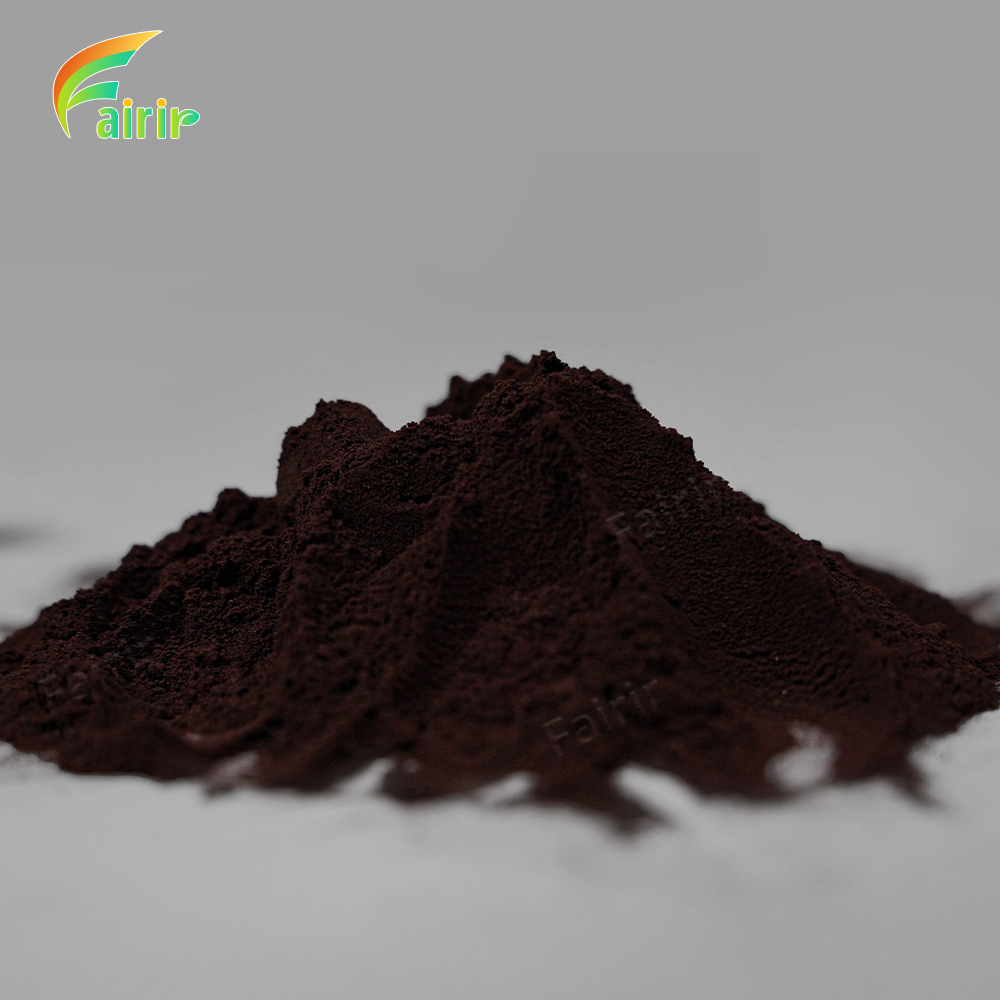
Purple Yam Ube Powder comes from the seeds of the tropical yam plant Dioscorea alata, which is mostly grown in Southeast Asia. Purple sweet potato powder comes from Ipomoea batatas. Real Purple Yam Ube Powder, on the other hand, has a different plant background. Its violet color comes from naturally occurring anthocyanins. To make our products, we start with carefully chosen fresh roots that are washed and inspected very carefully. Then, we use modern freeze-drying technology to keep their taste and nutritional compounds. The dried stuff is put through ultra-micro pulverizers to get particles that are all the same size, which can be anywhere from 80-mesh to 120-mesh based on the need of the application.
Flavor Characteristics That Enhance Premium Positioning
The taste profile of good Purple Yam Ube Powder has earthy, vanilla-like notes and a mild sweetness that goes well with chocolate, fruit, and dairy flavors without overpowering delicate taste balances. This complex flavor architecture lets product designers make complex dessert features that satisfy picky customers looking for real, world-inspired dining experiences. Controlling the temperature and humidity during our processing keeps volatile flavor compounds that would normally break down during normal drying methods. This keeps the aromatic complexity that makes premium foods different from cheap options.
Transforming Dessert Products with Purple Yam Ube Powder
Applications in Bakery and Confectionery
Adding Purple Yam Ube Powder to bread recipes helps with a lot of different production goals at the same time. The Purple Yam Ube Powder can be used in place of some flour in gluten-free recipes and helps keep in moisture, which makes baked goods last longer by lowering the rate at which they dry out. When making high-end ice cream, we suggest dosage rates of 2 to 5 percent by weight to get the right color saturation and taste without affecting the smoothness or overrun percentages. To follow social media-driven customer trends, big dairy companies have successfully introduced Purple Yam Ube Powder-flavored frozen treats that sell for more than they're worth because they look good in pictures and taste different.
Technical Considerations for Production Consistency
To get a uniform spread of color, you need to follow the right hydrating steps while mixing. Before adding the Purple Yam Ube Powder to large mixes, we suggest mixing it with small amounts of liquid or fat to keep it from clumping. There is pH sensitivity with anthocyanin pigments—acidic environments change colors to more reddish ones, while normal to slightly alkaline environments keep the true purple color. At quality control steps in the production process, you should use standard measuring tools to keep an eye on color values and make sure that the brand stays the same across production runs and marketing channels.
Selecting the Right Purple Yam Ube Powder for Your Business Needs
Critical Quality Parameters for Procurement
When procurement teams look at sources, they should check to see if they have organic certification, non-GMO certification, and full proof of allergen testing. The Kosher, HALAL, USDA Organic, and FSSC22000 labels on our product show that it meets the standards of foreign food safety management systems. TLC (thin-layer chromatography) is used as a test method because it reliably identifies compounds and checks their purity. HPLC analysis can add to this for more important pharmaceutical or nutritional uses that need tougher analytical standards. The amount of moisture, mass density, and spread of particle sizes are some of the physical qualities that have a direct effect on how the formulation works and how it can be handled. As per our requirements, wetness levels must stay below 5% so that microbes don't grow and the product doesn't harden while it's being stored. Different grades have different solubility properties. Higher purity levels are better at dispersing in water-based systems, while standard grades work fine in fat-continuous situations like chocolate or cake fills.
Supplier Evaluation and Risk Mitigation
When choosing a factory partner, you need to look at more than just price. Our 10,000-square-meter GMP-certified building has constant countercurrent extraction equipment, double-effect concentration systems, and vacuum belt drying technology that make sure the quality stays the same no matter how much we make. We have 14 stainless steel extraction tanks with capacities between 500 and 3,000 liters. These are backed up by two fully automatic production lines that achieve 98% extraction efficiency. This infrastructure makes it possible to quickly expand to meet rising demand without lowering the level of the service. Third-party audit reports, certificate of analysis paperwork for recent batches, and references from long-term clients are all more proof that a provider can be trusted. HPLC, UV spectrophotometry, and rotary evaporation are some of the tools our quality control lab uses to check standards at different steps of production. Transparency in sourcing practices, such as traceability documents linking finished Purple Yam Ube Powder to specific crop batches, lowers supply chain risks and backs up sustainability claims, which are becoming more important to customers who care about brands.

Practical Guidance on Usage, Storage, and Safety
Optimal Dosing and Formulation Techniques
Different types of applications have different recommended usage rates. About 1% to 3% of the flour weight in baked goods is usually Purple Yam Ube Powder, which adds color and taste without changing the structure. Beverage concentrates may need 5–10%, based on dilution factors and the level of strength that is wanted. Inclusion rates of 3–6% work well for ice cream recipes. By doing small-scale tests with your unique formulation matrix, you can find the best dose that matches how the product tastes and how much it costs, since using too much of it will lower the color saturation and flavor strength. The order of the mixing steps affects how well the colors mix and how well they hydrate. Even spread is better when the Purple Yam Ube Powder is dry-blended with sugar or other solid ingredients before liquid is added. When making goods that have been heated, keep them from being exposed to temperatures above 180°C for long periods of time. This can break down anthocyanin colors over time. Using buffering agents to change the pH level can keep the color stable in acidic fruit-based situations where the natural pH level would otherwise move the color away from the desired purple tones.
Regulatory Compliance and Safety Documentation
The Purple Yam Ube Powder we sell follows the FDA's rules for food ingredients and has proof that it is GRAS (Generally Recognized As Safe). Common allergens, such as gluten, soy, dairy, and nuts, have been tested and found to be absent. This supports broad formulation compatibility. BSE/TSE-free certification answers worries about bovine spongiform encephalopathy that are important for customers who sell to markets that strictly prohibit ingredients derived from animals. Vegan certification expands market reach to plant-based product categories experiencing rapid growth trajectories. Labeling rules vary from place to place, but on ingredient lists, they usually need to say "Purple Yam Ube Powder" or the formal name Dioscorea alata root powder. When making goods with nutrition claims, the nutritional contribution estimates should take into account the amount of fiber and small amounts of minerals. Our expert support team helps you understand the rules that apply to different markets, such as the Novel Foods regulations in the EU, the standards set by the Canadian Food Inspection Agency, and the paperwork you need to send to countries that require phytosanitary certificates.
Streamlining Procurement: Buying Purple Yam Ube Powder in Bulk
Strategic Supplier Selection Criteria
Finding makers who can consistently deliver high-quality Purple Yam Ube Powder goods on a large scale is the first step in optimizing bulk buying. Our production ability can handle orders ranging from 25 kg sample amounts to shipments in multi-ton containers, so we can work with businesses at all stages of their growth. Delivery times of one to three working days for in-stock items allow for flexible supply chain management. Custom formulation services meet the special needs of applications that standard goods can't meet. This adaptability helps both well-known product lines that need steady supplies and new ideas that need expert teamwork during the creation stages. In addition to simple per-kilogram prices, pricing structures should take into account promises to buy in bulk, payment terms, and service level needs. Long-term supply deals usually get better prices and make sure that goods are available even when demand changes with the seasons or when there are problems in the supply chain that affect the markets for raw materials. Negotiating quality guarantee provisions, including replacement policies for off-specification materials and performance warranties, protects your production schedules from supplier quality failures.
Contract Essentials and Partnership Development
For long-term relationships with suppliers to work, both parties must agree on clear goals, such as quality standards, testing procedures, delivery times, and how to set prices. These should all be written down in supply agreements. Including "force majeure" clauses protects both parties from unplanned events, and setting up contact methods for supply disruptions lets people solve problems before they happen. We keep clear lines of communication open about the supply of raw materials, production schedules, and how changes in the market affect prices. This lets customers make well-informed planning choices. Private labeling services help distributors and OEM users set their brands apart. We offer custom package layouts, COA wording that meets customer needs, and customized technical data sheets that make it easier for you to make sales after the fact. Our experienced team helps customers with formulation, making sure that the products work as well as possible and solving any problems that come up when they go from making small amounts in the lab to large amounts in commercial production.
Conclusion
Purple Yam Ube Powder is a valuable item for companies that want to stand out in the treat market, which is very competitive. Its combination of good looks, real flavor, and nutritional value caters to a number of customer trends at the same time, and it also has practical benefits over fresh ingredients. If you choose good suppliers with strong certifications, enough production capacity, and expert help, you can be sure that they will work well with your other products. Industry case studies show that the market is becoming more accepting, which proves that investing in new Purple Yam Ube Powder-containing products is a good idea. When purchasing this element, teams should give more weight to providers that can show they are good at making the product, follow the rules, and offer partnership-based service models that help businesses reach their long-term goals beyond just selling goods.
FAQ
1. How does ube powder differ from purple sweet potato powder?
Dioscorea alata is a real yam plant that makes Purple Yam Ube Powder. Ipomoea batatas is the plant that makes purple sweet potatoes. Because they come from different plants, they have different tastes. For example, Purple Yam Ube Powder has light vanilla and nutty notes, while sweet potato powder tastes dry and slightly sweet. The makeup of pigments varies slightly, which changes how stable colors are when the pH level changes. Purple Yam Ube Powder is a special food because it has cultural meanings and can be used in trendy ways in the kitchen that other foods like sweet potatoes can't do as authentically.
2. What shelf life can manufacturers expect from properly stored ube powder?
Our vacuum-sealed package keeps the quality of our products for 24 months from the date they were made, as long as they are stored in cool, dry places below 25°C with humidity below 60%. For the best color and taste retention, packages that have been opened should be quickly sealed again and used within 6 months. Regular quality checks that measure color strength and smell are a more accurate way to figure out how long something has been stored than using random date codes, especially for businesses that store things in climate-controlled spaces.
3. Does ube powder require special handling during formulation?
Standard methods for making food still apply, but the right way to hydrate it keeps it from sticking. Spread the Purple Yam Ube Powder out in small amounts of liquid or fat before putting it all together. Because anthocyanin pigments are sensitive to pH, they need to be watched carefully in acidic environments where the color may change to reddish tones. Heat stability makes it useful for baking, but long-term contact above 180°C may gradually fade the color. These things aren't unreasonable handling needs; they're just normal formulation improvement.
Partner with Fairir for Premium Purple Yam Ube Powder Supply
As a reliable Purple Yam Ube Powder maker, Shaanxi Fairir Biotech Co., Ltd. is ready to help you reach your goals for new products. They can do everything from production to quality control and technical collaboration. Our 10,000-square-meter GMP-certified plant uses cutting-edge extraction technology and strict testing methods to make herbal extracts that are consistent, high-purity, and meet international quality standards. We have low prices because we buy directly from the maker. You can order any amount, from small samples to full containers, and we can send quickly (within 1-3 business days for in-stock items).
During the whole process of developing your product, our expert team helps with formulation, legal paperwork, Purple Yam Ube Powder, and application. We meet the needs of a wide range of markets in the food, cosmetics, nutrition, and pharmaceutical industries thanks to our certifications in areas such as USDA Organic, Kosher, HALAL, and FSSC22000. You can talk to our team at sales@fairirbiotech.com about your unique needs, ask for free samples to try, or learn more about our custom formulation services, which include private labeling choices. As a dependable Purple Yam Ube Powder provider, we want to build long-term relationships with you that help your business grow by providing you with high-quality goods, clear communication, and quick service.
References
1. Chen, L., & Wu, D. (2019). Anthocyanin Composition and Antioxidant Activity of Purple Yam (Dioscorea alata) Extracts. Journal of Food Science and Technology, 56(4), 2187-2195.
2. Patel, S. (2021). Natural Food Colorants: Chemistry, Applications, and Regulatory Considerations. Academic Press.
3. Rodriguez, M., & Santos, A. (2020). Heat Stability of Anthocyanins in Plant-Based Food Ingredients. Food Chemistry, 312, 126089.
4. Thompson, R. (2022). Tropical Root Crops: Production, Processing, and Market Trends. CABI Publishing.
5. Williams, K., & Lee, J. (2021). Consumer Preferences for Natural Ingredients in Premium Dessert Products. International Journal of Food Marketing, 7(3), 245-261.
6. Zhang, Y., Chen, X., & Liu, H. (2020). Processing Technologies for Purple Yam Powder: Effects on Nutritional Quality and Functional Properties. Powder Technology, 368, 112-122.