_1751965378790.webp)

What Makes Pharmaceutical-Grade NMN Powder Different?
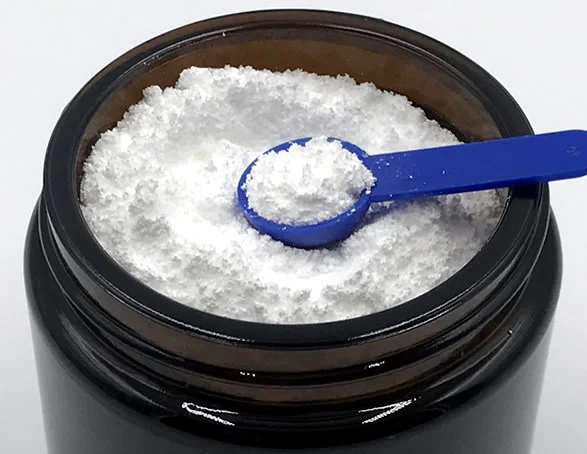
Pharmaceutical-grade NMN Powder distinguishes itself through rigorous manufacturing standards, superior purity levels exceeding 99%, and comprehensive quality control protocols that ensure consistent bioavailability and stability. Unlike standard-grade alternatives, pharmaceutical-grade nicotinamide mononucleotide undergoes strict GMP-certified production processes, advanced analytical testing, and contamination-free synthesis methods that guarantee optimal cellular NAD+ conversion rates and therapeutic efficacy for B2B applications.
Understanding NMN Powder and Its Benefits
The Science Behind Nicotinamide Mononucleotide
Nicotinamide mononucleotide is a direct precursor to NAD+ (Nicotinamide Adenine Dinucleotide), a key coenzyme that helps cells make energy, fix DNA, and make mitochondria work better. It has been found that NAD+ levels normally go down as people age. This can hurt your cells and cause other health issues that come with getting older. These issues can change how well your metabolism works and your body works in general. The chemical make-up of NMN Powder (CAS: 1094-61-7) lets cells quickly take it in through the Slc12a8 transporter in particular. It is now possible to go straight from this to NAD+ without going through any other chemical steps first. This straight method is better than other NAD+ precursors because it makes the drug more bioavailable and makes it easier to estimate how well it will work in finished products.
Documented Health Benefits and Applications
Clinical tests have shown that nicotinamide mononucleotide vitamins are good for your health in many ways. For example, they help cells make more energy, speed up the metabolism, and age healthily. Companies that make health goods for older people and people who care about their health can better place their products on the market because of these benefits. There are many ways to use pharmaceutical-grade nicotinamide mononucleotide. It can be used alone as an anti-aging vitamin or mixed with resveratrol, pterostilbene, and other ingredients that help you live longer. Because of this, companies that make goods can use the well-known science behind NAD+ optimization to create one-of-a-kind goods that meet the needs of specific customers.
What Defines Pharmaceutical-Grade NMN Powder?
Stringent Manufacturing Standards and Certifications
When making NMN Powder for medicinal use, it must be made according to GMP rules. This makes sure that each batch has the same quality, power, and brightness. These standards cover things like how the building is laid out, how to teach workers, and how to keep records in a way that prevents contamination and guarantees the same results every time.
Nicotinamide mononucleotide, which is used in medicine, needs to be approved by meeting the standards for ISO 9001 quality control systems, ISO 22000 food safety standards, and HACCP implementation. Together, these make sure that quality is kept up throughout the whole process of making something. These licenses are important proof that a business is doing what it's supposed to do and keeping the global supply chain safe.
Advanced Analytical Testing and Quality Control
Here are the critical analytical methods used to verify pharmaceutical-grade nicotinamide mononucleotide quality:
- High-Performance Liquid Chromatography (HPLC): Checks for over 98–99% purity and looks for any toxins or breakdown products that might make the product less safe or less effective.
- UV Spectrophotometry: This checks that molecules are correctly identified and that the concentration is correct. It also looks for any changes in structure that could happen during storage or processing.
- Gas Chromatography (GC): This checks for any extra fluids or dangerous contaminants that could make the product less safe or harder to follow.
These analysis methods set clear quality standards that make it easy to tell the difference between pharmaceutical-grade goods and other, lower-quality choices. They also give procurement workers objective ways to judge sellers and make product specs.
Production Process Excellence and Contamination Control
Today, advanced enzymatic synthesis methods get rid of the impurities that are widespread in chemical synthesis methods so that pharmaceutical-grade nicotinamide mononucleotide can be made. Because of this biocatalytic process, only β-NMN is made, which is the biologically active form. As few α-NMN forms as possible are made, which can make the product less useful. Continuous countercurrent extraction systems, double-effect concentration units, and vacuum belt drying technology are some of the specialized tools that are used in a controlled production setting to keep the molecular structure and get the best powder qualities. With these job skills, you can regularly make high-density powder that flows easily, which is important for sealing and tableting to work well.
Comparison: Pharmaceutical-Grade NMN Powder vs Other NMN Forms
Powder vs Capsule and Liquid Formulations
There are clear advantages over pre-made pills and liquid preparations for pharmaceutical-grade NMN Powder. This is especially true when it comes to formulation freedom, changing dose, and making mass production cheaper. Based on what the market needs and what users want, companies can make their own mixes with powder. They can change the strength levels and add ingredients that work well together. When it comes to safety, nicotinamide mononucleotide powder forms are better than liquid forms because they last longer when kept dry and properly packed. Stability means less risk with inventory, longer product dates, and a more efficient supply chain for shops and wholesalers that deal with large amounts.
NMN vs Nicotinamide Riboside Comparison
It is easier for cells to take in and work with Nicotinamide mononucleotide than Nicotinamide Riboside (NR). More research has shown that it converts to NAD+ more quickly and stays in cells longer. This means that customers only need to take smaller amounts of the drug to get the same result, so they pay less for the same benefit. This gives pharmaceutical-grade nicotinamide mononucleotide-based goods an edge over others on the market. A study of the market shows that people are learning more about these changes in absorption and are picking products with nicotinamide mononucleotide over those with other NAD+ precursors. Pharmaceutical-grade formulas can now be sold as high-end goods that are scientifically proven to be better because of this trend.
Synergistic Combinations and Formula Enhancement
Nicotinamide mononucleotide is used in medicines, and it works really well with other chemicals that slow down aging. This lets you mix ingredients in complicated ways that improve many aspects of cell health and life. A lot of people like to mix resveratrol (which makes sirtuin work better), CoQ10 (which helps mitochondria), and PQQ (which is good for brain health). Material that is good for pharmaceutical use is very clean, so it doesn't react badly with other ingredient that works. This makes sure the method stays steady and lets you guess how it will work in complicated mixes. Because these elements work well together, formulators can create new products that use their combined benefits while still keeping the purity and strength of each one.
Procurement Considerations for Pharmaceutical-Grade NMN Powder
Supplier Evaluation and Certification Verification
If you want to buy pharmaceutical-grade nicotinamide mononucleotide, you should carefully look at the supplier's production skills, quality control methods, and track record of following the rules. It's most important to have the right licenses for the facility, be able to do scientific testing, be able to handle a lot of work, and have a history of providing high-quality goods to similar B2B customers. Checking the provider's facilities, making sure certificates are real, and talking to past clients to make sure they are trustworthy and technically skilled should all be part of the proof process. As proof, you need templates for Certificates of Analysis (COAs), information about how the product is made, and certificates of a quality management system that meet standards for pharmaceuticals.
Pricing Strategies and Cost Optimization
Knowing how much pharmaceutical-grade NMN Powder costs can help you get a better deal and plan your budget better if you want to buy a lot of it. Some of the things that affect prices are the cost of raw materials, how hard it is to make, how often quality tests need to be done, and how much it costs to keep a license. These things work together to set market prices for different amounts. With volume-based pricing models, prices usually go down a lot for long-term deals and big purchases. You can save even more money if you pick shipping times that are open and help production go more quickly. The best procurement strategies balance the need for quality with the need to keep costs low. This keeps prices fixed while still meeting pharmaceutical-grade standards.
Supply Chain Management and Logistics
Nicotinamide mononucleotide, which is used in medicine, needs to be treated in a certain way. It has to be kept at a fixed temperature, dry, and free of contamination all the way through the supply chain. Al foil bags with desiccants that are vacuum-sealed should be used for smaller amounts. To ship big amounts of stuff, you should use fiber drums with two layers of food-safe poly bags. In one to three business days, you can get standard amounts of pharmaceutical-grade material. For custom formulations, on the other hand, trying and making the mix takes more time. Sellers you can trust make sure they have enough extra stock and production ability to keep goods coming in and out as quickly as possible.
Maximizing the Value of Pharmaceutical-Grade NMN Powder in Your Product Line
Strategic Product Development and Market Positioning
You can sell a high-end product with pharmaceutical-grade nicotinamide mononucleotide that is of higher quality, works better, and comes with a lot of quality paperwork. This will draw picky customers who are ready to pay more for proven benefits. For this positioning strategy to work, marketing materials, scientific proof, and third-party approvals must make it clear what the benefits of pharmaceutical-grade goods are. Pharmaceutical-grade recipes are different from other choices because they are made to strict standards and have purity levels of 98–99%. This can help your product stand out from others. These signs of quality make the product more valuable, which allows for higher prices and keeps customers who care about quality loyal to the brand.
Formulation Optimization and Dosage Recommendations
Pharmaceutical-grade NMN Powder helps the body process nutrients better, which helps successful formulation methods figure out the best amounts to get the most out of their therapeutic benefits. Research shows that the daily amount should be between 250 mg and 500 mg. For certain tasks and groups that need a lot of NAD+, higher amounts are available. It is easier to make goods that don't break down with pharmaceutical-grade material because it is more stable. This means that it can be used to make claims about longer shelf lives. Because it is stable, it is easier to package, there is less need for preservatives, and different dosage forms can be made, like pills, capsules, and powder mixes.
Building Consumer Trust Through Scientific Validation
Nicotinamide mononucleotide, which is made for laboratories, comes with a lot of marketing data that can be used. This information includes analysis documents, proofs of purity, and details about how the product was made. Putting these things in place helps customers trust you and backs up plans to charge more. That way, marketers can make claims based on facts, and their products will stand out in busy markets. Pharmaceutical-grade products are of higher quality, and educational marketers can use this to position their brands as high-quality, science-based options to cheaper alternatives. You will like this method if you know the difference between quality and value, spending money on better foods and production standards.
Conclusion
The best nicotinamide mononucleotide quality that you can get is pharmaceutical-grade NMN Powder. As a result, it is the purest, most stable, and best at absorbing, which directly improves product performance and makes customers happy. Pharmaceutical-grade goods are different from regular ones because they are made under strict rules, are checked for quality many times, and are tested many times to make sure they are correct. This is the reason they cost more than standard goods. In the long run, buying pharmaceutical-grade nicotinamide mononucleotide will help your brand's image, lead to better quality control, make customers happier, and give you long-lasting benefits in the life supplement market, which is growing quickly. Manufacturers, wholesalers, and shops that want to become stars in high-end anti-aging product groups will find these benefits to be very appealing.
FAQ
How can I verify the pharmaceutical-grade quality of NMN suppliers?
Get a lot of paperwork, such as GMP certificates, analytical test methods (HPLC, UV, GC), Certificate of Analysis samples, and reports from a third party that say the product is okay. Suppliers with a good image are honest and open about how they make things, how they keep track of quality, and how well they've followed the rules in the past.
What is the optimal dosage range for pharmaceutical-grade nicotinamide mononucleotide?
The study backs up daily amounts of 250 mg to 500 mg for general health. In some types of study, higher amounts (up to 1000 mg) are used. Standard-grade materials might not work as well in smaller amounts as pharmaceutical-grade materials because they are not as bioavailable.
What storage conditions are required for pharmaceutical-grade NMN?
Keep the temperature and humidity low when storing things below 25°C. Things should be kept in cold places (2–8°C) for long-term bulk storing. Use vacuum-sealed packages with desiccants to keep water out so that it doesn't turn into nicotinamide.
How does pharmaceutical-grade NMN differ from standard-grade NMN in terms of bioavailability?
Medical-grade stuff is better at getting into cells because it is cleaner (98–99%), has the right particle size distribution, and doesn't have any flaws that could stop cells from moving. It is easy to guess how the medicine will work, and the change of NAD+ works better because of this.
Partner with Fairir for Premium NMN Powder Manufacturing Solutions
The company Shaanxi Fairir Biotech Co., Ltd. is a good one to get NMN Powder from. They have nicotinamide mononucleotide that is medicinal grade and meets the best quality standards in the business. Our GMP-certified production plant uses high-tech HPLC and UV spectrophotometers to test each batch and make sure that it is always 98–99% clean. To do this, each batch is carefully looked over. Our skilled workers offer full supply chain solutions, such as custom formulas, private labeling, and flexible MOQ options that work for both new and well-known brands. Fairir makes it easy to buy things and still makes sure they are of good quality. They have quick shipping times (1-3 days), reasonable prices based on volume, and all the papers needed to follow regulations. Talk to us about your need for pharmaceutical-grade NMN at sales@fairirbiotech.com. We can show you how real production knowledge can help your product do well.
References
1. Mills, K.F. et al. "Long-term administration of nicotinamide mononucleotide mitigates age-associated physiological decline in mice." Cell Metabolism, vol. 24, no. 6, 2016, pp. 795-806.
2. Yoshino, J. et al. "Nicotinamide mononucleotide, a key NAD+ intermediate, treats the pathophysiology of diet- and age-induced diabetes in mice." Cell Metabolism, vol. 14, no. 4, 2011, pp. 528-536.
3. Grozio, A. et al. "Slc12a8 is a nicotinamide mononucleotide transporter." Nature Metabolism, vol. 1, no. 1, 2019, pp. 47-57.
4. Irie, J., et al. "Effect of oral administration of nicotinamide mononucleotide on clinical parameters and nicotinamide metabolite levels in healthy Japanese men." Endocrine Journal, vol. 67, no. 2, 2020, pp. 153-160.
5. Poddar, S.K., et al. "Nicotinamide mononucleotide: exploration of diverse therapeutic applications of a potential molecule." Biomolecules, vol. 9, no. 1, 2019, pp. 34-52.
6. Rajman, L., et al. "Therapeutic potential of NAD-boosting molecules: the in vivo evidence." Cell Metabolism, vol. 27, no. 3, 2018, pp. 529-547.