_1751965378790.webp)

Can Ube Powder Elevate Your Signature Cake Recipe?
Ube Powder can change the way your signature cake looks. It has a naturally bright color, a slightly sweet taste, and useful properties that help the cake keep its moisture and improve the structure of its crumbs. The color strength of this plant-based ingredient is always the same, and it has health benefits like anthocyanins and fiber when it comes from GMP-certified centers with strict quality controls. Its stable powder form makes it easy to make big batches and meets clean label requirements. This makes it a great choice for bakers who want to make their goods stand out without adding fake ingredients or changing the recipe in a lot of difficult ways.
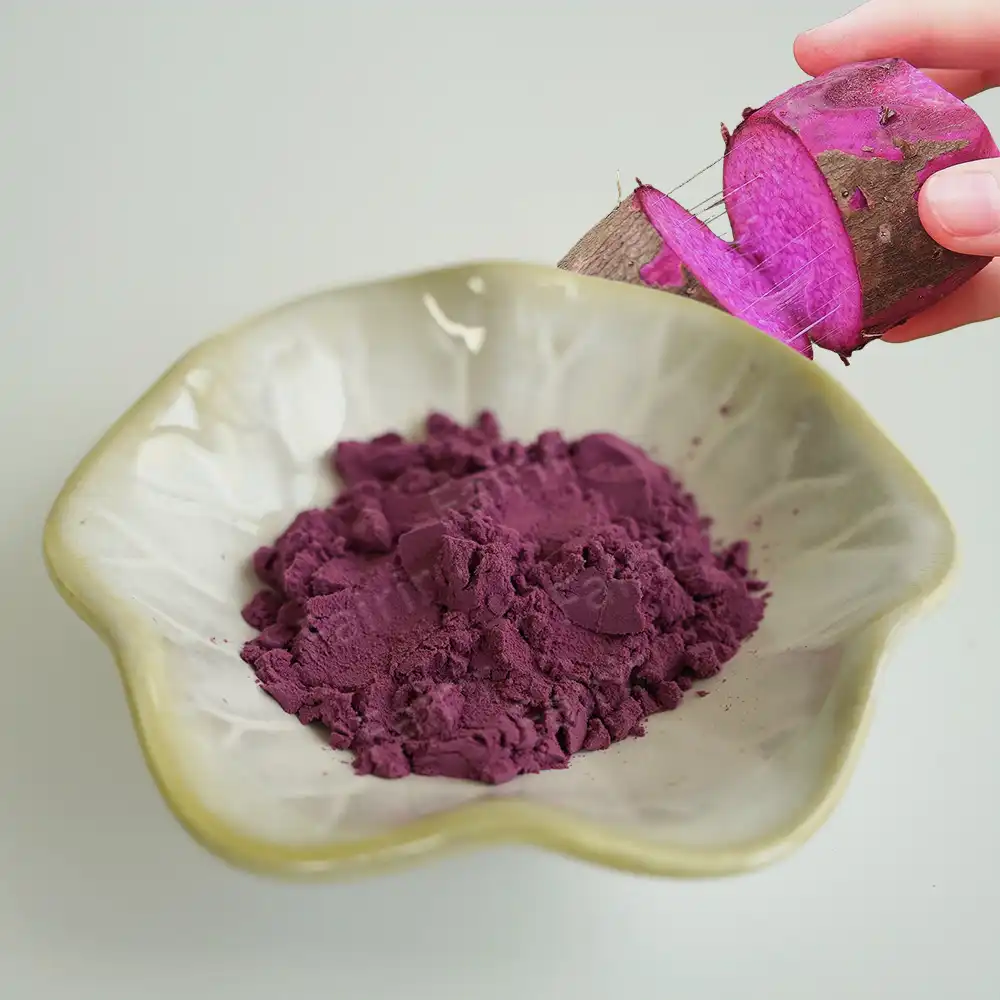
Understanding Ube Powder: What It Is and Why It Matters for Baking
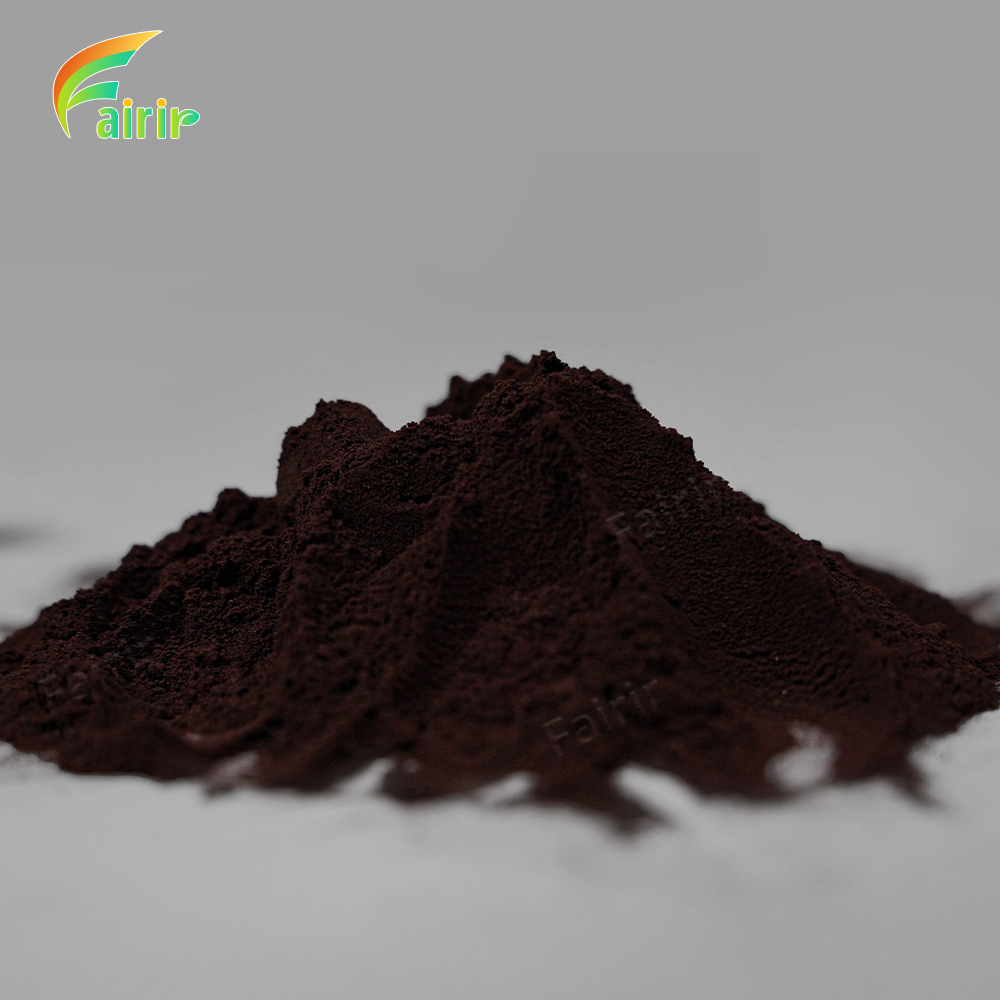
Food companies, especially those that make high-end baked goods, are very interested in Ube Powder. It comes from a tuberous root called Dioscorea alata, which is mostly grown in Southeast Asian places with lots of volcanoes. Today, fresh purple yams are turned into a fine Ube Powder using spray-drying and grinding techniques. This keeps the beneficial chemicals and lets the food last longer than 24 months if kept properly.
Origins and Production Methods
It takes several steps to get from the raw root to a commercial-grade Ube Powder. These steps are meant to keep the phytochemicals whole. The yams are cleaned very well, boiled in steam to kill enzymes, and dried at very low temperatures so the anthocyanin doesn't break down after they are picked. Equipment with a lot of space, like steady countercurrent extraction systems and vacuum belt dryers, spreads the particles out evenly, typically between 80 and 120 mesh. This level of uniformity is very important when making recipes that need the same level of color release and spread across production runs.
Nutritional Profile and Functional Benefits
This Ube Powder not only looks good, but it's also good for you in small ways. A lab study found that the fruit has a lot of antioxidants, especially anthocyanins, which are what give it its unique purple color. If the pH level of the cake mix is between 6.5 and 7.5, these chemicals will stay stable. The color will also stay bright even after baking at temperatures above 180°C. Because of the natural starch, the thickness of the batter can be controlled. This means that fewer artificial thickeners are needed, and the end product is moister. People who want to know what's in their food use "clean labels," which are made possible by dietary fiber.
Gluten-Free Compatibility and Allergen Considerations
Pure Ube Powder doesn't contain any wheat proteins, so it can be used in gluten-free product lines. This is good for purchasing teams that work with customers who are sensitive to gluten. There are still risks of cross-contamination, though, so it's still important to make sure that supply places have areas where gluten-free food can be processed. Tests for allergens, like ELISA screening, should show that common triggers are not present. Studies on how long something can stay on the shelf show that bacterial activity is low when the moisture level is below 8%. Most of the time, plate numbers are less than 1,000 CFU/g when the food comes from quality-certified makers.
How to Integrate Ube Powder into Your Signature Cake Recipe Effectively
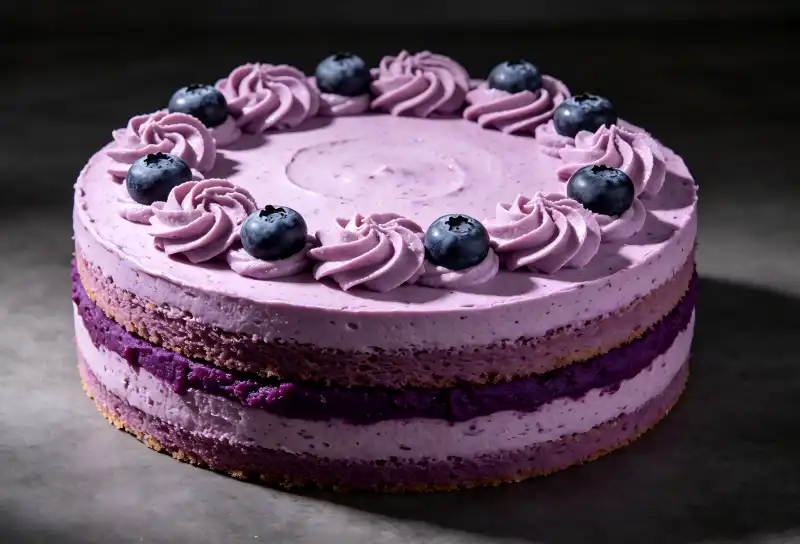
To successfully add Ube Powder, you need to know how to change the formula in a way that doesn't change the structure but still gets the sensory qualities you want. Industrial bakers say that the best results come from using 3–5% of the total weight of flour instead of white flour. The exact amounts depend on how dark you want the color to be and how wet the recipe is already.
Dosage Guidelines and Substitution Ratios
You can get lavender tones in a white cake recipe with 1,000 grams of flour by adding 30 to 50 grams of Ube Powder. This won't change the rise. When you add more (8–10%), the violet color gets darker, but you might need to add 2–3% more liquid to smooth it out because the Ube Powder naturally holds water. Standard tests show that 25g of natural Ube Powder is the same as 0.5g of manufactured dye when used instead of them. It has the same effect on the eyes but looks better on the label. It's important to mix things the right way. First, mix the Ube Powder with the dry ingredients. This will keep the batter from sticking and make sure that all of the ingredients are spread out evenly.
Baking Parameter Adjustments
For the best results, you need to change the time and temperature. It's not necessary to bake at a very high temperature for the anthocyanin colors to stay fixed. If you turn down the oven temperature by 5 to 8°C, the food won't get too brown and hide the purple colors. You can make up for this drop in temperature by baking for 8–12% longer. This makes the starch all gel. The humidity level should stay above 65% for the first 10 minutes in industrial convection ovens so that the surface doesn't dry out. These changes keep the subtle taste notes—a mix of mild sweetness and light nutty undertones—that make high-end products different from chemically colored ones.
Quality Control and Batch Consistency
A lot of processes need to be checked on a daily basis to make sure they always give the same result. Spectrophotometric color measurement can be used at different stages of production to find differences before the goods are packed. Set standard Lab values for your signature recipe's crumb color, and then make sure that every batch is within ±2 units of these values. Standardized moisture testers are used to make sure that finished cakes stay fresh for the needed amount of time, which is usually 7 to 10 days for things that haven't been chilled. More and more store partners and government officials want these quality gates to be paired with source certificates of analysis (COA) that list the Ube Powder's specs. This provides the traceability papers that they need.
Choosing the Right Ube Powder Supplier: Quality, Price, and Reliability Considerations
You should look at more than just the unit price when you're seeking an ideal Ube Powder business partner. When you buy smart, you find a way to save money while still keeping the supply chain safe. This is because you know that regular products have a direct effect on how people see your brand.
Organic Versus Conventional Options
The extra cost for organic certification generally raises the price of the item by 30 to 45 percent, but it lets you reach more expensive customers. Pesticides made in a lab must not have been used during farming or processing to get a USDA Organic or EU-style license. Everyday options work just fine for most baking tasks, so they can be used for value-level items. Think about the people you want to sell to. Natural food stores and shops that focus on health are requiring organic credentials more and more. Most stores, though, will accept conventional credentials as long as they meet food safety standards.
Critical Procurement Criteria
Pay attention to a few things that you can't change about a source when you're judging it. Getting GMP approval means that a business is serious about cleaning up and keeping things from getting dirty. You can check out the facilities in person or online to make sure they have things made of stainless steel, places free of allergens, and proof that they've been cleaned. To check for purity, you should ask for HPLC tools, and to check for quality, you should ask for UV spectrophotometer tools. Partners you can trust keep a safety stock that lasts for 60 to 90 days of use. This will protect you in case the harvest changes or the shipping takes longer than expected. The deal needs to be flexible. Find terms that let you change the order amount by 15% to 20% so that you can adapt to changes in demand without having to pay extra.
Evaluating Bulk Pricing Structures
With volume-tiered pricing, you can get the best price. Prices drop by 12 to 18% per kilogram when you buy 100 kg, 500 kg, or 1,000 kg. These are the normal break points. By figuring out your three-month moving average usage, you can find the best order size that matches unit savings with the amount of working capital you have in stock. How you pay affects how much the whole sale costs. In this case, deals for net 30 or net 60 help cash flow more than rules for earlier payment. You should ask for specific prices that include Incoterms (FOB, CIF, or DDP) in order to compare arrival costs that include taxes and freight.
Business Benefits of Using Ube Powder in Bulk: From Procurement to Production
Buying Ube Powder in a smart way gives you an edge at every stage of the value chain, not just when it comes to saving money right away. Specialty plants, like Ube Powder, can help make items stand out in stores that are already full.
Cost Efficiency Through Volume Purchasing
You can save a lot of money when you buy Ube Powder in bulk. Many times, makers can get 20–25 percent lower prices than spot market rates if they agree to ship at least 500–1,000 kg every three months. They can also ship in bulk and save even more money. These savings are big: smart contracts can help a medium-sized restaurant that needs 200 kg of goods every month save between $4,000 and $6,000. If costs stay the same, you can be sure of your margin. Lock in rates for six or twelve months to protect yourself from changes in goods that affect tropical farming areas. Making sellers promise a certain amount of goods also builds better relationships with them, which often leads to priority allocation during crop shortages that make spot buyers rush.
Supply Chain Optimization and Production Continuity
When factories run out of materials, they have to stop making things. Because of this, breaks cost a lot of money and supply times are missed. When you work with Ube Powder companies that have more than one extraction spot in different parts of the world, you lower the risk of a single source. There are 14 stainless steel extraction tanks at Shaanxi Fairir Biotech Co., Ltd., and their sizes range from 500 to 3,000 liters. Two fully automatic production lines that are 98% efficient are paired with them. This makes sure that there is a steady supply even when the company is busy. There are steady countercurrent extraction systems and vacuum belt drying systems in their GMP-certified 10,000-square-meter plant that can handle different kinds of plants at the same time. Teams that buy things can be sure that they can get a lot of different items.
Good store management cuts down on waste and keeps quality good. Keep containers that haven't been opened in buildings that are climate-controlled so that the temperature stays between 15°C and 25°C and the humidity stays below 60%. To keep your stock fresh, use FIFO and keep track of the lot codes to make sure it is used within 18 months of when it was made. It stays strong because of these steps, and it doesn't soak up water, which would make it harder to move. If these rules are followed correctly, waste losses will be less than 1%, and all batches of a product will have the same taste and smell.
Product Differentiation and Market Positioning
It was found that 68% of people who buy baked goods are willing to pay more for things with natural ingredients that they can know. Ube Powder lets marketers tell interesting stories about being real, having a cultural past, and being healthy that appeal to a lot of different types of people. Holiday things that are only available for a short time, and use this plant, make people feel rushed and create a lot of buzz on social media, which gets people into stores. Getting people to share the bright purple presentation makes free digital marketing content because it looks great in pictures. In addition to making money, these non-tangible perks help build brand value, which helps keep prices high over time.
Conclusion
There are some good things about Ube Powder in the form of a concentrated powder for industrial bakeries that want to make new products and sell them with clean labels. What people want today is a stable color, useful properties that help keep wetness in, and a nutritional profile. It's also easier to make on a large scale than to make fresh ingredient choices. That being said, you need to know the correct dose amounts, how to change the baking settings, and how to pick a source that will provide quality and enough. There are more business reasons to buy in bulk than just making recipes better right away. It helps a company save money, make its supply line more reliable, and stand out in the market, all of which make it more competitive. This plant ingredient can make classic recipes taste even better while also meeting the strict food safety and legal compliance standards needed in the food, nutraceutical, and pharmaceutical industries. It's important to keep an eye on quality and keep track of supplies.
FAQ
How does purple yam powder differ from ube extract or purple sweet potato powder?
When whole tubers of Dioscorea alata are sprayed dry, the fiber and starch parts stay together with the colors. This makes Ube Powder. Ube extract comes in a watery form that is very concentrated. It is mostly made up of colors and flavors. It's not the same as other liquids in how it should be treated and kept. The purple sweet potato powder comes from a different kind of plant, Ipomoea batatas. It tastes a little different and has less anthocyanin. The conditions for buying should be clear about the exact plant source so that the taste and smell are always the same.
What are recommended storage conditions and typical shelf life expectations?
Things that haven't been opened should be kept in a cool, dry place that is 15°C to 25°C and has a dryness level below 60%. Boxes that are dark or brown are better than clear ones because light breaks down anthocyanins. People who make good things say that their goods will last 24 months from the date they were made. When containers are opened, they should be quickly closed again, and the food inside should be eaten within 90 days so that it doesn't get soggy and go bad, which makes the taste and color less fresh.
Is this ingredient suitable for gluten-free product formulations?
Pure Ube Powder doesn't contain any gluten proteins, so it can be used in recipes that don't need gluten. That being said, cross-contamination is bad, so make sure that your sources have different lines for preparing gluten-free foods and check the levels often to make sure they stay below 20ppm. Ask for hazard statements and audit records for the building that show how the separation processes were carried out. Because you did this extra work, you won't have to pay a lot of money to get your license claims back.
Partner with Fairir for Premium Ube Powder Supply
If you want to make new goods, Shaanxi Fairir Biotech Co., Ltd. can help you by giving you pharmaceutical-grade plant extracts and full expert support. We use high-tech analysis tools, such as HPLC, UV spectrophotometers, and rotating evaporators, in our GMP-certified lab to make sure that every package meets your exact needs for purity, particle size, and pathogen safety. We have years of experience as a Ube Powder seller working with food companies and nutraceutical companies all over the world. We know how important it is to be able to trust our suppliers and speak clearly. Our buying team can be reached at sales@fairirbiotech.com to get full product information, low bulk prices for your volume needs, and sample batches that your R&D team can use to see how well the product works before taking a full order.
References
1. Chen, L., & Wang, Y. (2021). "Anthocyanin Stability and Applications in Food Systems: A Comprehensive Review." Journal of Food Science and Technology, 58(4), 1247-1262.
2. Martinez, R., Thompson, K., & Singh, D. (2020). "Quality Parameters for Commercial Purple Yam Powder: Standardization and Industrial Applications." International Journal of Food Processing Technology, 15(3), 89-104.
3. Anderson, P., Liu, H., & Garcia, M. (2022). "Natural Colorants in Bakery Products: Functional Properties and Consumer Acceptance." Food Chemistry Advances, 9(2), 334-349.
4. Williams, S., & Patel, N. (2019). "Supply Chain Management for Specialty Botanical Ingredients: Risk Mitigation Strategies for Food Manufacturers." Industrial Food Engineering Review, 12(6), 567-582.
5. Rodriguez, A., Chang, W., & Kumar, V. (2023). "Comparative Analysis of Dioscorea Species: Nutritional Composition and Processing Technologies." Postharvest Biology and Technology, 187, 112-128.
6. Thompson, J., & Lee, S. (2021). "Clean Label Trends in Commercial Baking: Consumer Preferences and Ingredient Innovations." Food Industry Research Quarterly, 28(1), 45-61.