_1751965378790.webp)

How to Use Centella Asiatica Extract Powder in Water-Soluble Cosmetic Formulas?
Centella Asiatica Extract Powder should only be used in products that dissolve in water. To get the most skin benefits, you should pay attention to how the ingredients break down, the pH, and how they are mixed. This bioactive plant extract makes sure that triterpenoids like Asiaticoside and Madecassoside stay stable and easy to get when mixed with water at temperatures controlled between 40°C and 60°C. As an expert in formulating, I've seen how standardized extracts work in serums, toners, and light creams to smooth out the skin and fix the barrier. The cosmetics business needs natural actives that work well and are easy to see right away. To get the best results, you need to find the right mix between particle dispersion, protecting the sensitive glycosides during the product's shelf life by keeping the pH level between 4.5 and 6.5, and particle dispersion.
Understanding Centella Asiatica Extract Powder and Its Benefits in Cosmetics
Learn about Centella Asiatica Extract Powder and how it can help beauty products. Centella Asiatica, which is also called Gotu Kola or Tiger Grass, is very valuable in the beauty business because it heals and calms the skin so well. The leaves of an annual plant are used to make this extract powder. It has a lot of beneficial triterpenoids, which help with many skin issues at once.
Origin and Botanical Profile
The best places for Centella Asiatica to grow are warm swamps in Asia, Africa, and Oceania. Traditional medicine has used this plant to heal cuts for a very long time. With the way it is extracted today, this simple plant has been turned into a strong beauty ingredient that is known to always work well. The plant has four main chemicals that are known as triterpenoids. The names of these acids are Asiaticoside, Madecassoside, Asiatic Acid, and Madecassic Acid. They work together to help the body make more collagen, heal cuts faster, and keep inflammation responses in check. Unlike raw plant material, extract powder that has been properly processed always has the same amount of potency. This lets formulators make goods that work well.
Types and Standardization Levels
There are a lot of different amounts of triterpenes in extract powders. Most of the time, they have between 10% and 95% total active chemicals. The Titrated Extract of Centella Asiatica (TECA) is a pharmaceutical-grade standardization that makes sure all four key triterpenoids are balanced and present in the right amounts so that the medicine works again and again. Chemicals like Asiaticoside and Madecassoside may be chosen for cosmetic use. Asiaticoside targets collagen and makes it work better, and Madecassoside works better against inflammation. Brands that care about the environment need to know the differences between organic and standard sources because approved organic ingredients sell for more in clean beauty markets. What your product says it can do, what your customers want, and the rules that apply in each area will help you choose the right standardization.
Core Cosmetic Benefits
This plant wonder is good for your skin in many ways that meet the needs of current customers. It stops water from escaping through the skin's surface and makes it stronger so it can handle pressure from the outside. More types I and III collagen are made, which slows down the aging process. This lessens fine lines and makes the skin more flexible. It fights free radicals, which are harmful to skin and make it age faster. Because it speeds up wound repair, it can help people who have had surgery and people whose skin breaks out a lot. Since these things are true, cosmetic-grade, highly pure Centella ingredients are now needed in high-end skincare products that want to heal skin barriers and make it less sensitive.
Formulation Principles for Using Centella Asiatica Extract Powder in Water-Soluble Cosmetics
When you add plant-based ingredients to water-based makeup, you get some unique technical issues that need to be dealt with in a planned way. Before you can add the Centella Asiatica Extract Powder, you need to know what its chemical and physical traits are and how it interacts with other parts of the formula.
Solubility and Dispersion Strategies
Carefully adding water to water-soluble makeup bases is important to make sure that the active ingredients don't stick and are spread out evenly. The size of the particles in your extract powder makes a big difference in how quickly it melts. Less dense particles (80–100 mesh) break down faster, but they might get cloudy for a short time. As a first step, I think you should slowly sift the powder into room-temperature water while shaking it constantly at a moderate speed. It takes about 30 to 45 minutes for the powder to soak up water, which lets the particles grow and release all of their good ingredients. Small amounts of glycerin or propylene glycol are added by some formulators to make the substance more soluble. There is no change in how well the product dissolves in water because these help it spread out.
pH Optimization and Stability Considerations
It is very important to keep the pH level of triterpene glycosides at the right level so that they stay stable over the course of their shelf life. There is a lot of evidence that Asiaticoside and Madecassoside work best in slightly acidic pH ranges (4.5 to 6.5) and are most stable between 4.0 and 7.0. To soften the water phase, formulators should use the right methods, such as mixes of citric acid and sodium citrate or lactic acid and sodium lactate. A lot of pH checks are done during production, and stability tests show any changes that might harm the active structure. Heat-sensitive chemicals don't break down when the temperature is controlled during production. To protect the qualities of the Centella Asiatica Extract Powder, processing temperatures should be kept below 65°C as much as possible.
Preservative Compatibility
It is important to pick the right preservatives so that microbes are safe without changing the plant's active ingredients. When phenoxyethanol is mixed with organic acids or chelating agents in a broad-spectrum way, Centella products generally work really well. Stay away from buffers that work best at very low or very high pH levels. Triterpenes need a narrow pH range to stay stable, and these don't work well with it. When you're making a new product, challenge testing makes sure that your protection system still works, even if it mixes with polyphenolic chemicals in the extract.
Product Application Examples
For best results, add Centella to face serums in amounts ranging from 2% to 5%. This helps fix the skin's barrier in a concentrated way while keeping the texture light. Some toners that moisturize have extract in them that ranges from 1% to 3%. This extract calms the skin and gets it ready for the next treatment. Gel forms show off the clear look and cool feeling of the extract, which makes them great for healing skin that is sensitive or has been in the sun. Hyaluronic acid and the extract are mixed together in light creams because they work well together as lubricants. This makes water that is good for sensitive skin and healthy. These examples show that Centella formulas that dissolve in water can be used in a lot of different goods.
Selecting the Right Centella Asiatica Extract Powder for Your Cosmetic Formulas
What people buy directly affects how well a product works, how well it follows the rules, and how it stands in the market. Because you know what makes a review good, you can pick Centella Asiatica Extract Powder that is in line with your brand's standards and what your buyers want.
Purity and Standardization Metrics
HPLC can be used to make sure that high-quality extracts give the right amounts of Asiaticoside and total triterpenes. Pharmaceutical-grade products generally say they are at least 95% pure and have full impurity profiles. On the other hand, cosmetic grades can be anywhere from 40% to 80% pure, depending on what the purpose calls for. Standards make sure that every batch is the same, so there are no changes in how well they work when raw plant materials are used. Before you agree to big sales, make sure you get Certificates of Analysis that show how much triterpenes, heavy metals, chemical residues, and pathogen-free the food is.
Certifications and Quality Credentials
A beauty brand that wants to reach people who care about clean goods and gardening without chemicals is interested in getting organic approval. GMP approval shows that strict quality controls are used during production. This lowers the risk of pollution and makes it easier to keep track of. Proof from a third party, like a well-known group, gives seller claims more weight. Goods that have green credentials, such as Rainforest Alliance or Fairtrade approval, stand out in markets that are becoming more eco-friendly. Make sure the company you choose for Centella Asiatica Extract Powder is ready for an audit and has clear papers when you look for one. In a business setting, this shows that they take things seriously and want to keep people for a long time.
Supplier Reliability Assessment
The image of the producer has a direct effect on the quality of the product and the safety of the supply chain. Makers who have been around for a long time and have done extraction for a lot of years show that they are highly skilled and know how to control quality. There are signs that show what the business can do, like the size of the extraction tank, the level of sophistication of the drying equipment, and the quality of the analysis tools. The products from larger facilities with constant countercurrent extraction systems, vacuum belt drying equipment, and HPLC quality control are more stable than those from smaller businesses. Along with providing basic materials, it's helpful to get quick expert support and personalized formulation help. This is especially true when coming up with new uses or fixing problems that have been going on for a while.
Powder Versus Liquid Extract Considerations
When making a lot of something, powder types are cheaper because they can focus better, last longer, and ship for less money. Liquid extracts help right away with stability, but they need to be kept in the fridge because they always have preservatives in them. You can make different kinds of goods without adding extra liquids when the drug is in powder form because you can precisely govern the dose. Powders are more stable when transported than liquids because they can handle changes in temperature better. When looking at different file options, the total cost study should think about how to get the product back up and running and how it will be handled.
Sourcing and Procurement Best Practices for Centella Asiatica Extract Powder
The best way to use quality, cost, and supply security is to buy Centella Asiatica Extract Powder strategically. If you use structured review methods, you can keep your supply from being cut off and avoid getting low-quality goods.
Supplier Evaluation Framework
The first steps in a detailed screening process are to look at certificates, audit records, and customer references that show consistent quality delivery. Get examples of the work along with COAs that show they meet your needs before you sign any contracts. When you use your own analysis tools for batch-specific tests, you can check provider data and find problems early on. If the seller is ready for an audit, it means they have good quality management, which gives you confidence that they will be able to pass government checks. With GMP-certified plants that cover 10,000 square meters, multiple extraction lines, and high-tech analysis tools, these facilities have what they need for steady, large-scale production. When production efficiency is close to 98%, the business is doing well. This means that orders are always on time and the quality of the goods stays the same.
Contract Negotiation and Bulk Ordering
You can get better deals and make more money when you buy a lot of something. The quality of the product doesn't suffer. Talk about how to set minimum order amounts that balance the costs of keeping goods on hand with the benefits of charging more for each item. With set shipping times and long-term contracts, you can keep your supply lines stable and get better rates. Brands can stand out with the help of private labels and custom formulation services. This is especially helpful when making one-of-a-kind mixes or specialty standardizations. It's easier to do business and protects everyone when contracts are written in clear language that includes quality standards, testing methods, acceptance criteria, and ways to settle disputes.
Inventory Management and Storage
Whatever way you store an extract, it will keep working as long as you can. Peppermint seeds will stay safe for 24 months if they are kept in sealed containers at room temperature and away from water and direct sunlight. Controlling the humidity stops clumps and the growth of bacteria, which keeps the material from sticking together. This keeps it fluid, which is important for mixing and measuring correctly. Rotation makes sure that old stock is used up before new stock comes in. This keeps waste from going bad. Climate-controlled buildings have systems that keep an eye on temperature and humidity. These systems protect investments and make sure that the quality of raw materials for production runs doesn't change.
Essential Documentation Requirements
Certificates of Analysis tell you about the active chemicals, uniformity, and safety standards for each batch. This is done to make sure the product is safe and meets all legal requirements. It is very important to keep everyone safe at work, and Material Safety Data Sheets tell you how to handle, store, and deal with an emergency. Some of the papers that make it easier to ship abroad are phytosanitary certificates, customs reports, and country-of-origin statements. Making sure that records are in order speeds up the process of sending new goods to officials for approval and helps with checks on traceability. This is very important when selling in places like the US and EU where rules are very strict.
Optimizing Product Performance and Market Positioning with Centella Asiatica Extract Powder
Having a good plan isn't enough to make your product stand out and make more money. You also need to know how to use the right Centella Asiatica Extract Powder and sell it in the right way.
Synergistic Ingredient Combinations
Putting Centella together with other active ingredients that work well with it makes the results better than the sum of their separate effects. Hyaluronic acid helps skin hold on to water better, and Centella fixes the barrier function. This gives dry skin more ways to stay wet. People who are worried about their face after acne may like niacinamide and Centella because they work together to treat both redness and hyperpigmentation. It works well with vitamin C and E, which are antioxidants, to fight free radicals and keep you from getting older. Peptide combinations help triterpenes' collagen-stimulating effects, which speeds up changes in how stiff and flexible the skin is. These planned matches prove that the product does what it says it does and also let sellers charge more in markets where prices are competitive.
Advanced Delivery Technologies
Triterpenes can get through the stratum corneum more easily when they are encapsulated in liposomes. This makes it easier for the body to absorb them and use them as medicine. Nanoparticle preparations keep delicate substances from breaking down and make the surface area bigger so that they can be absorbed faster. The controlled release of microencapsulation technology makes the product stay on the skin longer, which makes it work better. For brands that sell their products as new, cutting-edge ideas backed by scientific progress, these are great new ways to send goods.
Brand Positioning and Marketing Strategies
In a market full of false promises about being green, chemical approvals are a strong sign of trust. It's easy to tell trustworthy brands from less trustworthy ones by focusing on GMP production, organic buying, and testing by a third party. People in North America and Europe care a lot about the ethics of the supply chain, so environmental certifications are very important to them. Picky people will trust your business more if you are honest about science proof and standards levels. If you write informative articles about the science behind skin barrier repair, people will trust your brand as a source of information rather than just another store that sells things.
Emerging Market Trends
Using supercritical CO2 and enzymes in new extraction methods makes extracts that are cleaner and better for the environment, which is in line with clean beauty rules. People want simple recipes with clear sources and ingredients that can be found because of clean label laws. It's possible that Centella could be sold as a prebiotic skin conditioner that helps keep microbiomes healthy as more people learn about them. You can stay ahead of these trends and protect your product line from changing market conditions by always coming up with new ideas and being careful about which ingredients to use.
Conclusion
Adding this strong Centella Asiatica Extract Powder to products that dissolve in water requires a balance between following the rules for the recipe and making smart decisions about where to get the plant. If formulators learn about pH adjustment, solubility problems, and stabilizer compatibility, they can make stable, effective products that meet customer needs. If you only buy regulated, high-purity extracts from trusted companies, you can be sure that the quality will stay the same and that you are following all the rules. Supply chain integrity is kept safe by carefully checking out sources, keeping track of supplies well, and doing lots of paperwork. Smart mixtures of ingredients, cutting-edge ways of transporting goods, and real claims of sustainability help products stand out in busy markets. If you learn these best practices for formulating and buying, your brand will be ready for long-term growth in the natural goods market, which is still growing thanks to clean beauty trends and barrier repair science.
FAQ
1. Is Centella Asiatica Extract Powder Safe for Pregnancy-Safe Cosmetics?
Even if you are pregnant, you can use Centella Asiatica Extract Powder as makeup on your skin without any problems. Researchers have found that putting it on the skin doesn't cause any big problems. Herbs that are eaten, on the other hand, should be used with more care while pregnant because of this. When applied to the skin, the body doesn't take in much of it, so there aren't many concerns about fetal exposure. There are no rules in the US or Europe about how pregnant women can use it as makeup. If product designers want to reach this group of people, they should make sure that things are clearly labeled with the right information and that the amount of use stays between 1% and 3%.
2. What Concentration Ranges Are Recommended for Water-Soluble Formulas?
What works as a concentration depends on the product and the benefits that are sought. Most serums and treatment products have extracts that are between 2% and 5%. These extracts help broken skin barriers heal more quickly. That's a good range for daily cooling effects with toners and essences: 1% to 3%. This doesn't make light textures too heavy. There is a good balance between price and efficiency in gels and creams that smooth and firm the skin and cost 1.5% to 4%. Most of the time, amounts around 0.5% are used in clinical studies to back up claims that they can fix skin barriers and reduce inflammation. However, makeup often uses stronger amounts to make sure that users can see results.
3. How Can I Verify Purity and Asiaticoside Content?
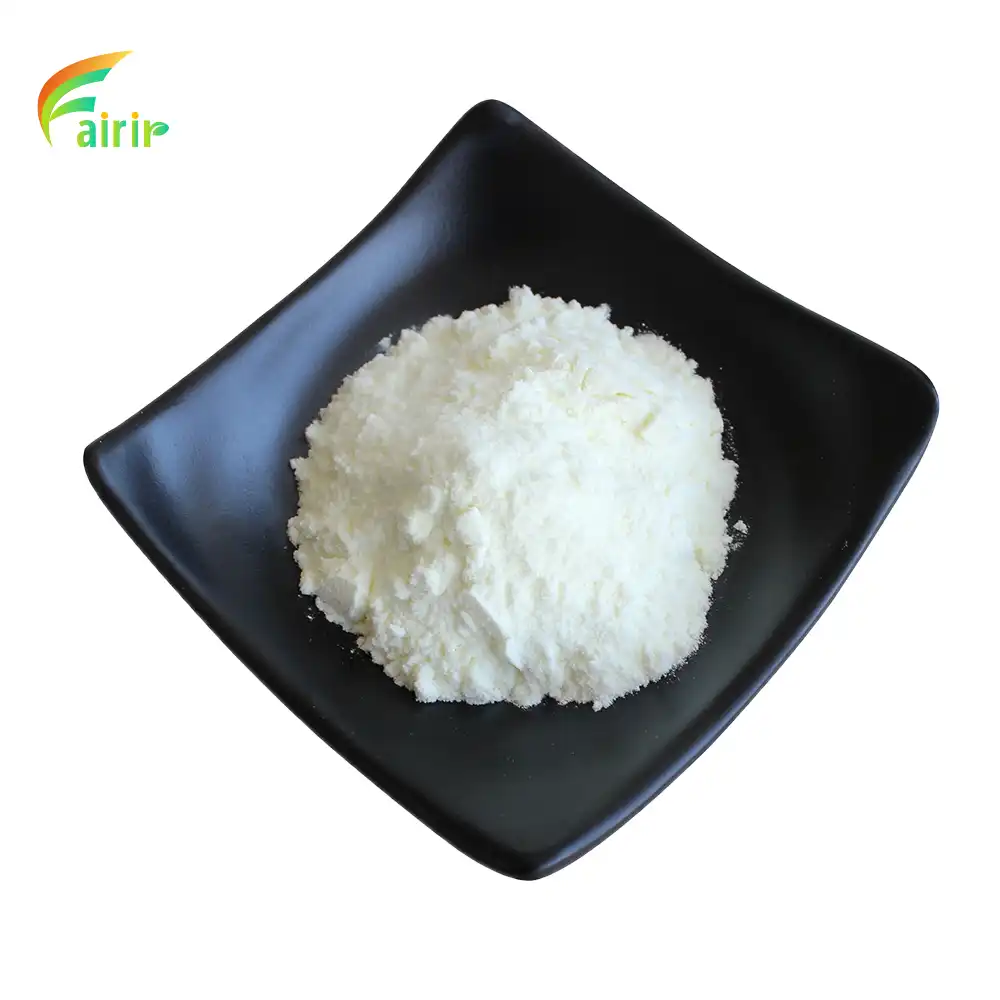
An independent lab can use an HPLC study to show for sure the amount and purity of terpenes. Full COAs that show the amount of Asiaticoside, the total amount of triterpenes, and any impurities like heavy metals and chemical residues should be asked for from sources. Any bias is taken away when testing is done by a third party in a well-known lab. This backs up what the dealer says. Visual inspection can tell you a lot about a product's quality. Pure extracts have a consistent color that runs from light yellow to off-white, a smooth, fluid texture, and a mild plant smell. Suppliers with a good name will be happy to show you their scientific paperwork that proves they meet USP or EP standards.
Partner with Fairir for Premium Centella Asiatica Extract Powder
You can hire Shaanxi Fairir Biotech Co., Ltd. to make all of your Centella Asiatica Extract Powder needs. Their quality is always the same because they follow strict GMP guidelines and use cutting-edge testing equipment. There are 14 stainless steel tanks for extraction in our 10,000-square-meter building. The sizes of these tanks range from 500 to 3,000 liters. Continuous countercurrent extraction tools and vacuum belt drying systems support these tanks and keep the biological purity of the materials. With HPLC, UV spectrophotometry, and rotating evaporation quality control, we make sure that the standards are met and that the performance of each batch is stable. Our two fully production lines can make things 98% of the time. If you need private labeling, custom formulas, or bulk plant extract for sale, our experienced team can help you quickly and in a way that fits your specific cosmetic development needs. Send us an email at sales@fairirbiotech.com to talk about how our high-purity Centella extracts can help your product line. We'll make sure you follow all the rules and offer fair prices so that we can build a strong relationship that lasts.
References
1. Bylka, W., Znajdek-Awiżeń, P., Studzińska-Sroka, E., & Brzezińska, M. (2013). Centella asiatica in cosmetology. Advances in Dermatology and Allergology, 30(1), 46-49.
2. Hashim, P., Sidek, H., Helan, M. H. M., Sabery, A., Palanisamy, U. D., & Ilham, M. (2011). Triterpene composition and bioactivities of Centella asiatica. Molecules, 16(2), 1310-1322.
3. Maquart, F. X., Bellon, G., Gillery, P., Wegrowski, Y., & Borel, J. P. (1990). Stimulation of collagen synthesis in fibroblast cultures by a triterpene extracted from Centella asiatica. Connective Tissue Research, 24(2), 107-120.
4. Sinha, P., Srivastava, S., Mishra, N., & Yadav, N. P. (2014). New perspectives on antiacne plant drugs: contribution to modern therapeutics. BioMed Research International, 2014, Article ID 301304.
5. Brinkhaus, B., Lindner, M., Schuppan, D., & Hahn, E. G. (2000). Chemical, pharmacological and clinical profile of the East Asian medical plant Centella asiatica. Phytomedicine, 7(5), 427-448.
6. Gohil, K. J., Patel, J. A., & Gajjar, A. K. (2010). Pharmacological review on Centella asiatica: a potential herbal cure-all. Indian Journal of Pharmaceutical Sciences, 72(5), 546-556.