_1751965378790.webp)

What Makes an Astaxanthin Supplier a Trusted Industry Partner?
To find a reliable Astaxanthin Supplier, you need to carefully consider more than just the quality of the product. Astaxanthin Suppliers who consistently deliver high-purity extracts, follow strict regulatory guidelines, offer clear batch traceability, and offer quick technical support become more than just a vendor; they become a strategic partner who can help you come up with new products and grow your business over time.
Understanding the Essentials of an Astaxanthin Supplier
The special title of "King of Carotenoids" for astaxanthin creates a lot of demand in the food, cosmetics, and pharmaceutical businesses. A supplier's main job isn't just to find this powerful antioxidant; they also have to figure out how to tell the difference between natural and fake versions while upholding strict quality standards all along the supply chain.
Natural Versus Synthetic Astaxanthin: Why Source Matters
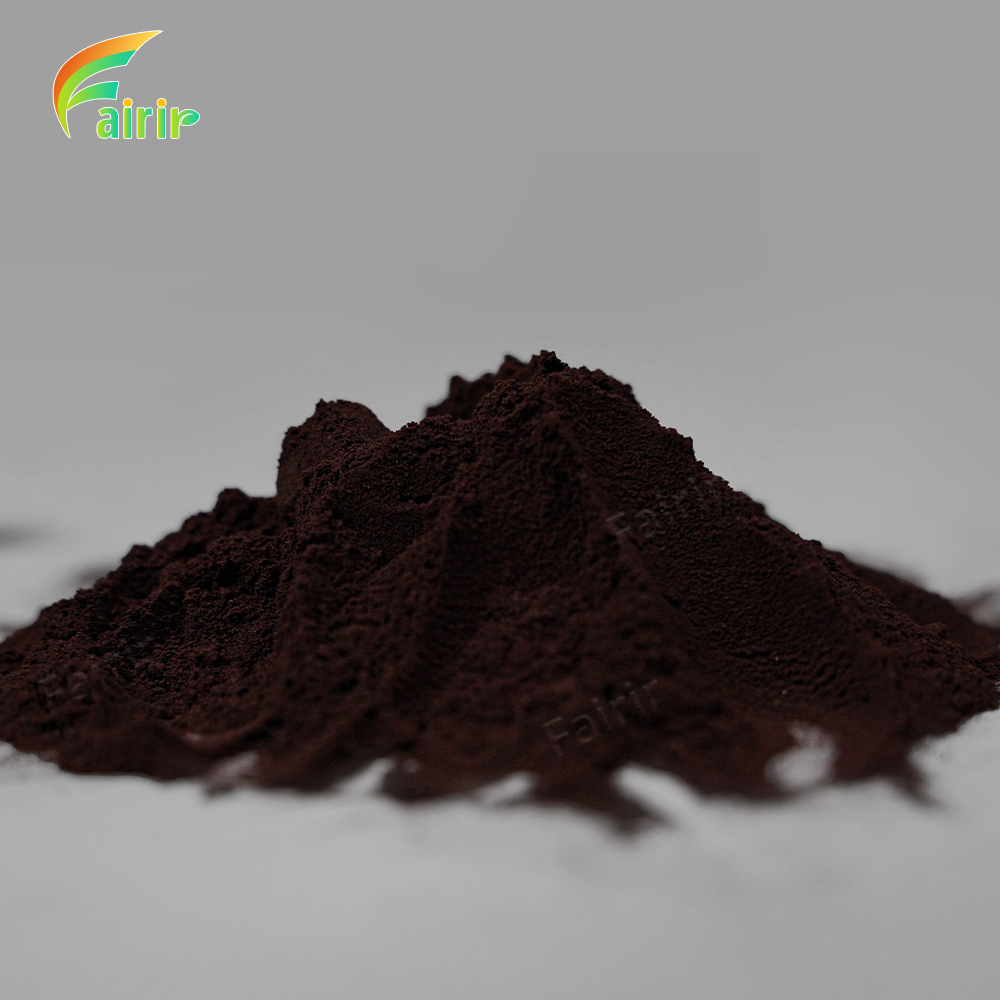
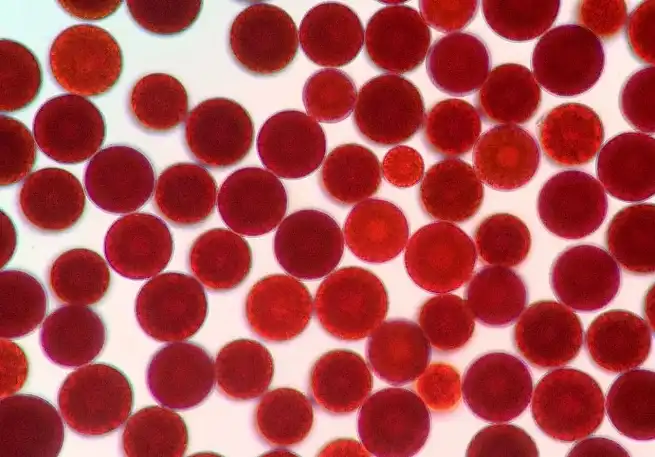
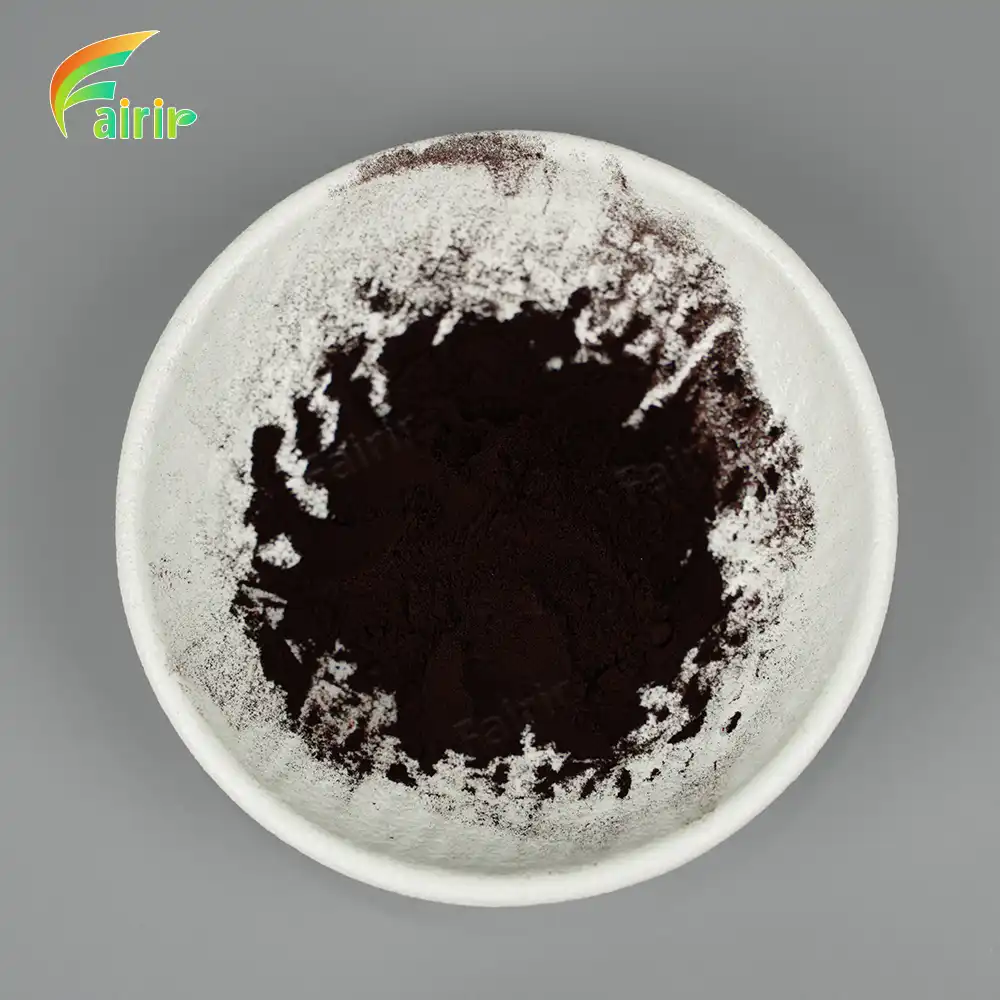
The majority of natural astaxanthin powder comes from the microalgae Haematococcus pluvialis, which is extracted using advanced supercritical CO2 technology and then microencapsulated. This natural form has more than 95% esterified astaxanthin, which means that fatty acids are linked to the molecule, making it more bioavailable. Astaxanthin made in a lab from industrial processes, on the other hand, is not esterified and does not have the same biological activity profile. Sockeye fish that is found in the wild has about 26 to 38 mg/kg of flesh, but to get concentrations that are good for business, you need to know how to grow algae, which is something that only established sources know how to do.
Essential Certifications That Signal Compliance and Safety
Certifications make sure that a product is honest. Manufacturing facilities that are GMP-certified show that they follow standard production procedures, and ISO certification proves that quality management systems work. HACCP approval makes sure that all risks are fully evaluated at key control points during production. These certifications aren't just pretty badges; they mean that processes have been checked, batch records have been kept, and systems for continuous growth have been put in place, which is what drug and supplement businesses want.
Quality Control Processes That Preserve Product Integrity
Tough quality control starts with getting the raw materials and continues through all stages of production. High-Performance Liquid Chromatography checks the amount of astaxanthin in powders, with concentrations usually falling between 2% and 10%. UV spectrophotometry proves that the chromophore is stable, and rotating evaporators concentrate the extracts without breaking down chemicals that are sensitive to heat. Suppliers who have these analytical tools can give you a proof of analysis for each batch that shows the particle size distribution (usually 100% passing 40 mesh), that the amount of loss during drying is less than 5%, and that cis-isomer formation stays low.
How to Choose the Right Astaxanthin Supplier for Your Business
To find an Astaxanthin Supplier provider that meets your operational needs and quality standards, you need to carefully consider both their technical skills and their ability to work with your budget. The right relationship lowers the risks of buying and lets products stand out in markets that are already very competitive.
Evaluating Product Purity, Traceability, and Source Transparency
Product clarity has a direct effect on how well a product works and how likely it is to be approved by regulators. Asking for batch-specific HPLC reports shows the real amount of astaxanthin present compared to what the label says. Traceability systems should keep track of the whole process, from growing algae or gathering them in the wild to extracting them, encapsulating them, and finally packing them. Transparent sourcing means that sellers are happy to talk about how they grow plants, how they extract minerals, and what kinds of carrier materials are used in powder mixes. Cold water soluble grades use modified starch or cyclodextrin packaging to get around astaxanthin's natural lipophilicity. This lets it mix with liquids without oil separating.
Commercial Considerations: MOQ, Pricing Models, and Contract Flexibility
Different providers have very different minimum order amounts. Some need commitments of several tons, while others can handle smaller study batches. The prices are based on the amount of concentration, the encapsulation technology, and the cost of approval. Price levels based on volume encourage long-term agreements, but buyers are protected by adjustable contract terms during the formulation development stages. When suppliers offer sample amounts at reasonable prices, it shows that they are confident in the quality of their products and know what you need for the evaluation process.
Delivery Reliability and Communication Standards
How well your deliveries go affects your whole work plan. Suppliers with a lot of extraction capacity and many production lines keep extra goods on hand so that they don't run out. Lead times are usually between two and six weeks, but can be longer or shorter based on what needs to be changed. Communication efficiency is what sets good suppliers apart from great partners. Quick responses to technical questions, proactive reports on shipment progress, and a desire to fix formulation problems are all signs of operations that put the customer first.
Top Factors That Make an Astaxanthin Supplier a Trusted Industry Partner
Building trust in business-to-business relationships takes time and steady success in many areas. The following things set providers who see customer success as linked to their own business goals apart.
Consistent Quality with Transparent Batch Testing
Consistency from batch to batch keeps end-product performance high and avoids problems caused by reformulation. Statistical process controls used by reliable providers keep the amount of astaxanthin in the product within narrow ranges. When you do transparent batch testing, you give all of your analytical data away for free. This includes data on microbe testing, heavy metal screening, pesticide residue analysis, and stable data. This paperwork helps your regulatory applications and shortens the time it takes for new goods to reach the market.
Efficient Procurement Workflows and Documentation
Certificates of origin, phytosanitary certificates, and customs statements are just a few of the complicated forms that need to be filled out for international deals. Suppliers who have worked with exports before can provide correct papers that keep customs from holding up the process. Electronic data exchange systems make it easier to send buy orders, bills, and notices of shipping. Changes in the market can be reflected in flexible contract terms that don't include punishing measures. This is because both parties benefit from working together to make changes when demand changes.
Proactive Customer Support and After-Sales Service
Technical help goes beyond just fulfilling orders. Suppliers who care about their ties with customers can help you with formulation, give you advice on stability testing, and give you legal advice that is specific to your target markets. As part of after-sales service, any quality issues must be looked into, new materials must be sent when standards aren't met, and corrective actions must be recorded. When you take the initiative, you can turn business relationships into strategic partnerships where both parties are invested in the success of the other.
Comparing Leading Astaxanthin Suppliers: What Sets the Best Apart?
The current group of Astaxanthin Suppliers has a wide range of skills, with differences in how they source materials, how advanced their technology is, and how they make money. By knowing these differences, you can choose a partner that fits your strategy objectives.
Leading sellers usually divide into two groups: those that use natural algae-based products and those that use manufactured ones. Natural astaxanthin is more expensive than synthetic versions because it is harder to grow and has better bioactivity. The 2% concentration powder costs a lot more than synthetic versions. When suppliers put money into closed-system photobioreactors, the levels of purity are better than with open-pond farming, which has the risk of contamination. Small-scale makers may only be able to handle a few kilograms per month, while large manufacturers may have several fully automatic production lines that handle tons of product every week, with extraction rates close to 98%.
Leaders in an industry are set apart from followers by how thorough their certifications are. Top providers keep more than just basic GMP compliance. They also keep organic certifications, non-GMO verification, and allergen-free paperwork. Blockchain technology is used in traceability systems to make them more open than ever before, letting users check every step of the production process online. The size of an operation affects the minimum order quantity. Larger sellers are flexible down to 25-kilogram batches, while smaller operations need 100-kilogram minimums.
Metrics for delivery success show how reliable operations are. The best suppliers have on-time supply rates of more than 95%, which is made possible by safety stock practices and a variety of logistics partners. When suppliers keep standard specs in stock, lead times shorten. On the other hand, custom formulations take longer to build. Pricing structures include savings for buying in bulk, perks for signing a long-term contract, and payment terms that go up to net-60 for repeat customers, which makes it easier to manage working capital.
Maximizing Value: Procurement Best Practices When Working with Astaxanthin Suppliers
To get the best results from procurement, you need to carefully plan tactics that combine quality assurance, cost management, and risk reduction. Using these methods will improve your ties with suppliers and protect your business.
Rigorous Sample Testing Before Bulk Commitments
When you commit to large sales without first testing a sample thoroughly, your business is open to specification mismatches and formulation failures. Instead of specially made display materials, ask for samples that are from real production runs. To confirm shelf-life claims, test the product's internal safety in the way it will be stored. If you're making drinks, look at the dispersibility characteristics. For tablet uses, look at the compression characteristics. An independent lab test shows if the certificates given by the seller are correct and shows if there are any differences in the amount of astaxanthin, particle size, or contaminants.
Payment Terms, Shipping Strategies, and Negotiation Approaches
Terms of payment have a big effect on managing cash flow with Astaxanthin Supplier suppliers. To move from letter of credit to open account terms, you need to build trust through smaller purchases at first. Cost and delivery speed should be balanced in shipping plans. Sea freight has low rates for large quantities, but wait times are longer by several weeks. Air freight, on the other hand, speeds up delivery at higher costs and is better for immediate needs or high-value small batches. To negotiate successfully, you need to know how your supplier's costs work. Better prices are justified by bigger promises, but asking for deals that can't be kept hurts long-term relationships.
Building Long-Term Partnerships Through Transparent Communication
Transparency and matched goals are key to building long-lasting relationships with suppliers. By sharing your product plan, you let your suppliers guess what you'll need in the future and build up their capacity properly. Giving honest, helpful comments about problems with quality or delivery makes it possible to keep getting better. Business reviews that happen on a regular basis give people a chance to talk about market trends, changes in regulations, and new ideas. Long-term contracts with volume promises get better prices and faster delivery during shortages. For sellers, it means they can plan their income and make growth investments.
We at Shaanxi Fairir Biotech Co., Ltd. really understand these relationship rules. Our GMP-certified building is 10,000 square meters and has 14 stainless steel extraction tanks with capacities ranging from 500 to 3,000 liters. These tanks can handle both large production runs and small batches. Two fully automatic production lines get 98% of the oil out of the plant, so the standard of every order is the same. Every batch is checked against strict standards in our testing laboratory, which has HPLC, UV spectrophotometers, and rotating evaporators.
Conclusion
To find a reliable Astaxanthin Supplier, you need to look at their technical skills, compliance with regulations, operating dependability, and partnership attitude as a whole. Natural astaxanthin powder from Haematococcus pluvialis is more bioavailable than synthetic options. However, to get high-quality powder, you need to find providers who use advanced extraction technology and have strict quality control. Certifications like GMP, ISO, and HACCP give basic peace of mind, while open communication and transparent group testing set apart truly exceptional partners. When it comes to business, things like MOQ freedom, competitive price, and clear paperwork make the buying process run more smoothly. Businesses can build reliable supply chains that help them come up with new products and compete in the market by following best practices like checking samples, negotiating honestly, and keeping relationships going for a long time.
FAQ
1. How can I verify an astaxanthin supplier's certifications?
How can I make sure that an Astaxanthin Supplier is certified? Ask for copies of the certificates themselves instead of references, and then use the online records of the granting bodies or direct contact to make sure they are real. The address of the production site on the GMP certificate should match the address of your supplier's building. You can either do audits of your suppliers or hire outside auditors to look at the production conditions, paperwork systems, and quality control processes for yourself.
2. What distinguishes natural from synthetic astaxanthin in practical applications?
In real life, what makes natural astaxanthin different from manufactured astaxanthin? Natural astaxanthin mostly has the (3S,3'S) stereoisomer in an esterified form, which has been shown in clinical studies to have better antioxidant action and bioavailability. Synthetic versions have mixed stereoisomers in free form and usually cost less, but you have to take more of them to get the same benefits. Natural sources are being used more and more in cosmetics and food products because consumers prefer them and they work better.
3. What lead times and MOQs should I expect for bulk astaxanthin orders?
How long does it take to get large astaxanthin orders, and what is the MINIMUM ORDER AMOUNT? Standard specification powder usually ships in two to four weeks, and minimum order quantities (MOQs) range from 25 to 100 kilograms, based on how much the seller can handle. Lead times can go up to six weeks or more if you need custom mixes or private marking. Formulation development can be done with research amounts as low as one kilogram, but the cost per unit goes up a lot at these small sizes.
Partner with Fairir for Reliable Astaxanthin Supply Solutions
We are the best Astaxanthin Supplier and manufacturer because Shaanxi Fairir Biotech Co., Ltd. blends modern production skills with customer-focused service. Our skilled professionals can help you reach your product development goals by creating unique formulas, private labeling, and giving you technical advice. When you combine competitive prices with efficient production methods, you get a great deal without lowering the quality standards.
Pharmaceutical businesses, nutraceutical companies, cosmetic brands, and wholesalers who want to buy astaxanthin powder from a reliable source are welcome to experience the Fairir difference. Ask for samples of our products and full specs so you can judge our quality for yourself. For personalized quotes that take into account your unique concentration needs, order volumes, and shipping dates, please contact our technical representatives at sales@fairirbiotech.com.There you'll also learn about how our dual production lines and 98% extraction efficiency can help your business grow.
References
1. Ambati, R. R., Phang, S. M., Ravi, S., & Aswathanarayana, R. G. (2014). "Astaxanthin: Sources, Extraction, Stability, Biological Activities and Commercial Applications." Marine Drugs, 12(1), 128-152.
2. Higuera-Ciapara, I., Félix-Valenzuela, L., & Goycoolea, F. M. (2006). "Astaxanthin: A Review of its Chemistry and Applications." Critical Reviews in Food Science and Nutrition, 46(2), 185-196.
3. Yuan, J. P., Peng, J., Yin, K., & Wang, J. H. (2011). "Potential Health-Promoting Effects of Astaxanthin: A High-Value Carotenoid Mostly from Microalgae." Molecular Nutrition & Food Research, 55(1), 150-165.
4. Guerin, M., Huntley, M. E., & Olaizola, M. (2003). "Haematococcus astaxanthin: Applications for Human Health and Nutrition." Trends in Biotechnology, 21(5), 210-216.
5. Shah, M. R., Liang, Y., Cheng, J. J., & Daroch, M. (2016). "Astaxanthin-Producing Green Microalga Haematococcus pluvialis: From Single Cell to High Value Commercial Products." Frontiers in Plant Science, 7, Article 531.
6. Capelli, B., Bagchi, D., & Cysewski, G. R. (2013). "Synthetic Astaxanthin is Significantly Inferior to Algal-Based Astaxanthin as an Antioxidant and May Not be Suitable as a Human Nutraceutical Supplement." NutraFoods, 12(4), 145-152