_1751965378790.webp)

Why Is Ube Powder Solubility Important for Instant Drink Mixes?
Solubility refers to how well Ube Powder mixes with liquid, which affects how people use quick drink mixes. When something doesn't dissolve well, it leaves behind clumps, residue, and uneven taste distribution that make users unhappy and hurt the brand's image. When Purple Yam Powder melts easily, it gives the whole drink the same color, a nicely textured feel, and constant flavor. Knowing about solubility helps buyers, product developers, and sellers choose ingredients that make production more efficient, cut down on waste, and meet high-quality standards in competitive beverage markets where customer demands keep going up.
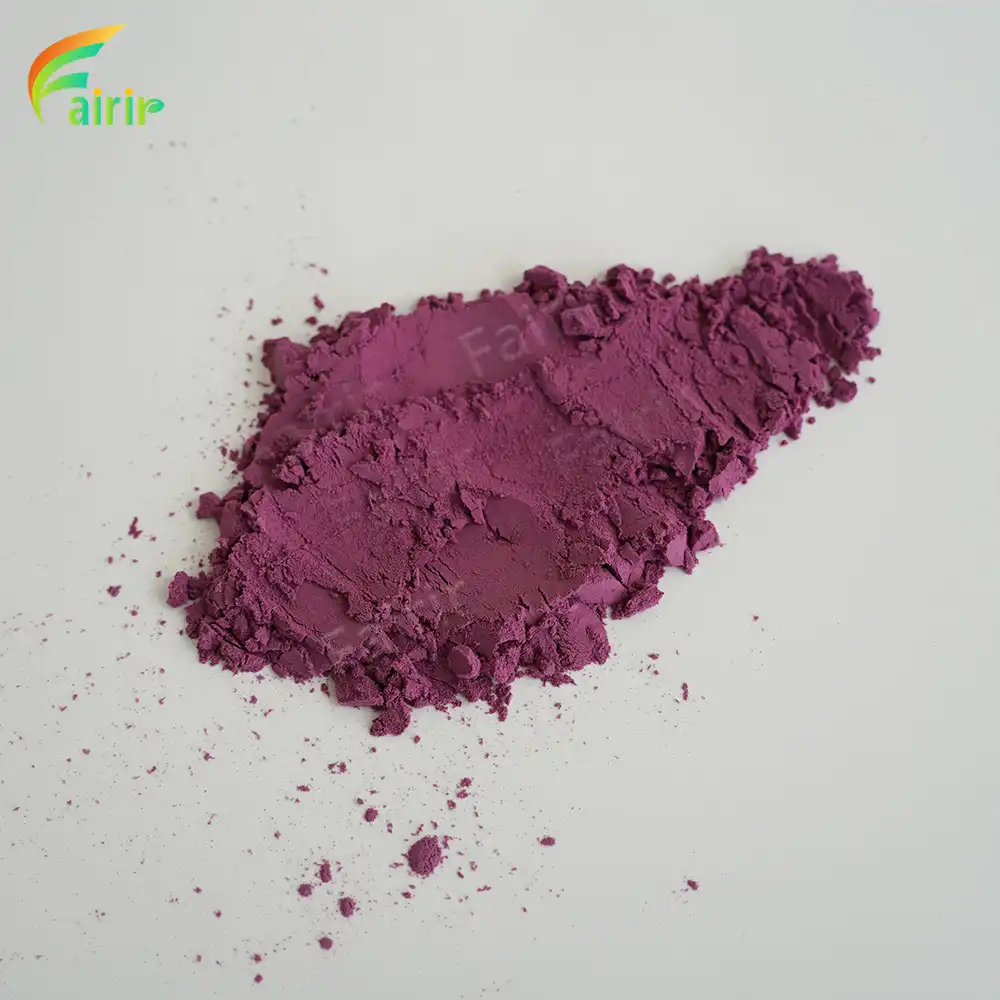
Understanding Ube Powder and Its Solubility
The Origin and Forms of Purple Yam Powder
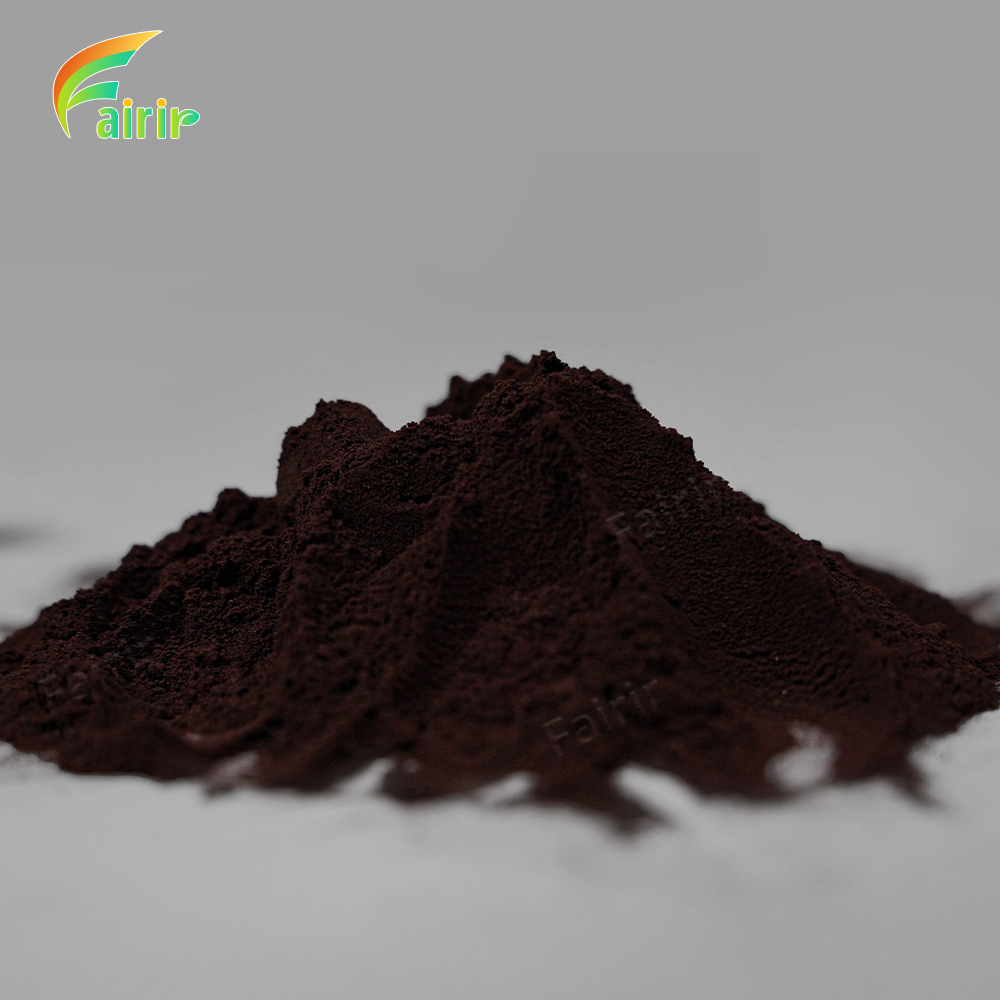
Purple yam, whose formal name is Dioscorea alata, comes from Southeast Asia and is known around the world for its beautiful violet color and mildly sweet taste. The powder form keeps the same nutritional value as the fresh tuber while making it easier to handle and extending its shelf life. There are different types made by manufacturers, such as spray-dried powder, freeze-dried extract, and organic certified versions. Each has different solubility properties because of how it was processed and the structure of the particles. The creation method has a big impact on how things dissolve. Spray drying makes empty circles with more surface area, which makes the water interact better. Freeze drying keeps more of the natural chemicals, but it can make the particles heavier, which means they need to be hydrated in a certain way. Organic forms stay chemical-free, which makes them good for clean-label recipes. However, differences in processing still affect how well they mix in instant drink recipes.
What Solubility Means for Instant Beverage Applications
When you mix powder with liquid, it dissolves quickly and completely. This is called solubility. This trait makes a difference in quick drink mixes in whether the product mixes smoothly or forms lumps and sediment that aren't wanted. High solubility means that the ingredients will spread out quickly during preparation, giving the drink a nice look right away and a consistent taste from the first sip to the last drop. More than just dissolving, solubility also changes how things feel in the mouth and how we sense things. People don't like the rough images that come from particles that stay in suspension. Complete breakdown makes drinks that are thick and smooth, which makes people want to buy them again. The way Ube Powder reacts with other ingredients in formulations, like binders, sweeteners, and dairy components, makes solubility dynamics even more complicated. This means that ingredients must be carefully chosen and testing methods must be followed.
Nutritional Benefits That Add Value Beyond Taste
Ube Powder is both aesthetically pleasing and good for you. Anthocyanins, which give it its bright color, are also very good antioxidants that keep cells safe from oxidative stress. According to a study published in the Journal of Agricultural and Food Chemistry, purple-fleshed tubers have much higher amounts of anthocyanin than white or yellow types. This means that they are better for your health, which fits with current trends in customer wellness. The powder also has fiber, which is good for your gut health and makes you feel full. Complex carbohydrates give you energy over time without causing your blood sugar to rise quickly, so these drinks are good for people who care about their health. The vitamin C content helps the defense system work, and the potassium content is good for heart health. These nutritional factors support marketing claims and set goods apart in crowded beverage markets where informed customers choose to buy based on functional benefits.
Challenges in Achieving Optimal Solubility of Ube Powder
Common Issues During Production and Mixing
The most common problem that comes up when working with Ube Powder in quick drink recipes is that it tends to lump. When dry powder comes in touch with water, the particles on the surface quickly become wet. This forms a shield that stops water from getting into the core of the particles. Because of this, clusters form that won't break apart even when you stir them very hard. Downtime happens on production lines because equipment needs to be cleaned often to get rid of buildup, which raises costs and lowers processing efficiency. Another ongoing problem is the formation of sediments. Particles that don't dissolve well settle at the bottom of containers while they are being stored or after being prepared for use. This split leads to uneven product performance and flaws that hurt the way people think about the quality of the brand. Manufacturers of drinks say that even small amounts of sedimentation cause customers to complain and send the drinks back, which has a direct effect on their profits and image in the market across all lines of distribution.
Factors Contributing to Poor Dissolution Performance
The way particles are distributed in size is a very important part of how they dissolve. Larger particles have lower amounts of surface area to volume, which slows down how water interacts with them and how quickly they dissolve. Particles of different sizes in the same batch mix in unexpected ways, which makes standardizing the recipe harder. Manufacturing plants that don't have the right milling and classification tools have a hard time getting the small particle size ranges that are needed for instant drinks to work well. The amount of moisture in the air during keeping has a big effect on how well something dissolves. Ube Powder is hygroscopic, which means it easily soaks up water from the air. Particles stick together when they absorb water, which slows down the rate of flow and breakdown. Without strict humidity control and moisture-barrier packaging, even well-processed powders lose their useful properties during storage and shipping and need to be reformulated or thrown away when they get to the production facilities.
Comparison with Similar Botanical Powders
Taro powder, which comes from the plant Colocasia esculenta, has different starch shapes that change how it absorbs water. Both taro and potatoes are root vegetables, but taro has more starch and a higher amylose-to-amylopectin ratio, which changes how thick it gets and how quickly it dissolves. Another thing that can be used as a reference is sweet potato powder, which usually dissolves better because it has less fiber and different cell wall makeup that break down more easily during processing. Knowing these differences helps buying pros make smart choices about where to source goods. When making instant drinks that need to dissolve quickly with little change to the taste, Ube Powder needs more complex processing than other options. However, its distinctive taste and eye-catching color make it worth the extra technical care for brands that want to position themselves as elite and offer unique sensory experiences that support higher prices in competitive beverage categories.
Principles and Best Practices for Enhancing Ube Powder Solubility
Selecting High-Quality Powder from Certified Suppliers
Quality starts where it's made: Ube Powder. Good Manufacturing Practice standards are followed by reputable providers during all steps of production, including growing, harvesting, and processing. Consistent production methods, contamination control, and tracking systems that lower batch-to-batch variation are all part of GMP approval. When buying teams look at possible sources, they should make sure they offer analytical tests, such as High Performance Liquid Chromatography, to check the purity, and particle size analysis to guess how the product will dissolve. Supplier sites with cutting-edge drying technology make soluble qualities that are better. Continuous countercurrent extraction methods keep bioactive chemicals while getting rid of parts that make dissolving harder. Using double-effect concentration equipment lowers heat exposure, which keeps colors bright and nutrients whole. When companies use ultramicro pulverizers, they get very small particle sizes that make mixing much better. This makes premium powders stand out from cheaper options in competitive buying situations.
Formulation Strategies to Improve Dissolution
Adding food-grade emulsifiers improves the binding qualities, which means that water can get deeper into the powder particles. Lecithin, which comes from sunflowers or soybeans, forms layers between surfaces that lower surface tension and help things spread out. Mono- and diglycerides work the same way: they speed up the initial hydration process without adding any unwanted tastes or causing legal issues in clean-label products aimed at health-conscious consumers. Solubility results can be changed by improving the mixing conditions. High-shear mixing equipment provides enough mechanical energy to break up clumps of particles and spread them out evenly in the liquid phase. Changing the temperature of the mixed liquid changes the rate at which it dissolves. Usually, slightly warmer water speeds up hydration more than cold preparations. When powder is added slowly into a liquid instead of all at once, as in sequential addition methods, it avoids localized saturation that leads to clumping and partial mixing.
Storage and Handling Protocols for Quality Maintenance
Moisture control during storage keeps the solubility properties stable for a longer time. Using moisture-blocking materials and desiccant bags to package powder keeps it intact while it's being stored and shipped. Temperatures should stay between 15°C and 25°C, and relative humidity should be less than 60% in storage facilities to stop moisture absorption and to limit biochemical degradation pathways that change functional traits and sensory qualities. Quality problems can be found early on in the production process by regularly checking the whole supply chain. Testing the solubility of stored goods on a regular basis can find changes that need to be fixed in the composition or the stock being rotated. All of these practices help make sure that the result of production is always the same. They also cut down on waste from rejected batches and keep customers happy, which is important in the competitive instant beverage market.
Case Studies: Successful Applications of Highly Soluble Ube Powder in Instant Drinks
Commercial Brands Achieving Superior Texture and Flavor
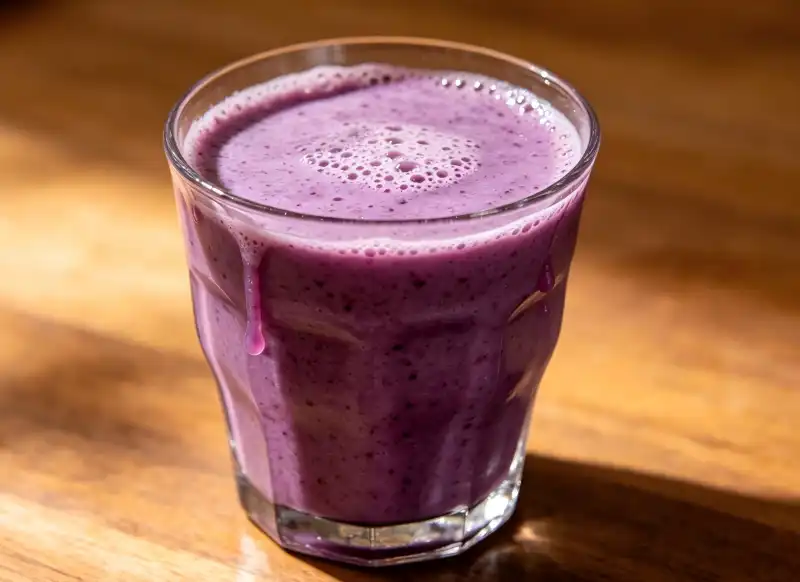
Several North American instant beverage companies have changed the formulas for their purple yam drinks to use highly soluble powder versions, which has led to measured increases in customer acceptance scores. One well-known brand said that customer complaints about texture problems went down by 34% after they switched sources and put in place tighter particle size requirements. The better dissolution made taste delivery uniform across batches, which made their core audience more likely to trust the brand. Another company that makes useful health drinks added improved purple yam extract to their line of antioxidant drinks. They were able to get a full breakdown in less than 30 seconds with cold water by choosing powder with better solubility properties and changing the way they mixed it. This performance breakthrough backed up their marketing claims of ease of use and high quality, and it helped them grow their sales by 22% year over year in an area where established names were very competitive.
Lessons in Quality Control and Supplier Collaboration
These success stories all have a few things in common: strict methods for qualifying suppliers, ongoing technical teamwork, and regular quality checks. Companies that took the time to check their suppliers and look at things like extraction tools, drying systems, and analytical skills were able to build relationships with makers that could consistently do a good job. Regularly talking about formulation problems and working together to find solutions sped up the product development process and cut down on the cost of reformulation rounds. Teams that buy things learned that comparing prices at first can hide the true cost of ownership. Cheaper products that didn't dissolve well led to more trash, more processing time, and higher customer service costs that canceled out any savings that seemed to have been made. Even though they cost more per unit, premium providers with better dissolution performance, technical support, and stable supply chains gave better total value. This shows how important it is to use a wide range of evaluation factors when making strategic sourcing choices.
Comparing Ube Powder to Alternatives for Instant Drink Mixes
Sensory and Functional Attributes Versus Similar Powders
Purple sweet potato powder, which comes from different types of Ipomoea batatas, looks similar but tastes different. Ube Powder has a slightly sweet and nutty flavor, while sweet potatoes tend to have an earthier, less complex flavor. Due to different starch structures, sweet potato powder often has a slightly better spread when it comes to solubility. However, this benefit changes a lot depending on how it is processed and the type of sweet potato used.
Taro powder has a unique coconut-like taste that makes it less useful in other beverage uses. Its higher starch content makes it thicker when it dissolves, which is good for smoothie and milkshake recipes but hard for lighter instant drink mixes that need to look clear or mostly clear. When buying something, people have to think about these sense trade-offs along with how the product should be positioned and what customers in certain market groups expect.
Natural Versus Artificial Alternatives in Formulation
Natural Ube Powder fits in with the clean-label trends that are making people buy more. According to a study by Innova Market Insights, 67% of North American customers actively choose goods with natural, recognizable chemicals over those with artificial ones. Synthetic flavorings and colorants work consistently and are cheaper, but they are being looked at more closely by regulators and consumers, which could hurt the long-term success of brands that use them.
The benefit of natural powders' accuracy goes beyond what it says on the box. Botanical extracts that are real provide complicated taste profiles and functional chemicals that can't be made with artificial ingredients. This level of sensory detail makes events that people will remember, which helps brands stand out and supports charging higher prices. Companies that want to stay ahead in the market for a long time are putting more emphasis on natural products, even though they are more expensive and harder to get.
B2B Considerations in Bulk Sourcing and Logistics
Agreements to buy in bulk have a big effect on unit costs and supply security. Suppliers who offer flexible order numbers can work with a range of production sizes, which is good for both well-known names and new ones. When purchasing professionals compare suppliers, they should look at minimum order amounts, bulk discounts, and storage needs. They should also make sure that the deals they make are in line with their ability to handle inventory and their cash flow.
When it comes to logistics, things like wait times, shipping reliability, and the ability to help with paperwork for foreign deals are just as important as price. Suppliers who have established delivery networks and know how to clear customs cut down on supply chain risks that could stop production. Port congestion patterns, the number of available containers, and the cost of freight all change over time. Because of this, procurement teams that manage complicated global supply chains need to make sure that the suppliers they choose are flexible and sensitive to communication.
Conclusion
Solubility is a quality factor that determines how well Ube Powder works in instant drinks. It has a direct effect on how well the drinks are made, how happy customers are with them, and how well the brand is known. When buying products for drinks, procurement workers have to look at a lot of things, such as particle size, processing methods, storage conditions, and the supplier's abilities. The technical difficulties of getting the best dissolution mean that suppliers need to be carefully chosen and quality teams need to work together on a regular basis. When businesses buy high-quality powder from certified manufacturers with advanced extraction and analysis tools, they give themselves a competitive edge in markets where customers want easy preparation, consistent performance, and real botanical ingredients that are both aesthetically pleasing and good for them.
FAQ
1. Can purple yam powder fully replace fresh ube in beverage formulations?
Powder has many benefits when used in quick drinks, such as a longer shelf life, easier handling, and uniform performance from batch to batch. Fresh tubers need to be kept cool and prepared by hand, and the growing conditions can change from season to season. While fresh products have the strongest flavors, powdered forms have enough sensory properties for most industrial uses and allow production to go on all year without breaks.
2. What storage practices best preserve solubility and quality?
Keep sealed packages in climate-controlled spaces that are below 25°C and have a relative humidity of less than 60%. When nitrogen is flushed through moisture-barrier packaging, oxidation and moisture absorption that break down useful qualities are stopped. First-in-first-out rules should be used to rotate goods, and kept batches should be tested for solubility every three months to find quality changes before they affect production.
3. How does organic certification affect powder performance?
Synthetic herbicides and chemical processing tools are not allowed in organic processing, which could change how well the extraction works and how the particles are shaped. But reliable organic providers get the same level of solubility by controlling temperature and mechanical processing in the best way possible. When proper manufacturing processes are followed, the certification mostly changes the cost of buying and how the product is positioned in the market, not how it dissolves in general.
Partner with Fairir for Premium Ube Powder Solutions
Shaanxi Fairir Biotech Co., Ltd. has a lot of experience making plant extracts, which can help you with your needs when making quick drinks. Our 10,000-square-meter GMP-certified plant has ultramicro pulverizers, vacuum belt drying systems, and continuous countercurrent extraction tools that make Ube Powder that is very easy to dissolve. With 14 stainless steel extraction tanks that hold 500 to 3,000 liters of liquid and three fully automatic production lines that are 98% efficient, we can provide uniform quality on a large scale.
High Performance Liquid Chromatography, UV spectrophotometry, and rotating evaporators are used in our analysis lab to check each batch's purity, particle size, and ability to dissolve. As a provider of Ube Powder with a lot of knowledge, we can make formulations, private label, and offer technical advice that are tailored to your product needs. Procurement teams get quick responses to their messages, low prices for long-term partnerships, and reliable supply lines with strict quality control.
Fairir has the technical know-how and industry knowledge to help you get the best plant ingredients, whether you make nutraceutical drinks, functional drink mixes, or specialty food products. You can email our team at sales@fairirbiotech.com to get samples, talk about manufacturing problems, or find out how our Ube Powder solutions can help your product work better and be more competitive in the market.
References
1. Champagne, A., & Boutry, M. (2016). Bioactive compounds and antioxidant capacities of colored-flesh sweet potato cultivars. Food Chemistry, 198, 174-181.
2. Teow, C. C., Truong, V. D., McFeeters, R. F., Thompson, R. L., Pecota, K. V., & Yencho, G. C. (2007). Antioxidant activities, phenolic and beta-carotene contents of sweet potato genotypes with varying flesh colors. Food Chemistry, 103(3), 829-838.
3. Harakotr, B., Suriharn, B., Tangwongchai, R., Scott, M. P., & Lertrat, K. (2014). Anthocyanins and antioxidant activity in colored waxy corn at different maturation stages. Journal of Functional Foods, 9, 109-118.
4. Montilla, E. C., Hillebrand, S., Winterhalter, P., & Moritz, F. (2011). Anthocyanins in purple sweet potato (Ipomoea batatas L.) varieties. Fruit, Vegetable and Cereal Science and Biotechnology, 5(2), 19-28.
5. Kano, M., Takayanagi, T., Harada, K., Makino, K., & Ishikawa, F. (2005). Antioxidative activity of anthocyanins from purple sweet potato, Ipomoea batatas cultivar Ayamurasaki. Bioscience, Biotechnology, and Biochemistry, 69(5), 979-988.
6. Bridgers, E. N., Chinn, M. S., & Truong, V. D. (2010). Extraction of anthocyanins from industrial purple-fleshed sweetpotatoes and enzymatic hydrolysis of residues for fermentable sugars. Industrial Crops and Products, 32(3), 613-620.