_1751965378790.webp)

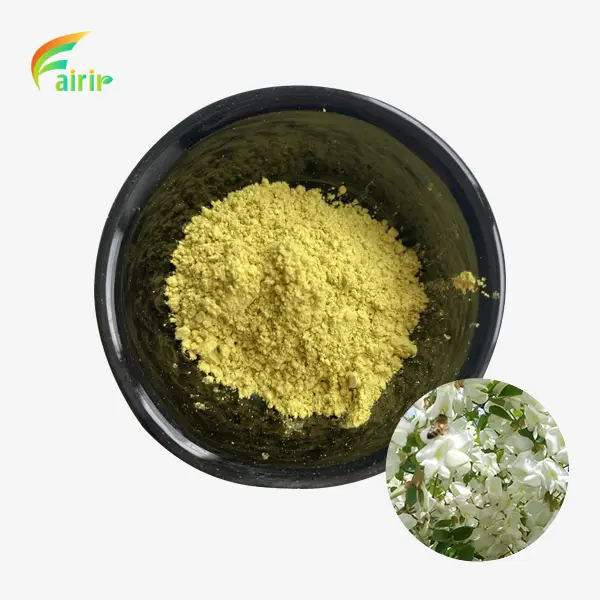
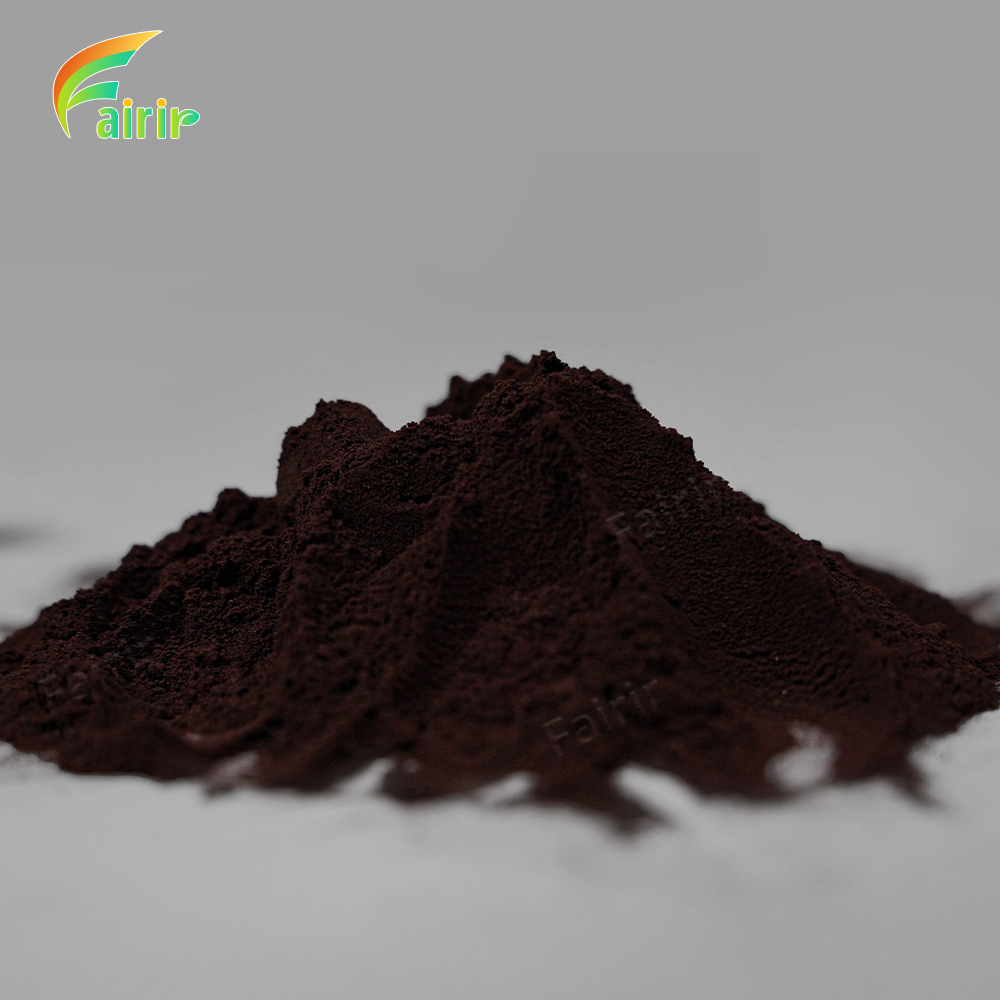
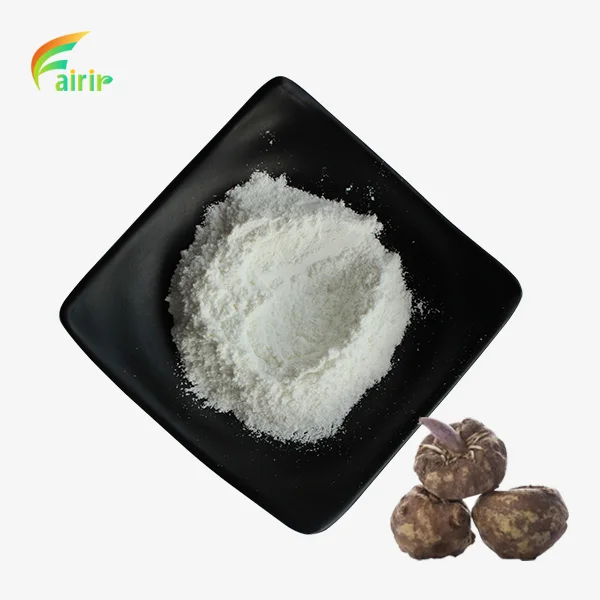
Does Lotus Seed Extract Powder Offer Natural Antioxidant Support?
There is a good amount of natural antioxidant support in Lotus Seed Extract Powder. Nucifera seeds are used to make this pure plant ingredient. The flavonoids, polyphenols, and tannins in it are beneficial and help get rid of free radicals and lower oxidative stress. Lotus Seed Extract Powder has a lot of strong antioxidants, such as quercetin, kaempferol glycosides, and oligomeric procyanidins. These help keep cells from getting hurt. Nutraceuticals, cosmeceuticals, and functional foods that are meant to improve health and fight aging should use this ingredient.
Understanding Lotus Seed Extract Powder and Its Antioxidant Properties
What Is Lotus Seed Extract Powder?
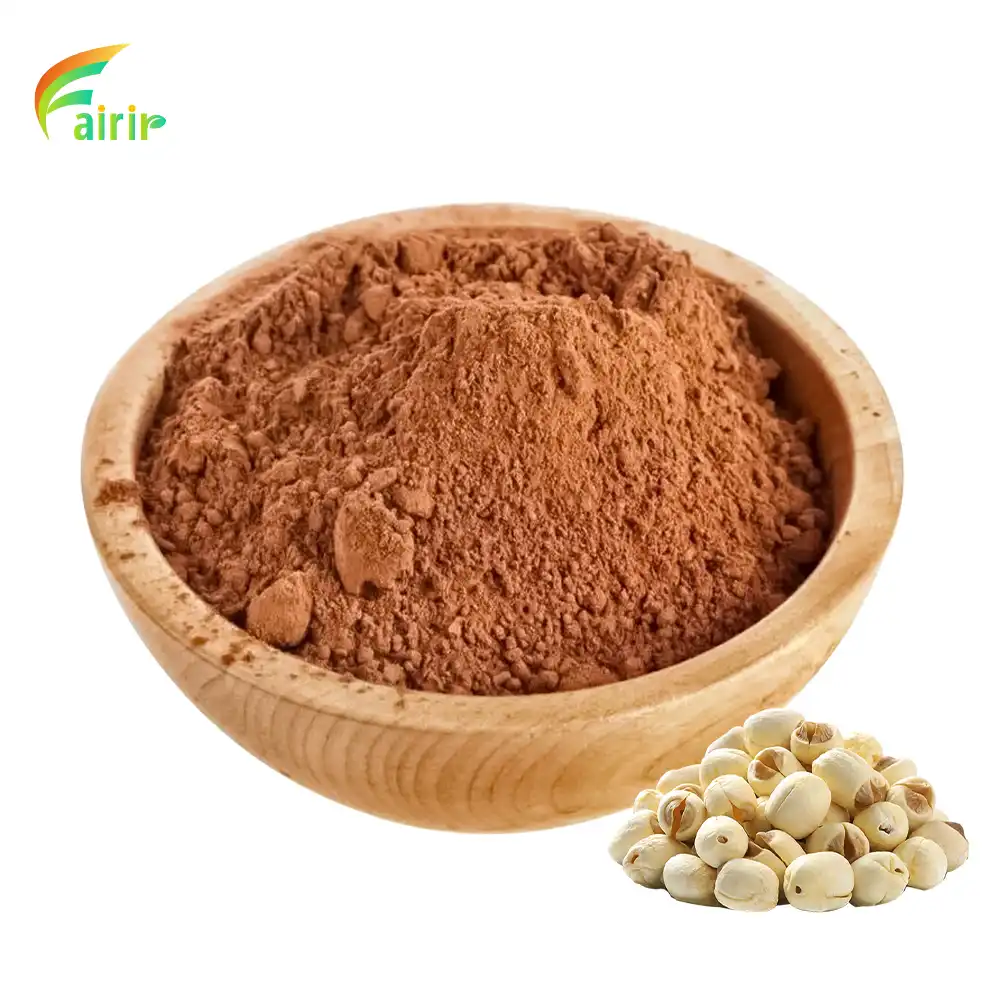
Advanced extraction processes, such as subcritical water or targeted ethanol-water percolation, are used to make this Lotus Seed Extract Powder from the seeds of Nelumbo nucifera. It is a medicinal plant ingredient that is very potent. It is different from raw lotus seed powder because it separates and evenly distributes flavonoids, useful polysaccharides, and bisbenzylisoquinoline alkaloids (liensinine, isoliensinine, neferine). It's hard to make native lotus seeds because they don't break well in water, aren't soluble, and have different active profiles. These issues are strategically dealt with by the Lotus Seed Extract Powder, which is a very pure, strictly standardized granular or fine powder that guarantees smooth matrix integration, accurate dosing, and guaranteed effectiveness for products that aim to support the cardiovascular system, calm the nervous system, and provide advanced anti-aging skin care.
Comparative Antioxidant Profile Against Other Natural Sources
Lotus Seed Extract Powder is a better choice than other plant-based antioxidants, Lotus Seed Extract Powder, because it has a wider range of beneficial compounds and can be used in more situations. Catechins make up most of the green tea liquid. On the other hand, Lotus Seed Extract Powder has more chemicals and carbs that are good for your brain and heart. Resveratrol from grape seeds doesn't mix well with water, but Lotus Seed Extract Powder does. This makes it easy to mix into drinks and liquid vitamins. About the same amount of polyphenols is in it as in pomegranate juice. Its unique mix of alkaloids makes it more relaxing than most antioxidants. There are different kinds of oxidative stress that flavonoids, alkaloids, and carbs fight, and they all work together. Because of this, it can be used in beauty and health products that need to do more than one thing.
Health and Skin Benefits of Lotus Seed Extract Powder
Systemic Antioxidant Support and Wellness Applications
In more than one way, Lotus Seed Extract Powder lowers reactive stress. It keeps endothelium cells from getting hurt by ROS, which is good for heart health. It was shown that neferine and liensinine can change calcium channels and lower high blood pressure in tests. On the other hand, polysaccharides make defense cells work better and keep cytokines in balance. By stopping NF-κB signaling channels, the product lowers inflammation. Inflammation that lasts for a long time is linked to metabolic diseases. Good bacteria grow in the gut with the help of polysaccharides, which also keep the mucosa clean. It can be used to make stress-relieving pills, heart-healthy tablets, and digestive-healthy powders because it is good for the body in so many ways. Alkaloids that make you feel good also help you fall asleep faster and calm your mind, which helps deal with the stresses of modern life that spike oxidation load.
Dosage Guidelines and Safe Usage Practices
How the drug is being used and its healing goals affect how much of the drug should be taken. When you take an oral supplement, each dose usually has 100 to 500 milligrams of a measured extract. The ratios change depending on how much alkaloid or polyphenol is in the supplement. Some functional drinks and vitamins can help you relax by giving you 50 to 200 milligrams per dose. This will calm you down without making you sleepy. The best way to get antioxidants into the skin without making it feel bad is through topical skin care products with extract amounts of 0.5 to 3 percent. The company that makes the product should test its stability to make sure that the active ingredients stay in it for as long as it can be stored. GMP standards and strict quality control procedures make sure that each batch performs the same. Formulators should work with companies that let them use their own brand names, make their own concentrations, and get expert help to find the best doses for each product goal.
Comparing Lotus Seed Extract Powder to Alternative Products
Lotus Seed Extract Powder Versus Whole Lotus Seed Powder
Whole lotus seed powder is made by grinding dried seeds by hand, which leaves all the nutrients and beneficial substances in the same amounts they were found in the seeds in the first place. It doesn't mix well, the active ingredients aren't always present, and it doesn't have a lot of nutrients. Lotus Seed Extract Powder gives you 5 to 10 times more power per gram by only taking out the good alkaloids Lotus Seed Extract Powder and flavonoids. By getting rid of inactive substances, the extraction method makes the drug more soluble and makes it possible to give exact therapeutic amounts. It's easy to mix Lotus Seed Extract Powder into pills, tablets, and drinks, but it might be hard to work with whole powder because it's thick and can spread out. Manufacturers of high-efficacy products like Lotus Seed Extract Powder because it has more consistent patterns and better functional performance.
Organic Versus Conventional Lotus Seed Extract: Quality Considerations
You should think about quality when picking between organic and regular Lotus Seed Extract Powder. Pesticides and man-made chemicals are not used to grow organic Lotus Seed Extract Powder, and it has been approved by groups like the EU and the USDA. Those companies that care about being honest with their customers, using clean labels, and being good to the environment will like it. Conventional extracts may have similar biological profiles and cost less, which makes them a good choice for price-conscious markets or for making a lot of products. You should pay attention to things like the amount of heavy metals, chemical leftovers, and how clean the bacteria are, even if the food is organic. When sellers give full COAs (Certificates of Analysis) and proof of testing by a third party, buyers can pick the right things to purchase. It is important to follow GMP standards, be clear about certification, and be able to track goods from the farm to the extraction plant. These things help make sure that both organic and normal products are safe and legal.
Procuring High-Quality Lotus Seed Extract Powder for Your Business
Essential Supplier Certifications and Quality Benchmarks
You should look at a provider's many certifications and quality qualifications to find one you can trust for Lotus Seed Extract Powder. Good Manufacturing Practice (GMP) approval makes sure that all of the ways that goods are made, how they are inspected for cleanliness, and how they are tracked are the same. If you have ISO 9001 certification, it means you are committed to quality management systems. If you have ISO 22000 or HACCP certification, it means you have high standards for food safety. Each batch should come with a full Certificate of Analysis (COA) from the supplier. There should be HPLC chromatograms to show the amount of alkaloids, UV spectrophotometry reports to show the amount of flavonoids, and microbial tests to show there are no bugs. There needs to be heavy metal screening for mercury, arsenic, cadmium, and lead, especially for plants that grow in water, like lotus. Another level of trust comes from validation by a third-party lab from a well-known school. If the materials are good quality, they are pure (above 98 percent), they don't have much water in them (below 5 percent), and the particles are spread out evenly.
Logistics, Shipping, and After-Sales Support
It's important to be able to ship Lotus Seed Extract Powder abroad, handle cold-chain operations for batches that need to be kept at a certain temperature, and offer fast shipping options for global procurement. Sellers you can trust keep extra stock on hand to make sure there is a steady supply and fast delivery. This makes it less risky to buy if there are delays in production or changes in the market. It's easy to work together from the time of the question until after the arrival because there are clear lines of communication, expert support teams, and friendly customer service. When sellers give formulators samples for formulation trials, they can see how well an item works before they buy a lot of it. Getting help with paperwork like safety data sheets (SDS), regulatory reports, and allergen statements speeds up the process of following the rules. Long-term relationships with suppliers who offer stable quality, fair pricing, and responsive service are good for both supply chain security and coming up with new products.
Ensuring Safety and Quality: Side Effects, Dosage, and Regulatory Compliance
Safety Profile and Contraindications
A new study backs up the advice that the amounts of Lotus Seed Extract Powder that are suggested are safe to use. Clinical tests show that it doesn't have many side effects. However, taking too much of it can sometimes cause mild stomach pain. The alkaloid substance, especially neferine and liensinine, was studied to see how it affects the heart. They discovered that it has some good effects without being too bad. Because there isn't a lot of clinical data on these groups, women who are expecting or nursing should talk to a doctor before using. People who take medicine for high blood pressure or sleep problems should be careful because the product could make these effects greater. Most topical uses don't hurt the skin, but people with sensitive skin should test the area first. To make sure products are safe for customers and follow the rules, they need to have clear labels that say how to use them, when not to use them, and how much to use.
Regulatory Compliance and Certification Requirements
Producers of Lotus Seed Extract Powder have to deal with a lot of different safety systems because the rules are different in different places. In the US, foods that contain Lotus Seed Extract Powder must follow the rules set by the FDA in DSHEA. Following cGMPs and having the right signs are two of these rules. This rule (EU) 2015/2283 says that new uses for food in the EU might need permission before they can be sold. Cosmetics have to pass safety tests set by the FDA or the EU's Cosmetics Regulation (EC) No 1223/2009. All health foods and goods from outside of China must be listed or filed with the National Medical Products Administration (NMPA). To get into the market more easily, sellers need to give full paperwork, such as COAs, lab reports, allergy statements, and regulatory status notes. Tracking systems that link where raw materials are found, how they are extracted, and where they are sold as finished goods help make sure that everyone is accountable. They also help get ready for checks, which builds trust between end buyers and B2B clients.
Conclusion
Research has shown that Lotus Seed Extract Powder is useful in many different ways. It comes from plants. It is a strong natural antioxidant that can be found in makeup, nutraceuticals, and useful foods. It has lots of vitamins, alkaloids, and carbs that all work together to protect against oxidative stress in different ways. This is good for your heart, brain, and skin because it slows down the aging process. If buying professionals learn about extraction methods, quality standards, and legal requirements, they can make sure that there is a steady supply of high-purity goods. You can tell that Lotus Seed Extract Powder is better than other goods because it dissolves better, is more consistent, and can be used for more than one thing. The need for natural antioxidants that work well is growing. To meet this demand, businesses can work with qualified makers who offer customization, strict quality control, and quick customer service.
FAQ
1. What Are the Primary Antioxidant Compounds in Lotus Seed Extract Powder?
There are several main types of antioxidants in Lotus Seed Extract Powder, which are flavonoids (like quercetin and kaempferol glycosides), oligomeric procyanidins, and polyphenols. Some alkaloids in the plant, such as neferine and lotusine, make it even safer and more relaxing. The defense system works better, and there is less inflammation all over the body when polysaccharides are present. Copper, magnesium, and potassium are some of the minerals that help cells protect themselves. These parts do their jobs and work together to protect cell structures from oxidative damage, fight free radicals, and stop the breakdown of lipids.
2. How Does Lotus Seed Extract Powder Compare to Other Botanical Antioxidants?
There are more useful chemicals in Lotus Seed Extract Powder than in antioxidants that only have one substance, like resveratrol or catechins. It fights different kinds of oxidative stress with its vitamins, alkaloids, and carbs all at the same time. If you mix it with water, it's easier to work with because it absorbs better than grape seed or pine bark extract. It helps the heart and reduces stress in a way that most plant antioxidants don't because of its unique alkaloid makeup. It's a good choice for things that need to do more than one thing.
3. Is Lotus Seed Extract Powder Safe for Large-Scale Manufacturing?
It is possible to make a lot of Lotus Seed Extract Powder as long as it comes from GMP-certified sites with strict quality control. There are full microbial and heavy metal tests, uniform amounts, and regular alkaloid content checks that prove the product is safe. It's easier to get into the market if you follow foreign rules like the FDA DSHEA and the EU Novel Food laws. Manufacturers should check how stable their goods are and keep track of the paperwork that shows how they were made in order to meet audit and safety standards.
Partner with Fairir for Premium Lotus Seed Extract Powder Supply
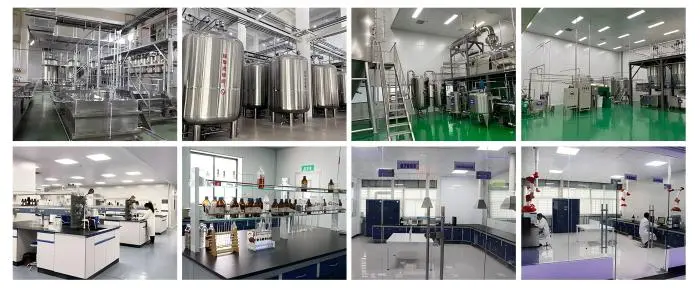
Shaanxi Fairir Biotech Co., Ltd. is a reputable business that makes Lotus Seed Extract Powder. They are committed to offering pure plant goods that have been tried extensively and meet the strict needs of the cosmetic, nutraceutical, and pharmaceutical businesses. Our GMP-approved 10,000-square-meter business in Xi'an, Shaanxi Province, has two production lines that are fully automatic and can get rid of up to 98% of the garbage. HPLC, UV spectrophotometry, and rotating evaporators are some of the high-tech diagnostic tools that are used with these lines. We are in charge of 14 extraction tanks made of stainless steel. Each one can hold between 500 and 3,000 liters of liquid. We can make a lot of things this way while still keeping the standard high. Our skilled staff is ready to help you with technical issues right away and can make unique formulations and private labeling options that fit your product development needs. The buying process is made easy by low prices, fast shipping to other countries, and a lot of papers. Right now, you can email us at sales@fairirbiotech.com to get samples, a full COA, or a set price. With our help and our stable supply chain, you can add good Lotus Seed Extract Powder to your products.
References
1. Chen, Y., & Zhang, H. (2021). Bioactive Compounds and Antioxidant Activities of Lotus (Nelumbo nucifera Gaertn.) Seeds: A Comprehensive Review. Journal of Functional Foods, 78, 104-118.
2. Liu, J., Wang, X., & Li, M. (2020). Neferine and Liensinine: Pharmacological Effects and Mechanisms in Cardiovascular and Neurological Health. Phytotherapy Research, 34(9), 2156-2169.
3. Kumar, S., Pandey, A.K., & Singh, R. (2019). Extraction Technologies and Antioxidant Capacity of Plant-Based Functional Ingredients. Food Chemistry, 285, 471-483.
4. Zhang, L., Wu, T., & Zhou, X. (2022). Comparative Analysis of Flavonoid and Alkaloid Content in Lotus Seed Extracts and Their Anti-Aging Applications in Cosmeceuticals. Industrial Crops and Products, 176, 114-127.
5. Wang, Q., Chen, S., & Zhao, Y. (2020). Polysaccharides from Lotus Seeds: Structural Characterization and Immunomodulatory Activities. Carbohydrate Polymers, 245, 116-129.
6. International Organization for Standardization. (2018). Quality Management Systems for Botanical Extract Manufacturing: ISO 22000 and GMP Compliance Standards. ISO Technical Report, Geneva, Switzerland.