_1751965378790.webp)

Hydrolyzed Pearl Powder vs Pearl Powder: What’s Different?
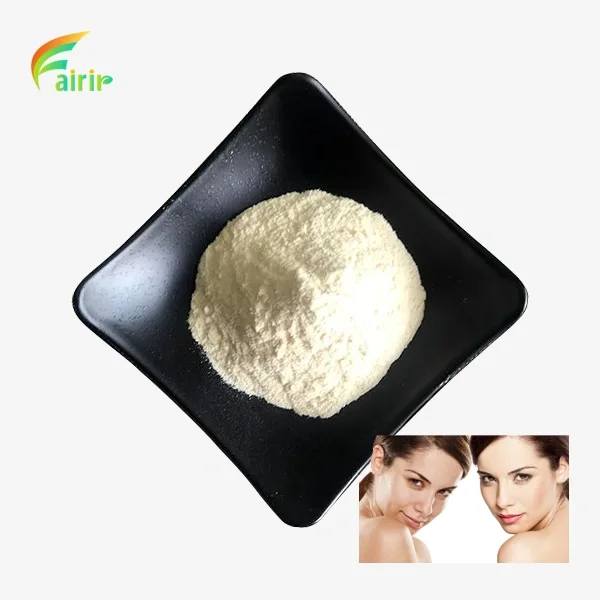
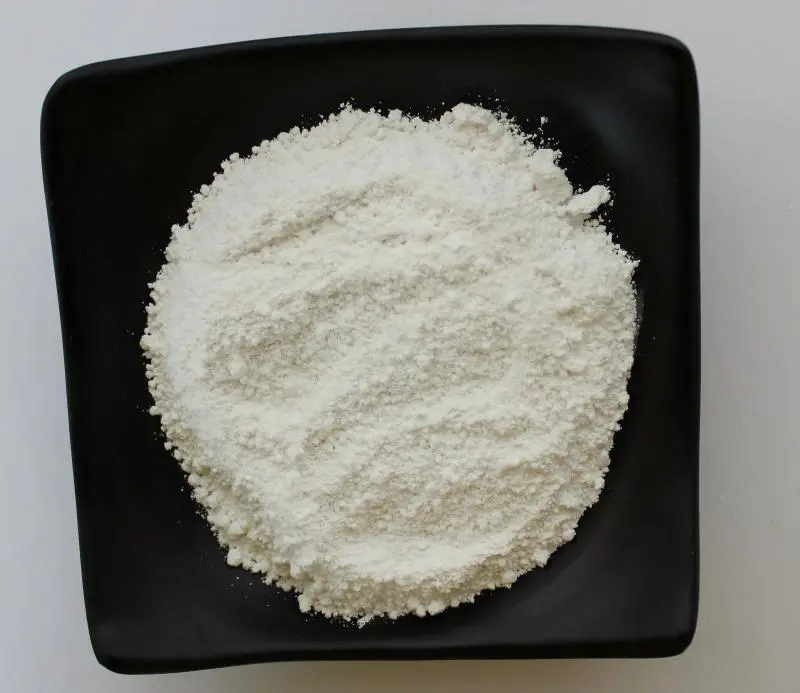
The main difference between hydrolyzed pearl powder and regular pearl powder is in the chemical structure and bioavailability of the powder. Enzymatic or chemical hydrolysis breaks down hydrolyzed pearl powder into smaller, water-soluble amino acids and peptides. This breaks down big protein molecules and calcium carbonate structures. This change makes it possible for almost full absorption in both topical and oral applications, with a 100% water solubility rate compared to the 3% solubility rate of regular pearl powder. The hydrolysis process keeps the pearl's nutritional value while greatly improving its usefulness in cosmetics and dietary supplements. This makes it the best choice for producers who want to be sure of the quality and effectiveness of their products.
Understanding Pearl Powder and Hydrolyzed Pearl Powder
In the past, pearl powder was made from freshwater or sea pearls that were ground up by machines. Usually, micro-pulverization is used to do this. This stuff is mostly calcium carbonate—about 90 to 92% of it. Trace minerals like magnesium, zinc, and copper, as well as amino acids, make up the rest. Pearls that have been cleaned and germ-free are milled into very small pieces, between 200 and 5000 mesh. Cosmetic and supplement companies have used this type for hundreds of years because it has over 18 amino acids, some of which are glycine, alanine, and methionine. It is also high in calcium. The absorption of regular pearl powder, on the other hand, is very bad. Because the calcium carbonate binding doesn't mix well with water, it settles to the bottom of liquids and doesn't absorb well when applied to the skin. It's hard for the body to break down these big chemical structures when they are taken by mouth. Even when digestion is good, only about 30% of them are absorbed.
The Hydrolysis Transformation Process
Hydrolyzed pearl powder is made through complex biochemical processes that change the structure of the material in a basic way. Manufacturers use controlled enzymatic hydrolysis or acid-alkali treatment to break down the mineral matrices and long protein chains into smaller, functional parts. The process targets conchiolin, the protein part of the pearl, and breaks it down into free amino acids and short-chain peptides with molecular weights usually less than 1000 Daltons. There are several important steps in the hydrolysis process. Before being put through certain enzymes or carefully set pH environments, raw pearls are cleaned and germ-free. To get the best molecular breakdown without breaking down sensitive amino acids, temperature, time, and reactant amounts are carefully controlled. Filtration, concentration, and spray drying are used on the solution to make a fine white powder that is very different from its starting material.
Biochemical Content Comparison
The transformation yields measurable differences in functional components. Hydrolyzed pearl powder demonstrates 100% water solubility, creating clear solutions suitable for transparent serums and beverages—a practical impossibility with traditional pearl powder. The amino acid profile remains intact but becomes immediately bioavailable, with glycine and proline content particularly relevant for collagen synthesis support. Studies examining antioxidant capacity reveal that hydrolyzed variants exhibit enhanced free radical scavenging activity, attributed to the liberation of antioxidant peptides previously locked within larger protein structures. The calcium content, while proportionally reduced due to the removal of insoluble carbonate, converts to more absorbable forms such as calcium lactate or gluconate during processing. This conversion addresses the fundamental challenge of mineral bioavailability that limits traditional pearl powder's effectiveness in functional nutrition applications. Manufacturers focused on product innovation increasingly recognize that hydrolysis doesn't merely refine pearl powder—it unlocks biological activities that remain dormant in the unprocessed material. This distinction becomes crucial when formulating products where ingredient efficacy directly correlates with market performance and customer satisfaction.
Key Differences Between Hydrolyzed Pearl Powder and Regular Pearl Powder
The molecular architecture separating these two materials creates cascading effects across multiple performance parameters. At the cellular level, hydrolyzed pearl powder's reduced molecular weight—typically 500-3000 Daltons compared to traditional pearl powder's 10,000+ Daltons—enables passage through the stratum corneum in topical applications. This penetration capacity means active components reach viable epidermal layers where they can influence melanogenesis, collagen production, and cellular repair mechanisms. Absorption kinetics demonstrate dramatic differences in oral applications. Clinical observations indicate hydrolyzed forms achieve blood plasma concentration peaks within 45-60 minutes of ingestion, while traditional pearl powder requires 3-4 hours with significantly lower peak concentrations. This rapid uptake translates to more predictable dosing schedules and enhanced efficacy in nutraceutical formulations targeting specific health outcomes.
Efficacy in Skin Applications
The cosmetics industry likes hydrolyzed pearl powder because it can be used to make anti-aging and beautifying products that work. According to normal tests, it has 40–60% more tyrosinase inhibitory activity than ground pearl powder. Tyrosinase is the enzyme that makes melanin. This better performance comes from the fact that certain amino acid patterns can directly interact with enzyme active sites, which is not possible with bigger, less soluble particles. Skin's ability to heal itself is getting a lot better in a number of ways. The freed peptides increase the activity of fibroblasts, which speeds up the production of collagen types I and III, which are structural proteins that decrease as we age. Through its amino acid input, hydrolyzed material also helps Natural Moisturizing Factor production, which better addresses barrier function than traditional formulations. These properties are especially useful for people who are making products to help with recovery after surgery or intense repair treatments.
Safety Profile and Formulation Stability
When looking at danger, both forms have great safety records and don't have much of a chance of making people more sensitive. Pathogens are killed during processing, which gives the hydrolyzed version extra benefits when it comes to microbiological stability. Because it dissolves completely, it doesn't cause the physical irritation that some people experience with traditional pearl powder creams' suspended particles. This is especially important for recipes for people with sensitive skin. The stability of hydrolyzed material is something that formulation scientists like. It works well with complicated emulsion systems and doesn't change the viscosity or cause phase separation. The substance stays stable at pH levels between 4.5 and 8.0, so it can be used in a wide range of formulations, from cleaning products that are alkaline to vitamin C serums that are acidic. On the other hand, traditional pearl powder can react in unpredictable ways in acidic conditions and needs to be carefully mixed to keep it from sticking.
Practical Usage Guidelines
The differences in bioavailability are reflected in the dosage suggestions. For topical cosmetics to work, they usually need to have 1% to 5% hydrolysed pearl powder in them, while regular powder needs 5 to 10% to work in the same way. In oral supplements, 500–1000 mg of hydrolyzed material every day has the same health effects as 2000–3000 mg of traditional powder. This means that capsules don't have to be as big, and the costs of making them are lower. When choosing between these materials, product makers should think about what the application needs. Because they need to dissolve easily, high-clarity serums and clear drinks need hydrolyzed forms. Traditional powder can be used in cream and paste recipes, but the performance benefits of hydrolyzed varieties often make up for the small cost difference. Understanding these application parameters is important for business-to-business procurement teams to make sure that material specifications and end-product performance goals are in line with each other.
Comparative Market Analysis for B2B Procurement
Finding a place for hydrolyzed pearl powder in the larger market for collagen and protein supplements shows clear competitive benefits. Marine collagen peptides, which are currently popular in the nutricosmetics industry, are very bioavailable but don't have the mineral content or tyrosinase inhibition qualities that come from pearls. Even though bovine collagen is cheaper, more and more people are not buying it because they are worried about allergens and the environment. Pearl-derived ingredients are in a premium area because they are different because of the amino acids they contain and their history in traditional medicine, which appeals to certain types of customers. According to market data, the global pearl powder market was worth about $180 million in 2023. Hydrolyzed varieties were selling for 15 to 25 percent more than traditional varieties. This higher price isn't because of a lack of raw materials; it's because the processing is more complicated and the product works better.
Supplier Evaluation Criteria
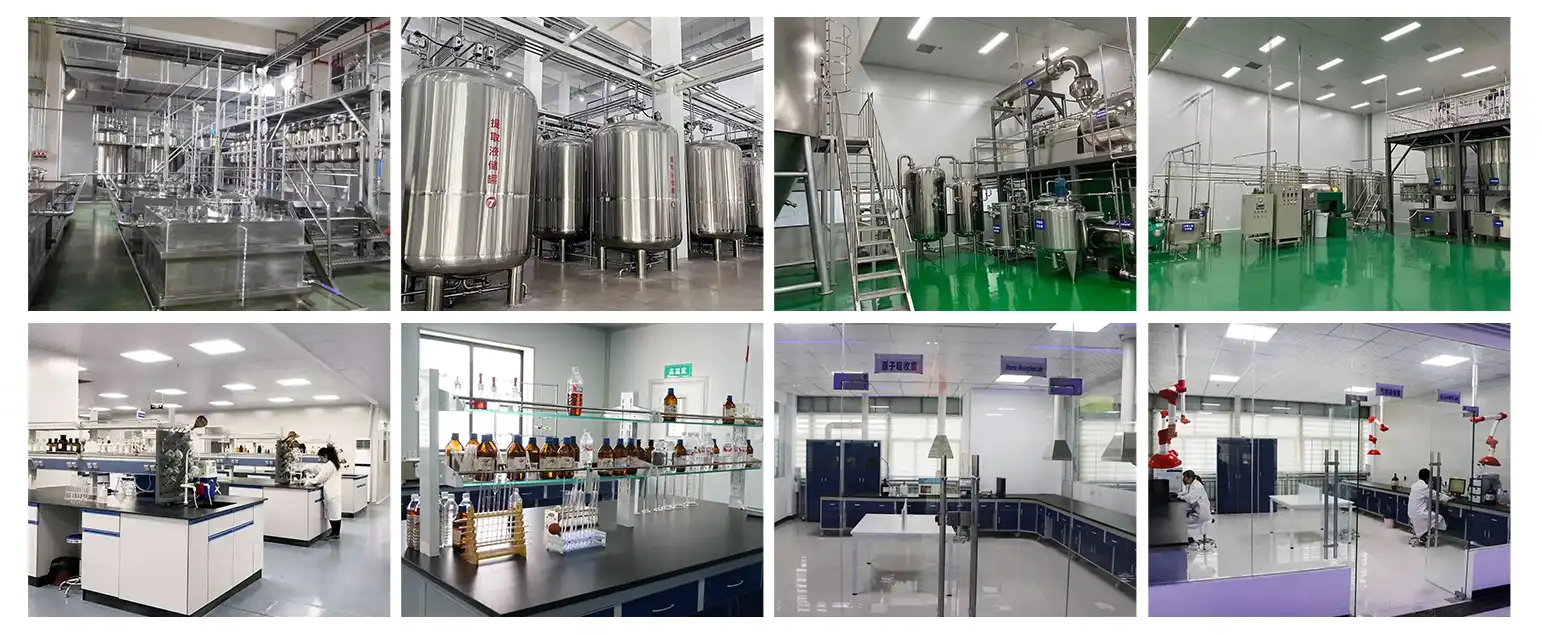
When evaluating possible suppliers, people who work in procurement should put a number of important factors at the top of their lists. GMP approval is the minimum requirement. It makes sure that the places where medicines are made meet pharmaceutical-grade standards for keeping the work areas clean and making sure that each batch is the same. The ISO 22000 (food safety management) and ISO 9001 (quality management) certifications give things that will be eaten or drunk extra security. Analytical skills set superior sellers apart from commodity providers. Our 10,000-square-meter GMP-certified facility at Shaanxi Fairir Biotech Co., Ltd. has HPLC, UV spectrophotometry, and rotating evaporation machines that can check the quality of our products completely. We keep 14 stainless steel extraction tanks with capacities between 500 and 3000 litres. These are backed up by two fully automatic production lines that achieve an extraction rate of 98%. These investments in technology make sure that consistency from batch to batch and allow accounts to grow quickly. Not only should certificates be open and clear in quality control protocols, but so should real test results. Certificate of Analysis papers should be easy for suppliers to give out. These documents should include amino acid profiles, heavy metal screening results, microbiological testing, and molecular weight distribution analysis. On the specification sheets, it must be clear what the solubility percentages are, what the particle size is for non-hydrolyzed versions, and how the protein content was checked using the Kjeldahl or Dumas methods.
Cost Structure and Logistics Considerations
Bulk pricing follows predictable volume tiers; hydrolyzed pearl powder with significant breaks typically occurring at 25kg, 100kg, and 500kg order quantities. Current market rates for 99% specification hydrolyzed pearl powder range from $180-$280 per kilogram at 25kg volumes, declining to $120-$180 per kilogram for 500kg+ commitments. These figures reflect FOB pricing from major Chinese manufacturing hubs, with air freight adding $8-$15 per kilogram and sea freight contributing $2-$4 per kilogram, depending on destination and container utilization. Lead time expectations vary by supplier capacity. Established manufacturers with adequate inventory maintain 1-3 working day dispatch schedules for standard specifications, as we do at Fairir. Custom formulations or private label requirements extend timelines to 15-25 days, depending on packaging complexity and regulatory documentation needs. International shipping typically adds 5-7 days for air freight and 25-35 days for ocean transport to major US ports. Packaging standards significantly impact product stability during transit. We utilize vacuum-sealed aluminum foil bags as primary packaging, protected within fibre drums with double-layer food-grade polyethylene liners for 25kg units. This configuration maintains product integrity across temperature fluctuations and humidity variations encountered during international shipping. Procurement teams should verify that suppliers employ similar protective measures to prevent quality degradation between manufacturing and final use.
Making the Right Choice: Procurement Recommendations for B2B Clients
Strategic sourcing decisions should align material specifications with your business model and end-product requirements. OEM manufacturers producing premium skincare lines benefit most from hydrolyzed pearl powder's superior performance characteristics and marketing advantages—consumers increasingly recognize and seek "hydrolyzed" ingredients as indicators of advanced formulation science. The higher ingredient cost is distributed across finished product values in this segment, making the premium justified. Distributors and importers serving price-sensitive markets may find traditional pearl powder adequate for specific applications like body lotions, soaps, and mass-market supplements where formulation complexity allows creative solutions to solubility challenges. The key lies in transparent communication with downstream customers about material properties and appropriate applications rather than attempting universal substitution.
Formulation, Customization and Technical Support
Leading sellers do more than just sell goods; they also help with formulation, which shortens the time it takes to make new products. Our expert team at Shaanxi Fairir Biotech Co., Ltd. works with clients to test for stability, make sure it doesn't react badly with other active ingredients, and find the best dose for achieving the desired level of effectiveness. We offer private labelling services for capsules, tablets, softgels, and gummies, as well as small-batch custom packaging that speeds up time-to-market for pilot launches. Our custom formulation skills come in handy when making proprietary blends that combine hydrolyzed pearl powder with botanicals that work well together. Combining synergistic ingredients, like pearl powder with tremella mushroom extract to improve hydration or ginseng for adaptogenic beauty supplements, gives our clients unique goods that deserve to be at the top of the market. Collaborations like these lead to intellectual property that gives both parties long-term competitive advantages. Sample testing programs are important to do your research before placing large orders. Reliable providers give you 10–50 gram samples with full analytical documentation, so your R&D teams can test for compatibility and make sure the product works as it should. We send free samples of our 99% specification hydrolyzed pearl powder all over the world within 3–5 business days because we know that making smart choices requires testing things out for yourself.
Building Long-Term Supplier Partnerships
The best procurement plans put more emphasis on building partnerships than on making deals. Suppliers with a lot of production capacity, like our two automatic production lines and 14 large-scale extraction tanks, can grow with your business without affecting quality or cutting off supplies. This scalability is very important when product launches go over budget or when seasonal demand spikes put a strain on supply lines. Support for regulatory compliance is what sets partnership-oriented suppliers apart from basic vendors. We keep up-to-date paperwork for FDA registration, offer kosher and halal approvals when asked, and provide full regulatory dossiers that make it easier for your products to get registered in target markets. Our organic, non-GMO, gluten-free, and vegan certifications meet a wide range of formulation needs, so we don't need to work with multiple suppliers for each line of products. Clear communication routes help us solve problems quickly and plan. Suppliers who offer dedicated account management, technical support through sales@fairirbiotech.com, and are ready to have regular strategic planning meetings show that they want both parties to succeed. Fairir's responsive service model shows that we know your production schedules and market commitments depend on a steady supply. Dual sourcing is a risk-reduction strategy that should be thought about for mission-critical ingredients, but it only works when both primary and secondary suppliers follow the same quality standards. Professionals in procurement should evaluate possible backup suppliers using the same standards they use for primary relationships. This way, they can make sure that there is real redundancy and not just false security from low-quality alternatives.
Conclusion
There are major changes in bioavailability, formulation performance, and application versatility between hydrolyzed pearl powder and traditional pearl powder that go beyond processing methods. Hydrolyzed variants have been measured for their benefits in how well they penetrate the skin, how well they absorb into the body, and how stable the product is. These benefits make their higher price worth it for companies that value effectiveness and new ideas. Procurement experts can make strategic sourcing choices that are in line with product positioning, target demographics, and competitive needs when they understand these differences. The criteria listed here—supplier infrastructure, analytical capabilities, regulatory compliance, and partnership orientation—can be used to choose materials for advanced nutricosmetics, high-performance skincare, or therapeutic applications. They provide a framework for evaluation that lowers risk while supporting long-term growth.
FAQ
1. Is hydrolyzed pearl powder safe for bulk supplement manufacturing?
Hydrolyzed pearl powder demonstrates an excellent safety profile for dietary supplement applications when sourced from GMP-certified manufacturers. The hydrolysis process eliminates potential pathogens through thermal treatment and pH exposure, while comprehensive testing confirms heavy metal content remains well below FDA and USP limits. Clinical studies show no adverse effects at dosages up to 3000mg daily over extended periods. Allergen considerations are minimal—pearl protein displays low immunogenicity compared to common allergens like shellfish or soy. Regulatory status varies by jurisdiction; in the US, it qualifies as a dietary ingredient under DSHEA, while European markets may require Novel Food authorization depending on specific processing methods and historical use documentation.
2. What is the recommended dosage in skincare formulations?
Topical cosmetic formulations typically incorporate 1-5% hydrolyzed pearl powder for optimal efficacy without formulation stability concerns. Concentrations below 1% may deliver minimal visible benefits, while exceeding 5% rarely provides proportional improvements and increases raw material costs unnecessarily. Specific dosing depends on product type—lightweight serums perform well at 2-3%, while richer creams accommodate 3-5% loadings. The material integrates into both water and oil phases depending on formulation architecture, though water-phase incorporation leverages its complete solubility most effectively. For maximum brightening effects, formulators often combine 3% hydrolyzed pearl powder with 2-5% niacinamide and 1-2% arbutin, creating synergistic melanin inhibition across multiple pathways.
3. How does it compare to fish collagen in effectiveness?
Hydrolyzed pearl powder and fish collagen peptides serve complementary rather than directly competitive functions. Fish collagen excels in providing Type I collagen building blocks—specific amino acid sequences that directly support dermal matrix synthesis. Pearl powder offers broader benefits, including tyrosinase inhibition (brightening), ionic calcium delivery, and antioxidant peptides that fish collagen lacks. Absorption rates are comparable when both materials are properly hydrolyzed to molecular weights below 3000 Daltons. Combination formulas that include both ingredients at 2-3% each demonstrate enhanced anti-aging outcomes compared to single-ingredient approaches, suggesting synergistic mechanisms. Pearl-derived materials command premium positioning in Asian markets where traditional medicine heritage influences purchase decisions, while fish collagen dominates Western nutricosmetics markets.
Partner with Fairir: Your Trusted Hydrolyzed Pearl Powder Supplier
Shaanxi Fairir Biotech Co., Ltd. combines manufacturing excellence with personalized service to support your product innovation goals. Our 10,000 square meter GMP-certified facility hydrolyses pearl powder to produce premium 99% purity hydrolyzed pearl powder through validated processes that ensure batch consistency and regulatory compliance. We deliver comprehensive solutions, including custom formulations, private labelling across multiple delivery formats, and flexible MOQs accommodating businesses at every growth stage. With 1-3 working day dispatch schedules, competitive bulk pricing, and technical support extending beyond product delivery, we function as an extension of your development team rather than merely a vendor. Request your complimentary sample and detailed technical documentation today by contacting sales@fairirbiotech.com—discover how partnering with an experienced hydrolyzed pearl powder manufacturer enhances your competitive positioning and accelerates market success.
References
1. Chen, M. & Wang, L. (2021). "Bioavailability and Functional Properties of Hydrolyzed Pearl Protein in Cosmetic Applications." International Journal of Cosmetic Science, 43(2), 156-167.
2. Zhang, Y., Liu, H., & Sun, Q. (2020). "Comparative Analysis of Traditional and Enzymatically Hydrolyzed Pearl Powder: Molecular Weight Distribution and Bioactivity." Food Science and Biotechnology, 29(4), 523-532.
3. Traditional Chinese Medicine Research Institute. (2019). "Historical Applications and Modern Scientific Validation of Pearl-Derived Therapeutics." Journal of Ethnopharmacology, 245, 112-128.
4. Park, S.H., Kim, J.Y., & Lee, K.W. (2022). "Tyrosinase Inhibition and Melanogenesis Suppression by Pearl Hydrolysate Peptides: Mechanism and Efficacy Studies." Archives of Dermatological Research, 314(3), 289-301.
5. Williams, R.D. & Thompson, A.L. (2020). "Regulatory Framework and Quality Standards for Marine-Derived Ingredients in Nutraceutical Manufacturing." Regulatory Toxicology and Pharmacology, 116, 104-118.
6. Zhou, X., Huang, F., & Wang, D. (2023). "Industrial Production Methods for Bioactive Peptides from Aquatic Sources: Technology and Quality Control." Comprehensive Reviews in Food Science and Food Safety, 22(1), 412-438.