_1751965378790.webp)

What Makes Purple Yam Ube Powder Ideal for Modern Recipes?
Purple Yam Ube Powder is a great ingredient for current recipe development because it can be used for many things, including adding natural color, making food healthier, and making the label look cleaner. This powder comes from the roots of Dioscorea alata and has constant quality across production runs. It also solves important problems in the industry by getting rid of synthetic colors, making fresh ingredient seasonality work, and keeping flavor profiles stable. Because it can be used in baking, beverage, and candy products, it is becoming a more valuable option for food companies that want to stand out in terms of both looks and functionality.
Understanding Purple Yam Ube Powder: Definition and Nutritional Advantages
Origins and Botanical Identity
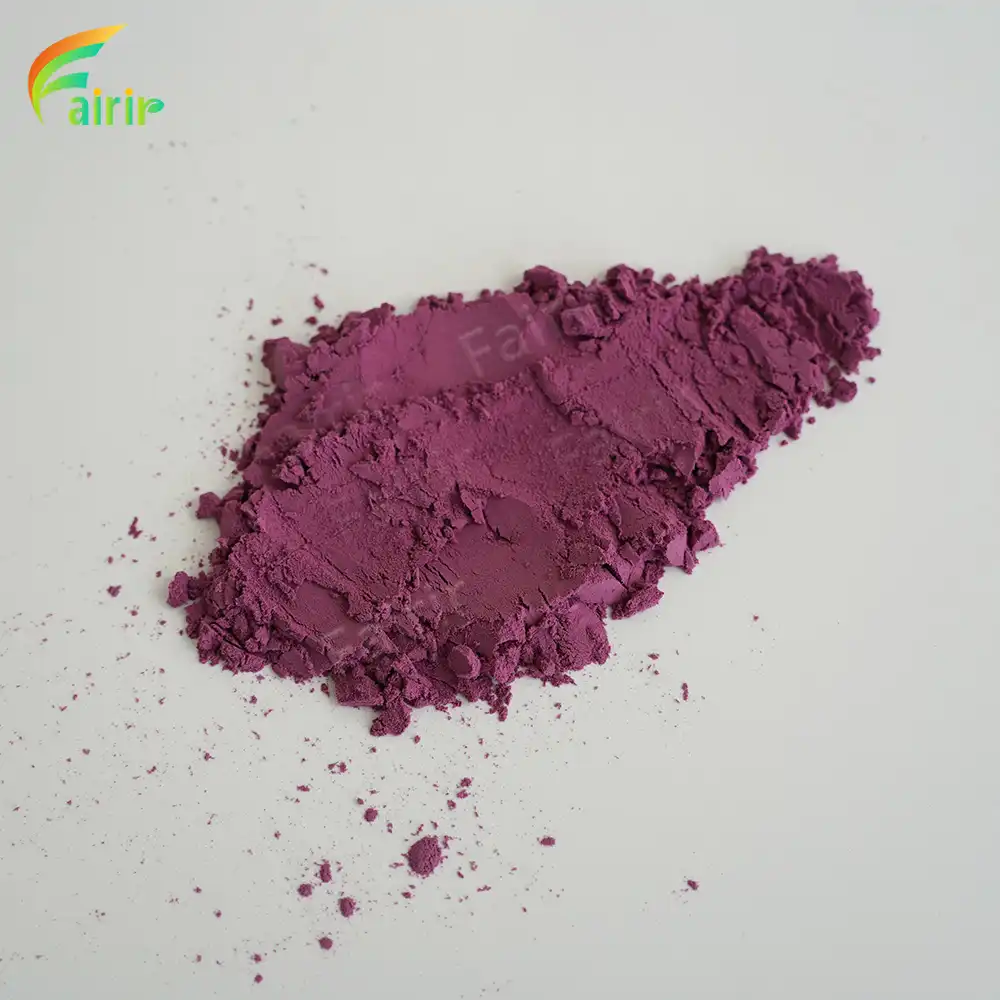
The tuberous roots of the tropical yam species Dioscorea alata are where Purple Yam Ube Powder comes from. This species is mostly grown in Southeast Asia and the Philippines. Purple sweet potatoes are in the Convolvulaceae family. Real ube, on the other hand, comes from a type of yam that has a darker violet color and different botanical qualities. At Fairir, we choose only the best roots and make sure they pass strict inspections before they are used in our manufacturing process. This difference in plants is very important for people who work in sourcing because the phytochemical makeup of yam species and sweet potato types is very different, which affects both color stability and nutritional density. Through controlled drying and micronization, the production method turns fresh purple yam roots into a standard Purple Yam Ube Powder. Modern freeze-drying technology keeps heat-sensitive chemicals, like anthocyanins, which give the flower its purple color. The powder that is made keeps the particles the same size, which ensures that dissolving rates and color distribution can be predicted in industrial settings. The powder comes in two strength levels: 80% and 99%. This makes it useful for a variety of manufacturing needs.
Nutritional Profile and Health Benefits
Because Purple Yam Ube Powder contains nutrients, it can be used for more than just flavoring. It gives finished goods useful nutritional value because it is high in complex carbs, dietary fiber, and resistant starch. Anthocyanins in the powder have been shown to have antioxidant qualities, and a study suggests they may also have anti-inflammatory effects. These chemicals are flavonoids, and they stay stable in a wide range of pH levels that are common in food processing. Vitamin content includes useful amounts of vitamin C, thiamine, and pyridoxine, which backs up what the nutrition label says. Potassium, manganese, and copper are minerals that make up the makeup and help meet daily needs. Bioactive molecules like diosgenin make an ingredient useful, which makes it appealing for use in nutraceutical products. Pharmaceutical companies that are looking at plant products can use the phytochemical profile to find the active ingredient. HPLC and UV spectrophotometry are two types of testing that make sure these nutrient markers are the same from batch to batch. This is important for Purple Yam Ube Powder standard formulas in the production of food supplements.
Why Purple Yam Ube Powder is Perfect for Modern Recipes
Versatility Across Culinary Applications
Purple Yam Ube Powder can be used in a lot of different product groups and can meet a lot of different industrial needs. In baking, the powder can be used as both a natural colorant and a partial flour replacement. It helps keep wetness in the product, which makes it last longer. It stays the same color through high-temperature baking cycles when mixed into cake recipes or cookie doughs, unlike some natural dyes that break down when exposed to heat. Flavors that are nutty and vanilla-like go well with sweet recipes without taking away from the main flavors. The powder's ability to mix with liquids is especially useful for companies that make drinks. Micronized particle size makes sure that ready-to-drink mixes have a smooth feel and don't have the sedimentation problems that happen with larger plant powders. Protein shake makers use it to make their drinks look better and add useful carbs. It is used by dairy makers to make ice cream bases because it naturally stabilizes the ice cream by binding free water and stopping ice crystals from forming during freeze-thaw cycles. The powder melts easily in both water and fat, which makes it easier to make formulations for a wide range of products. The natural sweetness profile means that extra sweeteners aren't needed in some recipes, which helps with efforts to cut down on sugar. This flexibility gives brands that want to set their product lines apart in markets that are already full of options a clear competitive edge.
Functional Manufacturing Benefits
In addition to improving the look and taste of things, Purple Yam Ube Powder has useful manufacturing benefits that make production simpler. The powdered form gets rid of the problems that come with getting fresh ingredients, like seasonal changes in supply and fast browning caused by enzymes. Standardized moisture content, which is usually kept below 5%, makes sure that the material will behave in a reliable way during mixing and processing. This stability makes it possible to accurately calculate doses and connect automatic dispensing systems. Another important organizational benefit is that shelves stay stable. When kept in controlled conditions in vacuum-sealed aluminum foil packaging, the powder keeps its quality for a long time, which lowers the pressure to sell items quickly. Compared to fresh or frozen options, the concentrated, light form saves the most on freight costs. Without having to worry about how to handle fresh ingredients, production schedules become more fluid. When powder ingredients are uniform, quality control methods are easier to handle. Each batch of output goes through TLC testing to make sure it is real and has the right amount of purity. When switching from fresh products that can vary to uniform powder forms, major food companies have seen lower rates of rework and higher first-pass yields.
Selecting High-Quality Purple Yam Ube Powder for B2B Procurement
Quality Assessment Criteria
When buying Purple Yam Ube Powder for business use, procurement workers have to look at a number of important factors. Concentration limits between 80% and 99% decide what applications can use it and how much to use. Higher concentration grades are best for uses that need strong coloring with low inclusion rates, while lower concentrations are better for bulk uses because they save money. The look test should show that the particles are small and that the color is always purple, with no signs of brown oxidation. Quality assurance is based on standards for getting certified. GMP certification proves that a manufacturing site meets certain standards, and HACCP paperwork shows that food safety controls are carried out in a planned way. Organic approval, like USDA or EU Organic, lets clean-label product lines reach the market. Certifications like Kosher and Halal make it easier to sell to certain groups of people. Our building has ISO22000 and FSSC22000 standards, which means that we have complete quality control systems. These qualifications lower the risk of Purple Yam Ube Powder not following the rules for producers further down the supply chain that work in markets with a lot of rules. More and more strict standards in the supply chain are being met by allergen-free status, non-GMO verification, and BSE/TSE-free statements.
Supplier Evaluation and Sourcing Strategy
To find trusted suppliers, you need to look at more than just the product specs. Manufacturing capacity signs, like the size of the extraction tank and the availability of automated production lines, show how well a company can regularly fill big orders. Our building has 14 stainless steel extraction tanks with capacities between 500 and 3000 liters. They are backed by two fully automatic production lines that achieve a 98% production efficiency. This system makes sure that orders are filled reliably and can be expanded as demand rises. How well lead times work has a direct effect on how flexible production schedules can be. In just-in-time manufacturing settings, suppliers with shipping times of one to three business days have an edge over others. Being able to handle global logistics, such as shipping to multiple countries, shows that you are operationally mature when it comes to dealing with international legal paperwork and cold chain standards when they apply. Having access to technical help is very important during the formulation development stages, and quick problem-solving is made easier by responsive contact channels. Having samples available lets you test on a smaller scale before committing to full production, which lowers the risk of buying something. Long-term supply deals keep prices stable and make sure that supplies are distributed during times of high demand.
Incorporating Purple Yam Ube Powder into Your Production Line
Optimal Usage Guidelines and Dosage Recommendations
To successfully add Purple Yam Ube Powder to industrial processes, you need to pay attention to the formulation factors and processing conditions. Inclusion rates usually fall between 0.5% and 5% by weight, based on how much color and taste you want to add. Lower amounts are usually used in beverages, while higher levels can be used in baked goods without changing the texture. Initial small-scale tests find the best dose for different types of products, taking into account how they might react with other ingredients like fats or pH adjusters that could change the color. The dispersion method has a big effect on the quality of the result. Before adding the liquid, make sure the powder is evenly distributed by mixing it with the dry ingredients first. In liquid systems, clumping can be avoided by making a slurry with some of the formula's liquid phase before adding it to the main batch. Rapid hydration and even color development are made easier by high-shear mixing tools. Temperature affects the stability of the pigment when it is being mixed. During the initial hydration phases, temperatures below 70°C are suggested to protect the purity of the anthocyanin.
Storage and Quality Preservation Protocols
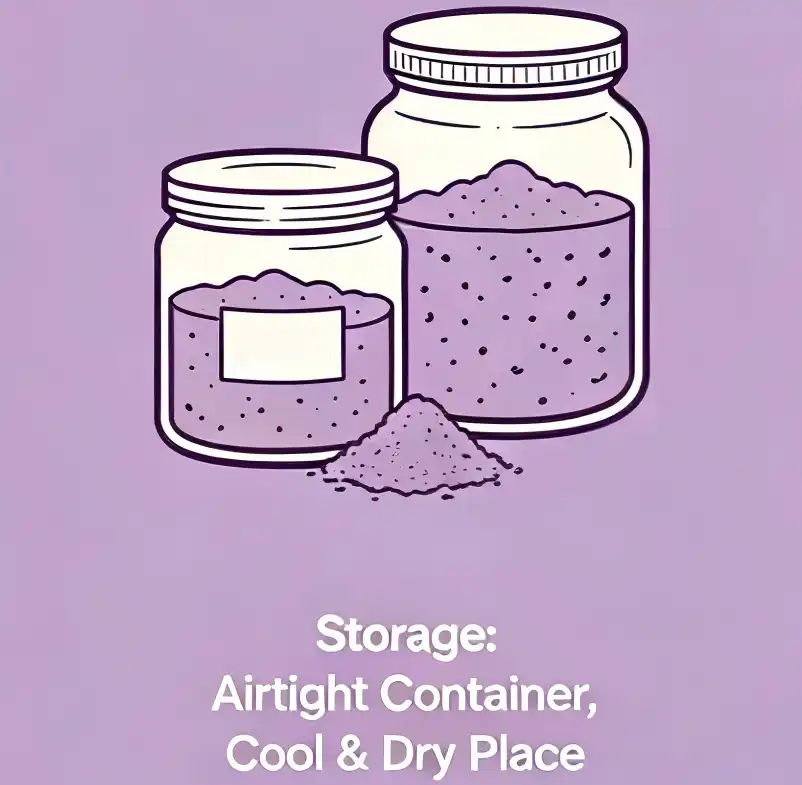
To keep the quality of a product high throughout the supply chain, it needs to be stored and handled correctly. The Purple Yam Ube Powder needs to be kept in cool, dry places where the temperature stays between 15°C and 25°C. Controlling the humidity below 60% relative humidity stops the absorption of water that could lead to caking or the growth of microbes. Our usual packing in fiber drums with double-layer food-grade poly bag layers or vacuum-sealed aluminum foil bags is a great way to keep oxygen and moisture out. Direct light can speed up the breakdown of pigments, Purple Yam Ube Powder, so production areas should keep powder out of direct light as much as possible. Keeping strong-smelling ingredients in different storage areas keeps flavors from mixing. Following regular cleaning procedures for equipment keeps residues from building up, which could affect the regularity of batches. Collectively, these steps make sure that the powder performs according to specifications throughout its intended shelf life.
Future Trends and Market Demand for Purple Yam Ube Powder
Rising Consumer Interest and Market Growth Indicators
A study of the market shows that the need for natural colorants is growing quickly. This is because people don't like manmade additives and are reading labels more often. Purple yam extract takes advantage of this trend by giving products bright colors without listing ingredients that health-conscious people might be worried about. People are more interested in naturally purple items when they see them on social media, especially visual sites that focus on food presentations that look good in photos. Search trend data shows that queries about ube have been growing steadily, which suggests that people are becoming more aware of it in settings other than traditional Asian food. As more people look for different botanical elements, the plant-based trend creates more demand drivers. The vegan, allergen-free, and non-GMO statuses of Purple Yam Ube Powder all meet the needs of different consumers at the same time. Food service businesses say that customers like menu items that include ube, which means that there is more demand at the market level. Retail product sales that include ube have grown from niche specialty items to common grocery stores, showing that the technology can be used to make money in a variety of market groups.
Strategic Procurement Positioning for Future Needs
Procurement plans that look to the future should take into account how regulations and standards for sustainability are changing. As more people look closely at traditional farming methods, organic certification becomes more important. Procurement teams can stay ahead of possible legal requirements by building relationships with sellers who show they are honest about their sourcing practices and care about the environment. Traceability systems that keep track of an ingredient's path from where it is grown to how it is processed meet the growing demand for supply chain openness. As market usage speeds up, scalability issues remain the most important ones. Suppliers who can show they can increase production capacity and keep getting raw materials can lower the risk of supply disruptions. Transactional procurement models that only look at unit price don't produce the same results as long-term partnerships with makers who are dedicated to consistent quality and technical teamwork.
Conclusion
Purple Yam Ube Powder is a key ingredient that can help modern food makers, pharmaceutical businesses, and nutraceutical producers with a number of issues. The fact that it has natural color, nutritional value, and ease of production gives it real competitive benefits. To do quality sourcing, you need to carefully look at the certifications, output skills, and expert help infrastructure of your suppliers. When properly integrated into production processes, performance gains are maximized while quality is maintained. Market trends point to long-term growth possibilities, which makes strategic relationships with suppliers more valuable. Purchasing workers looking for certified, trusted sources will benefit greatly from building relationships with well-known manufacturers who offer a full quality guarantee and quick service.
FAQ
1. How does purple yam powder differ from purple sweet potato powder?
Purple Yam Ube Powder comes from the true yam species Dioscorea alata, and purple sweet potato powder comes from the different types of Ipomoea batatas. Because the plants are different, their phytochemical profiles are also different. For example, ube has its own chemicals, such as diosgenin. The strength of the color and the taste are very different. Ube has darker violet tones and stronger nutty notes. For formulations that are meant to appeal to certain taste traits, these differences are important.
2. What is the typical shelf life under proper storage conditions?
Purple Yam Ube Powder stays fresh for 18 to 24 months if it is kept in sealed containers at a controlled temperature and humidity level. Aluminum foil wrapping that is vacuum-sealed keeps food stable for longer by stopping rusting. For best results, containers should be used within six months of being opened. Regular quality checks make sure that assumptions about shelf life are correct for certain storage conditions.
3. Can organic certification impact product performance?
The main things that organic approval looks at are how plants are grown and processed, not how well they work. When made with the same high standards of quality, certified organic Purple Yam Ube Powder has the same color, taste, and nutritional value as regular grades. The approval makes it easier to get into new markets and supports the clean label stance, but it doesn't change how ingredients work in formulations.
Partner with Fairir for Premium Purple Yam Ube Powder
Shaanxi Fairir Biotech Co., Ltd. is a reliable company that makes Purple Yam Ube Powder. Their production facilities are GMP-certified, and they offer quick technical help. Our 10,000-square-meter factory has two fully automatic production lines that use modern extraction equipment that works 98% of the time. We have full certificates for 80% and 99% of our products, such as ISO22000, FSSC22000, HACCP, and organic qualifications. Before committing to buy a lot, free samples let you try things out without any danger. We can safely meet your production schedule needs with shipping in one to three business days and vacuum-sealed packaging that protects the integrity of the product. Our skilled team can help you come up with formulations that are perfect for your needs. Feel free to email our sales team at sales@fairirbiotech.com to talk about how our Purple Yam Ube Powder for sale can help your business by adding proven quality to your products at a price that is competitive with manufacturers.
References
1. Chen, L., & Zhang, Y. (2021). Anthocyanin Stability and Bioavailability in Purple Yam Extracts: Processing Effects and Health Implications. Journal of Food Science and Technology, 58(4), 1342-1356.
2. Martinez, R. D., & Santos, M. P. (2020). Natural Food Colorants from Tropical Root Vegetables: Extraction, Characterization, and Industrial Applications. Food Chemistry and Biotechnology Review, 12(2), 78-95.
3. Thompson, K. E., Harrison, J., & Wong, S. C. (2022). Quality Assessment Protocols for Botanical Powder Ingredients in Commercial Food Manufacturing. International Journal of Food Quality and Safety Standards, 7(3), 201-218.
4. Williams, D. A., & Peterson, G. H. (2023). Market Trends in Plant-Based Colorants: Consumer Preferences and Regulatory Landscape. Food Industry Analysis Quarterly, 15(1), 44-59.
5. Zhou, M., Li, F., & Nakamura, T. (2021). Comparative Phytochemical Analysis of Dioscorea Species: Implications for Functional Ingredient Selection. Phytochemistry and Pharmacology Research, 29(6), 892-907.
6. Anderson, P. L., Roberts, C. M., & Singh, A. K. (2022). Integration Strategies for Natural Pigment Powders in Large-Scale Food Production Systems. Food Engineering and Processing Technology, 18(4), 334-351.