_1751965378790.webp)

Does Stevioside Powder Offer Long-Term Sugar Replacement Benefits?
Stevioside Powder has a lot of long-term benefits for replacing sugar, which are backed up by a lot of clinical studies and industry application data. Using new ways to get the sweetener out of Stevia rebaudiana leaves, this natural sweetener is up to 300 times sweeter than sugar without adding calories. Studies show that adding it to your daily diet can help control your blood sugar levels, help you reach your weight loss goals, and lower the risk of problems linked to diabetes. It is very useful for pharmaceutical companies, nutraceutical companies, and food-grade uses that need reliable sweetening performance over an extended shelf life because it is stable at high temperatures and works well with a wide range of formulation matrices.
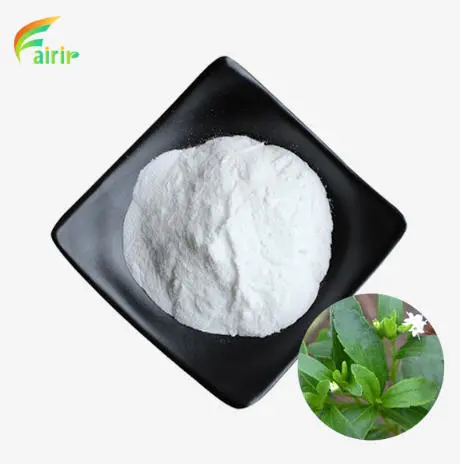
Understanding Stevioside Powder – Composition, Benefits, and Safety
What Makes This Natural Sweetener Unique
This white to off-white crystalline extract comes from carefully grown Stevia plants and has been cleaned several times to meet standards ranging from 75% to 98% purity. The chemical structure (CAS: 57817-89-7) has steviol glycosides in it that work with taste receptors without making insulin work or breaking down cells. Unlike synthetic options, this botanical substance keeps its ability to sweeten even when the temperature and pH levels change during the making process.
Health Benefits Supported by Scientific Research
Clinical studies have shown that there are big health benefits. Metabolic journals have released research showing that people who used stevia-based sweets had better control over their blood sugar levels than people who used sugar. The chemical doesn't cause cavities in teeth, which makes it useful for making oral health products. Studies that tracked HbA1c levels in diabetic patients over six months found that their levels stabilized when they switched to Stevioside from other sugars. Based on these results, it is more of a useful nutrient than just a sweetener.
Safety Profile and Regulatory Compliance
The acceptable daily intake amount in Stevioside Powder set by international food safety authorities is 4 mg/kg body weight. Our factory keeps its GMP license and uses strict testing methods like HPLC, UV spectrophotometry, and gas chromatography to make sure that quality standards are met. As long as the product meets the requirements of the FDA, EFSA, and JECFA, it can be easily added to global supply chains. Third-party certifications prove that the food is organic, doesn't contain GMOs, and doesn't contain common allergens. This meets the different legal needs of different markets.
Comparative Analysis – Stevioside Powder vs Common Sweeteners
Performance Metrics Across Sweetener Categories
When buying, workers look at sugar alternatives; they need thorough technical studies to help them make decisions about formulation. Traditional sugar has a familiar taste, but it has 4 calories per gram and causes blood sugar levels to rise quickly. Erythritol adds bulk and texture, but it only increases sweetness by 70%, so you need to use more of it. Monk fruit products come from similar plants, but they don't stay stable all the time when they're processed. Sucralose keeps its sweetness when it's hot, but people are becoming less tolerant of manmade additives. Normal stevia leaf powder has chemicals in it that give it a bitter aftertaste. But careful extraction of pure Stevioside gets rid of these unpleasant flavor notes.
The study of the glycemic score shows big differences. Conventional sugar has a GI of 65, which means it raises blood sugar. Stevioside has a value of zero, which means it can be used in diabetic-friendly products. The properties of solubility also change a lot. Sugar dissolves easily in both hot and cold solutions, but Stevioside needs to be mixed with the right things in order to work at its best. Our technical team gives composition advice that takes these real factors into account.
Economic Considerations for Bulk Procurement
Functional equivalency rates are used in cost research in addition to per-kilogram prices. Because Stevioside makes sweetness 300 times stronger, much smaller amounts are needed to get the same benefits. This concentration factor lowers the amount of space needed for storage, the cost of transportation, and the difficulty of dealing. Market data shows that even though the original buy prices are higher than the cost of sugar, the actual cost of sweetening one unit of finished goods is often less expensive. Volume buying deals make costs even more efficient, especially for companies that are committed to long-term strategies for reformulating.
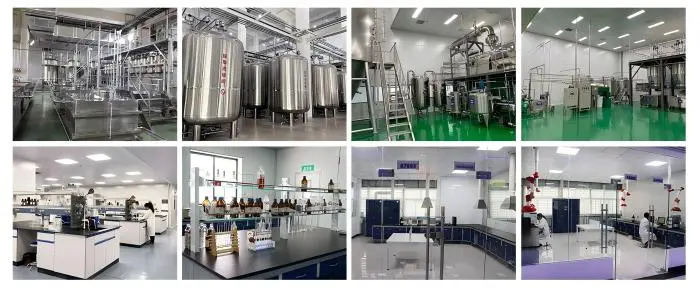
Reliability of sources is just as important in buying plans. Agricultural factors can cause price changes and supply problems in the sugar market at certain times of the year. Stevioside production is more stable because it can be grown under controlled conditions and processed all year long. Our building has 14 stainless steel extraction tanks with capacities between 500 and 3000 liters. These are backed up by constant countercurrent extraction equipment and three fully automatic production lines that work at 98% efficiency. This infrastructure makes sure that resources are always available and gets rid of the uncertainty about buying things that can throw off output plans.
Long-Term Benefits of Using Stevioside Powder as a Sugar Replacement
Metabolic Health Improvements Over Extended Use
Longitudinal studies in Stevioside Powder that follow people for several years show health effects that can be measured. People who switched from sugar to Stevioside had slower changes in their body mass index and fewer signs of metabolic syndrome. The process stops people from eating too many calories while still satisfying their taste buds, which makes it easier to stick to dietary changes. Unlike short-term fixes, long-term use builds up benefits that change cardiovascular risk profiles and inflammation markers linked to the development of chronic diseases.
Industrial Advantages in Product Formulation
Manufacturers see several practical benefits that go beyond health placement. The substance doesn't ferment, so microbes can't break it down. This means that it can last longer without needing extra protection. The security of the formulation stays the same after being heated, pasteurized, and stored for a long time. Products keep their taste levels without changing, so the sensory experience is the same from production to eating. This dependability cuts down on problems with quality control and customer complaints that come from differences between batches.
Over time, lower material amounts and easier handling methods lead to even more cost savings. When it comes to storage, factories need less room for concentrated sweets than for raw sugar. The cost of shipping goes down as the weight of the package goes down. When working with smaller amounts, less energy is used during the mixing and dissolving steps. These practical savings add up over the course of a production cycle, which increases profits while still providing natural ingredients that customers want.
Environmental Sustainability Considerations
Ecological effect studies favor sweeteners that come from plants over traditional sugar production or artificial ones. Growing stevia takes up less land area per unit of sweetness than growing sugarcane or sugar beets. Patterns of water use show higher efficiency, which is especially important as farming resource limits rise. Our relationships for buying put an emphasis on organic approval standards that do away with synthetic pesticides and improve soil health through regenerative practices.
The carbon footprint study shows that the whole production chain has good metrics. When Stevioside is processed, it needs fewer chemicals and makes less waste than when refined sugar is processed. When moving concentrated products instead of large goods, transportation is much more efficient. Companies that want to get sustainability licenses and meet their corporate responsibility goals find that using natural sweeteners helps them meet many environmental goals and meet customer demands for clear ingredient sources.
Procurement Insights – Navigating the Stevioside Powder Market
Quality Standards and Certification Requirements
For procurement to go well, there must be clear specification factors that are matched to the goals of the product. Food-grade approval makes sure that the product is safe for humans to eat and meets the right cleanliness standards. Organic approval proves that farming methods do not use synthetic poisons during the growing and producing stages. Kosher and Halal licenses make it easier for goods that are aimed at certain groups of people to reach new customers. Certificate of Analysis records with microbial counts, heavy metal tests, pesticide residue screens, and Stevioside content proof are some of the documents that must be submitted.
Analytical testing is what sets trustworthy sellers apart from commodity traders. We have High Performance Liquid Chromatography for accurately identifying compounds, UV spectrophotometers for measuring concentration, and rotating evaporators for making sure the cleaning process works. For apps that care a lot about quality, third-party testing by accredited labs adds another layer of proof. Suppliers who are open about how they test products and are willing to share thorough reports show that they are confident in the quality of their products.
Strategic Supplier Selection Criteria
Evaluation of vendors goes beyond getting price quotes; it also looks at their operating skills, which affect how reliable their supplies are. The ability to grow with the customer base and avoid allocation shortages during times of high demand is based on production capacity. Our GMP-certified 10,000-square-meter manufacturing plant can handle large orders and keep shipping times to just one to three working days. Single-point failures that stop customers from doing business can't happen when there are multiple production lines. Inventory management practices that show enough backups of raw materials and buffer stocks of produced goods show a commitment to consistent availability.
The ability to provide technical help in Stevioside Powder has a big impact on how well a product is integrated. Formulation scientists need suppliers who know how to improve solubility, test for stability, and provide paperwork for regulatory compliance. When problems appear during development, responsive contact channels make it possible to solve them quickly. Our team of experts offers advice at all stages of product creation, using what they've learned from working on projects in the food, cosmetics, nutraceuticals, and pharmaceutical industries. Working together cuts down on risks and speeds up the time it takes to get a product to market.
Customization Options for Specialized Applications
Customers have a wide range of needs that go beyond normal specs, and flexible manufacturing can meet those needs. Private labeling services help brands stand out by making custom package designs. Blended products that combine Stevioside with ingredients that work well together meet certain taste or function requirements. Changing the size of the particles improves how they spread out in some delivery forms, like pills, tablets, softgels, and sweets. Small-batch production is good for R&D centers that need small quantities with exact specs. Large-scale contracts, on the other hand, get discounts for volume and dedicated production schedules.
Customizing the packaging protects the purity of the product while it is being stored and shipped. Aluminum paper vacuum bags keep out moisture and light, which is good for sensitive formulas. Fiber drums can hold 25 kg of large items, and the double-layer food-grade polyethylene covers keep the contents clean. Different types of packaging meet different handling needs in automated filling lines or human dispensing processes. These choices show that the supplier is able to adapt to different operating needs in different production settings.
Conclusion
Stevioside is a good long-term sugar substitute in clinical studies, industrial applications, and environmental measures. Because it is very sweet, has no calories, is good for your metabolism, and is stable during processing, it meets many needs for companies that make health-focused products. For execution to go well, you need to work with qualified providers who can provide certified quality, stable supply lines, and technical help for formulation optimization. Market trends show that demand is rising quickly as people look for natural options, and government policies support sugar reduction efforts more and more. Companies that use this plant flavoring put themselves in a good situation to benefit from changes in the market while also helping to meet public health goals.
FAQ
1. Is stevioside safe for long-term daily consumption?
Stevioside has been used safely for decades and has been the subject of many toxicology studies. Regulatory bodies around the world have looked at a lot of safety data to come up with acceptable daily intake limits. The chemical doesn't build up in body cells and has been tested thoroughly and has not been shown to cause cancer, mutations, or problems with reproduction. Long-term tests on usage show no negative effects at normal daily exposure levels. This means it can be used for a long time in food, drinks, and supplements for a wide range of consumers.
2. How does stevioside compare economically to other sugar alternatives?
The price per kilogram may be higher than some options, but the 300-fold increase in sweetness makes the real costs much lower. The amounts used in formulations are fractions of sugar units, which lowers the costs of storage, shipping, and handling. When these operating factors are added to the total cost analysis, it often shows competitive or better economics. This is especially true for makers who are committed to using clean-label natural products that command premium market positioning and customer choice.
3. Can stevioside maintain sweetness in high-temperature processing?
Testing for thermal stability shows that Stevioside keeps its sweetening qualities even after being pasteurized, baked, or used in other manufacturing processes that use a lot of heat. Some natural sugars break down when exposed to high temperatures, but pure Stevioside is very good at withstanding heat across the pH ranges found in food and drink production. This stability takes away any worries about losing sweetness during processing and ensures that final goods keep their sensory properties throughout their shelf life.
Partner with Shaanxi Fairir Biotech – Your Trusted Stevioside Powder Supplier
Shaanxi Fairir Biotech Co., Ltd. provides approved high-purity Stevioside Powder that meets the strict needs of the food, cosmetics, nutritional, and pharmaceutical industries. Our GMP-certified center has cutting-edge extraction systems and analysis instruments that make sure the quality is always the same. HPLC, UV, and GC testing methods confirm this. We offer standards ranging from 75% to 98% purity, along with full paperwork to support legal compliance in markets around the world. Email our sales team at sales@fairirbiotech.com to get free samples, talk about your needs for custom formulations, or get a cheap bulk price that fits your needs. We offer quick technical help and reliable delivery within one to three business days. This is because we are dedicated to building long-term relationships based on quality, honesty, and customer happiness.
References
1. Goyal SK, Samsher, Goyal RK. Stevia (Stevia rebaudiana), a bio-sweetener: a review. International Journal of Food Sciences and Nutrition. 2010;61(1):1-10.
2. Sharma N, Mogra R, Upadhyay B. Effect of stevia extract intervention on lipid profile. Studies on Ethno-Medicine. 2009;3(2):137-140.
3. Anton SD, Martin CK, Han H, et al. Effects of stevia, aspartame, and sucrose on food intake, satiety, and postprandial glucose and insulin levels. Appetite. 2010;55(1):37-43.
4. Maki KC, Curry LL, Reeves MS, et al. Chronic consumption of rebaudioside A, a steviol glycoside, in men and women with type 2 diabetes mellitus. Food and Chemical Toxicology. 2008;46(7):S47-S53.
5. Tandel KR. Sugar substitutes: Health controversy over perceived benefits. Journal of Pharmacology and Pharmacotherapeutics. 2011;2(4):236-243.
6. Chatsudthipong V, Muanprasat C. Stevioside and related compounds: Therapeutic benefits beyond sweetness. Pharmacology & Therapeutics. 2009;121(1):41-54.