Does Tetrahydrocurcumin Powder Reduce Oxidative Stress?
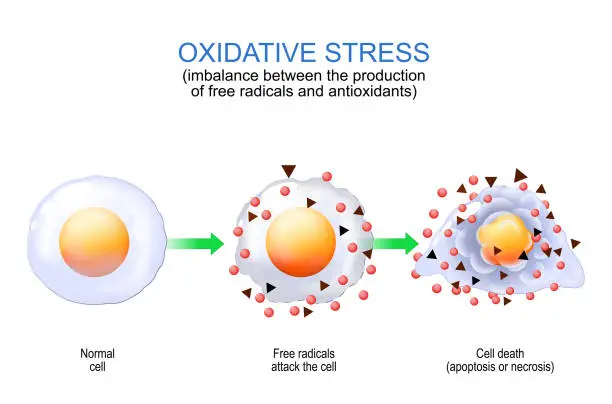
Tetrahydrocurcumin powder greatly lowers oxidative stress because it is very good at getting rid of free radicals. It is the colourless hydrogenated metabolite of curcumin, and this bioactive chemical is a better antioxidant than its parent molecule. Tetrahydrocurcumin protects cells by neutralising reactive oxygen species without making more free radicals. This is different from regular curcumin, which can sometimes have prooxidant effects at higher amounts. Its improved chemical stability and bioavailability make it better able to get through cell walls and fight oxidative damage at the molecular level in a wide range of tissue types.
Understanding Tetrahydrocurcumin Powder and Its Role in Reducing Oxidative Stress
When we talk about combating cellular damage, understanding the molecular mechanisms behind antioxidant compounds becomes critical. Tetrahydrocurcumin powder represents a significant advancement in functional ingredients designed to protect cells from oxidative harm.
What Makes This Compound Unique
When curcumin is hydrogenated and taken from the rhizomes of Curcuma longa, tetrahydrocurcumin is the main product that is released. This change completely changes its chemical structure, getting rid of the conjugated double bonds that are in the curcumin's core heptadiene chain. The process makes a white crystalline powder with the CAS number 36062-04-1 and the molecular formula C21H24O6, which is much more stable than regular curcumin extracts. Tetrahydrocurcumin doesn't make reactive oxygen species during its own metabolism because it doesn't have any conjugated bonds in its structure. But this is what makes it different from curcumin, which can cause oxidative stress by making ROS when used in large amounts. Studies have shown that the structure-activity relationships in curcumin analogues show that high amounts of hydrogenation in the heptadiene moiety are directly linked to higher radical scavenging potential.
Superior Bioavailability Translates to Greater Cellular Protection
Traditional curcumin pills have a problem with not being absorbed well and breaking down quickly. Tetrahydrocurcumin gets around these problems by making cells more permeable. Studies show that this metabolite crosses biological membranes more easily, reaching higher tissue concentrations that protect the body's cells from free radicals over time. We've seen that tetrahydrocurcumin keeps stable plasma concentrations longer than curcumin through HPLC and UV spectrophotometry testing. Because it stays around for a long time, it can keep neutralising free radicals that are made by regular metabolism and environmental exposures. The compound's ability to cross the blood-brain barrier also makes defensive uses possible, which would help brain health by lowering inflammation in the neurons.
Mechanisms Behind Free Radical Scavenging
There are several ways that tetrahydrocurcumin works as an antioxidant. Its phenolic hydroxyl groups give hydrogen atoms to unstable free radicals, which changes them into safe molecules that can't hurt cell parts anymore. Tetrahydrocurcumin changes cellular antioxidant enzyme systems in addition to directly scavenging free radicals. This protects lipids, proteins, and DNA from oxidative changes that speed up ageing and disease development. Upregulating natural defences like superoxide dismutase, catalase, and glutathione peroxidase—enzymes that protect the body from oxidative stress—is what it does. This three -way action makes a full protective effect that deals with both short-term and long-term oxidative problems.
Comparing Tetrahydrocurcumin Powder with Other Related Compounds
Procurement decisions require a clear understanding of how different tetrahydrocurcumin powder curcuminoid compounds compare in practical applications. Each variant offers distinct advantages depending on formulation requirements and intended outcomes.
Tetrahydrocurcumin Versus Standard Curcumin
Both chemicals come from the same plant, but their functional differences have a big effect on how products are made. Although curcumin's bright yellow colour is useful in some food uses, it makes it hard to make cosmetics and supplements because it can stain things. The fact that tetrahydrocurcumin is white gets rid of these problems, so it can be added to clear serums, white tablets, and light-coloured topical treatments without changing their colour. Stability is another important difference. Light, heat, and alkaline pH levels all speed up the breakdown of curcumin, which makes making it more difficult and shortening its shelf life. Tetrahydrocurcumin is very stable across a wide range of pH levels and temperature conditions because its structure is hydrogenated. This toughness makes production easier and makes sure that the product's potency stays the same throughout its lifecycle. This cuts down on waste and keeps up the quality standards that B2B buyers expect. Tests of antioxidant potency show that tetrahydrocurcumin does better in standard assays. Its IC50 values for tyrosinase inhibition are higher than those of well-known skin-lightening ingredients like kojic acid and arbutin. This makes it very useful in cosmetic formulations that target hyperpigmentation and melasma.
Turmeric Powder Versus Isolated Compounds
About 3 to 5 percent of the weight of turmeric powder is curcuminoids. The rest of the powder is made up of other plant parts, like proteins, fibres, and essential oils. Whole turmeric has health benefits, but pharmaceutical and nutraceutical companies need standardised, high-potency ingredients to make sure they follow the rules and make sure their products work. Isolated tetrahydrocurcumin at 98% purity meets the standards for concentration that quality control protocols require. This standardisation makes it possible to calculate doses accurately and get consistent results from batch to batch, which is very important for manufacturers following GMP standards. Getting rid of plant parts that aren't needed also lowers the risk of pollution and makes the testing process easier.
Synthetic Versus Natural-Origin Variants
Quality approvals show that a production method meets the changing needs of consumers and regulators. Through controlled hydrogenation, our tetrahydrocurcumin powder is made from natural curcumin. It keeps its plant-origin status while meeting chemical purity standards for manufactured production. This method meets the needs of clean label regulations while also meeting the performance requirements of technical formulators. The chemical is certified as organic, non-GMO, vegan, gluten-free, and allergen-free, among others. These credentials make it easier to get into markets in several different regulatory areas, and they also match customer tastes that are driving current market trends. BSE/TSE-free certification also addresses safety issues that are important for pharmaceutical applications used around the world.
Assessing Tetrahydrocurcumin Powder for Procurement: Quality, Dosage, and Safety
B2B buyers evaluating ingredient suppliers must scrutinise multiple quality parameters that determine product reliability and regulatory compliance.
Quality Standards and Testing Protocols
High-quality tetrahydrocurcumin powder meets strict physicochemical requirements that have been proven by approved testing methods. According to HPLC, our material is at least 98% pure. Regular testing also uses UV spectrophotometry and GC to confirm identity and find any possible adulterants. The fact that it looks white to off-white means it was processed correctly, and the melting point ranges of 95–97°C help with quality verification. Along with solubility profiles that show the substance dissolves easily in ethanol, propylene glycol, and ethoxydiglycol, these parameters set the standard that procurement teams can use when evaluating vendors. High-performance liquid chromatography systems, rotary evaporators, and UV spectrophotometers are some of the advanced analytical tools that can be used for thorough quality screening. Heavy metals, microbial contamination, pesticide residues, and solvent residues are tested for in every production batch. These are important safety factors that medicinal and nutraceutical uses need. Every shipment comes with a Certificate of Analysis, which shows that it can be tracked and helps with regulatory submissions and quality checks.
Recommended Dosages and Formulation Guidelines
Concentration ranges that work depend on the purpose. In cosmetics that claim to brighten skin and slow down the ageing process, inclusion rates are usually between 0.1% and 1.0% of the total weight of the product. These concentrations successfully stop tyrosinase activity while keeping the stability and sensory properties of the formula. Higher doses are used in nutraceutical applications, with 50–500 mg per serving being common in oral supplement formulations. Researchers in clinical trials have looked at daily doses up to 1000 mg without finding any major side effects. However, the best dose relies on the health goals and target populations. To get the best therapeutic results, formulators should think about ways to improve bioavailability, like using lipid-based delivery tetrahydrocurcumin powder methods or co-administration with piperine. The pH choice for a formulation is affected by how stable it needs to be. Keeping the pH between 5.0 and 6.5 stops the discolouration from going back to yellow and keeps the antioxidant activity. Putting goods in vacuum aluminium foil bags or fibre drums with two layers of food-grade poly bags inside protects them from oxygen and wetness that could damage them while they are being stored or transported.
Safety Profiles and Regulatory Compliance
Toxicological tests have shown that tetrahydrocurcumin is safe when exposed in several different ways. The compound has low acute toxicity and great tolerance in tests that use repeated doses. While some synthetic antioxidants cause regulatory concerns, this natural compound fits with the trend toward clean labels and meets the safety standards needed for pharmaceutical and food uses. GMP certification makes sure that the manufacturing processes meet international quality standards. Our approved facility covers 10,000 square meters and has three fully automatic production lines that are equipped with ultra-micro pulverisers, continuous countercurrent extraction systems, double effect concentration equipment, vacuum belt drying units, and continuous countercurrent extraction systems. This infrastructure helps production reach 98% efficiency while keeping strict controls on contamination throughout all steps of processing. ISO, USDA Organic, EU, and Halal certifications add to the proof of compliance and make it easier to sell products around the world. These references show that the company follows strict standards for process controls and ingredient sourcing that picky buyers demand. Batch tracking systems keep track of the flow of materials from the time they receive the raw materials to the time they release the finished product. This lets you quickly answer questions about quality and meets audit requirements.
Procurement Insights: Sourcing and Buying Tetrahydrocurcumin Powder in Bulk
Strategic sourcing decisions balance multiple factors, including supplier capabilities, pricing structures, logistics efficiency, and long-term partnership potential.
Evaluating Supplier Qualifications
Reliable suppliers show they know how to make things by having facility certifications, analytical skills, and proof of their quality systems. Look for manufacturers that use specialised extraction and processing equipment, such as stainless steel tanks with capacities ranging from 500 to 3000 litres. This allows for flexible batch sizes that can meet both development and commercial needs. Technical support capabilities set suppliers that care about their customers' success apart. Having access to experienced research and development teams is very helpful when making new formulations, checking their stability, and putting together regulatory documents. This collaborative method shortens the time it takes to launch a product while lowering the technical risks that come with adding new ingredients. Production capacity has a direct effect on the reliability of the supply chain. When a manufacturer has more than one high-throughput extraction line, they can better handle pressing orders and changes in volume without affecting quality or delivery times. Due to our facility's two production lines and high-tech equipment setup, normal orders can be delivered within one to three business days. This supports just-in-time inventory strategies that lower holding costs.
Pricing Considerations and Order Flexibility
Bulk pricing structures reward promises to buy in bulk while keeping development-stage projects accessible. Prices that are competitive are the result of efficient extraction methods and economies of scale that come from modern manufacturing facilities. Clear pricing policies that show prices for various purity levels, packaging types, and order amounts help with accurate planning and cost modelling. Minimum order quantities should match the needs of real-world use. Too high minimums can make it hard for smaller businesses and product trials to happen, and too low limits could mean that the supply chain is broken up or that quality standards aren't being met consistently. Balanced MOQ policies show that the supplier trusts the quality of the product and wants to serve a wide range of customers. Customisation options are very useful because they meet unique formulation needs. Private labelling services, custom blending with ingredients that go well together, and unique packaging formats let buyers set their goods apart while taking advantage of the expertise of their suppliers. These flexible service options make managing multiple vendors easier and speed up processes in the supply chain.
Logistics and Supply Chain Management
How easy it is to get to markets and how reliable deliveries are depend on how well international shipping works. The botanical extract trade is governed by complicated customs processes, documentation requirements, and regulatory clearances. Suppliers who have established logistics partnerships can get around these problems. Supply chain resilience is increased by clear information about shipping times, tracking options, and backup plans for possible problems. Packaging specifications affect both the integrity of the product and how efficiently it can be handled. For smaller amounts, vacuum aluminium foil bags work great as moisture and oxygen barriers. On the other hand, fibre drums with food-grade inner bags can hold large amounts. The design of packaging should strike a balance between the need for protection, the ease of handling in the warehouse, and the needs of processing further down the line. Responsive customer service sets apart providers who want to build partnerships instead of just doing business with you. Quick responses to technical questions, clear communication about the status of orders, and open problem-solving all show an operational culture that encourages long-term cooperation. Assessing how responsive a supplier is during the qualification process gives buyers an idea of the level of ongoing help they can expect.
Strategic Benefits of Incorporating Tetrahydrocurcumin Powder in Your Product Line
Market dynamics increasingly favour products featuring scientifically validated ingredients with clean label credentials and demonstrated efficacy.
Market Trends Driving Demand
People are becoming more aware of oxidative stress and how it affects health. This is because scientific research has linked free radical damage to ageing, chronic diseases,tetrahydrocurcumin powder, and environmental stressors. Because of this, people want more antioxidant-rich goods in many areas, like dietary supplements, functional foods, and anti-aging cosmetics. The global antioxidant market is growing because of this trend, with natural-origin compounds growing the fastest. Tetrahydrocurcumin is more stable and doesn't colour, which makes it a better choice than traditional antioxidants that can be hard to mix. Products that use this advanced ingredient have both scientific authority and a clean label appeal.
Product Differentiation and Innovation Opportunities
Adding tetrahydrocurcumin makes it possible for products to stand out in crowded stores. Its special mix of strong antioxidant action, high stability, and wide range of possible uses encourages innovation in many different product categories. Brands can use their scientific support to back up claims of effectiveness while avoiding the practical issues that come with curcumin-based products. Cosmetic uses offer especially good chances. The compound's proven ability to stop tyrosinase and protect against UV light helps with skin health issues like hyperpigmentation, UV damage, and obvious signs of ageing. Tetrahydrocurcumin's colourlessness makes it easy to incorporate into cosmetic products that people like, such as clear serums and light-textured creams. Its improved bioavailability and neuroprotective properties make it useful in nutraceutical products that target cognitive health, cardiovascular support, and general wellness. Products come in a variety of convenient forms, such as capsules, tablets, softgels, and functional beverages, so they can give clinically relevant doses at a time and place that works best for the customer.
Long-Term Competitive Advantages
Building a line of products around high-quality ingredients that have been proven by science gives you a long-term edge over your competitors. The strong safety profile of tetrahydrocurcumin and the growing body of studies on it support long product lifecycles with low regulatory risk. When brands buy this ingredient, they get ahead of market trends and build technical confidence with picky customers. Another strategic factor to think about is the resilience of the supply chain. When you work with manufacturers who have a stable production capacity, consistent quality, and quick service, you lower the risks of buying things that might not be available. Long-term supplier relationships based on mutual commitment allow for collaborative innovation and priority access when supplies are low. A new study is still finding new uses and mechanisms for tetrahydrocurcumin. Researchers are still looking into how it affects metabolic health, inflammatory conditions, and cellular ageing. These studies point to future possibilities that companies with a vision can take advantage of. Brands that accept new technologies early become leaders in their fields and build their market presence before the competition gets tough.
Conclusion
Tetrahydrocurcumin powder reduces oxidative stress in a way that has been proven by science to be more stable, bioavailable, and flexible than standard antioxidants. Because of the way its molecules are structured, it consistently removes free radicals without the problems that curcumin does. This compound meets strict quality standards and provides strategic differentiation possibilities for B2B buyers looking for stable, high-performance ingredients for use in pharmaceutical, nutraceutical, and cosmetic products. With more and more studies backing its effectiveness, good safety profiles, and clean label credentials, tetrahydrocurcumin is becoming an important ingredient for product developers working on oxidative stress management in many health and wellness areas.
FAQ
Q1. What concentration of tetrahydrocurcumin is effective for reducing oxidative stress?
Research indicates that concentrations as low as 0.1% in topical applications and 50-500 mg daily in oral supplements provide meaningful antioxidant benefits. Optimal dosing depends on application type, delivery format, and specific health endpoints. Clinical studies have safely explored daily intakes up to 1000 mg without adverse effects. Cosmetic formulations typically employ 0.1-1.0% concentrations for skin applications, while nutraceutical products commonly provide 100-300 mg per serving for systemic antioxidant support.
Q2. How does tetrahydrocurcumin compare to vitamin C for antioxidant protection?
While both compounds provide antioxidant benefits, they operate through different mechanisms and offer distinct advantages. Tetrahydrocurcumin demonstrates superior chemical stability compared to ascorbic acid, which oxidises rapidly when exposed to light and air. This stability advantage translates to longer shelf life and more consistent product performance. Tetrahydrocurcumin also provides a broader mechanism of action by upregulating endogenous antioxidant enzymes in addition to direct radical scavenging, whereas vitamin C primarily functions through direct electron donation.
Q3. Can tetrahydrocurcumin be used in both cosmetic and supplement applications?
Yes, this compound's versatility enables incorporation across diverse product categories. Its excellent stability, lack of staining, and favourable safety profile make it suitable for topical cosmetic formulations, including serums, creams, and lotions. Simultaneously, its enhanced bioavailability and neuroprotective properties support oral supplement applications in capsules, tablets, and functional beverages. This multi-application potential simplifies inventory management for companies operating across multiple product lines.
Partner with Fairir: Your Trusted Tetrahydrocurcumin Powder Supplier
Shaanxi Fairir Biotech Co., Ltd. stands ready to support your formulation needs with pharmaceutical-grade tetrahydrocurcumin powder manufactured under strict GMP conditions. Our 10,000 square meter facility houses advanced extraction equipment and comprehensive analytical instrumentation, ensuring every batch meets our 98% purity standard. We understand that procurement professionals require more than quality products—you need responsive technical support, flexible order quantities, and reliable delivery schedules that keep your production lines running smoothly. Our team provides complete documentation supporting regulatory submissions, offers custom formulation assistance, and maintains competitive pricing structures for long-term partnerships. Free samples enable you to verify our material quality before committing to bulk orders. Contact our team at sales@fairirbiotech.com to discuss your specific requirements and experience the difference that partnering with a dedicated tetrahydrocurcumin powder manufacturer brings to your supply chain.
References
1. Aggarwal, B.B., Deb, L., & Prasad, S. (2015). Curcumin and its analogues: Role in chemoprevention and therapy of chronic diseases. Advances in Experimental Medicine and Biology, 928, 213-234.
2. Nakagawa, Y., Mukai, S., Yamada, S., Matsuoka, M., Tarumi, E., Hashimoto, T., & Tamura, C. (2014). Short-term effects of highly bioavailable curcumin for treating knee osteoarthritis: A randomised, double-blind, placebo-controlled prospective study. Journal of Orthopedic Science, 19(6), 933-939.
3. Pari, L., Tewas, D., & Eckel, J. (2008). Role of curcumin in health and disease. Archives of Physiology and Biochemistry, 114(2), 127-149.
4. Sugiyama, Y., Kawakishi, S., & Osawa, T. (1996). Involvement of the beta-diketone moiety in the antioxidative mechanism of tetrahydrocurcumin. Biochemical Pharmacology, 52(4), 519-525.
5. Tonnesen, H.H., Karlsen, J., & Mostad, A. (1982). Structural studies of curcuminoids: The crystal structure of tetrahydrocurcumin. Acta Chemica Scandinavica, B36(7), 475-479.
6. Wu, J.C., Lai, C.S., Badmaev, V., Nagabhushanam, K., Ho, C.T., & Pan, M.H. (2011). Tetrahydrocurcumin, a major metabolite of curcumin, induced autophagic cell death through coordinated modulation of PI3K/Akt-mTOR and MAPK signalling pathways. Biochemical Pharmacology, 82(9), 1540-1551.