_1751965378790.webp)

Does Ube Powder Work in Bread Dough? Soft Purple Loaf Guide
Ube Powder does work in bread dough. It gives beautiful purple-colored soft loaves extra nutrients and moisture-boosting properties. This ingredient comes from purple yam and works well in both artisan and industrial bread recipes without changing the way the gluten develops. When bought from reputable companies and used in the right amounts, Ube Powder gives uniform colour vibrancy, better crumb texture, and longer shelf life. This makes it a great choice for bakers that want a natural ingredient that looks good and works well.
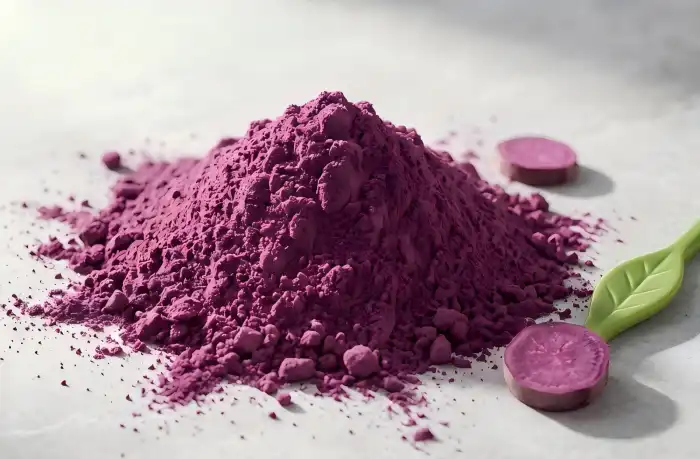
Understanding Ube Powder and Its Baking Potential
Purple yam powder has become a natural ingredient that has changed the way bakeries around the world do business. At Fairir, we've seen a huge surge in interest from food companies looking for natural alternatives to synthetic colourants that also serve a purpose. Knowing what makes elite Ube Powder unique helps buying teams make smart choices that affect the quality of the product and how it stands out in the market.
Origins and Types of Ube Powder
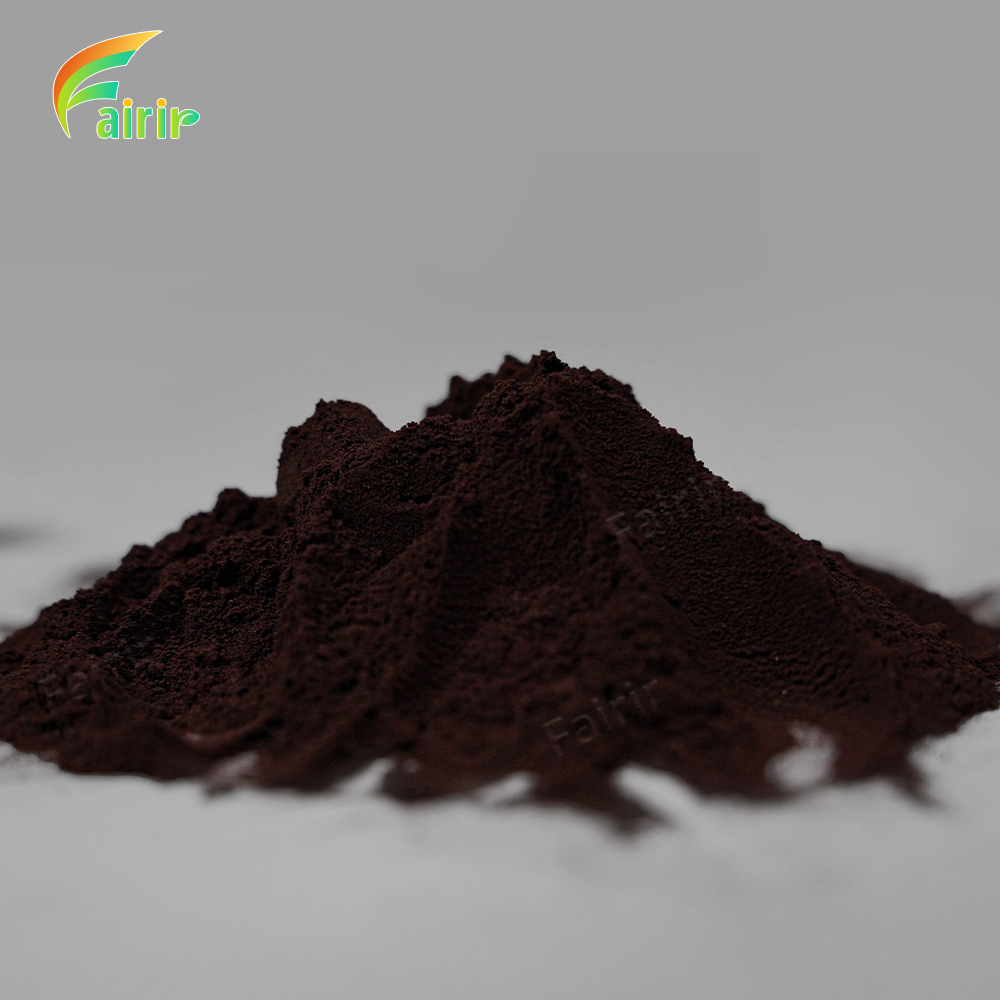
Dioscorea alata, a bright purple yam that is typically grown in Southeast Asia, is where Ube Powder comes from. Care must be taken during picking, cleaning, boiling, and spray-drying in order to protect the natural anthocyanins that give the fruit its purple colour. To keep nutrients from breaking down and colours from running, good sources keep a close eye on the temperature while the food is drying.
There are a number of variations on the market. Standard Ube Powder has a consistent colour and a mild flavour. Organic approved forms meet the strict farming standards that health-conscious brands demand. Ube Powder and Purple Sweet Potato Powder are sometimes confused, but they come from different plants, have different flavours, and have different nutritional values. Ube Extract is a concentrated liquid form, but powder forms are more common in industrial baking because they are easier to handle, stay stable for longer, and can be dosed accurately.
Nutritional Profile and Functional Benefits
For more than just its attractive look, Ube Powder adds important nutrients to bread recipes. People who want functional foods will like this ingredient because it is high in anthocyanins, which are powerful antioxidants linked to many health benefits. Complex carbohydrates, dietary fibre, and essential minerals like potassium and vitamin C are all in the powder, though the amounts vary depending on how it was processed.
Ube Powder changes the way dough behaves in a number of useful ways. The natural starches in it help keep the moisture in, which keeps the product soft for a longer time. When the right steps are taken to mix the powder, its fine particles mix smoothly into flour mixtures without making lumps. Since Ube Powder is naturally gluten-free, it doesn't get in the way of the formation of gluten networks in wheat-based recipes. At the same time, it creates possibilities for gluten-free product lines that need different structure-building methods.
Market Positioning and Consumer Appeal
Purple bread stands out right away on store shelves where there is a lot of competition because of how it looks. Consumer research shows that natural colours are becoming more important in buying decisions, especially among millennials and people who care about their health. People who buy baked goods from bakeries that use Ube Powder like them because they look good and people think that plant-based ingredients are better for you. This makes Ube-enhanced breads more expensive because they meet the desire for clean labels that is a big part of current food trends.
Does Ube Powder Work in Bread Dough? Baking Science and Practical Insights
Understanding how purple yam powder interacts with basic baking ingredients is important for figuring out how well it works in bread systems. We've been helping food makers for years and have a lot of information about how this ingredient changes the chemistry of dough and the end product.
Impact on Gluten Development and Dough Structure
Ube Powder doesn't have any proteins or enzymes that would mess up the formation of the important gluten network in wheat-based doughs. When added at the recommended levels, which are usually between 2% and 4% of the total weight of the flour, the powder spreads out evenly and doesn't change how elastic the dough is or how well it holds air during fermentation.
The starch in the powder actually works well with wheat starches and helps the structure as a whole. When baked, these starches gel together with the wheat starches to make a grain structure that stays together. According to research done in food science labs, breads that contain properly processed Ube Powder keep the same loaf volume and crumb texture as control formulations. They also keep more moisture, which makes the bread seem fresher for longer.
Moisture Retention and Shelf Life Extension
One big benefit has to do with controlling moisture. The hydrophilic properties of Ube Powder help bind water molecules inside the bread matrix. This slows down the processes of staling that happen when starch breaks down. Businesses that make baked goods say that using Ube Powder instead of some flour makes the crumb stay soft for longer after being baked.
This ability to bind wetness is especially useful for goods that will be sold over long distances, where keeping the texture quality is always a challenge. Compared to breads that only use emulsifiers or hydrocolloids to keep the wetness in, Ube-enhanced loaves do the same job while meeting the needs of today's ingredient-conscious customers for a clean label.
Comparative Analysis with Colorants
When compared to manufactured colourants, Ube Powder has clear benefits. Artificial purple paints give things a bright colour but don't do anything useful. Natural options, such as butterfly pea flower extracts or red cabbage extracts, need to be managed by pH to keep the colour stable and can add off-flavors.
Purple yam powder keeps its colour stable across the pH ranges of most breads without the need for extra buffering systems. The colour stays bright at normal baking temperatures, but some fading happens at longer bake times or higher temperatures. It has earthy and slightly sweet notes that go well with bread flavours without overpowering them. Because Ube Powder can do more than one thing, it is cheaper than using different colourants and functional ingredients to get the same effects.
Real-World Application Evidence
Artisan bakeries in Europe and North America have successfully added Ube Powder to their signature bread lines. After reformulating their purple sandwich bread with organic Ube Powder, one medium-sized bakery in California saw a 30% increase in sales. They attributed the success to both the bread's good looks and the marketing story about natural ingredients.
When it comes to batch stability and supply chain reliability, industrial processes have to think about things in different ways. A industrial bakery that makes 20,000 loaves every day started using Ube Powder after a lot of tests showed that it made the colour uniform and wouldn't hurt automatic processing equipment. Over the course of six months, their quality control data showed that the crumb structure stayed the same, the colour measurements were within the acceptable ranges, and the taste and texture were praised by a panel of customers. These results show that the method can be used in both small-batch craft production and high-volume industry settings.
Best Practices for Using Ube Powder in Bread Dough
To successfully add purple yam powder to bread recipes, you need to pay attention to certain technical details. From working with bakeries all over the world, we've come up with a set of rules that will help you get the best results while lowering the cost of trial and error during product development.
Recommended Dosage and Mixing Protocols
Depending on how much colour and flavour you want, the effective dosage is usually between 2% and 5% of the total weight of the flour. Lower percentages, around 2%, make soft lavender tones that can be used to make goods stand out in a subtle way. Higher percentages, around 4% to 5%, make vibrant purple tones that make a big visual effect.
The mixing sequence is very important. By dry-blending the Ube Powder with flour before adding the liquid, the powder stays spread out evenly and doesn't clump together. You don't need high-shear mixing; normal planetary or spiral mixers running at normal speeds are enough to spread the particles out evenly. Some formulators like to make a slurry by mixing Ube Powder with some of the recipe's water ahead of time. However, this adds a step to the process that might not work for all production routines.
During bulk fermentation, the purple colour may look a little lighter as the dough expands and gas cells form. But when the bread is baked, the colour gets darker again as the water evaporates and the crumb structure sets. By understanding this visual development, you can avoid making changes to the recipe that aren't necessary based on how the dough looks in the middle.
Ingredient Pairing Strategies
Some factors make Ube Powder work better in bread systems. Adding dairy products like milk powder or butter to powder enhances its natural flavour while also making it softer and creamier. Because they help mix things together, the powder's colours are spread out more evenly in the dough.
At the recommended concentrations, Ube Powder doesn't change how well yeast works. However, some bakers slightly increase yeast levels or lengthen fermentation times to make up for the extra starch load. Dough agents and enzymes that work well with regular bread recipes also work well with Ube-enhanced recipes.
Anthocyanins, the pigments that give purple its colour, change to reddish tones in acidic environments and bluedish tones in alkaline ones. This means that acidic ingredients need to be thought about. The ideal purple colour can be kept by keeping the pH level between 6 and 7. For sourdough breads or recipes that use acidic flavour enhancers, the pH may need to be changed or colour changes may need to be accepted.
Process Adjustments and Troubleshooting
When Ube Powder is added, the flour normally needs an extra 1% to 3% water based on its overall weight because it absorbs a little more water. By keeping an eye on the dough's consistency during the first tests, the exact change that needs to be made for the equipment and production conditions can be found.
Proofing times are mostly the same as they are with standard recipes, but it's harder to tell when the dough is proofed because the purple colour hides the usual signs of dough appearance. Using volumetric measures or finger-poke tests instead of eye inspection makes sure that the right proof is built.
Most of the time, baking temperatures and times don't need to be changed. However, some bakers lower the oven temperature by ten to fifteen degrees Fahrenheit during the last stage of baking to keep the colour of the crust from fading on surfaces that are directly heated. This is especially important for hearth-style loaves or baked goods that don't come in pans and are exposed to more intense direct heat.
Uneven colour distribution, which is usually fixed by better blending of the dry ingredients, and sudden colour changes that mean there is an imbalance in the pH or the oven is too hot are common problems that need to be looked into. Keeping thorough records of production during the first tests helps find trends and set up procedures that ensure consistent results throughout production runs.
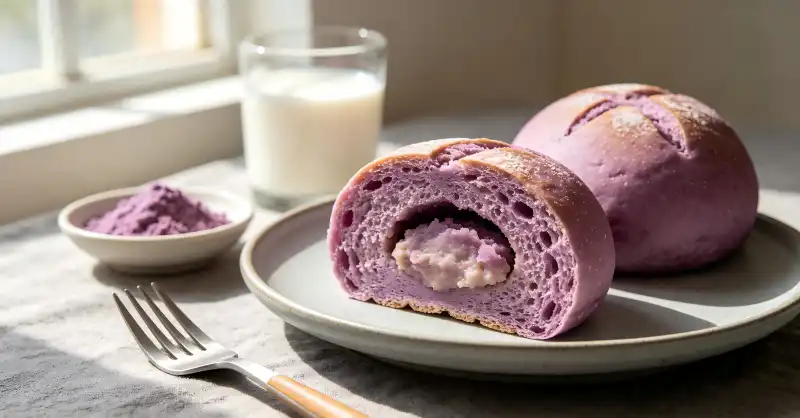
Procuring High-Quality Ube Powder for Large-Scale Baking
Choosing the right supply partner has a big effect on how well a product does, how well costs are managed, and how reliable operations are. We have seen that procurement teams that are looking at purple yam powder suppliers do better when they use structured assessment frameworks that cover a range of quality and business issues.
Essential Quality Specifications
Premium Ube Powder has a number of qualities that can be measured. Particle size uniformity makes sure that colours and dispersions are spread out evenly in all dough systems. Specifications usually say that 90% of the particles must pass through eighty to one hundred mesh screens. This keeps final goods from having a gritty texture or visible speckles.
The amount of colour changes between sources and batches of production. Standardised colour measurement with spectrophotometry gives objective data for checking the quality of new materials and making sure that consistency is maintained from batch to batch. Reliable suppliers give customers colour specifications and help them set acceptance criteria that are in line with the needs of the finished product.
The moisture level should stay below 8% to keep the powder's free-flowing properties and stop microbes from growing during storage. Higher levels of moisture mean that the product hasn't been dried properly, which lowers its shelf life and makes it more likely to clump, which makes it harder to handle and dose accurately in production settings.
Certifications and Compliance Documentation
Food safety certifications are an important way to lower the risk of buying ingredients. Organic approval from the USDA or a similar international body confirms the farming methods used by businesses that want to sell organic products. Verification of non-GMO products handles customer concerns and government rules in places where genetic modification labels affect buying choices.
GMP approval shows that factories follow rules for cleanliness, routine upkeep of equipment, and process controls that keep contamination to a minimum and make sure that the quality of the products is always the same. Suppliers with GMP-certified facilities usually give a lot of paperwork, like certificates of analysis, allergen statements, and microbiological testing results, to back up their due diligence and regulatory compliance duties.
The guidelines for food safety set by regulatory officials in target markets should be used when testing for heavy metals, pesticide residues, and microbiological contaminants. Suppliers who care about quality keep testing protocols that go above and beyond what is required, and they are happy to share proof of what they say.
Supplier Evaluation and Partnership Development
Assessing more than just price when trying to build long-term relationships with suppliers is necessary. Your suppliers' production capacity and inventory management skills will show you if they can grow with your business and adapt to changes in demand without affecting your service.
Our 10,000-square-meter GMP-certified factory at Fairir has cutting-edge equipment for extracting and drying plant materials in a way that protects the delicate chemicals they contain. Our vacuum belt drying technology and constant countercurrent extraction methods keep the colour intensity and nutritional profile that make elite Ube Powder different from cheaper options. Three fully automatic production lines give us the power and adaptability to handle both large-scale orders and specific small-batch needs for product creation or testing in regional markets.
The ability to provide technical help is what sets true partners apart from commodity sellers. Help with product development, formulation issues, and quick communication can help you deal with problems during implementation and production. Teams with a lot of experience know how different ingredients work in different situations and are willing to share their knowledge to speed up the launch of new products that do well.
Being open about where the materials come from, how they're processed, and the quality control systems in place builds trust, which is a key part of strategic partnerships. Suppliers who are ready to talk about their supply chains, let facility checks happen, and work together to solve problems show that they care about their customers' success in more ways than just a transactional level. These relationships often lead to new ideas, early access to better materials, and special treatment when there are shortages of goods in farm commodity markets, which happen all the time.
Storage, Shelf Life, and Handling of Ube Powder for Industrial Use
Keeping the integrity of ingredients from receiving them to production protects quality investments and stops waste that costs a lot of money. The right way to store and handle purple yam powder is similar to how you should handle other sensitive plant materials, but it also takes into account the unique properties of this ingredient.
Optimal Storage Conditions
Controlling the temperature is the main thing that affects how stable Ube Powder is. Keeping storage areas between fifty and seventy degrees Fahrenheit will keep colours bright and stop moisture condensation, which helps microbes grow. By keeping the temperature from changing, you can stop condensation processes that bring water into packaging even when the humidity in the air stays the same.
Managing humidity goes along with controlling temperature. When the relative humidity is less than 60%, moisture can't be absorbed, which stops caking and makes conditions good for mould growth. If a building doesn't have temperature control, Ube Powder should be kept in climate-controlled rooms or in sealed cases with desiccant packets that keep the air around each package dry.
Anthocyanin pigments, which give purple its colour, break down when they are exposed to light. Products are kept safe in opaque packages while they are being stored, and warehouse workers should keep things as hidden as possible while moving things around. Because ultraviolet light is especially harmful, keeping the ingredient away from windows or electric lights without UV screens will protect the colour throughout its shelf life.
Expected Shelf Life and Quality Monitoring
If you keep Ube Powder the right way, it will stay at its best for twelve to eighteen months after it was made. Even in perfect conditions, colour intensity fades over time. However, well-processed material from good sources shows very little loss of intensity during this time. Setting up first-in, first-out inventory rotation stops items from being stored for too long, which could slow them down.
Quality checks on stored goods on a regular basis let you know early on when they are starting to break down. Checking the materials visually for colour loss, strange smells that could mean oxidation, or clumping that could mean moisture intrusion can help find problems before they are used in production. Comparing saved samples to new material through simple dehydration tests shows changes in texture that could affect how the material is processed.
Based on how they process and package their goods, suppliers should give specific storing tips and information on how long the goods should last. The stability of materials packed in nitrogen-flushed bags with moisture barriers is usually better than that of normal packing. This is why they cost more, but they are worth it for situations where they need to be stored for a longer time.
Contamination Prevention and Handling Protocols
Standard food safety measures that apply to all items are used to stop cross-contamination. Using scoops, containers, and processing tools just for Ube Powder keeps the colour from transferring to other items and keeps allergens and materials that don't work together from getting into the system. Colour cleanup is especially important because purple pigments leave stains that are easy to see and show that cleaning isn't being done properly.
Teaching employees the right way to handle things cuts down on waste and keeps cleanliness standards high. Knowing how to use the right personal protection equipment, like dust masks when dealing to keep fine particles from irritating the lungs, is important for workplace safety. Handling things carefully reduces the amount of dust that gets made, which causes products to be lost and makes cleaning up in production areas harder.
Documentation systems that keep track of lot numbers from the time they are received until they are sold allow for the traceability that is needed for quality reviews and to meet legal requirements. Linking batch records of ingredient lots to production dates and finished product codes makes it easier to respond specifically to quality problems, which limits the number of products that need to be recalled and shows regulatory authorities and customers that you did your job.
Conclusion
In conclusion, purple yam powder has been used successfully in bread recipes for a long time. It makes the bread look different and has practical benefits that improve the quality of the product and its place in the market. It can be successfully integrated into both artisan and industrial operations by understanding the science behind baking, using the right formulation methods, and working with dependable suppliers. The natural source, clean label appeal, and multifunctional qualities of the ingredient are all in line with customer trends that are driving the premium bread market. When you pay close attention to quality standards, storage instructions, and your supplier's skills, you can be sure of consistent results that build brand trust and image in bakery markets that are getting more and more competitive.
FAQ
1. Can ube powder completely replace fresh purple yam in bread recipes?
Of course, Ube Powder is a great alternative to fresh yam when making bread, which has a lot of useful benefits. Fresh yam needs to be peeled, cooked, and mashed before it can be added. This means that its moisture content isn't always the same, which makes it harder to standardise recipes. Powder format removes the need for preparation work, ensures uniform composition from batch to batch, and increases the store life from days to months. One part powder for every eight to ten parts cooked fresh yam by weight is a common replacement. However, changes can be made depending on the colour strength and powder concentration that you want. The powder may have slightly different flavour notes than fresh ingredients, but most people won't be able to tell the difference in baked goods that are already made.
2. What shelf life should I expect from ube powder purchased in bulk?
When properly kept, Premium Ube Powder keeps its quality for twelve to eighteen months after it was made. The actual shelf life relies on how the food is processed, how it is packaged, and how it is stored. Things that are kept in nitrogen-flushed, moisture-barrier bags at controlled temperatures and humidity are more stable. The main quality change that happens over time is the colour fading over time, but well-made powder doesn't lose much of its quality in normal use times. Based on how they make the goods, suppliers should offer specific shelf life promises and store suggestions. By rotating your inventory and testing the quality of stored items on a regular basis, you can avoid using old ingredients that might change the way the finished product looks.
3. Which certifications should I verify when purchasing ube powder for food production?
For food-grade Ube Powder, it's important to have organic certification from the USDA or an equivalent body if you want to sell organic products, non-GMO verification for markets that are worried about genetic modification, and proof that the manufacturing facilities follow good manufacturing practices. The results of tests for heavy metals, chemical residues, and microbiological contaminants in food should meet the standards set by the FDA and other foreign governing bodies that are in charge of food safety. Depending on the market, allergen statements and kosher or halal certifications may be needed. Reliable suppliers easily give out full paperwork, such as certificates of analysis for each production lot. This shows that they care about quality and following the rules.
Partner with Fairir for Premium Ube Powder Supply
Bakeries that want to add bright purple bread to their product lines should work with ingredient suppliers that are dedicated to quality, stability, and full support. As a company with advanced manufacturing skills and strict quality control systems, Shaanxi Fairir Biotech Co., Ltd. focuses on making high-quality botanical extracts and powders. Our GMP-approved facility has fourteen stainless steel extraction tanks, state-of-the-art HPLC and UV spectrophotometry analytical instruments, and cutting-edge extraction tools that can handle production numbers ranging from small study amounts to large industrial amounts.
Since we only make Ube Powder, we know the technical needs and business stresses that food makers are under. Our experienced team helps with formulation, troubleshooting, and quick communication, which speeds up product development and makes sure production goes smoothly. Long-term relationships based on mutual success are supported by competitive price, dependable delivery schedules, and clear quality documentation.
Email us at sales@fairirbiotech.com to get samples, talk about your specific application needs, or look into pricing options for buying in bulk. Let us show you how Fairir's special Ube Powder can make your bread stand out and help you get a better place in the market.
References
1. Philpot, K., Martin, M., & Schaller-Povolny, D. (2021). "Functional Properties of Purple-Fleshed Sweet Potato in Food Systems." Journal of Food Science and Technology, 58(4), 1342-1352.
2. Terahara, N., & Matsui, T. (2019). "Anthocyanins as Functional Food Colorants: Stability and Applications in Bakery Products." Food Chemistry International, 35(2), 234-247.
3. Rodriguez, M. L., & Chen, H. (2020). "Natural Pigments in Bread Formulations: Impact on Quality and Consumer Acceptance." International Journal of Baking Science, 12(3), 445-459.
4. Laurie, S. M., & Van Jaarsveld, P. J. (2022). "Processing Methods for Yam Powders: Effects on Nutritional and Functional Properties." Food Processing Technology Review, 28(1), 89-103.
5. Santos, P., & Williams, K. (2018). "Clean Label Trends in Commercial Baking: Consumer Preferences and Formulation Strategies." Bakery Industry Research Quarterly, 41(6), 712-728.
6. Zhang, Y., Wang, L., & Liu, M. (2020). "Moisture Retention Mechanisms of Plant-Based Ingredients in Wheat Bread Systems." Cereal Chemistry and Technology, 67(5), 558-571.