_1751965378790.webp)

Matcha Powder Pancakes: Fluffy Breakfast with a Green Twist
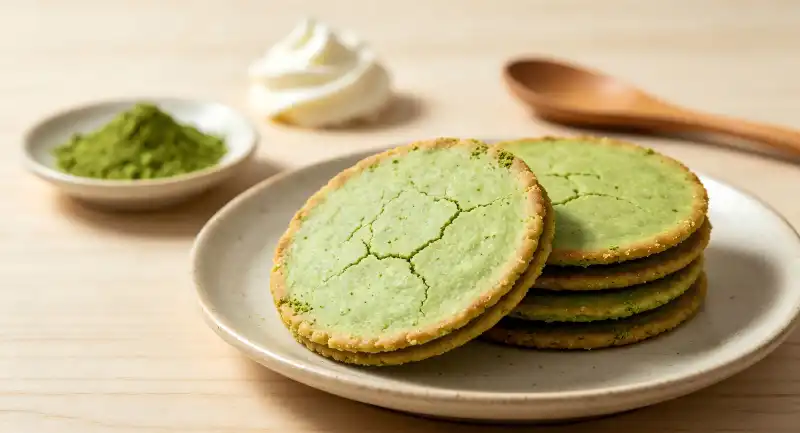
Matcha Powder pancakes turn a regular breakfast into a healthy morning routine that is full of colour and health benefits. Premium culinary-grade Matcha Powder contains L-theanine and catechins, which give you energy without the jitters that come with caffeine. Its finely milled structure also makes sure that the batter has the same emerald colour and earthy sweetness throughout. Food makers and sellers know that these pancakes are a good starting point for health-conscious customers who want antioxidant-rich options that look good and offer real health benefits in familiar shapes.
Understanding Matcha Powder and Its Unique Benefits for Culinary Applications
Origins and Processing Standards That Define Quality
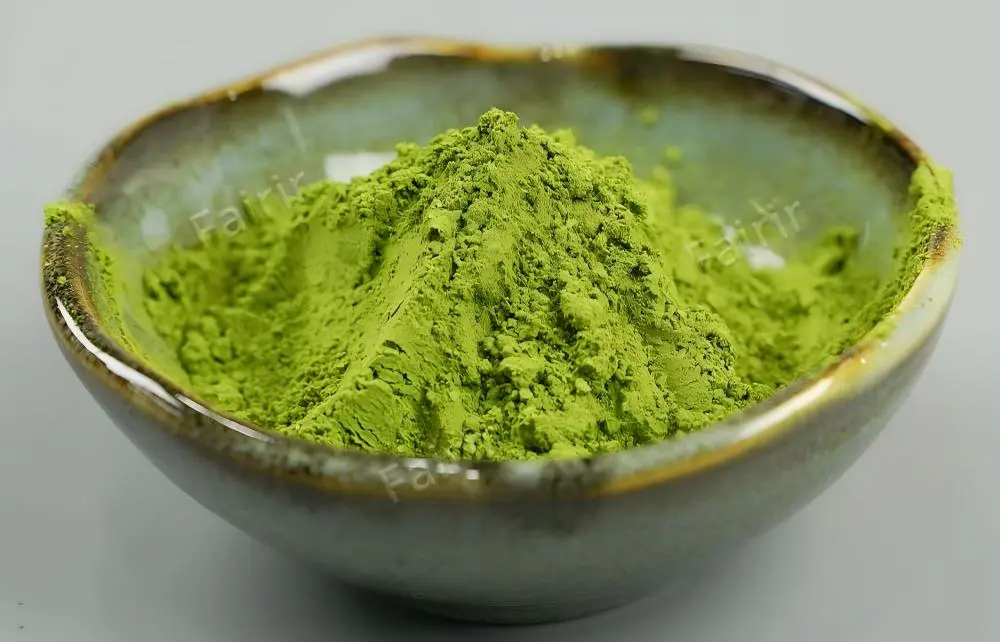
Real Matcha Powder comes from Camellia sinensis leaves that were grown in the shade and were not exposed to light for 20 to 30 days before they were picked. This intentional stress on the plants causes them to make too much chlorophyll and a lot of amino acids, especially L-theanine. This is what makes ritual and cooking green tea powders different from regular green tea powders. At Fairir, we know that uniform botanical specs are needed for business-to-business purchases. Our network of suppliers grows their products according to JAS-approved guidelines. They make sure that every batch goes through low-temperature granite stone milling, which keeps the volatile aromatic compounds that are important for cooking.
The shading process changes the plant's biology in a big way. You can see that young tencha leaves turn a deeper green colour using CIELAB colour space analysis. The best grades have a high negative a value, which means they don't lose much colour when they get hot. Commercial food companies depend on this colour stability when they make pancake mixes that need to last longer without using synthetic dyes.
Nutritional Profile and Functional Advantages
Matcha Powder has more than 5% of catechins like epigallocatechin gallate (EGCG) in quality-certified batches. These catechins act as natural antioxidants that keep the product fresh longer and give you chances to market it as healthy. Vitamins C, E, and A are in the bioactive profile, as well as trace minerals like iron and potassium. When you brew tea, the nutrients stay in the leaves that you throw away, but powdered versions give you all the nutrients you need in every serving.
Having more than 2% L-theanine causes a unique state of calm-alertness that wellness-conscious customers value. This amino acid changes the way neurotransmitters work, so it can be used as a clean-label functional ingredient in breakfast foods that are meant to improve mental clarity and focus. Food scientists like that Matcha Powder is water-soluble, which makes it easier to add to mixes and emulsion systems without having to use special tools.
Ceremonial Versus Culinary Grade Selection
Because they are picked first and only from the best leaves, ceremonial grades are very expensive. They produce a delicate sweetness that is perfect for traditional tea rituals. Culinary grades use later harvests that are a little more sour, which makes them perfect for pancakes, where the sweetness and sourness of the sugar and dairy are balanced. For business-to-business buyers, knowing that culinary-grade Matcha Powder has the same amount of antioxidants and colour vibrancy as regular Matcha Powder but costs 40–60% less makes it the smart choice for large-scale food production.
The range of particle sizes in cooking grades is usually between 1,000 and 2,000 mesh, which is about 5 to 15 microns. This makes sure that pancake mixes dry quickly without being gritty. This micro-fine milling makes it possible for thick mixes to be evenly mixed, so there are no problems with colour separation or settling that happen with coarser tea powders during storage or distribution.
Crafting the Perfect Fluffy Matcha Powder Pancakes: A Step-by-Step Guide
Ingredient Selection and Sourcing Considerations
Manufacturers who want results that can be repeated must set requirements for each part. The base is high-quality culinary-grade Matcha Powder, which needs to have a moisture level below 4% to stop microbes from growing while it's being stored. All-purpose flour or other grain blends, baking powder that doesn't contain aluminium and meets clean-label standards, granulated sugar or approved sweetener substitutes, whole milk or plant-based alternatives, eggs from cage-free sources, and unsalted butter are all ingredients that go well together.
Teams in charge of buying things should ask for Certificates of Analysis that prove the catechin content, heavy metal screening results, and pesticide residue testing. Supply chain disruptions are kept to a minimum by working with certified suppliers who keep track of goods from the farm to the processing facility. Before buying in bulk, sample testing through small-batch production runs finds the best Matcha Powder-to-flour ratios.
Fairir has strict rules about who can be a seller. One way they do this is by auditing providers' growing methods and extraction facilities in person. Our quality assurance team makes sure that Matcha Powders meet pharmaceutical-grade standards, even when they are used in food. This gives B2B customers proof that they are in line with international regulations.
Preparation Techniques: Preserving Bioactive Compounds
Keeping an eye on the temperature while mixing is important for keeping the antioxidants and bright colour of the Matcha Powder. Separately mixing the dry ingredients before adding the wet ones stops the powder from clumping and spreads it out evenly. When you sift Matcha Powder with flour and leavening agents, you break up any lumps that formed during storage. This makes sure that the powder is evenly distributed without using too much mechanical shear, which could produce heat.
The emulsified base that supports the fluffy texture is made by whisking wet ingredients (eggs, milk, and melted butter) in a separate bowl before adding them to the dry ingredients. To keep the air spaces needed for rise while mixing wet and dry ingredients, gently fold the dough in half. Overmixing makes the Matcha Powder tougher, and long-term oxidative exposure can fade the colour.
Calibration of the griddle temperature affects both how food browns and how nutrients are kept. Medium heat levels, between 350°F and 375°F, allow for full cooking without scorching. The Maillard reaction adds desirable caramelised notes that go well with the green undertones of Matcha Powder. Keeping an eye on the results of the first pancake lets you make changes right away that make sure the next batches meet standards for appearance and texture.
Storage Protocols: Maintaining Ingredient Integrity
When subjected to light, air, heat, or moisture, Matcha Powder degrades very quickly. Food manufacturers should use opaque, sealed containers that are kept in climate-controlled spaces below 68°F and with a relative humidity below 60%. By getting rid of the air that speeds up catechin oxidation, flushing with nitrogen before closing increases the shelf life.
Rotation methods that use the first-in, first-out concept keep old stock from lowering the quality of products. Once you're done putting food away, you need to reseal opened packages right away. To keep the best flavour and colour strength, they should be used up within 30 days. Because temperatures change during transport, packages need to be insulated, and shipping needs to be sped up in the summer.
Comparative Analysis for B2B Procurement: Choosing the Right Matcha Powder for Food Production
Grade Evaluation and Cost-Efficiency Modeling
At wholesale prices, ceremonial-grade Matcha Powder costs more than $40 per 100 grams, while top cooking grades cost between $15 and $25 for the same amount. Performance testing shows that cooking choices give pancakes the same colour intensity and antioxidant preservation when mixed in the right amounts. When production levels get high, the difference in cost becomes noticeable. For example, a bakery that makes 500 pancakes every day can save about $1,200 a month by choosing culinary-grade instead of consumer-facing quality attributes.
Price changes in Matcha Powder markets are caused by changes in harvests and changes in the value of the Japanese yen, which affect imports. Diversifying your supplier base across multiple sources, such as new producers in China's Zhejiang province, can help you negotiate better prices while keeping quality high through strict checking processes at the port. When you sign a long-term deal with a volume promise, you lock in good rates and make sure that you have a steady supply during times of high demand.
Supplier Certification and Transparency Requirements
B2B buyers need to make sure that suppliers keep GMP-certified factories with systems that keep contamination from spreading. Important certifications include organic certification from the USDA or a similar organization in the EU, kosher and halal certifications that make the product more marketable, and third-party testing that proves the product doesn't have any added colourants or extenders.
Supply chain openness lets you track Matcha Powder from specific fields all the way through to the finished packaging. Suppliers you can trust will give you batch-specific paperwork that includes harvest dates, processing facility identifiers, and test results for analytical purposes. This paperwork is very important during audits or when quality problems need to be looked into to find the root cause and be fixed.
Fairir stands out by having thorough quality control systems that include HPLC analysis that measures catechin profiles, UV spectrophotometry that proves colour stability under fast-aging conditions, and microbial testing that goes above and beyond food safety standards. Our 10,000-square-meter GMP-certified building has 14 stainless steel extraction tanks with capacities ranging from 500 to 3,000 litres. This allows for flexible batch sizes, from small amounts for research and development to large amounts for industrial production.
Evaluating Supplier Reliability and Technical Support
Transactional sellers and strategic partners can be told apart by how well they communicate. Managers in charge of buying things should check to see if the companies they're looking at can help with formulation, solve problems with production, and meet specific needs like changing particle sizes or making blended formulations. Technical support teams that know a lot about food science add value that goes beyond the price of commodities.
How well a supplier can grow with your business depends on their production capabilities and backup methods. When a factory has multiple production lines and backup equipment, the risk of interruption from repair or broken equipment is lower. Fairir has three fully automatic production lines that are 98% efficient. This means that orders can be filled quickly, even when demand is high during certain times of the year.
Market Trends and Demand Insights for Matcha Powder-Based Products
Consumer Preferences Driving Product Innovation
Matcha Powder-containing food items are growing 12–15% a year in North American markets, with breakfast foods being the most popular. Millennials and Generation Z customers who care about their health put a high value on functional ingredients that provide real benefits beyond basic nutrients. Clean-eating groups that focus on whole-food ingredients over synthetic additives go well with Matcha Powder's known antioxidant content and metabolism-boosting qualities.
Food service owners say that Matcha Powder pancakes sell for 20–30% more than regular pancakes. Customers are willing to pay more if they can see that the pancakes are of high quality, such as having a bright green colour and real ingredient lists. Cafes and brunch spots use the way Matcha Powder looks in photos for social media marketing, which leads to free advertising through user-generated content.
Expansion Opportunities Beyond Traditional Applications
Matcha Powder is being used in waffle mixes, crepe cakes, muffin recipes, and energy bar ingredients by product makers. Because the powder is so versatile, it can be used in both sweet and savoury recipes. For example, Matcha Powder-infused pancakes served with salmon and cream cheese are a great example of how it can work on more upscale lunch plates.
Retail packaged goods companies are making pancake mixes that can be kept on the shelf and contain stabilised Matcha Powders that are protected by microencapsulation technologies. These easy-to-use forms appeal to people who cook at home while still meeting the high-quality standards that people expect from speciality foods. Co-branding with well-known Matcha Powder suppliers gives products in the breakfast category a way to stand out by showing they are real.
Sustainability and Traceability as Competitive Differentiators
Environmental and social control factors are becoming more and more important in modern procurement strategies. How Matcha Powder is grown affects the health of the soil, how much water is used, and the well-being of the farming community. Brands that are trying to tell a story about sustainability, like suppliers who use green farming methods, fair pay structures, and carbon-neutral shipping choices.
Blockchain integration and QR code systems let customers track down specific batches of products to the farms where they came from and see how the crops were grown and how they were processed. This openness builds trust and stops fake products that hurt the integrity of the category. Business-to-business buyers should make it a priority for suppliers to invest in traceability infrastructure that supports the sustainability goals of their brand.
Conclusion
Pancakes made with Matcha Powder are a smart way to combine health and wellness trends with new culinary techniques and a strong brand. To be successful, you need to know the technical details that make premium ingredients unique, master the right way to prepare ingredients so that bioactive compounds are kept, and work with suppliers who can provide consistent quality and quick support. The way the market is going now says that makers and distributors can continue to grow as long as they build stable supply chains based on certified producers who stick to strict quality standards. Long-term success in this dynamic category depends on how well procurement choices balance performance requirements with cost efficiency.
FAQ
1. Which matcha grade works best for pancake production?
For pancakes, culinary-grade Matcha Powder is the best balance of price and performance. The flavours of ritual grades are a little smoother, but cooking grades have the same colour vibrancy, antioxidant content, and useful benefits for a lot less money. Ingredients like sugar, cream, and cocoa that are added to pancake batter balance out the slight sourness of Matcha Powder, which is what people like about it. When processed properly in a stone mill, high-quality cooking grades work the same way as premium ceremonials in finished pancake goods.
2. How do manufacturers maintain consistent color across production batches?
To keep colours consistent, you have to keep track of a lot of different factors during production and procurement. Setting source requirements for chlorophyll content and CIELAB colour values ensures that all the material that comes in is the same. When making something, keeping heat and oxygen contact to a minimum keeps the colour stable. Using the right amount of water and mixing Matcha Powder evenly into batters keeps pancakes from having different colours. Protocols for storing powder in cool, opaque, sealed containers between production runs keep the powder's quality. Batch-to-batch difference is lessened by regularly calibrating the mixing tools and griddle temperatures.
3. What documentation should B2B buyers request when sourcing bulk matcha?
Certificates of Analysis that show catechin profiles, moisture content, ash content, and heavy metal screening results are all part of complete procurement packages. Organic certificates from well-known organisations prove how crops are grown. Food safety is maintained by microbial testing that shows the lack of germs and acceptable total plate counts. Labelling compliance is helped by allergen labels and GMO status comments. Traceability paperwork that connects batches to specific harvest dates and processing sites lets quality checks be done if there are any problems. Reliable suppliers give you this paperwork on your own, which shows that they care about being open and making sure the quality of their work.
Partner with Fairir: Your Trusted Matcha Powder Supplier for Commercial Excellence
Shaanxi Fairir Biotech Co., Ltd. provides plant ingredients that are safe for use in medicine, which helps you reach your goals for new products. Our GMP-certified facility has HPLC, UV spectrophotometry, and rotary evaporators that make sure every batch of Matcha Powder meets strict requirements for particle size, catechin content, and microbial safety. As a supplier of Matcha Powder with a lot of experience, we can offer you competitive wholesale prices, custom formulations, and technical support to help you develop your formulations. Our ability to extract and three automatic production lines ensure a steady supply that meets your needs for growing. Email our sales team at sales@fairirbiotech.com to get samples, talk about buying Matcha Powder in bulk, or look into private labelling partnerships that can help you get into the market faster and with more trust.
References
1. Yamabe, N., Kang, K.S., Hur, J.M., Yokozawa, T. (2009). "Matcha, a powdered green tea, ameliorates chronic kidney disease progression in rats." Journal of Medicinal Food, 12(4), 714-721.
2. Weiss, D.J., Anderton, C.R. (2003). "Determination of catechins in matcha green tea by micellar electrokinetic chromatography." Journal of Chromatography A, 1011(1-2), 173-180.
3. Kochman, J., Jakubczyk, K., Antoniewicz, J., Mruk, H., Janda, K. (2020). "Health benefits and chemical composition of matcha green tea: A review." Molecules, 26(1), 85.
4. Xu, P., Ying, L., Hong, G., Wang, Y. (2016). "The effects of the aqueous extract and residue of Matcha on the antioxidant status and lipid profiles in mice fed a high-fat diet." Food & Function, 7(1), 294-300.
5. Unno, K., Furushima, D., Hamamoto, S., Iguchi, K., Yamada, H., Morita, A., Horie, H., Nakamura, Y. (2018). "Stress-reducing function of matcha green tea in animal experiments and clinical trials." Nutrients, 10(10), 1468.
6. Jakubczyk, K., Drużga, A., Katarzyna, J., Skonieczna-Żydecka, K. (2020). "Antioxidant properties of small-molecule non-protein thiols from Camellia sinensis L. in the context of oxidative stress-related diseases." Biomolecules, 10(9), 1274.