_1751965378790.webp)

How Does Apple Fiber Powder Compare to Other Fibers?
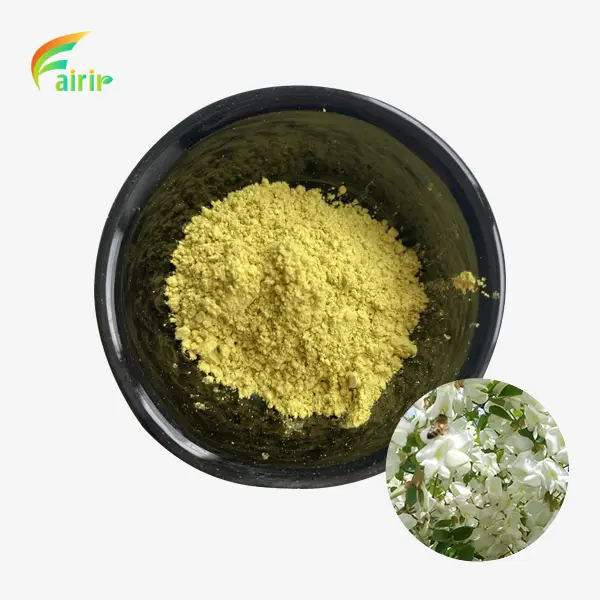
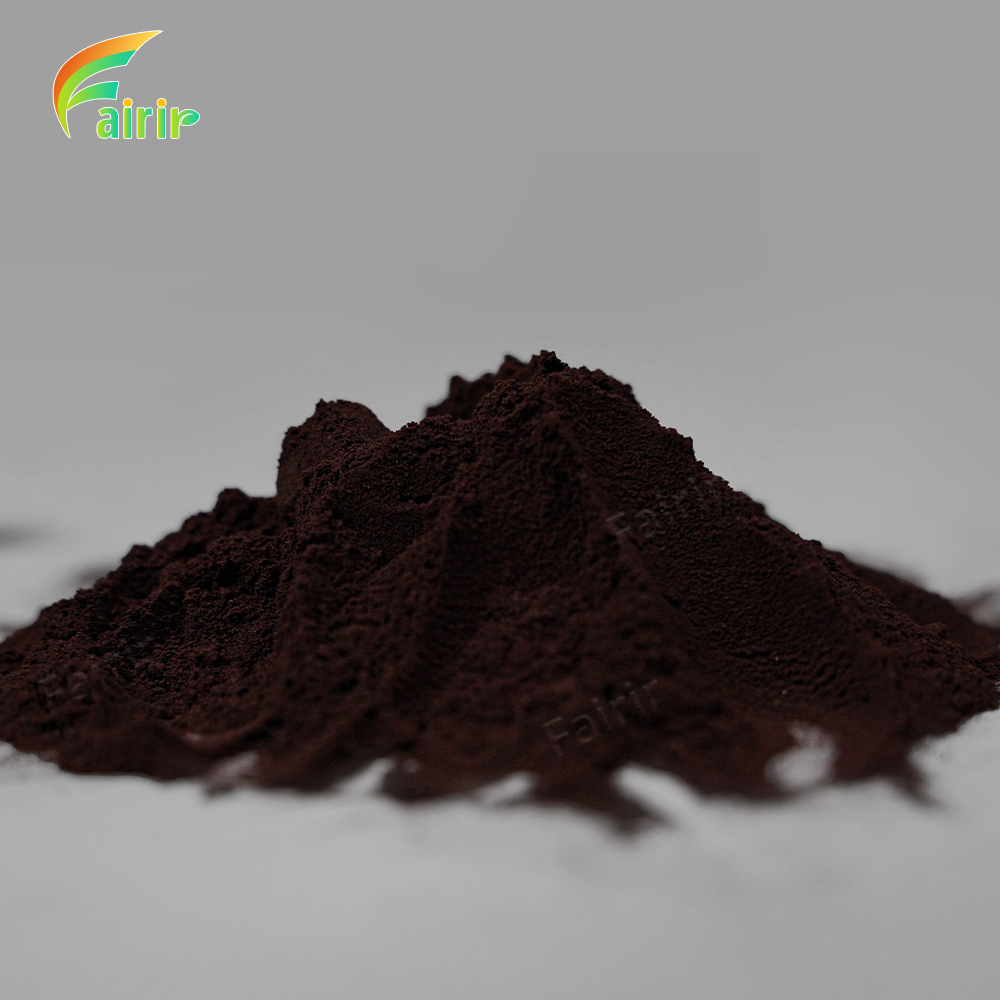
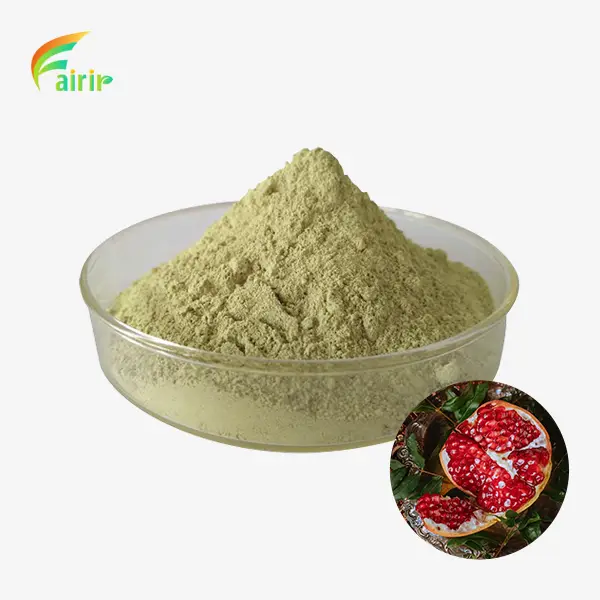
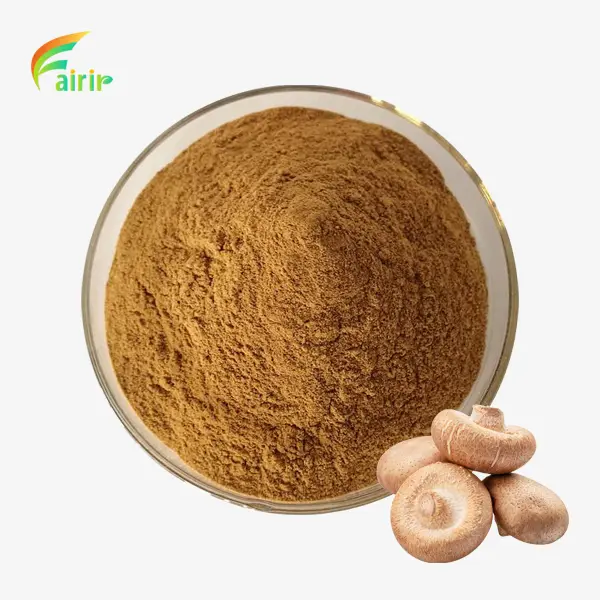
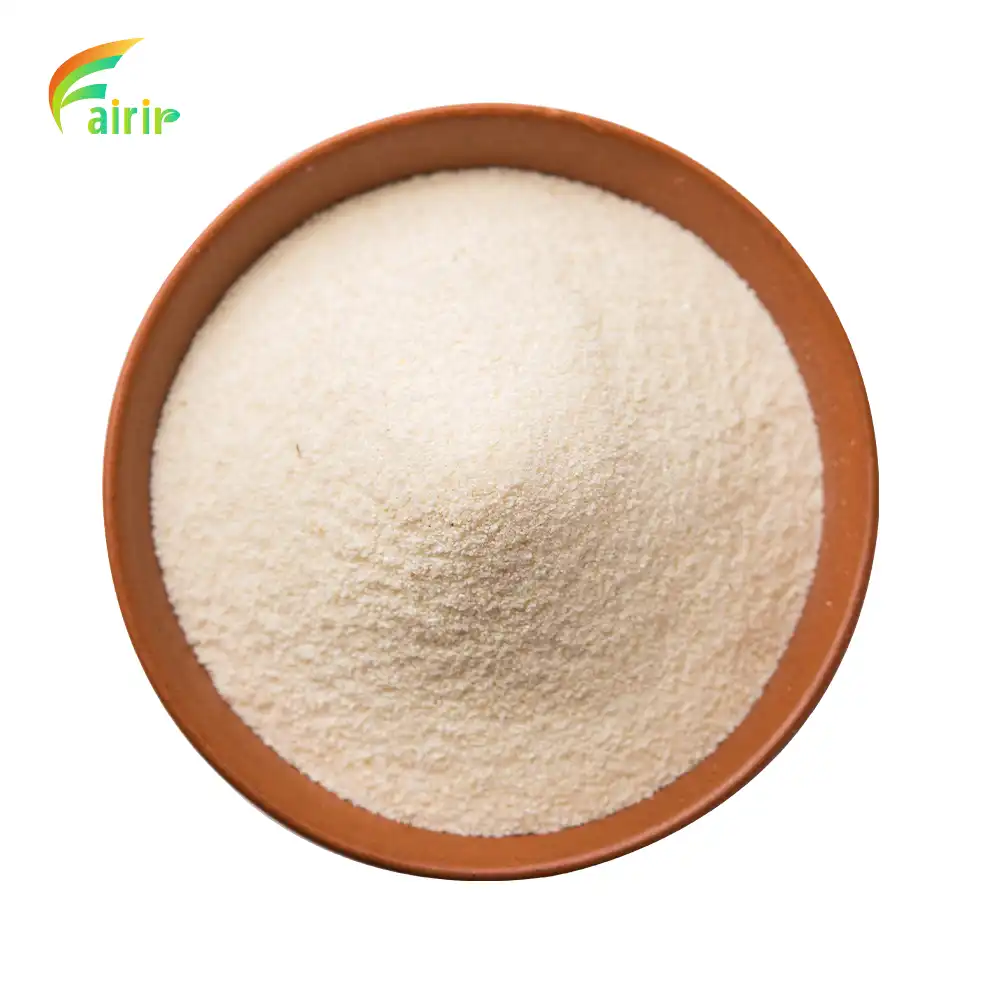
Apple Fiber Powder stands out as a dietary fiber choice because it has a mild taste, a balanced mix of soluble and insoluble fibers, and the ability to be mixed in a variety of ways. Unlike psyllium husk, which can change the taste of drinks, or pure cellulose, which doesn't have any prebiotic properties, this fiber from fruit helps the digestive system in a wide range of ways and has great sensory properties that can be used in many situations. Because it is high in pectin, it helps you feel full and keeps your heart healthy. This makes it very useful for companies making clean-label nutritional products. The brownish-yellow powder can be easily mixed into pills, tablets, and functional foods without changing their taste or structure. This solves some of the biggest problems that vitamin and pharmaceutical companies have with formulation.
Understanding Apple Fiber Powder: Composition, Benefits, and Production
Extraction and Processing Technology
Apple Fiber Powder comes from carefully choosing fruit particles that are extracted using both mechanical pressing and enzymes. Modern processing methods keep the natural fiber structure while getting rid of extra wetness and stopping oxidative decay. Continuous Countercurrent Extraction Equipment and Vacuum Belt Drying Equipment are used in our production plant to keep the nutritional value of the food intact during the whole manufacturing process. This method makes sure that the brownish-yellow powder keeps its soluble pectin content along with its insoluble cellulose and hemicellulose parts. This creates a fiber mix that works well with other fibers to support many bodily functions. The first step in the extraction process is to prepare the fruit. Apples are cleaned and processed to separate the fibers that can be used from the stems and seeds. Enzymatic treatment breaks down cell structures without using harmful chemicals, so the natural antioxidants and polyphenol content are kept. Double Effect Concentration Equipment is used for concentration, which lowers the activity of water while keeping the usefulness of the fibers. Ultra Micro Pulverizer technology is used for the final milling, which makes sure that the particle sizes are right for different delivery forms, such as capsules, tablets, and powder mixes.
Nutritional Profile and Health Benefits
Multiple ways work together to make this rich fiber source very good for your gut health. The pectin part works as a prebiotic base, feeding good bacteria in the gut and supporting a diverse microbiome. Clinical study shows that regular eating helps keep your bowels regular without having the strong laxative effects of some types of fiber. The soluble fiber part helps control how the blood sugar reacts, which makes it useful for metabolic health products that aim to control weight and improve heart health. According to research, fibers from apples help you feel full by making your stomach swell and taking longer to empty. This feature helps weight loss plans and hunger suppressants work better. The polyphenol content, especially quercetin derivatives, acts as an antioxidant, which works with the fiber's mechanical effects. Pectin has been shown to bind bile acids, which is good for cardiovascular uses. It may also help Apple Fiber Powder keep cholesterol levels healthy if added to overall fitness programs.
Organic Versus Conventional Specifications
Teams in charge of buying things have to look at the licensing needs of potential buyers and the rules and regulations that apply to them. Organic certification, such as USDA Organic, EU Organic, and EcoCert standards, proves that the food was grown without using synthetic chemicals, genetic change, or processing agents that aren't allowed. Our building has many certificates, such as USDA, FSSC22000, and HACCP protocols, which make it easy to enter markets in many different countries. Standard requirements still follow strict quality guidelines. HPLC, UV spectrophotometry, and other testing tools are used to check purity levels at 60% and 98% fiber content. Both organic and standard choices are thoroughly screened for residues according to the rules set by BS EN 15662. This makes sure that the maximum residue limits for pesticides and environmental contaminants are met. When making a decision about whether to use organic or conventional sourcing, companies usually look at how they want to place their business, the type of people they want to buy their products, and how much it will cost.
Comparative Analysis of Apple Fiber Powder vs Other Common Fiber Powders
Procurement experts often look at a number of fiber ingredients when making digestive health goods, useful foods, and wellness supplements. Knowing what makes each type of fiber unique lets you make smart choices that are in line with your formulation goals, sensory needs, and budget.
Psyllium Husk: High Soluble Fiber Content
When you add water to psyllium husk, the mostly soluble fiber turns into a mucilaginous gel. This trait makes it very good for controlling bowel movements, but it makes it hard to make into drinks because the taste isn't what you want. Because psyllium forms strong fibers, ready-to-drink products made from it can have a rough taste, which limits its uses compared to Apple Fiber Powder alternatives. Because it is cheaper, psyllium is often used as a bulk laxative. However, making clean-label goods with normal organoleptic profiles is more difficult.
Oat Fiber: Beta-Glucan Advantages
Beta-glucans, which are found in oat fiber, are known to help lower cholesterol and boost the immune system. Like Apple Fiber Powder, it is made up of both soluble and insoluble parts, but the amounts of these parts affect how well it works. When cereal tastes are in line with what people want, oat fiber works well in baked goods and breakfast foods. But the need for safety labels on oat-based goods might make it harder to make products that are safe for people who are gluten-sensitive. Apple Fiber Powder, on the other hand, is naturally gluten-free, so there are no worries about cross-contamination.
Isolated Pectin: Highly Refined Gelling Agent
Apple pectin is a pure extract of the soluble fiber part. It does not contain any of the hard fibers that are found in Whole Apple Fiber Powder. For the most part, pectin is used to gel and stabilize foods in the food industry. It is also used to make candy and jam. Pectin has metabolic benefits similar to whole Apple Fiber Powder, but it doesn't have as much overall gut support because it doesn't have solid fiber. The differences in price are due to the extra steps that need to be taken to clean pectin. Because of this, whole fiber powder is cheaper for supplement uses that value nutrients over gelling ability.
Cellulose Fiber: Insoluble Bulking Agent
Cellulose is a solid fiber that is mostly used to add bulk to pills and powders and keep them from caking. Because it doesn't contain any fermentable fiber, cellulose doesn't help with prebiotic action or the health of the bacteria. Applications are still mainly about mechanical effects in the digestive system and process benefits in industry. Apple Fiber Powder is very healthy because it has a proper mix of soluble and insoluble fibers. It provides both bulk and fermentable substrates, which Apple Fiber Powder is good for your gut health in many ways.
Inulin: Prebiotic Specialty Fiber
Chicory root inulin is a highly fermentable soluble fiber that is good for you as a prebiotic. It is often used in healthy beverage recipes because it tastes sweet and dissolves easily. But when eaten in large amounts, fast fermentation can make sensitive people's stomachs hurt and make them sick. The balanced fermentation profile of Apple Fiber Powder makes it a softer prebiotic, which lowers the risk of bloating while still helping good bacteria grow. When it comes to cost, inulin is usually better for uses that need a lot of sweetness, while Apple Fiber Powder is better for uses that want a variety of fiber types with no taste effect.
Wheat Bran: Traditional Insoluble Fiber
Wheat bran is a common source of insoluble fiber that is used in a lot of breakfast foods and baked goods. It can't be used in supplement forms where consumers want a smooth texture and neutral taste because of its rough texture and strong flavor. Because of allergen concerns about gluten-containing ingredients, wheat bran cannot be used in goods for sensitive groups. Because Apple Fiber Powder is naturally gluten-free, has smaller particles, and a milder taste, it is a good ingredient for current clean-label products that want to appeal to a wide range of people without worrying about dietary restrictions.
Selecting the Best Fiber Powder for Your Business Needs
Evaluating Supplier Quality and Reliability
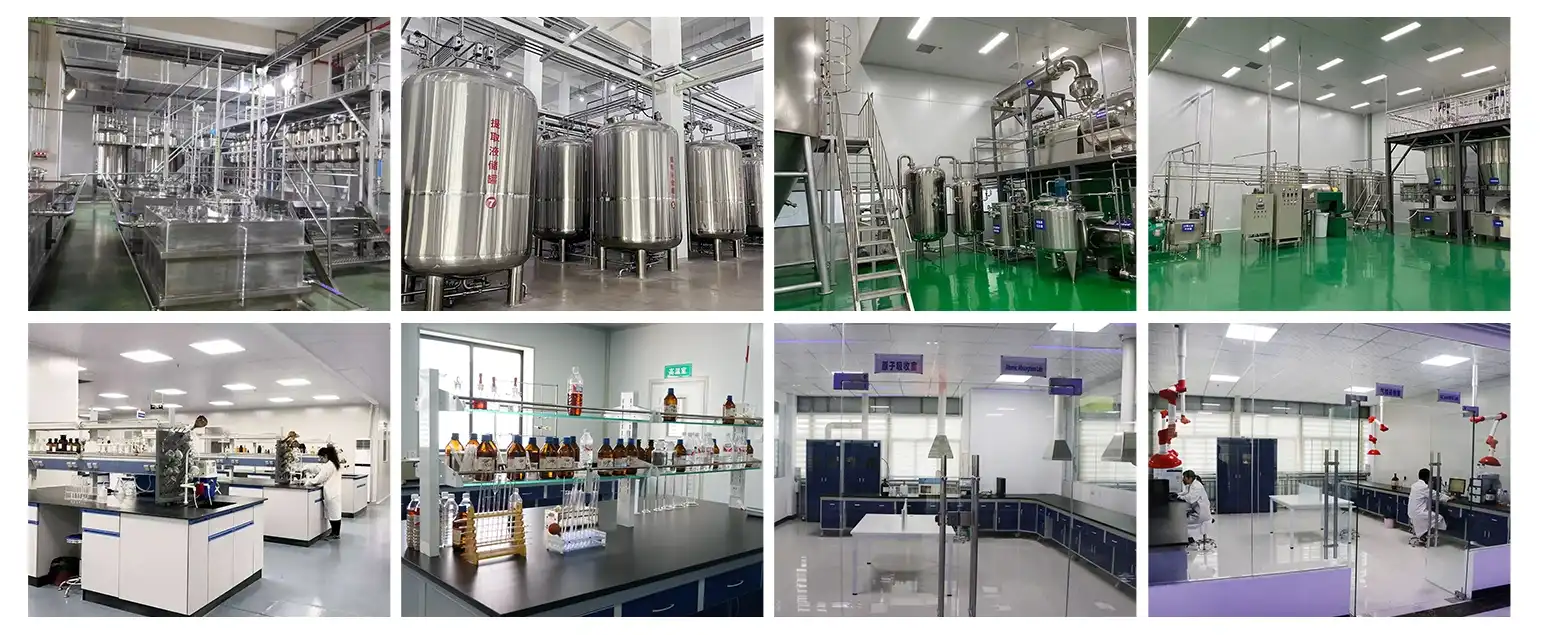
To buy Apple Fiber Powder successfully, you need to find makers with strong quality control systems and infrastructure for regulatory compliance. Good Manufacturing Practice (GMP) verification, ISO22000 food safety management, and product-specific certifications that are important to target markets should all be in a company's certification collection. Our 10,000-square-meter center follows cGMP guidelines and has a wide range of scientific testing tools, such as HPLC, UV spectrophotometry, and Rotary Evaporator equipment, which makes sure that each batch is the same. The security of the supply chain relies on how much can be extracted and how well inventory is managed. Facilities with several stainless steel extraction tanks, ranging from 500 to 3000 liters, can handle different order amounts without delaying production. Our two fully automatic production lines can take up to 98% of the material they need, and normal orders can be delivered reliably within one to three working days. This production capacity lowers the risk of buying for people who need reliable supply schedules that work with factory calendars and changes in yearly demand.
Application-Specific Formulation Considerations
For different end-uses, different fiber properties are needed. Digestive health vitamins work best when the amounts of soluble and insoluble ingredients are matched. This helps the gut work properly without too much fermentation. Formulations for weight loss focus on ingredients that make you feel full and have no effect on your calorie intake. For functional food uses, fiber ingredients must keep their structure stable during processing while adding nutritional value without adding any unwanted tastes. Our Apple Fiber Powder specs at 60% and 98% purity levels can be used for a wide range of formulations. Lower concentration grades are good for situations where fiber is just one part of a complicated nutritional matrix, while higher purity standards make dosage more effective in specific supplement forms. Flexible delivery formats, such as pills, tablets, softgels, gummies, and small sachet packing, let companies choose presentations that match what customers want and how they want to place their products in the market.
Cost-Quality Balance in Bulk Procurement
Procurement tactics that work look at more than just unit prices to find the total cost of Apple Fiber Powder ownership. Direct relationships with manufacturers get rid of markups that come from middlemen. This lowers landing costs and sets up ways for technical support and custom recipe services to be communicated. Minimum order numbers (MOQ) affect the costs of keeping inventory and managing cash flow. For businesses that are growing or trying new product ideas, having suppliers who are flexible around MOQ is important. Our cheap pricing comes from having direct manufacturer benefits and efficient production systems that cut down on waste and increase returns. Small-batch R&D needs are met by flexible MOQ options, as are large-scale business production needs. Our experienced team offers full technical support to help with formulation optimization, regulatory paperwork, and application advice. This adds value beyond just looking at the price of the product.
Market Trends and Future Outlook in Fiber Powder Procurement
Growing Demand for Organic and Specialty Fibers
In North America and Europe, consumers' desire for health and wellness continues to drive demand for organic labels and clean-label products. More and more, regulations favor natural ingredients with clear supply lines and sustainable standards that can be checked. This change makes it easier for buyers to get goods by building relationships with certified makers who offer full paperwork and traceability systems. Our licenses, such as Kosher, Halal, USDA Organic, and EU Organic, give us access to a wide range of customers who have special dietary needs and ethical buying standards. Specialty Apple Fiber Powder applications extend into functional drinks, sports nutrition, and medical nutrition items.
Technological Innovations in Extraction and Processing
Enzyme-assisted extraction technology has come a long way, and now it can remove more fiber while using less time and energy. These new ideas make things cheaper and better for the environment, which fits with business responsibility goals that are becoming more important in B2B buying decisions. We've put money into high-tech processing tools like Vacuum Belt Drying systems and Ultra Micro Pulverizer technology because we want to keep making production more efficient and the quality of our products better. Also, analytical tools are getting better. For example, HPLC and UV spectrophotometry can give us more information about phytochemicals than just the basic fiber level. This level of analysis backs up health claims and lets companies talk about specific nutritional benefits that set their goods apart in a crowded market. R&D teams that are adding new ingredients to existing products have more faith when they can access full Certificates of Analysis and third-party testing verification.
Strategic Supply Chain Diversification
Changes in the global supply chain and unstable markets have made source diversification and relationship-based buying strategies even more important. Creating relationships with makers who offer stable production capacity, quick communication, and flexible terms can help lower the risks that come with relying on a single source. Because we've worked with foreign markets in both Europe and the Americas, we know how to deal with the different rules and logistics issues that come up when buying ingredients across borders. Long-term cooperation makes it possible to create custom solutions that solve specific formulation problems.
Conclusion
To choose the right fiber products, you need to look at their nutritional profiles, functional qualities, and how reliable the supply chain is. Apple Fiber Powder has a reasonable amount of soluble and insoluble fiber, mild flavor, and the ability to work with a wide range of formulations. Compared to other options like psyllium, oat fiber, and isolated pectin, it helps the digestive system in more ways and keeps its great taste features in food, capsules, and tablets. Finding GMP-certified makers who offer analytical verification, regulatory compliance paperwork, and quick expert help is key to successful procurement. Apple-derived fiber is a good choice for companies in North America and Europe that want to appeal to health-conscious customers because the market is moving toward organic standards, clean-label formulations, and specific uses.
FAQ
1. Is Apple Fiber Powder safe for long-term daily consumption?
There is clinical proof that apple-derived fiber is safe for long-term use within the dosage ranges that are suggested. Our product goes through a lot of tests, such as checking for allergens, heavy metals, and microbes. It also has to meet foreign safety standards like FSSC22000 and HACCP guidelines. The natural makeup, which doesn't contain any artificial ingredients, GMOs, or common allergens, lowers the risk of a bad response. But supplement makers should tell people how much to take and encourage them to talk to their doctors before adding any vitamins to their current treatment plans.
2. How does Apple Fiber Powder compare to other fibers for weight management applications?
Because Apple Fiber Powder is well-balanced, it makes you feel full through both soluble fiber gel formation and insoluble fiber stomach bulk. This two-way system helps control hunger more completely than single-fraction fibers. The pectin level slows down the emptying of the stomach, making you feel full for longer between meals. Unlike quickly fermenting fibers like inulin, apple fiber has softer stomach effects. This means that you won't have to worry about bloating, which is an important part of sticking to a weight loss program.
3. Can I source Apple Fiber Powder for bulk OEM manufacturing with custom specifications?
Yes, we can make large sales and offer unique formulation services that are tailored to the needs of each product. Two fully automatic production lines and 14 stainless steel extraction tanks at our site allow for large-scale production while keeping quality high. We offer private labeling, tailored packaging in sizes ranging from 1 kg to 25 kg, and expert advice to help you make the best formulations. Free samples let you try out the product before committing to large quantities. This lowers the risk of buying it and makes sure that the performance meets your needs.
Partner with Fairir for Premium Apple Fiber Powder Supply
Shaanxi Fairir Biotech Co., Ltd. operates a 10,000 square meter GMP-certified manufacturing facility equipped with state-of-the-art extraction and analytical technology, delivering high-purity botanical extracts to pharmaceutical manufacturers, nutraceutical companies, and food producers worldwide. Our Apple Fiber Powder specifications at 60% and 98% concentrations meet rigorous quality standards verified through HPLC, UV spectrophotometry, and comprehensive testing protocols.
We maintain extensive certifications, including Kosher, ISO22000, HALAL, USDA Organic, FSSC22000, and cGMP, ensuring regulatory compliance across international markets. As a trusted Apple Fiber Powder manufacturer, we provide competitive direct pricing, flexible minimum order quantities, and rapid 1-3 day delivery timelines supported by efficient production systems achieving up to 98% extraction efficiency. Our experienced team offers customized formulation services, private labeling capabilities, and ongoing technical support to optimize your product development initiatives.
Contact our procurement specialists today at sales@fairirbiotech.com to request free samples, discuss your specific application requirements, and discover how our reliable supply chain and quality assurance systems can support your business growth.
References
1. Anderson, J.W., Baird, P., Davis, R.H., et al. "Health benefits of dietary fiber." Nutrition Reviews, 67(4), 188-205, 2009.
2. Dhingra, D., Michael, M., Rajput, H., & Patil, R.T. "Dietary fibre in foods: a review." Journal of Food Science and Technology, 49(3), 255-266, 2012.
3. Lattimer, J.M., & Haub, M.D. "Effects of dietary fiber and its components on metabolic health." Nutrients, 2(12), 1266-1289, 2010.
4. Slavin, J.L. "Dietary fiber and body weight." Nutrition, 21(3), 411-418, 2005.
5. Tungland, B.C., & Meyer, D. "Nondigestible oligo- and polysaccharides (dietary fiber): their physiology and role in human health and food." Comprehensive Reviews in Food Science and Food Safety, 1(3), 90-109, 2002.
6. Weickert, M.O., & Pfeiffer, A.F.H. "Metabolic effects of dietary fiber consumption and prevention of diabetes." Journal of Nutrition, 138(3), 439-442, 2008.