_1751965378790.webp)

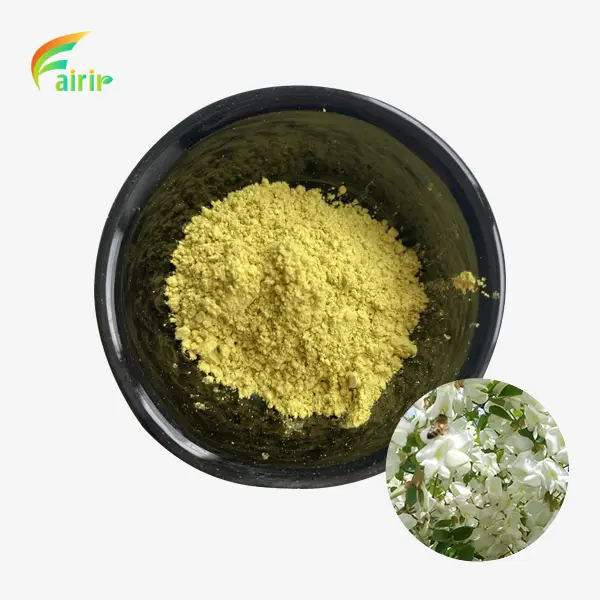
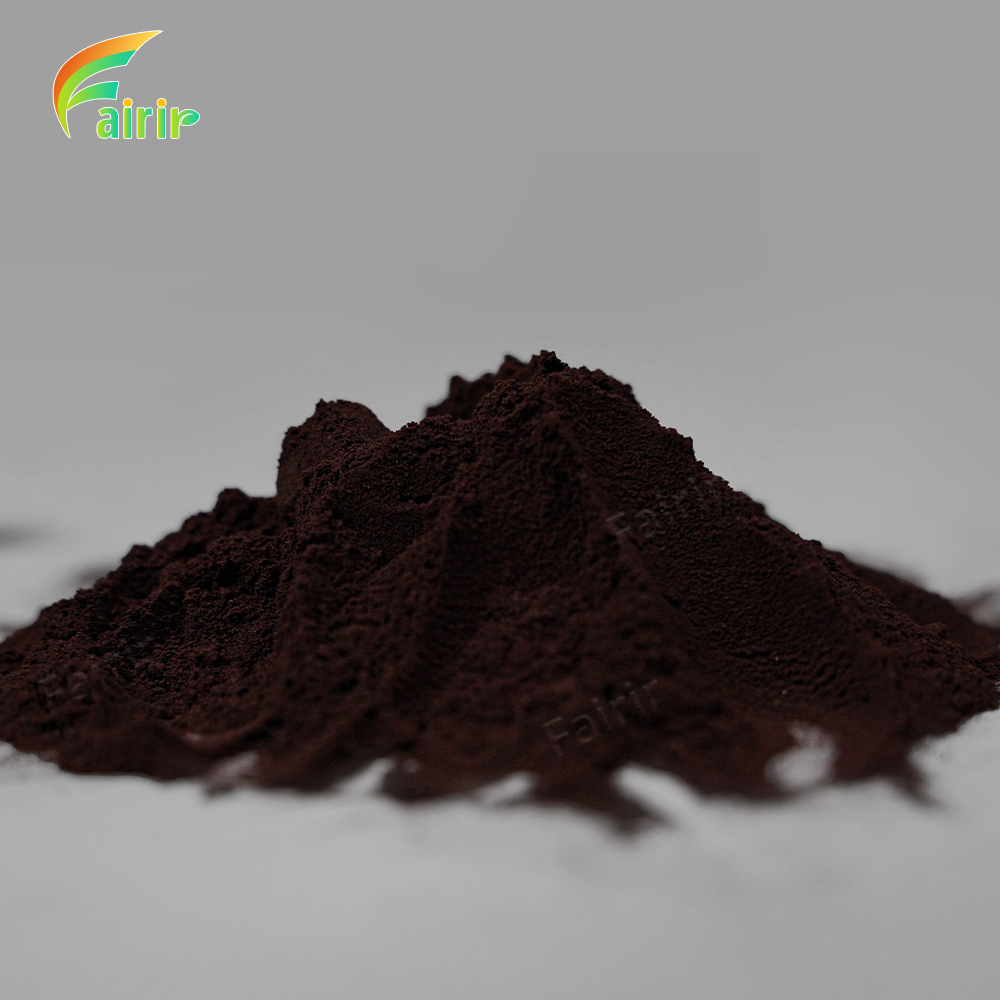
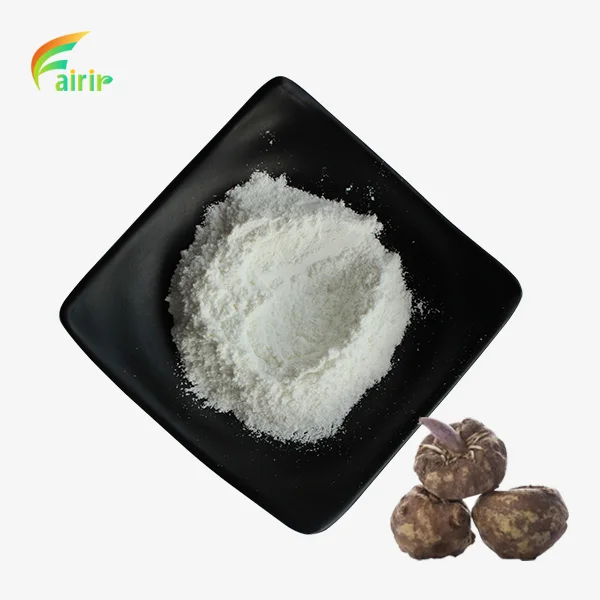
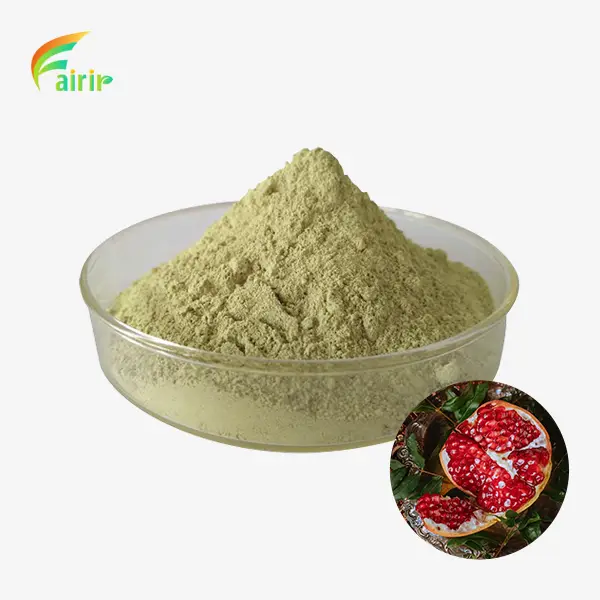
How Does Purple Yam Ube Powder Compare to Other Fibers?
Purple Yam Ube Powder is different from other dietary fibers because it has a healthy mix of soluble and insoluble fibers, as well as natural vitamins and anthocyanins. Unlike psyllium or inulin, which are only fiber sources, ube powder has many uses, such as helping the digestive system, adding color naturally, and making food healthier. When compared to single-component fibers, its unique fiber matrix better retains moisture in products. This makes it very useful for pharmaceutical, nutraceutical, and food manufacturing uses that need clean-label ingredients with better functional performance.
Understanding Purple Yam Ube Powder and Its Fiber Profile
What Makes Ube Powder Nutritionally Distinct
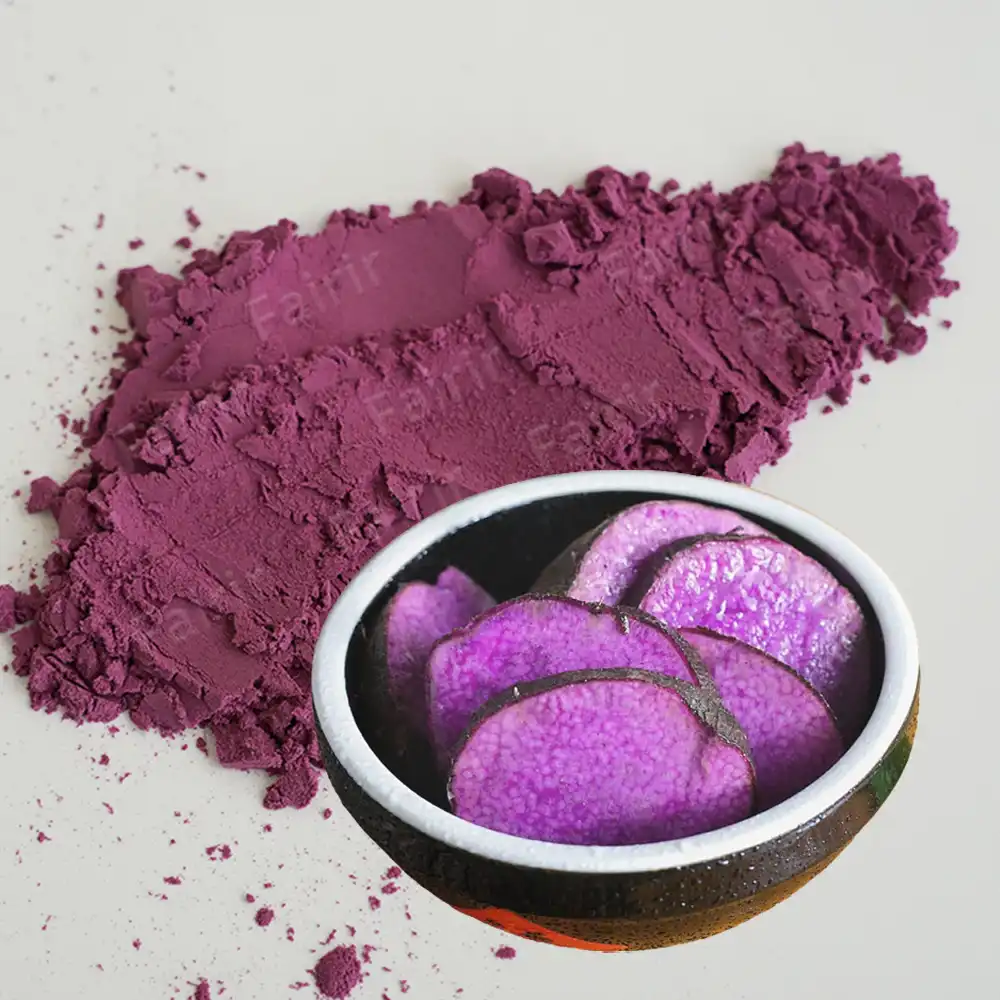
The tropical tuber Dioscorea alata is used to make Purple Yam Ube Powder. It is a fine, shelf-stable ingredient that is great for large commercial use. When reconstituted, this root-based extract has a fair amount of soluble and insoluble fiber, making up about 3–5% of the total fiber in a serving. Insoluble fibers help the digestive process and keep the gut healthy, while soluble fibers help control blood sugar and cholesterol.
Phytochemical Composition Beyond Fiber
The powder still has a lot of anthocyanins, which are the pigments that give it its unique violet color. These pigments also have antioxidant activity, which is measured at about 150–200 μmol TE/g in high-quality extracts. These beneficial chemicals work with the fiber to protect cells and reduce inflammation that comes with it. When modern freeze-drying technology is used, vitamins C and B-complex, as well as minerals like potassium and magnesium, stay stable during the extraction process.
Processing Standards and Quality Markers
There are two levels of purity for the ube powder we make at Purple Yam Ube Powder in our factory: 80% and 99%. The root part has the largest quantity of bioactive chemicals. TLC testing is done on each batch to check the chemical fingerprints and make sure that all production runs are the same. The powder stays in the form of small particles that dissolve easily in both water-based and fat-based systems. This makes it easy to incorporate into a wide range of formulations. This ingredient is safe for sensitive consumers and specialized diet goods because it is gluten-free, non-GMO, and allergen-free.
Comparative Analysis: Purple Yam Ube Powder vs Other Common Fibers
Knowing how Purple Yam Ube Powder compares to other known fiber sources helps buying teams choose ingredients based on proof. Comparing the two shows clear benefits in how they taste, how they work, and how healthy they are, which can affect how the end product is positioned in competitive markets.
Ube Powder Versus Fresh Ube and Taro Alternatives
Fresh ube has about 2% to 3% fiber by weight, but it can be hard to get because it's seasonal, turns brown quickly with enzymes, and has uneven flavor profiles. When stored properly, the powdered form has a shelf life of 24 months, compared to just a few weeks for fresh roots, because it increases the fiber content. Taro powder looks a lot like okra powder, but it comes from a different plant called Colocasia esculenta and has a different flavor. It tastes earthier and less sweet, and it has less anthocyanin in it. Because ube powder naturally has vanilla-like notes, it can be used in a wider range of sweet and spicy recipes.
Performance Against Psyllium Husk and Inulin
Psyllium husk fiber is very good at holding water, but it can make textures that look like gel, so it needs to be carefully managed when it comes to hydration in recipes. It has 70–80% soluble fiber, mostly as arabinoxylan, which makes it very good for gut health but not as good for adding color or taste. Inulin, which comes from chicory root and is about 90% soluble fiber, is good for you because it's prebiotic, but it doesn't have the same nutritional makeup or look as ube powder. Partners in manufacturing say that ube powder mixes better into dry-blend mixtures than psyllium or inulin, which can cause sticking problems or change the sweetness of the mixture when added at higher rates.
Comparison With Oat Fiber and Resistant Starches
About 90–95% of oat fiber is insoluble, so it's great for adding bulk and changing the taste of food, but it doesn't offer much nutritional value beyond its fiber content. Resistant starches made from corn or potatoes are good sources of useful fiber, but they don't have the antioxidants and natural coloring that ube powder does. From a purchasing point of view, ube powder offers better market differentiation potential, letting makers explain multiple functional benefits through a single ingredient instead of combining several separate parts.
Procurement Insights: Selecting the Best Purple Yam Ube Powder Fiber Supplier
Picking a dependable provider is important for maintaining quality and cutting costs. Some important factors that determine quality are organic certification, where the Purple Yam Ube Powder comes from, and following food safety standards like gluten-free certification. Buyers in business-to-business situations also need to think about price, the benefits of buying in bulk, Purple Yam Ube Powder, and practical issues like shipping times.
Quality Certifications and Compliance Standards
Verified licenses that show dedication to international quality standards are the first step in building strong partnerships with suppliers. Our factories at Fairir are certified as Kosher, ISO22000, HALAL, USDA Organic, FSSC22000, HACCP, EU Organic, and cGMP. This makes sure that every batch meets the strict quality standards for pharmaceuticals. These certificates show that the products have been through strict testing procedures, such as HPLC analysis to confirm the active compounds, UV spectrophotometry to measure the amount of anthocyanin, and microbial testing to make sure the products are safe. As part of our quality control system, we have rotor evaporators and temperature water baths that make sure the exact conditions for processing are kept during the extraction and concentration steps.
Manufacturing Capacity and Supply Chain Reliability
Your production capacity has a direct effect on your ability to grow your business and keep up with market demand without any problems. Our GMP-certified building is 10,000 square meters and has 14 stainless steel extraction tanks with capacities between 500 and 3,000 liters. It also has three fully automatic production lines that can remove up to 98% of the material. With this infrastructure, we can fill orders within one to three business days for normal requirements, which saves our partners money on the cost of keeping goods on hand. Continuous countercurrent extraction equipment and vacuum belt drying systems make sure that the particle sizes are evenly spread out and that the moisture content is below 5%. These are important factors for keeping the mixture stable and extending the shelf life.
Technical Support and Customization Capabilities
Effective partnerships do more than just offer products. They also provide specialized knowledge that speeds up the development of new products. Our team can help you come up with the best dose amounts and mixtures of excipients for capsules, tablets, softgels, gummies, and private label products. We offer free samples to help with bench-scale testing before making firm business promises. This lowers the risk of buying. For smaller amounts, vacuum aluminum foil bags are a choice. For 25 kg large orders, fiber drums with double-layer food-grade poly bag liners are used to keep the bioactive integrity during foreign shipping.
Practical Application Tips: Maximizing Purple Yam Ube Powder in Product Formulations
To get the most out of commercial forms, you need to know the right dose levels, how the ingredients should be mixed, and how to store them. These useful tips help makers get the sensory qualities they want while also making the most of health claims and production efficiency.
Dosage Guidelines for Different Product Categories
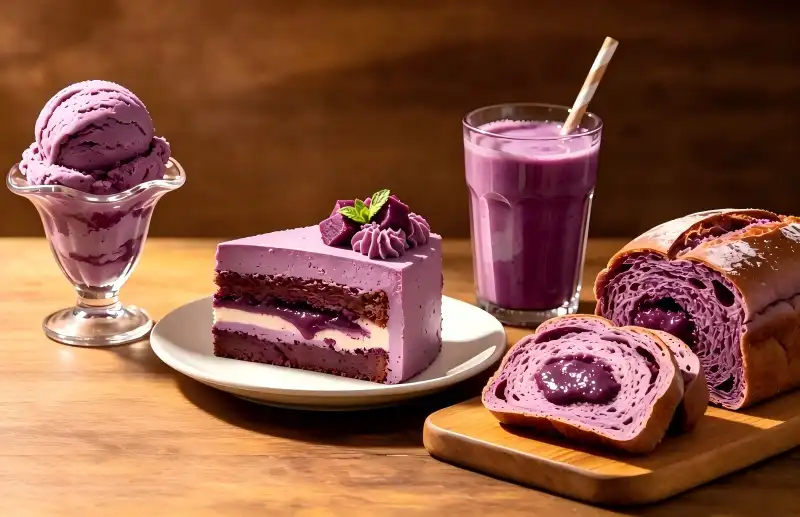
When added to baked goods like bread, cookies, and cakes, ube powder usually works well at a weight of 2 to 5 percent of the total flour. It adds a little color and flavor without overpowering the main flavors. 1-3 grams of dietary fiber per dose is good for smoothies, protein shakes, and functional drinks because it makes the Purple Yam Ube Powder drink look nice and gives you about 100–150 mg of fiber. Candy like gummies and candies can have 3–7% ube powder added to them. The natural sweetness of the ube powder works well with methods for lowering sugar levels. Nutraceutical products that aim to add fiber may use concentrated amounts of 500–1000 mg per pill or tablet, using our 99% purity standard to make sure the potency is always the same.
Synergistic Fiber Combinations
When you mix ube powder with fiber sources that work well together, you can get more useful benefits while still saving money. When you mix ube powder with resistant starch in a 30:70 ratio, you get a balanced prebiotic-fiber system that supports gut variety and gives you the health and beauty benefits of ube. Combining ube powder with oat fiber in protein bar recipes makes the texture and ability to hold wetness better. Ube also adds antioxidants and a unique color that makes the bars more appealing to consumers. These mixes let companies make claims about certain fiber contents while also giving goods more than one way to be different.
Storage and Stability Optimization
The quality of ube powder is determined by the amount of pigment it contains and the purity of its fibers. To keep the color from breaking down, the ingredient should be kept at temperatures below 25°C in places with low humidity, ideally below 60% relative humidity. Anthocyanins are sensitive to UV light and can fade when kept in clear cases, so our vacuum-sealed aluminum foil packing works well as a light barrier. Under ideal conditions, ube powder keeps more than 90% of its original antioxidant activity for 18 to 24 months. This helps products last longer and lowers the pressure on makers to sell their stock quickly.
Conclusion
Purple Yam Ube Powder is a unique blend of soluble and insoluble fibers, natural vitamins, and a clean label that makes it a multipurpose fiber solution that goes beyond traditional dietary fiber options. Unlike fibers like psyllium or inulin, which only do one thing, ube powder adds taste, helps with nutrition, and colors naturally, all in one ingredient. When coming up with formulations that meet customer demands for openness and health-promoting ingredients, procurement experts can use this information to their advantage. Adding this high-quality plant extract to competitive product lines will go smoothly if you choose a certified maker with strong quality systems, helpful technical support, and dependable supply chains.
FAQ
1. Is Purple Yam Ube Powder truly gluten-free and allergen-safe?
Yes, real Purple Yam Ube Powder made from Dioscorea alata doesn't contain gluten or other common allergens like dairy, soy, tree nuts, or shellfish. Our factory follows strict rules for controlling allergens and has separate working lines to stop pollution. Each batch is tested to make sure it doesn't contain any allergens, which helps meet FDA and EU labeling standards for allergens. So, ube powder is good for people who are allergic to certain foods and for specific kinds of food products.
2. How stable is the fiber content during long-term storage?
If you properly prepare ube powder and keep it in a controlled environment, the fiber structure stays surprisingly stable over the course of its shelf life. When food is new, enzymes break down the fibers, but freeze-dried ube powder has very little fiber breakdown over 24 months. Our lab tests show that the total amount of dietary fiber doesn't change by more than 3% when kept at the right temperature in moisture-barrier packaging. As long as the product is stable, the nutrition facts sign will always be correct, and the product will work well throughout all production processes.
3. Can ube powder replace synthetic colorants in commercial formulations?
Ube powder is a good natural option for manufacturing purple dyes, especially when the color needs to be stable at high temperatures and work with different pH levels. The anthocyanin colors don't change when the pH level changes from 3 to 7, so they can be used in most food and drink systems. However, makers should test the stability of their products in certain formulation matrices because color profiles can change when exposed to very alkaline conditions or high temperatures for a long time. Many of our customers have been able to replace FD&C Red 40 and Blue 1 mixes with ube powder and get consumers to accept it while keeping the label clean.
Partner With Fairir for Premium Purple Yam Ube Powder Supply
Elevate your product formulations with our pharmaceutical-grade ube extract, backed by comprehensive certifications and advanced manufacturing capabilities. Fairir operates as a trusted Purple Yam Ube Powder manufacturer serving over 50 countries, offering both 80% and 99% purity specifications tailored to your precise application requirements. Our GMP-certified facility ensures batch-to-batch consistency through rigorous HPLC and UV spectrophotometry testing protocols. We deliver competitive direct-manufacturer pricing with flexible order quantities and rapid 1-3 day fulfillment timelines that keep your production schedules on track. Request your complimentary sample today and connect with our technical team at sales@fairirbiotech.com to discuss custom formulation support, private labeling options, and long-term partnership opportunities that strengthen your supply chain reliability.
References
1. Chen, M. H., & Bergman, C. J. (2018). Anthocyanin content and profile of purple sweet potato and ube extracts: implications for food applications. Journal of Food Science and Technology, 55(9), 3456-3465.
2. Juliano, B. O., & Perez, C. M. (2020). Functional properties of Philippine root crops: composition and applications in food systems. Philippine Journal of Crop Science, 45(2), 78-92.
3. Kumar, S., & Pandey, A. K. (2019). Dietary fiber from tropical tubers: extraction, characterization, and health benefits. Food Chemistry, 276, 188-197.
4. Lee, Y. R., & Kim, J. Y. (2021). Comparative analysis of anthocyanin stability and bioavailability in processed yam products. International Journal of Food Sciences and Nutrition, 72(4), 523-534.
5. Rodríguez-García, J., Salvador, A., & Hernando, I. (2022). Natural colorants from botanical sources: stability, application, and regulatory aspects in food manufacturing. Food Reviews International, 38(6), 1234-1256.
6. Thompson, D. B., & Singh, R. K. (2020). Functional dietary fibers in product development: comparative evaluation and formulation strategies. Critical Reviews in Food Science and Nutrition, 60(18), 3098-3115.