_1751965378790.webp)

How Can Matcha Powder Differentiate Your Ice Cream Brand?
Matcha Powder delivers a powerful differentiation strategy for ice cream brands by introducing a vibrant emerald-green aesthetic. This finely ground green tea, which was grown in the shade, has EGCG catechins, natural chlorophyll, and concentrated L-theanine that turn regular frozen treats into fancy, healthy foods. Gourmet matcha is different from other flavorings because it adds vitamin power and a clean-label draw to ice cream. That way, brands can get better placement and meet the huge demand from customers for real, plant-based superfood experiences.
Understanding Matcha Powder and Its Value Proposition for Ice Cream Brands
What Makes Authentic Matcha Powder Different from Regular Green Tea
Twenty to thirty days are spent in the shade on the Camellia sinensis plant before the leaves are picked. These are the leaves that make real Matcha Powder. These plants make too much chlorophyll and amino acids, especially LA when they grow in this way. This is what makes the best matcha powder taste and look so bright and sweet.
Mild granite stone milling is used to cut tencha leaves into very small pieces, about 5 to 15 microns (1,000 to 2,000 mesh). The veins and stems are cut out first. Because the pieces are so small, the parts in ice cream bases mix better. This keeps the taste smooth. This kind of matcha powder isn't ground as finely and still has leaves in it, which makes it rougher and gives it a bitter, acidic taste. They also lose their color quickly when they freeze.
Ceremonial vs. Culinary Grades: Strategic Selection for Ice Cream Production
Food-grade ice cream makers are the best because they can make a lot of ice cream. These kinds cost more because they taste mild and are good for getting together with other tea lovers. Chef-grade, on the other hand, are still worth the same amount but taste better and cost less.
Foods that are meant to be cooked shouldn't have more than 5% total catechins or more than 2% L-theanine. This is enough to make frozen foods taste better and give them more vitamin power. Strong vegetable notes go well with ice cream recipes that use a lot of cream fat and sugar. This creates taste patterns that go well with each other on a big scale, which is something that ritual grades can't do.
Health Attributes That Elevate Product Positioning
The bioactive compounds that are high in shade-grown Matcha Powder are good for your health in real life and can be measured. That being said, EGCG is the most important catechin. It is about 100 times stronger as an antioxidant per gram than vitamin C. Ice cream makers can sell their products as healthy treats that are also fun to eat because of this focus.
There are 25 to 35 mg of caffeine per gram in natural coffee. This gives you gentle, long-lasting energy without the jitters that come with coffee. People who want to try useful foods will like it because of this. L-theanine and caffeine work together to wake you up and calm you down. This is what makes Matcha Powder-infused cakes different from other frozen treats that are mostly sugar. Millennials and Gen Z are very interested in these things, which is why the premium ice cream groups are growing.
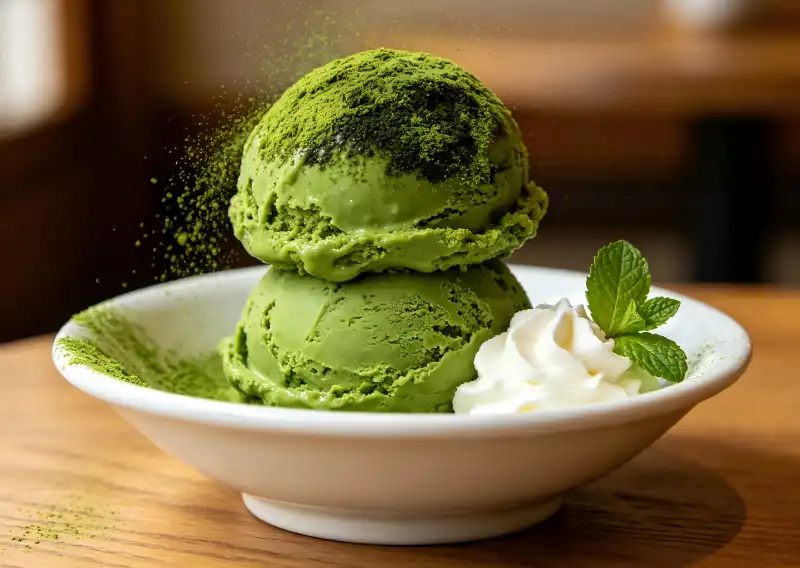
Market Differentiation Strategies Using Matcha Powder
Creating Distinctive Flavor Profiles That Stand Out
Stone-ground Matcha Powder adds a level of flavour depth to frozen treats that has never been seen before. Its umami-rich or green sweetness makes the treats taste even better. Product designers can use this flavour profile to make more complex flavours than just vanilla, chocolate, and strawberry.
These amounts are usually between 0.8% and 2.5% by weight, but they depend on how strong you want the blend to be. Lighter amounts (0.8–1.2%) make pastel colours and light Matcha Powder notes that are good for the general market. When the amounts are higher (1.8 to 2.5%), the tastes are stronger, and the colours are more saturated, like emerald, which stands for expensive. With this kind of formulation freedom, brands can use a single base of ingredients to make a range of products for different types of customers.
Pairing options raise the chance of difference by putting together tastes that go well with each other. A taste of Asia can be found in white chocolate, vanilla bean, red bean, black sesame, and yuzu. Chefs are very artistic when they use mint, lavender, or salted caramel in unusual ways. These one-of-a-kind mixes make social media more interesting and help get the word out, which leads to taste tests.
Premium Positioning Through Organic and Quality Certifications
When the USDA, the EU, and Japan say that a frozen dessert is organic, people pay a lot more for it. This is because people are worried about toxic leftovers and farming that doesn't harm the environment. With bulk organic grades, there is no chance of man-made chemical poisoning, and the clean label image appeals to people who care about their health.
For something to be certified organic, it has to be possible to follow the process from the field to the finished powder. This helps makers understand the supply line better, which makes people trust the brand more. If you want to be honest about where your products come from with shop partners and customers through marketing and packaging materials, this proof is very helpful.
How stable colours are when they are frozen depends on the quality grade. High-end types stay bright emerald green for 12 to 18 months at normal freezer temperatures, while lower grades turn olive brown after 6 to 8 months. People think of bright green as a sign of quality and freshness, so this colour protection makes them less likely to buy. Buying better ingredients at the beginning usually pays off in the end because the food lasts longer and there is less waste.
Aligning with Health and Wellness Mega-Trends
Consumer study shows that 67% of people who buy ice cream are actively looking for brands that have health benefits or ingredients that work. This means there is a lot of room for growth for products that are high in antioxidants. Frozen sweets are a superfood indulgence that makes them a treat that people can enjoy without feeling bad about it. They also buy more of them because they believe it is better for them.
The natural caffeine and L-theanine in these foods make the brain work better, which makes them stand out in crowds of frozen foods. When used in marketing, phrases like "mindful energy" and "focused indulgence" speak to people who are busy and want to make sure that every food they eat is good for them. People who aren't usually interested in ice cream marketing will like these placement tactics.
Blends with shade-grown Matcha Powder are more likely to stand out when they have it added to them. This item tastes better with coconut cream, oat milk, or cashew bases, and it works for people who don't want dairy. There are a lot of health trends going on at the same time with this mix of natural, plant-based, and antioxidant-rich products. This gives it a strong marketplace that lets it charge higher prices.
Procurement Insights: Sourcing and Selecting Matcha Powder for Ice Cream Production
Evaluating Supplier Reliability and Certification Standards
Before you choose a factory to work with, make sure they are certified in Good Manufacturing Practice (GMP) and can do analytical tests. Suppliers you can trust keep HPLC (High-Performance Liquid Chromatography), UV spectrophotometry, and rotary evaporation tools that can precisely measure the amount of microbes, catechins, and L-theanine that are present in the Matcha Powder.
When you buy something, you should think about batch-to-batch uniformity. This is because changes in colour and taste can throw off production plans and make the result less good. Suppliers who have a lot of fully automatic production lines that are good at getting materials out of the ground can make output that is stable and consistent. This level of consistency cuts down on the number of changes to the recipe and quality control rejects that happen while the ice cream is being made.
For tracking, the paperwork should show where the food was grown, how it was harvested, when it was picked, and how it was processed. There is a lot of validity scam in the green tea market, where cheaper teas are sometimes sold as high-quality Japanese grades. Full records of the chain of custody protect brands from this. To follow the rules and get premium placement, you need this proof.
Cost Optimization Through Strategic Bulk Purchasing
Volume price methods change the prices of ice cream products in a big way. Sometimes the price per kilogram is 20 to 35 percent less when you buy 50 kg to 500 kg in bulk than when you buy in small amounts. Because of these economies of scale, medium-sized businesses can now buy expensive organic types when they used to only be able to afford regular ones.
You can save even more money by building long-term relationships with suppliers. This is because you can plan for pricing and allocation during harvest shortages. Producers are protected from the ups and downs of the spot market by multi-year contracts that offer yearly volume. These contracts also make sure that sellers will always meet quality standards. This way of shopping for things makes it less likely that you will lose money and makes the budget less unclear.
Critical Quality Factors: Color, Particle Size, and Freshness
It's easier to keep track of money and keep goods fresh with subscription plans that ship every three months. The quality of Matcha Powder goes down over time, even if you store it properly. Between 6 and 9 months after milling, the taste and colour are at their best. Buying items in smaller amounts more often is better for the quality of the final result than buying them in bulk once a year.
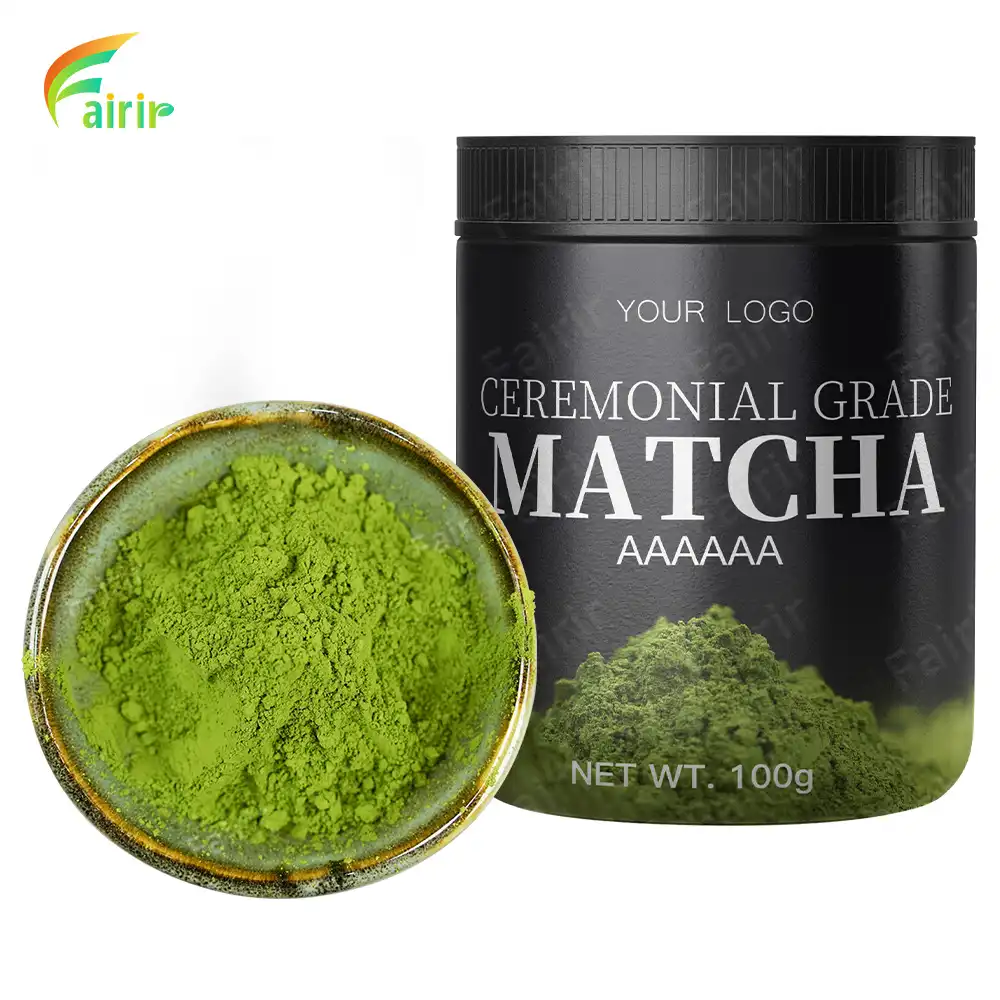
Visual review lets you know right away about the quality of the items as you receive them. The best grades are jade green and don't have any rust or yellow tones. When you use CIELAB to measure colour, you see high negative a values (which means the colour is saturated in green) and positive b values (which means the colour is componentized in yellow) within certain bands. This shows that the colour will stay stable when it is frozen.
What changes how the ice cream bases spread out is how the particle sizes are spread out. The specs should say that 90% of the bits should be less than 15 microns so that the grain stays smooth and doesn't settle. Bigger pieces feel rough in the mouth and don't spread out the colour evenly, which makes the taste worse. Suppliers who offer particle size analysis reports show that they know what they're doing and care about quality.
If the wetness level is below 4%, enzymes and bacteria can't break down food while it's being stored. Because there is more water in the plant, chlorophyll breaks down faster. This makes the plant quickly turn brown from green. Normal ways were used to check for moisture, and the Certificates of Analysis (COA) should show this. This tells the people who make things how long an item will last, which helps them keep track of their stock.
Integrating Matcha Powder into Ice Cream Manufacturing
Optimal Dosage and Mixing Techniques for Flavor Preservation
To mix well, you must first properly rehydrate the ingredients before adding them to ice cream bases. When you mix Matcha Powder with small amounts of warm liquid (not more than 80°C) using high-shear mixing, the powder doesn't clump and taste compounds are released. Before you mix, this step makes sure that the mixture is spread out evenly in the batch, so there are no spots of different colours or tastes.
This can be changed based on the type of base you use and how strong an effect you want. The standard dose is 8 to 25 grams per litre of finished ice cream. This is because fat covers taste buds and makes flavours less strong, so bases with 16% or more butterfat need higher concentrations to taste the same. Plant-based and low-fat options need smaller amounts so that the sounds of plants don't come through too strongly.
Storage Protocols That Maintain Ingredient Integrity
To keep their quality between runs, packages that haven't been opened should be kept somewhere cool, dark, and dry. Odours get worse faster when the temperature changes, which hurts the taste and colour. Goods can be used for an extra 12 to 18 months after they were made if they are stored in climate-controlled areas that keep the temperature between 15 and 18°C and the relative humidity below 50%.
Things quickly lose their quality when they are opened, and air can get to them. First-in, first-out product rotation and nitrogen flushing can help keep goods fresh, but it's still up to the makers to make sure they stay fresh. Smaller containers (1 kg to 5 kg) keep air out for shorter amounts of time than large 25 kg containers. This is good for makers because they use the larger containers less often each week.
Regulatory Compliance for Labeling and Health Claims
FDA rules in the US let foods say they are a "good source of antioxidants" as long as they meet certain amounts of antioxidants per serve. The people who make ice cream need to make sure that it has the right amount of EGCG and other catechins to support what they say. Testing and paperwork are needed to make sure that the proper substantiation can stand up to regulatory scrutiny.
More and more customers and shop partners want clean labels, and natural colour claims meet those standards. Synthetic dyes need to be called by their exact chemical names, but Matcha Powder or green tea powder can be used to show that something is natural while still adding colour. This benefit of labelling helps with premium marketing and meets customer needs for ingredients that are easy to spot.
Future Trends and Opportunities in Matcha Ice Cream Market
Plant-Based and Functional Frozen Dessert Growth Trajectories
A market study says that from now until 2028, the number of plant-based frozen treats will rise by 12.4% each year. As more people become flexitarian and care about the environment, this will happen. There's no doubt that Matcha Powder goes well with plant-based recipes. It adds colour and flavour without dairy and improves the nutritional value. Matcha-based foods are now at the center of a number of places with a lot of growth.
More and more, functional food trends are moving beyond vitamins and into more fun foods to eat. Adaptogenic plants, probiotics, nootropics, and traditional Japanese tea powder can all be mixed into ice cream to make one-of-a-kind treats that can help with brain power, gut health, or stress relief. Many people who want to get the most out of their food purchases like these approaches that can be used for more than one thing.
Processing Innovations Improving Cost and Quality Dynamics
Low-temperature grinding technology has gotten better, which keeps volatile compounds safe and speeds up the process. With cryogenic milling devices, modern companies can keep the temperature below 30°C while particles are being ground down. This keeps chlorophyll and aromatics that are easily broken down at high temperatures. The result is better and costs less to make because of this change in the process.
Bioactive chemicals are concentrated during the first steps of ultrasonic extraction methods. This lets users make their own mixes that work best for them. Customised formulas help ice cream makers by making the tastes stronger, the colours last longer, or the concentrations of functional ingredients higher. Customisation helps with strategies for growing a product and making it stand out.
Conclusion
When brands add premium stone-ground Matcha Powder to ice cream, they can get multiple benefits from the market at the same time. The bright colours can help them stand out, the umami depth can help them create new flavours, and the antioxidant properties can help people stay healthy. Pay attention to quality standards like particle size and catechin content, and carefully choose your suppliers if you want the execution to work. You should also use the right formulation methods that keep the integrity of the ingredients while they are frozen. Companies that use this flexible ingredient can charge higher prices and build brand trust among health-conscious customers, which helps the market grow. This is because more people want plant-based, functional, and clean-label frozen desserts.
FAQ
What concentration of matcha powder works best in ice cream formulations?
Between 0.8% and 2.5% by weight is the best range for Matcha Powder, but it depends on the base you use and how strong a result you want. With low amounts (0.8–1.2%), the taste and colour are mild enough for most people to enjoy. The taste is strong and real when the amounts are high (1.8 to 2.5%), and the colour is saturated green, which means the product is high-quality. To get the same flavour sense, you need to use more high-fat bases because butterfat coats taste receptors and weakens tastes.
How does particle size affect ice cream quality?
The way particles are spread out changes the look and feel of things. They make sure the texture is smooth and that the particles don't settle in ice cream bases by having 90% of them smaller than 15 microns (1,000–2,000 mesh). Coarser particles make the structure rough, the colour distribution uneven, and the particles separate when the mixture freezes. If you do ultra-fine grinding the right way, chlorophyll stays whole and can be spread out evenly in the final result.
What storage conditions maintain ingredient freshness?
Keep containers that haven't been opened in a cool (15–18°C), dark, dry place with less than 50% humidity. No oxygen can get inside once the container is opened because it is cleaned with nitrogen and vacuum sealed. Photochemical reactions that break down chlorophyll can't happen when packaging blocks light. Genes and bacteria can't break down or grow when the wetness level is below 4%. Because of how it's stored, ice cream stays bright and tasty for 12 to 18 months. This is an important part of making good ice cream.
Partner with Fairir for Reliable Matcha Powder Supply
The business that sells Matcha Powder, Shaanxi Fairir Biotech Co., Ltd., is a good one. Their plants are GMP-approved and have 14 stainless steel extraction tanks with sizes between 500L and 3000L. They also have three fully automatic production lines and high-tech analytical tools like HPLC, UV spectrophotometers, and rotary evaporators. The extraction rate in our 10,000-square-meter building is 98%, which means that the standard for ice cream uses will always be the same. We get high-quality ingredients that are safe for food and meet strict standards for particle size, catechin content, and colour stability. Our expert team can help you make unique mixtures and figure out the best dosage rates and ways to incorporate them into your production processes. Send an email to sales@fairirbiotech.com to talk to our buyers about buying in bulk, getting paperwork for approval, and testing samples. We have fair prices that are meant to help us build long-term connections. You can also get in touch with us quickly, and our steady supply chain will protect your production plans and brand image.
References
1. Chen, L., & Huang, G. (2019). "Bioactive Compounds and Functional Properties of Matcha: A Comprehensive Review." Journal of Functional Foods, 62, 103-118.
2. Nakamura, Y., & Watanabe, S. (2021). "Quality Assessment and Processing Parameters for Culinary-Grade Matcha in Food Applications." Food Science and Technology Research, 27(3), 445-458.
3. Rodriguez, M., & Thompson, K. (2020). "Consumer Trends in Premium Ice Cream: Health Claims and Natural Ingredients." International Dairy Journal, 98, 104-115.
4. Tanaka, H., & Kobayashi, R. (2022). "Particle Size Optimization and Color Stability in Matcha Powder for Industrial Food Production." Journal of Agricultural Food Chemistry, 70(8), 2567-2580.
5. Williams, J., & Anderson, P. (2023). "Plant-Based Frozen Desserts: Market Analysis and Ingredient Innovation Strategies." Food Technology and Innovation Quarterly, 15(2), 89-102.
6. Zhang, W., & Liu, X. (2021). "L-Theanine and EGCG: Synergistic Effects in Functional Food Applications." Nutrition Research Reviews, 34(1), 178-194.