_1751965378790.webp)

How to Choose High-Quality Astaxanthin Powder Products?
Choosing high-quality Astaxanthin Powder involves careful consideration of numerous crucial criteria that affect efficacy and safety. Selection requires careful evaluation of purity, concentration, production, and supplier credentials. Quality astaxanthin powder should have constant potency, appropriate extraction, thorough testing, and international regulatory conformity. Understanding these essential criteria helps procurement professionals make informed judgments that meet application and quality requirements.
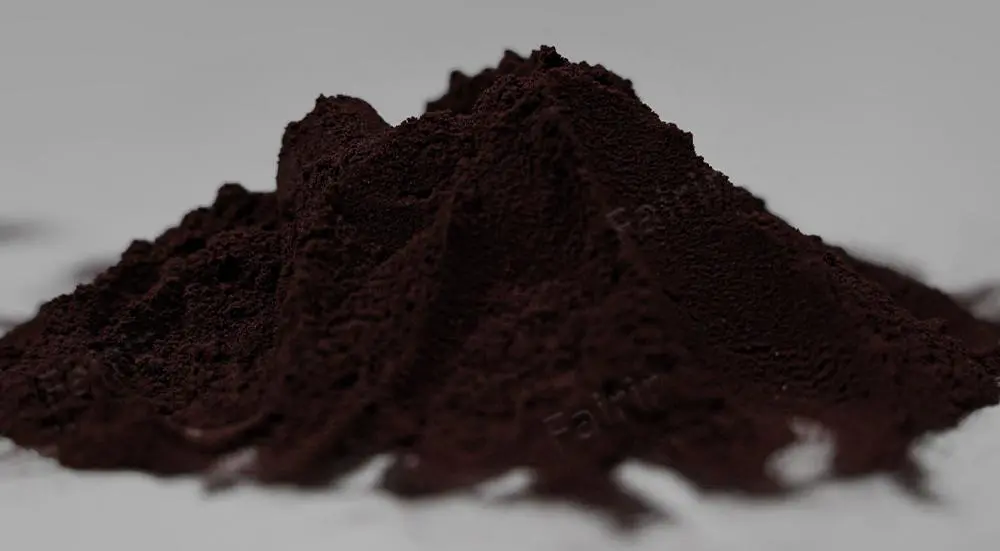
Understanding Astaxanthin Powder and Its Importance
Astaxanthin, a carotenoid antioxidant, gives marine species their brilliant red-orange coloration. This molecule has antioxidant capability 6,000 times greater than vitamin C and 550 times greater than vitamin E, making it advantageous for industrial uses.
Natural Sources and Production Methods
Astaxanthin is mostly found in Haematococcus pluvialis microalgae, which stores it to guard against environmental stress. Salmon, marine crustaceans, and Phaffia rhodozyma yeast are other sources. Understanding these sources helps procurement professionals assess astaxanthin product legitimacy and quality.
Modern extraction methods allow producers to produce astaxanthin in concentrations from 1% to 96%, depending on use. Advanced extraction methods preserve astaxanthin's esterified form, which is more bioavailable than synthetic. Technological developments enable constant quality production without compromising the compound's structure.
Industrial Applications and Market Demand
The pharmaceutical industry uses astaxanthin powder to produce anti-inflammatory and neuroprotective chemicals since it crosses the blood-brain barrier. Nutritional supplements for cardiovascular health, eye protection, and athletic performance contain this substance. The cosmetic industry loves astaxanthin for its skin-protective and anti-aging qualities.
Food and beverage businesses are seeking natural astaxanthin as a clean-label alternative to synthetic colorants with health advantages. Quality-focused providers benefit from customer understanding of antioxidant advantages as these various sectors increase.
Core Criteria for Selecting High-Quality Astaxanthin Powder
Selecting premium astaxanthin powder demands careful examination of various linked quality characteristics that affect product performance and regulatory compliance. These criteria underpin educated purchase decisions.
Purity and Concentration Standards
Comprehensive analytical testing should confirm the purity of quality astaxanthin powder. Reliable producers provide precise certifications of analysis detailing concentration percentages, from therapeutic-grade 1% to highly concentrated 96% formulations for specialized uses.
The testing method greatly affects the quality verification accuracy. High-performance liquid chromatography (HPLC) is the gold standard for astaxanthin analysis, quantifying active substances and detecting impurities. Gas chromatography verifies purity, whereas UV spectrophotometry adds verification.
Certification and Regulatory Compliance
Multiple certifications show the premium astaxanthin powder suppliers' quality and safety dedication. Organic certification guarantees strict agricultural and processing standards without synthetic pesticides or genetic alteration. Clean-label product creation benefits from non-GMO verification.
GMP accreditation ensures pharmaceutical-grade production standards, including environmental controls, equipment maintenance, and staff training. ISO certificates show systematic quality management, whereas GRAS (Generally Recognized as Safe) status simplifies food and beverage regulatory approval.
Raw Material Sourcing and Extraction Quality
The quality of astaxanthin powder straightforwardly relates with crude material determination and the extraction techniques utilized amid generation. Premium producers utilize carefully developed microalgae developed beneath controlled conditions that optimize astaxanthin collection, while minimizing defilement risks.
Extraction strategies essentially impact the last item quality, with supercritical CO2 extraction advertising predominant outcomes by protecting characteristic esterified shapes, whereas dodging chemical solvents. This strategy keeps up bioactivity while guaranteeing item security and natural sustainability. Elective extraction strategies ought to be assessed for their effect on astaxanthin stability and virtue.
Comparing Astaxanthin Powder with Alternative Ingredients
Procurement experts use competitive landscape knowledge to choose ingredients based on efficacy, cost, and market position.
Efficacy Analysis Against Similar Antioxidants
Astaxanthin powder illustrates prevalent antioxidant capacity compared to conventional choices like beta-carotene, lycopene, and lutein. Investigation demonstrates astaxanthin gives broader organic action, including both lipophilic and hydrophilic antioxidant properties that empower comprehensive cellular protection.
Beta-carotene, although broadly accessible and cost-effective, shows essentially lower antioxidant power and constrained bioavailability compared to astaxanthin. Lycopene offers fabulous antioxidant properties, but needs astaxanthin's flexibility in crossing organic layers. Lutein gives particular eye wellbeing benefits but illustrates a smaller application scope than astaxanthin's multi-system support capabilities.
Natural versus Synthetic Astaxanthin Comparison
Normal astaxanthin inferred from microalgae exists in esterified shape, giving upgraded stability and bioavailability compared to engineered choices. The characteristic adaptation contains the 3S,3'S stereoisomer arrangement, which inquire about recommends offers prevalent organic action and retention rates.
Synthetic astaxanthin, although more cost-effective to deliver, needs the defensive esterification and contains diverse stereoisomer blends that may diminish helpful viability. Common astaxanthin, moreover, gives complementary compounds like omega-3 fatty acids and other carotenoids that make synergistic wellbeing benefits not accessible in manufactured definitions.
Cost-Benefit Analysis for Different Applications
While natural astaxanthin is expensive, its bioavailability frequently justifies the cost through lower dosage and improved product efficacy. Nutraceutical companies weigh cost against marketing benefits of natural chemicals, while pharmaceutical applications favor natural astaxanthin for therapeutic effect.
Due to consumer demand for natural beauty components and higher skin penetration, cosmetic applications choose natural astaxanthin. Food and beverage businesses must weigh regulatory requirements and cost when using natural or synthetic ingredients.
Procurement Tips for B2B Clients: How to Source Astaxanthin Powder?
For constant quality and trustworthy supply chain management, astaxanthin powder procurement involves rigorous supplier evaluation and strategic alliance creation.
Supplier Qualification and Verification
Recognizing qualified astaxanthin powder providers starts with comprehensive credential confirmation, counting fabricating certifications, administrative compliance records, and quality framework documentation. Legitimate providers keep up straightforward communication around their generation capabilities, testing procedures, and supply chain administration practices.
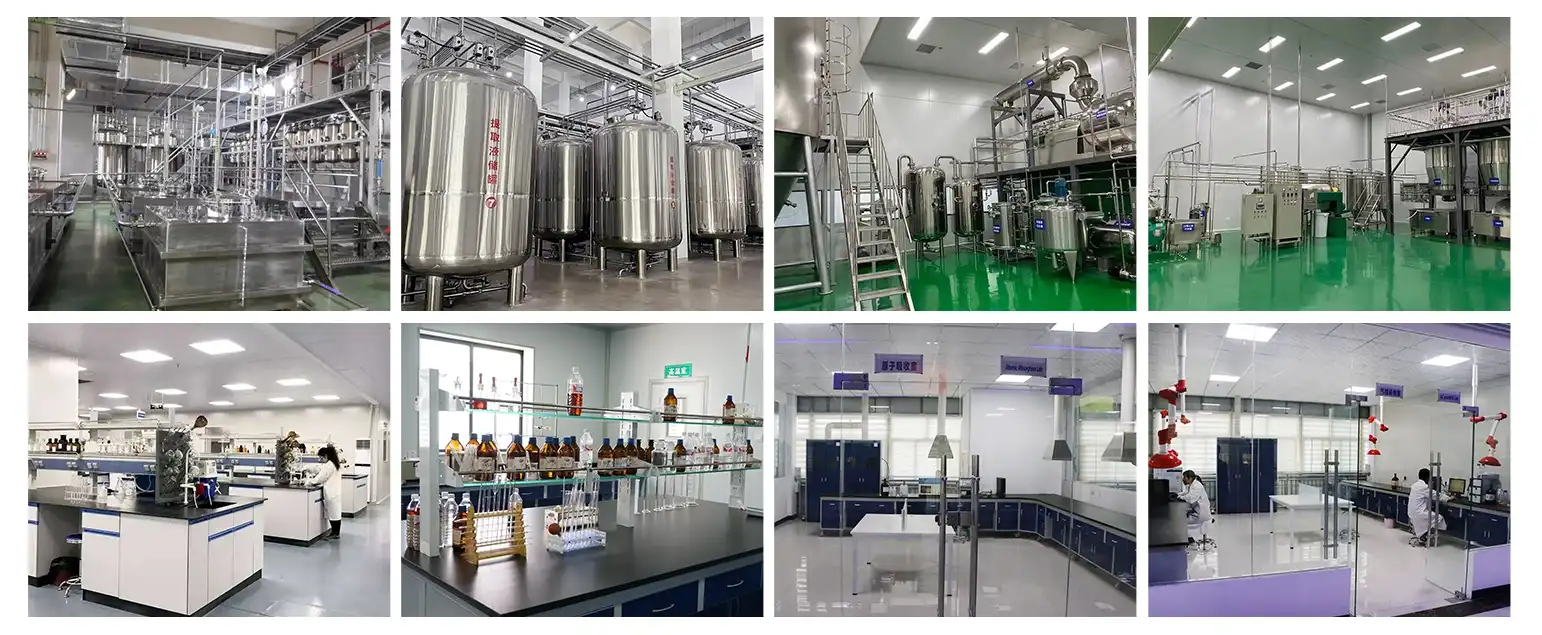
Manufacturing facility assessments give profitable experiences into generation benchmarks and quality control execution. GMP-certified facilities illustrate commitment to pharmaceutical-grade fabricating, whereas advanced expository hardware shows genuine speculation in quality confirmation. Providers ought to give point-by-point facility documentation and welcome third-party reviews.
Quality Control and Testing Protocols
Premium providers execute comprehensive testing conventions that amplify past fundamental quality analysis to incorporate microbiological testing, heavy metal screening, and pesticide residue confirmation. These providers keep up nitty-gritty records and give certificates of investigation for each shipment.
Stability testing information makes a difference in assessing item rack life and capacity requirements, whereas bioavailability studies illustrate genuine helpful viability. Providers contributing in inquire about and advancement ordinarily give prevalent specialized back and item development capabilities that advantage long-term organizations.
Supply Chain Reliability and Logistics
Responsible astaxanthin powder providers keep enough inventory and backup production capability to meet demand without compromising quality. They should know international shipping standards, such as packaging, temperature control, and regulatory documents.
Packaging parameters greatly affect product stability during travel and storage. Premium vendors use vacuum aluminum foil bags and fiber drums with food-grade inner linings to prevent moisture, light, and oxidation. Fast delivery (1-3 days) indicates good inventory management and customer service.
Practical Usage Guidance and Safety Considerations for Astaxanthin Powder
Proper application and safety practices optimize product performance and ensure regulatory compliance across industries.
Dosage Recommendations and Application Guidelines
Astaxanthin powder measurement shifts essentially based on the application and target socioeconomics. Nutraceutical details ordinarily join 4-12mg every day measurements for common wellbeing back, whereas specialized athletic execution supplements may utilize higher concentrations. Restorative applications require cautious detailing and thought to accomplish craved color and adequacy without over-concentration.
The powder shape offers extraordinary flexibility for different conveyance strategies, including capsules, tablets, delicate gels, and gummies. Each organ requires particular detailing contemplations to keep up soundness and bioavailability. Private name producers advantage from working with providers advertising different bundling alternatives and customization capabilities.
Safety Protocols and Potential Interactions
Astaxanthin powder has few side effects when used as directed. However, procurement experts should ensure vendors supply safety data sheets and interaction information for product labeling and consumer education.
Combining supplements carries few hazards, although therapeutic use should be discussed with a doctor. Fat-soluble compounds require dietary fats or specialized delivery mechanisms to improve absorption.
Integration into Product Formulations
Understanding astaxanthin powder stability and compatibility is essential for integration. Proper storage and formulation are needed to preserve potency during product shelf life because the chemical is light and heat-sensitive.
Suppliers with technical formulation support help optimize astaxanthin incorporation and product stability and efficacy. This support is especially useful for enterprises entering new markets or developing new products.
Conclusion
To maximize product performance and regulatory compliance, astaxanthin powder must be carefully selected based on purity, production, and supplier reliability. Understanding natural and synthetic varieties, instituting quality control measures, and partnering with qualified producers who consistently excel are key to success.
High demand for premium astaxanthin powder presents potential for companies that prioritize quality and innovation in product development. Companies can integrate this potent antioxidant into varied applications while maintaining competitive advantages and consumer trust by following systematic procurement standards and collaborating with competent suppliers.
FAQ
What concentration of astaxanthin powder should I choose for my specific application?
Concentration selection depends on your intended use and target market requirements. Nutraceutical applications typically utilize 1-10% concentrations for cost-effective formulations, while premium supplements may incorporate 10-20% concentrations for enhanced potency. Cosmetic applications often require 2-5% concentrations to achieve the desired color and efficacy without over-pigmentation.
How can I verify the authenticity of natural astaxanthin powder?
Authentic natural astaxanthin should provide comprehensive certificates of analysis showing HPLC testing results, stereoisomer profiles, and esterification confirmation. Request documentation of the source microalgae cultivation and extraction methods used. Reputable suppliers offer facility audits and maintain detailed batch tracking records that demonstrate production transparency.
What storage conditions are necessary to maintain astaxanthin powder quality?
Astaxanthin powder requires protection from light, heat, and moisture to maintain potency. Store in cool, dry conditions below 25°C with minimal light exposure. Vacuum-sealed packaging in aluminum foil bags provides optimal protection during transportation and storage. Proper storage can maintain product stability for 24-36 months, depending on concentration levels.
Can astaxanthin powder be combined with other ingredients safely?
Astaxanthin demonstrates excellent compatibility with most supplement ingredients and shows no significant interaction concerns with common vitamins, minerals, or herbal extracts. However, avoid combining with iron supplements during storage, as iron can catalyze oxidation. Always consult formulation experts when developing complex multi-ingredient products.
Fairir: Your Trusted Partner for Premium Astaxanthin Powder Solutions
Shaanxi Fairir Biotech Co., Ltd. stands as your solid astaxanthin powder provider, conveying remarkable quality through state-of-the-art manufacturing capabilities and comprehensive quality confirmation conventions. Our GMP-certified 10,000 square meter facility houses progressive extraction gear, including ceaseless countercurrent extraction frameworks and vacuum belt drying innovation, guaranteeing reliable product excellence.
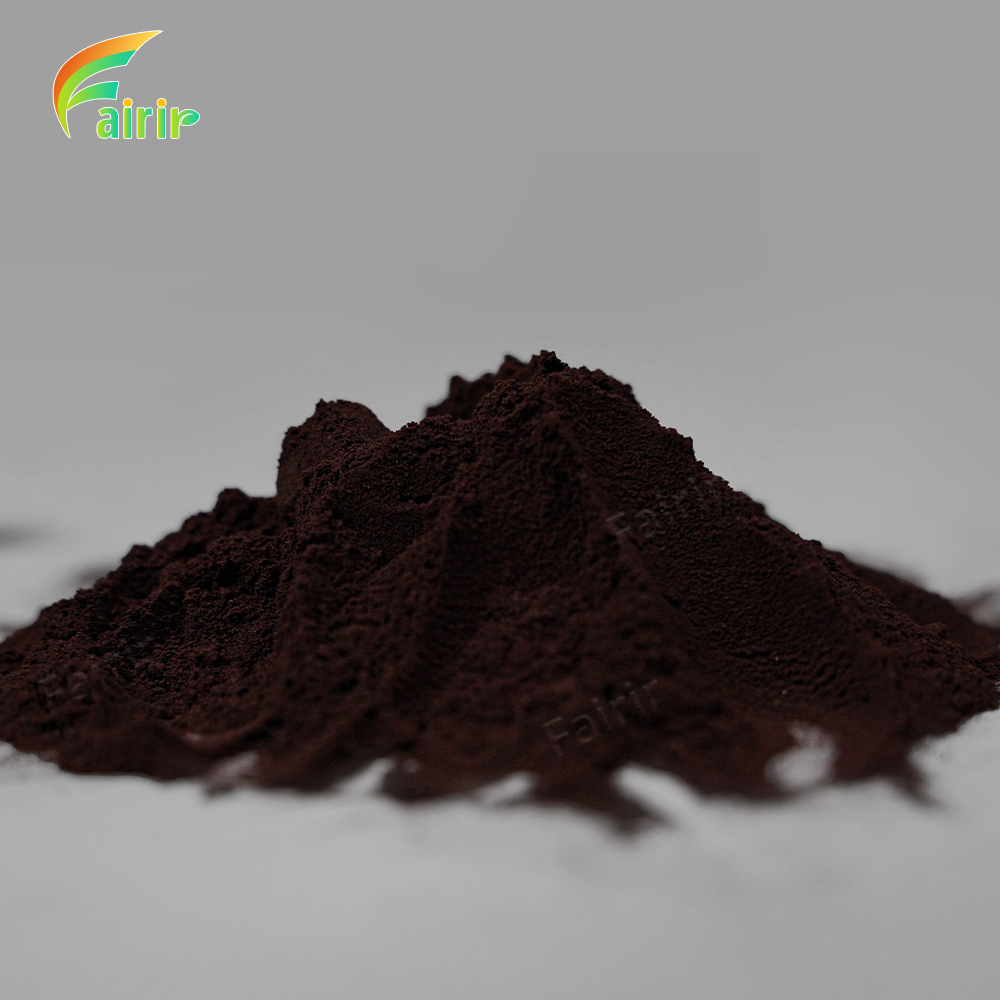
Our immaculate astaxanthin powder details extend from 1% to 96% concentration levels, showing up as an unmistakable brown-red powder with CAS number 472-61-7. We keep up thorough testing conventions utilizing HPLC, UV spectrophotometry, and gas chromatography to ensure product quality and strength. Each clump gets a comprehensive investigation, sometimes recently shipped in defensive vacuum aluminum thwart sacks or food-grade fiber drums.
Quality certifications incorporate Natural, Non-GMO, Gluten-free, and Veggie lover assignments, meeting different advertise prerequisites whereas guaranteeing administrative compliance. Our experienced R&D group of 11 master's degree holders gives specialized support for custom definitions, private labeling, and specialized bundling arrangements. With generation productivity coming to 98% and conveyance timeframes of 1-3 working days, we support your supply chain quality prerequisites whereas keeping up competitive pricing for long-term organizations. For inquiries, technical consultation, or partnership opportunities, please Contact Us at sales@fairirbiotech.com.
References
1. Ambati, R.R., Phang, S.M., Ravi, S., & Aswathanarayana, R.G. (2014). Astaxanthin: Sources, extraction, stability, biological activities, and its commercial applications. Marine Drugs, 12(1), 128-152.
2. Higuera-Ciapara, I., Félix-Valenzuela, L., & Goycoolea, F.M. (2006). Astaxanthin: A review of its chemistry and applications. Critical Reviews in Food Science and Nutrition, 46(2), 185-196.
3. Kidd, P. (2011). Astaxanthin, cell membrane nutrient with diverse clinical benefits and anti-aging potential. Alternative Medicine Review, 16(4), 355-364.
4.Shah, M.M., Liang, Y., Cheng, J.J., & Daroch, M. (2016). Astaxanthin-producing green microalga Haematococcus pluvialis: From single cell to high-value commercial products. Frontiers in Plant Science, 7, 531.
5. Capelli, B., Bagchi, D., & Cysewski, G.R. (2013). Synthetic astaxanthin is significantly inferior to algal-based astaxanthin as an antioxidant and may not be suitable as a human nutraceutical supplement. Nutrafoods, 12(4), 145-152.
6. Guerin, M., Huntley, M.E., & Olaizola, M. (2003). Haematococcus astaxanthin: Applications for human health and nutrition. Trends in Biotechnology, 21(5), 210-216.