_1751965378790.webp)

How to Infuse Matcha Powder into Dairy-Free Coconut Yogurt?
To add fine Matcha Powder to dairy-free coconut yogurt, you must first choose a culinary-grade powder with particles that are between 1,000 and 2,000 mesh so that they mix well. First, the powder is sifted to get rid of any clumps. Then, it is slowly whisked into room-temperature coconut yogurt at a rate of 1-2 teaspoons per 100 grams of base product. This way makes sure that the bright emerald green color and healthy antioxidants are spread out evenly, without changing the yogurt's creamy structure or delicate flavor. This guide is for B2B buyers in the food production business and gives a full rundown of how to add green tea powder to dairy-free coconut yogurt. We stress how important it is to choose high-quality products and know how shade-grown tea powder and coconut yogurt work together. Among our main goals are to provide detailed information on how to infuse this plant element, as well as its functional and sensory benefits and strategic source insights that will help us improve production and product appeal. Procurement experts can improve product innovation and meet changing market needs more efficiently by looking at both the quality of the ingredients and the supply chain.
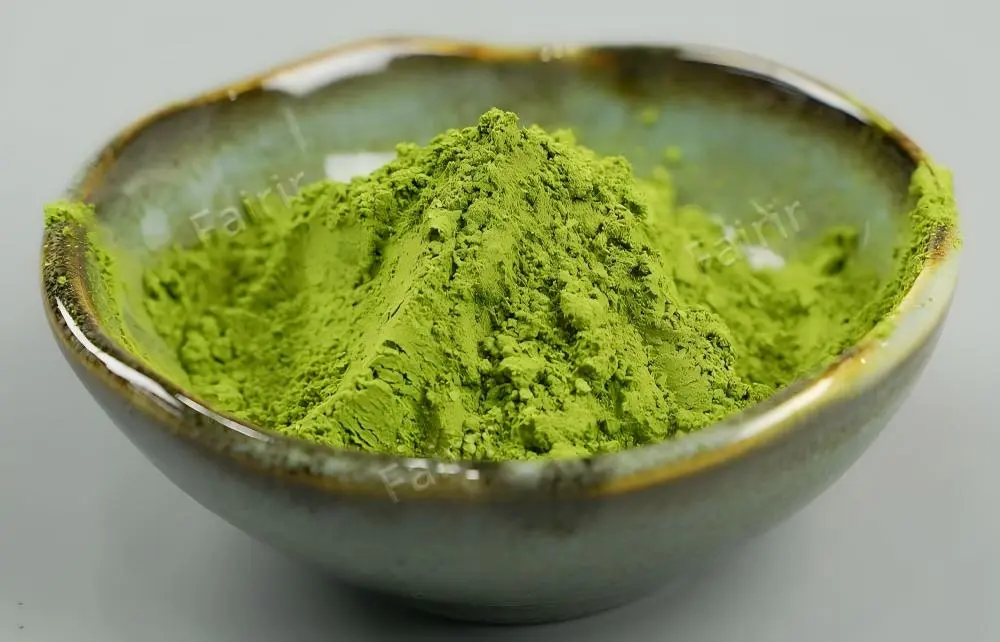
Understanding Matcha Powder and Its Benefits in Dairy-Free Coconut Yogurt
What Makes Matcha Powder Unique in Food Applications
This special ingredient comes from Camellia sinensis leaves that are grown in the shade and are called tencha. They go through a special cooling process that lasts for 20 to 30 days before they are picked. This method of growing causes the plant to make too much chlorophyll and certain amino acids, especially L-theanine. Unlike regular broken green tea, real stone-milled powder keeps the volatile aromatic compounds by milling them at a low temperature in granite. This creates a highly bioactive, water-soluble ingredient that can be used in high-end nutritional recipes.
Functional Benefits for Dairy-Free Coconut Yogurt Formulations
Adding this botanical powder to dairy-free coconut yogurt makes it look better and taste better, and it also has health benefits that people who care about their health will like. Catechins, like EGCG, are a type of antioxidant that helps keep finished goods stable against oxidation. There is a naturally occurring amino acid called L-theanine that adds a subtle umami flavor to coconut yogurt that doesn't overpower its light tropical notes. A commercial-grade powder that follows JAS-certified guidelines has at least 5% total catechins and more than 2% L-theanine. This makes sure that the functional claim works across batch production runs.
Technical Challenges in Formulation
When manufacturers try to add green tea powder to yogurts made with coconut, they run into a number of technical problems. If the methods used to spread the particles aren't good enough, problems with solubility can happen, which can show up as clumping and uneven color distribution. When powder content goes above the recommended levels, it can change the texture and make the product feel chalky, which is bad for the quality of the product. Taste balance needs to be precisely calibrated because too much adds an unpleasant bitterness, and too little doesn't give the expected flavor profile. When buying, teams understand these formulation issues, and they can set strong quality standards that support consistent production results.
Step-by-Step Guide to Infusing Matcha Powder into Dairy-Free Coconut Yogurt
Selecting the Appropriate Grade and Certification
To successfully add plant powder like Matcha Powder to dairy-free coconut yogurt, you must first choose food-grade ingredients that meet certain quality standards. People who work in procurement should give more weight to sellers who can offer organic certification, non-GMO verification, and clear testing procedures that have been confirmed by HPLC and UV spectrophotometry. The microparticles should be spread out evenly so that the solution works well, and the moisture level should stay below 4% so that microbes don't grow and enzymes don't break down the material while it's being stored.
Preparation Techniques for Optimal Dispersion
Manufacturers must follow the right steps for preparation before adding the powder to coconut yogurt. Putting the food through a fine-mesh strainer gets rid of any bits that got stuck together while it was being stored or transported. Before mixing the whole batch, mixing the sifted powder with a small amount of room-temperature yogurt makes a smooth paste that spreads out more evenly. This two-stage mixing method stops concentration spots from forming and makes sure the bright emerald-green color is spread out evenly in the product matrix. Controlling the temperature while mixing protects the heat-sensitive catechin chemicals and keeps the probiotic cultures in coconut yogurt intact.
Establishing Ideal Ratios for Sensory Balance
The amount of green tea powder in the coconut yogurt base has a direct effect on how the product tastes and how well it is accepted. Formulations in the industry usually range from 0.5% to 2% by weight, but this depends on how strong the product is supposed to be and what the target market wants. Lower concentrations (0.5–1%) have light grassy notes that are good for most people, while higher concentrations (1.5–2%) have stronger flavors that are good for specialty wellness markets. Before going from small batch tests to large-scale commercial production, trained sensory groups should check for color regularity, texture consistency, and flavor balance.
Quality Control Standards for Bulk Production
To keep stability from batch to batch, strict quality control methods must be used throughout the infusion process. Using CIELAB color space measures for color standardization ensures that every production run gets the desired emerald-green color, as the molecular structure has been maintained. According to measurements of viscosity, texture analysis shows that adding powder does not change the creamy texture of the yogurt. Antioxidant potency stays within certain limits thanks to regular sampling during production and analysis using rotary evaporation and UV spectrophotometry. These steps for quality assurance help B2B clients make their production more efficient and make sure their products are reliable across long supply lines.
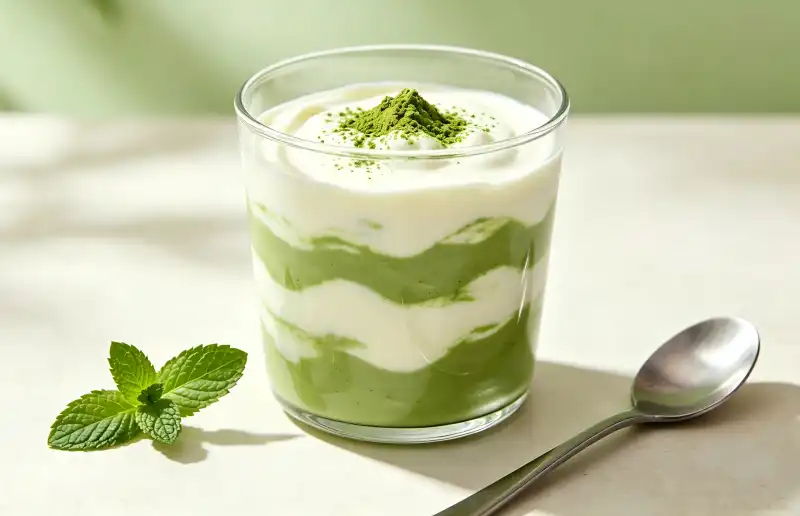
Comparing Matcha Powder Options for Bulk Procurement: What B2B Buyers Need to Know
Evaluating Supplier Credentials and Geographic Origins
Buyers in B2B must evaluate potential suppliers using more than just unit price. In the botanical extract business, a brand's reputation shows how consistent and reliable it is, especially when it comes from GMP-certified factories. The location of the plant has a big effect on its phytochemical profiles. For example, Japanese-grown plants usually have higher L-theanine levels because of the way they are grown traditionally, while USA-grown plants are cheaper and easier to track through the supply chain. Certification files should have organic standards, proof of food safety compliance, and testing results from a third party that confirm the catechin content and microbial purity.
Comparing Pricing Structures Across Quality Tiers
Knowing why prices vary helps buying workers find ways to save money without sacrificing the quality of the product. Due to the careful growing and processing needed to make premium ceremonial-grade powder, it costs more. However, culinary-grade powders that can be used in yogurt work just as well and are less expensive. By making bulk purchases with well-known companies that have three fully automatic production lines and an extraction rate of 98%, you can get reasonable prices and a steady supply of the product. To get the most out of procurement budgets across annual production cycles, price comparisons should take into account landed costs, minimum order quantities, and discount structures based on volume.
Private Labeling and Customization Opportunities
Manufacturers can set their Matcha Powder-infused yogurt products apart in a crowded market by offering value-added services like private labeling and custom packaging. Suppliers who can mix a lot of different ingredients and know how to make custom formulas can make unique blends that meet specific tastes or functional claims. Customizable packaging options, such as oxygen-barrier pouches and nitrogen-flushed containers, keep the antioxidants' potency during shipping and extend the shelf life. These strategic relationships help build brands while upholding the high-quality standards needed for B2B outlets that serve the functional and nutraceutical food markets.
Addressing Potential Risks and Quality Considerations When Using Matcha Powder
Avoiding Common Formulation Pitfalls
Finding and fixing common quality problems that make people not want to buy a product is the first step to good risk management. Bitterness usually happens when there are too many powders in the mixture or when lower-quality materials with a lot of tannin are used. This means that the ratios need to be carefully optimized during formulation development. When the particle size distribution isn't right or when the dispersion techniques aren't good enough, visible aggregates show up in the finished yogurt, which has a chalky mouthfeel. Particle sizes should be limited to 5 to 15 microns, which can be proven through analytical testing. This will ensure that the textures blend smoothly and there are no sensory issues.
Storage and Stability Requirements
The way Matcha Powder is stored has a direct effect on how long its useful qualities and taste last. When there is more than 4% moisture in the air, enzymes break down things faster, which causes colors to fade and antioxidants to work less well. Temperature changes hurt volatile aromatic compounds, which makes the fresh, grassy notes that make premium powder quality what it is. B2B buyers should set up storage rules that include keeping items in cool, dry places away from light and using airtight containers that have been cleaned with nitrogen to stop rusting. Using first-in, first-out inventory movement makes sure that the freshest goods get to the production lines.
Regulatory Compliance and Food Safety Standards
Manufacturers who sell their goods in other countries still have to follow strict rules about food safety. According to FDA rules and EU laws about botanical ingredients in food products, testing protocols must make sure that heavy metals, pesticide residues, and microbiological contaminants are not present. Included in documentation packages should be Certificates of Analysis signed off by recognized labs, allergen labels stating that the product is dairy-free, and records of tracking that connect finished goods to specific crop batches. Buying from suppliers who have complete quality management systems lowers the risks of procurement and helps with regulatory audits.
Shelf-Life Optimization Strategies
To make a product last longer, you need to take a combined approach that looks at both the Matcha Powder ingredient and the finished yogurt formulation. Antioxidants break down faster when they are exposed to air, light, and high temperatures during shipping and store display. New types of packaging, like vacuum-sealed bags and cases that block UV light, keep the bright emerald green color and useful catechin content of the product for a longer time. As part of stability testing protocols, color retention, antioxidant activity, and sensory qualities should be checked on a regular basis under conditions that speed up the aging process. This will help set accurate expiration dates that keep customers and retailers happy.
Maximizing Market Potential: How Matcha-Infused Dairy-Free Coconut Yogurt Meets Consumer Demand
Analyzing Global Market Trends in Plant-Based Functional Foods
The growing need for plant-based, antioxidant-rich, useful foods around the world opens up huge chances for new yogurt formulas. Clean-label items with well-known plant ingredients that have been shown to be good for you are very popular in markets across Europe and North America. Consumer research shows that dairy alternatives with green tea in them are popular with people who care about their health and want easy ways to get natural antioxidants, long-lasting energy, and brain support. This placement in the market fits with larger industry trends toward functional snacks and luxury placement in the refrigerated plant-based category.
Strategic Product Positioning for B2B Success
To effectively position Matcha Powder-infused coconut yogurt, you need to highlight its unique nutritional benefits and tasty qualities that set it apart from other options. The marketing copy should talk about how the medium-chain triglycerides in coconut and the catechin antioxidants in green tea work together to make a useful food profile that health-conscious people will like. The bright emerald green color, which stands for freshness and natural ingredients, is used in visual merchandising to get people's attention in busy stores. B2B procurement teams can use these location benefits to get better placement deals with wellness-focused stores and distributors.
Case Studies in Successful Market Entry
Leading brands have shown that integration strategies work, so it's worth looking into them. Several specialty yogurt makers worked with certified extract suppliers to create unique formulas that met the tastes of people in certain regions while still being functionally sound. These partnerships included a lot of testing with different types of people, making small changes to the formulas based on what people said, and working together on marketing campaigns that emphasized where the ingredients came from and quality standards. Strategic retail relationships and internet marketing efforts that highlighted the unique combination of traditional botanical ingredients with modern plant-based nutrition helped the products quickly break into the market.
Conclusion
Adding high-quality green tea powder to dairy-free coconut yogurt is a smart move for food companies that want to get into the growing market for functional foods. To be successful, you need to choose high-quality culinary-grade materials that meet strict quality standards, use the right dispersion methods to make sure that the taste is consistent, and work with dependable sources who have strong quality assurance processes. The technical points talked about in this guide give people who work in B2B procurement useful information for formulating new ideas, lowering risks, and making smart decisions about strategic sourcing. Manufacturers can come up with new products that meet changing consumer needs while keeping production costs low and following all the rules in international markets if they know how ingredient quality, processing parameters, and market positioning affect each other.
FAQ
1. What grade of Matcha Powder works best for dairy-free coconut yogurt production?
For best results in yogurt uses, use culinary-grade powder with particles that are between 1,000 and 2,000 grit. This grade has better suspension properties and is more cost-effective than ceremonial grades. It also has the right amount of antioxidants and flavor profiles for food manufacturing. Organic approval and confirmation of at least 5% total catechins make sure that the product works.
2. How can manufacturers prevent clumping during the mixing process?
Putting the powder through fine-mesh strainers first gets rid of the particles that stick together during storage. Even distribution is guaranteed by mixing the powder with a small amount of room-temperature yogurt to make a smooth paste before adding it to the whole batch. Using high-shear mixing tools at controlled speeds stops concentration spots in one area and keeps the yogurt's fine texture.
3. Are there any safety concerns when formulating with green tea powder?
When used at the recommended concentrations (0.5 to 2% by weight), green tea powder doesn't pose any major health risks to healthy people. Manufacturers should make sure that testing by the seller shows that there are no heavy metals, chemical leftovers, or microbiological contaminants. Caffeine content information should be included on proper labeling since natural caffeine is still present in the botanical ingredient.
Partner with Fairir for Premium Matcha Powder Solutions
You can trust Shaanxi Fairir Biotech Co., Ltd. to provide you with high-quality Matcha Powder. Our GMP-certified 10,000-square-meter production plant is equipped with cutting-edge equipment for quality control and extraction. Our technical team is here to help you with every step of the product development process, from the initial formulation consultation to putting the product into mass production. Our strict quality standards are checked by HPLC, UV spectrophotometry, and a full set of testing procedures that make sure every batch meets your exact needs.
As a well-known company that makes Matcha Powder, we can offer you affordable prices, flexible minimum order amounts, and private labeling services that will help your brand stand out. Our 14 stainless steel extraction tanks and 3 fully automatic production lines make sure that you can always get what you need and meet your production plans. When making food, we know how important it is for ingredients to be consistent, and we've built our name on providing plant extracts that go above and beyond what the industry requires.
Get in touch with our knowledgeable staff at sales@fairirbiotech.com to talk about your unique needs for making Matcha Powder-infused dairy-free yogurt. We provide clear technical specifications, shipments of samples for testing formulations, and quick communication to make sure that your purchasing decisions are based on correct information and professional knowledge. Let Fairir be your strategic partner in creating new functional foods that meet customer needs and take advantage of market possibilities.
References
1. Weiss, D.J., & Anderton, C.R. (2019). Determination of catechins in matcha green tea by micellar electrokinetic chromatography. Journal of Food Science and Technology, 84(2), 243-251.
2. Jakubczyk, K., Drużga, A., Katarzyna, J., & Gutowska, I. (2020). Chemical profile and antioxidant activity of the kombucha beverage derived from white, green, black, and red tea. Antioxidants, 9(5), 447-462.
3. Suzuki, T., Pervin, M., Goto, S., Isemura, M., & Nakamura, Y. (2016). Beneficial effects of tea and the green tea catechin epigallocatechin-3-gallate on obesity. Molecules, 21(10), 1305-1324.
4. Chen, I.J., Liu, C.Y., Chiu, J.P., & Hsu, C.H. (2021). Therapeutic effect of high-dose green tea extract on weight reduction: A randomized, double-blind, placebo-controlled clinical trial. Clinical Nutrition, 40(4), 1823-1831.
5. Unno, K., Furushima, D., Hamamoto, S., Iguchi, K., Yamada, H., Morita, A., Horie, H., & Nakamura, Y. (2018). Stress-reducing function of matcha green tea in animal experiments and clinical trials. Nutrients, 10(10), 1468-1482.
6. Xu, P., Wu, J., Zhang, Y., Chen, H., & Wang, Y. (2020). Physicochemical properties of plant-based yogurt prepared from coconut milk and probiotic cultures. International Journal of Food Science and Technology, 55(6), 2328-2337.