_1751965378790.webp)

How to Store Bitter Melon Powder for Stability?
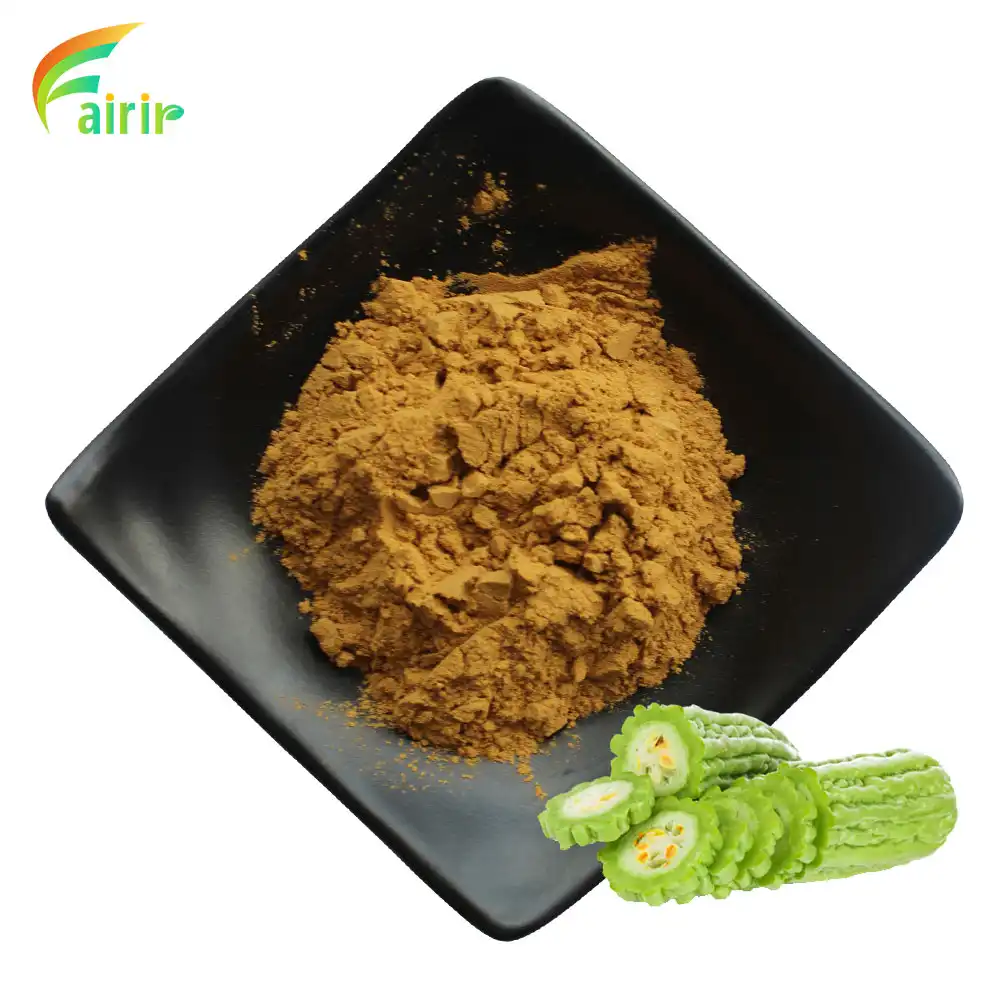
How Bitter Melon Powder is stored has a direct effect on its biological purity and its ability to be sold. When this useful ingredient is exposed to bad conditions like high moisture, changing temperatures, and direct light, important chemicals like charantin and polypeptide-k break down very quickly. For the best keeping, keep the humidity below 60%, the temperature between 15°C and 25°C, and use amber glass or metalized packing to protect from UV light. Using vacuum packing or nitrogen flushing to reduce oxidative stress further increases shelf life by protecting both nutritional strength and organoleptic qualities that are important for successful formulation later on.
Understanding the Stability Challenges of Bitter Melon Powder
Botanical extracts have special problems that need to be dealt with ahead of time by makers and buying experts. Plant-based materials, on the other hand, have complex phytochemical matrices that are sensitive to external stresses. This is different from manufactured ingredients, whose stability patterns can be predicted. Spray-dried extracts are hygroscopic, which means they easily take in water from the air. This starts a chain reaction of breakdown processes.
Environmental Factors Affecting Product Integrity
According to research, moisture is the main thing that keeps extracts stable. When the relative humidity goes above 60%, powder particles start to soak up water vapor, which makes it easier for microbes to grow and enzymes to work. Temperature changes make this problem worse; every 10°C rise in temperature doubles the rate of chemical processes that break down substances. Light, especially UV bands, speeds up the oxidation of sensitive substances like vitamin C and polyphenolic antioxidants that help the body's healing process.
Common Degradation Patterns in B2B Supply Chains
During bulk shipping and storage, we see quality problems that keep happening and make it hard to meet product standards. When particles stick together because of absorbing water, this is called clumping. It makes powder hard to work with in encapsulation or tableting processes. Mold growth shows up as darkening, usually in the form of greenish or black spots. This means the product has completely failed and needs to be thrown away. Changes in color from bright green to dull brown show that chlorophyll and its vitamins are being broken down by oxygen. These changes that can be seen are linked to measured drops in the amounts of active ingredients, which have a direct effect on how well the formulation works for managing diabetes and improving metabolic health. The financial effects go beyond the cost of replacing the damaged goods. Failures in a batch can cause production plans to be pushed back, supply promises to be broken, and even regulatory noncompliance if damaged materials get into finished goods. When buying, teams know about these weaknesses in security, and they can take preventative steps instead of trying to fix problems after they happen.
Best Practices for Storing Bitter Melon Powder to Ensure Stability
Putting in place strict storage Bitter Melon Powder rules turns managing raw materials from a problem into a competitive benefit. The following methods are based on data and are based on industry standards that were taken from handling procedures for pharmaceuticals.
Optimal Environmental Parameters
Controlling the temperature is the first step in making the perfect habitat. The temperature inside storage spaces should stay between 15°C and 25°C, with little change from day to day. In humid regions, dehumidification devices are needed because the relative humidity must always be below 60%, ideally between 40 and 50%. Light contact should be completely cut off by storing things in closed containers or dark rooms. Even natural light that comes from the side can start photodegradation over time. The cleanliness of the air is very important. Positive pressure and HEPA filter must be used in storage places to keep mold spores, bacteria, and other airborne contaminants from getting into the air. Regular checks of the air quality make sure that these standards are maintained between deep-cleaning methods. Temperature and humidity loggers keep records all the time that help with quality reviews and GMP compliance.
Advanced Packaging Technologies
Modern packing options offer more than just containment as a way to protect goods. The choice relies on how often you buy, how you use it, and your income, but some rules always apply.
Vacuum-sealed paper bags keep out oxygen from the air, which speeds up oxidation processes. They also keep out moisture and volatile compounds that would otherwise be lost. This method works well for storing large amounts of new goods for a long time. By replacing the air around the powder with harmless nitrogen, oxidation can't happen. This is because vacuum compression puts stress on the powder structures, which can damage them. Multi-layer bags made of plastic, aluminum foil, and polyester protect goods better during shipping across continents where conditions can change quickly. Desiccant bags that absorb moisture, which are usually made of silica gel or molecular sieves, add another layer of protection inside sealed cases. These get rid of any remaining moisture from the airspace and any small amounts that get through the seams of the package. Pharmaceutical-grade oxygen filters work with this method by chemically attaching to trace oxygen molecules. The choice of container material has a big effect on how stable the contents are. Food-grade high-density plastic buckets are a cheap way to store middle levels of samples, while amber glass jars offer the best protection for smaller reference samples that need to be accessed often. Pharmaceutical companies use stainless steel drums to handle multiple tons of materials according to cGMP rules.
Handling Protocols That Minimize Contamination Risk
When people connect, they bring in sources of contamination that can be reduced by following the right steps. Staff should only use stainless steel or ceramic tools and never use wooden ones, which can harbor germs and wetness. Each opening of a bottle should be short, shut back up right away, and recorded. When not in use, scooping tools must be cleaned and dried, and they should never be put back in their cases after touching outside surfaces. Cross-contamination risks can be cut down by separating marked dispensing areas from the rest of the building. These controlled zones have stricter rules about the surroundings, and only trained staff who follow the right gowning steps for the facility's classification level can enter.
Comparing Storage Methods and Their Impact on Product Quality
Traditional methods of atmospheric storage that work for stable ingredients don't work at all for plant extracts that are sensitive. When you compare the speed of regular storage to improved storage, you can see the difference.
Limitations of Conventional Warehouse Storage
Normal warehouse storage has some problems. Cost-effectiveness is more important than temperature accuracy in standard business warehouses. Most of the time, basic HVAC systems change the temperature between larger ranges (10–30°C) and let the humidity follow the weather outside. Lighting is still functional, with electric lights that are on during work hours but don't filter out UV light. These conditions shorten the time it takes for things to break down from 24 months in ideal storage to 6 to 12 months in real life. Putting a lot of things in boxes makes things worse. Interior packages of Bitter Melon Powder have trouble moving air around, which can lead to hot spots and moisture buildup. Lower tiers are subject to compression stress, which could damage box seals. A lot of forklift traffic causes vibrations and sometimes damages packages. Most of the time, inventory rotation is done based on ease rather than strict FIFO rules. This means that older stock is often forgotten until quality problems show up.
Modern Climate-Controlled Solutions
The best kind of storage equipment is dedicated cold chain units. Temperatures in these special stores stay within exact ranges (2°C to 8°C or 15°C to 25°C, based on the product) thanks to backup power and cooling systems that work with each other. Any temperature changes are limited to within 2°C. With humidity monitors and industrial dehumidifiers working together, the relative humidity stays within 5% of the setpoints. These facilities are constantly watched, and if any of the parameters change, they are automatically notified. As a middle ground, climate-controlled storage rooms inside regular buildings can be used. These rooms are basically walk-in environmental tanks. These specialized spaces require a lot of money, but they allow businesses to raise the standards for handling high-quality ingredients without hiring outside cold storage companies. Temperature control can now be done at the package level with smart packing technologies. Materials that change phases are built into shipping containers to keep temperatures stable while they're in transit. Cards that show the humidity level make it possible to see the conditions of contact, which helps with quality ratings once they are received. Data-logging devices that are built into shipments make full environmental records that can be used to track goods and judge the performance of suppliers.
Industry Performance Benchmarks
Leading makers of nutraceuticals show measurable quality benefits by storing their products better. Companies that use air controls made for pharmaceuticals say their products last 40 to 60 percent longer than when they store them in the usual way. This directly leads to less waste, faster inventory turnover, and more consistent products, all of which are good for a brand's image. Analytical testing data from several sources show that the residual strength is very different. After 18 months, samples stored in the best conditions still had 95–98% of their original charantin levels, while materials stored in the usual way only kept 70–85% of their levels. When making goods with specific therapeutic claims that need regular active compound release, these differences become very important.
Procuring Bitter Melon Powder with Stability in Mind
Strategic choices about where to get things during buying set the stage for quality control later on. When choosing a vendor, the factors must include more than just price per kilogram. They must also include the whole quality system.
Supplier Qualification Criteria
The main way to screen people is by their certification standing. GMP approval from well-known organizations like the FDA, EMA, and TGA shows that quality is managed in a planned way from getting raw materials to releasing finished products. ISO 9001 certification means that processes are written down and there is a culture of ongoing growth. Organic standards, like USDA and EU Organic, put more limits on how the food can be processed and handled, which is often linked to higher security. Analytical skills show how committed a seller is to quality control. Using HPLC equipment, you can measure marker chemicals like vicine, momordicin, and charantin, making sure that the results are the same from batch to batch. UV spectrophotometry proves the amount of total polyphenols and the antioxidant power. Moisture monitors, microbial testing facilities, and heavy metal screening all show that quality control covers all the factors that are important for stability. Some signs of transparency are being willing to include Certificates of Analysis with every package, letting qualified buyers inspect the facility, and giving thorough instructions on how to store and handle the goods. Suppliers who give professional support, such as formulation help, stability studies, and troubleshooting help, show that they are more interested in building partnerships than in doing business.
Batch Size Strategy and Its Storage Implications
When deciding on volume, you have to weigh the costs of buying things against the costs of keeping quality. When you buy more, you usually get better unit prices, but you have to store it for longer, which tests your stability limits. The cost of quality, the rate of usage, and the amount of storage space provided must all be taken into account. For companies that make a lot of things and have climate-controlled warehouses with fast movement that support FIFO, buying in bulk (500 kg to 1000 kg) makes sense. These buyers usually get better deals by negotiating direct-from-factory prices and can ask for custom packing designs that make it easier for them to handle the goods. Smaller amounts (10 kg to 50 kg) are better for companies that don't have a lot of storage space, whose production plans change often, or whose goods are still in the research stages and may change their formulas. The extra cost per kilogram is like insurance against going out of style and quality dropping. More and more people are using hybrid strategies, which involve signing yearly contracts that ensure price and supply while taking orders every three months to match usage trends. This method takes advantage of big discounts while lowering the stability risks of on-site goods.
Product Form Considerations
Labels that say "organic" or "conventional" have storage effects that go beyond meeting legal requirements. Synthetic preservatives and anti-caking agents are usually not used in organic materials, so they need tighter weather controls to have the same shelf life. The draw of a "clean label" supports higher prices in consumer markets, but procurement teams need to plan for the increased risk in their storage funds and procedures. The spread of particle sizes affects both how well they work and how they store information. Ultra-fine powders (less than 80 mesh) dissolve more easily, which is good for drinking uses, but they have more surface area that can absorb water and oxidize. Coarser types (40-60 mesh) have better flow qualities and are more stable, which makes them good for processes that compress tablets. Matching particle specifications to end-use needs improves both the ease of production and the longevity of the product. Standardized extracts with confirmed marker chemical amounts cost more, but they make the Bitter Melon Powder formulation more predictable. These substances go through more processing, usually column filtration or recrystallization, which concentrates the bioactives and gets rid of the variable components. The goods that are made often have better stability profiles than whole-fruit powders, which contain a wider range of phytochemicals with different stability profiles.
Ensuring Long-Term Stability: Monitoring and Quality Assurance
While procurement ends the supplier's duties, it begins the buyer's care duties. Systematic tracking that keeps an eye on things all the time finds new problems while repair actions are still working.
Routine Quality Assessment Protocols
Testing for moisture content should be done every three months on material that is being used and every time a covered container is opened. Karl Fischer titration gives accurate readings, but simpler moisture balance devices are accurate enough for everyday use. Readings above 8% call for a probe and could lead to destruction, based on the length and severity of the problem. Testing for microbes is done on a risk-based plan, with testing done every three months for lower-risk uses and once a month for high-risk uses like cosmetics and food supplements. Total plate counts, counting yeast and mold, and disease screens (E. coli, Salmonella, and Staphylococcus) make sure that the product meets pharmaceutical standards and is safe for consumers. Sensory evaluation finds damage before scientific methods can show big changes. Trained staff compare the color, smell, taste, and texture of a lot to reference samples that were kept from when the lot was received. Off-odors that suggest rancidity, noticeable discoloration, or changes in texture (like too much clumping or caking) cause instant holds until the problem is investigated.
Inventory Management Best Practices
FIFO control keeps older stock from sitting around while newer materials are being made. For this to work, the actual space needs to be set up so that past batches can be easily accessed by date, with the dates clearly marked on the front of the shelves. Inventory management software that keeps track of lot numbers, arrival dates, and testing dates makes compliance automatic and sends out alerts before materials go bad. Different lots are kept separate by segregation procedures, which stop cross-contamination and allow accurate tracking during quality investigations. Clear status identification is maintained by having separate storage areas for materials that are in quarantine (pending quality approval), approved inventory (ready to be used), and rejected stock (awaiting destruction). Regular checks of the storage conditions make sure that the set guidelines are still being followed. Every month, walkthroughs are done to look for damaged packages, confirm readings from temperature and humidity logs, check the state of the desiccant, and make sure that cleaning standards are met. Documentation makes people responsible, and rising data shows how the performance of the storage system is slowly getting worse before it fails.
Recognizing and Responding to Spoilage Indicators
Changes in how things look are early warning signals. Changes in color from bright green to brown or yellow show that chlorophyll and related chemicals are breaking down due to oxidation. Wetness or moisture on the surface could mean condensation from changes in temperature or a broken box seal. If you can see mold growth (fuzzy spots of different colors), you need to get rid of the affected material right away and check out any nearby lots that might be subject to the same conditions. The sense of smell can detect fermentation or rancidity before the eyes can. Fresh Bitter Melon Powder has notes that are characteristically bitter and slightly green. Odors that are musty, sour, or otherwise unpleasant are signs of bacterial activity or chemical breakdown that need to be thrown away. Changes in texture show problems with absorbing water. Powder that used to be free-flowing and clumps together or forms hard blocks is a sign that it has taken in too much water, which can't be reversed. Trying to save these kinds of materials by re-drying them rarely brings back their original quality because chemical breakdown happens at the same time as physical changes.
Conclusion
In conclusion, to keep Bitter Melon Powder stable throughout the supply chain, environmental controls, packing methods, and handling rules must all be carefully thought out. This plant product is very sensitive to water, changes in temperature, and oxidative stress because it is hygroscopic and has a complex phytochemical makeup. For preservation to work, the items must be kept in a climate-controlled space that stays between 15°C and 25°C and has a relative humidity of less than 60%. They must also be packed in ways that block light and air. Strategic purchasing from GMP-certified providers with strong quality infrastructure sets the stage for long-term security. Monitoring that includes regular tests for moisture, microbes, and smell can find new problems while the solution is still working. Using FIFO stocking rules and written storage guidelines can help keep your products safe, make sure you follow the rules, and keep your brand's image intact. Investing in the right storage equipment and methods pays off in a big way: longer shelf life, less waste, and reliable product performance that backs up promises about how well the formulation works.
FAQ
1. What is the expected shelf life of Bitter Melon Powder under ideal storage conditions?
High-quality Bitter Melon Powder usually stays effective for 18 to 24 months after it was made, as long as it is kept in sealed, moisture-barrier packaging at a controlled temperature (15 to 25°C) and humidity (below 60%). It is assumed that this time range includes little to no light exposure and limited container opening. Even if carefully resealed, materials should be used within 6 to 12 months of being opened because repeated contact with air speeds up degradation. Based on how they make and package their goods, suppliers should give specific, stable data and suggested use-by dates.
2. Can I freeze Bitter Melon Powder to extend its shelf life?
Even though it seems reasonable, freezing is usually not a good idea. When objects come back to room temperature after the freeze-thaw cycle, condensation forms. This adds wetness that helps things stick together and grows microbes. Repeatedly changing the temperature puts stress on the structure of the powder and speeds up the breakdown of bioactives that are sensitive to it. Refrigeration (2–8°C) is a good way to store things for a long time, but cases must be covered, and the temperature must be slowly evened out before they can be opened to avoid humidity. If you store things at room temperature and in the right way, they will usually last a long time without freezing problems.
3. How can I tell if my Bitter Melon Powder has degraded?
Several signs show that quality has been lowered. Changes in color from bright green to brown or dull yellow show that reactive degradation is happening. Changes in texture, like too much clumping, caking, or the presence of moisture, show that hygroscopic absorption has happened. Changes in smell, like mustiness, sourness, or the loss of the typical bitter smell, mean that microbes or chemicals are breaking down. If it is safe and suitable, checking the bitterness by tasting it may show that it has lessened in strength. A lab test that confirms lower levels of marker compounds is the only proof that matters. Any mold growth needs to be thrown away right away, no matter what else is going on.
Partner with Fairir as Your Trusted Bitter Melon Powder Supplier
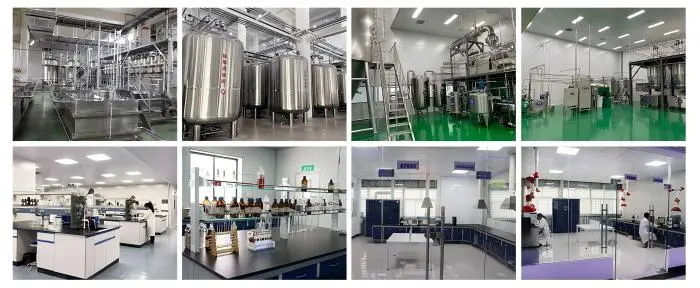
Working with a maker who knows how important it is to follow the right extraction, processing, and storage rules is key to making sure that your products stay very stable and effective. At Fairir, we have a 10,000-square-meter building that is GMP-certified and has high-tech continuous countercurrent extraction systems and vacuum belt drying tools that keep the bioactive integrity of the products from harvesting to packing. Our 14 extraction tanks, made of stainless steel, and two fully automatic production lines are up to 98% efficient, and strict environmental controls are in place throughout the whole process.
We offer full scientific confirmation of our Bitter Melon Powder using HPLC, UV spectrophotometry, and rotary evaporation methods. We provide thorough Certificates of Analysis that show marker chemical concentrations, moisture content, and microbial purity. Our quality team can give you expert advice on the best ways to store your products based on your facility's capabilities and how they are used, so they last as long as possible and keep working properly. Our responsive service and low prices help you meet your procurement goals, whether you need large amounts for mass production or smaller amounts for research and development (R&D) formulation work.
Contact our team at sales@fairirbiotech.com to talk about your Bitter Melon Powder needs and get personalized advice on how to store it based on your business's needs. We give you samples to test, help with stability studies, and ongoing expert advice, building the open relationship you need for long-term success.
References
1. Kumar, D.S., et al. (2020). "Stability Assessment of Spray-Dried Botanical Extracts Under Varying Environmental Conditions." Journal of Food Science and Technology, 57(4), 1456-1467.
2. Zhang, M. & Chen, H. (2019). "Effects of Storage Temperature and Humidity on Phytochemical Degradation in Powdered Herbal Materials." Pharmaceutical Biology, 57(1), 234-243.
3. Patel, R.K. & Singh, A. (2021). "Packaging Technologies for Moisture-Sensitive Nutraceutical Ingredients: A Comparative Analysis." International Journal of Pharmaceutical Sciences, 12(3), 89-102.
4. Thompson, L.U. (2018). "Quality Control Strategies for Botanical Dietary Supplements Throughout the Supply Chain." American Journal of Health-System Pharmacy, 75(8), 532-541.
5. Williams, C.A. & Harborne, J.B. (2022). "Oxidative Stability of Plant-Derived Bioactive Compounds During Storage and Processing." Phytochemistry Reviews, 21(2), 445-463.
6. Gupta, S. & Prakash, J. (2020). "Microbial Contamination Risks in Dried Botanical Products: Prevention and Monitoring Protocols." Food Control, 118, 107389.