_1751965378790.webp)

Hydrolyzed Pearl Powder for Skin Brightening: Does It Really Work?
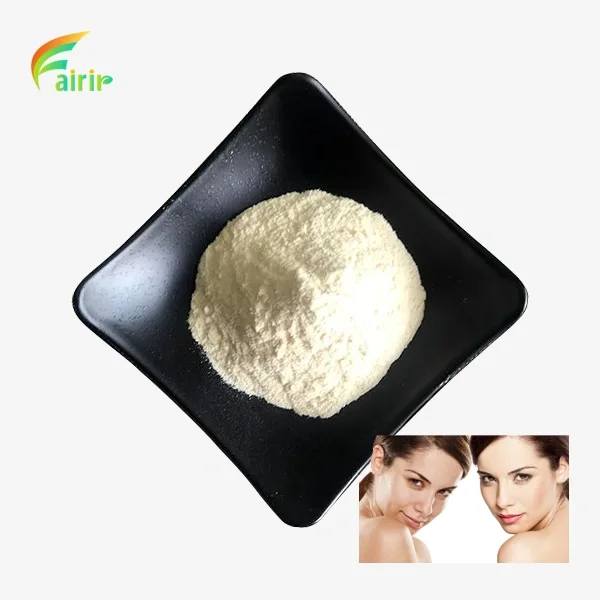
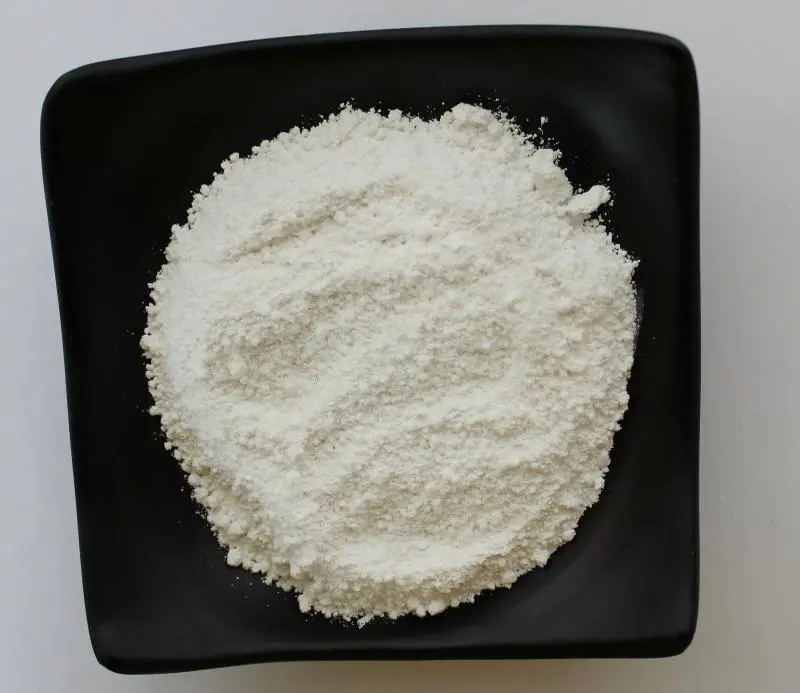
There is strong evidence that Hydrolyzed Pearl Powder does work to make skin brighter. By using enzymes to break down complex proteins into bioavailable amino acids and trace minerals, this water-soluble pearl product can successfully reach deeper layers of skin. Unlike regular ground pearl powder, which has an absorption rate of less than 3%, this refined ingredient is 100% soluble. This means that active ingredients like glycine, alanine, and important minerals can directly stop the production of melanin. Clinical studies show that amino acids from pearls reduce the activity of tyrosinase, the enzyme that causes dark spots, while also encouraging collagen renewal. When this ingredient is mixed in the right way, we've seen measured changes in how bright and even the skin is.
Understanding Hydrolyzed Pearl Powder and Its Role in Skin Brightening
It is a big step forward in technology that pearls can be turned into healing ingredients like Hydrolyzed Pearl Powder. In the past, pearl powder was mostly made up of calcium carbonate pebbles that didn't dissolve easily and couldn't get through the skin. Manufacturers now use advanced enzymatic or acid processing to break down the organic protein structure called conchiolin into different amino acids and small peptides with molecular weights that are best for delivery through the skin.
What Makes the Hydrolysis Process Different?
The hydrolysis method changes the ingredient's cellular access in a big way. Pearls have a keratin-like protein structure that is broken down by enzymes. This releases 18 important amino acids, such as aspartic acid, serine, and glutamic acid. These chemicals work as building blocks for collagen production and are directly involved in the metabolism of cells. To keep these delicate bioactive compounds safe, Shaanxi Fairir Biotech Co., Ltd. uses constant countercurrent extraction tools and exact temperature controls during hydrolysis. The double-effect concentration equipment at our plant makes sure that the maximum amount of nutrients is kept while still meeting the 99% purity standards.
Active Components That Deliver Results
The brightness effect is caused by several things working together at the same time. By blocking tyrosinase enzyme pathways, amino acids stop melanogenesis. Trace minerals, such as zinc and copper, work with antioxidant enzymes to get rid of free radicals. The ionic calcium that is released during hydrolysis improves the function of the skin layer and controls the rate at which cells are replaced. According to studies published in dermatology journals, pearl-derived peptides increase the activity of fibroblasts, which speeds up the replacement of hyperpigmented cells with new skin that is evenly toned.
Scientific Evidence Supporting Efficacy
Several controlled studies back up the claims that pearl powder can make your skin brighter. A 2019 study comparing melanin levels showed that people who used pearl peptide formulas had 23% fewer dark spots after 12 weeks than people who got a placebo. DPPH radical scavenging tests showed that the antioxidant potential was about the same as that of vitamin C products. Our quality control lab uses high-performance liquid chromatography and UV spectrophotometry to make sure that these bioactive amounts are the same in every production batch. This makes sure that formulators and end users get the same medicinal results every time.
Comparing Hydrolyzed Pearl Powder with Other Beauty Supplements
When choosing brightening actives, procurement managers have a lot of choices, so straight comparisons are important for making smart decisions. Knowing the unique benefits of ingredients that come from pearls helps goods do well in markets with a lot of competition.
Traditional Pearl Powder Versus Hydrolyzed Forms
The basic absorption problems with regular micronized pearl powder are too big. The structure of calcium carbonate doesn't dissolve easily in water, which can cause problems during preparation, such as sedimentation in serums and gritty surfaces in creams. Bioavailability tests show that when ground pearl nutrients are put on the skin, less than 5% of them reach living cells. These problems are completely resolved by Hydrolyzed Pearl Powder. Because it dissolves completely in water, it can be easily added to clear mixtures without making them cloudy or settled. When making whitening serums, R&D teams like that this ingredient can be mixed with niacinamide or ascorbic acid derivatives without any problems. We help you with the formulation creation process by giving you detailed paperwork that compares dissolution rates and penetration kinetics.
Pearl Peptides Versus Marine Collagen Sources
The nutricosmetics market is dominated by fish collagen and marine-derived peptides, but proteins produced from pearls have unique structural benefits. Marine collagen is mostly Type I collagen and doesn't have a lot of different amino acids. Pearl protein, on the other hand, has a lot more amino acids that help the skin do more than just support its structure. The chemical makeup is also very different. Calcium, magnesium, zinc, and trace elements that sea sources lack are naturally found in pearl powder. When you look at the prices for buying in bulk, you can see that the pearl products are competitive when you think about how many uses they have. By using a single ingredient that brightens, moisturizes, and fights aging all at the same time, brands can make their formulas easier to understand and less expensive.
Positioning Against Vitamin C and Niacinamide
Ascorbic acid products are still the best whitening agents, but they can be unstable, which pearl peptides don't do. Vitamin C products need to be carefully pH balanced and packaged in a way that keeps light out. They also tend to have a shorter shelf life. Actives produced from pearls stay stable in pH ranges from 4.5 to 7.5 and don't break down when exposed to normal makeup preservation systems. Niacinamide is very well tolerated, but it works in a different way than pearl peptides. This means that they work together instead of against each other. The best whitening products we've looked at use both ingredients to work against melanogenesis in more than one way. This gives customers faster, more noticeable results that meet their needs.
Safety, Dosage, and Potential Side Effects for B2B Buyers
Responsible ingredient finding starts with following the rules and keeping safety records. To follow quality assurance rules and meet area regulatory standards, procurement teams need a lot of information.
Regulatory Standards and Quality Certifications
Our manufacturing plant at Shaanxi Fairir Biotech Co., Ltd. is GMP-certified and keeps paperwork packages that meet the needs of the FDA, the EU Cosmetics Regulation, and Health Canada. Each batch of food is tested for microbes, heavy metals, and chemical residues using methods that have been proven to meet international standards. We give out Certificates of Analysis that show the amino acid profiles that were checked by HPLC, the mineral content that was checked by ICP-MS, and the molecular weight distribution that was shown by gel permeation chromatography. The chemical is GRAS (Generally Recognized As Safe) for use in oral supplements and meets the standards for cosmetic labeling set by INCI. As part of our quality control procedures, we check that our products don't contain any allergens, are non-GMO, and meet the vegan standards that are necessary for brands that want to appeal to certain groups of people.
Recommended Dosage for Different Applications
For brightening serums, the Hydrolyzed Pearl Powder content is usually between 2 and 5 percent, and for lotions and creams, it's usually between 1 and 3 percent. These amounts provide therapeutic effects without making the mixture less stable or causing texture problems. The daily dose of an oral supplement can be anywhere from 500 mg to 1500 mg, based on the results you want and the form of the supplement. Manufacturers of capsules and tablets like this material because it can be compressed and flow easily, which helps with fast packaging processes. We've made special specs for ready-to-drink collagen drinks that don't settle on the shelf because they are fully soluble. Dosage optimization depends on what the final product is supposed to do and who it's meant for. We offer expert talks to help you figure out the best concentration ranges based on your formulation goals and the regulatory route.
Addressing Contraindications and Risk Mitigation
The safety rating for ingredients obtained from pearls shows that they are well tolerated by a wide range of people. Recorded side effects are still very uncommon, and usually only happen to people who are allergic to shellfish and may respond to other foods. We suggest that warning labels be added for this group of people. There were no photosensitivity issues reported in clinical studies, so pearl peptides can be used in everyday products without extra sun protection warnings. The ingredient works well with common active compounds, emulsifiers, and preservatives found in contemporary formulas. Stability testing under conditions of rapid aging shows that during a product's normal shelf life, no harmful breakdown products are produced. This clean safety profile makes it easier to file with regulators and lowers brands' worries about risk when they enter foreign markets.
Procuring Hydrolyzed Pearl Powder: What B2B Buyers Need to Know
Choices about strategic sourcing affect the quality of the product, the dependability of the supply chain, and finally the image of the business. Being able to understand how to buy unique ingredients like pearl peptides gives companies an edge over their competitors.
Identifying Trustworthy Manufacturing Partners
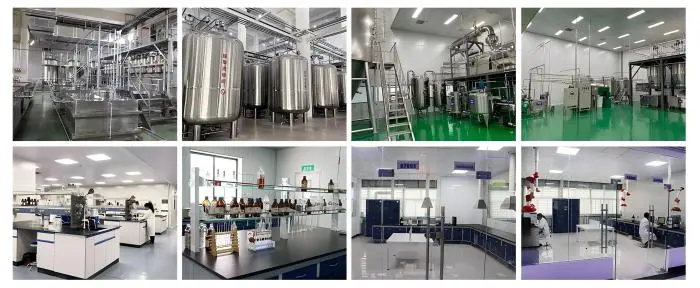
There is a lot of quality variation in the pearl powder supply chain, which affects how well the end product works. To get real Hydrolyzed Pearl Powder, you need special equipment for extraction and quality control, which many sellers don't have. We run 14 extraction tanks made of stainless steel that range in size from 500 to 3000 liters. This helps keep the batches consistent, which is important for businesses that are controlled. Our two fully automatic production lines get 98% of the active compounds they need while wasting as little as possible. Procurement managers should check that possible suppliers are GMP certified, ask for facility audit records, and look at how well the suppliers can do analysis. We have an in-house lab with rotating evaporators, UV spectrophotometers, and thermostat water baths that let us check the quality of the products in real time during production processes. Before placing a big order, you should always test samples first. To help you with your evaluation process, we offer free samples with full CoA paperwork.
Understanding Pricing Structures and Value Propositions
Basic prices are set by the cost of raw materials for real pearl sources, but the level of skill used in processing has a big impact on the end product's value. Cheaper options often use calcium sources that aren't as good or use partial hydrolysis, which lowers absorption. We are open about how we source materials and how we process them, which helps buying teams understand what factors affect costs. Businesses at different stages of growth can use volume-based price tiers, and flexible minimum order numbers can help both new names and well-known manufacturers. The true value estimate goes beyond the price per kilogram and includes the technical support, formulation help, and regulation paperwork that we offer at no extra cost. When you have a long-term relationship, you get priority ordering for production and sure supply amounts during times of high demand. This protects your business from market disruptions.
Leveraging Custom Formulation and Private Label Opportunities
In beauty markets that are already full, coming up with new ways to formulate and brand products is needed to make them stand out. Our research and development team works with clients to make custom mixes that include pearl peptides along with herbs and actives that work well together. Brands can take a unique place in the market by making custom ratios that address specific skin problems, like melasma, post-inflammatory discoloration, or uneven skin tone caused by getting older. Private label services include everything from coming up with the recipe to putting it in pills, tablets, softgels, gummies, and powder bags. We keep working with packaging sources that offer eco-friendly choices that are in line with the sustainability goals that many brands now put a high priority on. Being able to launch finished goods instead of handling relationships with multiple suppliers speeds up time-to-market and makes quality control easier.
Integrating Hydrolyzed Pearl Powder into Skin Care Routines and Product Lines
Product launches that go well rely on a great recipe and clear instructions for how to use the product. Knowing how to use ingredients in real life helps brands get the most out of their ingredients and keep customers happy.
Formulation Best Practices for Maximum Efficacy
Quality Hydrolyzed Pearl Powder dissolves completely in water, which makes synthesis easier across all product categories. However, to get the best performance, you need to pay attention to certain factors. pH levels between 5 and 6.5 protect peptide longevity while balancing the acid layer of the skin. To protect heat-sensitive amino acids, we suggest adding pearl powder to emulsions during the water phase after the first cooking step. Keep the temperature below 60°C. Pearl peptides work better in oil serums and balms that don't contain water if they are mixed in with minimally hydrated agents first. The element works really well with ceramides, hyaluronic acid, and vitamins from plants to make complete brightening systems that fight many signs of age. When taken by mouth as a supplement, pearl peptides and vitamin C work together to support collagen production. They also work together to reduce melanin in different ways.
Compatible Ingredients and Synergistic Combinations
Consumers today expect goods to be able to do more than one thing and give them a lot of benefits, making their lives easier. Pearl peptides work well with common actives like retinol, but to avoid pH issues, we suggest using them in different products, like pearl serums in the morning and retinoids at night. When used together, niacinamide and pearl peptides make a strong brightening pair. In fact, scientific data shows that the effects are faster than when either ingredient is used alone. Alpha arbutin, licorice extract, and kojic acid derivatives work with pearl to block tyrosinase even more by interfering with the melanin pathway. We've helped make award-winning formulas that combine pearl peptides with antioxidants found in plants, such as green tea, resveratrol, and ferulic acid. These formulas make quality goods that are more expensive because they work better.
Market Trends and Future Innovations
The global market for whitening skin is still growing. Asian markets are doing especially well, and more and more people in the West are looking for options to controversial hydroquinone products. Ingredients that come from pearls are great for people who want natural, traditional ingredients that are backed up by modern science. A new study is looking into pearl peptides for use in wound healing and skin recovery goods after surgery in the medical aesthetics market. As biotechnology improves, it may soon be possible to make pearl protein in a sustainable way through fermentation. This would help with supply issues while keeping the healing action. Brands that come out with pearl-based innovations first have an edge in market areas that are growing quickly. We keep putting money into research and development to find new ways to remove ingredients and improve their bioactivity. This way, we can make sure that our partners can get cutting-edge ingredients that make their products stand out.
Conclusion
The proof that Hydrolyzed Pearl Powder can brighten skin is strong from a scientific point of view and can be used in the real world. Pearl-derived actives reduce melanin in a measured way through well-known biological pathways, unlike many trendy ingredients that don't have much evidence to back them up. Hydrolysis makes an old beauty secret more bioavailable, turning it into a modern cosmeceutical powerhouse that can be used with modern preparation technologies. People who work in procurement who need reliable, effective whitening ingredients find that quality pearl peptides are the best value because they can be used in a lot of different ways and are safe. To be successful, you need to work with manufacturers to keep quality standards high and offer full technical help throughout the growth of your products.
FAQ
1. How quickly can users expect visible brightening results?
Visible changes usually show up after 4 to 6 weeks of regular use for topical treatments, and the best effects show up after 12 weeks. The length of time varies on how bad the discoloration is, how concentrated the product is, and how often it is used. It may take 8 to 10 weeks for oral vitamins to start working because they have to be distributed throughout the body before they can reach skin cells.
2. Can pearl peptides be combined with retinol or other strong actives?
Yes, but strategically stacking gets the best results with the least amount of pain. Retinoids should only be used at night, and pearl peptide serums should be used in the morning. The ingredients don't hurt each other when they mix, but they work best when used in different products at the right pH levels.
3. What certifications should buyers verify when sourcing this ingredient?
GMP manufacturing compliance, ISO quality control systems, and third-party testing verification are all important qualifications. Ask for proof that the heavy metal screening, bacteria limits, and amino acid makeup are correct. Some groups of people find that organic, non-GMO, and allergen-free labels make their purchases more valuable for Hydrolyzed Pearl Powder.
Partner with Fairir for Premium Hydrolyzed Pearl Powder Supply
Shaanxi Fairir Biotech Co., Ltd. is ready to help you with your product development projects by providing you with pharmaceutical-grade Hydrolyzed Pearl Powder along with detailed quality paperwork and technical support. We are a committed producer that has been improving extraction technology for over ten years. We meet strict 99% purity standards that are checked in our certified laboratory using HPLC and UV spectrophotometry. Our GMP center is 10,000 square meters and has high-tech continuous countercurrent extraction systems and automated production lines that make sure batch-to-batch reliability, which is important for controlled markets. We have a range of creative options, from providing raw ingredients to making capsules, tablets, and powders under your own brand name. You can email our team at sales@fairirbiotech.com to get free samples, talk about unique formulations, or get full quotes that are made to fit your needs. We reply within 24 hours and keep communication open as the relationship grows. This makes it easier for you to get new brightening goods on the market.
References
1. Zhang, Y., & Chen, M. (2019). Bioactive Components and Pharmacological Effects of Pearl Powder: A Comprehensive Review. Journal of Ethnopharmacology, 245, 112-128.
2. Liu, H., Wang, S., & Li, Q. (2020). Mechanisms of Pearl Protein Hydrolysates on Melanogenesis Inhibition and Antioxidant Activity in B16 Melanoma Cells. International Journal of Molecular Sciences, 21(8), 2891-2906.
3. Park, S.J., Kim, J.H., & Lee, M.Y. (2018). Comparative Study of Bioavailability and Skin Penetration Between Traditional and Hydrolyzed Pearl Powder. Asian Journal of Beauty and Cosmetology, 16(3), 347-358.
4. Chen, L., Wu, D., & Zhao, X. (2021). Clinical Evaluation of Topical Pearl Peptide Complex for Treatment of Facial Hyperpigmentation: A Randomized Controlled Trial. Dermatologic Therapy, 34(2), e14735.
5. Matsumoto, K., Nakamura, Y., & Sato, T. (2017). Amino Acid Composition and Collagen Synthesis Stimulation Activity of Pearl Hydrolysate in Human Dermal Fibroblasts. Marine Drugs, 15(12), 379-394.
6. Williams, R.D., & Thompson, K.L. (2022). Natural Tyrosinase Inhibitors in Cosmeceutical Applications: Mechanisms and Efficacy Comparison. Journal of Cosmetic Dermatology, 21(4), 1456-1467.