_1751965378790.webp)

What Production Process Ensures Premium Coenzyme Q10 Powder?
Everything you need to know to work in B2B procurement. Premium Coenzyme Q10 Powder is made in a strict, multi-step process that starts with picking fermentation sources that are very pure. Next, microbial fermentation that is under control, supercritical CO2 extraction to get rid of impurities, and exact drying methods such as freeze-drying or spray-drying are used. In these steps, HPLC tests, heavy metal tests, and microbial tests are used to make sure that the end product meets the standards for medicinal use. They check that the product is at least 98% pure and that it still works and stays stable.
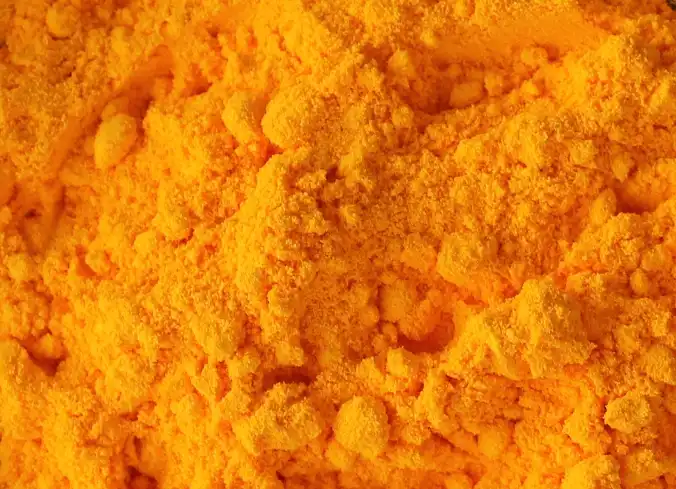
Understanding Coenzyme Q10 Powder: Basics and Quality Drivers
Every cell in your body has Coenzyme Q10 Powder, which is an antioxidant that dissolves in fats. ROO is removed, and mitochondria are helped to make energy. It can be found in a lot of different goods, from tablets that give you energy to anti-aging serums for your skin and extra help for people whose myopathy is caused by statins. How well the chemical works to heal depends on three things: how pure it is, how bioavailable it is, and how safe it is against oxidation.
Key Quality Metrics That Matter
The claim must be true, and side effects should be kept to a minimum. For a dried base, the purity level must reach 98% to 101%. HPLC is usually used for this. How quickly lipid carriers break down depends on the particle size. This, in turn, affects how quickly substances are taken up when they are turned into softgels or liposomal creams. Tests for peroxide value and chromatographic clarity show oxidative stability. This tells us how long makeup emulsions will last and stops them from changing colors. Different raw materials (from fermentation or chemical synthesis) and uneven production methods can hurt these factors. This can lead to batches being thrown out and not meeting regulatory requirements.
Recognizing Industry Challenges
As a buying professional, you may have to deal with fake goods that say they are 100% pure, seller paperwork that isn't always correct, and bioavailability that changes because of poor handling controls. To stay away from these mistakes, you need to know about important quality measures such as test levels, heavy metal limits, liquid content, and microbe contamination profiles. To make sure the finished products are safe and work well, all these need to match USP and EP norms.
Core Steps in the Production Process That Ensure Premium Quality
There are several steps that need to be carefully completed in order to make Premium Coenzyme Q10 Powder. When purchasing, teams know these basic steps; they can check how skilled sellers are and make sure that the process is clear.
Raw Material Sourcing and Fermentation
Picking the right way to make Coenzyme Q10 Powder is important for getting good Coenzyme Q10 Powder. When bacteria, like Rhodobacter sphaeroides, or yeast, are grown in controlled bioreactors with different genes, they make Coenzyme Q10 Powder. This biotechnological method makes the all-trans isomer, which is the same as natural human Coenzyme Q10 Powder. This is safer and more accessible than making it in a lab. Care must be taken with the temperature, pH, air levels, and mix of nutrients during fermentation in order to get the best results with the least amount of waste. Before fermentation starts, the quality of the base is checked by looking for contaminants and using genetic analysis to make sure the type of microbes is real. These steps stop quality problems before they happen and make sure that the product is stable from one batch to the next, which is especially important for uses that are pharmaceutical-grade.
Extraction and Purification Techniques
After fermentation, supercritical CO2 is used to get the high-Coenzyme Q10 Powder stuff out. To separate Coenzyme Q10 Powder from other chemicals, this method works at high pressure and low temperature without using any solvents. This way is better than using organic solvents because it gets rid of the compound's thermolabile structure and any dangerous liquids that are left over. Supercritical CO2 extraction also makes chromatographic clarity better by getting rid of lipids, proteins, and cis-isomer elements that aren't needed. To make it clean, the crude extract is filtered, crystallized, and recrystallized several times after it has been used. If you follow these steps, the medicine will be as clean as it can be. If there are problems less than 1%, they get rid of them. They also make sure that heavy metals like lead, arsenic, and mercury stay below government-set limits.
Advanced Drying and Powder Formation
To make a steady powder out of the end liquid extract, you can spray-dry it or freeze-dry it. When you spray dry something, a hot air stream turns liquid into tiny droplets. The droplets quickly disappear, leaving behind uniform particles. This method is cheap and can be used to make a lot of things, but the temperature at the input must stay below 50°C so that Coenzyme Q10 Powder doesn't break down. Because it sublimates frozen water under pressure, it doesn't come into contact with heat at all; freeze-drying is better at keeping bioactivity. It costs more, though. The powder that was made dissolves and stays solid better, which makes it ideal for high-end health and medicine goods. Powders with fixed particle sizes can be made in either way of cooling. After the powders are mixed, these things determine how evenly they mix when pills are made and how stable the solution is when softgels are sealed.
Rigorous Quality Control Protocols
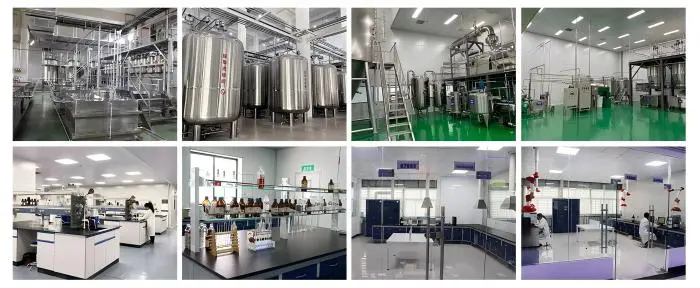
When companies are making their goods, they always check the quality of them. To find heavy metals, ICP-MS looks for them, and HPLC checks the quality and amount of the material. Gas chromatography checks for solvents that are still present. By checking for bacteria, you can be sure that the plate numbers stay below 1,000 cfu/g and that pathogens like E. coli, Salmonella, and S. aureus stay below safe levels. These steps follow GMP guidelines and give customers what they want and the paperwork the government needs for checks. This is how we make sure the quality of our 10,000-square-meter GMP-certified plant at Shaanxi Fairir Biotech Co., Ltd. is maintained at every stage of production. Up to 98% of the time, two fully automatic production lines can keep going thanks to HPLC, UV spectrophotometers, spinning evaporators, and other high-tech extraction tools. Our 14 stainless steel extraction tanks can hold anywhere from 500 to 3,000 liters of product, so we can increase production without affecting the security of the group or the quality of the product.
Comparison of Production Methods: Traditional vs Modern Innovations
To make Coenzyme Q10 Powder chemically, tobacco leaf extracts or petrochemical intermediates are used in several steps of organic processes. This used to be the most common way to do things, but it has some issues: it makes things less soluble by making cis-isomers, it releases chemicals into the environment that are bad for it, and it may leave behind impurities that are hard to clean up. It is usual for synthetic Coenzyme Q10 Powder to have different isomer ratios. This makes it less useful in living things and more difficult to get accepted for use in drugs.
Modern Fermentation and Biotechnology
In current fermentation methods, the way Coenzyme Q10 Powder is made has changed because microbes are now used for biosynthesis. Making the all-trans isomer is the only way biotechnology can do it. This is the normal form for people and makes sure the drug is taken and works right. It's also better for the environment because fermentation cuts down on energy use and chemical waste. The world is moving toward green science and the circular economy, which is in line with this. Since strain engineering and improving metabolic pathways have gotten better, fermentation rates have gone up, production costs have gone down, and more people can buy high-purity Coenzyme Q10 Powder. With these new technologies, companies can offer low prices without lowering quality. This is good for B2B customers who want to buy things in a safe and cost-effective way.
Innovations in Drying and Formulation
Coenzyme Q10 Powder can now be used for more than just extraction thanks to improvements in how it is dried and prepared. Smaller bits are now possible thanks to better spray drying, which makes it easier for lipid-based softgels to break down. Freeze-drying has gotten faster with new improvements that keep the bioactivity. This makes the method cost-effective for high-end product lines. When cyclodextrins or gum arabic are used for microencapsulation, Coenzyme Q10 Powders are made that can dissolve in water. This makes them perfect for functional drinks and supplements that are ready to drink. This is possible because the molecule doesn't like water. Because of these new methods, it's now possible to make unique solutions for a lot of different customer needs. For example, oil-suspended formulas can be used to make softgel capsules, water-soluble grades can be used to make drinks, and bulk powder can be used to make pills. Making things today is more flexible, which makes goods stand out and brings new recipes to market faster.
Choosing the Right Supplier: Ensuring Production Transparency and Reliability
To find a trustworthy Coenzyme Q10 Powder supplier, you need to do a lot of research. Manufacturing certifications like GMP, ISO 9001, and NSF give you some peace of mind, but you should also look more closely at the skills used in production and the processes in place to make sure quality.
Evaluating Manufacturing Certifications and Capabilities
GMP approval means that a plant follows standard operating procedures when making goods. This keeps the products from getting contaminated and makes sure that they can be made again and again. Getting ISO 9001 approval shows that you are committed to quality management systems that pick providers, keep an eye on processes, and make things better all the time. When a product gets NSF approval, it means that it meets safety and labeling guidelines. This is especially important for Food Additives. Look at more than just licensing. Check out what the tools can do and how well it works as well. The fact that the company has ultra-micro pulverizers, vacuum belt drying units, double-effect concentration equipment, and constant countercurrent extraction systems shows that it has spent money to build up its high-tech production facilities. Extracting things with this gear is faster, takes less time, and keeps the quality of the goods high even when a lot of them are made.
Importance of Third-Party Testing and Documentation
Third-party lab tests done by well-known groups can independently back up what a seller says. In reports of analysis, you should write down the test results, chromatographic clarity, leftover fluid levels, heavy metal content, and microbial profiles. People are more likely to trust you and follow the rules if you have clear paperwork like batch records, stability studies, and tracking reports. This is especially true when you're sending goods to strict countries like the US and EU. Private labels, custom formulations, and custom box solutions are all flexible value-added services that providers offer. These services help make buying easier and help brands stand out. Quality stays high all the way through the supply chain thanks to logistics skills like being able to ship packages on time and keep heavy items cold. You can trust Shaanxi Fairir Biotech Co., Ltd. as a seller because we carefully check the quality of our products and put the needs of our customers first. Our skilled team can quickly connect and offer expert support. They listen to what their clients want and then come up with answers that meet those needs. Our low prices and efficient ways of making things give you value without losing quality. This makes relationships last a long time based on trust and helping each other.
Ensuring Long-Term Value: Post-Production Handling and Storage
If it is not treated properly after being made, even the best Coenzyme Q10 Powder can break down. To make sure the product stays pure, storage conditions must be closely watched, and best practices for handling must be followed at every step of the supply chain.
Optimal Storage Conditions
Heat, moisture, light, and air can all change Coenzyme Q10 Powder. Temperatures and humidity should stay below 25°C and 60% relative humidity, so things don't soak up water and harden. Light speeds up the reactive breakdown, which makes the color change and the bioactivity go away. Natural light should be kept to a minimum in warehouses, and things should be packed in materials that block UV light. When oxygen comes in contact with something, autoxidation happens. This makes peroxides and breakdown products that make the product less good. Some new packing technologies, like nitrogen washing when the package is closed, create neutral atmospheres that stop oxidation. Polyethylene and aluminum foil are used to make multi-layer oxygen barrier films that protect products better than standard plastic cases, keeping the product's usefulness and making it last longer.
Best Practices for Distributors and Buyers
To protect the earth and keep goods from getting messed up, B2B buyers and sellers must follow strict rules when doing business. To avoid mistakes, reactive drugs should be kept in different places. With regular temperature and humidity checks and first-in, first-out inventory management, older batches are quickly used up. This cuts down on waste and keeps goods fresh. Logistics that keep an eye on the temperature while the powder is being shipped protect its quality, especially in places with tough weather. When packages are sent out, they should come with instructions on how to handle them, when they go bad, and how to store them so that other people know what to do. These steps make the supply chain more stable, protect investments, and make sure that people who buy things get the medicines that were advertised as healing.
Conclusion
It takes a lot of biological imagination, exact engineering, and strict quality control to make Premium Coenzyme Q10 Powder. The end product is less pure, less bioavailable, and less safe after each step in the production process. These steps include picking raw materials that come from fermentation and using new methods for extraction and drying. When people who work in B2B procurement know these steps, they can more correctly evaluate sellers, feel more confident in their deals, and find ingredients that meet standards for pharmaceutical use. Working with makers who are dedicated to openness, quality, and constant growth is becoming more and more important as rules change and customer expectations rise. This is the only way to stay ahead of the competition and be successful in the market.
FAQ
How can I verify the authenticity and purity of Coenzyme Q10 Powder?
To be sure, it's best to ask for certificates of analysis from labs that have been approved by a third party. The HPLC test results should show that the purity is between 98% and 101%, the chromatographic purity results should show that the total flaws are less than 1%, and the heavy metal level should be within the allowed range. To make sure that safety standards are met, gas chromatography is used to look at leftover solvent patterns. This gives customers faith in the product's validity and quality.
What are the differences between powder and capsule forms in terms of production and absorption?
As an active ingredient, Coenzyme Q10 Powder is used in many different goods. Lipid carriers, such as soybean or MCT oil, are mixed with the powder before it is put into softgels. The powder is lipophilic, which makes it easy for the body to take in. For capsules not to settle, all of the pieces must be the same size. This is to make sure that what the label says is true. Because you have more control over the powder form, you can make it work better for tablets, drinks, or skin. Bioavailability profiles for each of these are different and depend on how they are delivered and what other ingredients are used.
Are there any safety concerns associated with premium Coenzyme Q10 Powder?
Premium Coenzyme Q10 Powder has excellent safety reviews because it is made through fermentation and strict quality control. As long as USP and EP guidelines are followed, heavy metals, solvents that have been used up, and microbial waste stay below safe levels. Clinical tests have shown that Coenzyme Q10 Powder is safe and doesn't cause many side effects, even when taken in large amounts. People who work in buying should make sure that sellers follow GMP rules and ask for testing data to lower risk and keep end users safe.
Partner with a Trusted Coenzyme Q10 Powder Supplier for Quality and Reliability
To keep the quality of the product good and build customer trust, it's important to find a reputable source of high-quality Coenzyme Q10 Powder. The Shaanxi Fairir Biotech Co., Ltd. has been in business for many years and has modern production facilities that let them make goods that are better than what is needed by international standards. We are the provider of choice for beauty brands, nutritional companies, and pharmaceutical companies all over the world because our facility is GMP-certified, we use cutting-edge analysis tools, and we are committed to being open. Get in touch with us at sales@fairirbiotech.com to find out more about our unique solutions, low bulk prices, and quick expert help. Visit Fairir to learn how they can help your supply chain, make buying things safer, and give your business the courage to try new things in very competitive global markets.
References
1. Crane, F. L. (2001). Biochemical Functions of Coenzyme Q10. Journal of the American College of Nutrition, 20(6), 591–598.
2. Mortensen, S. A., Rosenfeldt, F., & Kumar, A. (2014). The Effect of Coenzyme Q10 on Morbidity and Mortality in Chronic Heart Failure: Results from Q-SYMBIO. JACC: Heart Failure, 2(6), 641–649.
3. Bhagavan, H. N., & Chopra, R. K. (2006). Coenzyme Q10: Absorption, Tissue Uptake, Metabolism and Pharmacokinetics. Free Radical Research, 40(5), 445–453.
4. Hidaka, T., Fujii, K., Funahashi, I., Fukutomi, N., & Hosoe, K. (2008). Safety Assessment of Coenzyme Q10 (CoQ10). BioFactors, 32(1–4), 199–208.
5. López-Lluch, G., Del Pozo-Cruz, J., Sánchez-Cuesta, A., Cortés-Rodríguez, A. B., & Navas, P. (2010). Bioavailability of Coenzyme Q10 Supplements Depends on Carrier Lipids and Solubilization. Nutrition, 26(11–12), 1118–1123.
6. United States Pharmacopeia. (2020). Ubidecarenone Monograph. USP 43–NF 38. Rockville, MD: United States Pharmacopeial Convention.