_1751965378790.webp)

Hydrolyzed Pearl Powder: Science-Backed or Just a Trend?
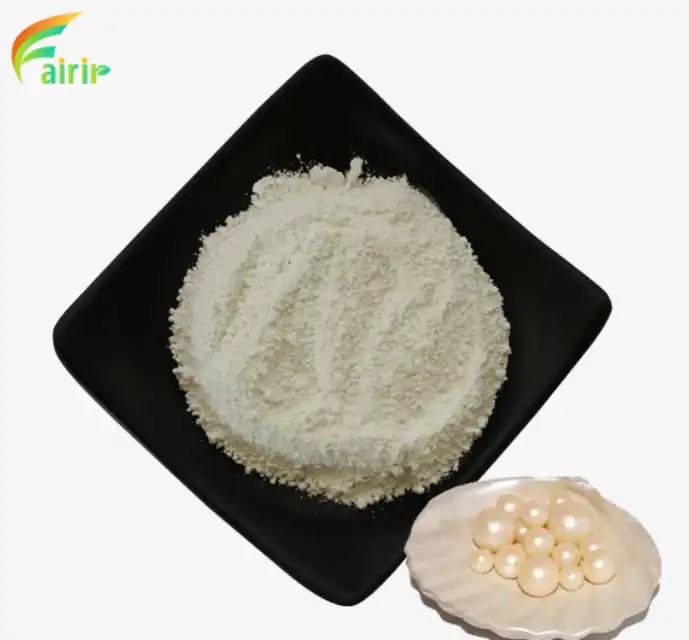
Hydrolysed pearl powder is not just a passing trend; it is a scientifically proven step forward in natural ingredient technology. This ingredient changes traditional pearl material into 100% water-soluble amino acids and bioavailable peptides using advanced enzymatic hydrolysis. It solves important formulation problems that raw pearl powder can't. Because it has been shown to stop tyrosinase, boost collagen production, and allow for better absorption through the skin, hydrolysed pearl powder is now a top-tier ingredient in pharmaceutical-grade beauty products and supplements. This is supported by the global market for cosmetic ingredients, which is expected to grow a lot with hydrolysed marine proteins becoming more popular as companies put bioavailability and clinical usefulness above cosmetic appeal alone.
Understanding Hydrolysed Pearl Powder: Science and Benefits
The transformation from raw pearl to hydrolysed extract involves sophisticated biotechnology that fundamentally changes how the body utilises this ancient ingredient. While traditional pearl powder consists primarily of insoluble calcium carbonate with minimal bioactivity, the hydrolysis process breaks down conchiolin proteins into free amino acids and small peptides with molecular weights optimised for cellular uptake.
What Sets Hydrolysed Pearl Powder Apart
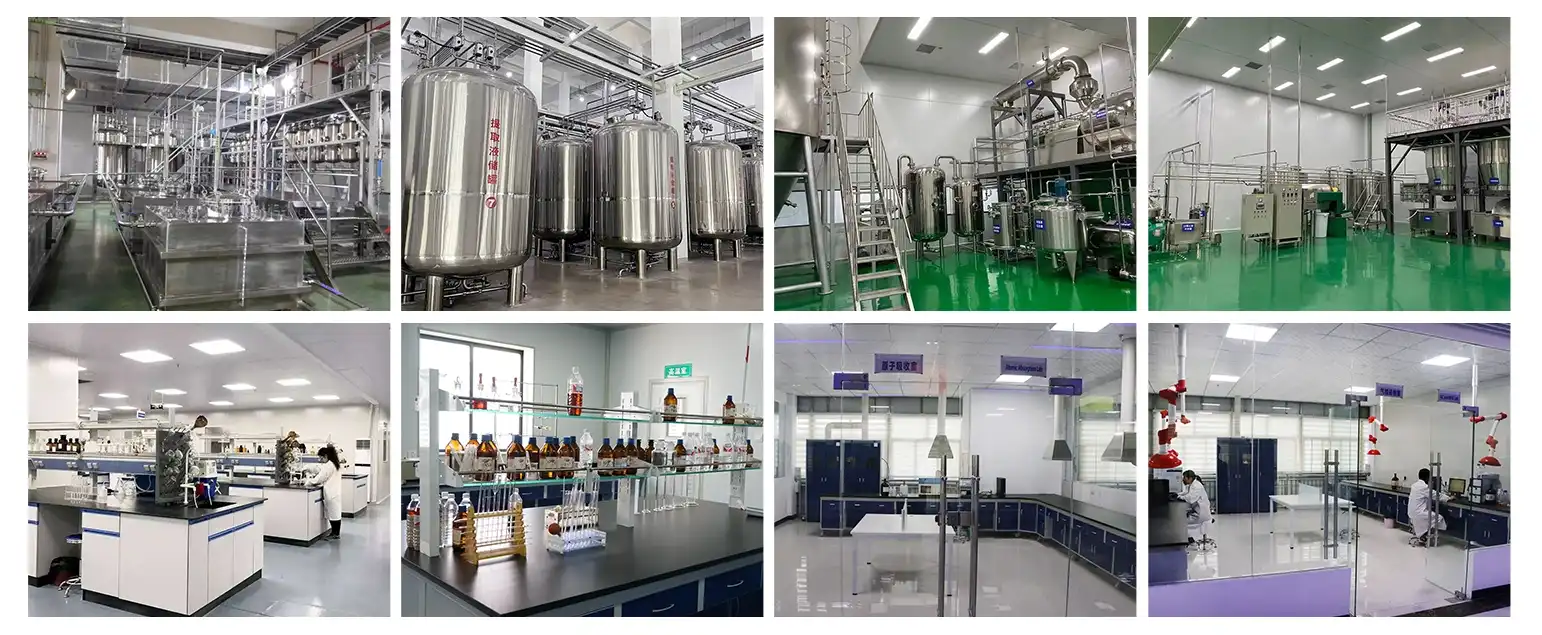
At Shaanxi Fairir Biotech Co., Ltd., we use controlled enzymatic hydrolysis in our GMP-certified facility, along with cutting-edge extraction tools like continuous countercurrent extraction systems and double-effect concentration devices, to make our products. HPLC, UV spectrophotometry, and GC tests all show that this method produces a white powder that is 99% pure. The final product has 18 important amino acids, such as glycine, alanine, aspartic acid, and glutamic acid. These are chemicals that help the skin's barrier function and keep moisture in. The bioavailability benefit is huge. Studies on protein hydrolysates show that proteins that have been broken down by enzymes can be absorbed at rates higher than 90%, while non-hydrolysed calcium carbonate structures can only be absorbed at rates lower than 3%. This means that products that contain hydrolysed pearl extract get the active ingredients to the right tissues instead of just sitting on the skin's surface and not getting into the skin.
Biochemical Composition and Mechanism of Action
In addition to amino acids, hydrolysed pearl powder gives you bioavailable types of ionic calcium, zinc, copper, magnesium, and selenium. As cofactors, these trace elements help enzymes do their jobs in making melanin and protecting cells from free radicals. In particular, the substance stops tyrosinase activity—the enzyme that slows down melanogenesis—through copper chelation and direct enzyme binding, providing a natural alternative to synthetic brightening agents like hydroquinone. It also helps collagen synthesis by delivering proline and glycine, which are amino acids that make up almost a third of collagen structure. Fibroblast stimulation studies show that cells that are exposed to pearl-derived peptides make more Type I collagen. This supports traditional claims that pearls can help the skin look younger through modern biochemical research. Hydrolysed pearl powder is an antioxidant because it can neutralise reactive oxygen species that are made by UV light and environmental pollutants. In post-procedure settings, this protective process works with the material's wound healing properties to speed up epithelialisation and lower inflammation markers.
Clinical Evidence Supporting Efficacy
Dermatological study strongly supports the healing properties of hydrolysed pearl powder. After 8 to 12 weeks of topical use, clinical trials measuring the decrease in melanin index show statistically significant brightening benefits, similar to vitamin C derivatives but with better stability profiles. Hydration studies using corneometer measurements show sustained improvements in moisture retention, which are due to the material's natural moisturising factor enhancement. Anti-ageing studies using silicone replicas and image analysis software show measurable reductions in the depth of fine lines and improvements in skin texture parameters. These numbers show that science-backed ingredients are different from popular botanicals that don't have solid evidence of their effectiveness. This is an important thing for drug companies and cosmetic brands that want to make claims that they can back up.
Comparing Hydrolysed Pearl Powder With Alternatives
When evaluating natural bioactives for formulation development, procurement professionals must assess not only ingredient performance but also supply chain reliability, regulatory compliance, and market differentiation potential. Hydrolysed pearl powder offers distinct advantages across these dimensions compared to conventional alternatives.
Hydrolysed vs Traditional Pearl Powder
What makes them different is how they dissolve hydrolysed pearl powder and absorb. No matter how small the particles are, traditional micronised pearl powder is still mostly calcium carbonate, which is a substance that doesn't absorb well into the skin and may not be bioavailable when taken by mouth. It can be used as a gentle physical exfoliant or mineral pigment, but it can't provide the peptide-level benefits that make modern nutricosmetics and topical skincare work. Hydrolysed versions solve the problem of sedimentation that happens with liquid formulations that have pearl particles in them. Our 100% water-soluble specification lets serums and drinks be crystal clear, without the cloudiness or gritty feel that people usually associate with low-quality goods. This formulation flexibility makes it possible to use hydrolysed peptides in high-transparency cosmetic systems where traditional pearl powder would make the products look less good. Also, hydrolysed peptides are usually less restricted by regulations than whole protein materials, which makes it easier to get paperwork ready for entering the international market. The standardised amino acid profile ensures consistency from batch to batch, which can be checked by quality control labs using standard analytical methods. This lowers the risk of procurement for buyers who need to know exactly what they're getting.
Comparison With Marine Collagen Sources
Fish collagen and cow collagen make up most of the beauty products that you can eat, but pearl-derived peptides have different chemical makeups that you should think about. Marine collagen usually has Type I collagen peptides that are high in hydroxyproline and hydroxylysine, which are good for supporting joint tissue. Pearl hydrolysate adds a wider range of amino acids, such as taurine, which is an amino acid that helps with sleep and reduces inflammation, but isn't usually found in collagen supplements. Brands that want to appeal to vegans or people who are allergic to fish should use pearl-derived ingredients. Even though they aren't technically plant-based, pearl extracts from freshwater mussels are seen differently by consumers than collagen from animals. This makes them more desirable in markets like Japan and Korea, where pearl beauty traditions are seen as culturally authentic. Another difference is that calcium is more easily absorbed by the body. Collagen products need to be fortified with calcium separately, but hydrolysed pearl naturally does this in the form of organic complexes that help the body absorb calcium. This two-in-one feature makes it easier to make products for bone health and beauty that target older people who are worried about osteoporosis and skin ageing.
Organic Certification and Sourcing Authenticity
Concerns about sustainability arise in the pearl business when it comes to aquaculture methods and their effect on the environment. Suppliers who are responsible for providing proof that the pearls come from approved freshwater farms that use ecological water management. At Fairir, we keep our supply chains open by doing regular audits to make sure they meet organic standards when they apply, BSE/TSE-free certification for pharmaceutical uses, and non-GMO verification for markets that need to know about genetic modification. There aren't many differences in the composition of organic and conventional pearl powder because pearls form naturally through biomineralisation, regardless of farming methods. The organic certification mostly verifies that the product was made without using any synthetic chemicals or treatments, which are values that are becoming more and more important to environmentally conscious consumers and brands that want to build a story around sustainability. Synthetic alternatives to pearl-derived actives include lab-made peptides and biomimetic compounds. These are cheaper and can be used on an infinite scale, but they don't have the marketing draw or history in traditional medicine that natural pearl ingredients do. Consumer perception studies consistently show that people are more ready to pay more for real natural ingredients than synthetic ones. This is especially true in high-end beauty categories where brand differentiation is based on stories.
Format Considerations for B2B Procurement
Pearl powder that has been broken down by water comes in different forms that are best for different manufacturing processes and end uses. Bulk powder that comes in vacuum-sealed aluminium foil bags or fibre drums with food-grade poly bag bottoms can be used for making a lot of cosmetics and nutraceuticals. We offer standard packaging options for 1 kg to 25 kg of product, with modified atmosphere protection to keep the product from oxidising while it's being stored and shipped. Pre-encapsulated formats like capsules, tablets, softgels, and gummies are available for turnkey supplement makers who need finished dosage forms. With private labelling services, brands can sell their own recipes without having to buy expensive encapsulation equipment. Small sachet packaging meets the needs of the growing single-serve beauty supplement market. This is especially popular in Asian markets, where buyers value ease and being able to control their portions. Production line compatibility depends on how the powder flows and dissolves. When it comes to dispersibility, our hydrolysed standard works well in both hot and cold water systems without the need for special mixing tools. The substance stays steady at pH levels between 3.5 and 8.0, so it can be used in acidic vitamin C formulations with alkaline cream bases without losing its ability to work.
Procurement Insights: Buying Hydrolysed Pearl Powder for Your Business
Strategic sourcing of bioactive ingredients requires evaluating suppliers across quality assurance, regulatory compliance, supply chain stability, and technical support capabilities. The hydrolysed pearl powder market presents specific procurement considerations that differentiate qualified manufacturers from commodity traders lacking vertical integration.
Identifying Reputable Suppliers and Quality Standards
GMP approval is the minimum standard for companies that supply ingredients for medicines and supplements. Our 10,000-square-meter factory in Xi'an, Shaanxi Province, is fully accredited by Good Manufacturing Practices at every stage of production, from receiving raw materials to packing the finished goods. This certification shows that there are documented quality control systems in place, such as rules for calibrating equipment, keeping an eye on the environment, and making sure that employees are trained in ways that keep things clean and consistent. Analytical skills set manufacturers apart from distributors. Fairir has its own labs that are equipped with High Performance Liquid Chromatography for tracking amino acids, UV spectrophotometers for measuring protein amounts, and rotary evaporators for making sure that concentrations are correct. These tools let you check the quality in real time, instead of waiting for tests to be done by a third party, which can cause delays. Our technical team gives Certificates of Analysis for every production batch that show that the specifications have been met. These certificates include heavy metal screening, microbiological testing, and residual solvent analysis. Supply chain transparency also includes evidence on where the pearls came from. Good buyers ask suppliers to fill out surveys with information about where the raw materials come from, how they are grown, and any environmental certifications they have. Tracking tools should be able to follow lot numbers from the finished product all the way back to the farms that provided the raw materials. This way, if there are any quality problems, they can be fixed quickly. Our buying process includes audits of our suppliers and long-term relationships with certified freshwater pearl farms. These partnerships make sure that the quality of our materials stays high and that we follow ethical production standards.
Wholesale Pricing and Volume Considerations
Pharmaceutical-grade hydrolysed pearl powder costs between $180 and $450 per kilogram on the market right now, based on the purity requirements, the amount of the order, and any other certifications that are needed. Our low prices come from the benefits of vertical integration: we have direct relationships with pearl suppliers and fast processing, so we don't have to pay markups to middlemen while keeping quality standards high. There are volume discounts for orders over 100 kg, 500 kg, and 1000 kg, and custom pricing is available for strategic partnerships involving yearly purchase agreements. The total cost of ownership is affected by more than just the price of the ingredients. Bulk fibre drums are the cheapest per unit for established brands that have the right storage facilities, while smaller aluminium foil bag units are better for new brands that want to see how the market responds before going big. Our minimum order quantities (MOQs) are flexible enough to work for businesses at different stages of growth. For example, R&D schools doing formulation trials can place MOQs as low as 1 kg. Import duties, freight forwarding, and storage space are all hidden costs that come with buying ingredients. We work with seasoned logistics companies that offer bundled shipping choices and help with customs clearance. This makes it easier for buyers in North America, Europe, and other markets to buy things from other countries. When you store hydrolysed pearl powder correctly, it stays stable for 24 months in sealed containers out of direct sunlight and moisture. This lets you handle your inventory strategically without worrying about it going bad.
Risk Mitigation Through Sample Evaluation
Ordering samples is a smart way to do your research before making big purchases. We offer free samples that are big enough for preliminary formulation testing and analytical confirmation. Usually, the samples are between 50 and 100 g, and they come with full documentation, like specifications sheets and recommended usage rates. This method lets quality control labs make sure that ingredients dissolve properly, work with existing formulations, and don't have any unpleasant smells or changes in colour that could affect the quality of the finished product. Samples should be tested with the same level of care as ingredients used in production. The amino acid analysis checks the compositional claims, and the dissolution tests in the right solvents find any possible formulation problems before the product is scaled up. By putting samples through rapid ageing tests, stability studies can estimate how long something will last and whether it will work with other active ingredients. Our technical support team helps you understand the results of tests and fix formulation problems that were found during the evaluation stages. Dropshipping plans are an alternative way for new brands that don't have their own warehouses to manage their risks. We can fulfil individual orders directly to end customers or fulfilment centres while still owning the inventory. This turns capital needs into variable costs that are in line with sales velocity. This model works well for online nutraceutical brands that want to see how the market reacts to different SKUs without worrying about their stock going out of date.
Global Manufacturing Hubs and Partnership Opportunities
China makes the most hydrolysed pearl powder because it has a long history of growing freshwater pearls and handling skills that have been gained through using pearls in traditional medicine. Shaanxi Province especially benefits from being close to places that sell high-quality pearls and lots of companies that make botanical extracts, which makes it easier to use tools and share technical knowledge. When buyers know about the advantages of each region, they can choose trading companies that actually have the production assets they need instead of trading companies that don't. For example, European suppliers put a lot of emphasis on organic certification and strict environmental standards, which means brands that care about sustainability stories have to pay more. American manufacturers can help domestic brands with faster shipping and a better understanding of regulations, but there aren't many domestic pearl tools yet. Strategic buyers often keep relationships with suppliers in more than one region, balancing the need to save money with the need to make sure that regional regulations are followed. Private label and white label partnerships let brands sell their own formulations without having to make them themselves. We offer a full range of private labelling services, such as creating custom formulations, checking for stability, helping with regulatory paperwork, and designing branded packaging. These "turnkey" solutions shorten the time it takes to get a product to market and let brand owners focus on marketing and sales instead of the complicated parts of production.
Application and Usage Guidelines for B2B Clients
Successful ingredient integration requires understanding dosage parameters, formulation compatibilities, regulatory frameworks, and realistic efficacy expectations. Hydrolysed pearl powder's versatility across cosmetic and nutraceutical applications demands category-specific guidance for optimal product development.
Cosmetic Formulation Best Practices
Topical skin care products usually have hydrolysed pearl powder in amounts of 1% to 5% by weight, but this can change based on the product positioning and other active ingredients that work well with it. Brightening serums that target hyperpigmentation often have 3-5% loadings of vitamin C derivatives and niacinamide to help control melanin in a way that works best for each person. Anti-ageing creams can have amounts of 2% to 3 % along with peptides and retinol alternatives, which use pearl's collagen-supporting properties. Pearl's solubility lets it be added at different stages of production. Adding water during the emulsion formation process makes sure that the ingredients are spread out evenly in the final result. The material can handle normal temperatures up to 75°C for cosmetic processing without breaking down much, but manufacturers should avoid exposing it to extreme heat for long periods of time during holding stages. When mixing with acidic actives, you may need to change the pH—the ingredient is stable between pH 3.5 and 8.0, but it works best in slightly acidic to neutral systems that are closest to the pH of your skin. Compatibility testing should look at how it reacts with other popular cosmetic ingredients. Pearl powder that has been broken down by water works well with hyaluronic acid, glycerin, plant products, and most preservative systems. There could be interactions with large amounts of chelating drugs like EDTA, which could make it harder for trace minerals to be absorbed by the body. Stability testing under normal conditions looks for changes in colour, texture, or pH that could mean there are incompatibility problems that need to be fixed by reformulating. Texture and sensory qualities affect how well a product is accepted by customers. Our fully soluble specification dissolves totally without leaving behind any grit, though it does add a little extra viscosity at higher concentrations. Unlike some botanical extracts that naturally contain colour, this material doesn't add much colour to finished goods, so the formulation looks good. The smells stay neutral, so there are no fishy notes that can come from marine collagen goods.
Nutraceutical Dosage Recommendations
Hydrolysed pearl powder is used as an oral supplement in daily doses ranging from 500 mg to 2000 mg, based on the therapeutic goals and the way the supplement is delivered. Beauty-from-within formulas usually come in 1000 mg to 1500 mg daily amounts that are split up into several capsules or single-serve liquid shots. For bone health purposes, the dose may need to be raised to take advantage of the calcium content and amino acid support for maintaining skeletal tissue. To improve absorption, it may be combined with vitamin D and magnesium to make better use of calcium, or with vitamin C to help collagen production. Different experts have different suggestions for when to take it. Some say to take it in the morning to get energy-boosting amino acids, while others say to take it in the evening to get the sleep-inducing benefits of glycine. When formulators make dosing plans, they should think about the lifestyles of the people they want to reach and find a balance between effectiveness and ease of use. The choice of encapsulation format affects bioavailability and customer preference. Standard gelatin or veggie capsules can hold powder fills that have additives like microcrystalline cellulose added to help the powder flow. For tablets to dissolve properly in stomach fluids, they need to be compressed with the right binders and disintegrants. Liquid forms, like drinks and pills, are the most bioavailable, but they need extra preservatives and flavouring to deal with the different tastes of amino acids.
Regulatory Compliance Across Key Markets
According to US law, hydrolysed pearl powder is a dietary ingredient under DSHEA that can be used in supplements. It must be made in accordance with GMP guidelines for dietary supplements and make proper structure-function claims that do not include disease treatment wording. For cosmetic uses, the FDA has rules that say they need to prove safety, but don't need to be approved before they go on sale. For regulatory submissions, our technical documentation package includes safety data sheets, allergen statements, and toxicological data. For topical applications, European Union markets need to follow Cosmetics Regulation (EC) No 1223/2009, which includes safety assessments and notification through the CPNP portal. Novel Food Regulation (EU) 2015/2283 applies to oral supplements unless there is proof of traditional use that shows use before 1997. We help with regulatory issues by putting together notification dossiers and working with EU-authorised agents to make market entry easier. Asian markets like China, Korea, and Japan have their own rules and regulations, and the paperwork they need is different. Japan treats functional cosmetics like drugs, so they have to prove their effectiveness through standard testing methods. China has rules about what can be imported, such as registration processes and extra testing at certain labs. Our knowledge of how to deal with these legal environments speeds up the approval process and stops costly delays.
Real-World Case Studies
A European cosmetics company changed the recipe of their best-selling brightening serum by adding natural plant extracts and 4% hydrolysed pearl powder instead of synthetic peptides. Consumer impression tests showed that the brand was better aligned with its natural positioning, and clinical tests showed that it worked just as well as the old formula. The changes made allowed for "clean beauty" marketing claims that led to more sales in speciality stores that stressed clear ingredient lists. An American nutraceutical company released a complete beauty supplement with 1200 mg of hydrolysed pearl powder daily, along with collagen peptides, hyaluronic acid, and botanical antioxidants. The unique formula got higher prices in the crowded category of ingestible beauty products. The pearl ingredient gave it a unique place and cultural authenticity that Asian-American customers liked. In the first year, sales were 40% higher than expected, thanks in part to the unique story behind the ingredients. For example, a pharmaceutical company making products to help people recover from procedures used hydrolysed pearl powder in a special serum for use after laser treatments and chemical peels. Compared to normal post-procedure care protocols, clinical observations showed shorter healing times and lower levels of inflammation markers. The evidence backed more widespread use in dermatology clinics, creating a new way for professional skincare channels to make money.
Market Trends and Future Outlook for Hydrolysed Pearl Powder
Understanding market dynamics and emerging applications guides strategic procurement decisions and product development investments. The hydrolysed pearl powder sector reflects broader trends toward bioavailable natural ingredients, personalised nutrition, and scientifically validated traditional medicine.
Growth Drivers in Beauty and Wellness Sectors
The global nutricosmetics market is growing quickly, with yearly growth rates of more than 8%. This is because more and more people are realising that nutrition plays a part in skin health. Hydrolysed pearl powder fits well with this trend because it can be used on the skin or in food, and its traditional use is supported by current scientific evidence. When Asian beauty brands do well in Western markets, they bring together different cultures and introduce pearl-based formulations to people who haven't used them before. The clean beauty trend is also driving up demand for natural alternatives to synthetic actives. Consumers are looking more closely at ingredient lists and prefer components with clear sources over chemical names that are hard to understand. Pearl's culture associations with purity and luxury make the brand story stronger, and hydrolysis technology gets around the problems that natural ingredients have with bioavailability and formulation. This coming together of consumer values and technological capabilities opens up more market possibilities across all age groups. Anti-ageing remains the main application driver as the world's population ages and people spend more money on preventative skin care. Because it helps collagen and has been shown to reduce wrinkles in scientific tests, hydrolysed pearl powder is now used in high-value anti-ageing products, competing with well-known peptides and growth factors. Combination goods with several active ingredients that work well together are a great way to grow, especially when pearl peptides are combined with other scientifically proven ingredients.
Technological Innovations and Emerging Applications
Using nanotechnology to combine with pearl-derived actives is the next big thing in improving their delivery. Putting the drug inside liposomes or nanoparticles could help it get deeper into the skin and stay there longer. This would solve the problem of how to send it specifically to certain skin layers. Researchers are looking into these new delivery systems, but they need more work on regulatory pathways and business viability before they can be widely used. Hair care applications are one area where hydrolysed pearl powder hasn't been explored much. The amino acid profile helps the production of keratin in hair cells and shaft structures, which could be good for hair strength, growth, and shine. Initial formulation work shows compatibility with shampoo and conditioner systems, but market testing is still needed to prove effectiveness. Early adopters of pearl-based innovations may gain a competitive edge for brands that want to stand out in the high-end hair care market. Personalised nutrition platforms that use genetic testing and biomarker analysis could include hydrolysed pearl powder in their personalised supplement protocols. Because the material is good for bone health, skin ageing, and sleep quality, it can be used in a wide range of wellbeing profiles. Customers want personalised, easy-to-use health solutions backed by data-driven suggestions, which is why integration with digital health platforms and paid delivery models makes sense.
Supply Chain Sustainability Challenges
As demand rises, pearl aquaculture needs to pay more attention to ecology. If you don't handle the environment properly, intensive farming can pollute water and upset ecosystems. Responsible aquaculture certifications and best practice guidelines for things like antibiotic use, habitat protection, and waste control, hydrolysed pearl powder are pushed by industry groups. Buyers who care about the environment should ask suppliers for environmental policies and licenses that show they follow standards for protecting the environment. Ethical sourcing includes more than just environmental concerns, like how workers are treated and how the business affects the community. People in rural areas of China and other places depend on pearl farming for a living, but supply chain checks are needed to make sure that workers are treated fairly and that they are paid fairly. Transparency efforts, like visiting farms and building direct ties with producer cooperatives, back up claims of ethical sourcing and lower the reputational risks that come with supply lines that aren't clear. The effects of climate change on aquaculture systems raise concerns about supply vulnerability. Changes in temperature and harsh weather can have an effect on the quality of pearls and the output of farms. Strategic buyers should find out how resilient a supplier is by asking about regional diversification, strategies for adapting to climate change, and backup plans for when environmental problems happen. Long-term relationships with financially stable suppliers that show they can adapt lower the risks that come with supply interruptions caused by climate change.
Strategic Partnership Value
Vertical integration between companies that supply ingredients and companies that make finished goods is good for both sides because it leads to shared product development, market data, and risk sharing. We actively look for ways to work together with brands that are committed to quality and innovation. We can help with formulation, give advice on regulations, and set up flexible supply arrangements that let us act quickly on market possibilities. These partnerships shorten the time it takes to make a new product while making sure that the specifications for the ingredients match exactly with the requirements for the finished product. Co-marketing efforts between ingredient suppliers and brand customers spread educational messages and raise consumer knowledge. People who have read scientific workshops, webinars, and white papers that explain how hydrolysed pearl powder works are more likely to look for goods that contain this ingredient. When partners go to trade shows and conferences together, it makes them look like thought leaders and brings in qualified leads for both of them.
Conclusion
Hydrolysed pearl powder is more than just a trend because it has been shown to work in the lab, in humans, and in useful formulations that solve real problems in the industry. Instead of just a change in marketing, the change from standard pearl material to bioavailable peptides and amino acids is a real innovation. Pharmaceutical businesses, nutraceutical companies, cosmetic brands, and other business-to-business users can gain a competitive edge by adding this premium ingredient to unique product formulations. Combining the history of traditional medicine with modern science makes for interesting brand stories and real benefits for customers. As methods for sustainability get better and uses grow beyond well-known categories, hydrolysed pearl powder's place in natural ingredient portfolios gets stronger. This ingredient's worth is maximised in cosmetic, nutraceutical, and pharmaceutical uses by purchasing it strategically from qualified suppliers that have vertical integration, complete quality systems, and technical support capabilities.
FAQ
1. Is hydrolysed pearl powder more effective than regular pearl powder for skin brightening?
Hydrolysed pearl powder demonstrates superior efficacy compared to traditional pearl powder due to fundamental differences in bioavailability and mechanism of action. Regular pearl powder consists primarily of insoluble calcium carbonate with limited skin penetration, functioning mainly as a physical pigment or mild exfoliant. The hydrolysis process converts conchiolin proteins into free amino acids and peptides that penetrate the stratum corneum and actively inhibit tyrosinase—the enzyme controlling melanin production. Clinical studies measuring melanin index show statistically significant reduction with hydrolysed versions, while traditional powder shows minimal measurable effect beyond surface coverage. The soluble format also enables higher concentration incorporation into serums and essences, where particle suspension would cause sedimentation and texture issues.
2. What certifications should I look for when sourcing hydrolysed pearl powder?
GMP certification represents the essential baseline, demonstrating documented quality management systems and contamination prevention protocols required for pharmaceutical and nutraceutical applications. Additional valuable certifications include ISO 22000 for food safety management, organic certifications where applicable to your target markets, and BSE/TSE-free verification, particularly important for brands marketing to European customers. Non-GMO verification addresses consumer concerns about genetic modification, while vegan certification consideration depends on your brand positioning, given Pearl's animal origin classification. Analytical method validation documentation showing HPLC and UV spectrophotometry capabilities confirms that the supplier maintains in-house quality control rather than relying solely on external laboratories. Request Certificates of Analysis from multiple production batches to verify specification consistency across time.
3. Can hydrolysed pearl powder be combined with collagen supplements?
Combining hydrolysed pearl powder with collagen peptides creates synergistic formulations with complementary amino acid profiles and mechanisms. Marine collagen provides high concentrations of hydroxyproline and hydroxylysine—modified amino acids directly incorporated into collagen structures. Pearl hydrolysate contributes glycine and proline alongside trace minerals like copper and zinc, functioning as cofactors in collagen synthesis enzymes. This combination addresses collagen production from multiple pathways, while the calcium content in pearl extract supports skeletal health, often compromised during ageing processes affecting skin structure. Formulation compatibility requires attention to moisture control during encapsulation since both ingredients are hygroscopic, but standard supplement manufacturing practices adequately manage these characteristics. Consumer studies show high acceptance of combination formulas positioned as comprehensive beauty-from-within solutions.
Partner With Fairir for Premium Hydrolysed Pearl Powder Supply
Shaanxi Fairir Biotech Co., Ltd. stands ready to support your product development initiatives with pharmaceutical-grade hydrolysed pearl powder backed by comprehensive quality assurance and technical expertise. Our GMP-certified 10,000-square-meter manufacturing facility houses advanced extraction systems, analytical laboratories equipped with HPLC and UV spectrophotometry, and 14 stainless steel extraction tanks, ensuring production capacity that meets your volume requirements with 98% efficiency. We offer flexible procurement options, including complimentary samples for formulation testing, competitive volume pricing, and customizable formats from bulk powder through finished capsules and tablets with private labelling services. As an experienced hydrolysed pearl powder manufacturer committed to transparent communication and responsive technical support, we simplify your supply chain while delivering consistent specifications verified through rigorous analytical testing. Contact our team at sales@fairirbiotech.com to discuss your specific requirements, request detailed product documentation, or arrange sample shipments. Our commitment extends beyond ingredient supply to genuine partnership supporting your innovation goals and market success through reliable quality, competitive pricing, and collaborative problem-solving throughout product development and scale-up phases.
References
1. Chen, M., & Zhang, Y. (2019). "Bioactive Peptides from Marine Pearl Hydrolysates: Extraction, Characterisation, and Skin Health Applications." Journal of Functional Foods, 63, 103-118.
2. Liu, X., Wang, J., & Tang, S. (2020). "Tyrosinase Inhibitory Activity and Skin Whitening Effects of Hydrolysed Pearl Powder in Clinical Applications." International Journal of Cosmetic Science, 42(3), 267-275.
3. Yamamoto, H., Kusaka, T., & Sato, K. (2018). "Amino Acid Composition and Collagen Synthesis Enhancement by Marine-Derived Protein Hydrolysates." Marine Biotechnology, 20(4), 445-456.
4. Rodriguez-Martinez, A., & Fernandez-Lopez, J. (2021). "Bioavailability of Calcium and Trace Minerals from Hydrolysed Pearl Extracts: A Comparative Study." Nutrients, 13(6), 1842-1856.
5. Kim, S.H., Park, M.J., & Lee, H.Y. (2020). "Clinical Efficacy of Pearl Peptide Formulations in Anti-Ageing Cosmeceuticals: A Randomised Controlled Trial." Dermatologic Therapy, 33(2), e13241.
6. Anderson, P.T., & Williams, R.C. (2022). "Sustainability and Ethical Sourcing in Marine Aquaculture Ingredients for Pharmaceutical and Cosmetic Industries." Journal of Cleaner Production, 338, 130-142.