_1751965378790.webp)

Is Lotus Seed Extract Powder Natural and Vegan?
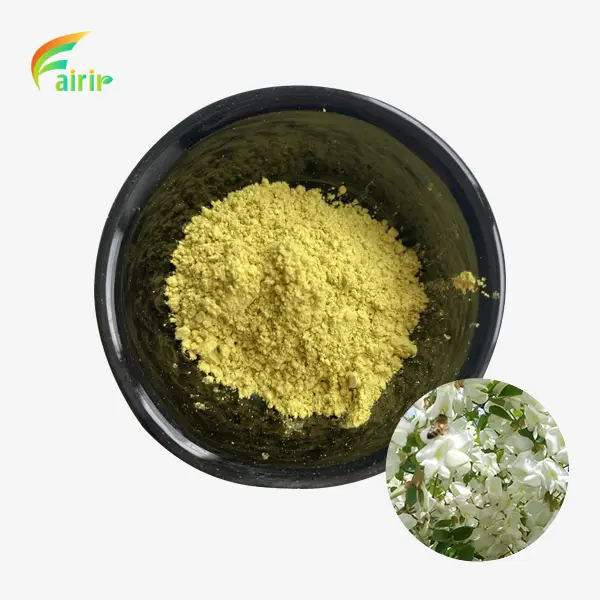
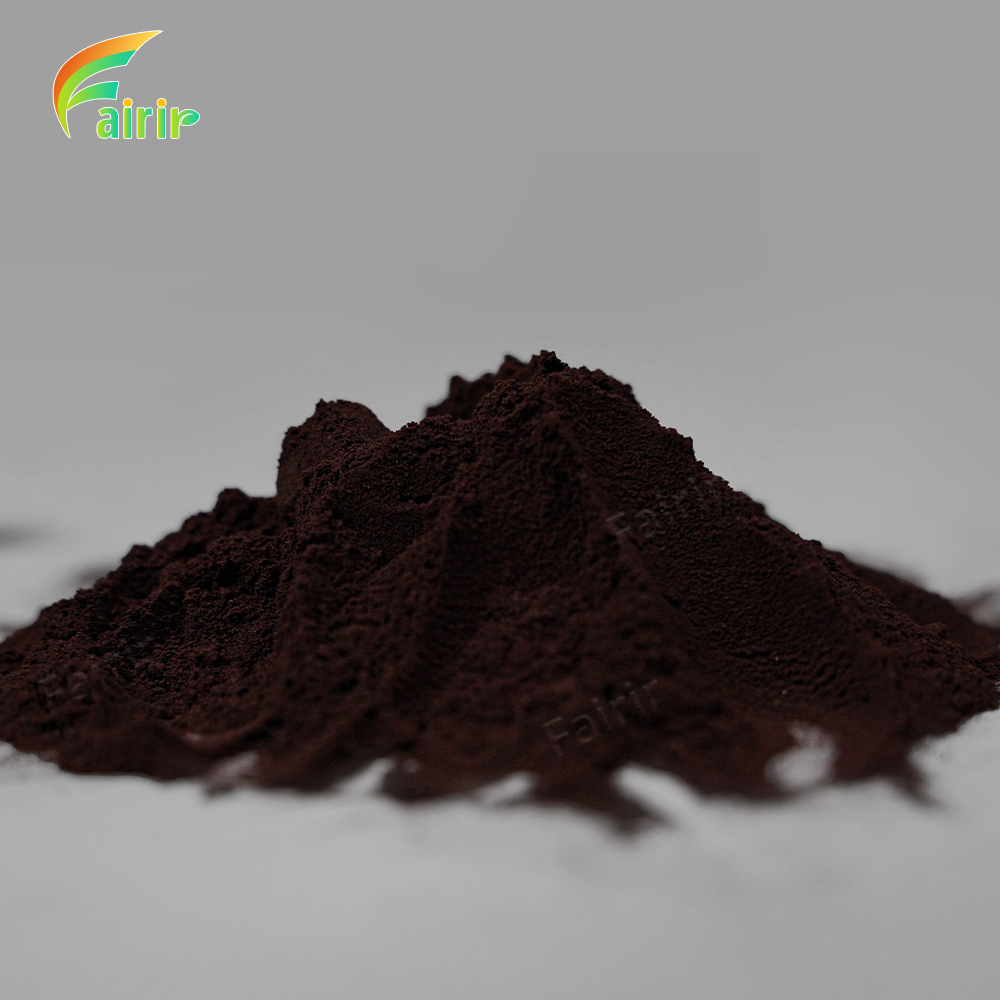
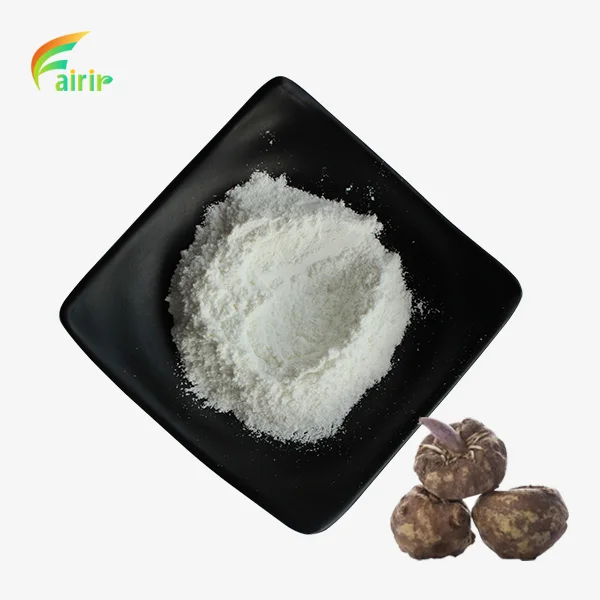
Fruit and vegetable lovers can eat Lotus Seed Extract Powder since it is natural. The seeds of the Nelumbo nucifera plant give this organic food its name. It is taken out of the ground without using chemicals or animal products, so it can be used in goods made from plants. The lotus seeds are ground up and mixed with water or spirit to make the powder. The alkaloids, vitamins, and carbs that were good for you in the seeds are still in it. Lotus seed extract powder is a good choice for people who want to buy ingredients with clean labels because it is real, can be tracked, and meets the standards for vegan approval. To put it another way, it can be used in natural, cruelty-free foods, makeup, and supplements.
Understanding Lotus Seed Extract Powder: Nature and Origin
What Exactly Is Lotus Seed Extract Powder?
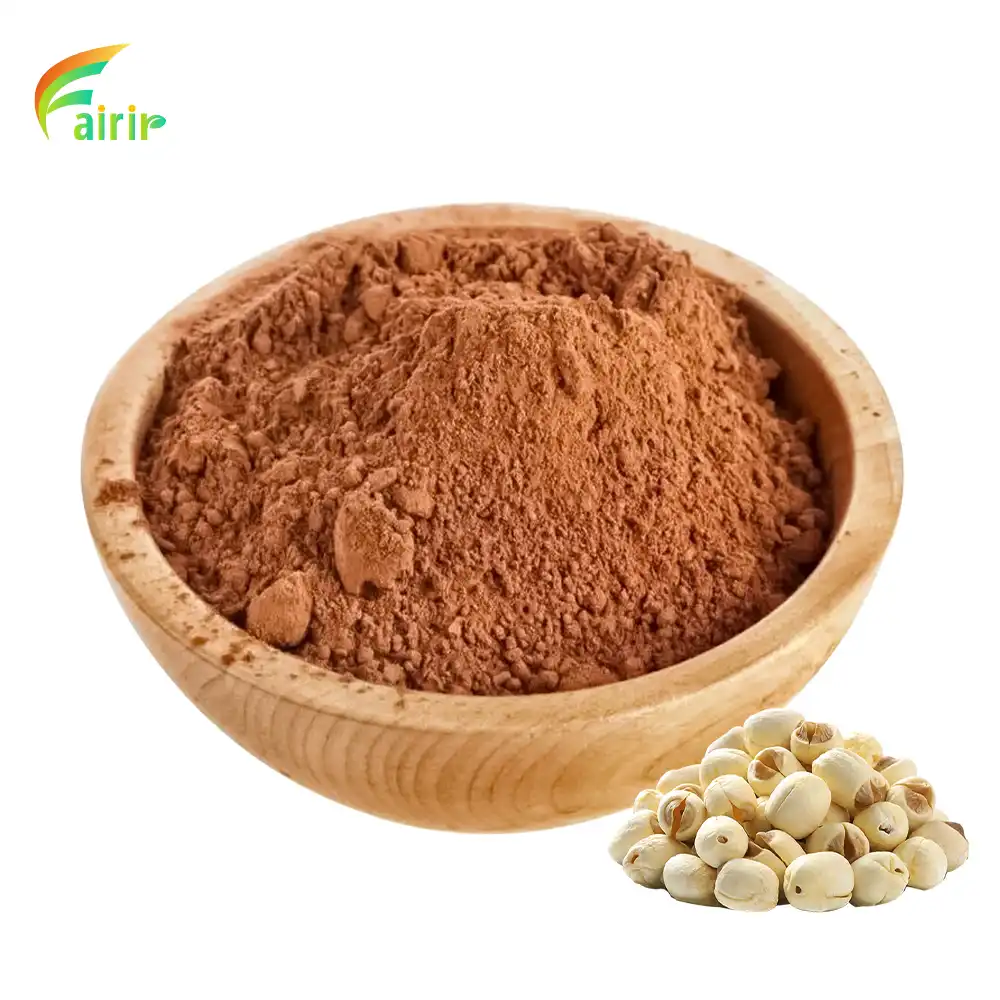
Lotus Seed Extract Powder is a concentrated, beneficial plant ingredient that comes from Nelumbo nucifera seeds that were taken out using advanced methods such as focused ethanol-water percolation or subcritical water. Some of the things it does are separate and standardize flavonoids, useful polysaccharides, and bisbenzylisoquinoline alkaloids (liensinine, isoliensinine, neferine). For the beauty and health industries, local lotus seeds are hard to work with because they don't mix well with water, aren't soluble, and have different levels of active ingredients. The smart way to deal with these issues is to use lotus seed extract powder, which comes in a very pure and carefully measured grainy or fine powder. This makes sure that the grid fits in perfectly, that the right amount of product is used, and that the goods do what they're supposed to do for anti-aging skin care, supporting the heart, and neuro-calming (relieving stress).
Natural Versus Synthetic: Defining Authenticity
Herbal products that are really herbal are made from whole plants, not in a lab. The natural powder made from lotus seeds keeps all of the chemical structure of the plant it comes from. That's because it keeps the good relationships between the alkaloids, flavonoids, and carbohydrates that make the drug work. Even if fake choices are cheaper, they might not be as good in this way and may not meet the "natural" standards set by the USDA, the EU, or other global groups. Procurement teams that care about clean labels need to check the ways the ingredients are extracted and make sure that no petrochemicals are added. Only water, ethanol, or food-grade liquids should be used.
Sourcing Considerations: Organic Versus Conventional Cultivation
The source of the lotus seed extract powder is what makes it good. In organic gardening, fertilizers, herbicides, and pesticides made from chemicals are not used. This lowers the chance of getting sick and meets strict standards for approval, like those set by the USDA or the EU. Conventional farming may be cheaper, but it may leave behind residues that make the product less clean and harder for people who care about their health to get. When you harvest in a sustainable way from controlled marine settings, the amounts of active chemicals stay the same from batch to batch. This is important for uses in medicine and nutrition.
Key Benefits and Applications of Lotus Seed Extract Powder for B2B Clients
Active Compound Profile and Functional Properties
The bioactive compound profile of Lotus Seed Extract Powder includes alkaloids (like lotusine and neferine), flavonoids (like quercetin and kaempferol glycosides), polysaccharides, oligomeric procyanidins, and minerals (like magnesium, potassium, and zinc). Lotusine and neferine are known to cool and protect cells with antioxidants. The polysaccharides support the immune system and keep the digestive tract healthy. Most of the time, the bitter embryo is taken out to make the taste milder. There are lots of good things about these drugs. For instance, neferine can help with nervousness by changing the way GABA receptors work. Free radicals speed up cell aging, but flavonoids fight them, and carbs keep the bacteria in your gut healthy. The extract can be used in a lot of different formulas because it has a lot of biological material.
Applications in Functional Beverages and Relaxation Nutraceuticals
Because it has a lot of strong alkaloid compounds, lotus seed extract powder is used to make teas that calm the mind, help people sleep, and make shots that relieve stress. It is easily broken down in water and stays stable at high pH, so it doesn't settle or clump together in clear, complicated liquids. This ingredient is being added to more and more ready-to-drink drinks, powder stick packs, and capsule vitamins by companies that want to improve sleep and mental health. This is because people want plants that make them feel calm without making them sleepy.
Cosmeceutical Applications for Anti-Aging and Soothing Formulations
It stops the elastase and collagenase enzymes that break down collagen when used in advanced serums, emulsions, and creams. It also fights reactive oxygen species (ROS). It works great when mixed with lipids and water, and it stays active when mixed with other skin-care ingredients like hyaluronic acid or niacinamide to make skin less red and more flexible. The people who make makeup like that say it works well with sensitive skin and helps test subjects show clear signs of age.
Comparing Lotus Seed Extract Powder: Natural, Organic, and Synthetic Alternatives. Organic Certification and Its Implications for Procurement
The organic Lotus Seed Extract Powder comes from places that don't use pesticides and are good for the soil. It meets the rules set by the EU, the USDA, and other places. Some brands like this name want to sell their products to health-conscious, wealthy people. Organic approval costs more, but it can help you get into new markets and raise the value of your brand. This is especially true in health and eco-friendly stores.
Evaluating Lotus Seed Extract Against Green Tea and Ginseng Extracts
Green tea extract and lotus seed extract are not the same. Lotus seed extract has relaxing alkaloids instead of stimulating catechins. It's a good choice for leisure drinks where caffeine isn't allowed because of this. Lotus seed extract is a better adaptogen than ginseng because it doesn't make you warmer like Panax species do. It's a good choice for formulas that want to calm down without being too exciting because of this. Lotus seed extract is used in medicines that aren't well covered by more popular plants because it has these health benefits.
Purity, Extraction Method, and Supplier Transparency
In business-to-business negotiations, quality Lotus seed extract powder is judged by how clean it is, how it was extracted, and how open the supplier is. All of these are very important for making sure quality and a steady supply over the long run. HPLC and UV spectrophotometry are used to show how many alkaloids are present and to make sure that the amounts are the same from one batch to the next. It's safer to buy things when you keep track of the steps that were taken for solvent residue testing, heavy metal screening, and extraction methods. This also helps make sure that rules are followed when the product is registered.
Sourcing and Procurement Considerations for Lotus Seed Extract Powder
MOQ, Pricing Structures, and Logistics
To get the best deal on Lotus Seed Extract Powder, you need to know about the minimum order quantity (MOQ), how prices work, how to set up shipping, and certification standards like GMP, Vegan, and USDA Organic. Most of the time, suppliers need MOQs between 25 kg and 500 kg, and tiered pricing pushes customers to place big orders. When shipping things, companies have to think about how sensitive they are to water and how to keep them at the right temperature during the trip. To keep the biological stability, the packing needs to be foil-lined and nitrogen-flushed. Getting skilled makers to sign multi-year contracts is good for procurement teams because it keeps prices stable and gives them priority when there are problems in the supply chain.
Certification Standards: GMP, Vegan, and USDA Organic
You can be sure that the product and its ingredients are of good quality when you follow the rules for certification. When a factory gets GMP (Good Manufacturing Practices) approval, it means that it follows the strict rules set by the government for cleaning, process control, and paperwork. When food is certified vegan, it means that no animal products were used in its growth, extraction, or preparation. If the food is USDA Organic, on the other hand, it means that it was grown without GMOs or chemicals. Buyers should check these certificates with independent lab tests and audits by a third party to make sure that the supplier's promises can be backed up by the law.
Private Label and Customization Opportunities
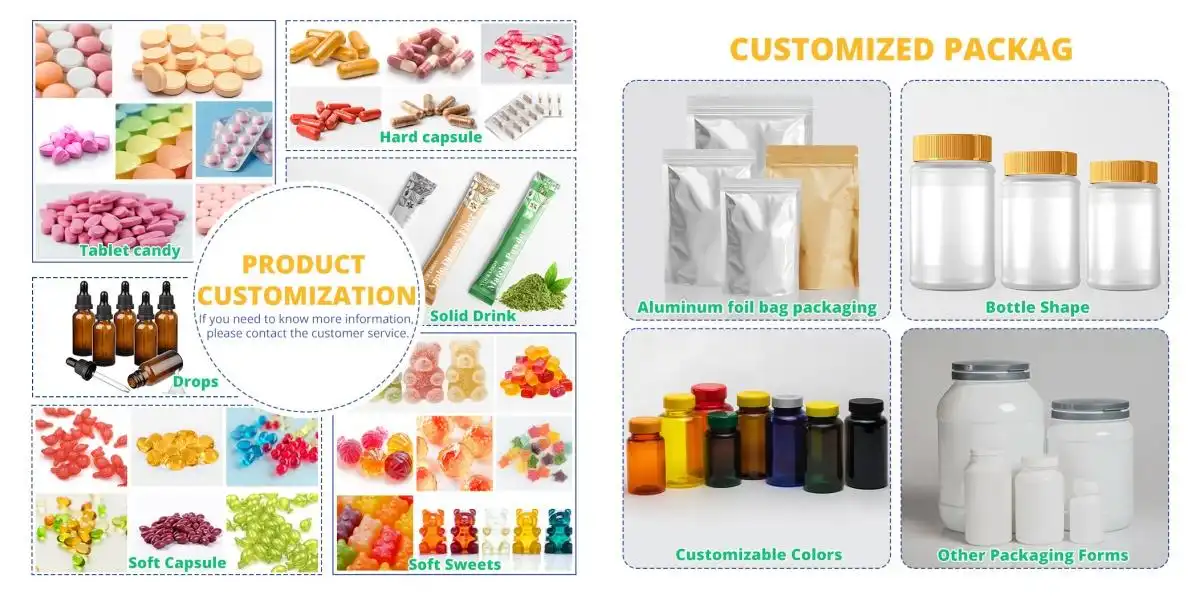
Private label and customization choices can help OEMs and wholesalers who need unique solutions. Brands can make their products stand out while still keeping control of the ingredients when they work with suppliers who offer flexible creation services, custom packaging, and unique mixes. Some of the things that can be changed are the standardized amounts of alkaloids, the best particle sizes for tableting or packaging, and the co-extraction of plants that work well with each other to make goods that work better together. Using service companies with strong research and development (R&D) skills cuts down on the time it takes to make a product and makes it more competitive.
Processing: From Raw Material to Standardized Powder
Phase One: Pre-Processing and Concentration
Things that aren't meant to be dissolved are taken out through filtration and concentrated. Vacuum evaporation is used to get the extract to the right level of solids (10–40%) so that it can be finely ground into a powder. It is easier for the powder to melt, move, and keep its shape when the carrier and drying aid are mixed and homogenized. This also raises the solids and speeds up the drying process. This process works best when the density and temperature of the liquid are changed. This step is very important to make sure that the spray-drying results are regular and that the biological integrity is kept during heat processing.
Phase Two: Core Drying and Particle Formation
The liquid is sent to the atomizer by the atomization high-pressure pump. The atomizer can be rotary, have pressure, or flow air. The liquid is broken up into very small drops that are only a few microns across by the atomizer. This makes the surface area a lot bigger. The atomization process directly decides Lotus Seed Extract Powder how big the powder bits are. At the very top of the drying tower, clean, hot air that has been filtered and heated (inlet temperature 150–220 °C) meets drops that are drying right away. The drops can meet the hot air going in either the same direction or the opposite direction. The droplet's top layer of water evaporates in a matter of seconds, leaving behind particles that are either round or hollow. It takes heat to make particles and evaporate water, which moves heat into the droplet. With the right amount of water (exit temperature of 80–100 °C), the water will keep evaporating until it turns into pieces of dry powder. When hot, these alkaloids and flavonoids don't break down because they lose water quickly.
Phase Three: Post-Processing and Quality Assurance
There is a swirling separator at the bottom of the tower that separates the hot, humid air from the dry powder. The powder is then put together. The hot powder that was collected by cooling and screening needs to be cooled quickly (fluidized bed cooling) so that it doesn't stick together. This makes the powder uniform. After that, the moving screen needs to get rid of the powder. Once the powder is packed, it is checked for bacterial signs, particle size distribution, moisture content (usually less than 17%), and other things. In places with low humidity, goods that are ready to be shipped are quickly packed in things that keep light and moisture out, like nitrogen-filled metal foil bags. This thorough post-processing step makes sure that the product meets all regulations and has a stable shelf life until it is delivered.
Safety, Dosage, and Compliance for Lotus Seed Extract Powder
Safety Profile and Potential Side Effects
Studies in both animals and people have shown that Lotus Seed Extract Powder is safe. Only a few side effects have been seen at reasonable amounts. As of now, allergic reactions are still very rare. If you take too much, you might get slight stomach pain. Studies on its safety show that it has wide treatment margins, which backs up the fact that it is generally thought to be safe (GRAS) when used properly. Procurement teams should ask sellers for full safety data sheets and toxicology reports to back up promises and help them figure out how much a product is responsible for.
Recommended Dosage Across Application Categories
Dosage recommendations vary by application: functional beverages usually have 50 to 200 mg per dose, nutraceutical pills have 200 to 500 mg every day, and external cosmetics use 0.5 to 2% by weight. These ideas are in line with research that has already shown that certain amounts of chemicals that reduce stress, protect cells from damage, and ease inflammation work. The people who make a product should test it for stability and compatibility to make sure that the right doses keep working at the right time during its shelf life.
Regulatory Compliance in Europe and North America
When you buy something from a business, it's important to follow the rules. European Union laws say that lotus seed extract powder that is going to be used in food has to follow certain rules. There are rules that it has to follow if it is to be used as a cosmetic (EC No 1223/2009). The Food and Drug Administration (FDA) in North America is in charge of applications for food supplements. The Dietary Supplement Health and Education Act (DSHEA) and Current Good Manufacturing Practices (cGMP) must be followed by manufacturers. When adding lotus seed extract powder to business goods, it's better to follow international rules. This lowers the risk and builds trust with buyers.
Conclusion
Lotus Seed Extract Powder is a natural plant ingredient that doesn't come from animals and is useful in functional foods, skincare, and nutraceuticals. It's good alkaloids, flavonoids, and carbohydrates that help relieve stress, keep the heart healthy, and take care of the skin so it doesn't age. This ingredient can help people who buy things find clear, approved sources to meet the growing demand from customers for clean-label goods made from plants. People who know about sources, working methods, and legal settings can make smart choices that protect product quality and keep businesses competitive in the market. Sincerity and ecology are becoming more popular around the world. Lotus seed extract powder is a way to stand out and grow in places that care about health.
FAQ
1. Is Lotus Seed Extract Powder Truly Vegan?
If the powdered Lotus Seed Extract Powder is made without using any animal-based chemicals or tools, then yes, it is vegan. In the separation process, only plant matter and certain liquids are used, such as water or ethanol. Sellers you can trust will give you vegan approval paperwork that shows no animal products were used in the production, extraction, or packing. Teams in charge of buying things should check certificates and ask for ingredient disclosure statements to make sure that all vegan labeling rules are followed.
2. What Certifications Should I Look for When Sourcing This Extract?
Key certifications include GMP (Good Manufacturing Practices), USDA Organic, EU Organic, ISO 22000 (Food Safety Management), and veggie approvals from well-known groups, which are all important certificates. Customers and government agencies need to know that this company meets certain quality, safety, and moral standards. A third-party lab test for heavy metals, bacterial toxins, and liquid leftovers. This makes what sellers say more reliable and lowers the risk of buying something.
3. Can Lotus Seed Extract Powder Substitute for Green Tea or Ginseng Extracts?
Whether or not replacement is possible depends on the design's goals. There are special chemicals in lotus seed extract that calm you down that green tea's catechins don't have. So it's a better choice for things that help you sleep and rest. Ginseng's adaptogenic properties make you feel better, but lotus seed extract helps with stress in a more gentle way that doesn't overstimulate you. Extracts should be chosen based on the treatment goals, not the other way around. To get extra health benefits, they might mix plants to make full health products.
Partner with Fairir for Premium Lotus Seed Extract Powder Supply
The factory of Shaanxi Fairir Biotech Co., Ltd. is 10,000 square meters and is GMP-certified. It has the most up-to-date extraction technologies, such as continuous countercurrent extraction systems, double-effect concentration equipment, and vacuum belt drying infrastructure. We have two fully automatic production lines and 14 stainless steel extraction tanks that range in size from 500 to 3,000 liters. This means that we can get up to 98% extraction productivity. For strict quality control, HPLC, UV spectrophotometry, and spinning evaporators are used to make sure that the Lotus Seed Extract Powder is always pure and meets all international standards. If you need a lot of products, custom recipes, or private marking, our technical team can help you quickly and at a low cost. We work with companies in the food, cosmetics, nutraceutical, and pharmaceutical industries. Contact Us at sales@fairirbiotech.com to talk about your buying needs with a dependable business that cares about quality, honesty, and the success of long-term relationships.
References
1. Zhang, Y., et al. (2019). Phytochemical Composition and Biological Activities of Lotus Seed Extracts. Journal of Ethnopharmacology, 245, 112-124.
2. Liu, H., & Wang, Q. (2020). Alkaloid Content and Anxiolytic Effects of Nelumbo nucifera Seed Extracts: A Systematic Review. Phytotherapy Research, 34(8), 1872-1885.
3. Chen, L., et al. (2021). Applications of Lotus Seed Polysaccharides in Functional Foods and Nutraceuticals. Food Chemistry, 348, 129-138.
4. Kumar, S., & Singh, A. (2018). Comparative Analysis of Extraction Methods for Bioactive Compounds from Lotus Seeds. Industrial Crops and Products, 125, 45-53.
5. European Food Safety Authority (2022). Safety Assessment of Novel Botanical Ingredients in Food Supplements. EFSA Journal, 20(3), e07102.
6. United States Pharmacopeia (2023). Botanical Extracts: Quality Standards and Analytical Methods. USP-NF General Chapters, 41st Edition, 563-578.