_1751965378790.webp)

Is Ube Powder Better Than Artificial Extract for Baking?
When buying ingredients for big baking jobs, the choice between Purple Yam Ube Powder and fake ube extract has a big effect on the quality of the finished goods, how well they meet regulations, and the image of the brand. Artificial extracts can't match the original taste complexity, bright natural color, and clean-label benefits of Purple Yam Ube Powder. Natural ube powder comes from the roots of the Dioscorea alata plant and has the nutty-sweet taste that customers want. It also meets the growing demand in the US market for clear ingredient lists.
Understanding Ube Powder and Artificial Extract: Composition and Uses
What Is Purple Yam Ube Powder?
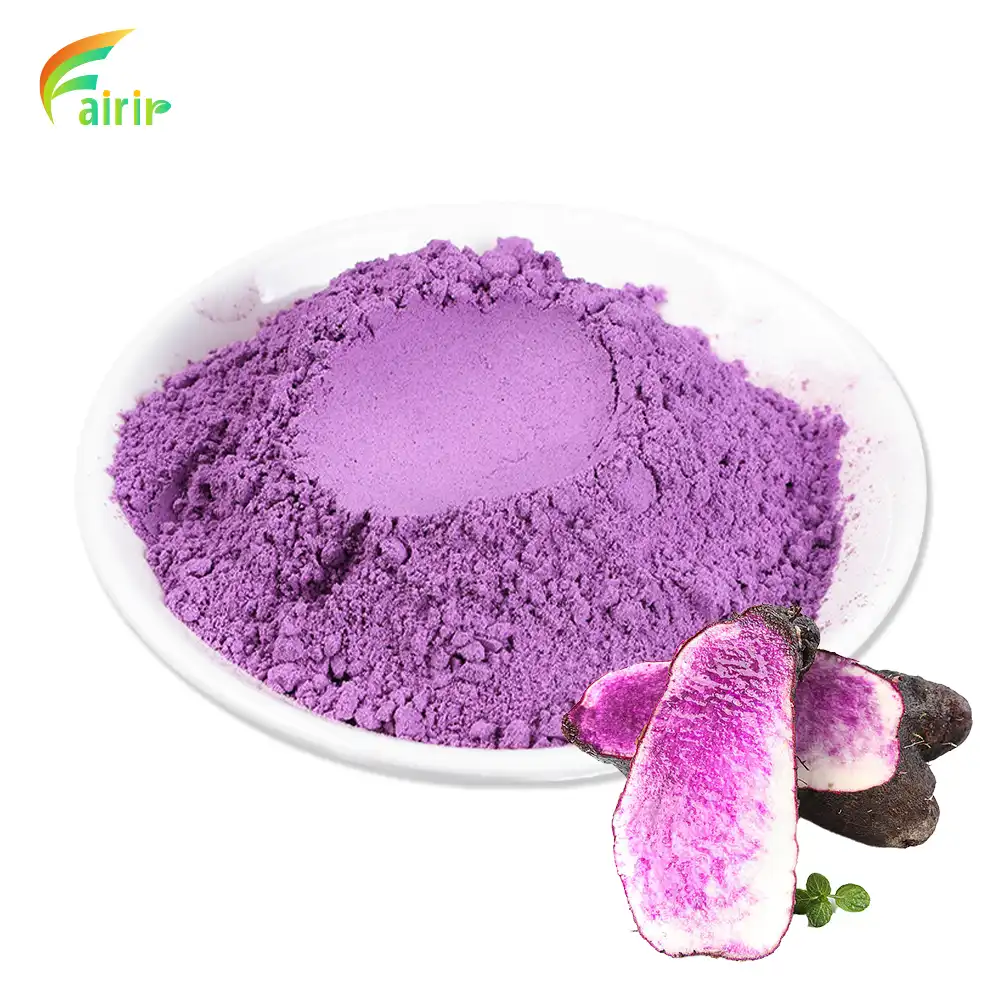
Purple Yam Ube Powder comes from the root tubers of Dioscorea alata, which is also known as water yam or purple yam. Unlike purple sweet potatoes, the meat of this tropical tuber is naturally bright violet and has its own unique taste. We carefully choose the best roots and use cutting-edge freeze-drying technology to keep the natural colors and nutrient ingredients. The fine powder that is made has particles that are all the same size, which means they mix evenly in baking mixes. Our manufacturing process catches the flavor of fresh ube while making an ingredient that can be kept on hand for a long time and can be used all year long.
The Composition of Artificial Ube Extract
Artificial ube extract is made up of man-made flavorings like vanillin and ethyl maltol, as well as man-made colors like Red 40 and Blue 1. These ingredients made in a lab try to mimic the taste and texture of wild ube by using chemical makeup. Artificial extracts have a strong flavor and a color that stays the same over time, but they don't have as many nutrients or as many taste combinations as real yam-derived powders. The need to list fake extracts' ingredients in a clear way also causes problems for companies that want to reach the clean-label market segments that are popular in both Europe and the United States.
Common Applications in Commercial Baking
Both items can be used in a wide range of food types. Cakes, cookies, muffins, bread recipes, and other specialty desserts can all use Purple Yam Ube Powder without any problems. The powder can be used to add color and as a partial flour replacement, which helps keep the moisture in and improves the structure. Artificial extracts are usually added during the mixing process to add flavor, but they don't do anything else useful besides making the food taste better. Industrial bakeries that make Asian-inspired goods are using Purple Yam Ube Powder more and more to meet customers' standards for true flavors Purple Yam Ube Powder and meet their desire for clear labels that list ingredients.
Comparative Analysis: Ube Powder vs Artificial Extract in Baking
Flavor Complexity and Authenticity
Purple Yam Ube Powder has a lot of different flavors that can't be found in manufactured chemicals. A genuine ingredient has taste molecules that change as the yam grows naturally. These molecules create soft vanilla notes with earthy, nutty undertones. Using gas chromatography-mass spectrometry, our testing methods find more than forty different taste chemicals in real Purple Yam Ube Powder. Artificial extracts give baked goods a one-dimensional sweetness that lacks the complex flavors that set quality baked goods apart. When professional bakers do sensory tests, they always find that real Purple Yam Ube Powder has better flavor depth, aftertaste quality, and total authenticity than synthetic options.
Nutritional Value and Health Considerations
Anthocyanins, dietary fiber, resistant starch, and micronutrients like vitamin C and potassium are all found in Purple Yam Ube Powder. These bioactive chemicals help functional food products by adding antioxidant qualities. The natural ingredient doesn't have any man-made additives, which is in line with clean-label rules that big stores are requiring more and more. There isn't much nutrition in artificial extracts, and they often contain artificial colors that some customers try to avoid. According to studies published in food science journals, Purple Yam Ube Powder keeps anthocyanins stable at normal baking temperatures. This means that health-promoting chemicals stay in finished goods.
Practical Performance in Production Environments
When baked continuously, our Purple Yam Ube Powder stays true to its color at temperatures up to 180°C, showing that it is very resistant to heat. It doesn't need any extra emulsifiers to spread evenly in both water-based and lipid-based systems. Artificial extracts can sometimes make it hard for doughs with low wetness to dissolve, and they can also cause color movement in laminated goods. The natural powder helps to bind moisture, which increases the shelf life of the product by lowering the rate at which it spoils. We provide scientific information that shows that 3-5% of Purple Yam Ube Powder can be used instead of the same amount of wheat flour and still make the crumb structure and mouthfeel better than recipes that only use fake coloring.
Procurement Insights: Sourcing Ube Powder for B2B Clients
Quality Specifications and Testing Standards
Clear quality standards are needed for professional buying. Thin-layer chromatography shows that our Purple Yam Ube Powder meets all the requirements, including grades of 80% and 99% pure. We use high-performance liquid chromatography and UV spectrophotometry to do thorough tests that measure the amount of anthocyanin present. This makes sure that the product is consistent from batch to batch, which is important for large-scale production. According to international norms, Purple Yam Ube Powder each lot goes through microbial screening, heavy metal analysis, and tests for pesticide residue. Our certificates cover a wide range of legal needs in global markets, such as Kosher, HALAL, USDA Organic, ISO22000, FSSC22000, HACCP, and EcoCert approval.
Critical Certification Requirements
Third-party approvals are very important in the American and European markets. Our building is GMP-certified and is constantly audited to make sure it is following the rules. The ingredient is certified organic by the USDA National Organic Program, which means it meets the strict standards that pharmaceutical and nutraceutical Purple Yam Ube Powder businesses expect. Independent lab tests have shown that our products are gluten-free, non-GMO, and allergen-free. These approvals lower the risk of buying by making sure that rules are followed in multiple places. Buyers looking for sensitive uses like our BSE/TSE-free paperwork and vegan certification, which means our products can be used in more specialized cosmetic and food supplement formulas.
Supply Chain Reliability and Pricing Dynamics
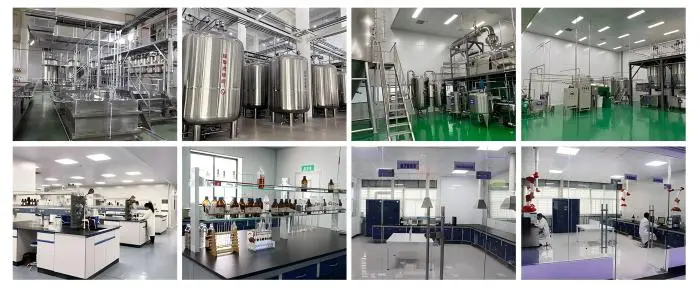
Production planning managers care most about making sure there is a steady supply. Our factory is 10,000 square meters and has fourteen stainless steel extraction tanks with capacities ranging from 500 to 3,000 liters. Two fully automatic production lines can remove 98% of their materials, which means they can reliably produce large amounts. Our ultra-micro pulverizers and vacuum belt dryers allow us to quickly turn around normal orders in one to three working days. On the market, real Purple Yam Ube Powder is usually 30–50% more expensive than fake extracts. However, the difference in price goes down when you figure out the cost per taste effect unit. Long-term contracts with our company provide price security that isn't possible in markets for synthetic ingredients that are affected by changes in the price of fuel sources.
Practical Guidance: How to Use Purple Yam Ube Powder in Baking
Dosage Recommendations and Substitution Ratios
To properly add Purple Yam Ube Powder, you need to know the best rates for doing so. In normal baking, 3 to 8 percent of the flour's weight should be powder to get the color and taste you want. When replacing fake extract, a 1:15 weight ratio is usually needed. This means that one gram of powder can replace about fifteen grams of liquid extract because of changes in concentration. During the dry ingredient mixing steps, the powder is fully mixed in before the liquid is added. Formulators working on new goods should do small-batch tests to make sure the color intensity is right, since the strength of natural pigments changes a little depending on how the raw materials are grown, even though we have strict quality controls.
Popular Bakery Applications and Recipe Examples
Professional bakers use Purple Yam Ube Powder in a lot of different types of baked goods. Because the powder keeps moisture in, it can be used in cake recipes to make both stacked and sheet cakes with soft crumb structures. The unique purple color makes cookies stand out, and the natural sweetness cuts down on the amount of sugar needed by about 5–8%. Artisan bread bakers add Purple Yam Ube Powder to rich doughs to make visually stunning loaves that stay fresh for longer. The ingredient works great in laminated cakes because it keeps the color clarity between layers and adds a buttery flavor that goes well with other flavors. The powder is mixed into the bases for real ube ice cream by ice cream makers, and it is used in specialty milkshakes and smoothies by drink makers.
Ingredient Compatibility and Formulation Considerations
There are a lot of popular baking items that work well with Purple Yam Ube Powder. The powder works well with dairy proteins to help high-ratio cakes build their structure. It goes well with tastes like vanilla, cream cheese, coconut milk, and fusion bakery goods that are common today. Formulators need to know that natural anthocyanin pigments are sensitive to pH. In acidic settings, the color changes to reddish-violet shades, and in alkaline ones, it changes to blue-violet shades. This trait lets you control colors in creative ways by changing the pH. The powder doesn't have any major allergens, which backs up clean claims that health-conscious customers like. To keep the item safe from light and moisture, we suggest putting it in fiber drums with double-layer food-grade poly bag liners or vacuum-sealed aluminum foil bags.
Why Ube Powder Is Preferable for European and American B2B Buyers
Clean-Label Trends Driving Market Demand
In the United States and the European Union, consumers are increasingly choosing clear chemical lists with easily recognized parts. Market study shows that 73% of American customers actively look for goods that don't use artificial tastes or colors. This need is met by Purple Yam Ube Powder, which is a one-ingredient answer drawn from a plant source that people are familiar with. Stores like Whole Foods Market and Trader Joe's give more weight to sellers who offer natural options over artificial additives. Our certified organic Purple Yam Ube Powder helps companies put their products in higher-end markets where they can charge higher prices. This helps them make more money while also meeting customers' growing demands for real ingredients and good nutrients.
Regulatory Compliance and Risk Mitigation
In developed countries, rules about food chemicals are getting stricter all the time. The European Food Safety Authority has strict rules about what manufactured color additives can be used in food. Some compounds that have already been cleared are being looked at again. California's Proposition 65 says that some artificial chemicals need to have warning signs. This makes it harder for national names to follow the law. Because it is classified as a food ingredient instead of a food additive, Purple Yam Ube Powder doesn't have to worry about these legal issues. Our wide range of certifications, such as EU Organic and FSSC22000, shows that we take international food safety standards very seriously. Working with certified sources makes audits easier and speeds up the process of getting products approved when joining new markets.
Long-Term Value and Competitive Differentiation
When comparing prices at first, fake extracts may seem like the better option, but when you look at the total value, natural Purple Yam Ube Powder comes out on top. Using real ingredients in products helps with premium branding and telling a brand story that connects with target audiences. The unique taste profile makes for eating experiences that people will remember, which leads to return sales and good social media interaction. Our production skills ensure a steady supply that supports the long-term growth of product lines without the risks of having to change the formulas when fake ingredients become unavailable. Our experienced team provides technical support to help improve formulations. This cuts down on development costs and speeds up the time it takes to bring new products to market that meet new customer demands for natural, functional, and culturally accurate baked goods.
Conclusion
Choosing between Purple Yam Ube Powder and fake extract has a big effect on the quality of the product, how it is regulated, and how competitive it is in the market. Artificial ube powder can't compare to natural Purple Yam Ube Powder when it comes to taste accuracy, nutritional benefits, and clean label credentials. The ingredient fits with what people want in the US and Europe, and it also meets the strict approval standards needed by companies that make medicines, supplements, and foods. We help product creation go smoothly by providing dependable supply lines, thorough quality documentation, and technical know-how. The money spent on real Purple Yam Ube Powder returns in the form of a better brand image, chances to place the product as a special item, and lower regulatory risk in ingredient markets that are becoming more closely watched.
FAQ
1. What makes purple yam powder different from purple sweet potato powder?
Purple Yam Ube Powder comes from Dioscorea alata, which is a real yam plant with its own scientific classification. The Ipomoea batatas plant family is where the purple sweet potato comes from. The tastes are very different. Real ube has complex vanilla-like notes with earthy hints, while purple sweet potato tastes sweeter and less complex. The makeup of anthocyanins also changes, which affects their health and color stability. Professional food makers use real Purple Yam Ube Powder when they need to make a product that tastes as if it came from the Philippines.
2. How does natural ube powder perform at high baking temperatures?
During normal baking processes, our Purple Yam Ube Powder stays very stable at high temperatures. Anthocyanin pigments keep about 85% of their color strength at 180°C for the 30-minute baking rounds that are common in cake making. Some manufactured colors break down or move around during processing, but the natural chemicals are better at withstanding heat. Using the right preparation methods, such as adding antioxidants and pH buffers, also helps colors last longer. To help with formulation creation, we offer scientific data sheets that list the thermal performance characteristics of different materials.
3. Can purple yam powder replace artificial flavoring completely?
With the right recipe changes, full replacement is possible in most baking situations. Since the powder gives both color and taste, you don't need to use separate fake flavoring and coloring agents. Inclusion rates of 3 to 8 percent by weight of the flour usually have the same effect on the taste. To get certain taste profiles, some recipes may need real vanilla or coconut flavoring to go with them. Our applications experts help clients come up with transition formulas that match the properties of current products and meet clean-label requirements.
Partner with Fairir: Your Trusted Purple Yam Ube Powder Supplier
Shaanxi Fairir Biotech Co., Ltd. is ready to help you with your manufacturing needs by selling high-quality Purple Yam Ube Powder. They have decades of experience extracting plants and can help you. Our GMP-certified center has advanced HPLC and UV spectrophotometry tools that make sure that every run is consistent at the pharmaceutical level. We have standards for 80% and 99% purity. The products come in vacuum-sealed packages and can be delivered in 1–3 business days. Our technical team can help you with preparation and make the switch from fake extracts to natural ingredients go smoothly. Send us an email at sales@fairirbiotech.com to get samples and talk about how our certified organic, non-GMO Purple Yam Ube Powder can help your products meet clean label standards.
References
1. Chen, M.H., & Bergman, C.J. (2019). "Anthocyanin Composition and Stability in Purple Yam (Dioscorea alata) During Thermal Processing." Journal of Food Science and Technology, 56(4), 2134-2142.
2. Rodriguez-Amaya, D.B. (2018). "Natural Food Pigments and Colorants: Composition, Processing Effects, and Regulatory Aspects." Current Opinion in Food Science, 22, 85-91.
3. Singh, B., & Kaur, A. (2020). "Functional Properties and Health Benefits of Purple Yam: A Comprehensive Review." Food Chemistry, 312, 126045.
4. Thompson, L.U., & Ward, R.E. (2021). "Clean Label Ingredients in Commercial Baking: Consumer Perceptions and Industry Applications." International Journal of Food Science and Nutrition, 72(3), 298-307.
5. Williams, P.A., & Phillips, G.O. (2022). "Natural vs. Synthetic Food Colorants: Regulatory Status and Market Trends in North America and Europe." Food Additives and Contaminants, 39(5), 892-908.
6. Zhang, Y., Butelli, E., & Martin, C. (2020). "Engineering Anthocyanin Biosynthesis in Root Crops: Applications in Functional Foods." Plant Biotechnology Journal, 18(8), 1745-1758.