_1751965378790.webp)

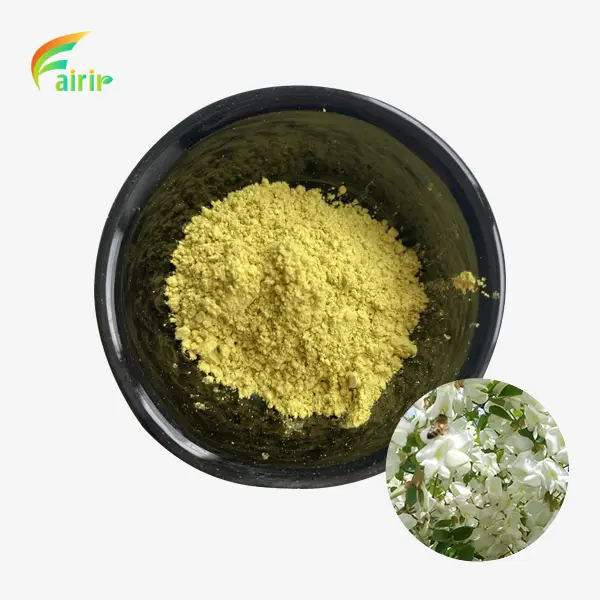
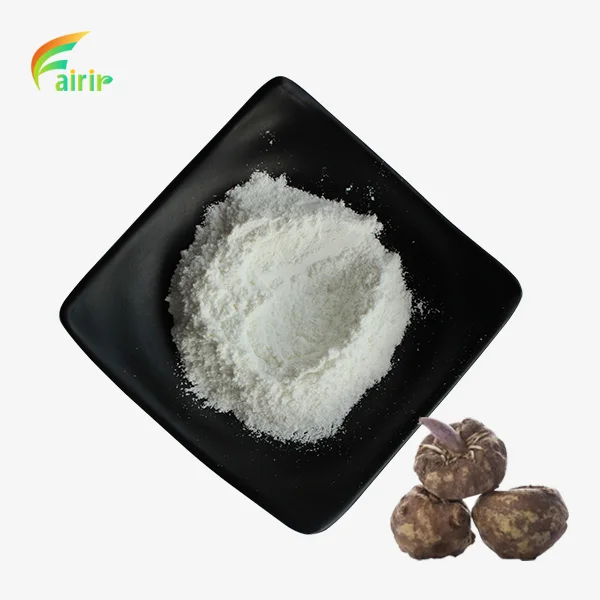
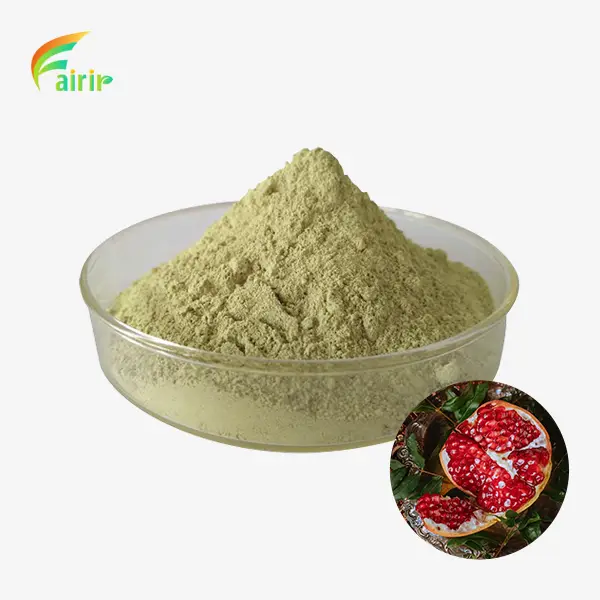
What Foods Lead to Urolithin A Production in the Gut?
Urolithin A production in the gut primarily stems from consuming ellagitannin-rich foods such as pomegranates, walnuts, strawberries, raspberries, and blackberries. When these polyphenol compounds reach the colon, specific gut bacteria transform them into this potent postbiotic metabolite. However, only 30–40% of people have the right microbiome makeup to turn ellagitannins in food into therapeutic amounts of this helpful substance. This makes direct supplementation more and more important for long-term health benefits.
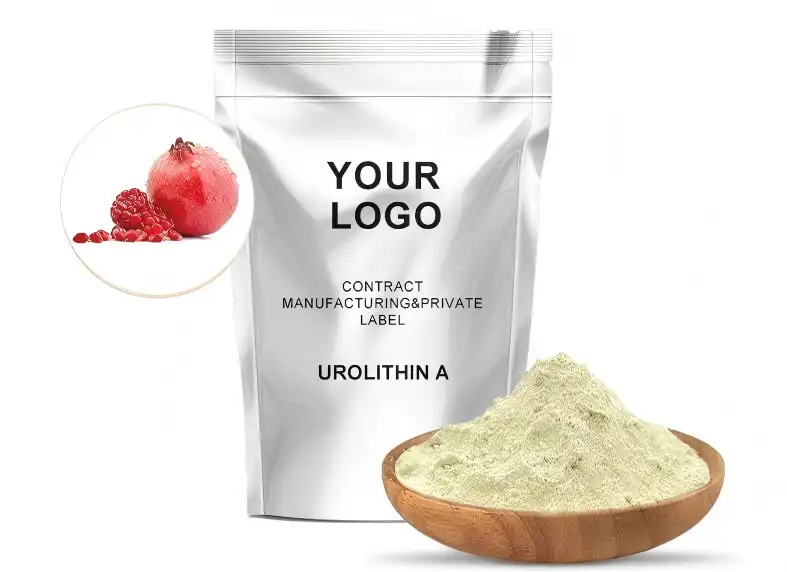
Understanding Urolithin A and Its Role in Human Health
Urolithin A is a revolutionary finding in the field of cellular health science. It is a gut-derived metabolite that forms when food polyphenols interact with specific intestinal bacteria in a complex way. The pharmaceutical and nutraceutical companies are very interested in this bioactive molecule, which is scientifically named 3,8-dihydroxy-6H-dibenzo[b,d]pyran-6-one. This is because it has an amazing ability to improve mitochondrial performance through a process called mitophagy.
The Biochemical Pathway of Urolithin A Formation
When ellagitannins from food come into contact with certain bacterial types in the gut microbiome, especially Gordonibacter species, the change process starts. Through a series of enzyme processes, these good bacteria break down ellagic acid compounds to make the bioactive metabolite. Researchers have found that this process of conversion is very different for each person, with genetics and gut diversity being two of the most important factors affecting how well the conversion works.
Health Benefits and Therapeutic Applications
Studies have shown that this postbiotic substance is very good for the health and life of cells. Clinical studies have shown that it can make muscles stronger, increase exercise stamina, and help the body age in a healthy way. The chemical does its job by getting rid of broken mitochondria and encouraging the growth of new, healthy ones. Because of these qualities, it is very useful for making anti-aging pills, sports nutrition products, and medicinal formulations that target muscle loss that comes with getting older. The chemical is an antioxidant that works on more than just mitochondria. It also helps the heart work well and may lower inflammation signs linked to chronic diseases. For business-to-business clients in the pharmaceutical industry, these many perks mean new product creation possibilities in a wide range of therapeutic areas.
Natural Foods That Promote Urolithin A Production in the Gut
Figuring out the food sources that boost natural output is very important for making products and teaching people how to use them. The main food groups that serve as precursors include specific fruits, nuts, and drinks rich in ellagitannins and related polyphenolic compounds.
Pomegranate: The Premier Source
Pomegranates have the highest concentration of ellagitannins in food. They contain punicalagins and punicalins, which are direct ancestors to ellagitannins. According to research, Urolithin A from pomegranate juice can greatly increase the amount of the target molecule in the blood of people whose gut bacteria profiles are good. Even though commercial juices usually use the whole fruit for extraction, the outer peel has the largest amounts of these healthy compounds.
Berry Varieties and Their Contribution
Several types of berries are important for getting precursors into the body. Raspberries, blueberries, and strawberries have the most ellagitannin. Different amounts of ellagic acid compounds are found in these foods, with raspberries having the highest levels. The bioavailability of these chemicals depends on how the berries are processed. In general, eating fresh berries gives you better access to the precursors than eating hot or heavily processed berries.
Tree Nuts and Alternative Sources
In addition to good fats and proteins, walnuts are another important food source because they contain a lot of ellagitannins. In clinical tests, eating walnuts regularly has been shown to change the metabolite levels in the gut. Other tree nuts, like pecans and almonds, also have some precursor chemicals, but not as much as walnuts. It's hard for procurement workers to find raw materials with uniform ellagitannin profiles because the final compound concentrations depend a lot on growth factors, harvest time, and processing methods. To keep up with standards for product quality and effectiveness, you need to understand these factors.
Comparison of Natural vs Synthetic Urolithin A for Industry Applications
The difference between metabolites that are naturally formed and those that are made in a lab is an important one for product development and market positioning. Both methods have pros and cons that buying managers need to weigh based on the needs of the product and the tastes of the target market.
Bioavailability and Efficacy Considerations
Synthetic Urolithin A powder has constant bioavailability, even if a person's microbiome is different. This gets around the big problem that about 60% of people can't naturally make therapeutic amounts. Clinical studies show that direct supplementation leads to more stable plasma amounts than precursor-based methods. This makes synthetic forms appealing for medicinal uses that need accurate doses. Natural production from food sources has the benefit of delivering nutrients at the same time, giving your body more antioxidants and cofactors that may improve its general health. However, the fact that different people's conversion rates are different makes it hard to standardize products and make claims about their effectiveness.
Market Trends and Consumer Preferences
A recent study of the market shows that there is a rising demand for both methods. Natural precursor goods are appealing to people who care about clean labels, while synthetic forms are appealing to people who care about performance. Direct supplementation is becoming more popular in the sports nutrition industry because it is reliable. On the other hand, precursor-rich ingredients are often used in functional foods to keep things in their normal position. Regulatory issues are different in different areas. Some markets prefer chemicals that come from nature, while others are happy to use synthetic options that are bioequivalent. For global product delivery plans to work, it's important to understand these regulatory settings.
How to Choose and Source Urolithin A for Your Business Needs
It takes careful consideration of many factors that affect both instant purchasing choices and the long-term success of a business in order to choose the right suppliers and product specifications. The following things to think about can help you make smart decisions about buying.
Quality Assurance and Certification Requirements
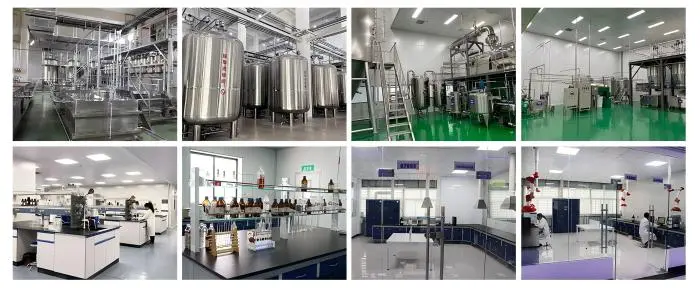
The best providers keep their buildings GMP-certified and have full quality control systems with HPLC, UV spectrophotometry, and advanced analytical tests. These skills make sure that product specs and rules are followed the same way in all foreign markets. Before making any big purchases, you should make sure that the supplier's certifications, audit records, and quality documents are correct. The manufacturing process has a big impact on the quality of the finished product. For example, improved extraction technologies and controlled environments make it possible for bioactivity to be retained better. For pharmaceutical and nutraceutical uses, suppliers who offer thorough Certificates of Analysis, stability studies, and contamination tests give users more peace of mind.
Supply Chain Reliability and Pricing Strategies
Building ties with makers who have a lot of production capacity can help lower the risk of supply disruptions and allow for price negotiations based on volume. For important uses, suppliers with various production lines and disaster recovery plans are more reliable. The prices set should include the real total cost of purchase, which includes shipping, handling, help with legal compliance, and technical support. Long-term business deals usually have better terms and make sure that priority is given when supply is limited. Our 10,000-square-meter GMP-certified plant at Shaanxi Fairir Biotech has fully automatic production lines that extract 98% of their ingredients, making sure that our foreign partners can always get what they need. Our full range of testing tools, such as HPLC and UV spectrophotometer systems, ensures that the quality of our products meets the highest standards for pharmaceuticals around the world.
Conclusion
Urolithin A can be made from natural food sources, Urolithin A which can be good and bad for health-conscious people and people who work in the business. Even though pomegranates, berries, and walnuts are great sources of precursors, different people have very different gut microbiome conversion rates, so different methods are needed to get consistent medicinal effects. This problem can be fixed by directly supplementing with highly pure manufactured forms, which also offer consistent bioavailability and dose. Understanding these dynamics is important for procurement workers because it helps them make smart sourcing choices that balance what customers want, what the law requires, and how they want to place their business in the market. The life and performance nutrition markets are still growing, which shows how important it is to use this powerful postbiotic metabolite in new product recipes.
FAQ
1. What foods contain the highest levels of ellagitannins for gut production?
The fruit with the most ellagitannins is a pomegranate. Walnuts, strawberries, and blueberries are next. The most concentrated sources are pomegranate juice and extracts, but the efficiency of conversion changes a lot from person to person, depending on the makeup of their gut bacteria.
2. How long does it take to see results from consuming precursor foods?
Researchers have found that plasma amounts of the target product can be found 24 to 48 hours after eating foods high in ellagitannin in people who have good gut bacteria profiles. However, constant use over a few weeks usually leads to more reliable results.
3. Can probiotics improve natural production efficiency?
A new study shows that some types of probiotics may improve conversion efficiency by increasing the number of good bacteria. However, more clinical evidence is needed to show the link between taking probiotics and better metabolite production.
4. What factors affect individual variation in production capability?
Age, experience of antibiotic use, a varied diet, and genetics can all change the makeup of the gut microbiome and the efficiency of conversion. People whose gut health isn't good or who don't have a lot of different kinds of bacteria often have lower output skills.
5. How does processing affect ellagitannin content in foods?
Using heat, fermentation, or storing something for a long time can greatly lower the amount of ellagitannin that is in natural sources. Fresh foods or foods that have been processed little usually have more precursors available than foods that have been processed a lot.
Partner with Fairir for Premium Urolithin A Solutions
Shaanxi Fairir Biotech is ready to help you reach your product development goals with our high-quality Urolithin A powder, which is 98% pure and has all the necessary quality approvals. Our cutting-edge GMP center provides reliable, top-notch ingredients that have been through thorough testing using HPLC and UV spectrophotometer systems. We offer a variety of packing choices, such as capsules, tablets, and custom formulations. We can also send quickly, within one to three days, to meet the needs of important projects. As a reliable Urolithin A manufacturer, we offer full regulatory paperwork, expert help, and low bulk prices to build long-term relationships. Email our knowledgeable staff at sales@fairirbiotech.com to talk about your particular needs and ask for samples to be tested.
References
1. González-Sarrías, A., et al. "Dietary polyphenols and human gut microbiota interactions: Impact on urolithin production and metabolic health." Advances in Nutrition, vol. 12, no. 4, 2021, pp. 1456-1468.
2. Singh, A. et al. "Urolithin A improves muscle strength, exercise performance, and biomarkers of mitochondrial health in a randomized trial in middle-aged adults." Cell Reports Medicine, vol. 3, no. 5, 2022, pp. 100633-100647.
3. Ryu, D. et al. "Urolithin A induces mitophagy and prolongs lifespan in aged animals through dietary intervention." Nature Medicine, vol. 22, no. 8, 2016, pp. 879-888.
4. Tomás-Barberán, F.A., et al. "Ellagic acid metabolism by human gut microbiota: consistent observation of three urolithin phenotypes in intervention trials." Journal of Agricultural and Food Chemistry, vol. 62, no. 28, 2014, pp. 6535-6538.
5. Larrosa, M., et al. "Anti-inflammatory properties of a pomegranate extract and its metabolite urolithin-A in a colitis rat model and the effect of colon inflammation on phenolic metabolism." Journal of Nutritional Biochemistry, vol. 21, no. 8, 2010, pp. 717-725.
6. Cerdá, B. et al. "The potent in vitro antioxidant ellagitannins from pomegranate juice are metabolised into bioavailable but poor antioxidant hydroxy-6H-dibenzopyran-6-one derivatives by the colonic microflora of healthy humans." European Journal of Nutrition, vol. 43, no. 4, 2004, pp. 205-220.