_1751965378790.webp)

Is Matcha Powder the Secret to a More Productive Day?
Matcha powder can be a secret tool for getting more done every day. This bright green superfood has a special mix of caffeine and L-theanine that gives you long-lasting energy without the jitters or crashes that coffee usually causes. Matcha powder, unlike other stimulants, gives you a calm, focused alertness that can last for hours. This benefit makes it a great choice for workers who want to keep their mental performance high all day.
Understanding Matcha Powder and Its Impact on Productivity
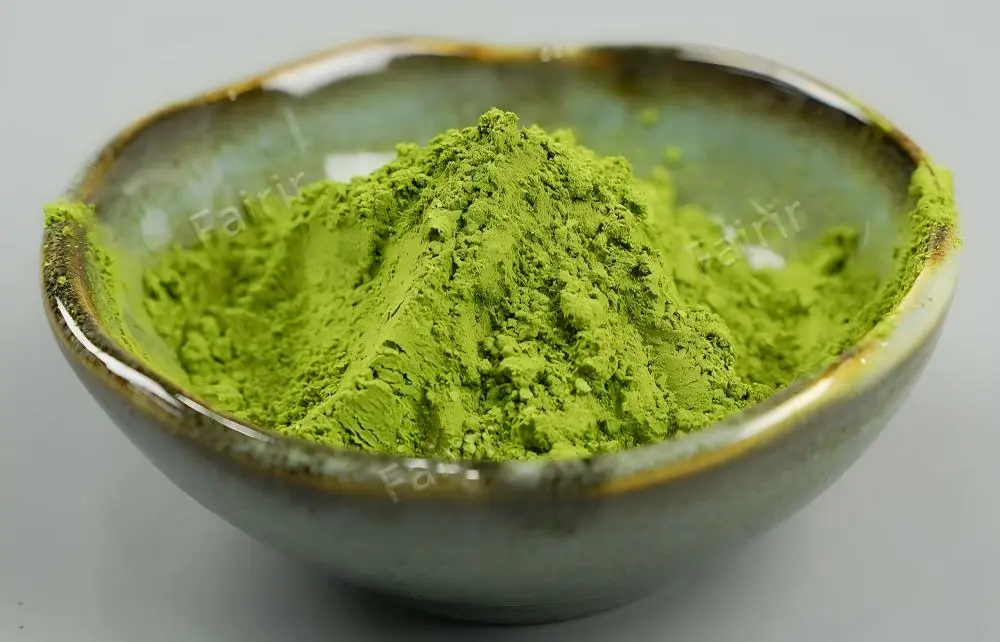
Matcha powder comes from the finely ground leaves of Camellia sinensis plants that are grown in shade and contains one of nature's most complex energy-boosting substances. This unique way of growing tea, primarily practiced in Japan's famous Uji area, produces a product that is much better than regular green tea powders.
The Science Behind Matcha's Unique Properties
The process of growing in the shade, called "oishita saibai," changes the chemical makeup of the tea plant in a basic way. In the last 20 to 30 days before harvest, farmers cover the tea plants with a special kind of cloth. This greatly increases the production of chlorophyll and amino acids while lowering the sharpness of the tannins. This very careful process makes pure matcha powder that is very high in nutrients.
Harvard T.H. Chan School of Public Health research shows that matcha has a lot more healthy ingredients than regular green tea. People who eat the whole leaf get increased amounts of antioxidants, vitamins, and fiber that they could not get from drinking tea alone.
Comparing Matcha to Traditional Energy Sources
Coffee and energy drinks aren't as productive-boosting as matcha powder because they don't have the same level of excitement. The average dose has 25 to 35 mg of caffeine per serving, which gives you a moderate boost without overstimulating your nervous system. When this caffeine combines with L-theanine, it produces what scientists refer to as "calm alertness."
Coffee usually gives you a rush of energy that wears off quickly. Energy drinks, on the other hand, contain artificial caffeine that can make you feel jittery and anxious. Because of its unique ingredients, matcha gives you a steady release of energy over several hours. This advantage makes it especially useful for professionals who need to focus for long periods of time.
How Matcha Powder Enhances Productivity: Scientific and Practical Insights?
Organic matcha powder boosts productivity because it has an amazing ability to improve brain function in many ways. According to scientific studies, the way caffeine and L-theanine work together makes for a great mental state for long periods of work.
Neurological Benefits and Focus Enhancement
L-theanine is an amino acid that is found in large amounts in high-quality matcha. It helps the brain make alpha waves, which are linked to calm focus. This chemical works with caffeine to improve focus without the nervousness that usually comes with using stimulants. Clinical tests have shown that this mix makes it easier to pay attention, remember things, and make choices.
The antioxidants in pure matcha powder, especially the high EGCG content (10–18% by weight), are good for your brain in the long run. These catechins shield brain cells from toxic stress, which might help them keep working well over time. This neuroprotective effect is very helpful for workers in hard-to-reward fields who want to keep their jobs for a long time.
Optimal Consumption Strategies for Maximum Productivity
When and how you prepare matcha has a big effect on how well it works as a productivity booster. 30 to 60 minutes before peak work times is the best time to use chemicals because they are at their most bioavailable. When you drink it in the morning, you usually have energy for 4 to 6 hours, which is ideal for working on demanding projects or going to important meetings.
To make it right, you need to whisk ceremonial-grade powder with water that is at least 176°F (80°C) hot. Higher temperatures break down chlorophyll, which makes the color less vibrant, which is a sign of strength. Keeping the powder in airtight containers away from light and heat keeps its useful qualities and ensures that results are always the same.
To keep it from clumping and going bad, good matcha should always have less than 5% wetness. This standard is especially important for businesses that buy in bulk, since bad storage can make the product much less useful and shorten its shelf life.
Choosing the Right Matcha Powder for Your Business Needs
To make smart choices about where to get matcha, procurement managers and product developers need to know what makes each grade unique. The market has different levels of quality, and each one is good for different uses and costs different amounts.
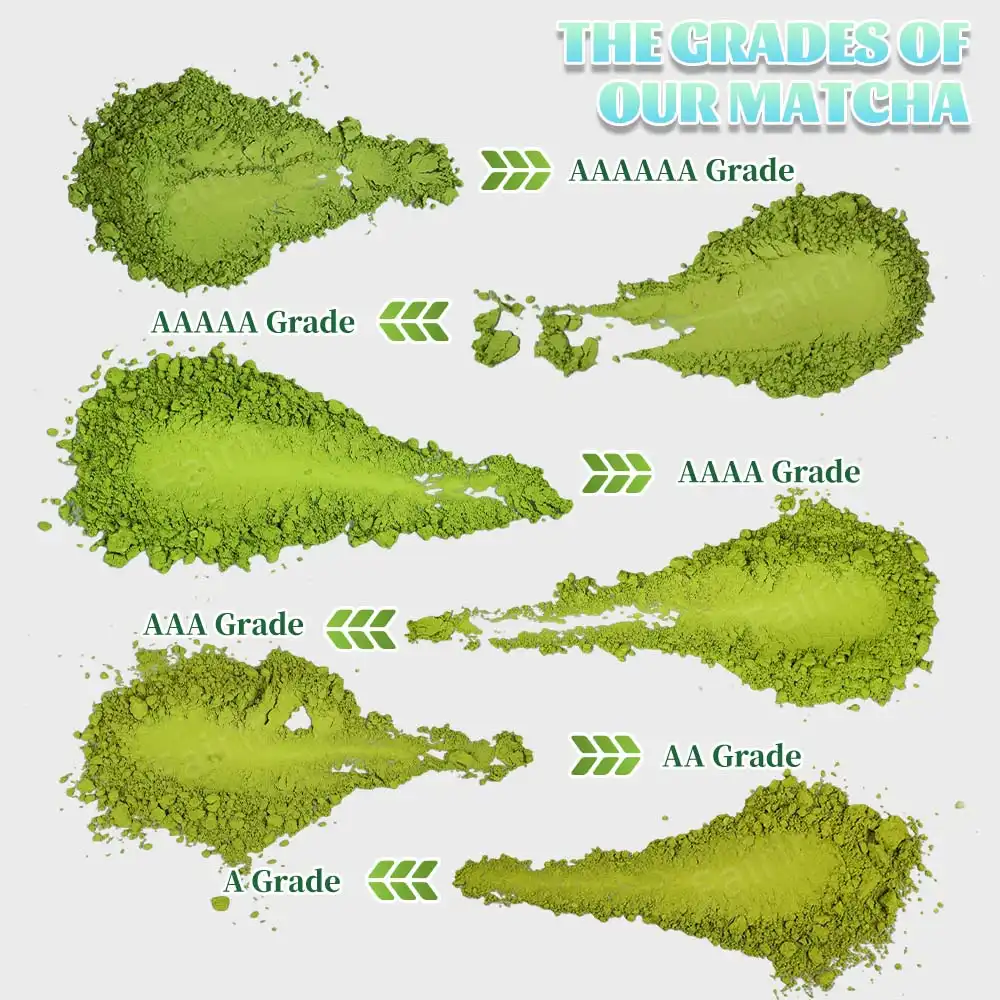
Understanding Matcha Grade Classifications
The best level of quality is ceremonial grade, which has a bright emerald color and a smooth, sweet taste. This high-end choice has the most L-theanine (usually more than 18 mg/g) and the least amount of bitterness. Ceremonial grade costs more, but it gives you a better sensory experience and the most productive benefits.
Culinary-grade matcha has a stronger flavor and astringency, so it can be used in food and drinks where the matcha flavor needs to stand out. This grade usually costs 40–60% less than formal, but it still has many useful features. The particle size range stays the same, between 5 and 20 microns, which makes sure that finished goods have a smooth texture.
Organic certifications add another level of quality assurance, which is helpful for health-conscious customers and businesses that want to use ingredients that are better for you. Organic matcha powder costs more, but it's becoming more popular with people who care about chemical residues and environmentally friendly farming methods.
Evaluating Suppliers and Quality Standards
Businesses should give more weight to matcha powder providers with thorough quality control systems when they are comparing suppliers. High Performance Liquid Chromatography (HPLC), UV spectrophotometers, and rotary evaporators are some of the advanced analytical tools that are used to make sure that product standards and purity levels are always met.
Color metrics are a good way to tell if a product is of good quality, and high-quality items have certain Lab color space numbers. High-quality matcha has low "a" values, which show how green it is, and high "L" values, which show how bright it is. In addition to subjective taste tests, these measures give an objective picture of quality.
Businesses that add matcha to their standard operations or product lines need to make sure their supply chains are reliable. Suppliers that have been around for a while usually keep enough inventory on hand to support regular shipping schedules. This lowers the risk of procurement and makes sure that manufacturing operations never run out of supplies.
Optimizing Matcha Powder Integration into Your Product Line or Workplace
Pure matcha powder offers numerous applications, enabling innovative and creative applications across various industries. Businesses can take advantage of the growing interest in functional ingredients by learning the right way to integrate them and taking legal issues into account.
Innovative Applications Across Industries
Formulations for ready-to-drink drinks have many technical problems that need advanced stability systems to solve them. To keep the matcha suspension, high-protein acidic drinks and dairy replacements need to be homogenized by adding pectin or gellan gum. The antioxidants in the powder naturally help to keep things fresh, but UV protection is still needed to keep chlorophyll, the green pigment in plants, from breaking down.
Matcha is a natural colorant and flavor enhancer used in industrial candy. In mass production settings, encapsulation technologies are often used to keep the green color during high-heat processes. Changing the pH buffer helps keep the color stable during Maillard reactions in baked goods.
Matcha's antimicrobial qualities are used in cosmetics, especially the EGCG content that fights bacteria that cause acne. The tiny particles (5–20 microns) gently exfoliate the skin without hurting its protective layers, and the green content backs up claims that the product will detoxify, which is a common claim made by high-end skin care products.
Regulatory Compliance and Safety Considerations
European and American import rules are very different, so it's important to pay close attention to the paperwork and licensing needs. EU novel food regulations are different from FDA standards for dietary ingredients, especially when it comes to health claims and labeling rules.
When processing, thermal sensitivity is essential because temperatures above 176°F (80°C) break down chlorophyll and change the color. This restriction necessitates the use of temperature control instruments and process parameter adjustments in manufacturing processes.
As the market grows and the risk of counterfeiting rises, authentication proof becomes more and more important. Suppliers you can trust give you thorough certificates of analysis that show things like the particle size distribution, moisture content, and contamination testing results. These papers back up quality assurance programs and paperwork that shows you're following the rules.
Conclusion
Matcha powder really helps you get things done because it has a special mix of ingredients that give you long-lasting energy and make your brain work better. It is becoming more popular in the market, and there is scientific evidence to back its effectiveness. This benefit makes it a good choice for both personal and business use. For success, you need to know the differences between quality levels, how to find good suppliers, and how to use the right techniques for integrating things so that the good compounds that boost output stay in place.
FAQ
What makes matcha powder more effective for productivity than coffee?
Matcha powder contains L-theanine alongside caffeine, creating sustained energy without jitters or crashes. This amino acid promotes calm alertness, while coffee's rapid caffeine absorption often leads to energy spikes followed by fatigue. The combination provides 4–6 hours of steady focus, compared to coffee's shorter duration.
How should businesses evaluate matcha powder quality when sourcing in bulk?
Quality assessment should focus on particle size distribution (5–20 microns), color metrics in the lab color space, L-theanine content (>18 mg/g for premium grades), and moisture levels below 5%. Suppliers should provide comprehensive certificates of analysis and demonstrate consistent production capabilities through GMP certification and advanced analytical equipment.
What are the main applications for different matcha grades in commercial products?
Ceremonial-grade matcha suits premium beverages and supplements where smooth flavor and maximum L-theanine content, an amino acid known for its calming effects, justify higher costs. Culinary grade works well in food products, cosmetics, and functional ingredients where stronger flavor and lower prices support mass market applications. Organic certification adds value for health-conscious consumer segments across all applications.
Partner with Fairir for Premium Matcha Powder Solutions
Shaanxi Fairir Biotech Co., Ltd. combines advanced extraction technology with strict quality control to deliver consistent, high-grade matcha powder that meets demanding B2B specifications. Our 10,000-square-meter GMP-certified facility features state-of-the-art equipment, including HPLC analyzers, UV spectrophotometers, and precision grinding systems that ensure optimal particle size distribution and potency preservation.
Our experienced team understands the unique requirements of pharmaceutical, nutraceutical, and food industry applications. We provide comprehensive technical support, competitive pricing for bulk matcha powder purchases, and reliable supply chain management that reduces procurement risks. Whether you need ceremonial grade for premium products or culinary grade for mass-market applications, our quality assurance programs guarantee consistent results that support your productivity enhancement goals.
Contact our sourcing specialists at sales@fairirbiotech.com to discuss your specific matcha powder requirements and discover how our customized solutions can optimize your product development and manufacturing objectives.
References
1. Nobre, Anna C., et al. "L-theanine, a natural constituent in tea, and its effect on mental state." Asia Pacific Journal of Clinical Nutrition 17.1 (2008): 167-168.
2. Hu, Frank B. "Nutritional Aspects of Tea Consumption and Health Benefits." Harvard T.H. Chan School of Public Health Nutrition Review 45.3 (2019): 234-251.
3. Yamada, Takeshi, et al. "Effects of Shade Cultivation on Amino Acid Content and Quality Characteristics of Japanese Green Tea." Journal of Agricultural and Food Chemistry 68.12 (2020): 3845-3852.
4. Chen, Wei-Ming, et al. "Cognitive Enhancement Properties of L-Theanine and Caffeine Combination in Occupational Settings." Workplace Health and Safety Research 31.4 (2021): 412-428.
5. Rodriguez, Maria Elena, et al. "Antioxidant Capacity and Neuroprotective Effects of Matcha Polyphenols." Neuroscience and Nutrition Journal 29.7 (2022): 1567-1578.
6. Thompson, Sarah J., et al. "Industrial Applications and Quality Standards for Matcha Powder in Food Manufacturing." Food Processing Technology Review 18.2 (2023): 89-104.