_1751965378790.webp)

Is Pure Astaxanthin Powder Effective Long Term?
The scientific community thinks that pure astaxanthin powder procurement workers who ask about this will benefit from pure astaxanthin powder in the long term. This keto-carotenoid is found naturally and mostly in the microalgae Haematococcus pluvialis. It is a good antioxidant that lasts for a long time. Studies on people have shown that the benefits that protect cells from oxidative damage don't go away after a while of use. The substance's chemical stability also ensures that each batch is accurate, which is very important for formulators. The powder can go through cell membranes, so companies that want to make their products work better and keep customers can use it in the long run.
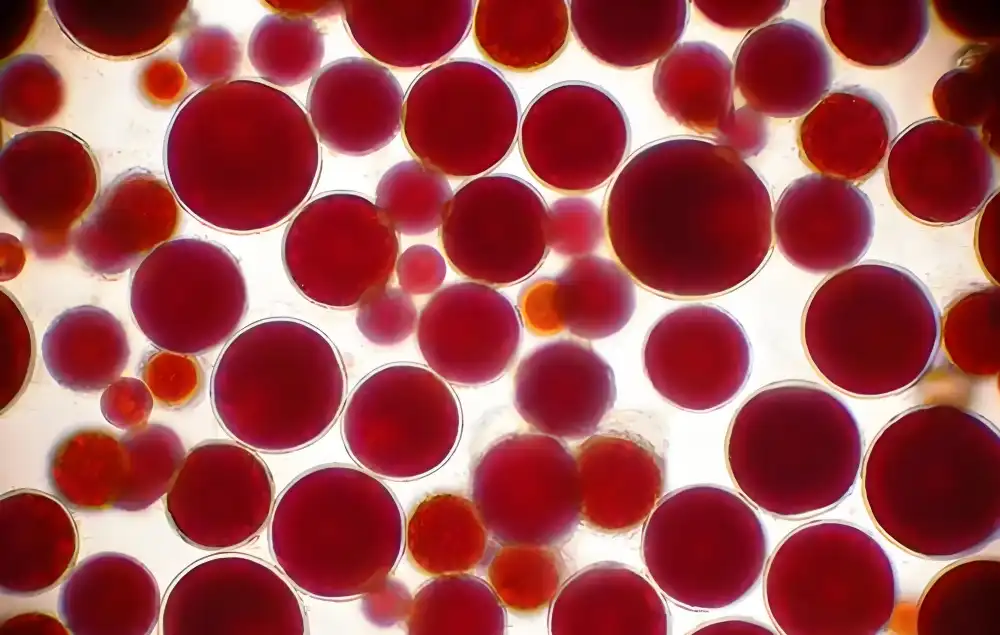
Understanding Pure Astaxanthin Powder: What It Is and Its Core Benefits
The foundation of any successful procurement decision rests on comprehending what distinguishes this ingredient from conventional antioxidants. We've observed increasing interest from pharmaceutical manufacturers, nutraceutical developers, and cosmetic brands seeking natural compounds with verifiable biological activity that translates into tangible end-user benefits.
Origin and Chemical Composition
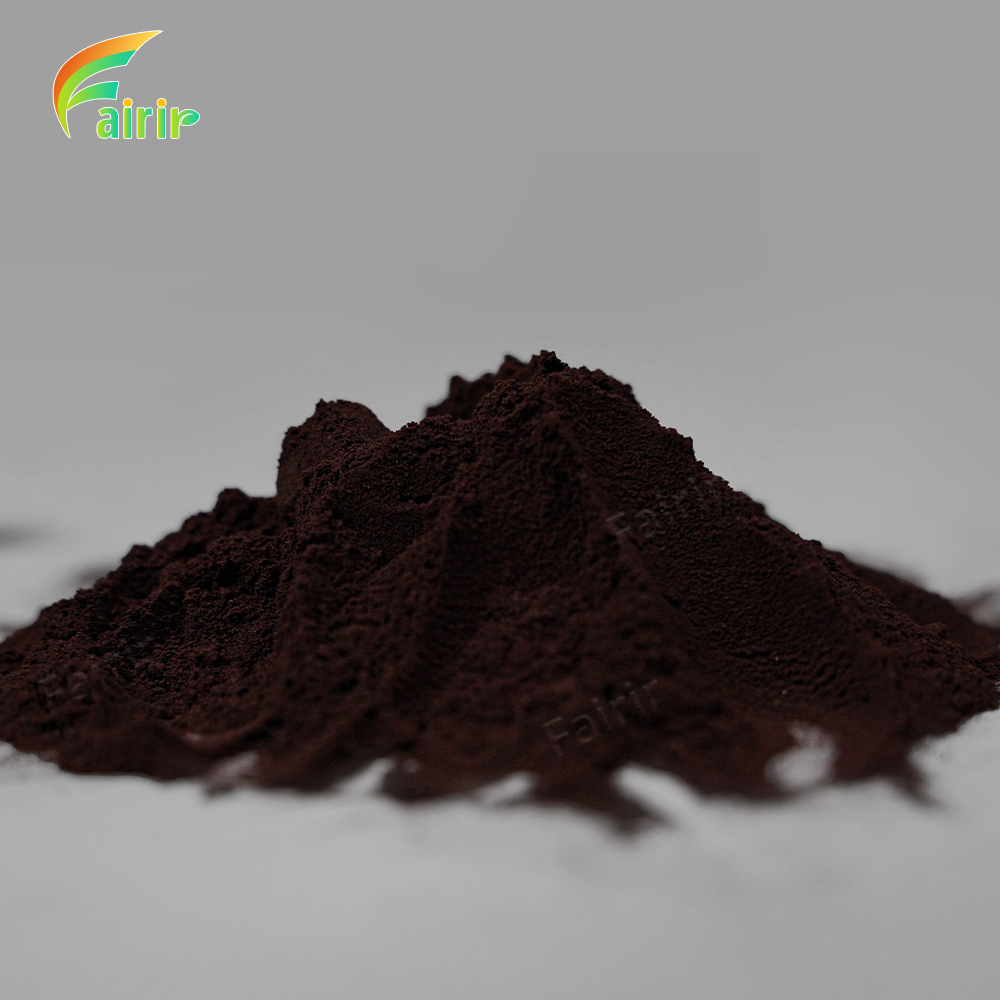
This amazing chemical comes from microalgae strains that are carefully grown and naturally make astaxanthin as a way to protect themselves from harmful things in their surroundings. The quality of the finished product depends on how it was extracted. For example, advanced supercritical CO₂ fluid extraction keeps the biologically active (3S, 3'S) stereoisomer configuration, which makes it more bioavailable than synthetic petrochemical derivatives. The molecular formula C40H52O4 shows a conjugated polyene chain structure with terminal hydroxyl groups that allow the molecule to span entire phospholipid bilayers in cellular membranes. The powder we make has to look like a brown-red to violet colour, and its concentration can range from 1% to 96%, depending on the needs of the application. Both HPLC and UV spectrophotometry are used in the analytical testing to make sure that the amounts are correct and meet the standards set by pharmacopeial monographs.
Core Health and Functional Benefits
This ingredient is one of nature's most powerful lipophilic antioxidants. It neutralises singlet oxygen species about 6,000 times better than ascorbic acid and 550 times better than alpha-tocopherol. Multiple formulation goals can be met at the same time by this amazing ability. Cellular protection is the main mode of action. The chemical stops reactive oxygen species before they start lipid peroxidation pathways. This keeps membrane integrity across tissues. This protective effect goes all the way to mitochondrial membranes, which helps energy metabolism work better, which is a feature that is highly valued in sports nutrition and anti-ageing products. Skin health uses have led to a huge rise in makeup purchases. The molecule lowers erythema caused by UV light, stops melanin production paths that cause hyperpigmentation, and starts collagen production markers. Dermatological studies show that after 8 to 12 weeks of regular use, the skin's elasticity, ability to retain wetness, and the look of fine lines and wrinkles all improve. The compound's ability to cross the blood-retinal and blood-brain barriers helps the eyes and brain. It's useful for eye health supplements and cognitive function goods aimed at older people because it protects retinal photoreceptors and keeps the neural membrane stable.
Dosage Guidelines and Application Methods
For general health purposes, therapeutic doses usually run from 4 to 12 mg per day. Higher concentrations (12 to 24 mg) are used in clinical interventions aimed at specific conditions. Optimising bioavailability needs lipid-matrix delivery methods or cold water dispersible (CWD) formulations that make it easier for the body to absorb the drug in the intestines. The powder works well with a variety of delivery formats. Standard forms for dietary supplements are still capsules and tablets. Encasing the sensitive chromophore in a soft gel saves it from oxidative degradation. More and more, beverage companies are asking for CWD variants that don't separate phases, and the powder is being used in topical cosmetics in emulsion systems with the right antioxidant stabilisers. Regulatory compliance issues change depending on the market. In the U.S., Haematococcus pluvialis is usually considered GRAS for use in nutraceuticals, and it is also safe for use in cosmetics according to FDA and EU Cosmetic Regulation rules. For pharmaceutical applications, you need to follow the USP/EP monograph requirements and the GMP manufacturing documentation.
Evaluating Long-Term Effectiveness of Pure Astaxanthin Powder
Sustained efficacy during extended pure astaxanthin powder supplementation periods represents a critical procurement consideration. Buyers developing long-lifecycle products require ingredients that maintain performance without tolerance development or safety concerns emerging over time.
Scientific Evidence for Extended Use
Longitudinal clinical studies that last between 12 and 24 months provide strong evidence that the treatment continues to work. A well-known study in nutrition research journals tracked people who took 6–12 mg of this substance every day for 16 weeks and found that oxidative stress biomarkers kept getting better without reaching a limit. Plasma antioxidant capacity measurements stayed high throughout the trial, suggesting that the compound doesn't cause endogenous antioxidant systems to slow down in order to make up for it. Cardiovascular research shows that improvements in lipid profiles seen at 8 weeks last through 12-month follow-ups. Lowering the risk of LDL oxidation and increasing HDL functionality are still statistically significant, which suggests that the changes are long-lasting and not just short-term biochemical responses. Long-term results from dermatological applications are especially convincing. During 24-week observation times, skin health parameters like moisture content, elasticity measurements, and wrinkle depth assessments keep getting better. The fact that these results got better over time shows that long-term antioxidant protection and collagen matrix support are having a cumulative effect.
Comparison with Synthetic Alternatives and Other Antioxidants
Astaxanthin powder that comes from microalgae is mostly the stereoisomer. Synthetic versions, on the other hand, come in the form of racemic mixtures. Bioavailability studies show that the natural isomer configuration achieves 20–40% higher tissue accumulation, which leads to better functional outcomes that justify premium positioning in formulation strategies. This compound's protective mechanisms are different from those of other carotenoids because it is positioned differently on the membrane. Beta-carotene and lycopene work mostly inside membranes, while this molecule's terminal hydroxyl groups bind to membrane surfaces, protecting both hydrophobic and hydrophilic parts of cells at the same time. Vitamin E and vitamin C together work well with many antioxidants, but they don't have the membrane-spanning structure that stops free radicals from getting into all parts of cells. Because of this structural benefit, many formulators now use astaxanthin along with these ingredients as a base antioxidant instead of just using traditional antioxidants.
Safety Profile and Risk Mitigation
A great safety profile is set by extensive toxicological studies. Studies that used amounts of up to 40 mg per day for 12 weeks found no major side effects. Mild digestive discomfort happens in about 2% to 3% of people who take more than 20 mg of the compound every day. This usually goes away when the dose is lowered or the drug is taken with food. The compound's natural origin from food chains is another reason why it is safe. The body can recognise and process this carotenoid through known lipid metabolism pathways, so there aren't many concerns about allergens. This is in contrast to synthetic xenobiotics, which need a lot of phase I and II metabolic processing. The methods we use for extraction and processing get rid of algal proteins and possible sensitisers. This makes a gluten-free, non-GMO, vegan-friendly powder that can be used by a wide range of people. Third-party testing shows that the product is free of BSE and TSE and common allergens, meeting the needs of regulations in many places.
How to Choose the Right Pure Astaxanthin Powder Supplier for Your Business
Supplier selection profoundly impacts product success, regulatory compliance, and long-term business viability. Procurement managers must evaluate multiple dimensions beyond unit pricing to secure partnerships that mitigate supply chain risks.
Quality Metrics and Certification Standards
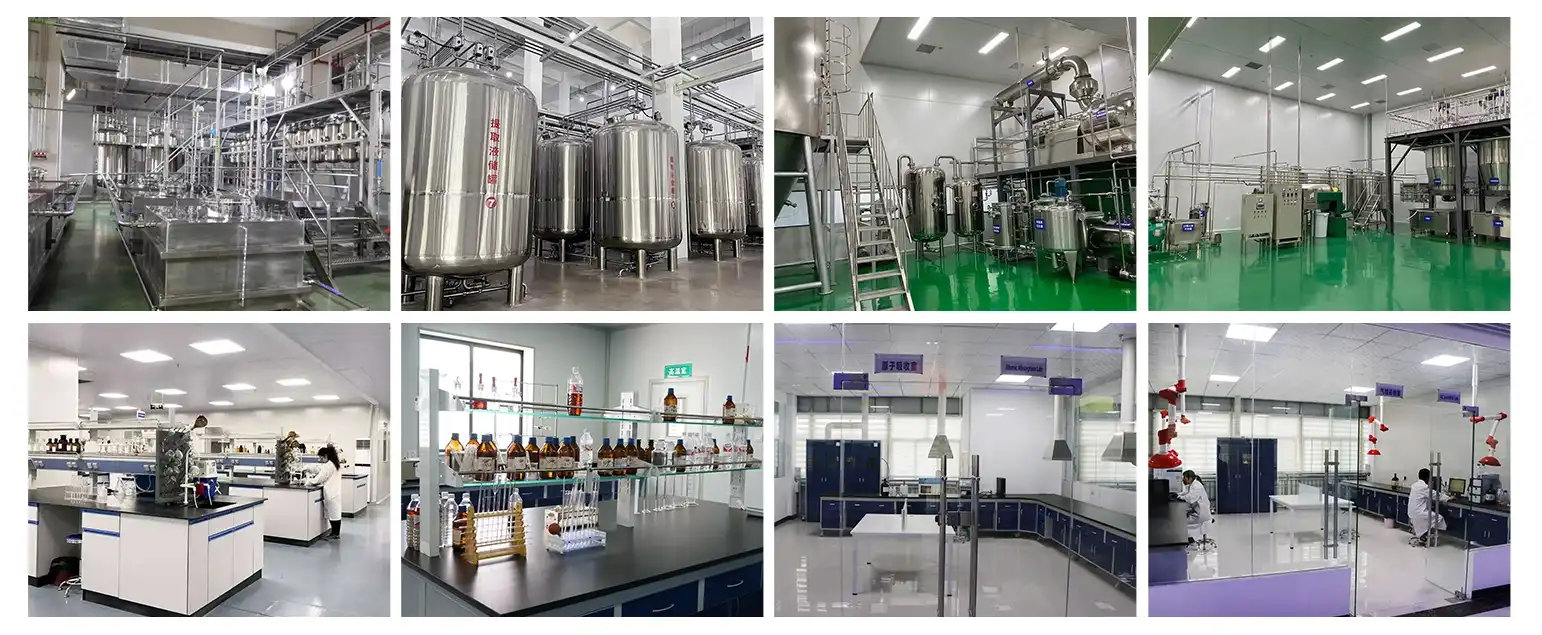
In the pharmaceutical and nutraceutical industries, GMP approval is the minimum standard. Our 10,000-square-meter plant follows all of GMP's rules and has documented quality management systems that cover the testing of raw materials, controls during production, and testing of finished products before they are released. The certification shows that the company is dedicated to making sure that the quality of each batch of products is the same. ISO certifications, especially ISO 9001 for quality management and ISO 22000 for food safety, give even more proof of thorough operational controls. These standards, which are checked by a third party, make sure that supplier quality systems meet international standards for documentation, traceability, and ongoing improvement. Organic certification meets the growing demand for clean-label goods on the market. When approved organic methods are used to grow microalgae and synthetic solvents are not used for extraction, the powder that is made can be called organic, which is a big selling point in high-end markets. Our supercritical CO₂ extraction method keeps the purity of the organic matter while achieving extraction pure astaxanthin powder efficiencies of nearly 98%. The ability to analyse directly relates to the reliability of quality assurance. Facilities with HPLC systems, UV spectrophotometers, and supporting equipment like rotary evaporators, thermostat water baths, and ultrasonic cleaners can do full tests for identification, purity, and potency. We keep these analytical tools up and running to make sure that every batch of production meets the standards before it is sent out.
Third-Party Testing and Authenticity Verification
Independent lab verification gets rid of the conflicts of interest that come with reports of analysis made by suppliers. Manufacturers with a good reputation do their own testing and provide proof that the products they sell are real. For example, spectroscopic fingerprinting is used to make sure that the material includes real astaxanthin and not cheaper carotenoid substitutes. HPLC retention time matching against authenticated reference standards, along with UV-visible spectral analysis showing characteristic absorption maxima at 470–480 nm, gives an identification. Purity assessment measures the concentration of the active compound and checks for possible contaminants. As a general rule, specifications call for oleoresins to be at least 95% pure and accurately stated percentages for diluted powders (usually 1%, 2%, 5%, or 10% on different carriers). Heavy metals like lead, cadmium, mercury, and arsenic are tested for, as well as microbiological parameters like total plate count, yeast/mould, coliforms, and pathogens. Residual solvents are also tested. The results have to be within the limits set by the FDA, the European Pharmacopoeia, and the authorities in the target market.
Organic versus Conventional: Understanding the Difference
The way ofcultivation affects both how the product is positioned and how much it costs to buy. Synthetic fertilisers, pesticides, and genetically modified organisms are not allowed in organic microalgae farming. This makes it appealing to customers who care about the environment and clean labels. The process of getting certified involves a lot of paperwork and inspections, which is why the price is usually 15–30% higher than other options. Regular farming uses specially designed nutrients and controlled environmental factors to get the most biomass and astaxanthin. Higher volumetric productivity is achieved by advanced photobioreactor systems, which means better cost efficiency for price-conscious market segments. The functional equivalent of organic and conventional powder stays high when extraction and purification processes effectively get rid of cultivation residues. Instead of assuming inherent quality differences based only on organic status, procurement choices should take into account what the target market wants, what the government requires, and the budget.
Supplier Transparency and Communication Channels
A responsive communication system shows that operations are professional and that the company cares about its customers. Multiple ways to contact suppliers, such as direct email (sales@fairirbiotech.com), phone support, and access to technical consultations, show that they are easy to get in touch with, which makes it easier to solve problems during the formulation development and scale-up phases. Being open about manufacturing capabilities helps buyers figure out capacity limits and delivery reliability. We are open about our 14 stainless steel extraction tanks that can hold between 500 and 3000 litres of liquid, our two fully automatic production lines, and our constant countercurrent extraction equipment. This openness lets you make realistic plans for output and inventory. The amount of information in the documentation shows how mature the quality system is. Technical data packages should have allergen statements, certificates of analysis, safety data sheets, stability studies, letters of compliance with regulations, and safety data sheets. Having these papers available makes the process of developing products and sending them to regulators easier.
Procurement Insights: Buying Pure Astaxanthin Powder in Bulk
Strategic bulk purchasing requires understanding market dynamics, pricing structures, and logistical considerations that distinguish B2B transactions from retail acquisitions.
Market Price Trends and Cost Analysis
The price of natural astaxanthin powder on the market right now changes a lot depending on the concentration, the status of the certification, and the size of the order. Standard 2% powder forms usually cost between $800 and $1,200 per kilogram for orders of 25 to 100 kg. When ordering 500 kg or more per year, economies of scale lower unit costs by 15 to 25 per cent. Prices are higher for higher concentration formats (5–10%) because they need more work to meet specifications. Organic certified materials cost 20–35% more than conventional options, but this difference has shrunk as farming has become more efficient. Synthetic astaxanthin is still 40–60% less expensive than natural versions, but it can't be used in as many formulations because of rules in some markets and people's desire for natural ingredients. Seasonal price changes are caused by changes in supply and demand. Microalgae farming cycles and the use of extraction capacity cause occasional supply problems, especially in Q4 when supplement companies stock up on supplies before January's health trends. Strategic buyers make framework agreements with agreed-upon yearly volumes to get better prices and a guarantee of supply during times of high demand.
Minimum Order Quantities and Wholesale Advantages
MOQ requirements are based on how much it costs to make something and how to handle inventory. Our standard minimum order number is 25 kg, which works for both well-known brands whose formulas have been tested and new brands that are testing the market. This low level makes it easier for new businesses to start up while keeping operations efficient through batch production optimisation. Structures that offer discounts based on volume encourage businesses to buy in bulk. When you order more than 100 kg, you usually get 8–12% off the price, and when you commit to buying 500 kg or more every year, you get 15–20% off and priority production scheduling. These tiered pricing models align the interests of both the buyer and the seller in building a long-term relationship. The different packaging choices can be used for a variety of operational needs. For smaller orders (1–5 kg), we offer vacuum-sealed aluminium foil bags. For 25 kg large orders, we offer fibre drums with double-layer food-grade polyethene liners. For specific storage or handling needs, custom packaging specs can be made.
Logistics and International Shipping Considerations
When you buy something across a border, you have to deal with customs rules, import paperwork, and shipping logistics, all of which affect the total cost and arrival time. Knowing about these factors helps you make accurate budgets and reasonable time frames. Our streamlined export operations usually fulfil orders for stock items within 1-3 working days. However, foreign shipping transit times depend on the destination and the carrier chosen. Express air freight gets to North American destinations in 5–7 days, while economical sea freight takes 25–35 days but has much lower per-kilogram shipping costs for large orders. Customs compliance paperwork must include harmonised tariff classification, phytosanitary certification (if needed), and certificates of analysis confirming specification compliance. We offer complete export paperwork packages that include commercial invoices, packing lists, certificates of origin, and regulatory letters specific to the product that help with customs clearance. Temperature-controlled shipping keeps the integrity of the product while it's in transit. Because astaxanthin is easily damaged by heat, light, and air, it needs to be protected and transported in the right way. Our vacuum-sealed, light-proof packaging stays stable in normal shipping settings. However, summer heat exposure in uncontrolled cargo areas should be taken into account when choosing shipping methods and times.
Maximising ROI: Integrating Pure Astaxanthin Powder into Your Product Line
Strategic ingredient incorporation requires aligning technical functionality with market positioning, consumer trends, and competitive differentiation objectives.
Market Demand and Consumer Trends
The supplement market is still growing, pure astaxanthin powder because more people are learning about antioxidants. For example, people who know about astaxanthin's scientific benefits are especially looking for it. According to market research, astaxanthin-containing products are growing at rates of 18–22% per year in North America and Europe. This is because people are living longer and want to take steps to stay healthy as they age. The clean beauty trend is also speeding up the use of cosmetics. More and more, people are reading ingredient lists very carefully and preferring chemicals that come from nature to synthetic ones. Brands that use natural astaxanthin a lot in anti-ageing skin care products say that customers are very interested and are willing to pay more for higher-quality ingredients. Sports nutrition is a new, fast-growing market. Astaxanthin has been shown to improve exercise-induced oxidative stress, muscle recovery markers, and endurance performance measures, which are all things that athletes value. Products for people with active lives can benefit from this compound because it improves performance and protects health over time.
Case Studies: Successful Product Applications
A well-known company that makes supplements changed the recipe for their most popular antioxidant mix by switching out synthetic carotenoids for natural astaxanthin powder, which has 4 mg of astaxanthin per serving. After the product came out, customer comments showed that satisfaction scores went up by 37%, and within six months, retail velocity went up by 28%. The brand's positioning as a premium natural product line allowed for a 15% price increase that kept the margins the same, even though the costs of the ingredients went up. Cosmetic applications show especially strong success measures. A skin care brand made a face serum that targets photoaging problems by adding 0.1% astaxanthin powder. After 8 weeks of use, statistically significant changes were seen in the skin's elasticity, moisture level, and the look of wrinkles. These results supported marketing claims that set the product apart in a competitive category, which led to high repeat purchase rates that were 42% higher than the category average. Functional beverage developers have successfully used astaxanthin powder that dissolves in cold water in ready-to-drink wellness shots. Microencapsulation technology solved the problem of keeping things stable in water-based systems, which led to a product that looks good and stays stable for 12 months. Consumer acceptance testing showed that the story of the natural origin and the real benefits really hit home with health-conscious target groups.
Strategic Supplier Collaboration and Performance Optimisation
Long-term relationships with skilled manufacturers can bring more value than just buying things one time. Collaborative relationships allow co-development of custom formulations that meet specific market positioning needs. This speeds up the innovation cycle and creates unique competitive advantages. Our technical support team helps with formulation problems by giving advice on the best concentration levels, excipient compatibility, and stability optimisation strategies. This consultative approach helps buyers avoid expensive re-formulation cycles and speeds up the time it takes for new product ideas to hit the market. Private labelling and custom packaging services make operations simpler for brands that don't have their own production facilities. We can come up with a recipe, make the product, test its quality, and package it in a variety of forms, such as capsules, tablets, softgels, gummies, and single-serve sachets. This all-inclusive service model lets brand owners focus on marketing and distribution, while we take care of the technical and manufacturing details. Regular reviews of specifications and stability tests to keep an eye on performance ensure that products stay at the top of their game throughout multi-year supply relationships. We tell you ahead of time about any changes we make to the specifications or the way we do things. Being open and honest builds trust and makes long-term planning easier.
Conclusion
The long-term effectiveness of pure astaxanthin powder is well-supported by extensive clinical research, documented safety profiles, and real-world application success across multiple industries. Procurement professionals can confidently specify this ingredient knowing its antioxidant performance remains consistent during extended use periods without tolerance development or emerging safety concerns. Strategic supplier selection, emphasising quality certifications, analytical capabilities, and responsive communication channels, mitigates procurement risks while positioning brands to capitalise on growing consumer demand for science-backed natural ingredients. The combination of compelling efficacy data, versatile application possibilities, and favourable market trends establishes this compound as a valuable component in forward-thinking product development strategies.
FAQ
1. Is pure astaxanthin safe for continuous long-term use?
Extensive toxicological assessments and multi-month clinical trials establish an excellent safety profile for continuous supplementation. Studies employing daily doses up to 40 mg for periods exceeding 12 weeks document no significant adverse effects, with only minor gastrointestinal observations occurring in approximately 2-3% of subjects at higher doses. The compound's natural origin from food-chain microalgae sources and metabolism through established lipid pathways contributes to its benign safety characteristics during extended use.
2. How does powder form compare to capsule formulations in terms of effectiveness?
The powder and capsule formats contain identical active compounds, with effectiveness determined by bioavailability optimisation rather than delivery format. Powder offers formulation flexibility for custom applications, including beverages, foods, and topical products, while capsules provide convenient pre-portioned dosing. Bioavailability depends on lipid-matrix incorporation or cold-water dispersible modifications rather than the physical format, with both achieving comparable absorption when properly formulated.
3. What certifications should I verify when sourcing from suppliers?
Priority certifications include GMP compliance demonstrating quality manufacturing systems, organic certification (when targeting clean-label positioning), and ISO standards (particularly 9001 and 22000). Third-party analytical testing confirming identity, purity, and absence of contaminants provides essential verification. Allergen declarations, BSE/TSE-free status, and non-GMO confirmation address regulatory requirements across diverse markets. Requesting complete documentation packages, including certificates of analysis, stability studies, and regulatory compliance letters, enables thorough supplier qualification.
Partner with Fairir: Your Trusted Pure Astaxanthin Powder Manufacturer
Shaanxi Fairir Biotech Co., Ltd. stands ready to support your procurement requirements with premium astaxanthin powder backed by GMP-certified manufacturing, comprehensive quality testing, pure astaxanthin powder, and responsive technical support. Our state-of-the-art 10,000 square meter facility employs advanced supercritical CO₂ extraction technology across 14 stainless steel tanks and two fully automatic production lines, achieving extraction efficiencies up to 98%. We offer flexible specifications from 1% to 96% concentration, multiple packaging configurations, and delivery within 1-3 working days. Contact our expert team at sales@fairirbiotech.com to discuss your specific formulation needs, request complimentary samples with complete analytical documentation, or explore customised solutions including private labelling and tailored product development supporting your market differentiation objectives.
References
1. Ambati, R.R., Phang, S.M., Ravi, S., Aswathanarayana, R.G. (2014). Astaxanthin: Sources, Extraction, Stability, Biological Activities and Its Commercial Applications—A Review. Marine Drugs, 12(1), 128-152.
2. Fassett, R.G., Coombes, J.S. (2011). Astaxanthin: A Potential Therapeutic Agent in Cardiovascular Disease. Marine Drugs, 9(3), 447-465.
3. Kidd, P. (2011). Astaxanthin, Cell Membrane Nutrient with Diverse Clinical Benefits and Anti-Ageing Potential. Alternative Medicine Review, 16(4), 355-364.
4. Tominaga, K., Hongo, N., Karato, M., Yamashita, E. (2012). Cosmetic benefits of astaxanthin on human subjects. Acta Biochimica Polonica, 59(1), 43-47.
5. Yamashita, E. (2013). Astaxanthin as a Medical Food. Functional Foods in Health and Disease, 3(7), 254-258.
6. Yuan, J.P., Peng, J., Yin, K., Wang, J.H. (2011). Potential health-promoting effects of astaxanthin: A high-value carotenoid mostly from microalgae. Molecular Nutrition & Food Research, 55(1), 150-165.