_1751965378790.webp)

Can Pure Bovine Colostrum Powder Improve Digestion?
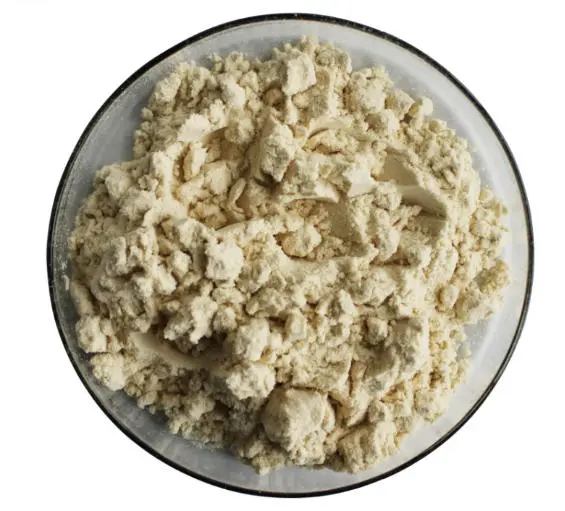
Pure bovine colostrum powder has become known as a powerful, useful ingredient for improving digestive health. The short answer is yes, it can help digestion a lot in several ways. This nutrient-dense material was gathered from cows within 72 hours of giving birth. It has high levels of immunoglobulins (mostly IgG at 10% to 20%), growth factors, and antimicrobial peptides that protect the lining of the gut, keep gut microbiota in balance, and lower inflammation. When it comes from GMP-approved facilities using tested processing methods, bovine colostrum powder has constant bioactivity that helps with digestive health issues in nutritional formulations.
Understanding Pure Bovine Colostrum Powder and Its Digestive Benefits
Bovine colostrum represents nature's most concentrated nutritional delivery system, specifically designed to protect and nourish newborn calves during their most vulnerable hours. When processed into powder form through advanced spray-drying or freeze-drying technologies, this biological matrix retains its remarkable therapeutic properties while gaining shelf stability and versatility for commercial applications.
What Makes Bovine Colostrum Unique for Digestive Support
Colostrum powder is good for your gut system because it has a lot of different bioactive compounds. Colostrum has up to 100 times more immunoglobulins than regular milk proteins or whey products. IgG antibodies make up the majority of these immunoglobulins. These immunoglobulins protect the body passively against harmful bacteria, viruses, and toxins that damage the gut lining. Lactoferrin is another important part that kills microbes and encourages the growth of good bacteria, creating the perfect environment for bacteria to live. Growth factors, such as insulin-like growth factor-1 (IGF-1) and transforming growth factor-beta (TGF-beta), help fix damaged intestinal epithelial cells and lower gut permeability, a condition known as "leaky gut syndrome." People who took colostrum supplements saw improvements in their intestinal barrier function within two to four weeks, and some even showed lower markers of systemic inflammation. Proline-rich polypeptides (PRPs) in colostrum affect immune responses in the gut-associated lymphoid tissue (GALT), which makes up about 70% of the body's immune system. This control helps keep the immune system alert for real threats while preventing overactive reactions that could harm intestinal tissues. This creates a healthy digestive environment that makes it easier to absorb nutrients and lessens the effects of inflammation.
Scientific Evidence Supporting Digestive Health Claims
Colostrum has been shown to help digestion in studies published in nutrition and GI journals over and over again. A study with two groups of athletes found that those who took bovine colostrum powder had much less exercise-induced gut permeability than those who took a placebo. In a different study, people with inflammatory bowel conditions said their symptoms got better after eight weeks of supplementation. They had less abdominal pain and more regular bowel movements. Scientists think this is because colostrum strengthens the tight junction proteins between intestinal cells, which "seals" the gut lining. This stops bacterial endotoxins and pieces of food that haven't been digested from getting into the bloodstream. This lowers the chain of inflammation that often shows up as digestive discomfort. The antimicrobial peptides stop the growth of pathogens without affecting the good microbiome populations. This keeps the careful balance needed for digestion to work well.
Safe Usage and Dosage Recommendations for Digestive Health
Proper administration of colostrum powder ensures maximum therapeutic benefit while minimizing any potential adverse reactions. Dosage protocols vary based on the intended application and target population, requiring careful consideration during product formulation.
Recommended Intake Levels for Different Applications
General guidelines for digestive health say that you should eat 1-2 grams of colostrum powder every day, especially on an empty stomach, to get the most out of it. This dose gives you enough immunoglobulins and growth factors to help your gut stay healthy without making it too busy to digest. Athletes and people with higher metabolic needs may benefit from 5–10 grams daily, especially during training periods when exercise-induced intestinal stress is highest. Higher dosages (10–20 grams daily), spread out over several administrations during the day, are often used to treat specific digestive conditions. This method keeps the amounts of bioactive compounds, pure bovine colostrum powder, stable in the digestive tract, which helps repair tissues and control the immune system all the time. Doctors who work with people who have inflammatory bowel disease say that the best results happen when the colostrum is taken 30 minutes before a meal. This gives the protective compounds time to coat the intestinal walls before food is added. The format is very important for how well the nutrients are absorbed. When it comes to flexibility, powder forms are great because they can be mixed directly into drinks or soft foods. However, taste may affect compliance. The capsule and tablet forms make dosing easier and more accurate, which is especially helpful for B2B clients who are making goods that are ready for consumers. Colostrum is protected from being broken down by stomach acid by softgel packaging, which may make sensitive proteins more bioavailable. Private label makers should figure out which delivery method fits their target market's tastes and how they want to position their products best.
Safety Considerations and Contraindications
Bovine colostrum powder has a great safety profile across a wide range of populations, with few known side effects. People who are severely allergic to dairy should be careful around colostrum because it includes milk proteins that can cause reactions. Standard colostrum powder has less lactose than whole milk, so many people who are sensitive to lactose can handle it. However, there are ways to process it that completely remove lactose for very sensitive people. When you first start taking it, your digestive system may react temporarily, causing mild gas or changes in how often you go to the toilet. The effects usually go away in three to five days as the gut microbiome gets used to the bioactive chemicals. These transitional symptoms are less severe if you start with smaller doses and slowly increase them until you reach therapeutic levels. Women who are pregnant or nursing should talk to their doctors before taking colostrum vitamins. This isn't because there are known risks, but because it's always a good idea to be safe during these times. Quality control is very important for safety. Products made in GMP-certified factories that follow strict testing procedures like HPLC, UV spectrophotometry, and microbe screening are free of contaminants and always work as intended. BSE/TSE-free status, non-GMO verification, and organic designations are just a few of the certifications that give manufacturers and end consumers more trust. When buying colostrum for business-to-business uses, making sure that the specs match the pale yellow powder look and IgG content standards (10% to 20%) that are expected from premium colostrum is done by asking for certificate of analysis (COA) paperwork for each production batch.
Comparing Pure Bovine Colostrum Powder with Other Digestive Supplements
Procurement professionals must evaluate colostrum against alternative digestive health ingredients to make informed sourcing decisions that balance efficacy, cost, and market positioning. This comparative analysis reveals where bovine colostrum powder excels and where other options may better serve specific formulation goals.
Colostrum Versus Whey Protein for Gut Health
There is a big difference between whey protein and colostrum powder, even though they are both made from cow's milk. Whey protein is mostly made up of amino acids, which are used to build muscle. It doesn't have a lot of growth factors or immune system helpers. Collagen, on the other hand, has a full bioactive system that helps the immune system and makes cells grow. It is always colostrum that beats the other ingredients when it comes to gut health. It lowers intestinal permeability and boosts mucosal immunity. What makes colostrum unique is the growth factors that are in it. It is many times more common for colostrum to have IGF-1 than for whey. This happens because colostrum gives the gut epithelial cells the messages they need to heal. This is why colostrum can't be used instead of it in goods that help people with leaky gut syndrome or gastrointestinal inflammation get better. Many times, whey protein isolates are more than 90% pure. However, they don't have the immunoglobulins that naturally fight against pathogens in the gut.
Organic Versus Standard Colostrum Processing
For some types of customers, the organic label is very important. It tells you more about how the product is made than how well it works. For colostrum powder to be organic, it must come from cows that were not fed synthetic pesticides, antibiotics, or genetically changed food. On top of that, it has to meet strict rules for approval, like those set by the EU or the USDA. Some people are willing to pay more for these items because they care about the earth and want items that aren't made with chemicals. In terms of pure function, standard colostrum that has been processed correctly has the same amount of IgG and bioactivity as organic colostrum from dairy farms that are healthy and well-run. The main thing that still affects quality is the processing method, like low-temperature spray drying or lyophilization, which doesn't change the shape of heat-labile proteins, no matter what their organic state is. When businesses buy in bulk, they should think about whether the customers they want to sell to are willing to pay more for organic certification. If made properly, both types offer the same digestive health benefits.
Powder Versus Liquid Colostrum Forms
When it comes to business uses, collagen powder is much better than liquid forms when it comes to stability, logistics, and formulation flexibility. Powdered colostrum stays bioactive for 24 to 36 months when stored properly in vacuum aluminum foil bags or fibre drums with moisture-barrier inner liners. Liquid colostrum, on the other hand, can only be kept for a few days to a week in the fridge. This extended stability cuts down on waste, makes it easier to handle inventory, and lets products be shipped all over the world without any problems with the cold chain. Powder forms can be used for a wide range of products because they can be reconstituted in different ways. Colostrum powder can be directly added by manufacturers to capsules, tablets, softgels, gummies, or sachets at exact ratios that meet all formulation needs. By changing the ratios of powder to liquid, beverage makers can control the end concentration and make sure that therapeutic dosing is maintained while also improving taste profiles. Additionally, liquid colostrum might have slightly better bioavailability in some situations, but it isn't as flexible and can be hard to keep the same across production batches. Quality powders have particles that are small enough to pass through an 80-mesh sieve, which makes them very easy to mix and dissolve right away. Advanced agglomeration methods improve these qualities even more, making powders that don't stick together and work well with manufacturing processes. Because of these technical factors, powdered colostrum is the best form for almost all business-to-business uses, from supplement makers Pure bovine colostrum powder to functional food creators.
Strategic Procurement Insights for Pure Bovine Colostrum Powder
Selecting the right colostrum supplier represents a critical decision point that impacts product quality, regulatory compliance, supply chain reliability, and ultimately, market success. Procurement managers must evaluate multiple dimensions beyond simple price comparisons to secure optimal sourcing partnerships.
Identifying Qualified Suppliers and Essential Certifications
If you want to sell colostrum, you need to make sure that your business has GMP approval. Having this label means that factories follow current Good Manufacturing Practices. These practices help the environment, keep machines in good shape, train workers correctly, and keep records in the right way. The goods will always be of the same high quality thanks to these steps. Suppliers whose plants are at least 10,000 square meters and have GMP certification show that they are big and focused enough to build long-term business relationships. Colostrum can be processed in places that have steady countercurrent extraction systems, double-effect concentration systems, and vacuum belt drying technology. These systems keep as many bioactive compounds as possible. The testing system of a supplier shows how well they can make sure quality. It is best to find labs that use high-tech diagnostic tools such as HPLC (High-Performance Liquid Chromatography) to accurately measure IgG, UV spectrophotometers to analyze proteins, and rotary evaporators to control the extraction process. With 14 or more stainless steel extraction tanks that can hold between 500 and 3,000 litres of fluid and fully automatic production lines, providers show that they have the advanced equipment needed to produce a lot of fluid consistently. When output efficiency is close to 98%, it means that the process is mature and there is little waste. Third-party approvals make things more trustworthy in important ways. In order to get ISO22000 certification, a food safety management system must follow certain rules. To get HACCP certification, a hazard analysis and key control point execution plan must be completed. Brands can sell their goods all over the world with the help of religious labels like Kosher and Halal. Quality control and food safety are both part of the FSSC22000 certification, which is very common in European markets. Certifications like USDA Organic, EU Organic, and EcoCert for organic goods make sure that the whole process, from the farm to the finished product, follows organic rules.
Optimizing Procurement Strategies and Cost Structures
Bulk buying deals usually have the best pricing for well-known manufacturers whose demand patterns can be predicted. Colostrum powder that comes in 25-kilogram fibre drums with food-grade plastic bag covers is the most cost-effective way to store and handle it without damaging it. Different times of the year are used to collect colostrum, so signing an annual contract with delivery schedules every three months is a good way to keep inventory costs and volume discount chances in check. This is especially helpful for buyers and distributors who buy in mid-sized amounts and want to be flexible without having to commit to full container loads. The smallest amount of these structures that can be ordered is generally between 100 and 500 kilograms. You can get good products at fair prices, and you can test the market or make changes to account for changes in demand every year. You can keep production running as smoothly as possible by getting in touch with suppliers who can deliver within one to three business days. This will help you act quickly to sudden changes in demand or formulation. Companies that want to get into the colostrum business but don't know how to make it yet can choose between private label and OEM partnerships. Suppliers with a lot of experience can help you come up with standards, choose the best delivery forms (such as capsules, tablets, softgels, gummies, or sachets), and put together the paperwork that the government needs. With the supplier's well-established quality systems and certification collection, these partnerships cut down on the time it takes to get a product to market. When you look at these kinds of deals, make sure the makers offer free samples that you can test and make sure they are real. They are sure of the quality of their goods because they did this. When you're discussing prices, you should think about how different the specifications are. Standardized colostrum with 20% IgG costs more than 10% IgG because it has to meet higher quality standards and may not make as much money. But the difference in how well it works as a medicine might make the extra cost worth it for a better product. Ask for full specification sheets that list not only the amount of IgG that is allowed, but also the total protein, fat, moisture (ideally less than 5%) and bacteria that are allowed. You can get certificates of analysis from suppliers who are open and honest. These certificates show that their goods meet certain standards, like not being gluten-free, non-GMO, allergen-free, paraben-free, or colourant-free.
Leveraging Pure Bovine Colostrum Powder for Enhanced Digestive Health in Your Product Line
Forward-thinking manufacturers recognize bovine colostrum powder's versatility across multiple product categories, each addressing distinct market segments with specific digestive health needs. Strategic incorporation of this functional ingredient can differentiate product lines while meeting growing consumer demand for science-backed gut health solutions.
Product Development Applications and Market Opportunities
Dietary supplement companies are the main buyers of Pure bovine colostrum powder. They make goods that contain it or combine it with other ingredients to improve digestive health. Capsule formulations usually have 400 to 500 milligrams per serving, so you would need to take 2 to 4 pills every day to get the therapeutic dose. Tablets can hold higher amounts per unit, which means that people don't have to take as many pills. Softgel wrapping keeps delicate proteins from breaking down and hides the mild dairy taste that some people don't like. Each format caters to a different set of customer tastes, which lets companies divide their products into groups based on price and use. For example, sports nutrition companies are adding colostrum to recovery formulas that target gut stress caused by exercise. Endurance athletes often have stomach problems during and after training because their muscles aren't getting enough blood flow to their intestines. This need is met by products that contain colostrum along with electrolytes and easily digestible carbohydrates. This is backed up by clinical research showing that supplemented athletes have less gut permeability. Functional food and drink developers face more formulation challenges, but can reach a wider range of customers. This application is a high-growth sector with premium pricing potential. Colostrum can be added to protein shakes, nutritional bars, and even baked goods at amounts of 1% to 3% by weight because it looks like a pale yellow powder and has a mild flavour. New developments in microencapsulation technology can hide tastes and make it easier for liquids to spread out. People who are short on time will like ready-to-mix sachets that contain colostrum mixed with probiotics, prebiotics, and stomach enzymes. These make single-serving solutions that are easy to use.
Private Label Manufacturing and Customization Advantages
A private label deal is a way for brands that don't have their own factories to reach new customers. Colostrum suppliers with a lot of experience and certifications can help make formulas, make sure they follow the rules, and package final products under the client's name. This plan cuts down on the money that needs to be spent and guarantees the quality of the product by following certain rules for making it. Firms don't have to spend time and money building up production centers when they can do marketing and distribution instead. You can change things in a lot of different ways. People can pick simple options like the percentage of IgG and whether the product is organic or conventional. They can also pick complementary ingredients to make their own mixes. When you mix colostrum with certain types of probiotics, digestive enzymes like papain or bromelain, or plant products like peppermint or ginger, you get formulas that are hard for competitors to copy. One last way to set your business apart is to customize the packaging, from the size of the bottles to the design of the labels. Regulations tend to favour well-known businesses with clear quality control methods. When it comes to meeting licensing requirements, suppliers who keep their certifications up to date, like cGMP, HACCP, and local standards, are better able to do so than new companies that want to start their own manufacturing. Businesses that want to sell their goods in other countries will find this information very useful. This is because different rules and laws make things more difficult. The right partner takes care of these issues, so clients can grow internationally with little risk of not following the rules.

Conclusion
Pure bovine colostrum powder is good for your digestive health because it has a unique mix of immunoglobulins, growth factors, and antimicrobial substances. You can use this functional nutrient in a lot of different ways, from sports nutrition to dietary supplements, as long as it comes from GMP-certified companies that use the most up-to-date processing methods. To make sure your sellers can provide good quality and follow all the rules, you need to look at their certifications, analytical skills, and production infrastructure when you hire them strategically. Colostrum powder is a versatile and scientifically proven ingredient that can help set goods apart and expand markets in a number of different business areas as the need for gut health solutions grows.
FAQ
1. Can bovine colostrum powder be combined with probiotic supplements?
Bovine colostrum powder combines synergistically with probiotic supplements, creating complementary mechanisms that enhance overall digestive health outcomes. Colostrum provides the immunological and structural support necessary for intestinal integrity, while probiotics introduce beneficial bacterial strains that colonize the gut. The growth factors in colostrum actually support probiotic survival and colonization by improving the intestinal environment. Research indicates that combined supplementation produces superior results compared to either ingredient alone, with improvements in both immune markers and microbiome diversity. When formulating combination products, ensure that processing temperatures and encapsulation methods preserve both colostrum protein activity and probiotic viability through the product's shelf life.
2. What certifications should I require from colostrum powder suppliers?
Reputable colostrum powder suppliers should maintain comprehensive certification portfolios demonstrating quality management and regulatory compliance. GMP (Good Manufacturing Practices) certification represents the fundamental requirement, confirming adherence to pharmaceutical-grade production standards. ISO22000 and FSSC22000 certifications verify food safety management systems meeting international standards. HACCP certification shows implementation of hazard analysis protocols throughout production. For specific markets, Kosher and Halal certifications enable distribution to religiously observant consumers. Organic claims require USDA Organic, EU Organic, or EcoCert verification. BSE/TSE-free certification confirms the absence of bovine spongiform encephalopathy risk. Request current certificates for all claimed designations and verify authenticity through issuing organizations.
3. How long does it take to see digestive health improvements from colostrum supplementation?
The timeline for digestive health improvements varies based on individual baseline conditions and supplementation protocols. Some individuals report reduced bloating and improved regularity within 5-7 days as colostrum's antimicrobial compounds begin modulating gut microbiota. Measurable improvements in intestinal permeability typically emerge within 2-4 weeks as growth factors stimulate epithelial cell repair and strengthen tight junction proteins. Chronic inflammatory conditions may require 8-12 weeks of consistent supplementation before substantial symptom reduction becomes apparent, as tissue healing progresses gradually. Clinical studies commonly employ 8-week intervention periods as the minimum duration for assessing therapeutic efficacy. Advise customers that individual responses vary and consistent daily intake at appropriate dosages maximizes benefit potential.
Partner with Fairir for Premium Bovine Colostrum Powder Solutions
Shaanxi Fairir Biotech stands ready to become your trusted pure bovine colostrum powder supplier, offering unmatched quality and service for your digestive health product development needs. Our 10,000 square meter GMP-certified facility houses advanced extraction and drying equipment, including 14 stainless steel tanks and 2 fully automatic Pure bovine colostrum powder production lines, achieving 98% efficiency. We provide colostrum powder in multiple specifications—10% and 20% IgG content—available as pale yellow powder with comprehensive certifications including ISO22000, HACCP, USDA Organic, Kosher, and Halal. Our team supports your success through private label manufacturing, custom formulations, and flexible packaging options from bulk 25-kilogram drums to consumer-ready capsules, tablets, softgels, and gummies. With 1-3 working day delivery times and free samples available, we eliminate procurement risks while ensuring a consistent, competitively priced supply. Contact our experienced team at sales@fairirbiotech.com to discuss how Fairir's certified colostrum powder can strengthen your product portfolio and capture growing digestive health market opportunities.
References
1. Playford RJ, Macdonald CE, Johnson WS. "Colostrum and milk-derived peptide growth factors for the treatment of gastrointestinal disorders." American Journal of Clinical Nutrition. 2000;72(1):5-14.
2. Marchbank T, Davison G, Oakes JR, et al. "The nutriceutical bovine colostrum truncates the increase in gut permeability caused by heavy exercise in athletes." American Journal of Physiology-Gastrointestinal and Liver Physiology. 2011;300(3):G477-G484.
3. Kim JH, Jung WS, Choi NJ, et al. "Health-promoting effects of bovine colostrum in newborn calves and adult humans consuming functional foods." Journal of Medicinal Food. 2009;12(6):1189-1196.
4. Rathe M, Müller K, Sangild PT, Husby S. "Clinical applications of bovine colostrum therapy: a systematic review." Nutrition Reviews. 2014;72(4):237-254.
5. Bagwe S, Tharappel LJ, Kaur G, Buttar HS. "Bovine colostrum: an emerging nutraceutical." Journal of Complementary and Integrative Medicine. 2015;12(3):175-185.
6. Struff WG, Sprotte G. "Bovine colostrum as a biologic in clinical medicine: a review—Part II: Clinical studies." International Journal of Clinical Pharmacology and Therapeutics. 2008;46(5):211-225.