_1751965378790.webp)

Why Brands Source Bulk Organic Beet Root Powder Globally?
Brands worldwide increasingly turn to global sourcing for bulk Organic Beet Root Powder due to compelling advantages in quality assurance, cost optimization, and supply chain reliability. This strategic procurement approach enables manufacturers across the pharmaceutical, nutraceutical, cosmetic, and food industries to access premium beetroot extracts that meet stringent organic certifications while achieving economies of scale. Global sourcing provides access to specialized suppliers with advanced extraction technologies, consistent product specifications, and competitive pricing structures that local markets often cannot match.
Understanding the Growing Demand for Organic Beet Root Powder in Global Markets
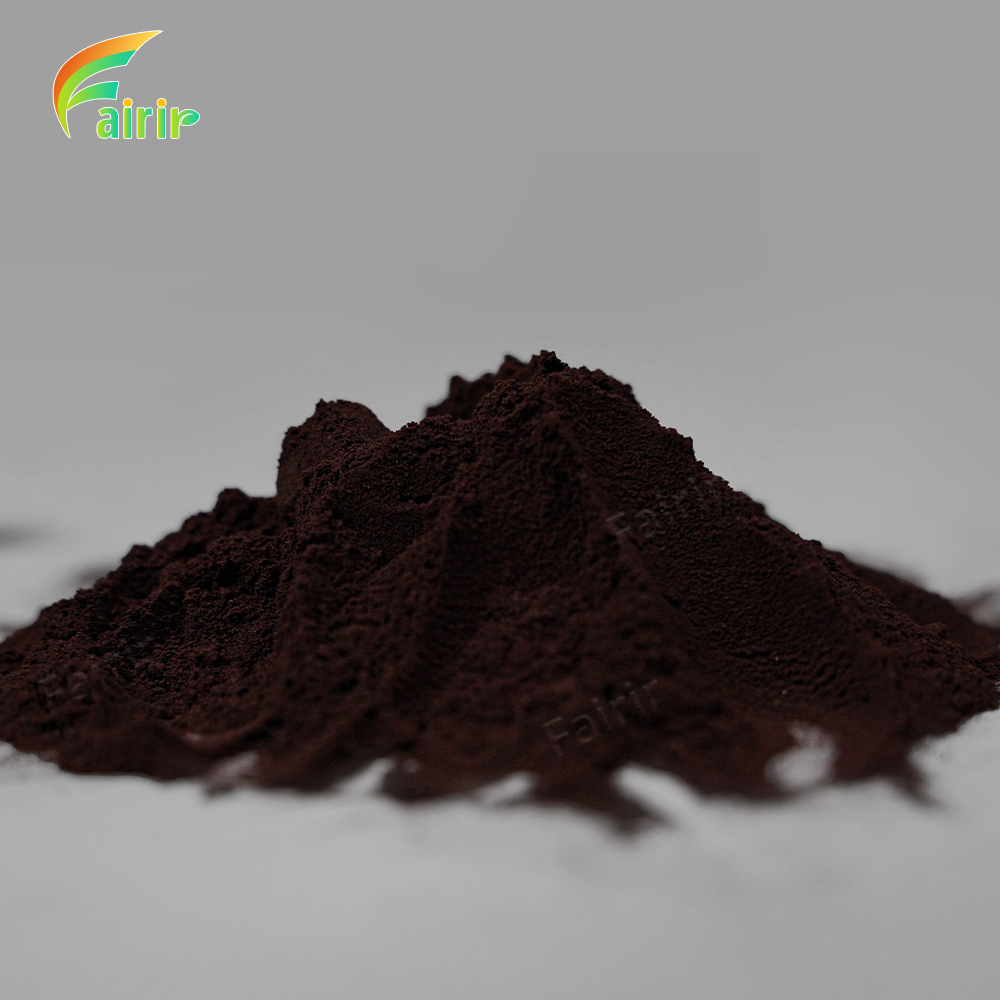
Many companies are switching to natural, health-focused products, as shown by the big rise in demand for beetroot-based materials all over the world. This bright red powder comes from organic beets that were picked with care and then dried out and ground using advanced methods. In terms of how easy it is to use and how long it lasts, it has concentrated health benefits that fresh food can't match.
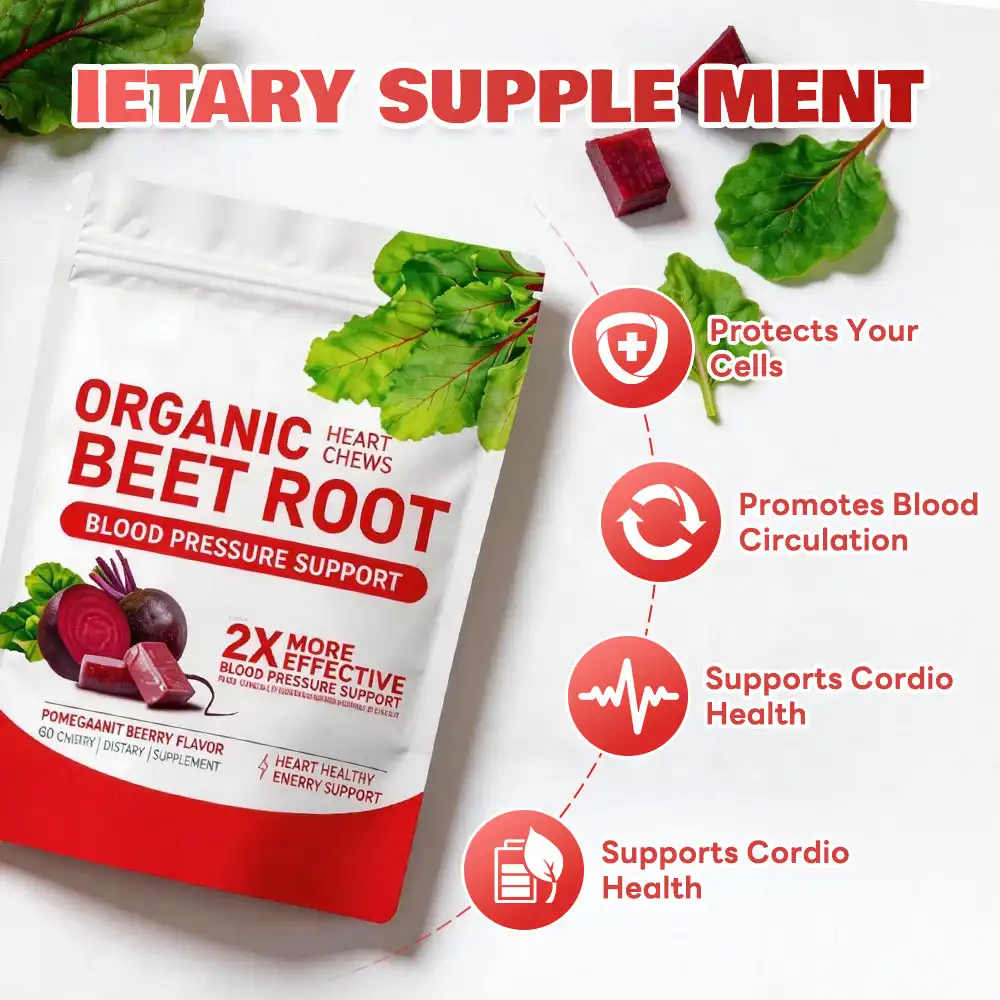
Rich Nutritional Profile Drives Market Interest
Organic Beet Root Powder is extremely useful for making products because it contains a lot of good things. Lots of food nitrates are in the powder. Nitric oxide is made by the body from these nitrates. This is good for the heart and makes you stronger. Also, betalains give the powder its unique deep red color. They are also very good at fighting free radicals, which makes them a great natural food and drink colorant.
Versatile Applications Across Industries
The powder from organic beets can be used for many things besides vitamins. People who use sports nutrition use it as a natural pre-workout ingredient to make you stronger and increase blood flow. Cosmetic companies use it in skin care items because it can protect the face and naturally color things. A lot of food and drink companies like it because it can be used as both a clean-label colorant and a nutritional booster, which is something that customers are staying away from more and more.
Market Trends Supporting Organic Growth
More people are learning about how good organic items are for them, so the market is still growing. Research shows that every year, sales of organic foods have gone up. A lot of people want beetroot juice and other useful ingredients. More people are learning about how nitrates can help heart health and sports performance. This trend is supported by this information, which makes the market very good for companies that can find good organic products.
Core Factors Influencing Brands to Source Bulk Organic Beet Root Powder Globally
Many important business reasons lead people to look for organic beetroot ingredients all over the world. These reasons have a direct impact on the quality of the product, its cost, and its ability to compete in the market. When procurement workers know these things, they can make decisions that are in line with the business goals of their company.
Quality Assurance and Certification Standards
When you buy from a global service, you may not be able to get the same quality control methods or certifications that are used by people in your own country. To make high-quality Organic Beet Root Powder, only organic farming methods must be used. These ways are backed up by certifications from the USDA, the EU, and other foreign groups. The strict rules for farming without pesticides, getting food without GMOs, and using farming methods that are good for the earth are met by things that have these certifications. For good quality standards, the way something is made is very important. Advanced sellers only buy from companies that are allowed by GMP and have high-tech tools for extraction, like vacuum belt drying technology and systems that use constant countercurrent extraction. These steps make sure that the bioactive substances are safe and that every batch is the same in terms of how pure and useful it is.
Cost Optimization Through Bulk Purchasing
When you shop online around the world, you can buy in bulk and save a lot of money, which isn't always possible with local stores. If manufacturers agree to buy a certain number of units, they can get a better price. This cuts the cost per unit by a big amount. Cost optimization is very important for companies that make a lot of things because the prices of the materials they use affect how much money they make. A maker will not add a markup to your order if you buy from them directly. This will save you even more money. Many well-known global sellers use tiered pricing to reward customers who stay with them for a long time and place larger orders. This saves money in the long run for brands that agree to buy from the seller for a long time.
Supply Chain Reliability and Risk Mitigation
Companies are less dependent on buyers from a single area when they can buy from a range of places. This lowers the risks that come with things like changes in the weather, trouble in the government, or problems in regional supply lines. A lot of the time, global makers make things in more than one place and get their raw materials from more than one place. In this way, they can keep the flow going even if there are problems in the area. An international company that has been in business for a while has put a lot of money into building up the supply chain. This includes storage centers that keep things at the right temperature, high-tech delivery systems, and full inventory management systems. The quality of the goods is kept safe while they are being shipped and stored by this infrastructure. It also sets true arrival times that help with planning production.
Comparing Organic Beet Root Powder with Other Forms and Supplements for Procurement Decisions
To make better decisions about where to buy beetroot-based products, it's helpful to know the pros and cons of each type. Each form has its own benefits that depend on how it will be used and who it is meant for.
Advantages Over Fresh Beetroot
It's hard to move fresh beetroot around, so it can't be used in many industrial processes. Powdered beetroot can be kept for longer than fresh beets, which can only be kept for a short time. Under the right conditions, it can last for 24 months. This stability makes it easy to keep track of things and keeps food from going bad. It is cheaper to ship and keep powder types because they are so much lighter and take up less room. When compared to fresh beets, one dose of Organic Beet Root Powder has more nutrients.
Performance Comparison with Other Supplement Forms
More things can be made with beetroot powder than with pills or tablets. It can be used in drinks, foods, and custom vitamin mixes, among other things. The powder form makes it easier to make precise changes to dosage and works better with the way things are made now. It's better to buy beetroot concentrate in powder form instead of liquid form because it doesn't ferment, stays stable at room temperature, and lasts longer without having to be chilled. When moving items across countries or keeping things when the weather changes, this stability comes in very handy.
Purity Considerations in Procurement Decisions
If you buy pure organic beetroot powder instead of pre-blended ones, which might have fillers or other ingredients in them, you can make more things. With this level of cleaning, businesses can keep track of all their products and keep up the "clean label" image that people who care about their health want. Plain items are easy to test because well-known methods like HPLC analysis can be used to check their strength and clarity. In some markets, this logical clarity helps with methods for quality control and meeting government standards.
Key Procurement Strategies for Bulk Organic Beet Root Powder
Carefully think about all of your choices and use plans that find the best mix of quality, price, and supply security if you want to buy in bulk. When you buy something from a foreign country, you need to pay close attention to a lot of things that will affect how well the purchase works in the long run.
Supplier Evaluation and Certification Verification
In order to fully evaluate a seller, the first step is to check their organic licenses and production credentials. Licenses from well-known groups like the USDA, EU Organic, FSSC22000, and ISO22000 are kept up to date by sellers you can trust. You can be sure that the quality control methods and biological rules are being followed if these are given. Factory inspections, either by the company itself or by a third party, help show that they can do what they say they can do and that their quality control methods work. The level of complexity of the extraction tools, the ability to test in a lab, and the use of a quality control system are some of the most important things that are looked at. Tests like HPLC, UV spectrophotometry, and full pollution testing methods should be able to be done by centers that are more advanced.
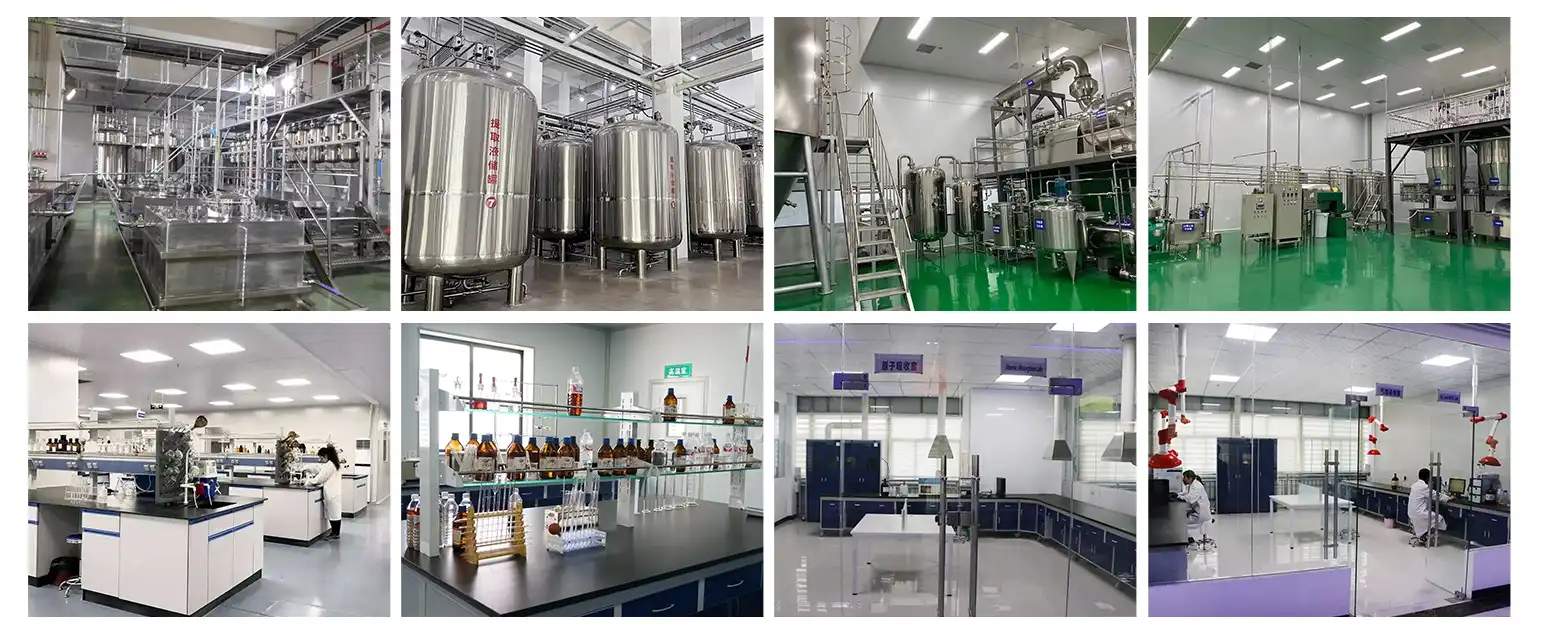
Pricing Structure Analysis and Negotiation
Effective pricing negotiations require an understanding of market dynamics, seasonal variations, and volume-based pricing structures. Global Organic Beet Root Powder pricing fluctuates based on raw material availability, organic certification premiums, and regional supply-demand balances. Long-term contract negotiations often yield better pricing stability and supply security compared to spot market purchases. These agreements typically include provisions for volume commitments, quality specifications, and delivery schedules that benefit both parties. Payment terms and currency considerations also impact total procurement costs and should be evaluated carefully.
Logistics and Documentation Requirements
There is a lot of paperwork that needs to be filled out when organic goods are shipped across foreign borders. These include organic certificates, test certificates, and customs papers. Some sellers with a lot of experience offer full paperwork packages that make it easier to go through customs and follow the rules. To keep the quality of the goods, shipping may need to be temperature-controlled, especially in places with harsh weather. When you package things, you should keep light and wetness out and make sure they stay clean while they're traveling. It is safe to ship big things in vacuum metal foil bags and fiber drums lined with food-grade rubber.
How Brands Benefit from Bulk Sourcing: Case Studies and Success Stories
When methods for buying in bulk are used in the real world, they work well in many fields. Buying things in these smart ways can give a business an edge over its competitors and help it grow.
Sports Nutrition Brand Transformation
A big sports nutrition business changed the goods it sold by buying Organic Beet Root Powder in large amounts. There used to be a lot of small suppliers whose prices and quality were all over the place. Their costs went down by 35%, and they could be sure that all of their beetroot-based goods were the same because they only worked with one approved bulk provider. Because the method was consistent, the company felt good about adding more items to its line. In just 18 months, they came out with three new recipes based on beets. When you made quality more stable, customers complained less and bought more again, which immediately brought in more money.
Natural Food Colorant Success Story
Because they got organic beetroot powder in bulk, a business that makes organic foods was able to get rid of all of their fake red colorants. People want more "clean label" products, so this change was made to meet that need and make the rules for fake colorants easier to understand. When you buy in bulk, you save money, which more than makes up for the higher costs of natural colorants. Also, calling a product "natural" or "organic" was a good way to sell it, so it was okay to charge more for it. This meant that even though the prices of the raw materials went up, the profit margins were higher.
Supplement Company Supply Chain Resilience
When bad weather hurt the fields of an area source, it made it very hard for a company that makes food supplements to get what they needed. The company got rid of the risks that came with relying on just one source when it moved its approach to global bulk sourcing with several approved sources. Because there were so many providers, there were backup options for times when demand was high or when the seasons changed. When the industry cut back on supplies, this helped the company keep its market share while competitors had trouble getting supplies.
Conclusion
From a business point of view, getting organic beetroot ingredients in bulk around the world is becoming more important as markets demand higher quality, stability, and long-term use. In markets that are getting more competitive, businesses that spend money to build strong relationships with their providers and use thorough buying strategies will be successful in the long run. There are more reasons to buy in bulk than just to save money. Being linked to high-quality organic ingredients also makes goods more consistent, keeps sources safe, and improves the image of a business.
FAQ
What certifications should I look for when sourcing organic beetroot powder?
Essential certifications include USDA Organic, EU Organic, ISO22000, FSSC22000, and HACCP. Additional certifications such as Kosher, Halal, and cGMP may be required depending on your target markets. These certifications ensure adherence to organic standards, food safety protocols, and quality management systems.
How can I verify the quality and purity of bulk organic beetroot powder?
There are many tests that need to be done to find out how good it is, such as an HPLC analysis for active chemicals, a bacterial analysis for contaminants, and a heavy metals analysis. Each batch of goods from a reliable provider comes with an analysis certificate, and they keep testing tools like UV spectrophotometers and other diagnostic equipment in good shape.
What are typical lead times for bulk organic beetroot powder orders?
Standard orders take one to three business days, while large orders or orders that are made just for you can take up to two to four weeks. Lead times depend on how big the order is and how well the supplier can fill it. Sellers who have been around for a while and keep a good track of their stock can usually send standard goods fast.
How should bulk organic beetroot powder be stored and handled?
Places to store things should be cool, dry, and away from water and strong sunlight. Metal foil or fiber drums with food-grade linings inside are the best way to keep things safe. For the product to stay solid and not stick, the temperature should stay below 25°C and the humidity should stay below 60%.
What packaging options are available for bulk orders?
There are three standard packing sizes: 1 kg, 5 kg, and 25 kg. Vacuum aluminum foil bags are a good way to keep small amounts safe from light and moisture. Fiber drums packed with two layers of food-grade poly bags work well for bigger amounts. There are different kinds of custom packing for specific needs, like writing or handling.
Partner with Fairir for Premium Organic Beet Root Powder Manufacturing Solutions
If you need to buy a lot, Shaanxi Fairir Biotech is ready to help you with all of our Organic Beet Root Powder making skills. Making sure that the products we sell are always the best is what our 10,000-square-meter GMP-certified plant does. We use cutting-edge extraction technology and strict quality control. Among the certificates we keep are USDA Organic, EU Organic, ISO22000, and HACCP. These make sure we follow all the rules and laws in the world. You can talk to our helpful staff at sales@fairirbiotech.com about your needs and find out why top brands choose Fairir as their long-term organic beet root powder supplier.
References
1. Smith, J.A., et al. "Global Organic Food Market Analysis: Trends and Procurement Strategies in Natural Ingredient Sourcing." Journal of International Food Trade, 2023.
2. Chen, L., and Rodriguez, M. "Supply Chain Optimization in Botanical Extract Manufacturing: A Comparative Study of Global Sourcing Strategies." International Journal of Supply Chain Management, 2023.
3. Thompson, K.R. "Quality Assurance in Organic Ingredient Procurement: Certification Standards and Manufacturing Best Practices." Food Quality and Safety Review, 2023.
4. Williams, D.B., et al. "Economic Analysis of Bulk Sourcing Strategies in the Nutraceutical Industry." Business Review of Natural Products, 2023.
5. Martinez, S.C. "Regulatory Compliance and Documentation Requirements for International Organic Ingredient Trade." Global Food Law Journal, 2023.
6. Anderson, P.J., and Lee, H.K. "Risk Management in Global Botanical Extract Sourcing: Case Studies in Supply Chain Resilience." International Business and Supply Chain Review, 2023.