_1751965378790.webp)

What Makes Himalayan Shilajit Powder So Valuable?
Himalayan Shilajit Powder is very valuable because it has a special mix of bioactive ingredients, a consistent level of strength, and many uses in the beauty, nutraceutical, and pharmaceutical industries. When this old resin with lots of minerals is turned into a powder, it consistently has fulvic acid amounts above 50%. This makes it a very useful material for companies that want to make natural extracts that are stable and of high quality. Because it has been shown to help cells make energy and because it is very good at following regulations and being easy to mix with other ingredients, Shilajit Powder is a special ingredient that has a lot of value in the global B2B market.
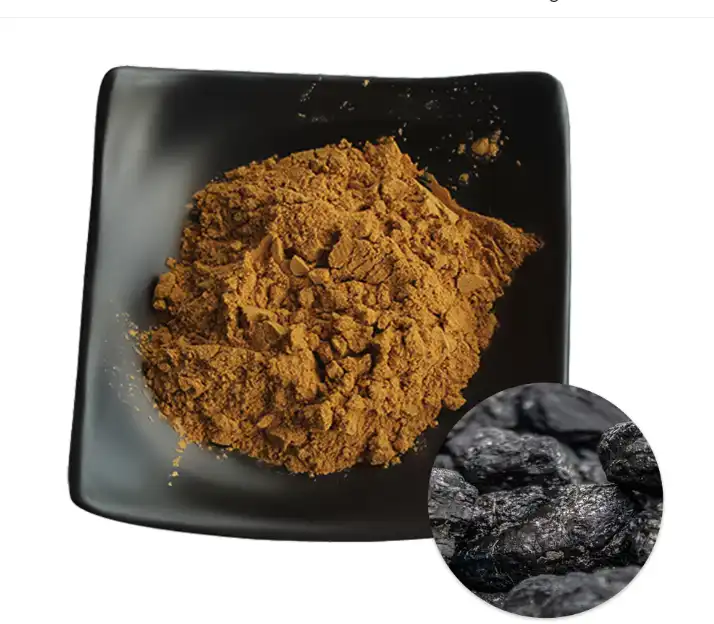
Understanding Himalayan Shilajit Powder: Origins, Composition, and Nutritional Profile
Himalayan Shilajit is one of nature's most interesting substances. It was made when plants broke down over hundreds of years in high-altitude rock forms in the Himalayas, Altai, and Caucasus mountain ranges. This bituminous biomass fluid comes out of cracks in rocks in the warmer months. It has more than 84 ionic trace minerals and bioactive chemicals in it.
Geological Formation and Harvesting Methods
It takes thousands of years for real Himalayan Shilajit to form because living plant matter gets stuck in layers of solid rock. This biological matter changes into a mineral-rich resin when it is put under extreme pressure, temperature changes, and bacterial activity. Traditionally, the substance is carefully taken from rock surfaces at levels above 16,000 feet, with the goal of having the least possible effect on the environment while maintaining its natural strength.
Chemical Composition and Standardization
The modern process of making Shilajit Powder turns this raw material into a standard ingredient whose biological qualities are always the same. Fulvic acid is the main active ingredient that makes up 20 to 60 percent of the end powder. Higher-quality powders have amounts of 50 percent or more. Standardization solves important B2B problems by getting rid of the differences that come with raw plastic forms. There are important minerals in the profile, like iron, magnesium, potassium, and zinc. There are also special chemicals called dibenzo-alpha-pyrones (DBPs) that give the substance its unique biological activity. Advanced testing methods, such as HPLC and UV spectrophotometry, make sure that the amounts of these chemicals are exactly right, meeting the consistency standards for medicinal ingredients.
Nutritional and Bioactive Properties
Based on scientific research, high-quality Shilajit Powder has chemicals in it that help mitochondria work and cells make energy. The fulvic acid part works as a natural carrier molecule, making it easier for minerals to be absorbed and used by the body in finished products. Because of this, the powder is especially useful for nutritional uses where the effectiveness of the ingredients directly affects how well the product works.
Core Benefits and Applications of Himalayan Shilajit Powder in the B2B Context
Himalayan Shilajit Powder has a lot of economic value because it can be used in many different types of industries and has benefits that have been proven by science. Knowing about these uses helps people who work in procurement find the best ways to use them and find new market options.
Pharmaceutical and Nutraceutical Applications
Pharmaceutical companies are becoming more and more aware of Shilajit Powder's possibilities in formulas that target energy production and cell health. Its part in helping mitochondria make ATP has been shown in clinical studies, which makes it useful for goods that deal with fatigue and energy loss. The standard makeup of the powder ensures that the doses are always the same and that the results are always the same in clinical settings. Nutraceutical companies use the adaptogenic qualities of the ingredient to make products that help people deal with stress and improve their physical performance. Shilajit Powder that has been treated is water-soluble, which makes it easy to mix into pills, tablets, and liquids without the problems that come with using raw resin forms.
Cosmetic and Personal Care Integration
Shilajit Powder is used in cosmetics because it has minerals and antioxidants that are good for you. Formulators use its fulvic acid content to help keep skin hydrated and give minerals to cells in anti-aging skin care products. The powder's dark brown color means it needs to be used with care in cosmetics, but its benefits usually outweigh the difficulties in making it.
Functional Food and Beverage Applications
Food and drink companies are looking into how Shilajit Powder could be used in useful goods for health-conscious customers. Its mineral makeup supports efforts to make foods healthier, and its long history of use gives it credibility when selling. For mass-market use, the powder's bitter taste needs to be hidden with flavor covering technologies. This presents both problems and chances for new product creation.
How to Choose and Source High-Quality Himalayan Shilajit Powder
To choose the best Shilajit Powder, you need to carefully look at the supplier's skills, the product details, and the quality control procedures. Professionals in procurement have to find trusted partners who can meet strict quality standards in a world of complicated sourcing settings.
Quality Assessment Criteria
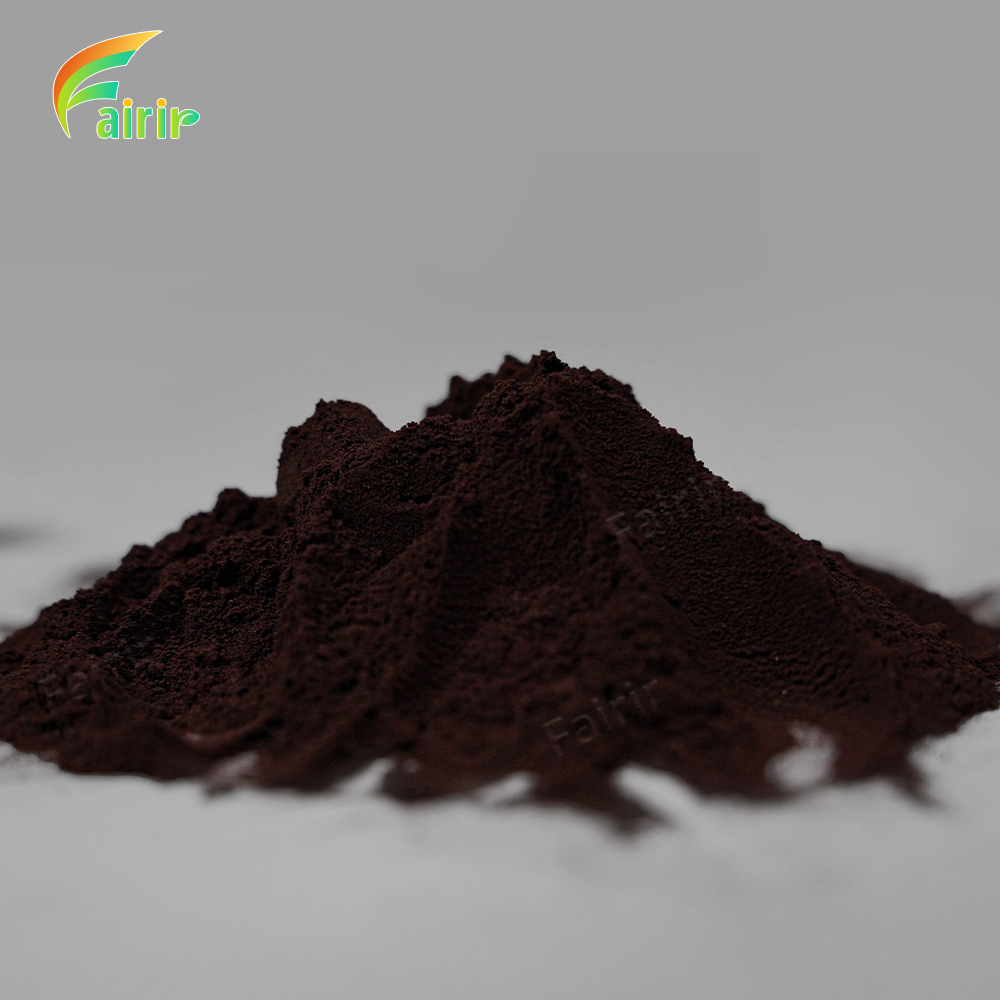
There are certain physical and chemical traits that set premium Shilajit Powder apart from cheaper options. Real goods come in the form of a fine, dark brown powder that smells like asphalt and tastes bitter. For best mixing qualities, particles should be smaller than 80 to 100 mesh, and bulk density should be between 0.5 and 0.8 g/mL. A chemical test should show that the fulvic acid amount meets certain levels, usually at least 50% for better grades. Testing for heavy metals like lead, mercury, and cadmium below 10ppm makes sure that international safety standards are met. Microbiological testing makes sure that there are no harmful organisms and that the total plate numbers are good.
Supplier Evaluation and Certification Requirements
Reliable providers show that they have complete quality management systems by having the right certifications, such as GMP, ISO 22000, HACCP, and, if necessary, organic certifications. Advanced extraction equipment, such as constant countercurrent extraction systems, double effect concentration equipment, and vacuum belt drying technology, should be used in factories. Full Certificates of Analysis (COA), statements of regulatory compliance, and records of tracking that connect finished goods to raw materials are all examples of documents that must be kept. Suppliers should offer professional help for formulation advice and application development, showing that they know how to make the best use of ingredients.
Supply Chain Considerations and Risk Mitigation
Diversified source networks and smart inventory management are two ways that effective sourcing strategies deal with possible problems in the supply chain. Seasonal trends in the supply of raw materials make it hard to get them, so you need to plan and be flexible with your buying. Geography affects things like trade rules, shipping costs, and the need for temperature-controlled storage.
Procurement Insights: Pricing, Bulk Buying, and Ordering Strategies
By understanding how the price of Himalayan Shilajit Powder changes over time, buying teams can find the best deals while still meeting quality standards. Price structures are greatly affected by market factors such as the supply of raw materials, the difficulty of processing, and the need for approval.
Market Pricing Analysis and Cost Factors
Shilajit Powder prices vary a lot depending on how pure it is, whether it is certified, and how well the seller can handle it. Premium types with fulvic acid amounts above 50% are more expensive because they need to be processed more thoroughly and use better raw materials. Organic approvals, special testing methods, and processing that meets pharmaceutical standards all add a lot of value but also raise prices. The cost of transportation, the cost of following the rules, and the quality standards in a certain area are all affected by geography. Because of organizational advantages and economies of scale, suppliers who can make more complex products usually have more competitive long-term prices.
Bulk Purchasing Strategies and MOQ Optimization
Buying in bulk can save you a lot of money and make sure that big companies can keep getting what they need. Minimum order amounts are usually between 25 kg and 1000 kg, and price levels are based on how much a customer agrees to buy. Strategic buyers talk to sellers about flexible terms, such as staged shipping, quality promises, and price protection agreements. Long-term supply deals are good for both parties because they keep prices stable and make sure that capacity is used efficiently. Custom formulations, private labeling services, and exclusive geographic rights are common parts of these agreements. These add value above and beyond basic product prices.
Safe Usage, Storage, and Preparation Guidelines for End-Products
Shilajit Powder keeps its biological qualities throughout the supply chain as long as it is handled and stored properly. Manufacturers must follow the right steps to protect the purity of ingredients and improve the performance of their products.
Formulation Guidelines and Dosage Recommendations
To make a good formulation, you need to know the right dose amounts and how well they work with other materials. For food supplements, the usual dose ranges from 250 mg to 500 mg per day, but the exact amount needed depends on the target group and the benefits that are wanted. Because the powder is very easily dissolved, it can be used in a wide range of delivery methods, such as pills, tablets, and liquids. In compatibility studies, reactions with other active ingredients, especially minerals and vitamins, that could change how well the drug is absorbed or how stable it is, should be looked at. Because different fulvic acid components work best in different pH levels, product design is affected by pH.
Storage Protocols and Shelf Life Management
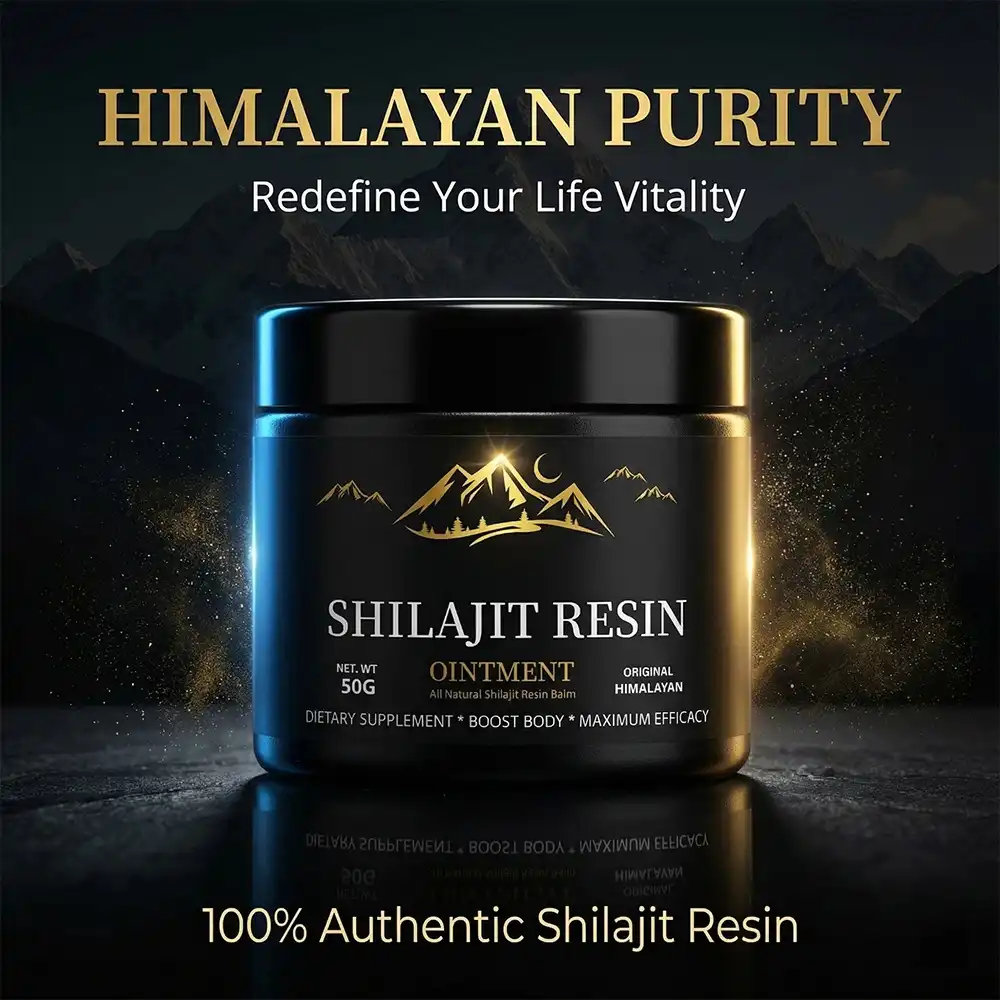
Shilajit Powder's biological ingredients are kept safe, and the shelf life is extended when stored properly. Controlled temperature settings below 25°C, humidity levels below 60%, and shelter from direct sunlight are all good ways to store things. Vacuum aluminum foil packing is the best way to keep things safe while they are being stored or shipped. If you store it properly, the shelf life usually lasts between 24 and 36 months, but regular testing makes sure that it stays effective during that time. As part of quality control plans, the fulvic acid content, moisture levels, and microbial condition should be checked on a regular basis.
Conclusion
Himalayan Shilajit Powder is a great thing to add to your buying portfolio because it has a standard bioactive makeup and can be used in a lot of different ways. Along with its high level of regulatory compliance, the chemical has been shown to help cells make energy. This makes it a top choice for use in medicinal, nutraceutical, and cosmetic products. To buy right, you need to carefully evaluate suppliers, do a full quality review, and plan to find the best prices while keeping quality standards.
FAQ
What certifications are essential when sourcing Shilajit Powder for pharmaceutical applications?
Essential certifications include GMP, ISO 22000 (for managing food safety), HACCP (for analyzing risks), and organic certifications like USDA Organic or EU Organic. Depending on the market, you may need to get extra licenses like Kosher and Halal. These approvals make sure that world quality standards and government rules are followed.
How does Shilajit Powder compare to other natural energy-supporting ingredients?
Shilajit Powder has special benefits because it has fulvic acid and a lot of different minerals. It gives you energy right away and for a long time by improving mitochondrial function. Shilajit works at the cellular level, unlike chemicals that are based on stimulants, and doesn't make you dependent on it or cause energy crashes. In addition to providing energy, the minerals in it are also good for you in other ways.
What are the key quality indicators for premium Shilajit Powder?
Some signs of high quality are fulvic acid levels above 50%, heavy metal levels below 10ppm, particles the right size (80–100 mesh), and full bacterial testing results. Physical properties should include a dark brown color, a unique smell, and the ability to dissolve easily in water. All the paperwork, like the COA and records of where the goods came from, proves that the quality meets standards.
Partner with Fairir for Premium Shilajit Powder Solutions
Shaanxi Fairir Biotech is ready to help you buy Shilajit Powder. Our GMP-certified factory and thorough quality assurance programs make us the best choice for you. Our high-tech extraction tools, such as constant countercurrent extraction equipment and vacuum belt drying technology, make sure that the quality of our products always meets international medicinal standards. We let you buy in bulk starting at 25 kg, offer low manufacturer prices, and provide full expert help for formulating. Please email our knowledgeable staff at sales@fairirbiotech.com to talk about your specific needs and find out how our quality Shilajit Powder provider services can help you expand your product line and ensure reliable supply chain management.
References
1. Agarwal, S.P., Khanna, R., Karmarkar, R., Anwer, M.K., & Khar, R.K. (2007). Shilajit: a review. Phytotherapy Research, 21(5), 401-405.
2. Carrasco-Gallardo, C., Guzmán, L., & Maccioni, R.B. (2012). Shilajit: a natural phytocomplex with potential procognitive activity. International Journal of Alzheimer's Disease, 2012, 674142.
3. Pandit, S., Biswas, S., Jana, U., De, R.K., Mukhopadhyay, S.C., & Biswas, T.K. (2016). Clinical evaluation of purified Shilajit on testosterone levels in healthy volunteers. Andrologia, 48(5), 570-575.
4. Stohs, S.J. (2014). Safety and efficacy of Shilajit (mumie, moomiyo). Phytotherapy Research, 28(4), 475-479.
5. Velmurugan, C., Vivek, B., Wilson, E., Bharathi, T., & Sundaram, T. (2012). Evaluation of the safety profile of black shilajit after repeated administration for 91 days in rats. Asian Pacific Journal of Tropical Biomedicine, 2(3), 210-214.
6. Wilson, E., Rajamanickam, G.V., Dubey, G.P., Klose, P., Musial, F., Saha, F.J., Rampp, T., Michalsen, A., & Dobos, G.J. (2011). Review of shilajit used in traditional Indian medicine. Journal of Ethnopharmacology, 136(1), 1-9.