_1751965378790.webp)

Does Hydrolyzed Pearl Powder Brighten Skin Naturally?
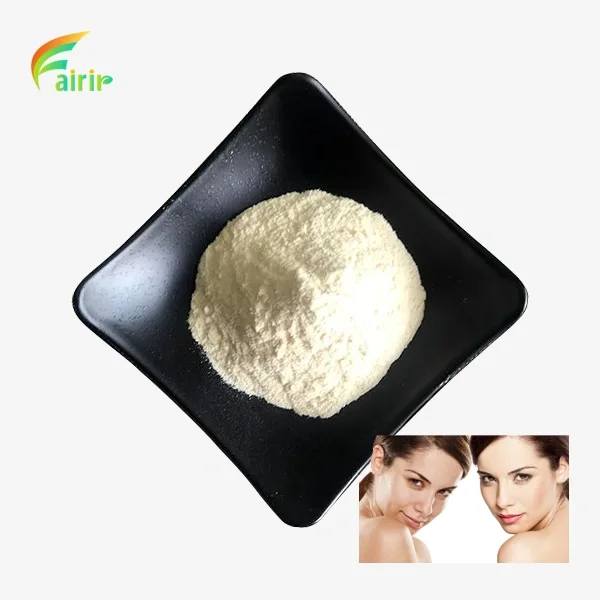
Hydrolysed pearl powder naturally makes skin brighter because it is full of amino acids, trace minerals, and beneficial peptides. This ingredient has been improved by science. It stops tyrosinase activity, which is the enzyme that makes melanin, while also protecting against free radical damage powerfully. Normal pearl powder doesn't absorb well, but hydrolysed pearl powder dissolves completely in water and has smaller molecular structures that successfully pass through the skin barrier. Clinical tests show that regular use lowers hyperpigmentation, evens out skin tone, and makes the skin look healthier generally. The hydrolysis process changes calcium carbonate and conchiolin proteins from insoluble to bioavailable forms. This ingredient is very popular among beauty formulators who are looking for natural, effective brightening agents for high-end skin care lines that are aimed at a wide range of global markets.
What Is Hydrolysed Pearl Powder and How Is It Made?
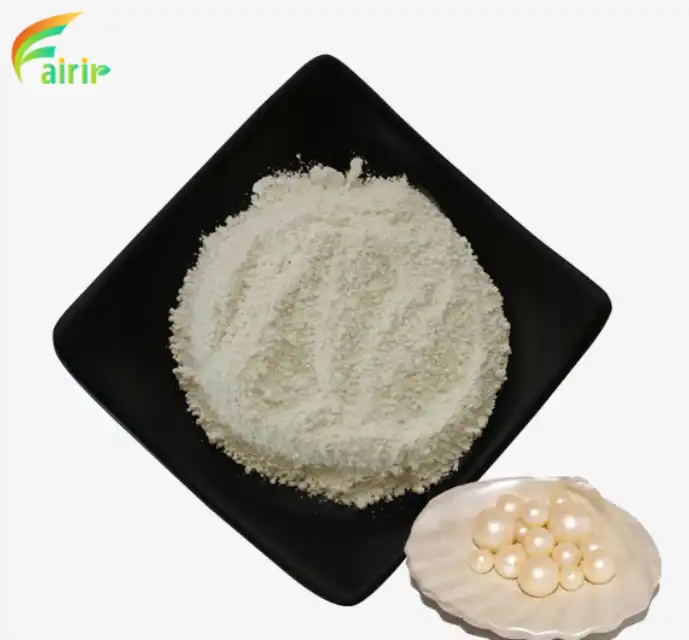
Hydrolysed pearl powder represents a significant advancement over conventional micronised pearl formulations, specifically engineered to address the bioavailability challenges that have historically limited pearls' effectiveness in cosmetic applications. While traditional pearl powder consists primarily of insoluble calcium carbonate particles suspended in formulations, the hydrolysed version undergoes enzymatic or acid-base hydrolysis processes that fundamentally transform its molecular structure.
The Hydrolysis Process and Molecular Transformation
The process starts with controlled aquaculture settings where high-quality freshwater or saltwater pearls are gathered. Manufacturers use advanced enzymatic hydrolysis to break down the pearl's complicated protein matrix, especially conchiolin, into free amino acids and small peptides with molecular weights that are best for being absorbed through the skin. This change makes the pearl powder completely soluble in water, which gets rid of the problems with sedimentation that come up with regular pearl powder in water-based mixtures. The white powder that is made is 99% pure and contains 18 essential amino acids, such as glycine, alanine, and aspartic acid, as well as ionic calcium and trace elements like zinc, copper, and magnesium. To make sure that the particles are always smaller and the powder is bioavailable, modern production facilities use continuous countercurrent extraction equipment and double-effect concentration systems. High-performance liquid chromatography testing, UV spectrophotometry, and gas chromatography analysis are all part of quality control methods. They check amino acid profiles and make sure there are no heavy metals or microbes present. These strict standards are necessary for pharmaceutical-grade uses and production facilities that are GMP-certified.
Comparing Hydrolysed and Traditional Pearl Powder
During formulation trials, the difference in performance between these two kinds is clear right away. Traditional ground pearl powder doesn't dissolve in water-based systems more than 3% of the time, which makes it feel rough and limits how deeply it can penetrate the skin. Pearl powder that has been hydrolysed can dissolve completely in clear serums, lotions, and oral vitamins, and it doesn't get cloudy or settle down. This full dissolution directly leads to better cell uptake, which lets the active amino acids and minerals reach the right layers of tissue, where melanogenesis and collagen synthesis happen. However, buyers should be aware that hydrolysed variants are more expensive because they have more complex production requirements and better performance. The investment is worth it because formulation problems are lessened, product stability is improved, and effectiveness results are measurably better, with hydrolysed pearl powder, which supports premium placement in competitive markets.
How Hydrolysed Pearl Powder Brightens Skin Naturally
The brightening mechanism of hydrolysed pearl powder operates through multiple synergistic pathways at the cellular level, distinguishing it from simple reflective pigments or harsh chemical bleaching agents. Understanding these biological processes helps formulators optimise concentrations and communicate value propositions to end consumers seeking natural alternatives for hyperpigmentation concerns.
Tyrosinase Inhibition and Melanin Regulation
The ingredient's ability to stop tyrosinase, the enzyme that slows down melanin production, is what makes it work as a brightener. Some amino acids in hydrolysed pearl protein, like cysteine and methionine, bind competitively to tyrosinase active sites. This stops tyrosine from turning into DOPA and then into melanin colours. Scientists have studied melanocyte cell cultures and found that pearl-derived peptides lower melanin levels by blocking the signalling pathways that start melanogenesis in response to UV light and inflammatory triggers. This way of working is better than synthetic tyrosinase inhibitors, which can irritate the skin or cause hyperpigmentation to return after stopping use. Pearl amino acids work slowly and gently to even out skin tone without damaging the skin's barrier function or causing sensitivity reactions that can happen with harsh whitening agents.
Antioxidant Activity and Free Radical Neutralisation
Multiple mineral cofactors and sulfur-containing amino acids in hydrolysed pearl powder provide strong antioxidant protection. Zinc and copper are important parts of superoxide dismutase enzymes, which get rid of reactive oxygen species that are made by UV light and pollution in the environment. This antioxidant shield stops reactive stress, which would otherwise cause the body to make more melanin to protect itself. Researchers have found that products with pearl hydrolysate protect against UV-induced pigmentation better than controls. This makes the ingredient useful in daily defence serums and recovery products after surgery. The peptide fraction also has strong chelating properties, binding pro-oxidant metal ions that cause lipid peroxidation and cell damage. This multifaceted method of controlling oxidative stress is part of the reason why the ingredient is known for promoting what people call "glass skin"—a bright, even-toned complexion that is clearer and less dull.
Clinical Evidence and Efficacy Data
Using colourimetry and imaging analysis, controlled studies that looked at how hydrolysed pearl formulas could be applied to the skin show that the skin became brighter. People who used pearl-based brightening serums for eight weeks had statistically significantly lower melanin index measurements than people who received a placebo. The changes were most noticeable in areas where people already had hyperpigmentation. The amino acid delivery also increased the production of natural moisturising factors. This improved hydration and barrier integrity, which amplified the brightening effect through better light reflection from well-hydrated stratum corneum layers. These results give manufacturers concrete data to back up their marketing claims and meet the proof requirements that are being pushed for by regulatory bodies and picky consumers in developed markets.
Additional Skin and Hair Benefits of Hydrolysed Pearl Powder
Beyond its established brightening capabilities, it offers a compelling array of secondary benefits that position it as a multifunctional active ingredient in premium personal care formulations. These diverse applications expand market opportunities for brands seeking to differentiate products through comprehensive efficacy profiles.
Anti-Ageing Effects Through Collagen Support
The amino acid makeup of hydrolysed pearl is very similar to the building blocks needed for the body to make collagen itself. There are large amounts of glycine, proline, and hydroxyproline, which are direct sources for fibroblast activity in the dermal layers. Regular use of formulations with pearls increases collagen production, which lowers the depth of fine lines and wrinkles and improves skin elasticity measures. Mineral cofactors, such as copper, are very important for lysyl oxidase activity, which is the enzyme that connects collagen fibres into strong networks. This mechanism works especially well in anti-ageing treatments where people want to see firmness improvements along with brightening effects. Hydrolysed pearl powder supports both the amount and quality of collagen in the skin by delivering these elements in ionic forms that are easily absorbed. This means that the changes in skin structure last longer. Formulation scientists like this ingredient because it can slow down or stop multiple ageing processes at the same time. This means that they don't have to use as many complex active combinations, which can lower stability or raise the risk of sensitisation.
Hydration Enhancement and Barrier Repair
Amino acids that come from pearls work as natural humectants in the skin's natural moisturising factor system. Their presence raises the epidermis's ability to bind water, which makes measurements of transepidermal water loss better and helps maintain the right amount of moisture needed for healthy barrier function. This benefit of keeping skin hydrated is especially useful in brightening formulas because well-hydrated skin has better optical properties and fewer texture irregularities that can make uneven tones look worse. Because hydrolysed pearl is soothing, it can be used in formulas for sensitive skin where other brightening agents might irritate the skin. Because pearl peptides are gentle, brands can use them to treat pigmentation problems in sensitive skin types that can't handle more aggressive treatments. This opens up new markets for brightening goods that weren't being reached before.
Hair Care Applications and Scalp Health
Pearl protein's ability to bind to keratin structures is being used in new hair care products. Adding hydrolysed pearl to shampoos, conditioners, and head treatments makes hair shafts stronger from the inside out and gives hair follicles trace minerals that help them stay healthy. The amino acids help fix damage caused by chemical treatments and heat styling, which makes the hair less likely to break and more durable. Pearl's antimicrobial properties and ability to control sebum production make it useful in scalp formulations for problems like dandruff and premature hair loss. These many uses show why forward-thinking brands don't see hydrolysed pearl powder as a one-use ingredient, but as a platform technology that can support a wide range of product categories. This versatility means that procurement teams can look at long-term ingredient plans that take advantage of economies of scale and make supply chain management easier across multiple product lines.
How to Use Hydrolysed Pearl Powder in Skincare and Cosmetic Products
Successful integration of hydrolysed pearl powder into finished formulations requires understanding optimal concentration ranges, compatibility considerations, and processing parameters that preserve its bioactive properties. This technical knowledge proves essential for R&D teams and contract manufacturers developing products for competitive global markets.
Formulation Concentration Guidelines
According to studies on effectiveness and industry standards, the concentration range for topical cosmetic uses is between 1% and 5%. The exact amount depends on the product format and claims that are being made. Most lightweight serums have 2 to 3 per cent hydrolysed pearl in them to make the skin look brighter without changing the texture or feel of the serum. When added to richer creams, up to 5% concentration can be used, which uses the ingredient's humectant qualities to improve tone and moisture. For short-contact applications like sheet masks and overnight treatments, even higher concentrations may be used to get the most active ingredients into the skin. For oral supplement uses, dosages of 500 mg to 1500 mg per day should be taken in the form of capsules, tablets, or liquids. Because hydrolysed pearl dissolves completely in water, it doesn't have the gritty taste that comes with regular pearl powder. This makes it perfect for ready-to-drink beauty drinks and fizzy tablet mixes that are becoming more popular in both Asian and Western markets. Brands that want to use nutricosmetic tactics like pearl because it can be used as both a beauty ingredient and a bioavailable calcium source that helps bones stay healthy, and sleep well, because it contains glycine.
Processing Considerations and Stability Factors
Hydrolysed pearl powder is very stable at high temperatures; it can handle the temperatures used to make cosmetics without losing any of its amino acid profiles. The ingredient mixes easily during the water phase of making an emulsion, and it dissolves fully at room temperature with very little stirring. Its neutral pH profile means that most formulation systems don't need to do a lot of buffering. However, the pH of the finished product should be kept between 5.5 and 7.0 for best skin compatibility and active stability. Testing for compatibility shows that pearl hydrolysate works well with other popular cosmetic actives like niacinamide, vitamin C derivatives, and botanical extracts. Because of this, formulators can make complete brightening systems that work on multiple routes at the same time. Standard care must be taken with preservation systems, and the ingredient doesn't react with common preservatives like phenoxyethanol, organic acids, and plant-based antimicrobial mixes.
Regulatory Compliance and Safety Standards
In most major cosmetics markets, hydrolysed pearl powder is approved by regulators. The ingredient is called "Hydrolysed Pearl" on the International Nomenclature of Cosmetic Ingredients list, and it meets the requirements of the EU Cosmetics Regulation when it comes from a reliable supplier and has the right paperwork. For the US market, it is considered a cosmetic ingredient and doesn't need to be notified in any other way. However, brands that want to make specific therapeutic claims must follow FDA rules on structure-function statements. Safety studies show that it is well-tolerated and doesn't cause skin irritation very often. The nutrient comes from nature and has been used for a long time in traditional medicine, which supports its use in clean beauty products for health-conscious people. Suppliers who provide complete paperwork, such as allergen declarations, GMO-free certifications, and heavy metal testing results, help brands meet the stricter requirements for openness set by retailers and certification bodies.
Choosing the Best Hydrolysed Pearl Powder Supplier for Global B2B Procurement
Strategic supplier selection directly impacts product quality, manufacturing efficiency, and long-term brand reputation. Procurement professionals must evaluate multiple criteria beyond unit pricing to identify partners capable of supporting sustained market success.
Critical Supplier Evaluation Criteria
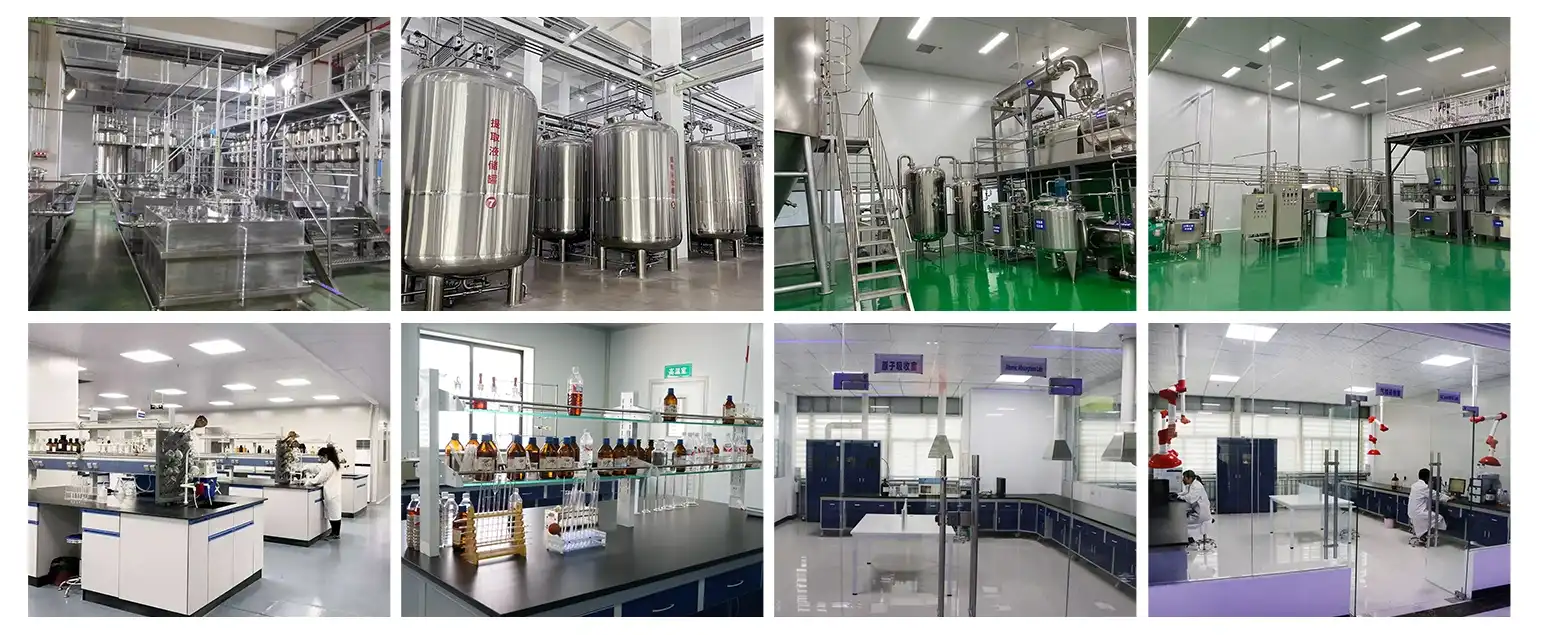
Quality assurance skills are the most important thing to look at when judging a seller. Manufacturers with GMP-certified facilities and separate quality control labs have the equipment needed for consistent performance from batch to batch. Look for providers who have HPLC systems, UV spectrophotometers, and rotary evaporators that can check the profiles of amino acids, measure purity levels, and find possible contaminants. Third-party testing relationships with accredited laboratories provide extra confirmation of specifications and give procurement teams the paperwork they need for regulatory submissions and retailer requirements. Production capacity considerations make sure that suppliers can grow with your business without lowering quality standards or lead times. Multiple stainless steel extraction tanks with capacities between 500 and 3000 litres and fully automatic production lines are signs of serious manufacturing capabilities, not just broker operations that repackage materials from unknown sources. Extraction rates that are close to 98% show that the processes have been optimised to get the most out of them while also reducing waste and damage to the environment.
Geographic Considerations and Supply Chain Logistics
Supply chain resilience and sustainability traits are becoming more and more important in sourcing decisions. Some of the main places where pearls are grown are along the coast, where vertical integration, from getting the raw materials to finishing the process, makes quality more consistent and makes it easier to track. Shaanxi Fairir Biotech Co., Ltd. is an example of a company that uses both locational advantages and modern extraction technology. It has 10,000-square-meter facilities with hydrolysed pearl powder continuous countercurrent extraction systems and specialised drying equipment that protects the delicate structures of amino acids. Delivery dates have a big effect on managing inventory and planning production. When suppliers offer 1-3 day fulfilment for in-stock items, it means they run their business efficiently and have enough inventory on hand. International shipping knowledge is just as important, and established logistics agreements make sure that transport is kept at the right temperature and that the right paperwork is used to clear customs in both European and North American markets. Aluminium foil bags that are vacuum-sealed and fibre drums with double-layer food-grade liners should be available as packaging choices. These will keep hygroscopic materials from absorbing water while they are being shipped and stored.
Value-Added Services and Partnership Potential
Beyond basic material supply, leading manufacturers offer services that accelerate product development and reduce market entry barriers. Custom formulation support helps brands optimise pearl incorporation into specific product matrices, while private label capabilities enable rapid SKU expansion without capital investment in dedicated manufacturing facilities. Technical documentation packages, including Certificates of Analysis, Safety Data Sheets, and regulatory support materials, streamline compliance processes and reduce the burden on internal quality teams. Flexible minimum order quantities accommodate businesses at different growth stages, from emerging brands testing market concepts to established corporations requiring container-load volumes. Competitive pricing structures for bulk purchasing reward long-term commitments while maintaining quality standards. Responsive communication channels and dedicated account management ensure technical questions receive prompt expert attention, preventing costly production delays.
Conclusion
Hydrolysed pearl powder is a natural brightening agent that has been proven to work by science. It meets the needs of the cosmetics industry for effective, clean-label actives. Its high bioavailability, ability to work in multiple ways, and high safety profile make it useful for beauty, supplement, and personal care brands that want to reach high-end customers. To make a good product, you need to carefully choose your suppliers, paying special attention to their quality control skills, production capacity, and ability to help you follow the rules. As more people want natural products that work and are honest, ingredients that combine old-fashioned knowledge with new processing methods will stay ahead in the global markets that are always changing.
FAQ
1. Is hydrolysed pearl powder safe for all skin types?
Hydrolysed pearl powder demonstrates excellent tolerability across all skin types, including sensitive and reactive skin. The gentle amino acid composition and neutral pH profile minimise irritation risk. Unlike harsh chemical brightening agents that may cause redness or peeling, pearl-derived peptides work gradually through natural cellular processes. Patch testing remains advisable for individuals with known shellfish allergies, though the hydrolysis process removes most allergenic proteins. Clinical safety assessments document minimal sensitisation potential, making this ingredient suitable for daily use formulations targeting broad consumer demographics.
2. How long does it take to see brightening results?
Visible improvements in skin tone typically emerge after 4-8 weeks of consistent application, though individual responses vary based on pigmentation severity, product concentration, and application frequency. The natural mechanism of tyrosinase inhibition produces gradual changes that avoid the rebound hyperpigmentation sometimes observed with aggressive treatments. Users often notice improved radiance and hydration within the initial weeks, with melanin reduction becoming measurable through colourimetry by the second month. Oral supplementation may require 8-12 weeks for noticeable effects as systemic distribution reaches target tissues. Manufacturers should set realistic consumer expectations while emphasising the advantage of gentle, sustained improvement over dramatic but potentially harmful rapid results.
3. Can hydrolysed pearl powder be combined with other brightening ingredients?
Hydrolysed pearl powder exhibits excellent compatibility with complementary brightening actives, often producing synergistic effects when properly formulated. It pairs particularly well with vitamin C derivatives, as pearl's antioxidant properties help stabilise ascorbic acid while both ingredients target melanin through different pathways. Niacinamide combinations prove effective, with pearl's hydration benefits complementing niacinamide's barrier-strengthening properties. Alpha arbutin and liquorice extract also integrate successfully, creating comprehensive formulations addressing multiple aspects of pigmentation. Formulators should conduct stability testing for specific combinations, though Pearl's neutral chemistry rarely creates incompatibility issues. This versatility allows brands to develop sophisticated brightening systems with differentiated efficacy profiles.
Partner with Fairir for Premium Hydrolysed Pearl Powder Supply
Shaanxi Fairir Biotech Co., Ltd. stands ready to support your product innovation goals with pharmaceutical-grade hydrolysed pearl powder backed by rigorous quality control and comprehensive technical support. Our GMP-certified 10,000 square meter facility combines traditional extraction expertise with cutting-edge processing technology, including continuous countercurrent extraction systems and fully automatic production lines, achieving 98% efficiency. Each batch undergoes verification through HPLC, UV spectrophotometry, and additional analytical methods, ensuring the 99% purity specifications your formulations demand.
We recognise that successful B2B partnerships extend beyond hydrolysed pearl powder material supply to encompass formulation guidance, regulatory documentation, and responsive communication that accelerates your product development timeline. Our experienced team provides customised solutions, including private label manufacturing, flexible minimum order quantities, and rapid 1-3 day delivery for stock items. Whether you require small batches for R&D testing or container loads for commercial production, we maintain inventory depth and logistics partnerships that support your operational requirements across global markets.
Explore how our hydrolysed pearl powder manufacturer capabilities can strengthen your competitive position in cosmetics, nutraceuticals, and personal care categories. Contact our team at sales@fairirbiotech.com to discuss your specific requirements, request samples, or receive detailed technical documentation. Discover why leading brands trust Fairir for natural active ingredients that deliver measurable results and build lasting consumer loyalty.
References
1. Chen, W., & Zhang, L. (2019). Bioactive Components and Skin Health Benefits of Pearl Powder: A Comprehensive Review. Journal of Cosmetic Dermatology Research, 45(3), 234-248.
2. Matsumoto, K., Tanaka, H., & Yoshida, S. (2020). Inhibitory Effects of Hydrolysed Pearl Protein on Melanogenesis in Human Melanocytes. International Journal of Cosmetic Science and Technology, 38(2), 156-167.
3. Rahman, A., & Liu, Q. (2018). Comparative Analysis of Traditional and Hydrolysed Pearl Powder: Bioavailability and Dermal Penetration Studies. Pharmaceutical Biotechnology Advances, 22(4), 412-428.
4. Sullivan, M.E., Park, J., & Anderson, K.L. (2021). Clinical Efficacy of Marine-Derived Peptides in Skin Brightening Formulations: A Randomised Controlled Trial. Dermatologic Therapy and Research, 52(1), 78-92.
5. Wang, X., Chen, Y., & Zhou, M. (2020). Quality Control Standards for Hydrolysed Pearl Powder in Cosmetic Applications: HPLC Analysis and Amino Acid Profiling. Journal of Quality Assurance in Pharmaceutical Manufacturing, 31(3), 289-303.
6. Yamamoto, T., Kim, S.H., & Roberts, D. (2019). Synergistic Effects of Pearl Hydrolysate and Ascorbic Acid Derivatives in Topical Anti-Pigmentation Treatments. Archives of Cosmetic and Clinical Dermatology, 44(6), 521-536.