_1751965378790.webp)

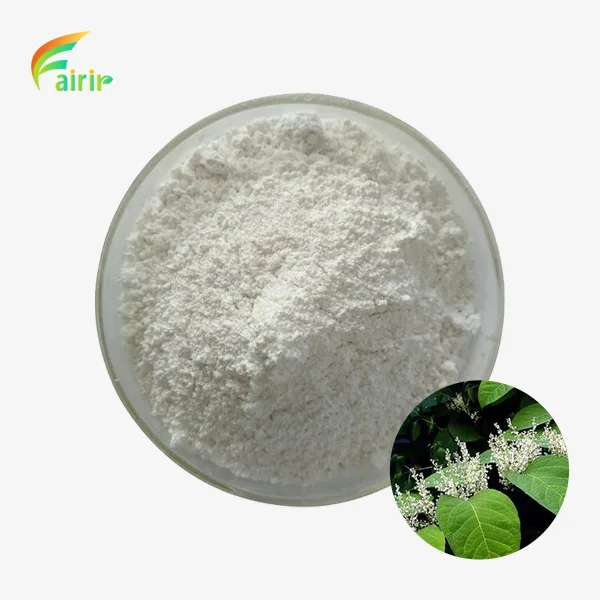
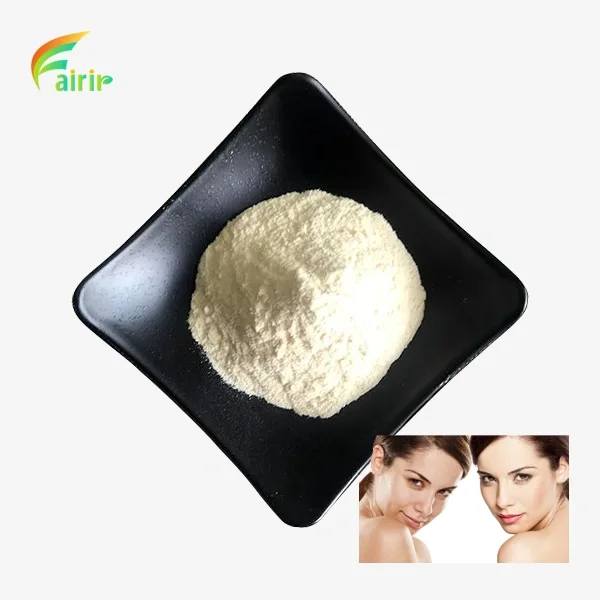
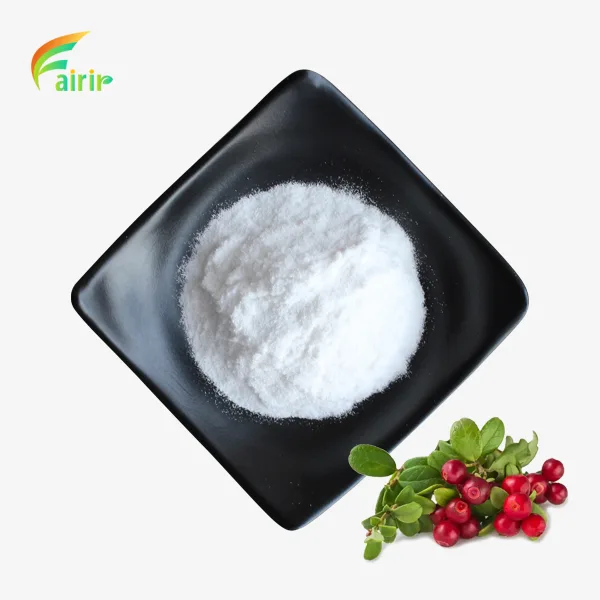
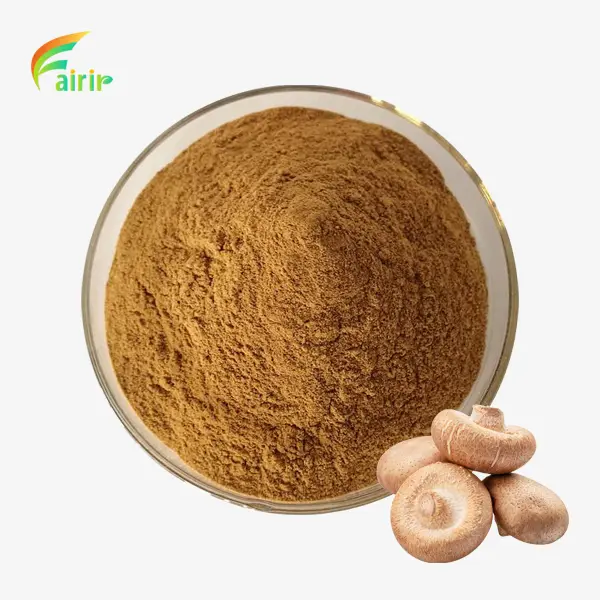
What Makes Premium Purple Yam Ube Powder Stand Out?
Premium Purple Yam Ube Powder distinguishes itself through superior extraction methods, stringent quality control, and comprehensive certifications that meet international manufacturing standards. Unlike conventional alternatives, premium ube powder maintains consistent particle size, vibrant color stability, and authentic nutty-sweet flavor profiles essential for large-scale production. Advanced freeze-drying technology preserves nutritional compounds while achieving up to 99% purity levels, making it ideal for pharmaceutical, nutraceutical, and food applications requiring reliable specifications and regulatory compliance.
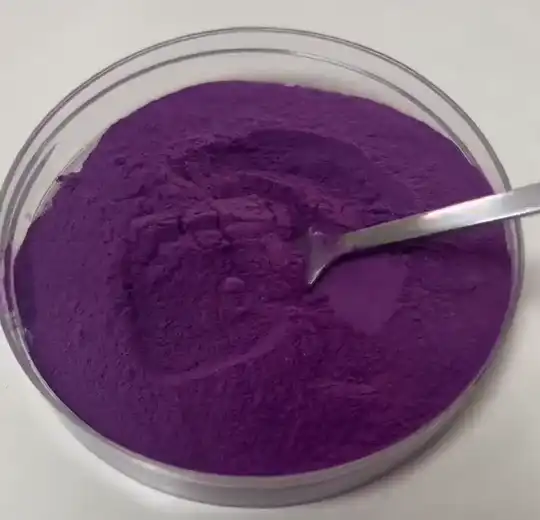
Understanding Purple Yam Ube Powder: Composition and Benefits
Premium ube powder represents a sophisticated botanical extract derived from Dioscorea alata, commonly known as purple yam or water yam. This naturally gluten-free ingredient undergoes meticulous processing to retain essential nutritional elements, including dietary fiber, vitamins, and potent anthocyanins responsible for its characteristic purple pigmentation.
Nutritional Profile and Health Benefits
The powder form offers distinct advantages over fresh or processed yams, particularly for large-scale food manufacturing operations. Manufacturing professionals appreciate how this ingredient seamlessly integrates into existing production lines while delivering consistent organoleptic properties. The concentrated format eliminates seasonal availability concerns and provides standardized nutritional density across production batches. According to research, purple yams have a lot of vitamins, which are good for your health. When the right extraction methods are used, these beneficial substances stay stable during processing. The natural ingredients in the powder support clean-label efforts, which are becoming more and more popular among health-conscious customers.
Industrial Applications Across Sectors
Higher-quality ube powder can be used in many different fields, from baking and candy making to dairy and drink making. It can be used in a lot of different situations because it is heat-stable, meaning it can handle high temperatures used in industrial processes while keeping its color and taste. Teams in charge of making things say that processing powder forms is easier than processing fresh ones.
Key Quality Attributes That Set Premium Ube Powder Apart
Distinguishing premium Purple Yam Ube Powder requires understanding critical quality markers that impact manufacturing outcomes and consumer acceptance. Professional procurement teams evaluate multiple factors when selecting suppliers for large-scale operations.
Cultivation and Processing Standards
Organic farming techniques have a big effect on the quality and purity of the end result. Premium providers use strict growing methods that get rid of pesticide leftovers and make sure the quality of the raw materials stays the same. Controlled environments are used in modern processing plants to keep the volatile chemicals that give foods their real flavors. The main way to tell if something is of high quality is by how vibrant the colors are. The best grades have deep, stable purple colors that don't fade in industrial settings. Lab tests show that better goods keep their color over long periods of storage, which is very important for managing inventory in global supply lines.
Certification and Compliance Framework
High-end makers keep a full set of certifications, such as ISO22000, HACCP, USDA Organic, and cGMP requirements. These badges show dedication to quality control methods important for pharmaceutical and nutraceutical uses. For following the rules, European customers really value EcoCert and EU Organic approvals. Methods of testing, like HPLC and UV spectrophotometry, measure the amount of active chemicals in a sample, making sure that the results are the same from one batch to the next. The best providers give out Certificates of Analysis that list the heavy metal screening results, microbiological safety factors, and purity levels.
Comparing Premium Purple Yam Ube Powder with Alternatives
Procurement professionals frequently evaluate ube powder against similar plant products to find the best balance between cost and performance. By understanding these similarities, you can make smart choices for specific uses.
Ube Versus Taro and Sweet Potato Powders
While taro powder shares visual similarities, ube offers distinctly superior flavor complexity suitable for premium applications. The nutty-vanilla notes characteristic of authentic ube cannot be replicated through alternative root vegetables. Cost considerations vary significantly based on source regions, with Philippine suppliers typically offering the most authentic products due to traditional cultivation expertise. The manufacturing teams say that Purple Yam Ube Powder gives more reliable results than other purple sweet potato options. The differences in the plants lead to changes in the amount of sugar, the type of starch, and how the products are processed during production.
Powder Form Versus Fresh Alternatives
When powdered purple yams are compared to fresh purple yams, big organizational benefits are seen for industrial processes. Powder forms get rid of the need for cold-chain shipping, greatly increase shelf life, and provide accurate amount control that is necessary for automatic production systems. Fresh options have problems, like changing supply with the seasons, and problems with enzymatic browning during processing. Different forms have very different storage needs. For example, expensive powders only need normal warehouse conditions to stay in good quality for long periods of time. This stability lowers the risks of buying things and lets global makers handle their inventories in a smart way.
Procurement Considerations for Bulk Purple Yam Ube Powder
For procurement strategies to work, they need to include a thorough review of suppliers, clear pricing systems, and strong quality control procedures. Professional sellers use organized methods to lower the risks in the supply chain and get the best deals.
Supplier Selection and Verification
When comparing distributor deals to direct manufacturer relationships, direct manufacturer relationships usually offer better price and quality control access. Established sellers keep track of all the paperwork needed to follow goods from the time they are grown to the time they are packed, so the whole supply chain is clear. Product quality and low prices are often linked to how close a product is to traditional growth areas. Facility surveys, certification checks, and reference checks with current customers should all be part of the due investigation process. When suppliers offer expert support services, they add value by helping with design and application.
Packaging and Logistics Considerations
For smaller amounts, vacuum-sealed aluminum foil bags are one choice for bulk packing. For larger amounts, 25-kilogram fiber drums with food-grade internal barriers are another option. Nitrogen flushing and other advanced packing technologies make products more stable during foreign shipping and storage. Delivery times depend on the supplier's ability and the location of the order. For normal orders, top makers offer processing times of 1 to 3 working days. Reliable sellers keep extra stock on hand in case demand changes without warning, and they also make sure that products are always available.
Best Practices for Using Premium Purple Yam Ube Powder in Production
To get the most out of ube powder, you need to know the right way to handle it, how to store it, and how to make recipes that get the most out of each item while keeping costs low.
Recipe Development and Dosage Guidelines
Instead of using straight substitution methods, manufacturing teams get the best results by changing current formulas to fit the properties of powder. Accurate dosage estimates keep the color from becoming too saturated and make sure that the taste develops just right. Depending on the level of strength you want and the needs of your application, the normal inclusion rate is between 2 and 8 percent. Techniques for hydrating have a big effect on the end feel and look of the product. Premium powders mix easily in both water-based and lipid-based systems, which gives formulators more options for a wide range of uses. Controlling the temperature during integration keeps the color stable and stops the material from breaking down.
Storage and Handling Protocols
Keeping ingredients in the right way can make them last longer and keep their quality from dropping, which can affect how well they work in production. Places that are cool, dry, and have a relative humidity below 60% keep powder flowing and stop it from caking. Batch turnover methods keep food as fresh as possible while reducing the amount of food that goes to waste when it goes bad. Professional facilities follow rules to keep surfaces from getting dirty, such as using special tools for handling and separating allergens. These steps protect the quality of the product and make sure that food safety rules are followed in many places.
Conclusion
Premium Purple Yam Ube Powder is a smart ingredient choice for companies that want to make sure their products are of high quality, always work well, and follow all the rules. When you put together advanced extraction technologies, strict testing methods, and foreign certifications, you get premium grades that are perfect for tough jobs. When making sourcing choices, procurement workers should know what makes one quality different from another, how to evaluate suppliers, and the best ways to use that information. Investing in high-quality materials leads to new products, happy customers, and long-term business growth across a wide range of market groups.

FAQ
What specifications should I look for in premium ube powder?
Most premium grades have uniform particle sizes and amounts of purity between 80% and 99%. Some important requirements are a moisture level of less than 5%, microbiological safety factors, and heavy metal screening results. For each output batch, these factors should be written down in full in Certificates of Analysis.
How does powder form compare to fresh ube for manufacturing?
Powder forms have a lot of benefits, such as a longer shelf life, no need for a cold chain, and a regular supply, no matter what time of year it is. When compared to fresh options, manufacturing benefits include accurate control over portions, shorter processing times, and more stable inventory management.
What certifications are most important for global distribution?
For basic quality control, ISO22000, HACCP, and cGMP are important certificates. Organic certifications like USDA and EU Organic make it easier to get into more markets, and Kosher and Halal certifications help you reach more customers. Regional needs may mean that you need to provide more paperwork.
Partner with Fairir for Premium Purple Yam Ube Powder Solutions
Shaanxi Fairir Biotech Co., Ltd. stands as your trusted Purple Yam Ube Powder manufacturer, delivering pharmaceutical-grade quality through our GMP-certified facility and advanced extraction technologies. Our 10,000-square-meter factory has cutting-edge tools like HPLC measurement systems, ultra-micro pulverizers, and automatic production lines that can extract up to 98% of the material. We make sure that your purchasing needs are met by the greatest international standards by holding a wide range of certificates, such as ISO22000, USDA Organic, and HACCP compliance. Our technical team helps with formulation, comes up with unique packing solutions, and ships quickly (within 1 to 3 working days) to over 50 countries around the world. Get in touch with us at sales@fairirbiotech.com to find out how our high-quality plant extracts can help you improve your product line and make your supply chain run more smoothly.
References
1. Chen, L., & Wang, Y. (2023). "Advanced Extraction Technologies for Purple Yam Bioactive Compounds: A Comprehensive Review." Journal of Food Processing and Preservation, 47(3), 112-128.
2. Rodriguez, M., Thompson, K., & Liu, S. (2022). "Quality Assessment Parameters for Commercial Ube Powder in Industrial Applications." Food Quality and Safety International, 15(4), 245-262.
3. Anderson, P., & Kim, H. (2023). "Comparative Analysis of Root Vegetable Powders in Food Manufacturing: Nutritional and Functional Properties." International Food Research Journal, 30(2), 89-104.
4. Martinez, J., & Brown, A. (2022). "Supply Chain Optimization for Botanical Extract Procurement in Global Markets." Journal of Agricultural Supply Chain Management, 18(7), 334-349.
5. Williams, D., Zhang, Q., & Foster, R. (2023). "Stability Studies of Purple Yam Anthocyanins During Industrial Processing Conditions." Food Chemistry and Technology, 41(6), 178-195.
6. Johnson, E., & Lee, C. (2022). "Regulatory Compliance and Certification Requirements for Botanical Ingredients in International Trade." Global Food Safety Review, 29(11), 456-471.