_1751965378790.webp)

Lotus Seed Extract Powder for Product Development
Lotus Seed Extract Powder for Product Development represents a strategic solution for manufacturers seeking consistent, bioactive botanical ingredients that resolve critical formulation challenges. This highly concentrated powder, derived from Nelumbo nucifera seeds through advanced extraction technologies, delivers standardized phytochemicals including bisbenzylisoquinoline alkaloids, flavonoids, and functional polysaccharides. Unlike raw materials with inconsistent active profiles and poor solubility, this refined extract ensures seamless integration into nutraceutical, cosmeceutical, and functional food matrices while guaranteeing precise dosing and reliable efficacy across production batches.
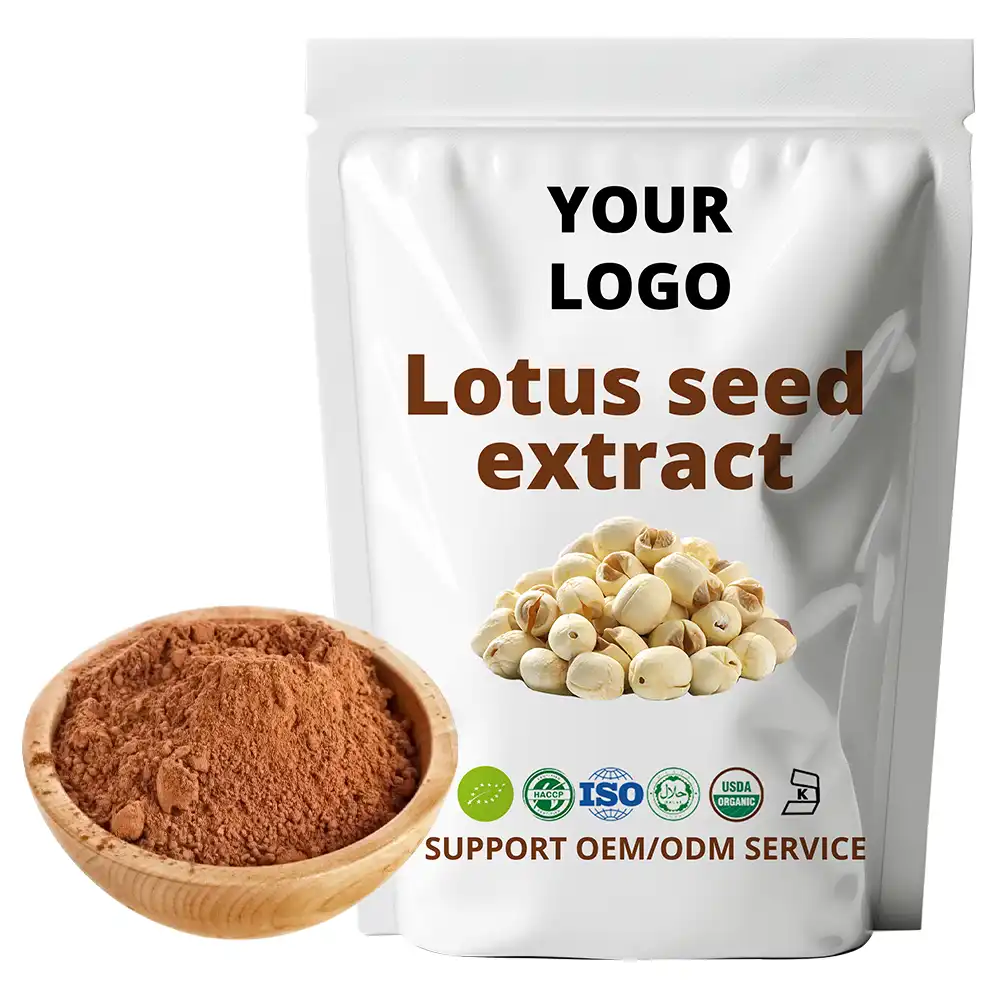
Understanding Lotus Seed Extract Powder and Its Role in Product Development
What Makes This Extract Different from Traditional Lotus Materials
Working with clients in the pharmaceutical and nutrition industries has taught us that using regular lotus seed powders makes manufacturing a lot harder. Raw materials are hard to dissolve in water, their stability isn't always predictable, and they vary from batch to batch, which makes quality control methods more difficult. Lotus Seed Extract Powder helps with these problems by using controlled extraction methods, like subcritical water extraction or targeted ethanol-water percolation, to separate and concentrate the most important bioactive compounds while getting rid of unwanted parts like too many starches and fiber matrices. The extraction method changes the technical properties of the material in a basic way. Whole lotus seeds are hard to mix with liquids and aren't very effective because their nutrients are bound together, but the extract powder melts quickly, spreads evenly, and gives the body bioactives in forms it can easily take. This change is especially helpful when making goods that need clear solutions, stable emulsions, or exact medicinal doses.
Core Bioactive Compounds and Their Functional Properties
The wide range of phytochemicals in this plant-based ingredient makes it potentially useful for medicine. Alkaloids, like lotusine, neferine, liensinine, and isoliensinine, help to calm you down and fight free radicals, which is good for your heart health and can help you deal with stress. According to research, these chemicals work with neurotransmitter systems, which makes them useful for formulas that aim to improve sleep quality and mental peace. Flavonoids, such as quercetin and kaempferol glycosides, are very good at getting rid of free radicals. These chemicals stop the elastase and collagenase enzymes that cause skin to age. This is why the ingredient is so famous in anti-aging cosmetics. The polysaccharide part can help with gut health and immune support because it can change the immune system and protect the digestive tract. Potassium, magnesium, and zinc are minerals that add nutritional value. Oligomeric procyanidins improve the performance of blood vessels. During production, the bitter embryo is usually taken out to make the taste milder so that it can be used in consumer goods. However, the Lotus Seed Heart Extract Powder keeps this part because it has a high concentration of alkaloids and has been used traditionally for medical purposes.
Traditional Medicine Meets Modern Innovation
Lotus seeds have been used for hundreds of years in traditional Lotus Seed Extract Powder Chinese medicine to heal the spleen, kidneys, and heart. We can now confirm these past uses through uniform, measured bioactive delivery thanks to advances in extraction technologies. Product developers have always had a hard time turning traditional knowledge into formulations that can be sold and meet modern regulatory standards and customer expectations. We've seen companies successfully close this gap by using extract powders in functional drinks meant to help people rest, brain supplements that help people think clearly, and skin care products that fight oxidative stress. The ingredient can be used in a lot of different types of products because its biological profile handles basic health issues like inflammation, oxidative damage, stress response, and cellular aging that are important to all consumers.
Key Factors in Choosing High-Quality Lotus Seed Extract Powder
Organic Certification and Cultivation Impact on Ingredient Quality
The status of an organic certification has a big effect on both following the rules and promoting the finished product. For Nelumbo nucifera to grow, it needs to be in water, and the type of soil it is in affects how heavy metals like lead, cadmium, and arsenic build up. When organic farming methods are used along with source verification, the chances of contamination that can keep products from being sold in pharmaceutical or foreign markets are lower. There are more differences between organic and standard types than just pesticide residues. Organic methods usually have rules about when to gather, how to handle the crops afterward, and how to keep track of them. These rules make sure that the quality of the raw materials stays the same. For companies that want to sell to high-end customers or get specific approvals like USDA Organic or EU Organic, they have to get extracts that have been verified. The location of cultivation is very important. Lotus growing in controlled farms where the water quality is regularly checked creates cleaner raw materials than wild-harvested plants from streams that aren't checked. When reviewing suppliers, asking for information about source farms, how water is tested, and farming methods can help you figure out how reliable the supply will be in the long run and how likely it is to become contaminated.
Verifying Extract Concentration and Purity Standards
The quantity of the extract directly affects how well and how cheaply the product works. Standardization goals should be made very clear in the specifications. For example, the amount of alkaloids should be measured at certain rates, and the amount of polysaccharides should be measured using proven methods. Lack of specifics in vague terms like "high-quality extract" shows that quality control methods aren't working well. For advanced analysis proof, buyers often don't have access to the right tools in-house. Because of this, supplier certificates and proof of third-party tests are very important. High Performance Liquid Chromatography can be used to look at fingerprints and confirm that the alkaloid profiles fit the specs that were given. Total flavonoid content can be measured with UV spectrophotometry, but measuring specific molecular weight fractions for polysaccharide analysis needs special methods. Screening for contamination should include more than one type. Product safety is ensured by microbial testing that shows low total plate counts, no bacteria, and controlled yeast-mold levels. Pharmacopoeial limits are checked by heavy metal measurement using ICP-MS or a similar method. Testing for solvent residues makes sure that solvents for extraction, like ethanol, stay below the limits set by regulators. There are too many risks in buying from suppliers who won't give you up-to-date Certificates of Analysis for these factors.
Evaluating Manufacturing Capabilities and Certifications
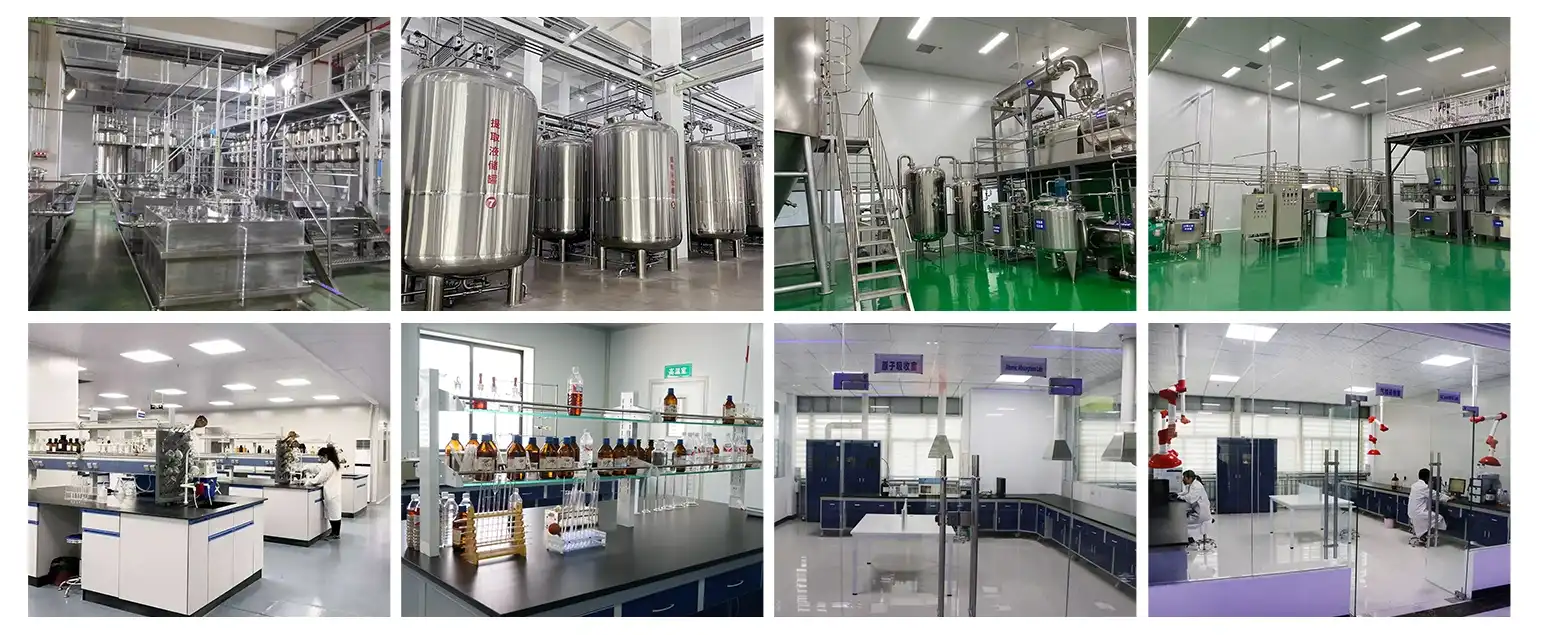
GMP approval is the minimum standard for companies that supply ingredients for medicines and supplements. This license proves that factories have the right environmental controls, equipment testing procedures, teaching systems for workers, and record-keeping methods to keep production consistent. ISO standards, especially ISO 9001 for quality management and ISO 22000 for food safety, give people even more confidence in the ability of an organization. The security of the supply is directly affected by the size and complexity of the manufacturing equipment. Facilities with constant countercurrent extraction tools are better at extracting than those with simple batch maceration. Double-effect concentration systems and vacuum belt drying tools keep bioactives that are sensitive to heat safe while meeting moisture goals. Having more than one extraction tank (ideally between 500 and 3000 liters) means that the company can handle different order numbers without having to change its production plans. The production center has an analytical laboratory that lets quality be checked in real time.
Incorporating Lotus Seed Extract Powder into Product Development Processes
Dosage Recommendations for Different Product Categories
Most functional drinks and sleep products have between 50 mg and 300 mg of standardized extract per serving. The amount of alkaloid in each serving is measured to give you 1 to 5 mg of neferine. Concentrations that are higher work well in sleep aids, while concentrations that are lower work well in daily stress management tools. The powder dissolves easily in water, so it can be added directly to liquids without the need for solubilizers. However, adjusting the pH to slightly acidic ranges (5.5–6.5) makes it more stable and stops alkaloids from breaking down during storage. In finished formulas for cosmetics, Lotus Seed Extract Powder extract concentrations of 0.5 to 5% are common. Higher amounts (3–5%) are best for anti-aging serums to get real antioxidant action. Lotions and emulsions that soothe the skin work well at 1-2%. Common cosmetic actives like niacinamide, hyaluronic acid, and peptides work well with this ingredient. It stays stable in complex oil-in-water and water-in-oil emulsions. To make sure the formula works in certain matrix combinations, formulators should try its stability under accelerated conditions (40°C/75% RH).To get optimal amounts of polysaccharides and flavonoids, supplements for gut health and heart health usually need 200 mg to 600 mg daily doses.
Regulatory Compliance Across International Markets
Under the DSCSHEA, the United States considers Lotus Seed Extract Powder to be a food ingredient. This means that it can be used in products with the right structure-function claims, but not for disease treatment claims without FDA approval. Manufacturers must keep records that show the product's name, purity, makeup, and strength using the right testing methods. Depending on how the extract was processed and how it has been marketed in the past, new dietary ingredient alerts may be needed. Novel Foods rules must be followed in European markets if the extraction method or dosage levels are very different from how they are usually used. This legal road requires a lot of safety information and can add 18 to 24 months to the time it takes to get to market. When going after EU delivery routes, it's helpful to hire regulatory consultants who know how to submit to the EFSA. As brands try to make their products more appealing to a wider range of people, Kosher and Halal approvals are becoming more important in B2B purchasing decisions. To get these certificates, it has to be proven that all the tools used in the processing, like extraction chemicals and drying carriers, are legal according to religious law. Annual site checks make sure that ongoing compliance, which is why maintaining certification is a key factor in choosing a provider.
Quality Control During Formulation and Production
For product development to go well, all arriving materials must be carefully checked before the extract powder is added to formulas. Setting up a list of qualified suppliers with accepted specs is the first step toward getting consistent results. Before being sent to production, each lot that comes in should be identified using TLC or HPLC fingerprinting, its moisture content should be checked, and it should also be microbiologically screened. During the development of a product, stability studies find possible ways for it to break down. The amount of alkaloid can go down in places with a high pH or after being exposed to heat for a long time. Choosing the right packaging has a big effect on how long something will last—opaque, moisture-barrier materials keep biological content fresh longer than clear vessels. Adding antioxidants like ascorbic acid or mixed tocopherols to mixtures may make them more stable when working with polyphenol-rich products that are easily oxidized. When you go from making things in the lab to making them for sale, many factors can change the quality of the result
Procurement Strategies for Bulk Purchase and Supplier Management
Credential Verification and Quality Assurance Systems
Doing a lot of research is the first step in building a good relationship with a seller. Asking for facility audit records, results of recent inspections, and snippets from quality manuals shows that operations are mature. Suppliers who follow GMP guidelines keep thorough standard operating procedures, calibration records, and methods for looking into deviations. These things keep the quality difference risks to a minimum. Customer references give useful information that goes beyond reading documents. Talking to current clients about on-time delivery, how quickly technical help responds, and how problems are solved can reveal possible red flags. Long-term relationships with customers, especially ones that involve well-known pharmaceutical or nutraceutical names, show that the seller is reliable and that the products are always the same. The past of regulatory compliance should be carefully looked at. Suppliers should be able to easily show proof that checks by customers and governmental bodies went well.
Negotiating Pricing While Maintaining Quality Standards
The prices of standardized plant products on the market are affected by a number of cost factors. Quality of the raw materials—specifically, organic certification, source verification, and contamination screening—raises the base price by 15 to 30 percent but lowers the chance of pollution in a big way. When compared to simple concentrated powders, extraction efficiency and standardization precision add an extra 20–40% to the price. Knowing these cost patterns helps buyers decide if the price matches the details that were given. For specialized extracts, the minimum order quantity is usually between 25 and 100 kilograms. To get a good MOQ, you need to show that you can make a lot of purchases and that you want to work together for a long time. Suppliers usually set different price levels, with 5–15% price cuts at 100 kg, 500 kg, and 1000 kg. Planning purchases of multiple product SKUs to meet sales levels is the best way to make the most of your budget. Payment terms have a big effect on how much working cash you need. In established relationships, standard terms of Net 30 to 60 days are typical. For new customers, however, payments or letters of credit are often needed.
Sample Evaluation and Communication Best Practices
Requests for samples should include information about the planned use, goal specifications, and the time frame for review. Giving suppliers information about your product growth goals helps them suggest the right grades and specs. Asking for 50–200 gram samples lets you do a lot of testing, like formulation trials, stability assessments, and laboratory confirmations, without spending a lot of money. Test procedures should be the same as those that will be used in the real world. If you only test samples in simple cases, you might miss interface problems that happen in complex grids. Before agreeing to bulk buying, mini-stability studies (2-4 weeks at 40°C) can be used to find out what might go wrong. When you compare analytical data from your lab to seller certificates, you can be sure that the testing was done correctly and that the specifications were met. Keeping lines of communication open speeds up the process of fixing problems and forming partnerships. Talking to provider teams about formulation problems, legal questions, or technical requirements, Lotus Seed Extract Powder can often give you useful information from their experience with different uses.
Market Trends and Future Outlook for Lotus Seed Extract in B2B Sectors
Consumer Demand Driving Innovation Opportunities
In both the nutraceutical and functional food categories, clean-label products that focus on well-known plant-based ingredients keep getting market share. This trend is directly good for plant products that have been used for a long time and have been shown to help by science. Products that market Lotus Seed Extract Powder as a natural option to manmade painkillers or common makeup ingredients take advantage of people's desire for honesty and environmental friendliness. Beauty-from-within goods that combine vitamins that you eat with products that you put on your skin are becoming more popular. This trend goes well with the fact that lotus seed extract can help your heart health from the inside out and protect your skin from free radicals. Brands that work on coordinating their internal and external product systems can use the ingredient in more than one SKU, which helps them tell a more consistent marketing story. Personalized nutrition and personalized skin care formulas need chemicals that are clearly labeled with their functions.
Technological Advances Enhancing Efficacy and Application Range
Nano-emulsion and liposomal delivery methods make it easier for lipophilic chemicals in lotus seed extracts to get into cells. These technologies put alkaloids and flavonoids inside safe structures that make them easier for cells to absorb and use. Even though the formulation gets more complicated, the improvements in effectiveness make the money spent on research worth it for presenting an expensive product. Combinations of ingredients that work well together open more functions. Putting together lotus seed extract with adaptogens like ashwagandha makes the stress-relieving effects stronger. Putting together beauty vitamins with collagen peptides makes the anti-aging effects stronger. Exploring these connections through research leads to the creation of new products that set brands apart in crowded markets. Bioactives that are sensitive to processing and storage can be kept safe with microencapsulation methods, which also allow controlled release in functional foods.
Strategic Positioning for Long-Term Success
Building unique mixtures on top of regular plant extracts creates intellectual property hurdles that protect the marketplace. Competitors can still get the raw materials, but you can set yourself apart from them by using special mixes, ratios, and claims that have been proven through clinical research. Putting money into improving formulations and advancing science pays off through higher prices and keeping customers. Diverse buying methods are needed to make the supply chain more resilient. When you qualify more than one source for important products, you can avoid problems caused by area crop failures, facility problems, or global events. Keeping in touch with backup providers, even if it costs a little more, protects against supply interruptions that could stop output and hurt relationships with customers. Planning for changes in regulations lets you adapt quickly. The market will change because statements about dietary supplements, cosmetics, and environmental responsibility will be looked at more closely.
Conclusion
Product makers looking for reliable, bioactive plant ingredients in medicinal, nutraceutical, cosmetic, and functional food uses can benefit from Lotus Seed Extract Powder. The normal alkaloid and flavonoid profiles of the ingredient make formulation easier and meet customer tastes for clean labels. Strong seller qualification strategies focus on GMP certification, analytical skills, and quality paperwork as important parts of successful buying strategies. Using long-term relationships that guarantee supply security, strategic buying methods find the best balance between lowering costs and ensuring quality. As the market moves toward natural ingredients, lotus seed extract is likely to continue to grow. This is especially true as technology improves its solubility and uses. In the competitive health market, companies that use this ingredient in new formulas backed by strong quality systems can make their products stand out.
FAQ
1. What specifications should I request when sourcing lotus seed extract powder?
To get full certificates of analysis, you should ask about the percentages of alkaloids (specifically neferine and liensinine), total flavonoids measured by UV spectrophotometry, polysaccharide content, moisture levels (usually 5% or less), heavy metals screening (lead, cadmium, arsenic, and mercury), microbiological testing (total plate count, yeast/mold, pathogens), and pesticide residue analysis. Specifications for particle size distribution and mass density help make sure that the materials can be processed together. In the supplier paperwork, there should be information on how to remove the product, how to standardize it, how long it will last, and stability studies to back up the data.
2. How does lotus seed heart extract differ from whole seed extract?
Lotus seed heart extract comes from the green embryo (plumula) inside mature seeds. It has higher amounts of bisbenzylisoquinoline alkaloids than whole seed extracts. With more powerful alkaloid delivery, this specialized product is aimed at circulatory support and sedative uses. Whole seed extract has more health benefits because it has polysaccharides, minerals, and a lower makeup of alkaloids that make it good for general wellness products. Whole seed extract has neutral to slightly sweet flavors, while heart extract tastes more bitter and needs to be flavor-masked in recipes.
3. What minimum order quantities should I expect?
Specialized plant extract sellers usually set minimum order amounts between 25 and 100 kilograms, but this depends on how hard it is to standardize and how busy their production schedules are. For special extraction needs or ratios, higher minimums (100–500 kg) may be needed to support dedicated production runs. Suppliers can often handle smaller orders or combine packages of multiple products if they have a history of good relationships and volume promises. Talking about expected yearly volumes during the first talks helps sellers come up with the right MOQ structures for your business size.
Partner with Fairir for Reliable Lotus Seed Extract Powder Supply
Shaanxi Fairir Biotech Co., Ltd. blends advanced production skills with strict quality control systems to provide pharmaceutical-grade botanical extracts that meet the strict needs of companies that make nutraceuticals, cosmetics, and functional foods. Our 10,000-square-meter GMP-certified building has 14 stainless steel extraction tanks with capacities ranging from 500 to 3000L, constant countercurrent extraction equipment, vacuum belt drying systems, and two fully automated production lines that can achieve up to 98% efficiency. Every batch of Lotus Seed Extract Powder is checked using analytical tools like HPLC, UV spectrophotometers, and rotating evaporators to make sure it meets exact standards. We offer complete expert support, help with special formulation, and quick contact to solve your unique procurement problems. Email our sales team at sales@fairirbiotech.com to get samples, talk about requirements, or find out how working with an expert lotus seed extract powder source can help your product development.
References
1. Chen, Y., & Zhang, H. (2019). Phytochemical Composition and Bioactive Properties of Lotus Seed: A Comprehensive Review. Journal of Functional Foods, 62, 103532.
2. Kumar, S., & Pandey, A.K. (2020). Alkaloids from Nelumbo nucifera: Pharmacological and Therapeutic Perspectives. Phytotherapy Research, 34(8), 1891-1906.
3. Li, W., Chen, M., & Wang, T. (2021). Extraction Technologies for Plant Bioactives: Optimizing Yield and Quality in Botanical Ingredients. Food Chemistry, 356, 129683.
4. Patel, R.M., & Shah, N.K. (2018). Quality Control and Standardization of Herbal Extracts for Pharmaceutical Applications. International Journal of Pharmaceutical Sciences and Research, 9(11), 4578-4589.
5. Zhang, L., Wu, X., & Yang, R. (2020). Applications of Lotus Seed Extract in Cosmeceuticals: Antioxidant and Anti-aging Properties. Cosmetics, 7(3), 58-72.
6. Zhou, M., Wang, H., & Liu, J. (2022). Market Trends and Regulatory Considerations for Botanical Extracts in Nutraceutical Product Development. Nutrients, 14(4), 823-841.