_1751965378790.webp)

What Makes High-Quality Purple Yam Ube Powder Different?
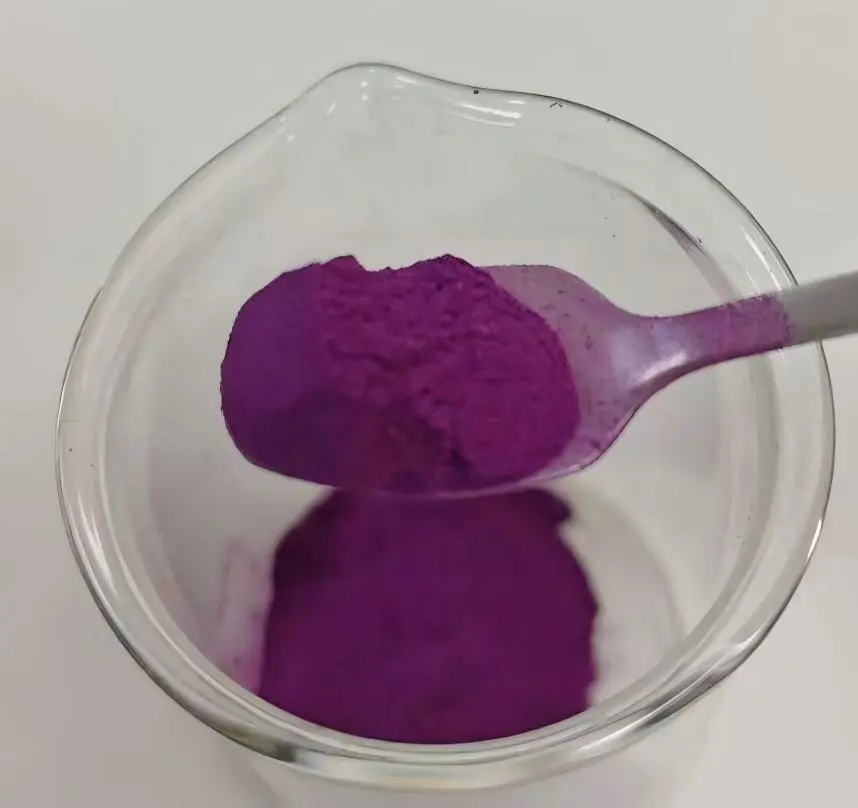
Purple Yam Ube Powder that is of high quality is different because it comes from real Dioscorea alata roots, is processed in a way that keeps the natural anthocyanins, and goes through strict quality control to make sure that the color strength and taste profiles stay the same. Standardized specifications—usually 80% to 99% purity—guarantee success in medicinal, nutraceutical, cosmetic, and food uses. Premium Purple Yam Ube Powder has a bright violet color, fine particles, and meets these standards. Genuine Purple Yam Ube Powder is better than cheaper alternatives that might use synthetic dyes or lower-quality root material because it contains natural nutrients, stays stable at high temperatures, and meets international standards like organic, non-GMO, and allergen-free requirements that are important for B2B manufacturing operations.
Understanding Purple Yam Ube Powder: Origins and Production
Cultural Heritage and Geographical Significance
The formal name for Purple Yam Ube Powder is Dioscorea alata, and it comes from Southeast Asian farming practices, especially Filipino food, where it still holds cultural importance. The naturally bright purple meat of the tuber comes from chemicals called anthocyanins that are concentrated in the root tissue. The growth factors in a certain area, like a tropical climate with certain soil pH ranges and rainfall patterns, have a direct effect on the development of anthocyanins and flavor compounds. Real ube is mostly grown in the Philippines, some parts of Indonesia, and some Pacific areas where traditional growing methods protect the purity of the variety.
Modern Processing Methods and Critical Control Points
Several carefully controlled steps are needed to go from fresh tuber to polished powder. After being picked, the roots are washed and inspected very carefully to get rid of dirt particles and broken areas. Anthocyanins and volatile taste molecules are better preserved by advanced freeze-drying technology than by traditional heat-drying methods. The dried material is put through ultra-micro pulverization systems that make the particles the same size, which is important for mixing and dissolving evenly. During processing, keeping an eye on the temperature stops enzymatic breakdown, and controlled humidity conditions keep the goal moisture level below 5%, which stops microbes from growing and makes the product last longer. Good Manufacturing Practice rules, Purple Yam Ube Powder are followed at every stage of production by companies that care about quality. Traceability tools for raw materials keep track of where batches came from, when they were processed, and what conditions they were in. Checkpoints for intermediate quality use spectrophotometric analysis to check color intensity and mesh screening to check grain uniformity. Putting finished powder in pharmaceutical-grade aluminum foil bags that are vacuum-sealed keeps it safe from light and rust while it is being stored and shipped.
Nutritional and Functional Properties
Purple Yam Ube Powder is more than just pretty to look at; it also has practical uses in many areas. The element naturally has micronutrients like potassium and vitamin C, as well as complex carbohydrates and nutritional fiber. Its gluten-free makeup makes it perfect for allergen-aware recipes, and its vegan approval makes it easier for more people to get. Anthocyanin molecules are antioxidants that back up promises made about products in the nutraceutical and beauty fields. The natural ability of the powder to join together makes the dough better in gluten-free baking, so you don't have to use as many artificial stabilizers. Skincare companies use their natural coloring and gentle astringent qualities to make lines of anti-aging and whitening products.
Key Quality Parameters That Differentiate Premium Purple Yam Ube Powder
Physical Attributes and Sensory Evaluation
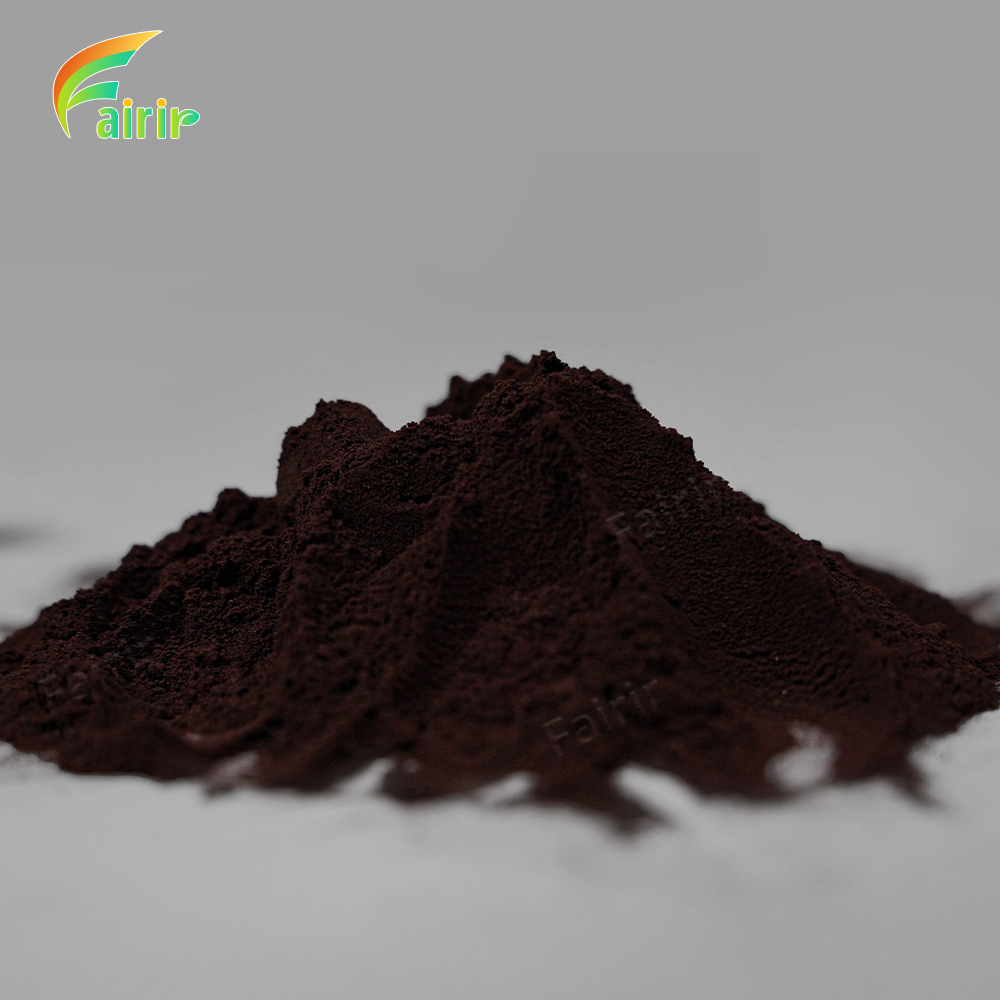
When tested at a certain frequency, absorption peaks between 520 and 540 nanometers, premium Purple Yam Ube Powder has a deep violet color. The color of better goods stays the same across a range of pH levels and temperature changes that are common in manufacturing processes. The performance is directly affected by the particle size distribution. High-quality powders go through 80-mesh or smaller screens, which makes sure that the finished products have a smooth texture integration without any gritty parts. Aroma profiles should have nutty notes and light vanilla undertones, with no musty or fermented smells that would mean the food wasn't dried or stored properly. A visual review shows that the powder has a uniform density and doesn't have any clumps, discoloration, or foreign matter. Taste tests by trained sensory groups show that real flavors are more complicated than artificial flavors. When proper controls are kept on sourcing and handling, these organoleptic qualities stay the same from one production batch to the next.
Chemical Quality Measures and Safety Standards
Moisture content is an important specification feature. High-quality Purple Yam Ube Powder keeps amounts between 3 and 5 percent to stop microbes from growing and cause caking. Atomic absorption spectroscopy checks for the presence of heavy metals like lead, arsenic, cadmium, and mercury within the limits set by Codex Alimentarius and FDA rules. Using gas chromatography-mass spectrometry to look for pesticide residues makes sure that the food meets EU Regulation 396/2005 and, if necessary, USDA organic standards. Microbiological testing methods prove total plate counts, amounts of yeast and mold, and the lack of pathogenic organisms such as Salmonella, Staphylococcus aureus, and E. coli. High-quality makers test their products using tried-and-true methods like AOAC International protocols, and each batch of products comes with a proof of analysis. Cross-contamination risks can be seen clearly in allergen warning statements. This is especially important for facilities that process tree nuts, soy, or dairy products.
Organic Versus Conventional and Certification Requirements
It is known that organic Purple Yam Ube Powder is the best because it doesn't contain any synthetic chemicals, genetic changes, or growing methods that are bad for the environment. Certification groups like USDA Organic, EU Organic, and EcoCert do checks every year to make sure that the product can be tracked from the field to the finished product. When buyers are looking for natural product markets or certain distribution methods, these qualifications are often the first thing they look for. Through combined pest management and precise agriculture, conventional powders may be cheaper while still meeting high standards for purity and safety. The choice between organic and standard should be based on how the product is positioned, what the target market wants, and how the price point is set. When made under cGMP settings and following the right validation methods, both types can reach pharmaceutical-grade quality.
Comparison with Similar Botanical Ingredients
People who work in procurement often get Purple Yam Ube Powder, taro powder, and purple sweet potato powders mixed up. Authentic ube comes from Dioscorea alata yams, which have a different flavor and darker natural coloration than taro (Colocasia esculenta), which has a softer, earthier taste. The anthocyanin content of purple sweet potato (Ipomoea batatas) is similar, but the calorie content and taste are different. These differences in plants affect how well they work in heat-sensitive situations. For example, true ube keeps its color better during baking and extrusion. Understanding these differences helps you avoid design mistakes and make sure that your product labels are correct.
How to Identify and Select the Best Purple Yam Ube Powder for Your Business
Defining Core Selection Criteria
For buying to go well, there must be clear Purple Yam Ube Powder specification requirements that are in line with the goals of Purple Yam Ube Powder. The amounts of purity, which can be given as active ingredient concentrations or total solids content, should meet the ratios used in the formulation. The level of flavor intensity needed for minor background notes in drinking systems is different from the level of flavor intensity needed for noticeable profiles in confectionery systems. Process compatibility is affected by how well powders dissolve in liquids. For example, spray-dried powders usually mix better with cold liquids than drum-dried powders. Pilot batching for application-specific testing finds compatibility problems before large agreements. When a sample is being evaluated, it should go through storage stability tests under fast conditions that are similar to what happens in the real supply chain. Multiple freeze-thaw cycles or heat exposures are used to test color preservation and show realistic performance limits. Including your R&D team early on in the supplier review process makes sure that the technical goals for product development are aligned with the skills of the ingredients being used.
Evaluating Supplier Credentials and Infrastructure
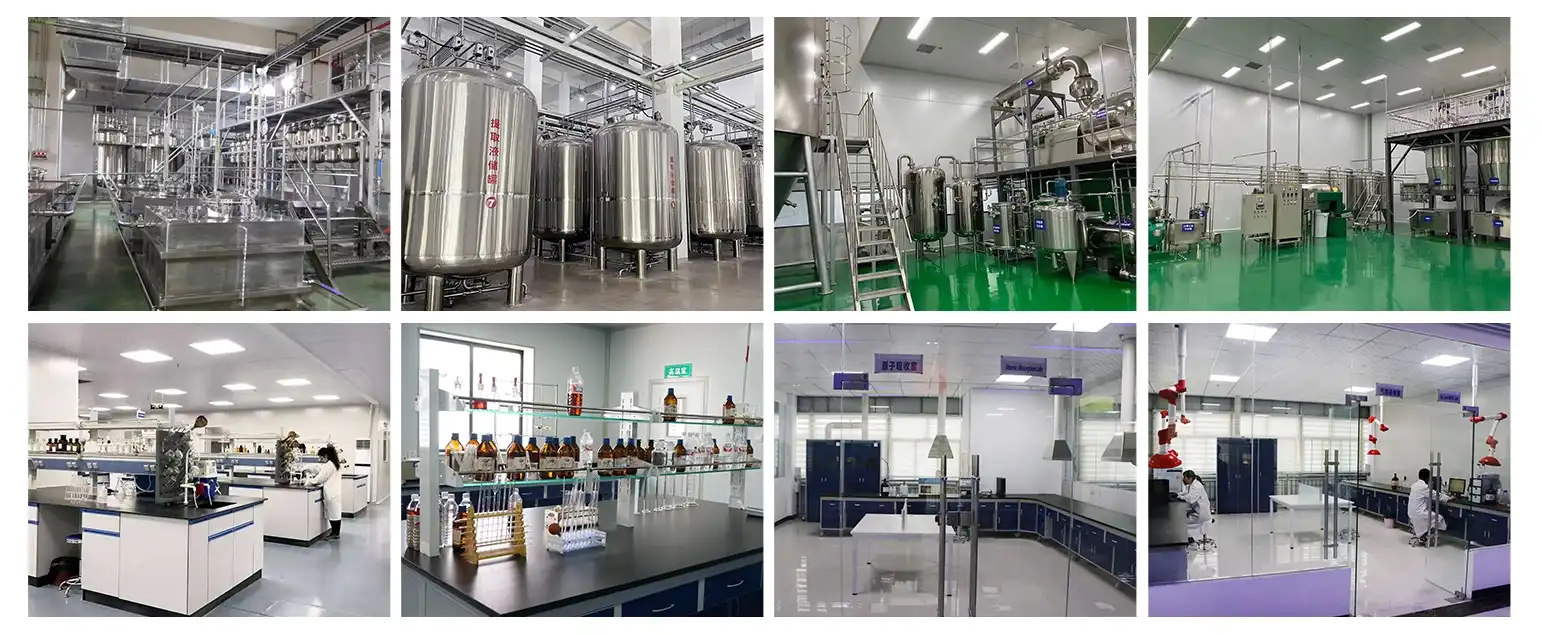
Along with product specifications, a supplier review must also look at the seller's ability to make things and their quality control methods. GMP approval shows that you are committed to preventing contamination, validating equipment, and teaching staff. Credentials like ISO 22000 or FSSC 22000 show that a business has strong food safety management systems that are used across all of its activities. When you use HACCP and write down your key control points, you can be sure that hazards will not happen. This is better than reactive quality control. Some signs of physical infrastructure are the ability to remove, the skills of analytical laboratories, and the presence of cold storage facilities. Suppliers who have HPLC, UV spectrophotometry, and rotating evaporation systems show that they are technically advanced by being able to precisely profile compounds and ensure stability from batch to batch. Automation of the production line lowers the risk of mistakes made by people and allows for expansion as your volume needs change. Site audits give people the chance to see for themselves how cleaning is handled, raw materials are moved, and records are kept.
Navigating Pricing Structures and Commercial Terms
References from people in the same industry, being in the plant extract market for a long time, and being honest during due diligence talks are what set established professionals apart from sellers looking to make quick money. In addition to product price, responsive technical support teams that can answer questions about formulation, provide stability data, and solve application problems add a lot of value. The price of Purple Yam Ube Powder depends on a number of factors, such as whether it is organically certified, how pure it needs to be, the minimum order quantity, and the way it is packaged. Direct price from the maker usually saves you 15 to 30 percent compared to buying through a wholesaler. However, regional importers may offer more localized inventory and more freedom with smaller lots. Volume commitment prices encourage yearly contracts while adding benefits for supply consistency and better distribution during times of high demand.
Storage and Handling Best Practices
Costs should be broken down clearly into parts like raw materials, processing, testing, packing, and transportation. Understanding these factors makes negotiating easier and helps find ways to change specifications in a way that maximizes the ratios of cost to performance. Different types of payment terms, such as letters of credit and net-60 agreements, can affect your working capital needs and should be in line with the times you use to plan your finances. Some things to think about when sending things internationally are how to explain Incoterms, how to help with customs paperwork, and how to keep temperatures under control for paths that are sensitive to weather. Suppliers who know how to follow export regulations make the import process easier by giving advance certificates, regulatory advice, and freight forwarder coordination. On-time performance measures show how reliable delivery is, and keeping an inventory buffer in place guards against production interruptions. Using the right storage methods is important for keeping the purity of your ingredients throughout the supply chain. Purple Yam Ube Powder should be stored in a cool, dry place that is below 25°C and has a relative humidity of less than 60% to keep it from absorbing water and hardening. Anthocyanins don't break down as quickly when they are stored in sealed containers that block light. Following the first-in, first-out rule in rotation systems keeps things from aging for longer than the suggested use periods, which are usually 18 to 24 months from the date of production in ideal circumstances. During moves and weighing, handling methods should limit the amount of time that items are exposed to air. Natural colorants are kept separate from flavorings or useful ingredients that could change the way the food tastes by using special equipment. Teaching workers the right way to reconstitute things, like adding liquids slowly while mixing all the time, helps with dispersion and stops things from sticking together during the formulation process.
Applications and Use Cases of High-Quality Purple Yam Ube Powder
Food and Beverage Manufacturing Applications
In industrial bakeries, Purple Yam Ube Powder is used as a natural colorant instead of manufactured dyes, and it is said to add nutritional value. It can handle normal oven temperatures and still keep its bright purple color in baked goods like cakes, cookies, and pastries, unlike some anthocyanin sources that turn brown. The powder can be used in place of some flour in gluten-free recipes to help keep the dough wet and extend its shelf life because it naturally binds ingredients together. Ube is used by beverage companies to make ready-to-drink coffee, smoothie bases, and healthy drinks. Micronized particle specs make sure that suspension systems have a smooth taste and don't form sediment. The natural viscosity of the material means that hydrocolloid inhibitors are not needed as much in premium product positioning. Dairy and non-dairy frozen treat apps use ube's creamy taste compatibility and photogenic Purple Yam Ube Powder appeal to get people to try them on social media and buy them.
Cosmetic and Personal Care Formulations
Developers of sweets use Purple Yam Ube Powder in chocolate ganaches, cream sauces, and gummy bears because its natural sweetness works well with sugar systems and doesn't overpower delicate flavor balances. The ingredient works the same way in both batch and continuous processing settings, so the color stays the same from one production run to the next. Its "clean label" status backs up marketing stories about being honest and getting natural ingredients, which are becoming more and more important to consumers when they decide what to buy. These different uses show that Purple Yam Ube Powder can be used in a wide range of temperatures, pH levels, and processing methods. Technical data sheets with solubility curves, pH stability ranges, and suggested usage rates help formulators find the best ways to incorporate ingredients that work best with their production tools and the qualities they want to achieve in the final product. In face masks, serums, and creams, skin care companies use Purple Yam Ube Powder's natural color and antioxidant qualities. The ingredient is gentle enough for use on sensitive skin and adds color to products that look good enough for Instagram. Free radical scavenging processes found in dermatological studies back up statements that anthocyanin compounds slow down aging. Because it brightens naturally, ube can be used instead of manufactured bleaching agents that are being closely watched by regulators in some markets. In hair care products, ube is used to add a purple tint to shampoos and conditioners. Its natural violet pigment balances out brassy tones in dyed hair. Because the powder particles are so small, the finished product is smooth and doesn't feel gritty when it's applied or rinsed off. Bath and body goods use ube's aromatic profile to create unique sensory experiences that set brands apart in the personal care market, which is very competitive.
Optimizing Product Development Outcomes
Formulation scientists like that Purple Yam Ube Powder works well with emulsifiers, preservatives, and active substances, which are all popular cosmetic ingredients. Stability testing shows that the color and effectiveness stay the same over the course of a normal product's shelf life when added at the suggested amounts. Regulatory compliance paperwork, such as allergen statements, microbial specs, and heavy metal tests, helps global markets meet their safety requirements. To successfully incorporate Purple Yam Ube Powder, you need to pay attention to how the ingredients combine and how the process is run. The time of hydration affects the quality of the dispersion. Particles don't stick together when there are enough refreshment periods before high-shear mixing. In acidic environments where anthocyanin colors change, it may be necessary to use pH adjustment techniques. However, stabilizing agents can keep the colors you want. Bench-scale studies, which test samples from several sources under your specific process conditions, show differences in performance that aren't clear from the specs alone. Formulation sturdiness is based on shelf-life studies that track color stability, taste retention, and microbiological quality under real-world storage conditions. Including source expert teams in the development process speeds up troubleshooting and makes the best use of ingredients.
Conclusion
Premium Purple Yam Ube Powder stands out because it is made with real botanicals, modern processing technologies, and strict quality systems that make sure it meets the exact standards needed for B2B production. When you do strategic buying, you have to look at a lot of quality factors, such as purity levels, sensory qualities, certification credentials, and the infrastructure capabilities of the provider. Understanding performance traits that are specific to an application, like how stable heat is in baking and how easily a substance dissolves in drinks, helps formulators make better products and set them apart from others. Partnering with well-known makers that offer clear quality paperwork, quick technical support, and reliable supply lines lowers procurement risks and makes room for new ideas. When you choose high-quality ingredients, you get competitive advantages like clean labeling, following the rules, and better sensory experiences. These benefits make quality investments that help you stand out in the market and support long-term business growth in the food, cosmetics, nutraceuticals, and pharmaceutical industries.
FAQ
1. What allergen considerations apply to ube powder?
High-quality Purple Yam Ube Powder that comes only from purple yam roots doesn't contain any of the main allergens, like gluten, dairy, soy, tree nuts, or shellfish. Manufacturers should provide allergen control paperwork that proves they use specialized processing tools or tested cleaning methods that keep products from getting contaminated with other things. BSE/TSE statements prove that there is no animal-derived material, which is important for vegan product marketing and holy food certifications like Kosher and Halal.
2. How does powder quality compare to fresh ube?
Getting fresh ube can be hard because it's seasonal, turns brown quickly after being cut, and has a high moisture content that makes sending and storing it harder. Premium powder concentrates active ingredients, gets rid of the risk of spoilage, and offers standard specs that make it possible to get uniform results when formulating. Freeze-drying keeps the same level of flavor richness and nutritional value as fresh tubers, but it saves money on shipping costs and makes the tubers last longer.
3. What storage protocols maximize powder longevity?
The best settings for keeping are cool places (below 25°C), low humidity (below 60% relative humidity), and packaging that blocks light. Standard plastic containers don't protect food as well as vacuum-sealed metal foil bags with food-grade poly layers inside. Once opened, reactive breakdown can be stopped by resealing the container and moving the contents to smaller ones as inventory runs out. Powder stays good for 18 to 24 months after it is made, as long as it is kept properly.
Partner with Fairir for Premium Purple Yam Ube Powder Supply
Shaanxi Fairir Biotech Co., Ltd. makes pharmaceutical-grade plant products using GMP-certified methods that make sure quality is always the same, and rules are followed. In our 10,000-square-meter building, we have high-tech extraction tools like constant countercurrent systems, double-effect concentration units, and vacuum belt drying technology. Two fully automatic production lines make extraction up to 98% more efficient, which helps keep delivery plans on track and meet urgent buying deadlines. We have 14 stainless steel extraction tanks that can hold anywhere from 500 to 3,000 liters of liquid. This lets us make batches of different sizes, from small R&D tests to large orders for businesses.
The equipment for quality assurance includes HPLC, UV spectrophotometry, and rotary evaporation for testing and validating each output lot. Our Purple Yam Ube Powder specs guarantee concentrations of 80% to 99% purity. It also comes with a wide range of certificates, such as ISO 22000, FSSC 22000, HACCP, USDA Organic, and EU Organic. As a provider of Purple Yam Ube Powder with a lot of experience, we can help you set your brand apart by offering cheap manufacturing prices, unique formulas, and private labeling services. During the entire process of developing a product, technical support teams offer formulation advice, stable data, and application problems. You can email our team at sales@fairirbiotech.com to get samples, talk about your needs, and find out how smart relationships with ingredient providers lead to new products and market success.
References
1. Chen, L., & Wang, Y. (2021). Anthocyanin stability and applications in natural food colorants: A comprehensive review. Journal of Food Science and Technology, 58(9), 3301-3315.
2. International Trade Centre. (2022). Natural ingredients in global cosmetics and personal care markets: Trends and regulatory frameworks. Geneva: ITC Publications.
3. Kumar, S., & Singh, R. (2020). Dioscorea species: Traditional uses, phytochemistry, and pharmacological activities. Phytochemistry Reviews, 19(4), 839-877.
4. Mercado, G., & Ramos, L. (2019). Post-harvest processing technologies for tropical root crops: Quality preservation and value addition. Manila: Southeast Asian Food Technology Institute.
5. United States Pharmacopeia. (2023). Botanical ingredient quality standards and testing methodologies (USP-NF 2023). Rockville, MD: USP Convention.
6. World Health Organization & Food and Agriculture Organization. (2021). Codex Alimentarius: General principles of food hygiene and HACCP implementation for botanical extracts. Rome: FAO Press.